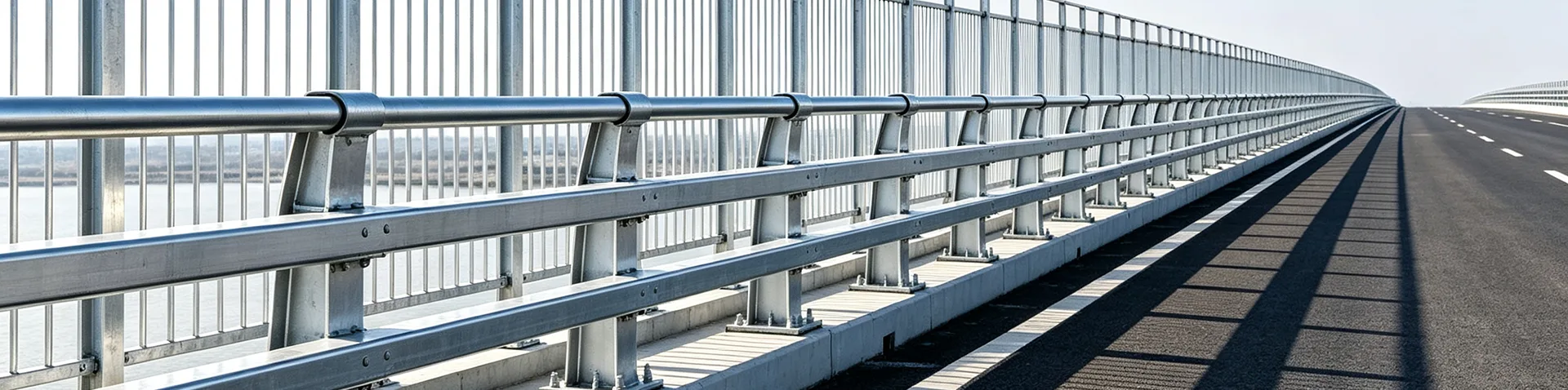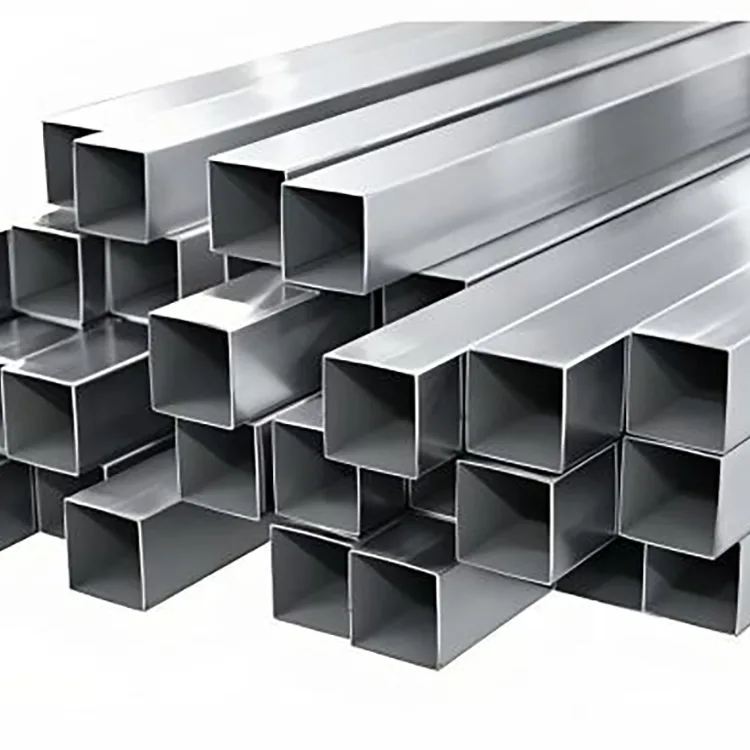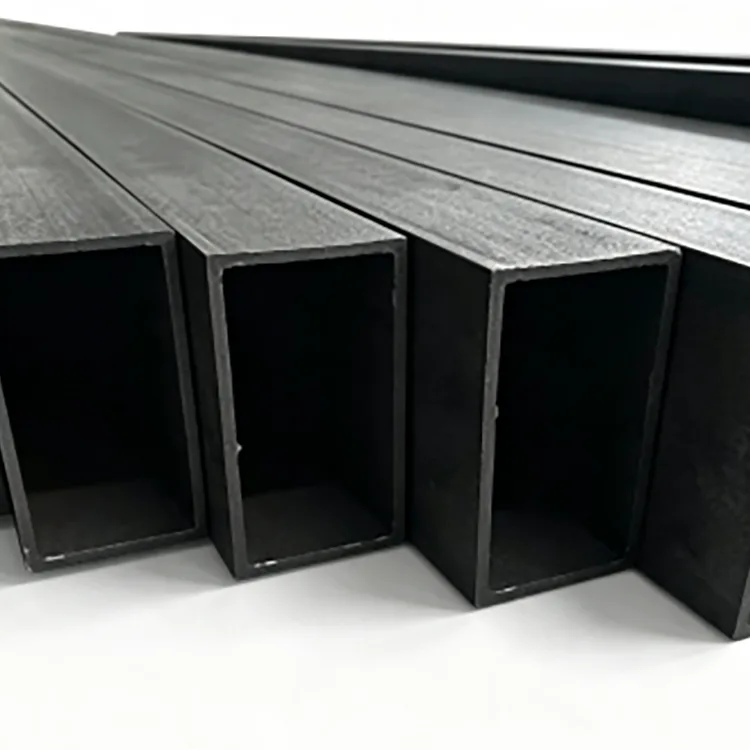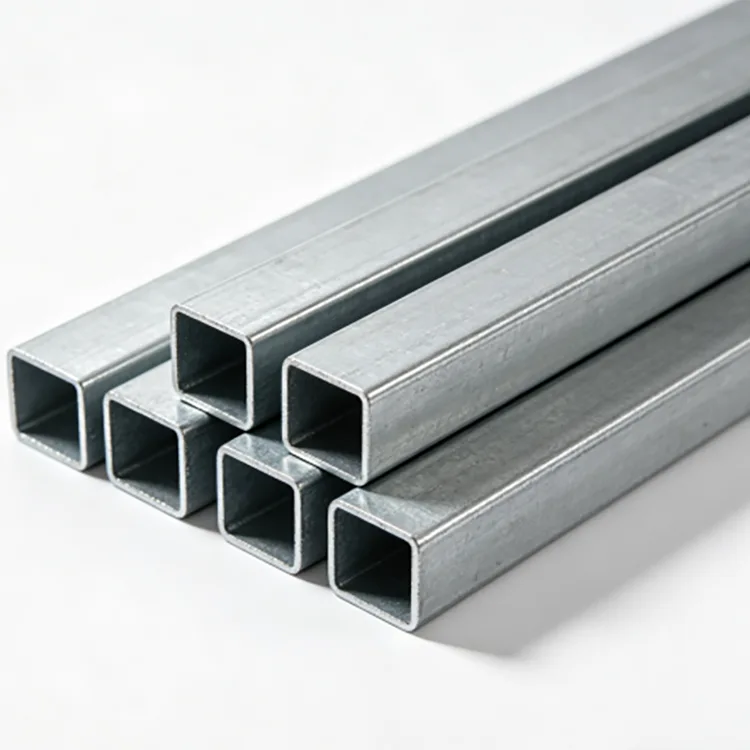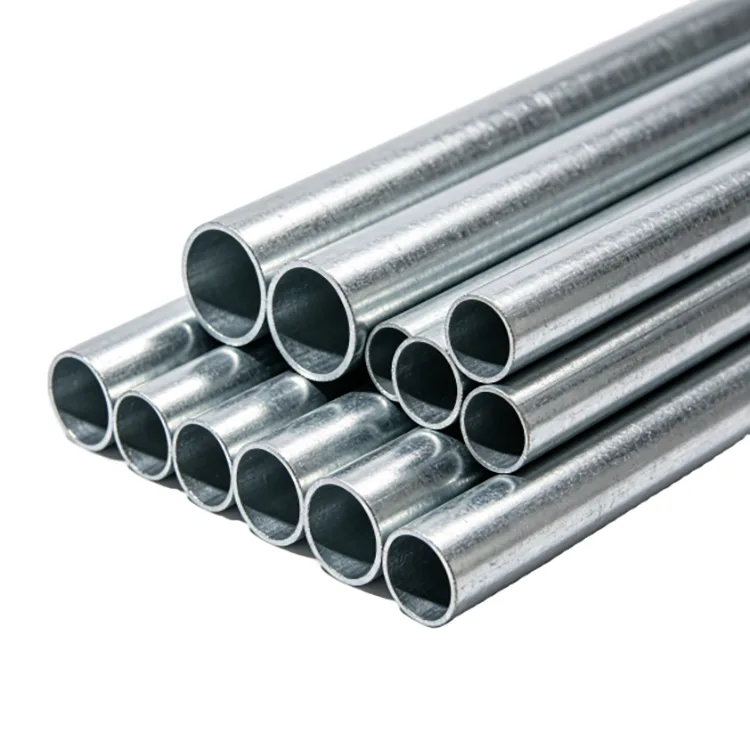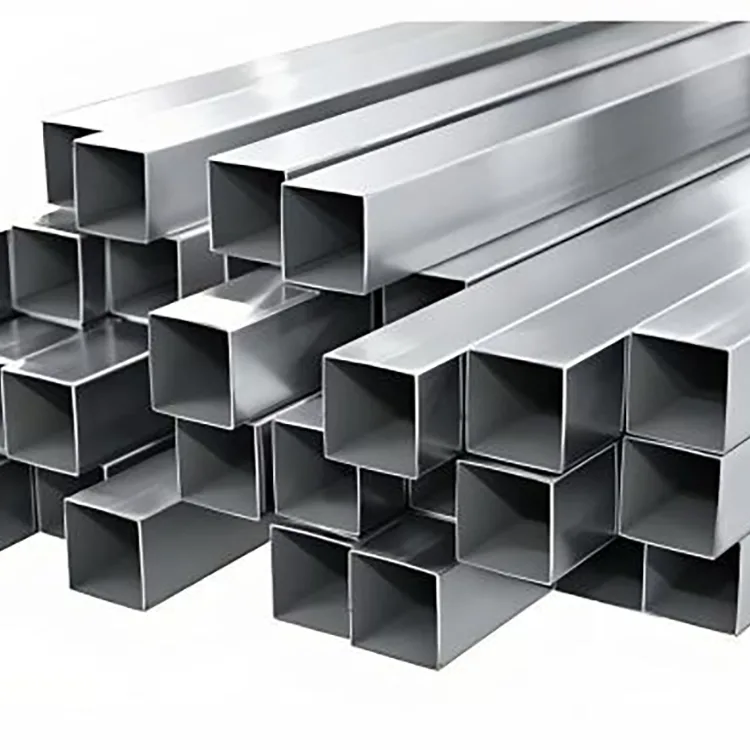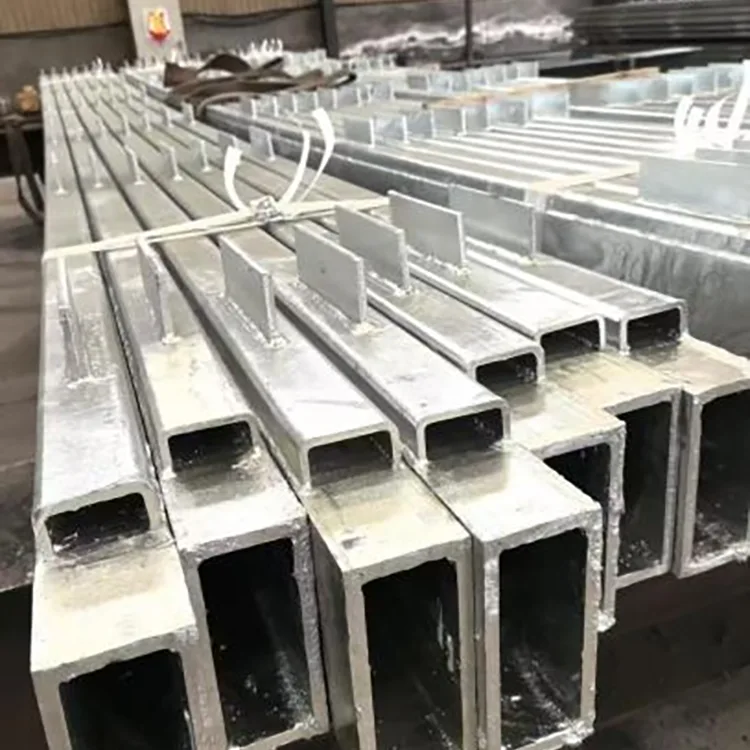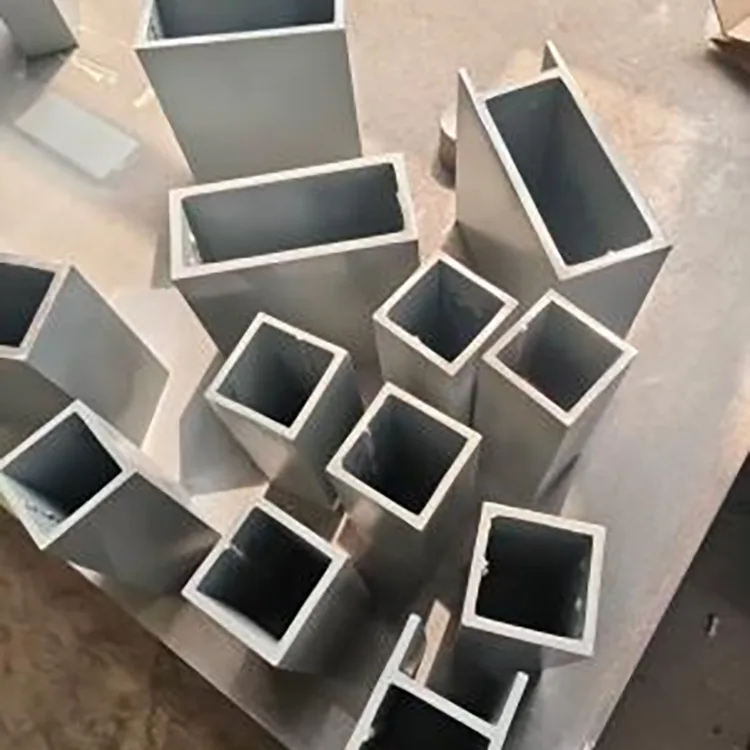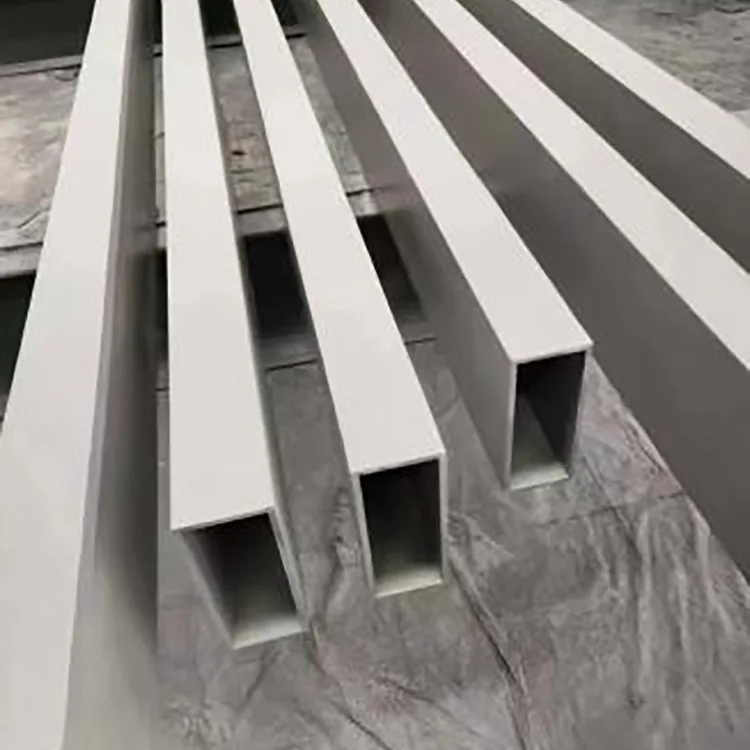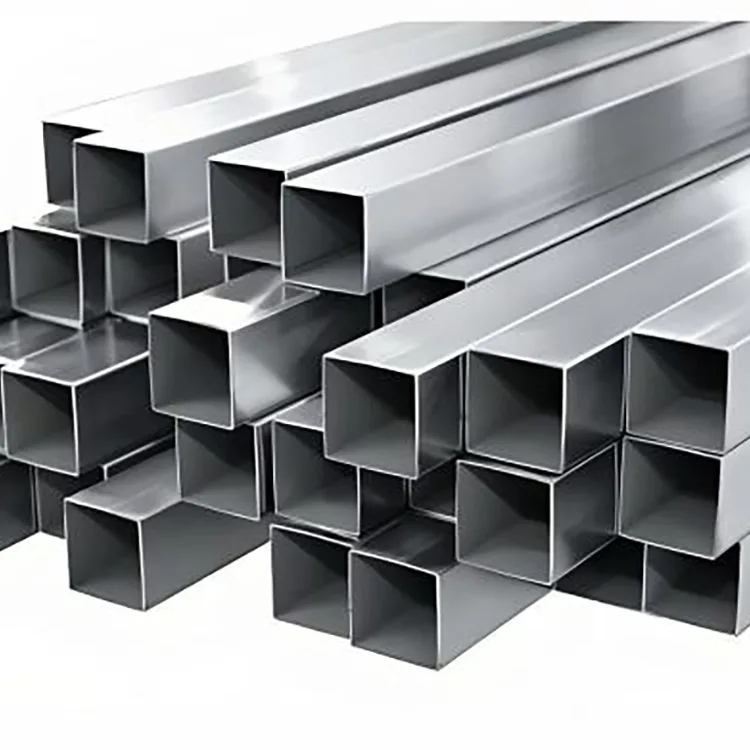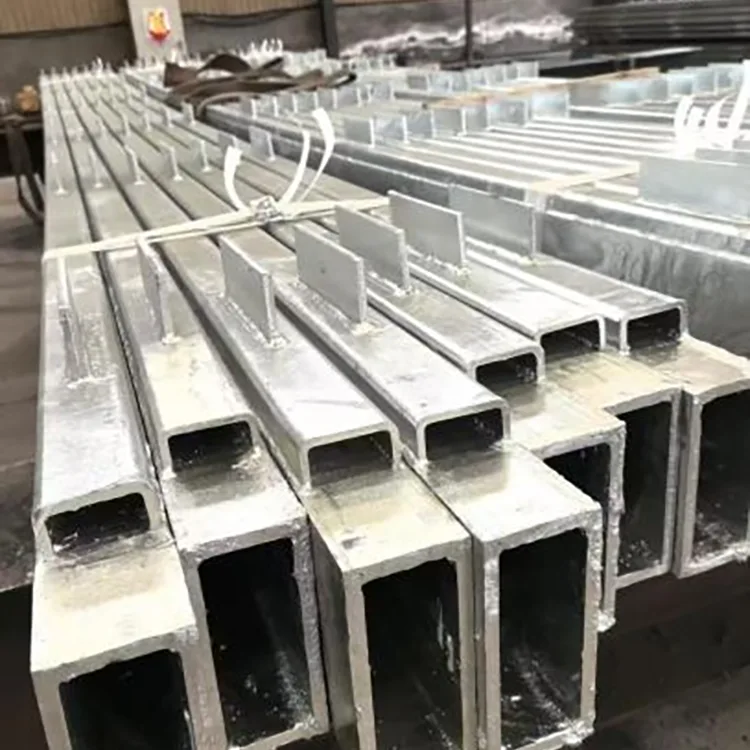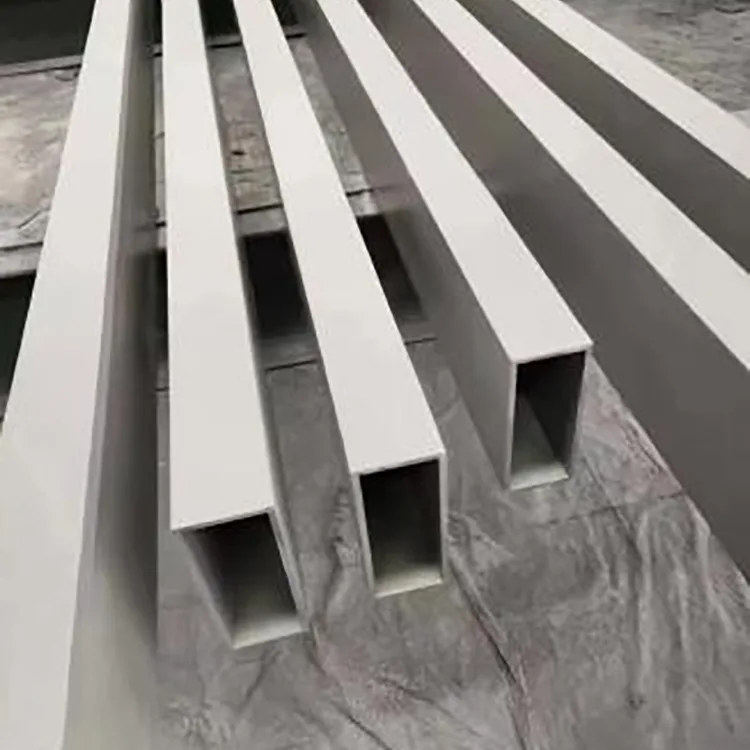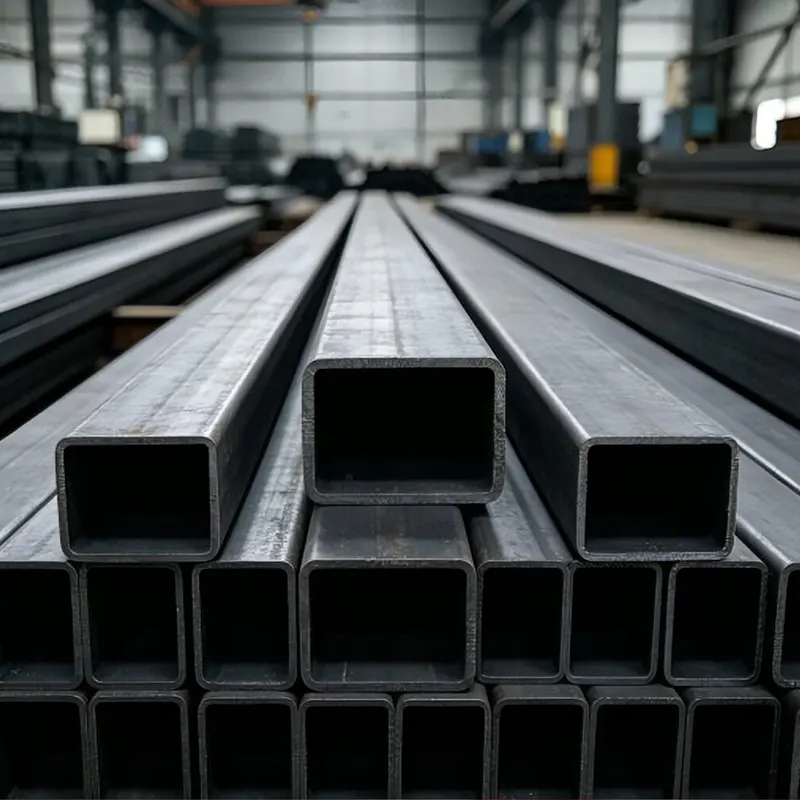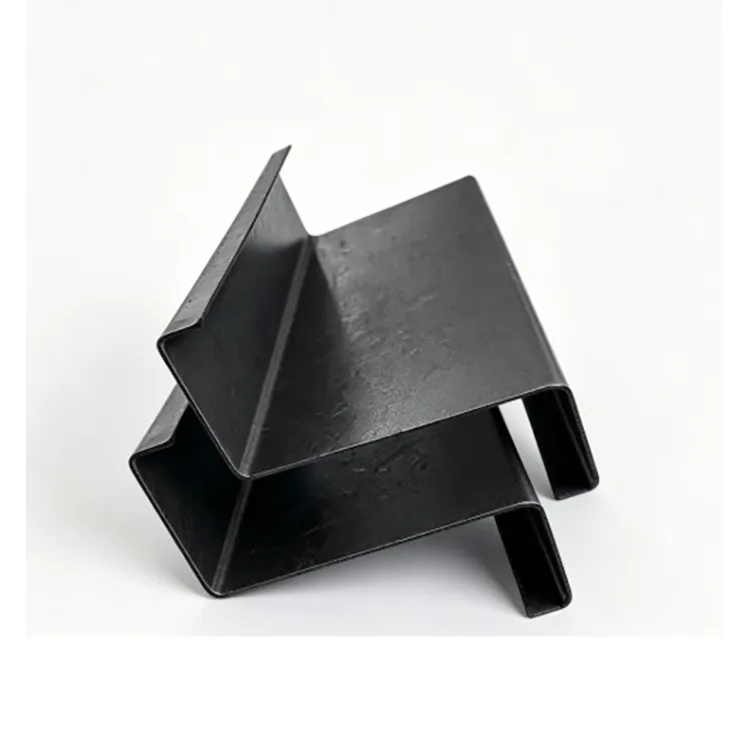
Hot-Dip Galvanized Precision Steel Right-Angle Tube is a precision rectangular hollow section designed with a distinct 90° corner rather than the rounded corner commonly seen on conventional square tube. The base tube is manufactured first to achieve the required section accuracy, straightness and corner geometry, then processed through hot-dip galvanizing for outdoor corrosion protection.
The product is intended for projects where a standard rounded-corner galvanized tube does not give the appearance, fitting accuracy or corner definition required by the design. The sharp outside lines make it easier to create clean-looking frames, guardrails, landscape structures and architectural steelwork.
At the same time, the product is still a structural steel tube. Its actual load-bearing capacity depends on section size, wall thickness, steel grade, span and connection design. The galvanizing protects the steel from atmospheric corrosion; it does not replace structural design.


The corner is one of the main reasons to specify this tube.
A conventional square or rectangular tube normally has a radiused outer corner caused by its forming process. That is acceptable for general structural work, but some architectural and precision fabrication projects require a visually sharper corner and more consistent junctions.
The precision right-angle profile provides:
Cleaner visual lines: useful for exposed frames, guardrails and landscape structures.
More predictable connections: the defined corner can simplify alignment with other right-angle members.
Less visual distortion: straight section lines are easier to maintain on finished structures.
Better fit for precision fabrication: useful when dimensions and appearance are both important.
This makes the product particularly relevant to projects that sit between ordinary structural steel and architectural metalwork.
|
Item |
Specification |
|
Product |
Hot-Dip Galvanized Precision Steel Right-Angle Tube |
|
Base material |
Q235B, Q355B |
|
Profile |
Precision 90° right-angle hollow section |
|
Base product |
Precision steel right angle tube |
|
Galvanizing method |
Overall hot-dip galvanizing |
|
Galvanizing standard |
GB/T 13912-2020 |
|
Size |
Corresponds to available precision right-angle tube sizes |
|
Length |
Fixed-length supply according to project requirement |
|
Surface |
Silver-gray galvanized finish |
|
Custom processing |
Cutting, drilling, beveling and other agreed processing |
|
Typical environment |
Outdoor, humid, coastal and other corrosion-prone applications |
The galvanizing standard GB/T 13912-2020 remains a current Chinese national standard for technical requirements and test methods for hot-dip galvanized coatings on fabricated iron and steel articles.
For this type of tube, coating quality alone is not enough.
The base right-angle tube first needs to meet the required geometry. Important checks include section dimensions, wall thickness, corner shape, straightness and general surface condition.
Only after the tube has reached the required finished profile is the galvanizing process carried out.
A typical route is:
Precision steel tube → dimensional inspection → cutting / fabrication → degreasing → pickling → rinsing → fluxing → drying → hot-dip galvanizing → cooling / passivation → coating inspection → final dimensional and appearance inspection → packing.
This order is important because the customer is buying two things in one product: a precision steel profile and a corrosion-protection system.
Sharp corners are one of the areas that deserve additional attention during galvanizing.
The tube is processed through the pretreatment and zinc immersion stages as a completed profile so that the corner, tube surfaces and ends receive the zinc coating during the same treatment.
The purpose is not simply to make the tube silver-gray. The coating needs to provide continuous corrosion protection while remaining sufficiently well bonded for normal handling and installation.
For project orders, coating thickness should be agreed in advance rather than leaving the requirement at “galvanized.”
Your supplied product specification uses 60–90 μm as the conventional zinc coating range, with approximately 120 μm available for stronger coastal and high-corrosion exposure.
A practical approach is:
|
Environment |
Suggested Direction |
|
Dry indoor |
Black precision right-angle tube may be sufficient |
|
Normal outdoor |
60–90 μm galvanized coating |
|
Humid outdoor |
Increased coating according to exposure |
|
Coastal / strong salt spray |
Up to about 120 μm |
|
Aggressive chemical environment |
Project-specific corrosion assessment |
A higher zinc coating provides more coating material for atmospheric corrosion, but no galvanized steel should be described as completely immune to severe chemical attack or permanent immersion.
The difference is mainly about geometry and finish, not simply corrosion resistance.
A conventional galvanized square tube is a practical choice for general frames and load-bearing structures. Its rounded corners are normally acceptable for ordinary fabrication.
The precision right-angle tube is aimed at applications where the corner itself is part of the visual or fabrication requirement.
Architectural landscape frames
High-visibility outdoor guardrails
Precision municipal structures
Solar support components with exposed framing
Decorative steel structures
Outdoor equipment frames
The standard square tube remains the better choice when appearance is less important and the project mainly needs a conventional structural section at the lowest reasonable material cost.
The two products share the same basic precision profile, but they are intended for different environments.
Best suited to dry indoor projects, controlled environments and applications where the customer plans to paint, powder coat or otherwise finish the surface after fabrication.
Better suited to outdoor and humid applications where the customer wants the primary corrosion-protection treatment completed before delivery.
This distinction helps avoid over-specifying galvanized material for dry indoor projects while preventing the opposite mistake of using unprotected black precision tube outdoors.
Used for landscape frames, garden structures, park facilities, decorative enclosures and architectural steelwork where clean lines matter.
Suitable for road barriers, traffic-sign structures, lamp supports and exposed municipal frames.
Can be used for selected outdoor PV frames, equipment bases and auxiliary steel members where the precision profile fits the structural design.
Used for exposed railings, walkway supports and auxiliary frames where greater corrosion protection is required.
Suitable for equipment protection frames, pipe-support structures and outdoor work platforms in humid industrial environments.
For residential and commercial distributed PV projects, 40×40 mm and 50×50 mm galvanized precision right-angle tube has been used for outdoor support applications.
The main concern was not only corrosion. The exposed frame also needed clean geometry and consistent alignment during installation.
An increased zinc specification was used to deal with repeated outdoor wet-dry exposure. According to the supplied project record, the completed structures remained free from visible widespread rust and deformation after five years.
For outdoor municipal and landscape work, the sharp-corner profile provides a cleaner appearance than a conventional rounded-corner tube.
The material can be supplied in fixed lengths or processed according to the project drawing, reducing the amount of cutting and fitting work required at the installation site.
For exposed architectural steelwork, dimensional consistency and surface appearance are checked alongside the galvanized coating.
A project near the coast required steel frames for outdoor equipment under salt-laden air and high humidity.
The customer specified an increased zinc coating of approximately 120 μm and used the precision right-angle profile to maintain a cleaner finished appearance.
For this type of environment, the coating specification is only one part of the corrosion strategy. Drainage, connection details, site cutting and welding repair also influence long-term performance.
Factory processing is preferably completed before galvanizing.
This includes:
Fixed-length cutting
Drilling
Punching
Beveling
Other drawing-based preparation
If the tube is cut after galvanizing, the newly exposed steel should be cleaned and treated with an appropriate zinc-rich repair coating.
The same principle applies to welding. Welding heat damages the zinc in and around the weld zone, so the area needs to be cleaned and repaired afterward.
This is why customers with detailed fabrication requirements are encouraged to provide the drawing before production.
For a precision galvanized tube, inspection should cover both the tube itself and the galvanizing.
Before galvanizing, checks can include:
Section dimensions
Wall thickness
Corner geometry
Straightness
Cutting accuracy
Surface condition
After galvanizing, checks can include:
Zinc coating thickness
Coating coverage
Peeling or exposed steel
Surface condition
Final straightness
Overall appearance
For engineering orders, material certificates and galvanizing inspection records can be supplied, with third-party inspection available according to contract requirements.
The main advantage of sourcing this product through our Tianjin supply chain is the ability to coordinate the precision base tube, galvanizing and finishing work rather than treating them as unrelated purchases.
Precision tube before galvanizing: the section geometry is checked before the corrosion-protection stage, so the galvanized finish does not hide dimensional problems in the base tube.
Suitable coating options: standard and increased zinc specifications can be discussed according to the actual environment rather than using one coating level for every project.
Drawing-based processing: fixed lengths, holes, bevels and other fabrication can be prepared before shipment.
Daqiuzhuang steel-industry resources: the local concentration of steel processing and galvanizing suppliers makes it easier to coordinate material sourcing, production and delivery.
Project documentation: material information and galvanizing inspection records can be provided for engineering procurement, with third-party inspection support when specified.
Domestic and export orders: supply can be arranged for project quantities as well as smaller trial or customized orders, with packing adjusted for domestic transport or ocean shipment.
The practical point is simple: buyers do not have to coordinate a precision-tube supplier, a separate galvanizing shop and another fabrication workshop for every order.
For quotation, a complete request could be written as:
Q235B / Precision Right Angle Tube / 50×50 mm / specified wall thickness / fixed length / hot-dip galvanized / 60–90 μm zinc coating / cut according to drawing.
For a coastal project:
Q355B / Precision Right Angle Tube / specified section and wall / fixed length / hot-dip galvanized / approximately 120 μm zinc coating / drilling according to drawing.
This format gives the supplier a clear production target and reduces misunderstandings about material, profile and coating.
The completed right-angle tube is processed through the galvanizing operation as a finished profile. Coating coverage at the corner should be checked as part of quality control. Proper process control is important because corner geometry is one of the defining characteristics of this product.
For normal outdoor applications, the galvanized surface can be used without a separate primary anti-corrosion painting process. Additional coating can still be specified for decorative requirements or particularly aggressive environments.
The supplied specification uses 60–90 μm as the conventional range and approximately 120 μm for stronger coastal and high-corrosion exposure.
Yes. Coastal exposure should be treated as a higher-corrosion application, and an increased zinc coating can be selected. Continuous seawater immersion should be evaluated separately rather than treated as ordinary outdoor exposure.
Yes. These processes can be carried out, but factory processing before galvanizing is preferred where possible. Areas cut or welded after galvanizing should receive suitable zinc-rich repair treatment.
The main difference is the precision 90° right-angle profile. The sharper geometry is intended for projects where appearance, alignment and corner definition matter more than they do on conventional rounded-corner square tube.
Yes. Fixed lengths, section specifications and drawing-based cutting, drilling and beveling can be arranged according to the project requirement.
Galvanizing greatly improves atmospheric corrosion resistance, but no steel coating eliminates corrosion under every condition. Service life depends on zinc coating, humidity, salt exposure, chemicals, water retention and site handling.
Yes. Q235B is suitable for many conventional applications, while Q355B can be specified when the structural design requires higher material strength.
Yes. Material certificates, galvanizing inspection records and other agreed quality documents can be supplied. Third-party inspection can also be arranged for project orders.
Address
Secondary Arterial Road No. 2-1, Expansion Area of Daqiuzhuang Industrial Zone, Jinghai District, Tianjin, China
Tel