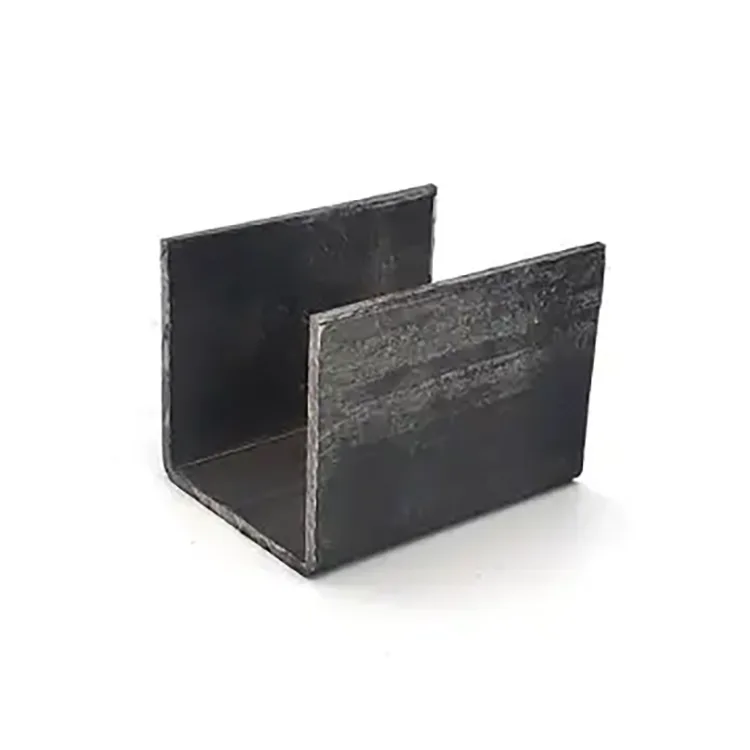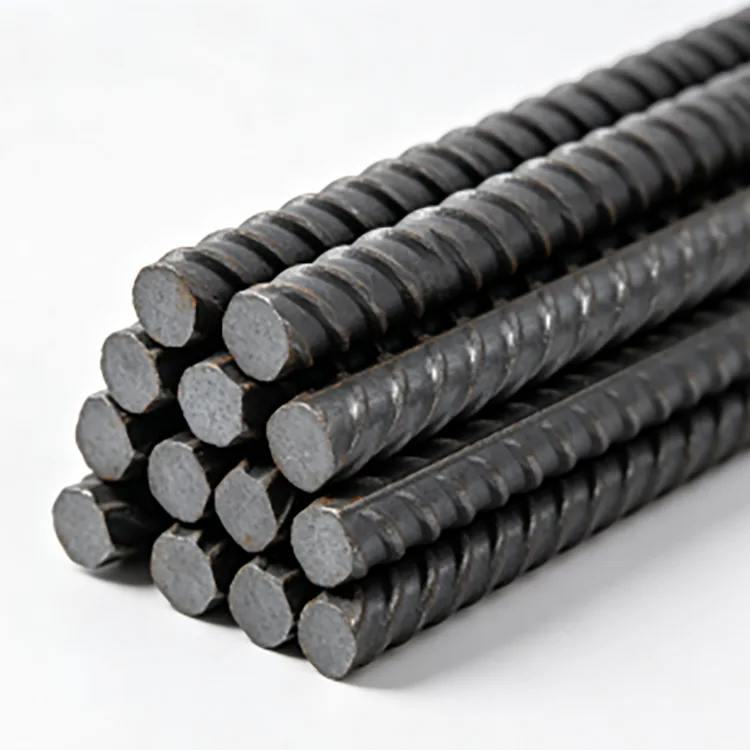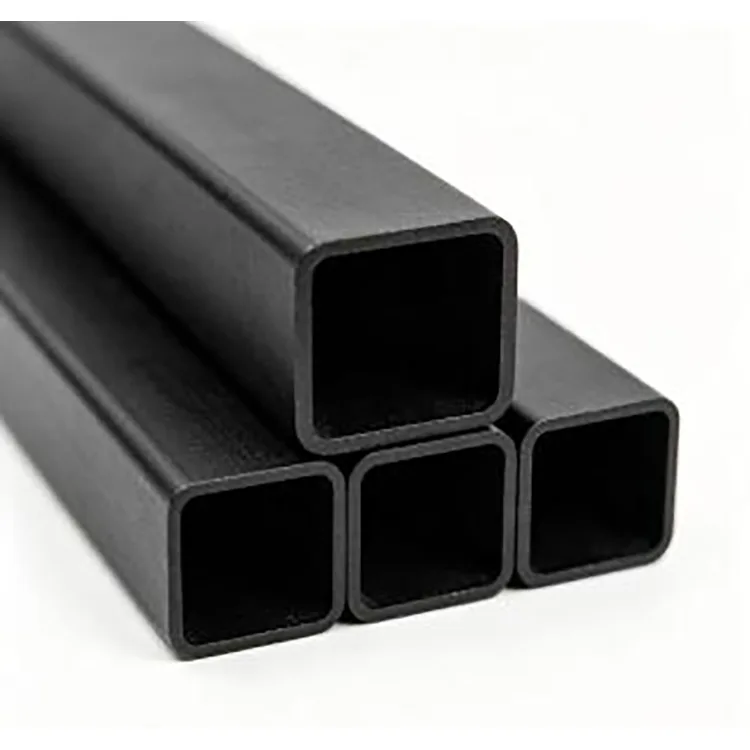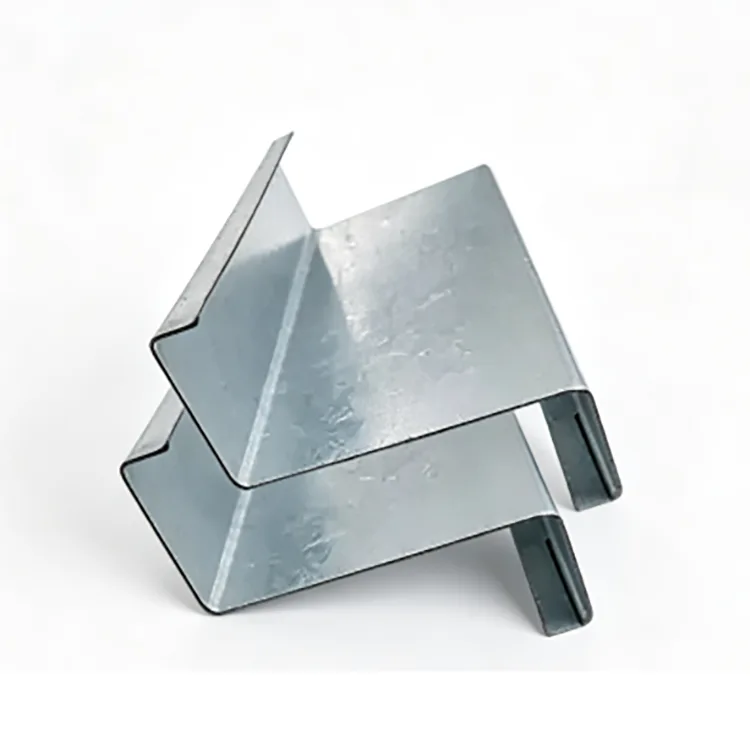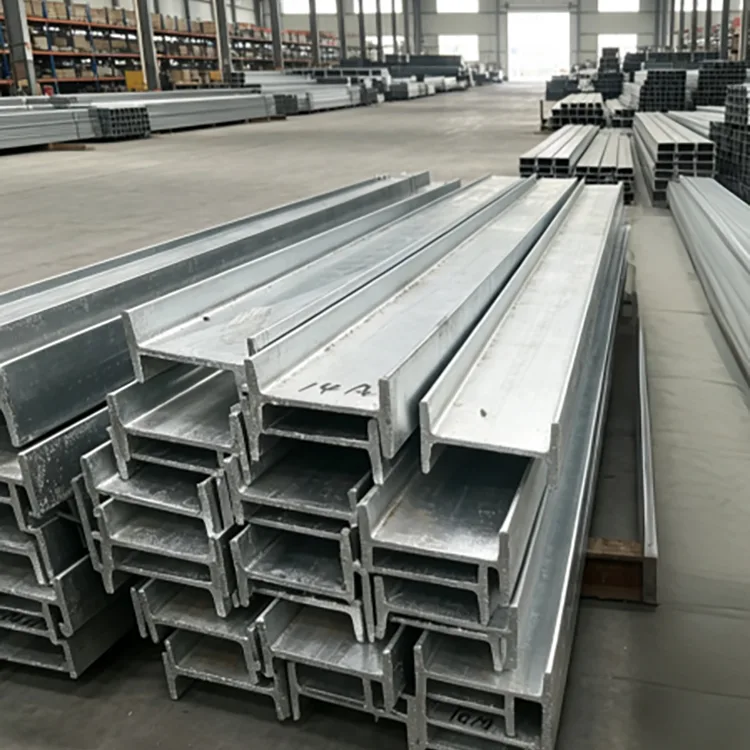
Steel I Beam, as the most fundamental type of steel product in structural engineering, features a "T"-shaped cross-section design (consisting of upper and lower flanges and a central web) that offers extremely high mechanical efficiency in terms of bending and shear resistance. The flanges of Steel I Beam primarily bear the bending moment, while the web mainly resists shear force. This structure makes it an ideal choice for building frameworks, bridges, and the support of large mechanical equipment.
Currently, hot-rolled I-beams remain the mainstream in the market, with a wide range of specifications. For instance, the national standard GB/T 706-2016 covers various heights from 100mm to 270mm. They can be selected flexibly based on the load-bearing requirements. Compared to welded assembled steel plate beams, hot-rolled I-beams have the advantages of efficient production, stable section performance, and lower costs. In the fields of high-rise buildings and large-span bridges, wide-flanged H-beams are increasingly widely used due to their stronger bearing capacity and larger section modulus. However, I-beams remain an economically efficient solution for withstanding planar bending moments.
We use cookies to offer you a better browsing experience, analyze site traffic and personalize content. By using this site, you agree to our use of cookies. Privacy Policy