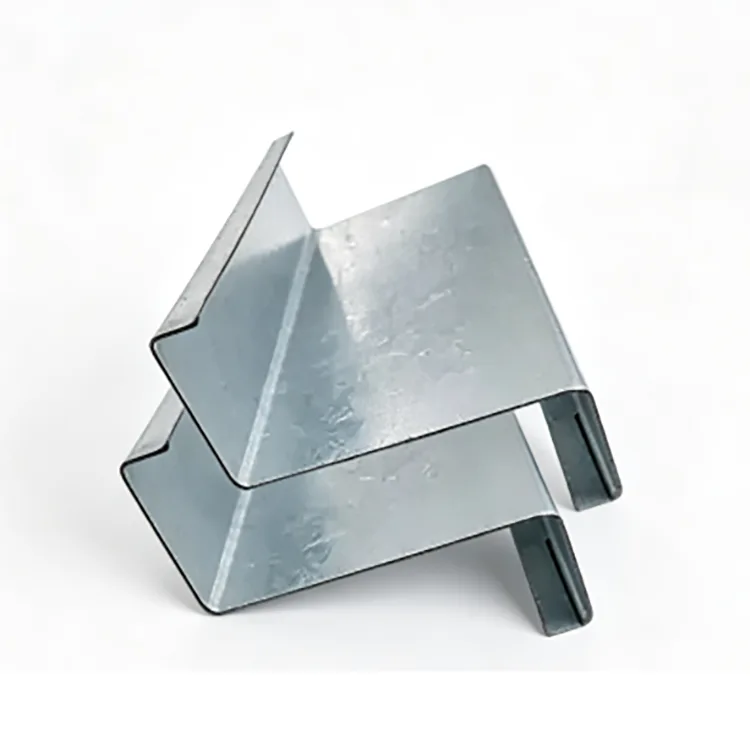

As a reliable steel manufacturer and supplier, Rongheng provides Cold-Formed Z Section Steel for lightweight steel buildings, large-slope roofs, warehouses, workshops, and secondary structural framing. Its Z-shaped geometry supports overlapping connections while its cold roll-forming process delivers consistent dimensions, efficient material use, and practical installation performance.
Cold-Formed Z Section Steel is a lightweight structural profile produced by continuously roll forming steel strip at room temperature. Unlike conventional hot-rolled structural members, cold-formed Z sections are designed to achieve useful bending performance with relatively low material weight. Their offset flanges also allow adjacent purlins to overlap, making them particularly practical for continuous roof-support arrangements and large-slope roof structures.
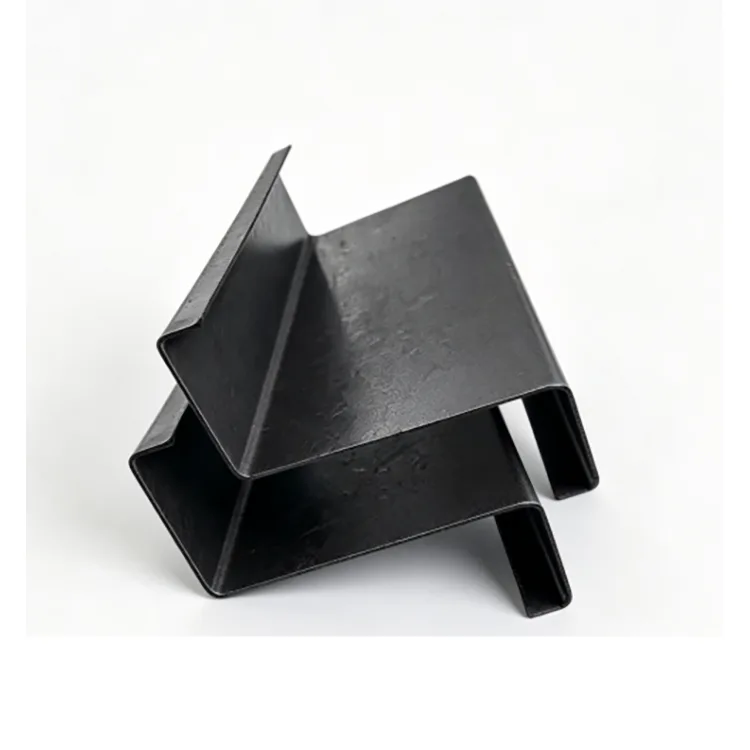
Table of Contents
- What Is Cold-Formed Z Section Steel?
- How Is Cold-Formed Z Section Steel Manufactured?
- What Are the Main Specifications?
- Why Use Z Section Steel for Roof Purlins?
- Where Is Cold-Formed Z Section Steel Used?
- How Should You Select the Right Z Section?
- Z Section Steel vs. C Section Steel
- What Quality Controls Matter?
- Frequently Asked Questions
- Conclusion
What Is Cold-Formed Z Section Steel?
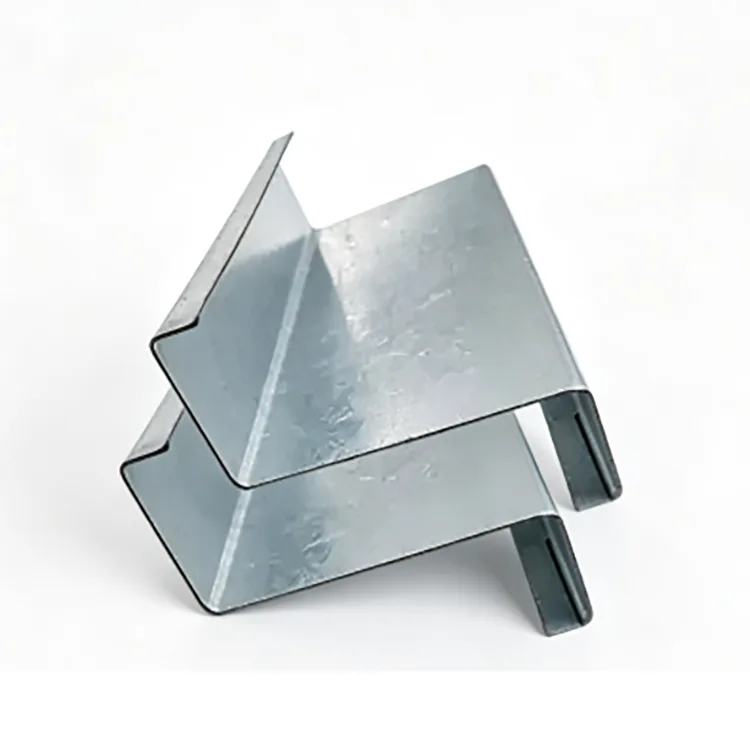
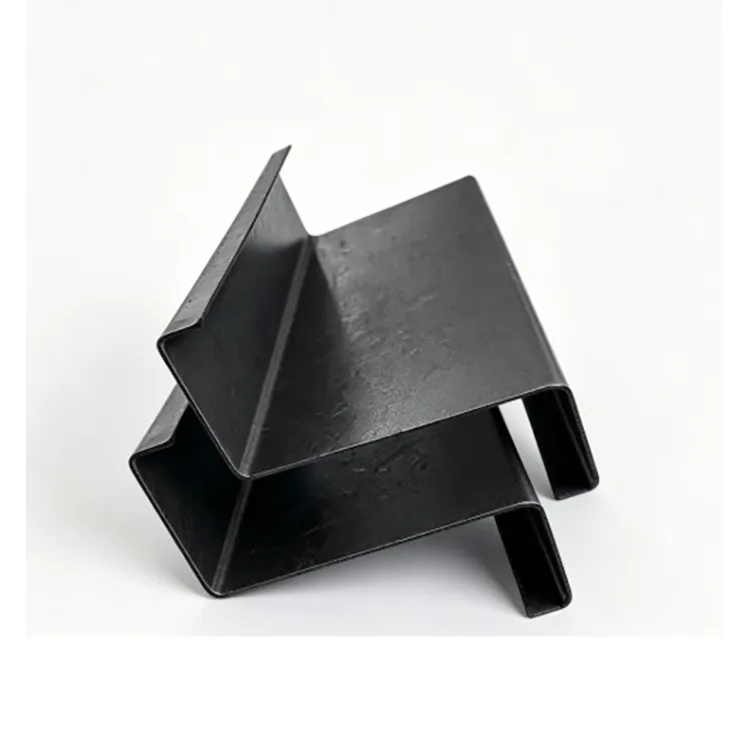
Cold-Formed Z Section Steel is a thin-wall structural steel profile manufactured by progressively forming steel strip into a Z-shaped cross-section at room temperature. Instead of relying on high-temperature hot rolling to create the final profile, the production line uses multiple forming stands to gradually establish the required geometry.
The Z-shaped configuration is especially valuable in roof purlin applications because its offset flanges can overlap with adjacent members. This arrangement can help create a more continuous purlin system around a roof ridge and reduce unnecessary cutting or modification during installation.
For structural projects, Z section steel normally functions as a secondary structural member rather than a replacement for primary columns or beams. It can provide support for roof panels and wall systems while keeping the overall secondary framing relatively lightweight.
How Is Cold-Formed Z Section Steel Manufactured?
Consistent geometry is essential for Z purlins because section dimensions, straightness, twisting, length, and connection-hole positions can directly affect installation. A controlled roll-forming process therefore plays an important role in final product performance.
- Steel coil inspection: Incoming steel strip is checked before production to confirm the required material specification.
- Leveling and straightening: The coil is prepared for stable feeding into the forming line.
- Progressive roll forming: Multiple forming stands gradually shape the strip into the Z profile.
- Fixed-length cutting: Servo CNC equipment can cut the formed sections according to specified dimensions.
- Automatic punching: Pre-punched connection holes can be produced when required by structural drawings.
- Straightening: Finished sections are adjusted to control straightness and twisting.
- Dimensional inspection: Key dimensions, wall thickness, length, and hole positions are checked before shipment.
- Bundling and storage: Finished profiles are classified and bundled according to order requirements.
This progressive approach helps maintain dimensional consistency throughout long production runs and makes customized fixed-length or pre-punched sections practical for construction projects.
What Are the Main Specifications?
Choosing a Z section should always start with the structural design rather than simply selecting the largest available profile. The following specifications provide a useful starting point for project planning.
| Item | Typical Specification | Project Consideration |
|---|---|---|
| Material | Q235B / Q355B | Selected according to structural loads and engineering requirements |
| Section Sizes | Z100–Z300 | Section height should match span and load requirements |
| Wall Thickness | 1.2–3.0 mm | Determined by structural calculations, span, spacing and loading |
| Standard Length | 6–12 m | Longer or non-standard fixed lengths can be customized |
| Surface | Natural black steel | Best suited to dry, enclosed and non-corrosive environments |
| Processing | Cutting, punching, corner cutting, angled end cutting | Processing can be coordinated according to drawings |
| Applicable Standard | GB/T 6728-2017 | Relevant requirements should be confirmed for the destination market |
Why Use Z Section Steel for Roof Purlins?
Direct Overlapping at Roof Ridges
The most distinctive benefit of a Z profile is its offset flange arrangement. Adjacent purlins can overlap, which is particularly useful when the roof design requires continuous supporting members around the ridge. For larger roof slopes, this geometry can simplify the connection arrangement.
Good Strength-to-Weight Performance
Cold forming creates a section with useful bending properties while keeping the member relatively lightweight. For suitable applications, this can reduce the amount of steel required for secondary framing and make transportation, lifting, and installation more manageable.
Consistent Dimensions
Progressive roll forming provides continuous control over the section geometry. When combined with straightening and dimensional inspection, this helps improve consistency in profile height, flange dimensions, straightness, and twisting.
Pre-Punched Connection Holes
Connection holes can be punched according to approved drawings before delivery. This reduces the need for extensive drilling on the construction site and can help improve installation efficiency when the hole layout is accurately defined in advance.
Cost Efficiency for Suitable Indoor Projects
Natural black Cold-Formed Z Section Steel can be a cost-effective option for dry, enclosed buildings where additional corrosion protection is unnecessary. Avoiding an unnecessary protective coating can help control material cost while maintaining the required structural function.
Where Is Cold-Formed Z Section Steel Used?
Cold-Formed Z Section Steel is mainly intended for secondary framing applications in lightweight construction. Typical uses include:
- Roof purlins for lightweight steel buildings
- Large-slope warehouse roof systems
- Industrial workshop roofs
- Indoor logistics and storage facilities
- Roof and wall secondary framing
- Lightweight steel enclosure systems
- Factory renovation projects
- Secondary support structures for roof panels
For example, a large enclosed warehouse can use Z purlins to support roof panels while taking advantage of overlapping members around the ridge. In an indoor factory renovation, lightweight Z sections can also provide practical secondary framing without introducing unnecessary structural weight.
How Should You Select the Right Z Section?
Purchasing a Z section based only on profile size can lead to an unsuitable structural solution. Buyers should evaluate the following factors together.
1. Roof Slope
For roof slopes above approximately 10°, Z sections can be particularly practical when overlapping purlins are part of the engineering design. However, the final selection should always follow the structural drawings and connection design.
2. Material Grade
Q235B can suit many general lightweight applications, while Q355B can provide a higher-strength option for projects involving larger spans or more demanding wind and snow loads. The grade should be selected together with section dimensions and thickness.
3. Section Size
Smaller profiles such as Z100–Z140 may suit lighter secondary structures. Z160–Z200 can be considered for many warehouse and workshop applications, while Z220–Z300 may be selected where larger section dimensions are required by engineering calculations.
4. Wall Thickness
Available thickness can range from approximately 1.2 to 3.0 mm. However, thickness should never be selected independently. Span, purlin spacing, wind load, snow load, connection conditions, and structural calculations all influence the correct thickness.
5. Service Environment
Natural black steel is most appropriate for dry, enclosed environments. Buildings exposed to rain, condensation, salt spray, coastal air, agricultural moisture, or corrosive chemicals generally require a suitable corrosion-protection solution, such as a galvanized Z section.
Z Section Steel vs. C Section Steel
Z and C sections are both widely used as secondary structural members, but their geometries make them suitable for different connection arrangements.
| Comparison | Z Section Steel | C Section Steel |
|---|---|---|
| Primary Use | Roof and wall purlins | Roof and wall purlins |
| Overlapping | Flanges support direct overlapping | Less naturally suited to continuous overlapping |
| Roof Ridge | Convenient for continuous purlin arrangements | Depends more heavily on connection design |
| Large-Slope Roofs | Particularly practical where overlaps are required | Can also be used depending on engineering design |
| Shallow-Slope Roofs | Can be used | Common option |
| Structural Role | Secondary framing / purlin | Secondary framing / purlin |
The key difference is not simply the letter-shaped profile. The Z section's offset flanges provide a practical advantage when adjacent purlins need to overlap. For more information about related structural profiles, see the structural steel sections range.
What Quality Controls Matter?
For Z purlins, dimensional accuracy directly affects connections with the primary steel frame and roof panels. A professional production and inspection system should therefore focus on both raw materials and finished profiles.
- Steel grade and incoming coil inspection
- Wall thickness verification
- Section height and flange dimension checks
- Profile straightness and twisting inspection
- Cut-length verification
- Pre-punched hole position inspection
- Edge and surface condition checks
- Final visual and dimensional inspection before shipment
Rongheng's production approach combines steel coil inspection, progressive roll forming, CNC cutting, optional punching, straightening, and final dimensional inspection. This process helps deliver Z sections with consistent geometry for project-based installation.
Frequently Asked Questions
Q1: What is Cold-Formed Z Section Steel mainly used for?
It is mainly used as a secondary structural member, particularly roof and wall purlins in lightweight steel buildings, warehouses, workshops, logistics facilities, and other suitable structures.
Q2: Why choose a Z section instead of a C section?
The primary advantage is the offset Z-shaped flange configuration, which allows adjacent purlins to overlap. This can be particularly useful for continuous roof-support arrangements around ridges and large-slope roofs.
Q3: What material grades are available?
Common options include Q235B and Q355B. The appropriate grade should be determined according to the structural design, span, loading conditions, connection requirements, and applicable specifications.
Q4: Can Z section steel be customized?
Yes. Section dimensions, wall thickness, fixed length, connection holes, corner cuts, and angled end cuts can be coordinated according to project drawings and production requirements.
Q5: Is natural black Z section steel suitable for outdoor use?
Natural black Z section steel is primarily suitable for dry, enclosed, non-corrosive environments. Outdoor, coastal, humid, rain-exposed, or chemically aggressive environments should generally use a suitable corrosion-protected option.
Conclusion
Cold-Formed Z Section Steel offers a practical combination of lightweight construction, consistent dimensions, useful bending performance, and overlapping connection capability. These characteristics make it particularly valuable for roof purlins and secondary framing in warehouses, industrial workshops, logistics buildings, and other suitable lightweight steel structures.
The right product should be selected according to roof slope, structural span, material grade, section size, wall thickness, connection design, loading conditions, and service environment. For dry indoor buildings, natural black Z sections can provide an economical solution, while exposed or corrosive environments may require galvanized or otherwise protected profiles.
If you are sourcing Z purlins for a new steel building, warehouse renovation, or large-slope roof project, Rongheng can support standard and customized requirements, including section dimensions, fixed lengths and pre-punched connection holes. Share your drawings, specifications, quantity, and application conditions with our team and contact us for a suitable Cold-Formed Z Section Steel solution and project quotation.