Products
Hot-Dip Galvanized Round Steel Pipe
  • Hot-Dip Galvanized Round Steel PipeHot-Dip Galvanized Round Steel Pipe
  • Hot-Dip Galvanized Round Steel PipeHot-Dip Galvanized Round Steel Pipe
  • Hot-Dip Galvanized Round Steel PipeHot-Dip Galvanized Round Steel Pipe
  • Hot-Dip Galvanized Round Steel PipeHot-Dip Galvanized Round Steel Pipe

Hot-Dip Galvanized Round Steel Pipe

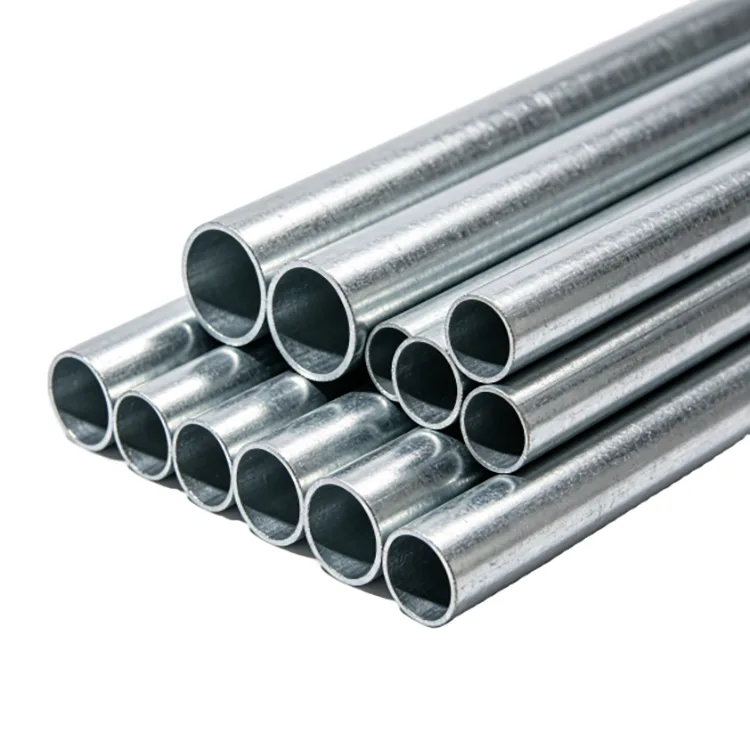
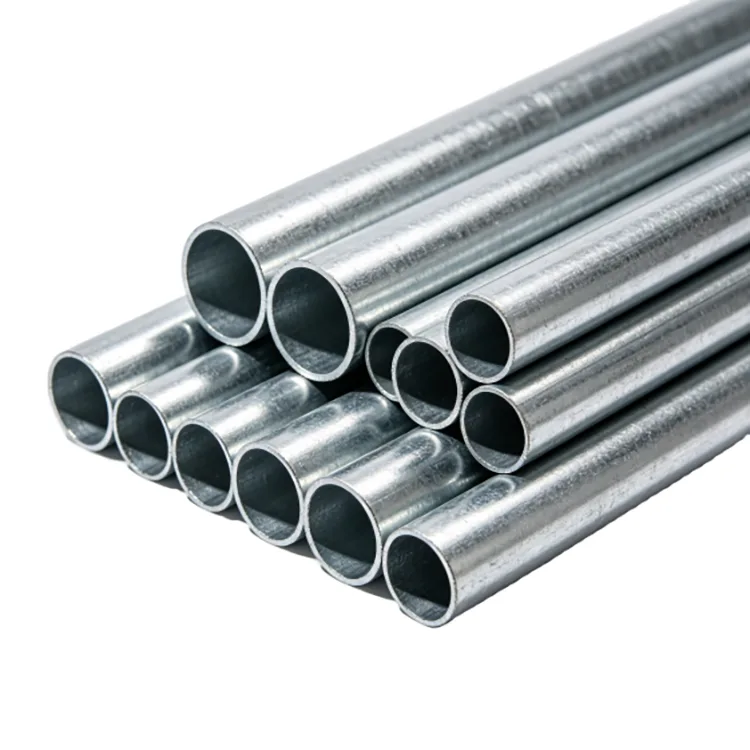
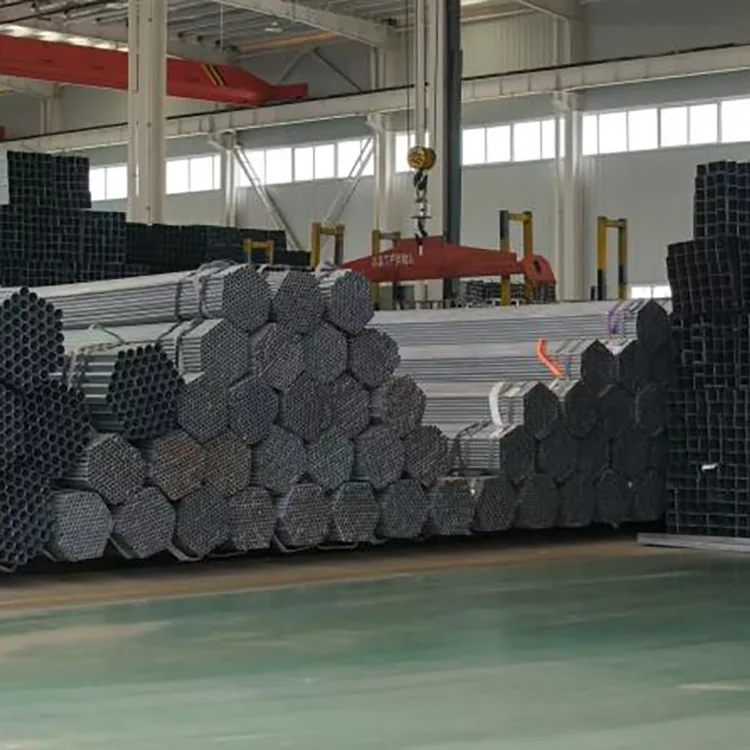
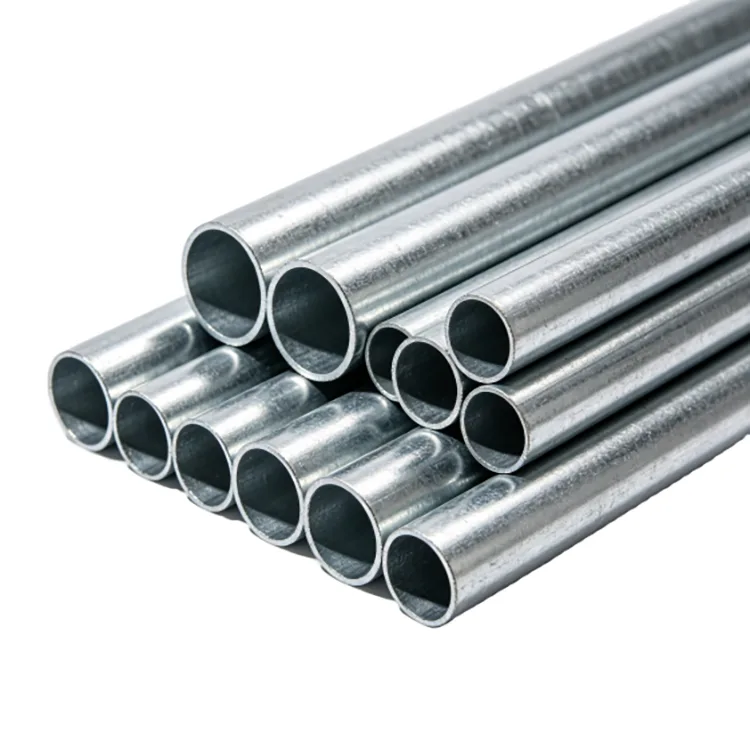
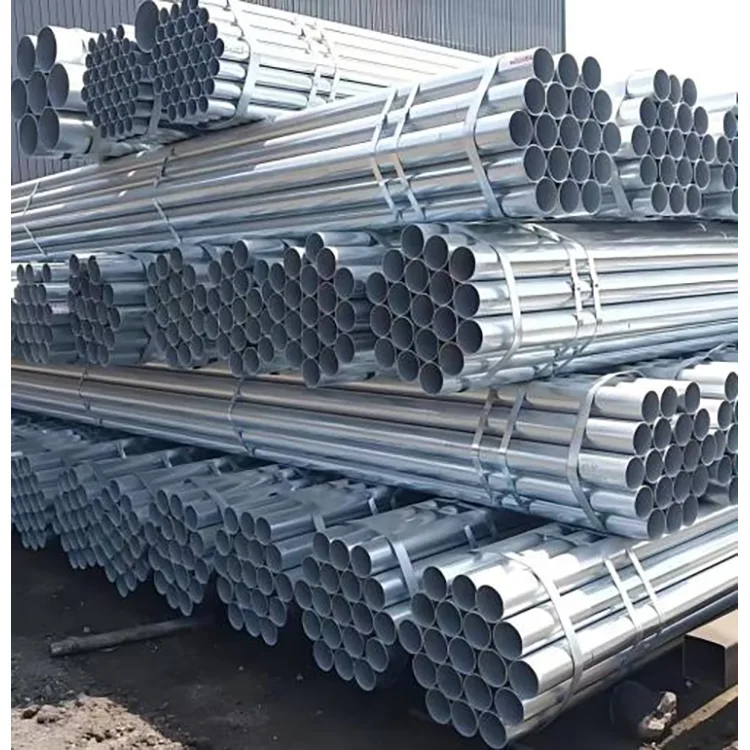
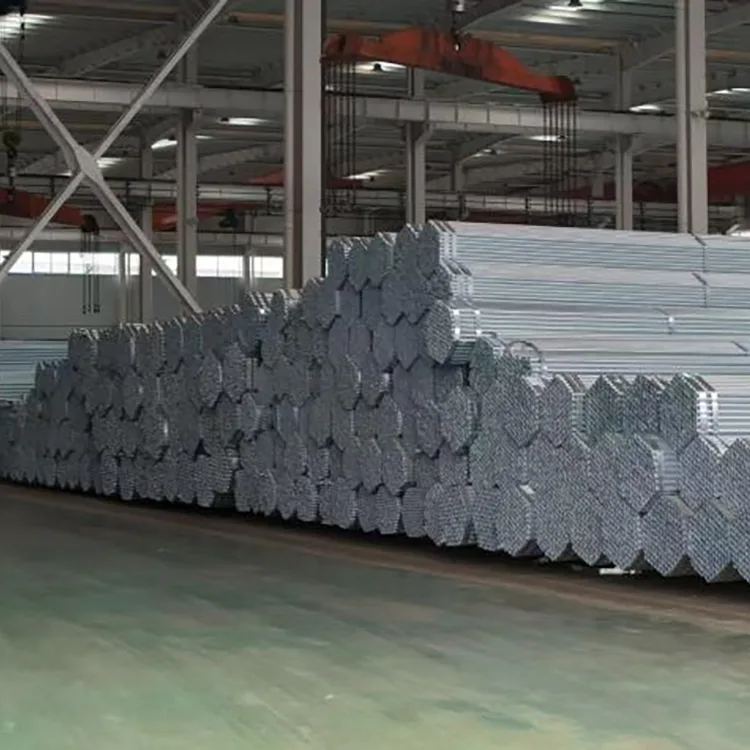
Hot-Dip Galvanized Round Steel Pipe uses Q235B or Q355B carbon steel and a factory hot-dip zinc coating for outdoor corrosion protection. Common sizes cover DN15–DN200, with wall thicknesses from 1.5–8.0 mm depending on diameter. It is used for guardrails, greenhouse frames, handrails, supports, columns and selected low-pressure fluid applications.

Hot-Dip Galvanized Round Steel Pipe is a circular welded steel tube processed with a hot-dip galvanized coating after pipe forming and welding. The round section is easy to fabricate, clamp, weld and install, while the galvanized surface provides additional protection where the pipe is exposed to rain, humidity and outdoor conditions.

The product covers two different purchasing needs. For guardrails, handrails, greenhouse structures and steel supports, buyers mainly look at outside diameter, wall thickness, steel grade and dimensional accuracy. For water or other fluid-service applications, the pipe must additionally meet the required pressure-service standard and inspection requirements.

Q235B is suitable for many conventional structural and fabrication applications. Q355B can be selected where the design calls for higher material strength. Fixed-length cutting and other processing can be arranged before delivery.

Hot-Dip Galvanized Round Steel PipeHot-Dip Galvanized Round Steel PipeHot-Dip Galvanized Round Steel Pipe


Size Guide

DN

Outside Diameter (mm)

Common Name

Common Wall Thickness (mm)

Typical Use

DN15

21.3

4-in round pipe

1.5 / 1.8 / 2.0 / 2.5

Small guardrails, conduit, handrails

DN20

26.8

6-in round pipe

1.5 / 1.8 / 2.0 / 2.5

Guardrail rails, light supports

DN25

33.7

1-in round pipe

1.8 / 2.0 / 2.5 / 2.75 / 3.0

Guardrail posts, greenhouse members

DN32

42.4

1.2-in round pipe

2.0 / 2.5 / 2.75 / 3.0 / 3.25

Greenhouse arch tubes

DN40

48.3

1.5-in round pipe

2.0 / 2.5 / 2.75 / 3.0 / 3.5

Greenhouse arches, railings, support tubes

DN50

60.3

2-in round pipe

2.5 / 2.75 / 3.0 / 3.25 / 3.5

Main greenhouse arches, medium posts

DN65

76.1

2.5-in round pipe

2.75 / 3.0 / 3.25 / 3.5 / 4.0

Monitoring poles, structural columns

DN80

88.9

3-in round pipe

3.0 / 3.5 / 4.0 / 4.5

Lighting poles, heavy greenhouse posts

DN100

114.3

4-in round pipe

3.0 / 3.5 / 4.0 / 4.5 / 5.0

Large posts, water pipe, main supports

DN125

139.7

5-in round pipe

3.5 / 4.0 / 4.5 / 5.0

Fluid lines, heavy supports

DN150

168.3

6-in round pipe

4.0 / 4.5 / 5.0 / 6.0

Main water lines, large structural columns

DN200

219.1

8-in round pipe

4.5 / 5.0 / 6.0 / 8.0

Municipal pipes, heavy structural work

For international orders, always confirm DN, outside diameter and wall thickness together. DN is a nominal designation and does not by itself define the actual outside diameter.


Main Specifications

Item

Specification

Product

Hot-Dip Galvanized Round Steel Pipe

Steel grade

Q235B, Q355B

Manufacturing

Cold forming + high-frequency welding

Common diameter range

DN15–DN200

Outside diameter

21.3–219.1 mm in the listed sizes

Wall thickness

1.5–8.0 mm, depending on diameter

Standard length

6 m

Custom length

3–12 m

Surface

Hot-dip galvanized

Galvanizing temperature

Approx. 450°C

Typical processing

Cutting, drilling, bending, welding

Main uses

Guardrails, handrails, greenhouse structures, supports, columns, selected fluid 


How It Is Made

The pipe is produced as a welded round tube, then galvanized after the required pipe section has been formed.

Steel strip → forming → high-frequency welding → sizing and straightening → cutting → degreasing → pickling → rinsing → fluxing → drying → hot-dip galvanizing → cooling → passivation / finishing → inspection → packing

The high-frequency welding stage creates the longitudinal seam. It should therefore be described as a high-frequency welded round steel pipe, not a seamless pipe.

Before galvanizing, the steel surface needs to be clean enough for the zinc to bond properly. After galvanizing, the pipe is inspected again for coating, straightness, dimensions and visible defects.


What the Zinc Coating Protects

The zinc layer separates the steel from atmospheric moisture and oxygen. Zinc also provides sacrificial protection around small areas of coating damage.

For an outdoor handrail, greenhouse frame or support structure, this means the main corrosion-protection work is completed before installation.

The galvanized coating does not mean the pipe can be permanently exposed to every corrosive medium without further consideration. Coastal salt spray, aggressive chemicals, standing water and continuous immersion require a more specific corrosion assessment.


Wall Thickness

Wall thickness should follow the job rather than the pipe name.

Wall Thickness

Typical Direction

1.5–2.0 mm

Light guardrails, small frames, lighter greenhouse members

2.5–3.0 mm

Medium posts, supports and agricultural structures

3.0–4.0 mm

Heavier supports, columns and larger structural members

4.0–8.0 mm

Heavy structural or specific fluid-service requirements

The final thickness depends on span, load, support spacing, wind conditions, connection method or fluid pressure.


Q235B or Q355B

Q235B is commonly used for general guardrails, greenhouse structures, support frames, municipal fabrication and other conventional steelwork.

Q355B is used when the structural design requires a higher-strength steel grade, especially for heavier loads or more demanding support conditions.

Changing the steel grade does not automatically allow the wall thickness or pipe diameter to be reduced. The complete member still needs to satisfy the design calculation.


Structural Pipe or Fluid Pipe?

The end use should be stated before quotation.

For guardrails, greenhouse frames, handrails, equipment supports and steel structures, dimensional accuracy and structural requirements are the main concerns.

For water and other fluid delivery, the applicable pipe standard, pressure rating, wall thickness, weld quality and inspection requirements also need to be specified.

For example, China's current GB/T 3091 standard applies to welded steel pipes for low-pressure fluid delivery. It should not be used as a generic standard for every galvanized structural round tube.

This distinction helps prevent a common procurement mistake: buying a pipe by diameter alone without checking what the pipe is actually designed to do.


Where It Is Used

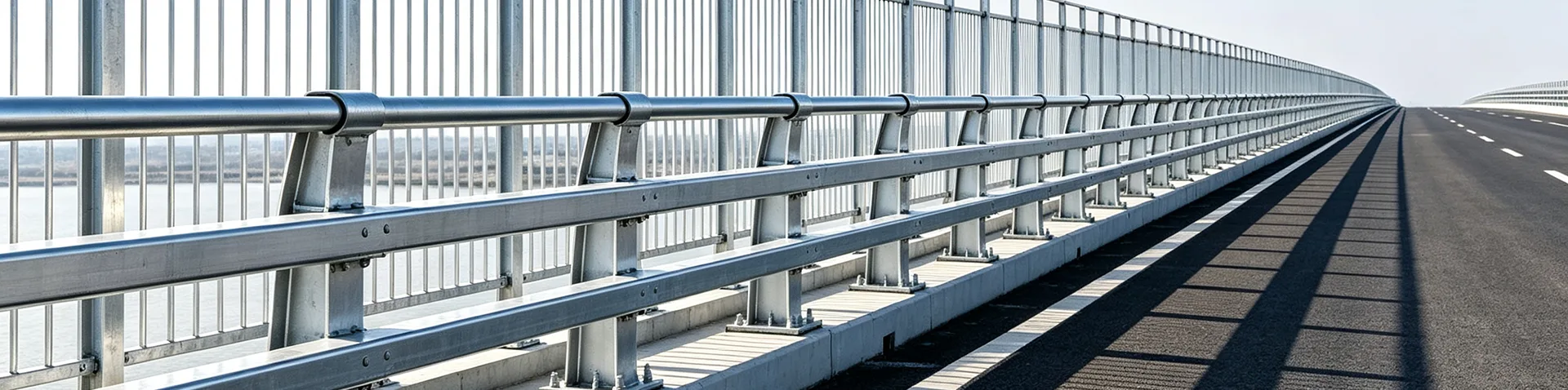
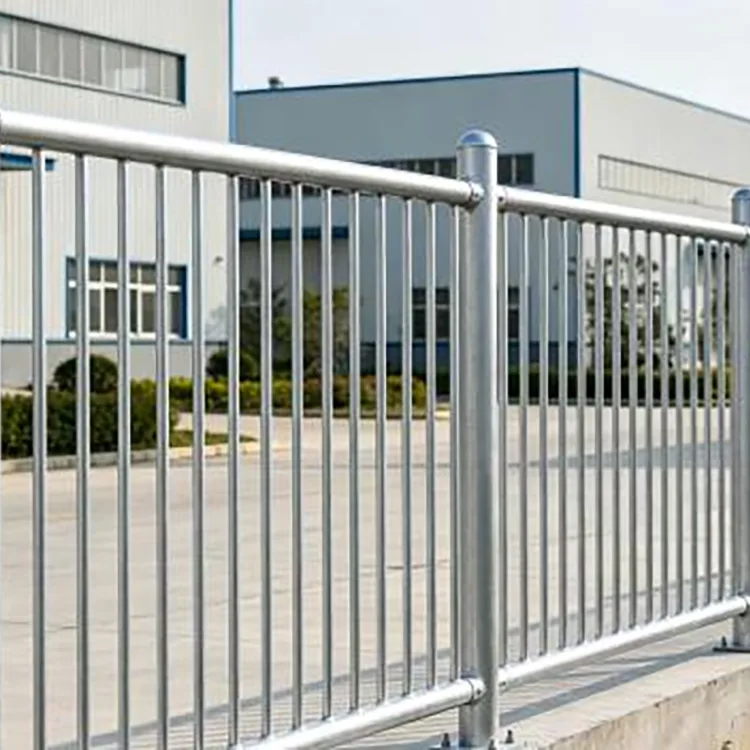
Guardrails and Handrails

The circular section is convenient for gripping and easy to connect to posts, brackets and frames.


Greenhouse Structures

Common sizes are used for arch tubes, posts, rails and other agricultural structures exposed to humidity and repeated wet-dry cycles.


Municipal Facilities

Applications include roadside barriers, fences, parking shelters, light support frames and similar outdoor structures.


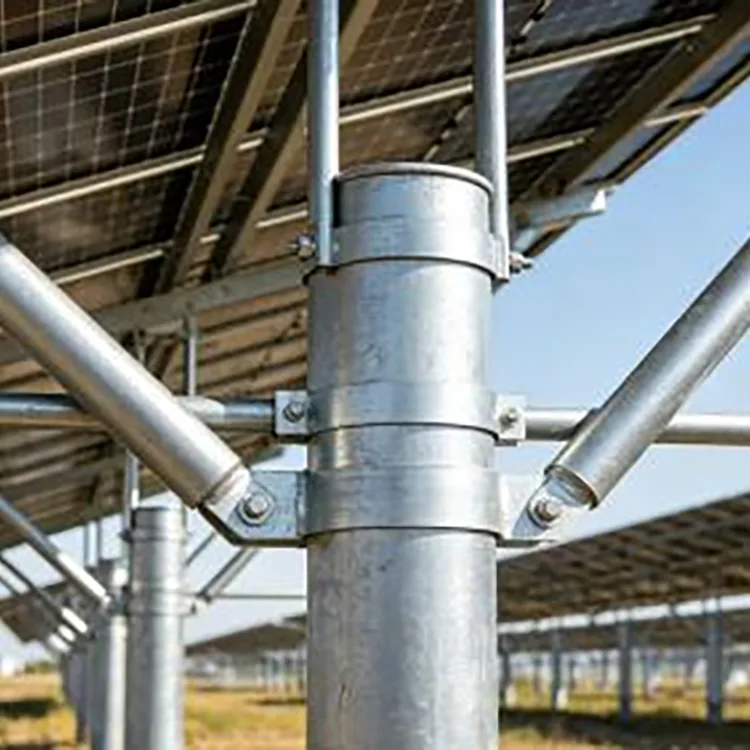
PV and Energy Projects

Can be used for selected supports, auxiliary frames and outdoor equipment structures when a round section is appropriate.


Lighting and Monitoring Poles

Larger diameters can be selected for poles and columns according to the structural requirement.


Water and Low-Pressure Fluid Service

Suitable only when the pipe grade, dimensions and applicable service standard meet the project requirement.


Project Application

Courtyard and Residential Railings

For self-built houses and residential courtyards, black steel pipe often requires repeated rust removal and repainting after prolonged outdoor exposure.

Hot-dip galvanized round pipe can be installed without a separate large-scale anti-corrosion painting process. According to the supplied project record, outdoor courtyard railings remained free from visible widespread rust and coating failure after more than three years.


Community Renovation

During renovation of older residential communities, galvanized round pipe was used for corridor handrails, roadside guardrails and parking-shelter supports.

The finished galvanized surface allowed the contractor to proceed directly with installation, reducing site coating work and keeping the finished appearance consistent.


Round Pipe vs Square Tube

The choice depends on the structure and appearance.

Round pipe is useful when the structure needs a circular profile, easy hand contact, smooth visual lines or convenient connection with clamps and circular fittings.

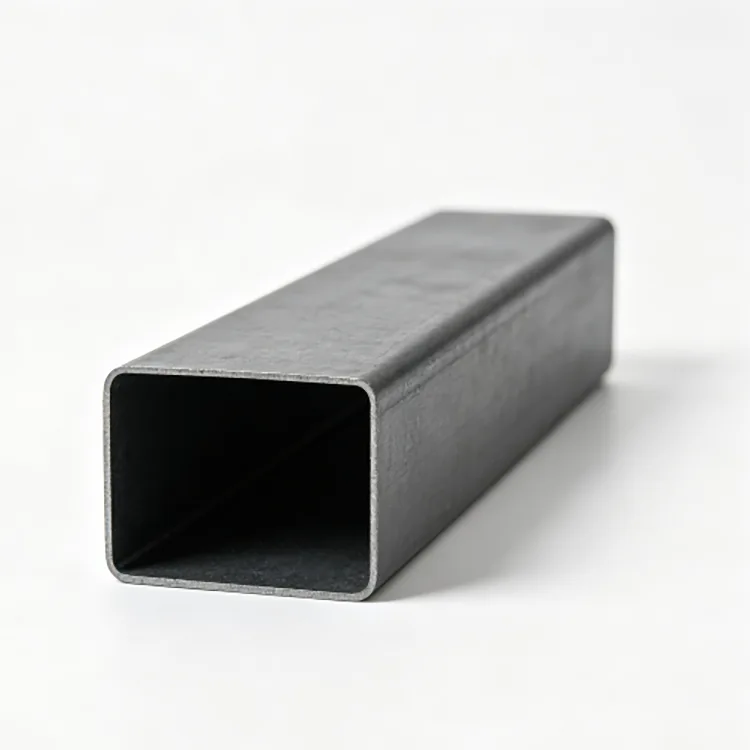
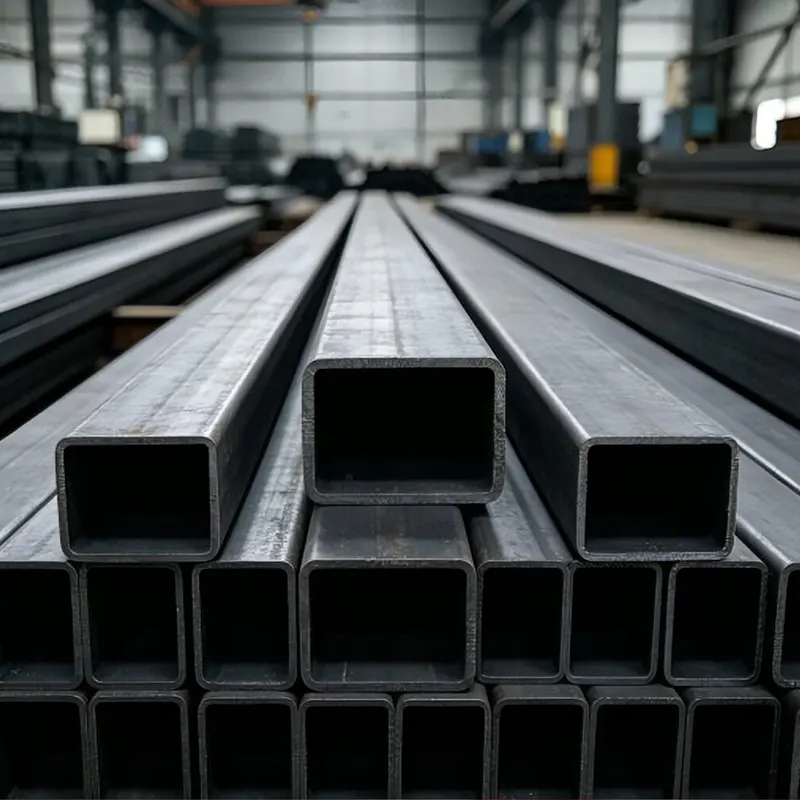
Square and rectangular tubes provide flat faces and are often easier to align when the project consists mainly of straight frames and plate connections.

For handrails and tubular guardrails, round pipe is usually the more natural choice. For rectangular frames, square or rectangular hollow sections may be more efficient.


Hot-Dip Galvanized vs Black Round Pipe

Black round pipe has no factory zinc protection and normally needs another corrosion-protection system for outdoor service.

Galvanized round pipe arrives with the zinc coating already applied. This removes a major field coating step and reduces the need for routine repainting under normal exposure.

The difference is most useful on projects where many individual pipes are installed outdoors and later maintenance is difficult, such as guardrails, greenhouse frames, rooftop structures and municipal facilities.

Hot-Dip Galvanized Round Steel PipeHot-Dip Galvanized Round Steel Pipe


Processing

For project orders, major fabrication can be completed before delivery.

Available processing includes:

Fixed-length cutting

Drilling and punching

Bending

End preparation

Welding and fabricated assemblies

Where possible, final cutting and drilling should be completed before galvanizing so that the processed member receives the corrosion-protection treatment as a finished component.

If cutting or drilling is performed after galvanizing, exposed steel should be cleaned and repaired with a suitable zinc-rich coating.


Quality Control

Quality inspection covers both the pipe and the galvanized coating.

Base material: Q235B or Q355B, with agreed material documentation.

Dimensions: outside diameter and wall thickness.

Geometry: roundness and straightness.

Weld: high-frequency welded seam condition.

Length: fixed-length accuracy.

Coating: coverage, thickness and obvious surface defects.

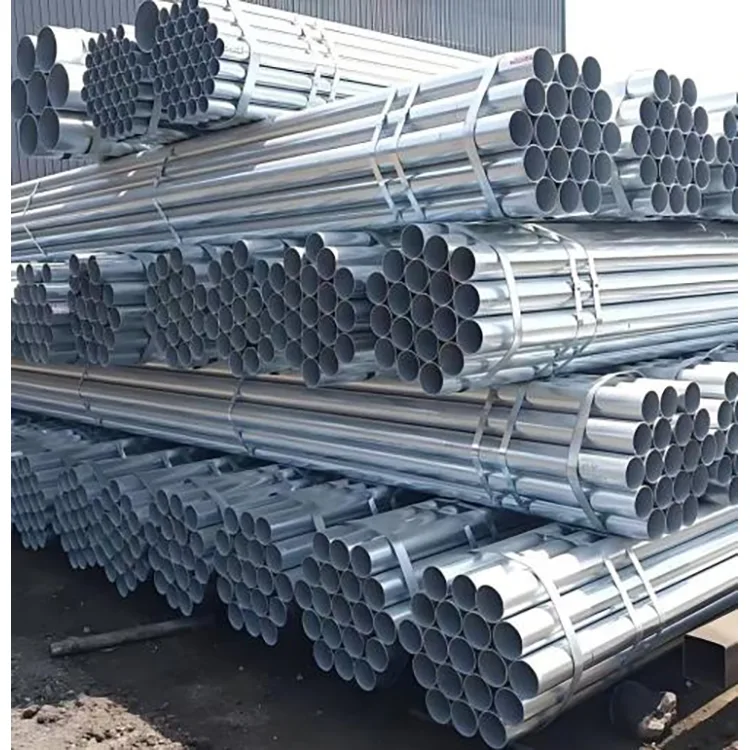
Packing: bundle stability and protection during transportation.

For fluid-service orders, additional testing should follow the specified pipe standard and project requirements.


Coastal and Humid Use

Normal outdoor exposure can be handled with a suitable galvanized specification, but coastal and industrial environments should not all be treated the same.

Near the coast, salt-laden air can accelerate zinc consumption. In high-humidity buildings, condensation can become the main corrosion factor. Chemical plants may introduce gases or liquids that behave differently from ordinary atmospheric exposure.

The correct approach is to match the zinc requirement and pipe specification to the actual environment.

Continuous seawater immersion is also different from ordinary outdoor exposure and should be treated as a separate corrosion-design condition.


Why Choose Us?

Our supply chain in Tianjin Daqiuzhuang gives buyers access to steel processing, pipe production, galvanizing and downstream fabrication resources within the same steel-producing region.

Multiple sizes: DN15–DN200 covers common applications from small handrails to larger structural and fluid-service pipe.

Material selection: Q235B and Q355B can be supplied according to the structural requirement.

Fixed-length supply: 3–12 m cutting is available, with 6 m as a common standard length.

Project processing: Cutting, drilling, bending and other agreed fabrication can be completed before delivery.

Application-based quotation: structural pipe and fluid-service pipe are handled according to their different technical requirements.

Inspection documents: material certificates and galvanizing inspection records can be supplied for project orders.

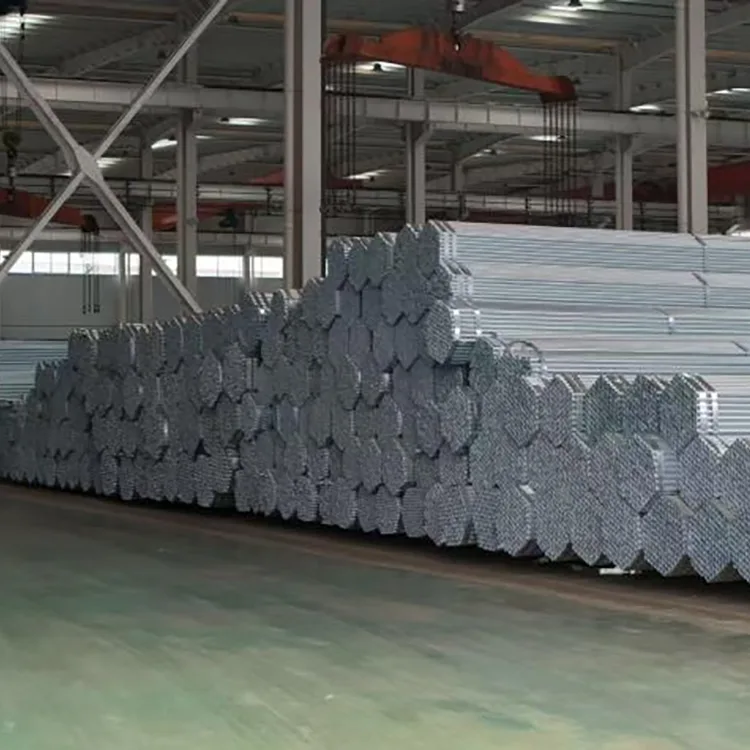
Export packing: bundles can be prepared with moisture-resistant protection for overseas transportation.

The benefit for the buyer is fewer separate suppliers to coordinate for steel tube, galvanizing, processing and export preparation.


Ordering Information

For quotation, provide:

Application: structure, greenhouse, guardrail, fluid service, etc.

DN or outside diameter

Wall thickness

Steel grade

Length

Galvanizing requirement

Processing requirement

Quantity

A clear request such as:

Q235B / DN50 / OD 60.3 mm / 3.0 mm wall / hot-dip galvanized / 6 m / 100 tons

allows the supplier to quote the correct product without guessing what “2-inch galvanized pipe” is intended to mean.


Hot-Dip Galvanized Round Steel Pipe FAQ

Q1. Is Hot-Dip Galvanized Round Steel Pipe seamless?

No. The product described here is a high-frequency welded round steel pipe. It should not be advertised as seamless.


Q2. What is the outside diameter of DN50 pipe?

The listed DN50 pipe has an outside diameter of 60.3 mm. Confirm the actual outside diameter before ordering fittings or clamps.


Q3. Can the pipe be used for water?

Yes, where the pipe meets the required low-pressure fluid-service standard and project specification. The applicable standard should be confirmed before ordering.


Q4. Can the length be customized?

Yes. The supplied range is 3–12 m, with 6 m being a common standard length.


Q5. Can Q355B be supplied instead of Q235B?

Yes. Q355B can be specified for projects requiring a higher-strength steel grade. The final pipe diameter and wall thickness should still follow the structural design.


Q6. Can galvanized round pipe be welded?

Yes. Welding damages the zinc coating around the heated area. The affected zone should be cleaned and repaired with a suitable zinc-rich coating after welding.


Q7. Can the pipe be bent?

Yes, but significant bending can damage the galvanized layer. Where the final shape is known, it is preferable to complete the main forming work before galvanizing.


Q8. What wall thickness is suitable for greenhouse structures?

The supplied sizes include approximately 1.5–3.5 mm for many common greenhouse applications. The actual choice should consider span, wind load, member position and greenhouse design.


Q9. Can the pipe be used outdoors without painting?

Yes. Hot-dip galvanized round pipe is designed for corrosion protection under outdoor atmospheric exposure, so a separate primary anti-corrosion painting process is generally not required for normal conditions.


Q10. Can it be used in coastal areas?

Yes, but the zinc specification should be matched to the salt exposure. Strong coastal conditions may require a higher coating requirement and additional corrosion considerations.


Q11. Will the galvanized coating rust?

Zinc protects the steel but is gradually consumed by the environment. Service life depends on coating thickness, humidity, salt exposure, chemicals, water retention and handling. No single service-life figure applies to every installation.


Q12. What inspection documents can be provided?

Material certificates, galvanizing inspection records and other agreed quality documents can be supplied. Third-party inspection can also be arranged for project orders.


Hot Tags: Hot-Dip Galvanized Round Steel Pipe Manufacturer, Supplier
Send Inquiry
Contact Info
  • Address

    Secondary Arterial Road No. 2-1, Expansion Area of ​​Daqiuzhuang Industrial Zone, Jinghai District, Tianjin, China

Tell RongHeng your required steel product, size, grade, quantity, customization and delivery needs, and our export team can review your inquiry.
X
We use cookies to offer you a better browsing experience, analyze site traffic and personalize content. By using this site, you agree to our use of cookies. Privacy Policy
RejectAccept