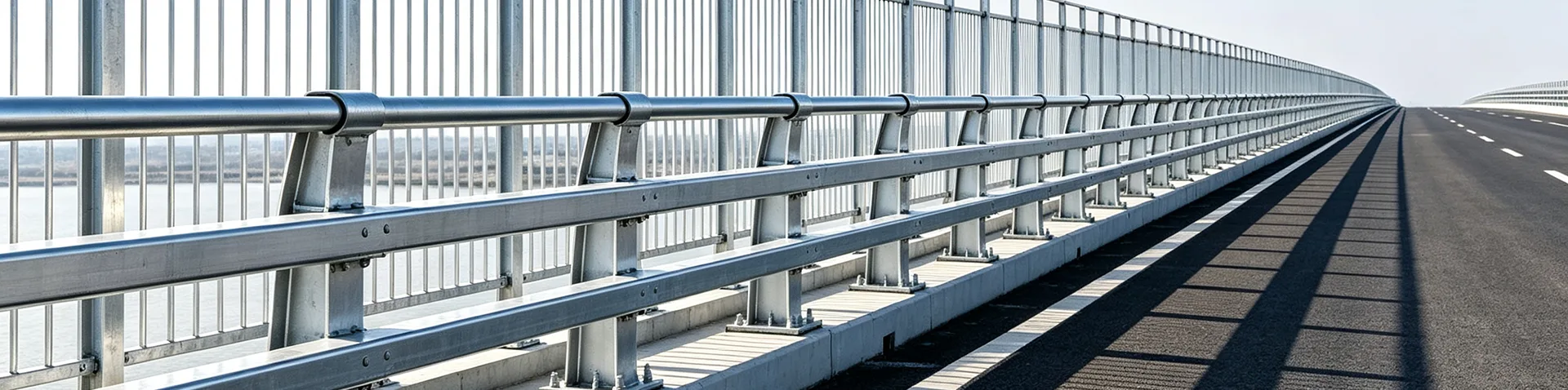
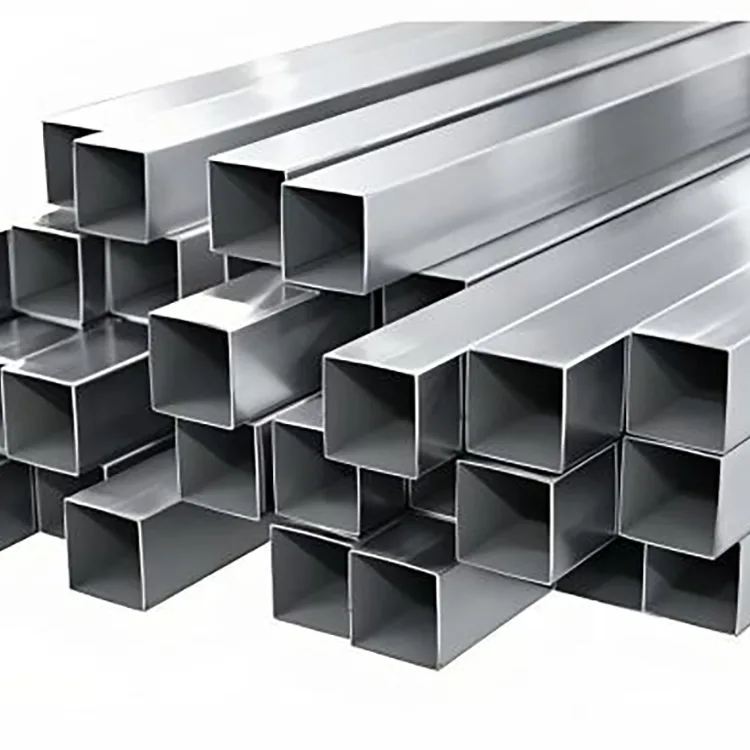
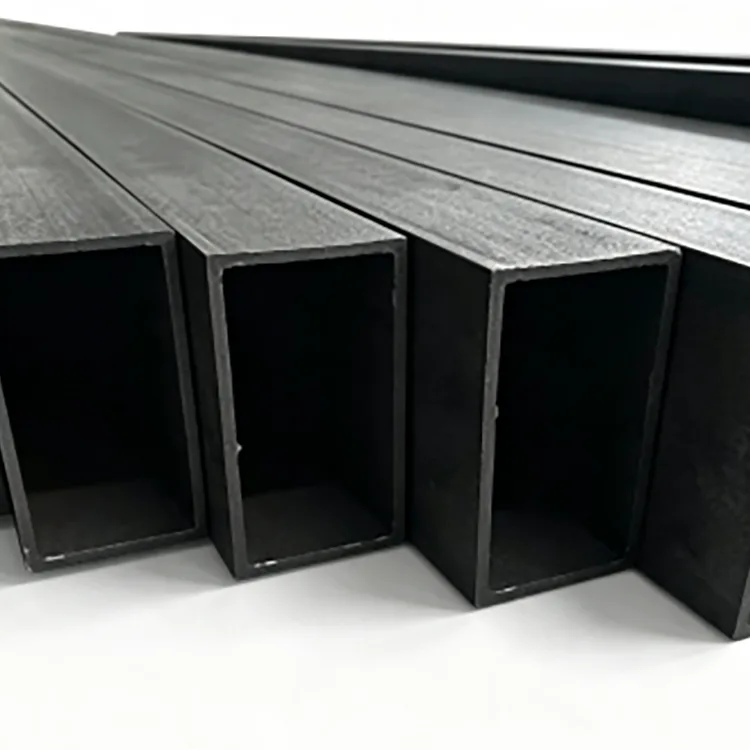
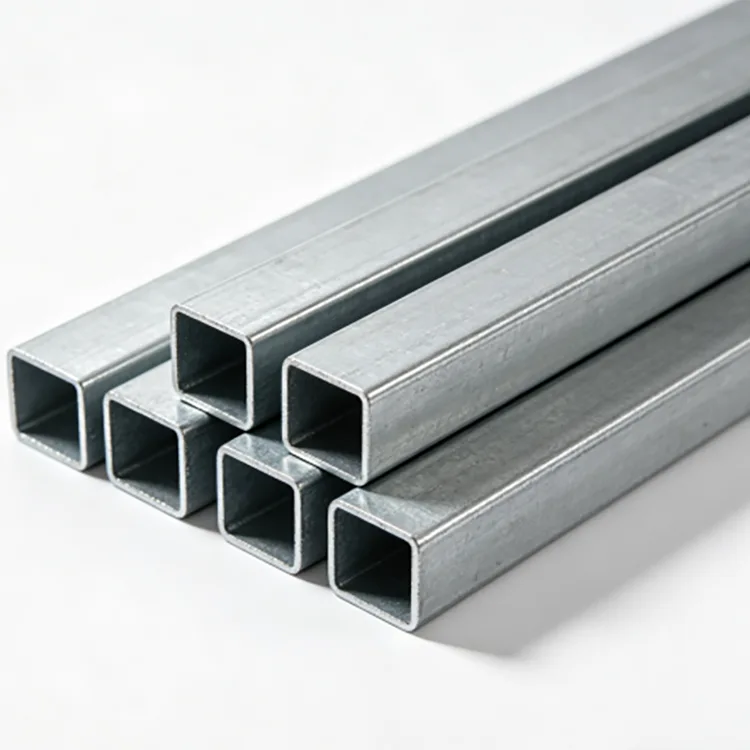
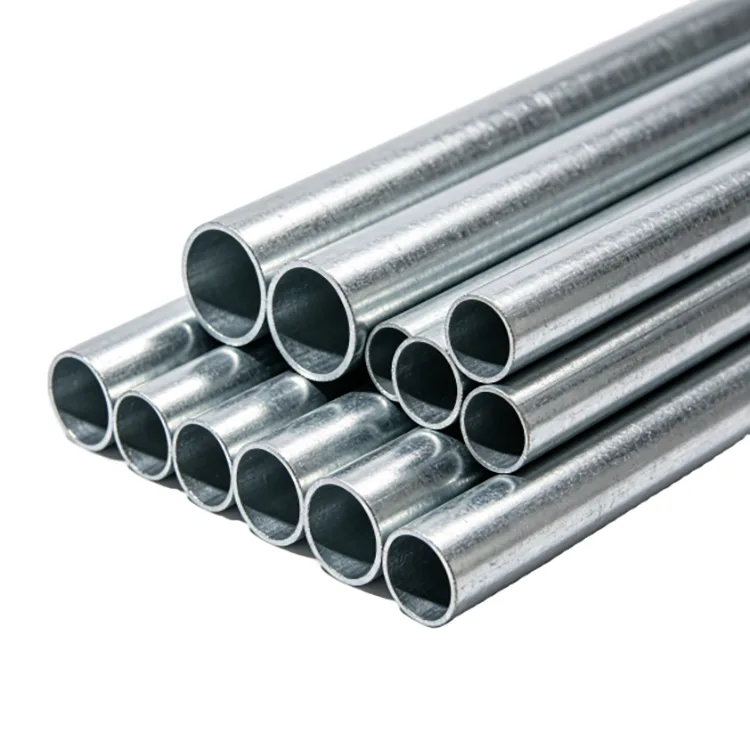
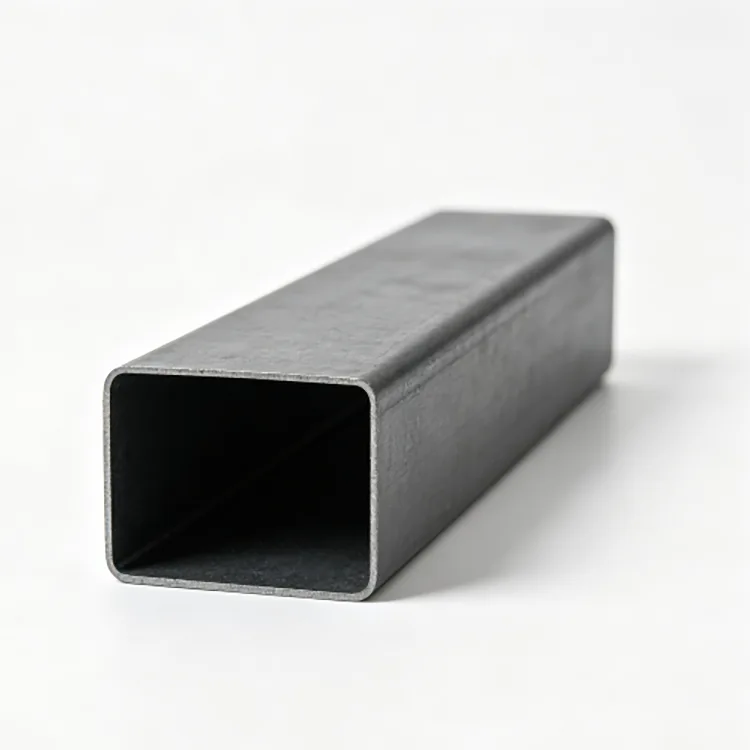
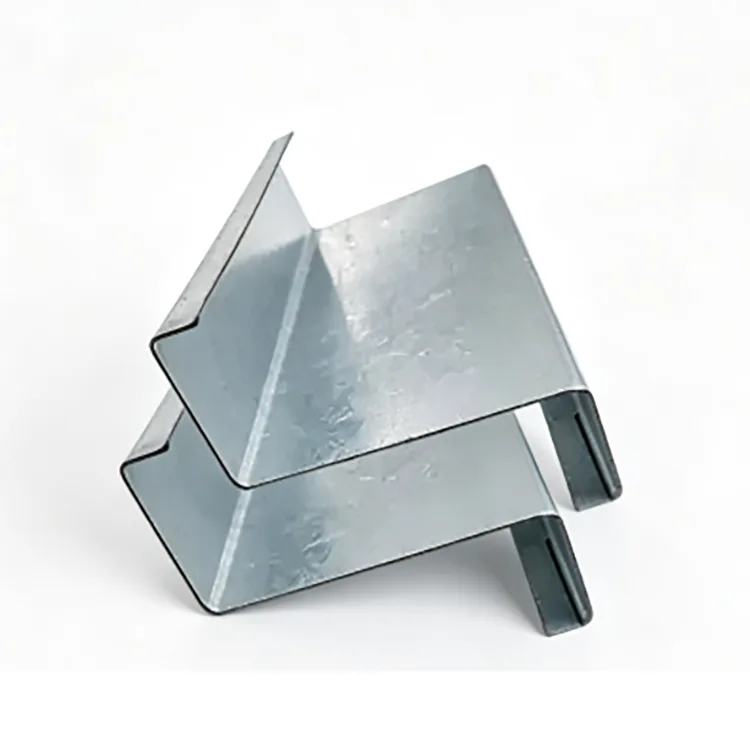
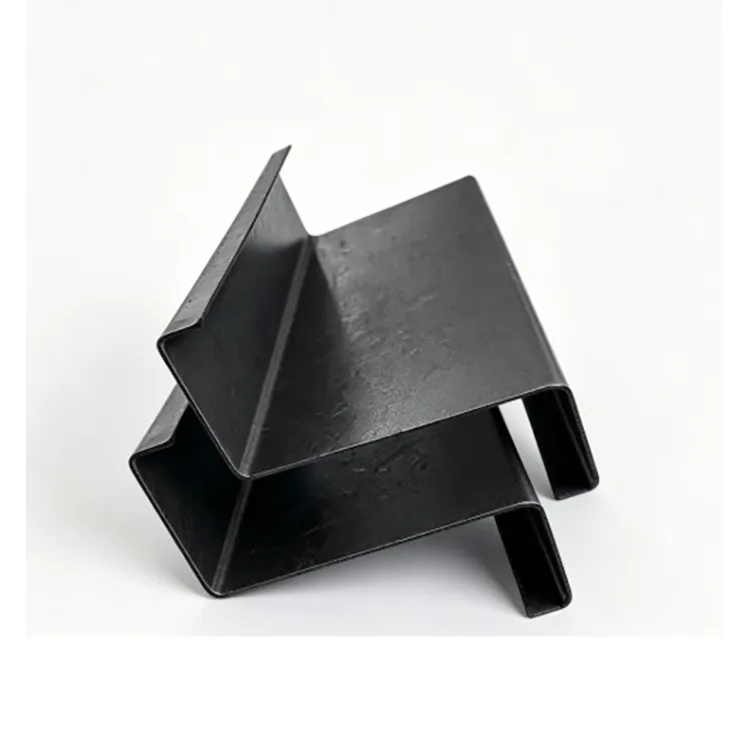
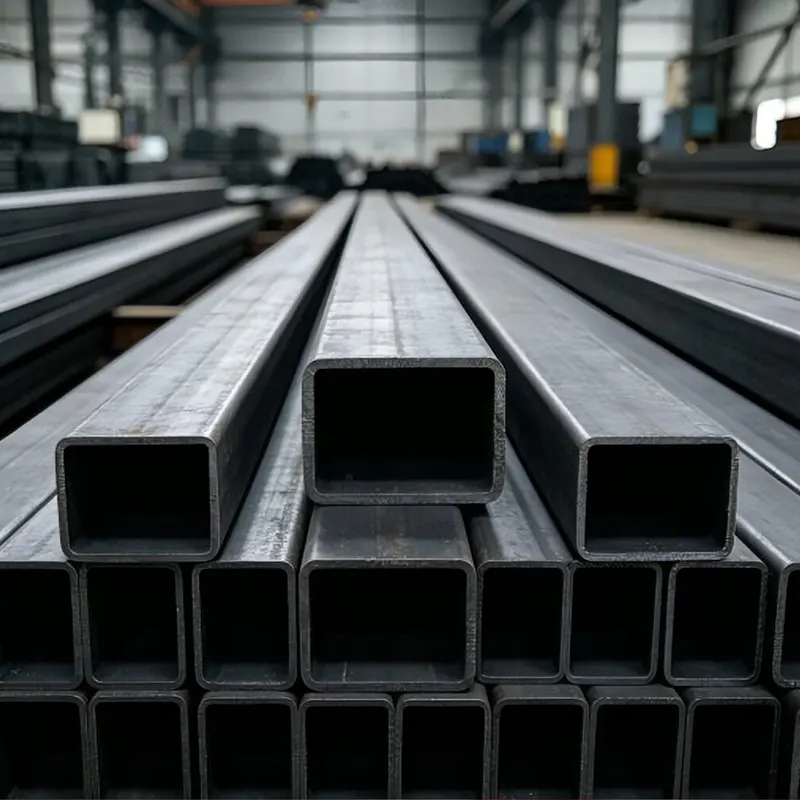
Rongheng supplies Hot-Dip Galvanized Steel Pipe made from welded or seamless steel pipe substrates and processed through a high-temperature zinc bath. The galvanized coating forms a metallurgical bond with the steel surface, providing a corrosion-protection layer for outdoor, humid and salt-laden environments.
Instead of treating galvanizing as a separate finishing step, we coordinate substrate selection, surface preparation, zinc treatment, finishing inspection and export packing as one supply process. This allows the pipe specification and surface protection to be considered together according to the actual installation environment.
Where Surface Protection Becomes Part of Pipe Selection
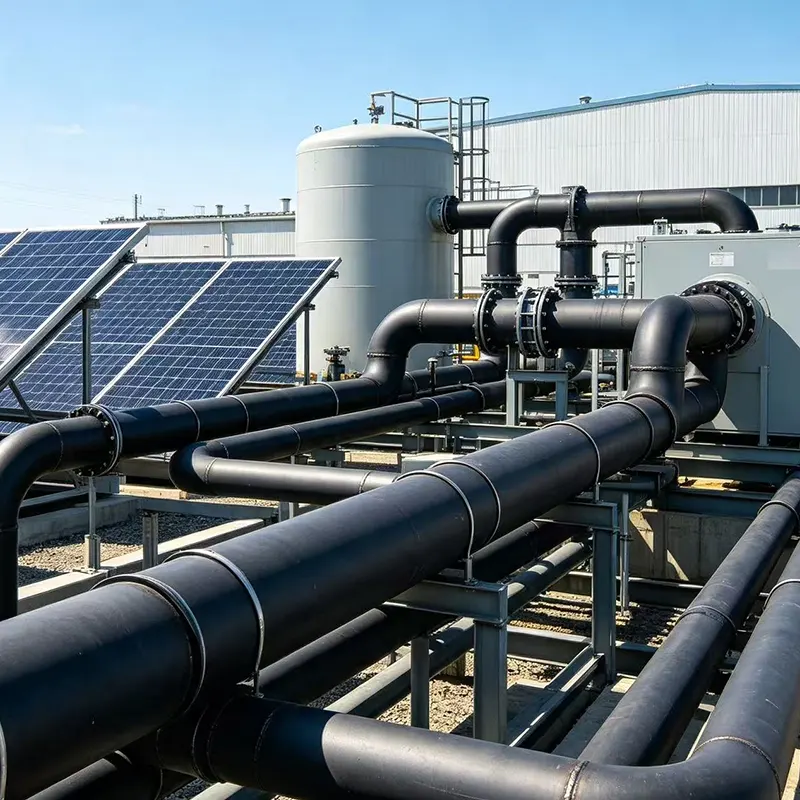
For indoor applications with limited exposure to moisture, the steel substrate and required fabrication properties may be the main selection factors. Outdoor pipelines, photovoltaic structures, agricultural facilities and coastal projects introduce another consideration: how the exposed steel surface will be protected during service.
Galvanizing provides a zinc layer over the prepared steel surface, making it a practical option where rain, humidity or salt spray is part of the operating environment. The required coating approach should still be selected according to project conditions rather than applying one specification to every application.
What the Galvanized Layer Changes
|
Surface protection
|
The zinc coating separates the steel surface from direct exposure to air and moisture, helping reduce surface corrosion in outdoor service.
|
|
Coating adhesion
|
Hot-dip processing allows the zinc to form a metallurgical bond with the steel substrate rather than relying only on a surface-applied film.
|
|
Outdoor service
|
The treatment can be considered for structures and pipelines exposed to rain, humidity, sunlight and, depending on the project, coastal salt spray.
|
|
Fabrication after treatment
|
Cutting, welding and other secondary operations remain possible. Areas where the zinc layer is removed or damaged during fabrication may require appropriate repair treatment.
|
From Steel Substrate to Finished Pipe
01 — Substrate selection
Welded or seamless pipe can be selected according to the required dimensions, mechanical properties and intended application.
02 — Surface preparation
Surface preparation, including cleaning and pickling-related treatment, is carried out before the pipe enters the zinc bath. The condition of the steel surface directly affects subsequent coating formation.
03 — Hot-dip zinc treatment
The prepared pipe passes through the high-temperature zinc treatment process to form the protective coating on the steel surface.
04 — Finishing and inspection
After galvanizing, the pipe can be finished and checked for visible coating conditions, dimensions and other project requirements before packing.
Integrated Galvanizing Capability
Rongheng has a dedicated hot-dip galvanizing workshop supporting coordinated pipe production, galvanizing, inspection and shipment. This reduces dependence on external processing and gives us greater control over the production sequence from substrate preparation through final finishing.
Coating Options Based on the Project Environment
|
Requirement
|
Possible Treatment
|
Typical Consideration
|
|
General outdoor exposure
|
Conventional hot-dip galvanizing
|
Rain, humidity and normal outdoor exposure
|
|
Higher corrosion exposure
|
Thicker zinc coating
|
Selected according to project environment and coating requirements
|
|
Coastal / salt spray environment
|
Specified galvanized protection
|
Corrosion exposure, maintenance plan and required service conditions should be reviewed together
|
|
Additional surface requirement
|
Passivation / anti-fingerprint treatment
|
Available when required by the project or handling conditions
|
Coating thickness can be discussed according to the intended service environment. Standard, thicker and project-specified galvanized requirements can be coordinated during quotation rather than selecting the coating only after the pipe has been produced.
When Galvanizing Is Worth Considering
Outdoor infrastructure
Suitable for projects where the pipe surface will be exposed to changing weather conditions and routine moisture.
Photovoltaic and agricultural structures
Applicable to support structures, greenhouse-related components and other installations where exposed steel requires corrosion protection.
Coastal and high-humidity projects
The coating system can be specified with greater attention to salt spray, humidity and the expected maintenance conditions.
Galvanized Pipe or Black Welded Pipe?
The decision is mainly related to the service environment and the way corrosion protection will be handled after delivery.
|
Factor
|
Black Welded Pipe
|
Hot-Dip Galvanized Steel Pipe
|
|
Initial surface
|
Steel surface without factory-applied zinc coating
|
Steel surface protected by a hot-dip zinc layer
|
|
Outdoor exposure
|
Normally requires a separate corrosion-protection system
|
Zinc coating provides factory-applied corrosion protection
|
|
Processing
|
Suitable for cutting, welding, threading and other fabrication
|
Can also be fabricated, with local coating repair considered after operations that expose bare steel
|
|
Project focus
|
Useful when corrosion protection will be completed locally
|
Useful when factory-applied corrosion protection is required before shipment
|
Selection shortcut
Mainly indoor use + local surface treatment available → black welded pipe may be considered.
Outdoor / humid / coastal exposure + reduced post-installation coating work → consider a galvanized solution.
Processing and Packing Before Shipment
|
Cutting
|
Fixed-length cutting according to project requirements
|
|
Pipe-end protection
|
Pipe-end protection and handling preparation where required
|
|
Surface treatment
|
Passivation or anti-fingerprint treatment can be arranged according to requirements
|
|
Export packing
|
Moisture-resistant and protective packing for overseas transportation, with classification marks when specified
|
What We Need for a Project-Specific Quote
For a galvanized steel pipe project, the service environment is as important as the pipe dimensions. Send the following information if available:
-
Pipe type: welded or seamless
-
Outside diameter and wall thickness
-
Steel grade
-
Required length
-
Galvanizing or coating requirement
-
Indoor, outdoor, humid or coastal service environment
-
Cutting, threading or other secondary processing requirements
-
Quantity and destination port
Frequently Asked Questions
Can both welded and seamless pipe be galvanized?
Yes. The suitable substrate depends on the required dimensions, mechanical properties, application and project specification.
Can the zinc coating thickness be customized?
Yes. Standard and thicker coating requirements can be discussed according to the corrosion environment and project specification.
Will welding damage the galvanized coating?
Welding locally affects the zinc layer around the welded area. The exposed area should therefore be treated with a suitable zinc-repair method after fabrication when corrosion protection is required.
Are zinc lumps or runs always a product defect?
Minor zinc accumulation or runs can occur during the hot-dip galvanizing process. Acceptance should be judged against the applicable project specification and the actual coating condition rather than surface appearance alone.
Need to Choose Between Black and Galvanized Pipe?
Tell us where the pipe will be installed, whether it will be exposed to rain or salt spray, and the required pipe dimensions. We can evaluate the substrate, galvanizing requirement and processing route together.
Request a Project-Specific Galvanized Pipe Quote