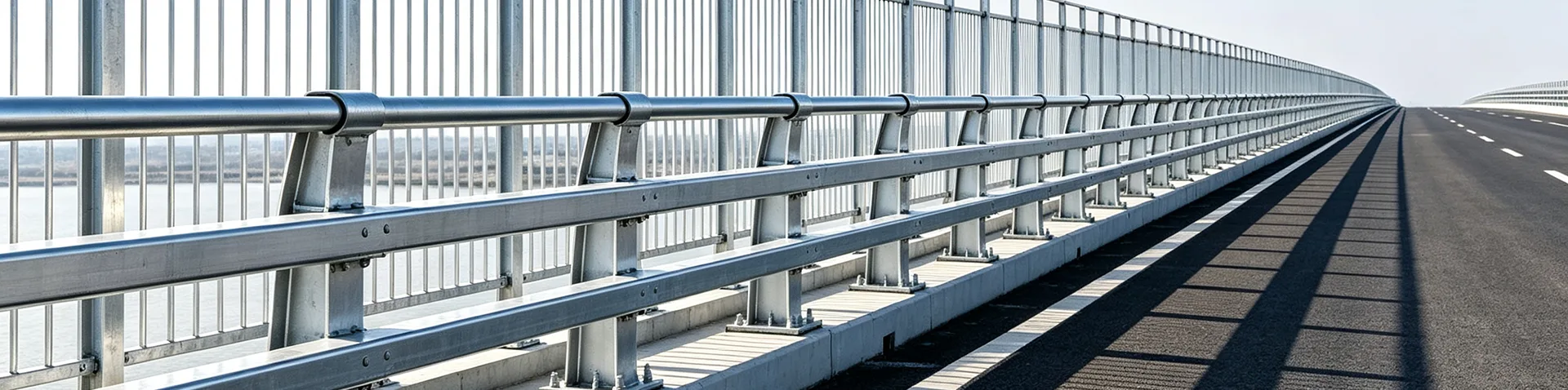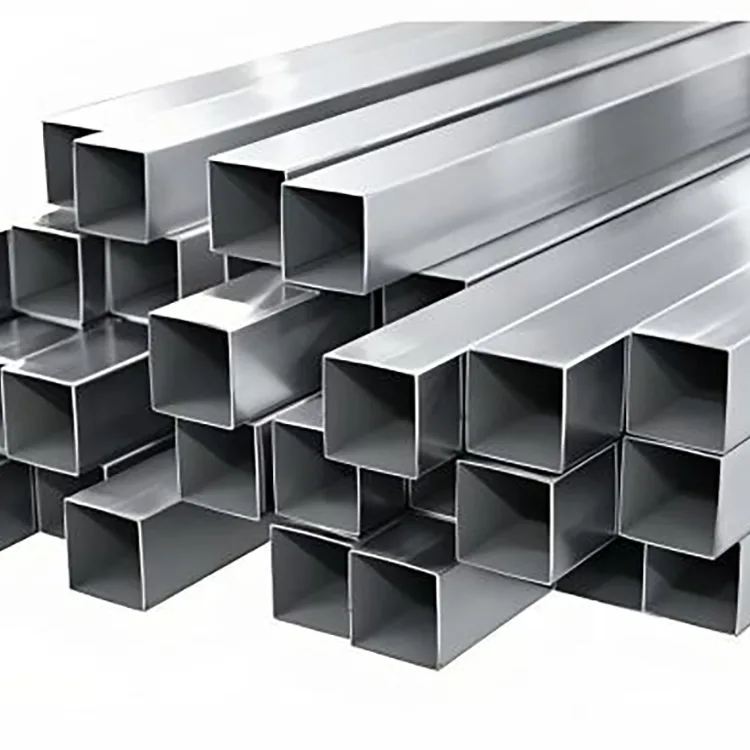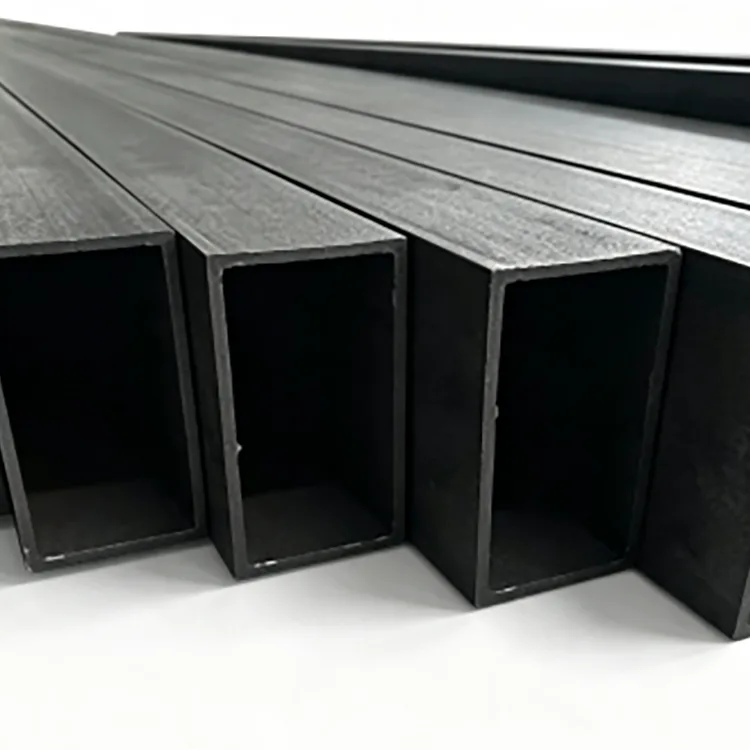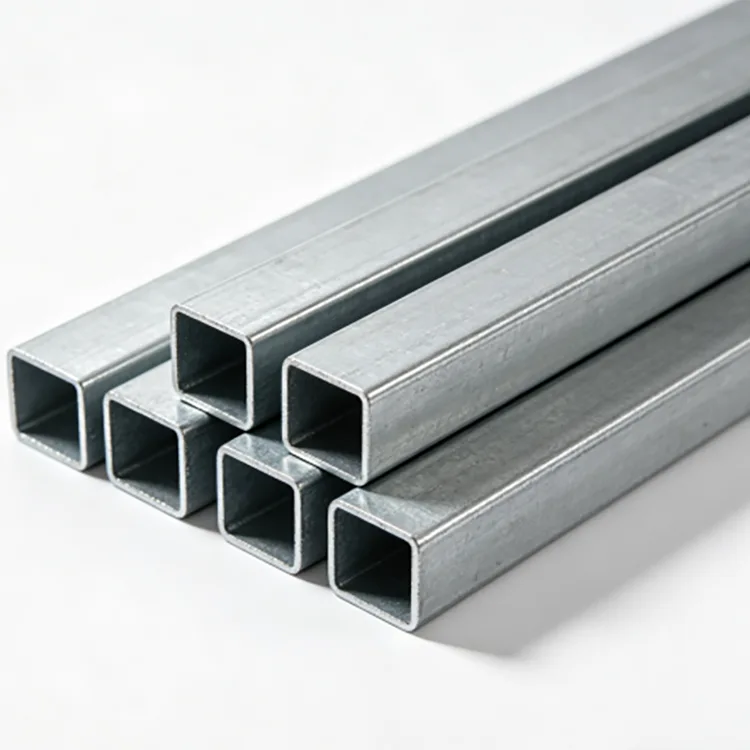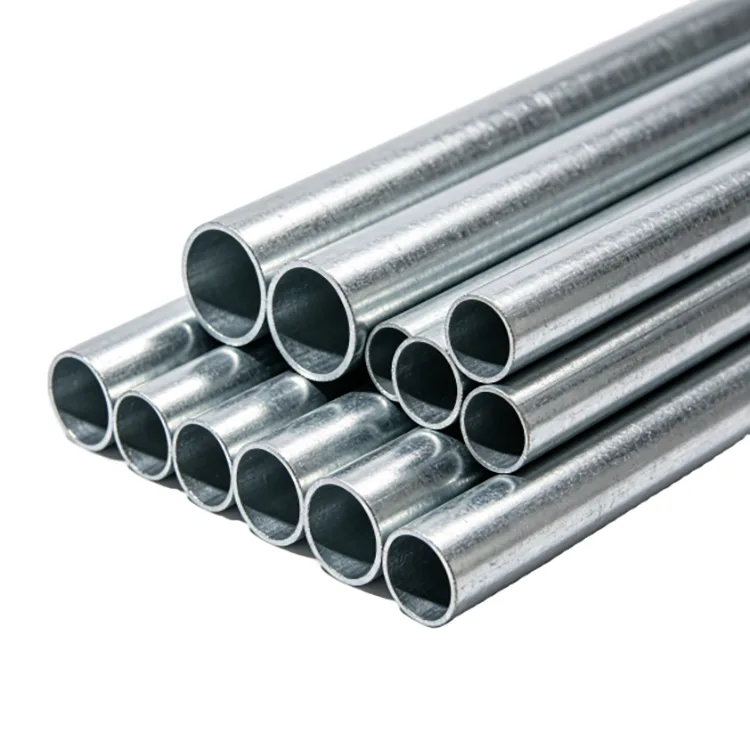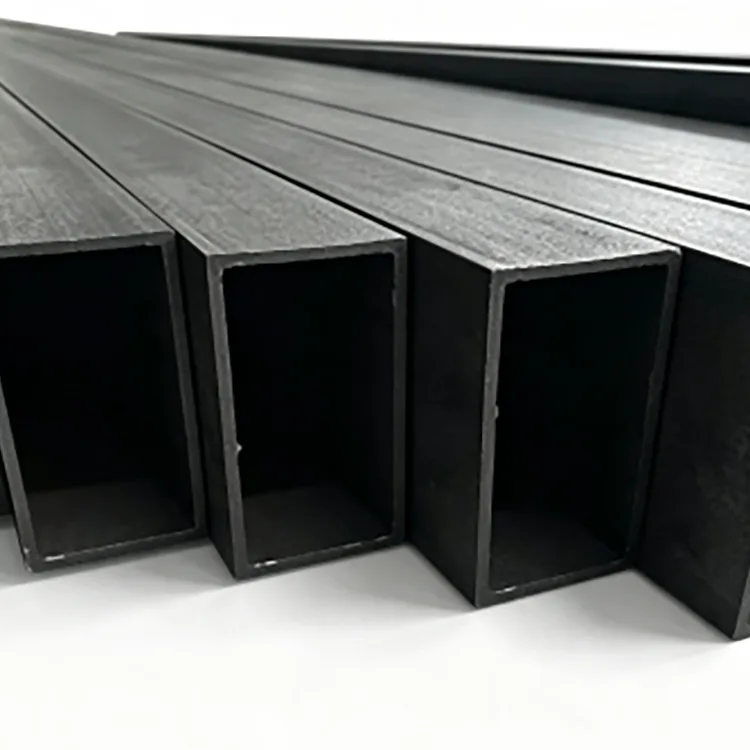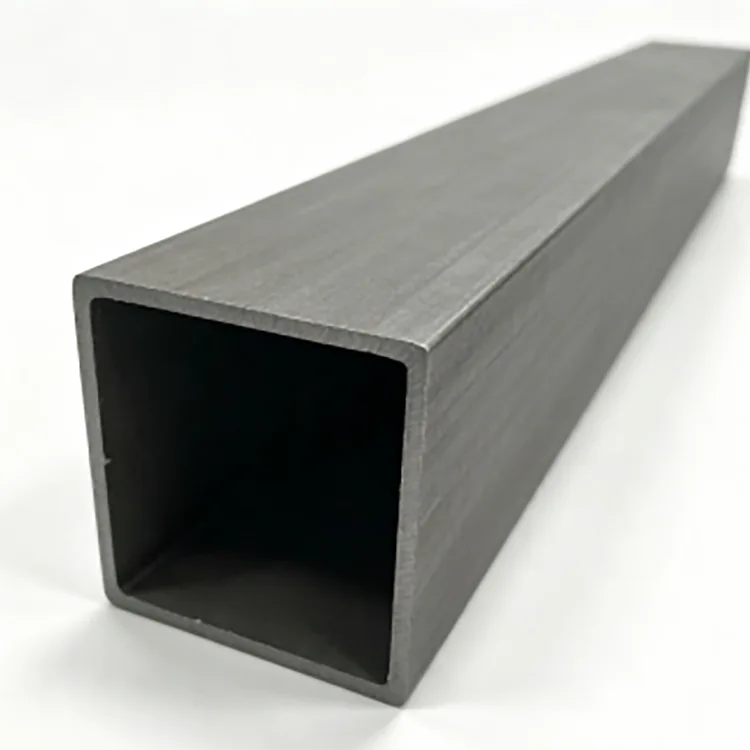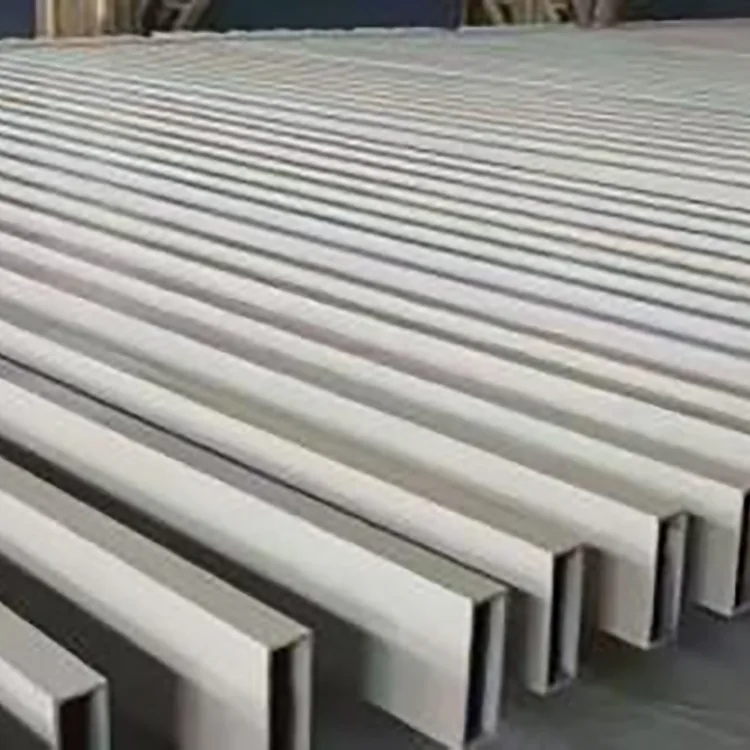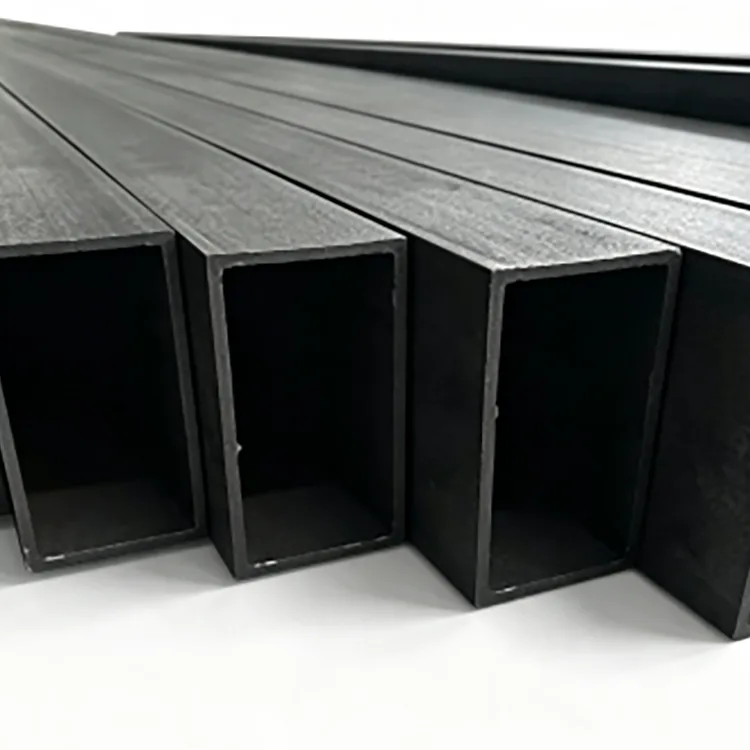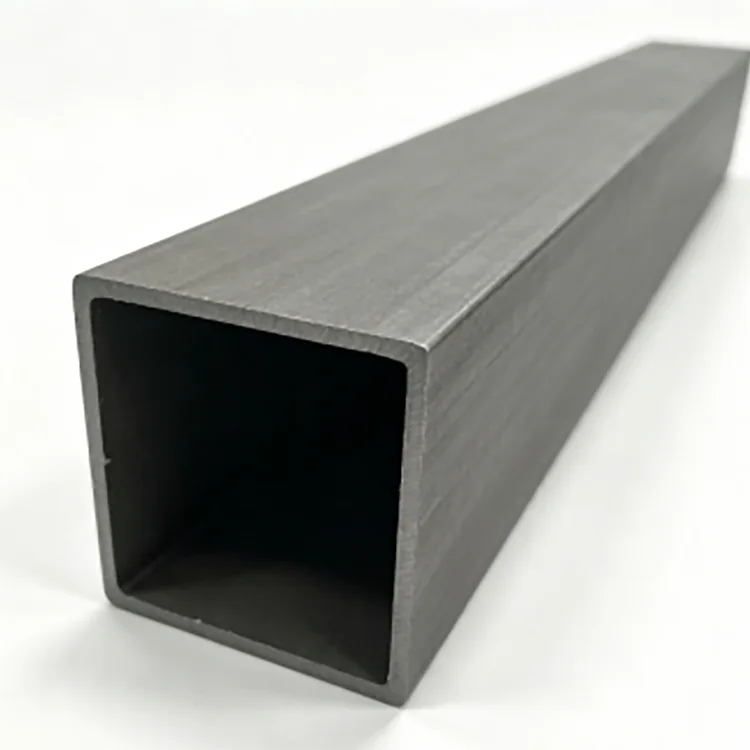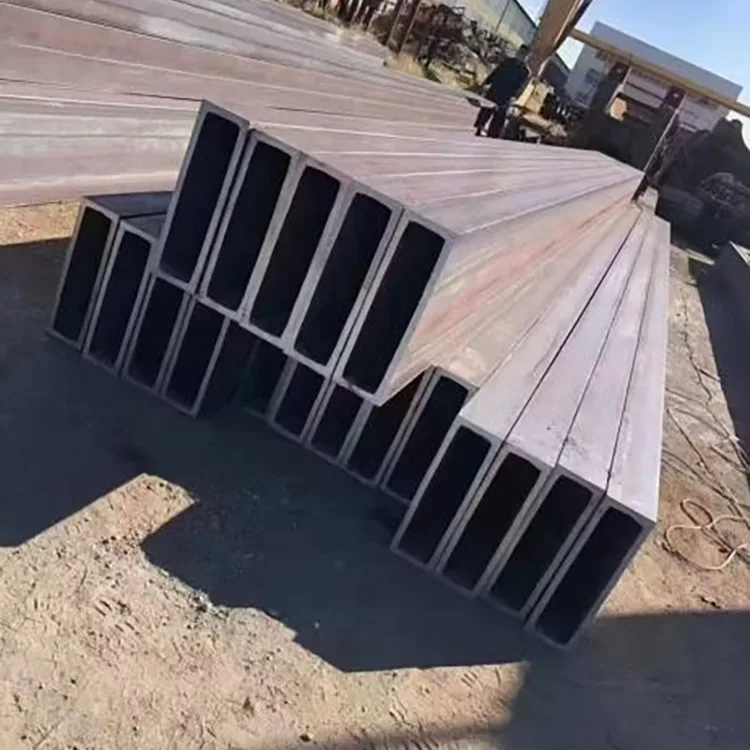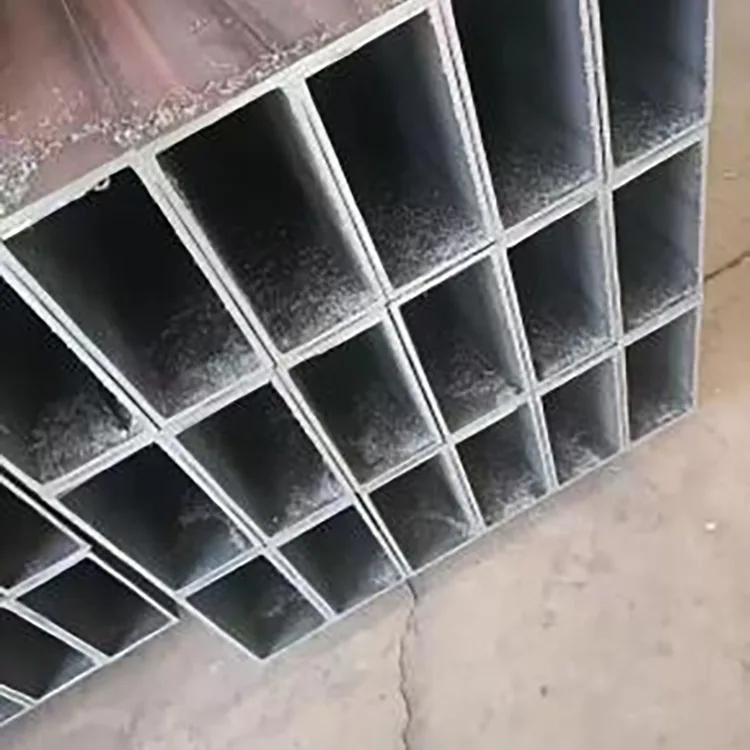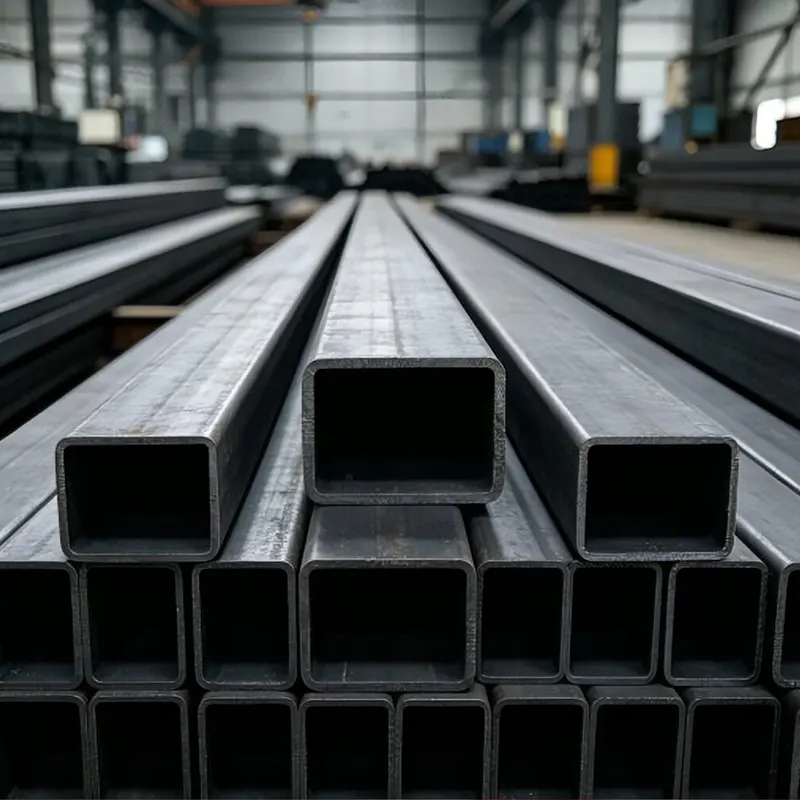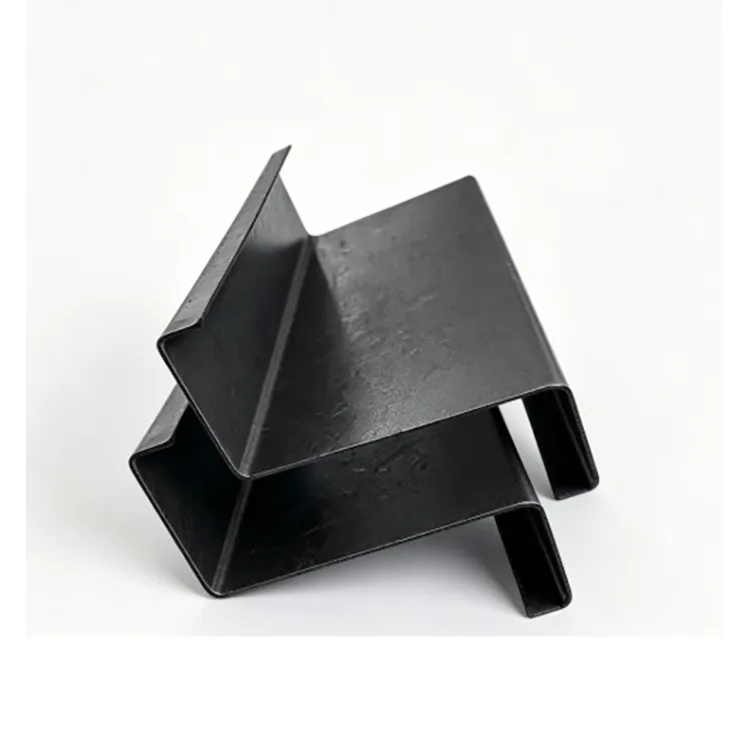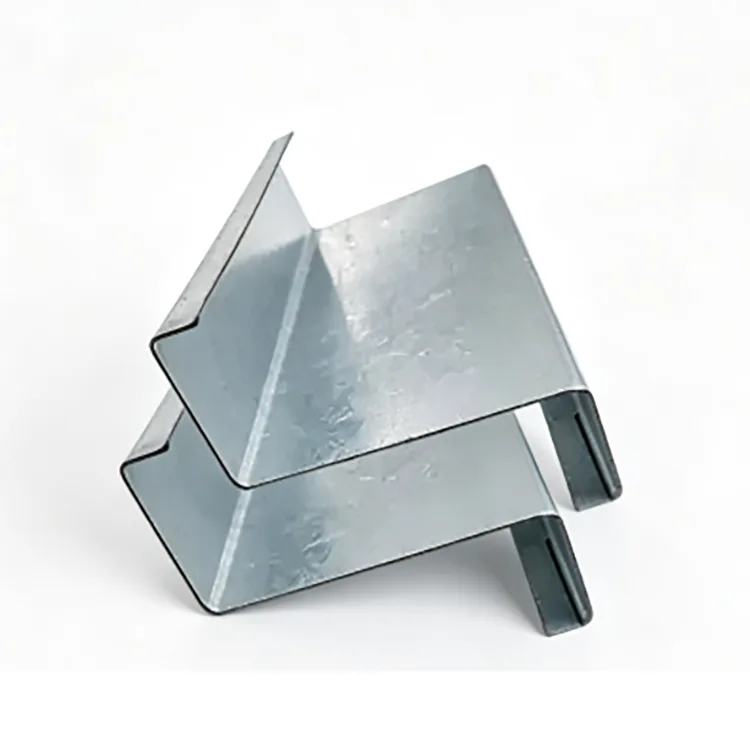
Precision Steel Right-Angle Tube is developed for applications where the geometry of a conventional square or rectangular tube is not accurate enough for the final assembly.
Instead of a visibly rounded corner, the section is formed to create a defined 90° corner profile. This makes it easier to align adjoining sections, maintain straight visual lines, and control the finished dimensions of fabricated frames.
The tube is produced from Q235B or Q355B carbon steel through progressive cold forming, high-frequency welding, sizing, straightening, and precision cutting. The manufacturing process focuses on corner geometry, wall-thickness consistency, straightness, and dimensional control rather than simply producing a standard hollow section.
For indoor structural frames, equipment bases, display structures, racks, partitions, and decorative steelwork, this profile can reduce the amount of fitting and surface correction required during fabrication.


|
Item |
Specification |
|
Product |
Precision Steel Right-Angle Tube |
|
Material |
Q235B, Q355B |
|
Forming Process |
Precision progressive cold forming |
|
Welding |
High-frequency induction welding |
|
Square Tube Size |
10 × 10 mm – 200 × 200 mm |
|
Rectangular Tube Size |
10 × 20 mm – 100 × 200 mm |
|
Wall Thickness |
1.2 – 20 mm |
|
Corner Geometry |
Defined 90° right-angle profile |
|
Corner Verticality |
≤0.5° |
|
Wall Thickness Tolerance |
±0.1 mm |
|
Standard Length |
6 m |
|
Custom Length |
3–12 m |
|
Surface |
Black steel, uncoated |
|
Further Processing |
Precision cutting, chamfering, deburring, beveling, drilling |
|
Finishing Compatibility |
Painting, powder coating, baking finish, galvanizing and other secondary treatment |
A conventional hollow section normally has a rounded outer corner created during forming. This radius is acceptable for many structural applications, but it can become inconvenient when two members need to meet closely or when the corner itself remains visible after finishing.
The right-angle profile is intended for situations where corner geometry affects fabrication.
A defined corner profile makes the tube easier to position against another straight section. For frames, partitions, equipment structures, and architectural steelwork, better alignment can reduce the need for excessive grinding or filler work.
Wall thickness and section dimensions are controlled during forming and sizing. Consistent geometry is particularly important when the tube is processed by automatic cutting, drilling, welding, or assembly equipment.
For exposed steel frames and decorative structures, straight edges and controlled corners create cleaner visual lines after painting or powder coating.
The black steel surface is supplied without a galvanized coating, making it suitable for projects that require their own painting, powder coating, baking finish, or other surface treatment.


The production route is designed around dimensional control rather than simply forming the steel into a hollow section.
Q235B or Q355B steel is selected according to the required strength grade and application. The incoming material is checked before forming to reduce variations in thickness and mechanical properties between production batches.
The steel strip is leveled and prepared for continuous forming. Correct strip condition is important because residual deformation can later affect corner accuracy and straightness.
The strip passes through multiple forming stages instead of being forced into the final shape in a single operation.
The forming sequence gradually develops the square or rectangular section while controlling the corner geometry. This is the key stage for achieving a defined right-angle profile.
After the strip edges are brought together, high-frequency induction welding forms the longitudinal seam.
The welding condition is controlled according to material thickness and production speed. Weld quality is important because excessive heat input, insufficient fusion, or poor edge preparation can affect the finished tube.
After welding, the tube passes through sizing and straightening equipment to control its final dimensions and overall straightness.
This stage is particularly important for precision fabrication because even a correctly formed cross-section can create assembly problems if the finished tube has excessive deviation along its length.
The finished tube is cut to standard 6 m lengths or customized lengths from 3–12 m.
Precision cutting, chamfering, deburring, beveling, and drilling can be arranged according to the fabrication requirements.
Finished tubes are inspected for dimensions, wall thickness, corner geometry, straightness, weld condition, surface quality, and cutting accuracy before packing.
The packing method is selected according to the tube size, order quantity, transportation method, and customer's unloading conditions.
For precision hollow sections, dimensional inspection is as important as the basic steel grade.
During production, quality control focuses on the points that can directly affect fabrication:
● Material verification: Q235B or Q355B grade is checked against the order requirements.
● Wall thickness: Actual thickness is monitored to maintain the specified ±0.1 mm tolerance.
● Section dimensions: Outside dimensions are checked after sizing rather than relying only on forming-machine settings.
● Corner geometry: The 90° profile and corner verticality are inspected to identify forming deviation.
● Straightness: Finished lengths are checked for bending or distortion that could affect frame assembly.
● Weld condition: The longitudinal high-frequency weld is monitored for visible defects and forming consistency.
● End quality: Cut ends are checked after cutting, chamfering, or deburring.
● Batch consistency: Production samples are compared throughout the batch to reduce dimensional variation between bundles.
For projects with tighter inspection requirements, dimensional inspection records and third-party inspection can be arranged according to the order specification.
The material grade should be selected according to the actual structural load rather than simply choosing the higher grade.
|
Material |
Typical Use |
Selection Consideration |
|
Q235B |
Indoor frames, decorative structures, equipment frames, ceiling structures, light-duty racks |
Suitable for many conventional fabrication applications where standard structural strength is sufficient |
|
Q355B |
Heavier frames, load-bearing platforms, heavy-duty racks, equipment bases, structural applications with higher strength requirements |
Higher strength grade for applications where structural calculations require greater material strength |
For load-bearing structures, the final material selection should follow the structural calculation, design code, connection method, and required safety factor.
Used for interior mezzanine frames, partitions, ceiling support structures, exhibition structures, and other steel frameworks where dimensional accuracy and appearance are important.
The controlled section geometry is useful for automation equipment frames, machine bases, conveyor supports, instrument structures, and fabricated equipment housings.
Suitable for hotel interiors, exhibition halls, commercial spaces, stair components, decorative frames, and architectural steel structures requiring clean straight lines.
Q235B or Q355B sections can be selected according to load requirements for storage racks, workstations, industrial platforms, and equipment support structures.
Custom dimensions, fixed lengths, holes, bevels, chamfers, and other machining operations can be supplied when the tube is being integrated into a fabricated assembly.
|
Feature |
Precision Right Angle Tube |
Conventional Rounded-Corner Tube |
|
Corner Profile |
Defined 90° corner |
Rounded corner |
|
Joint Appearance |
Cleaner when sections are closely aligned |
Corner radius can create visible gaps |
|
Dimensional Control |
Designed for tighter dimensional requirements |
Depends on standard product tolerance |
|
Fabrication |
Suitable for precision frame fabrication |
Suitable for general structural fabrication |
|
Surface Finishing |
Suitable for painting and powder coating |
Suitable for common finishing processes |
|
Typical Positioning |
Precision structures, equipment, architectural work |
General structural and fabrication applications |
The main advantage is not that the tube replaces every conventional hollow section. It is that the more controlled corner and dimensional profile can be useful where fabrication accuracy and finished appearance are part of the project requirements.
The standard product is supplied as black, uncoated steel.
This configuration is often selected when the customer plans to carry out surface treatment after fabrication. Depending on the project, available finishing processes can include:
● Painting
● Powder coating
● Baking finish
● Galvanizing
● Other specified anti-corrosion treatments
Before coating, the surface should be properly cleaned and prepared according to the selected coating system. For projects exposed to moisture, outdoor weather, salt spray, or corrosive environments, a suitable corrosion-protection system should be specified rather than using untreated black steel.
The tube can be supplied according to the fabrication requirements rather than only as standard 6 m lengths.
Available options include:
● 3–12 m fixed-length cutting
● Precision cutting
● Chamfering
● Deburring
● Beveling
● Pre-drilling
● Recoating or galvanizing arrangements
● Customized section dimensions
● Customized wall thickness
● Special processing according to drawings
For quotation, buyers should provide the required section size, wall thickness, material grade, quantity, length, surface treatment, and any machining drawings.
For engineering and fabrication orders, the most important specifications to confirm before purchasing are not only the outside dimensions.
Buyers should specify:
1.Section size: square or rectangular dimensions.
2.Wall thickness: required thickness and tolerance.
3.Steel grade: Q235B or Q355B.
4.Length: standard 6 m or fixed lengths from 3–12 m.
5.Corner requirement: required 90° geometry and tolerance.
6.Surface: black steel or secondary surface treatment.
7.Machining: cutting, drilling, beveling, chamfering, or deburring.
8.Inspection: standard factory inspection or additional third-party inspection.
For repeat projects, keeping the same material grade, section dimensions, wall thickness, processing method, and inspection requirements helps maintain consistency between batches.
Rongheng Intelligent Manufacturing (Tianjin) Import & Export Co., Ltd. operates an international sales platform backed by Tianjin Gefu Steel, integrating steel manufacturing resources with export supply.
The company is located in Daqiuzhuang Industrial Zone, Tianjin, one of China's major steel production areas. Its product range covers steel pipes, hollow sections, steel profiles, galvanized products, and photovoltaic mounting products.
For bulk projects, Rongheng supports customized dimensions, fixed-length supply, secondary processing, OEM/ODM requirements, and project-based inspection. The group's annual steel production and sales volume exceeds 1.3 million tons, supporting container and bulk engineering procurement.
For larger orders, production scheduling and delivery are normally arranged according to specification, quantity, processing requirements, and inspection conditions.
The main difference is the corner geometry and dimensional-control requirements. Conventional square tubes normally have rounded corners, while this product is formed with a more defined 90° corner profile for applications where joint alignment and appearance are important.
No. It is a welded hollow section manufactured by progressive cold forming followed by high-frequency welding. It should therefore not be described as a seamless tube.
Yes. The uncoated black-steel surface can be prepared for painting, powder coating, baking finish, or other specified surface treatments. Proper surface cleaning and preparation are required before coating.
Yes. Untreated carbon steel can oxidize when exposed to moisture. Indoor dry storage is recommended, and the tubes should be protected from rain, condensation, and prolonged humid conditions before surface treatment.
Q235B is suitable for many conventional indoor frames, equipment structures, and decorative applications. Q355B should be considered when the structural design requires higher material strength or when the application involves heavier loading.
The standard length is 6 m. Customized fixed lengths from 3–12 m can be arranged according to the order requirements.
Yes. Precision cutting, drilling, chamfering, deburring, and beveling can be arranged according to drawings or processing requirements.
Please provide the section dimensions, wall thickness, material grade, quantity, required length, surface treatment, and any additional machining requirements. Drawings are recommended for non-standard processing.
The standard black steel version is not recommended for long-term outdoor exposure without corrosion protection. For outdoor, humid, coastal, or corrosive environments, galvanized or otherwise protected steel should be considered.
Yes. In addition to the stated square and rectangular tube ranges, customized dimensions, wall thicknesses, lengths, machining, and surface treatment can be discussed according to project requirements.
Address
Secondary Arterial Road No. 2-1, Expansion Area of Daqiuzhuang Industrial Zone, Jinghai District, Tianjin, China
Tel