Products
Hot-Dip Galvanized I-Beam
  • Hot-Dip Galvanized I-BeamHot-Dip Galvanized I-Beam
  • Hot-Dip Galvanized I-BeamHot-Dip Galvanized I-Beam
  • Hot-Dip Galvanized I-BeamHot-Dip Galvanized I-Beam
  • Hot-Dip Galvanized I-BeamHot-Dip Galvanized I-Beam

Hot-Dip Galvanized I-Beam

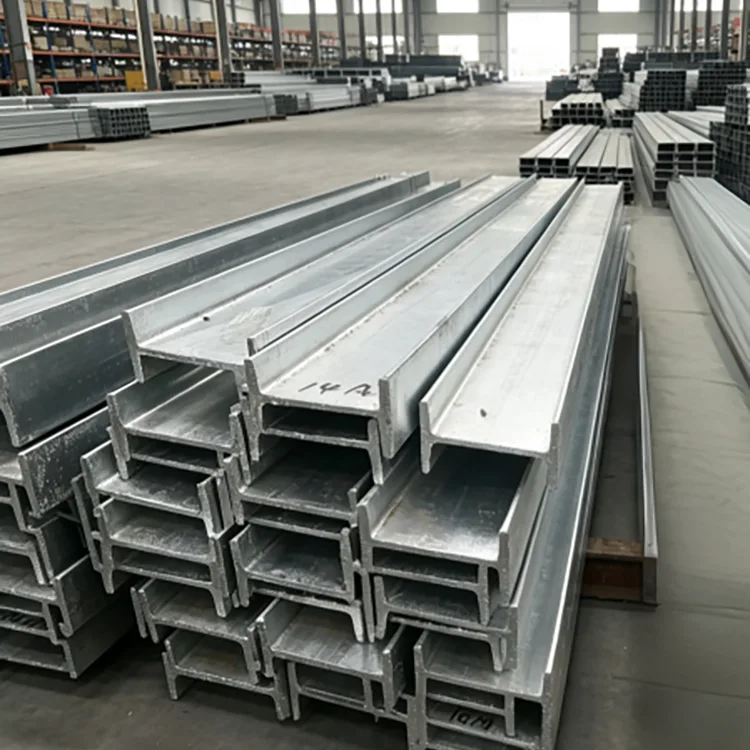
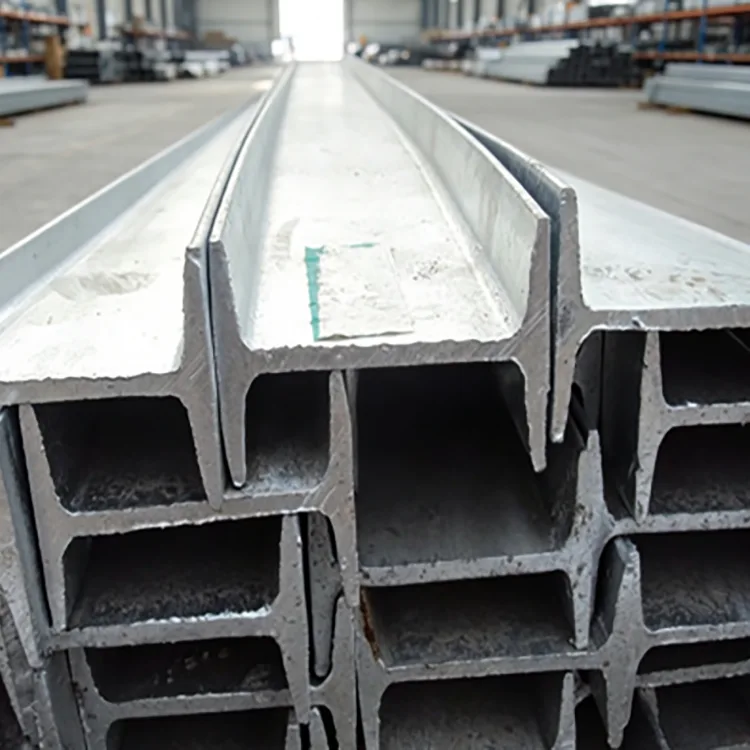
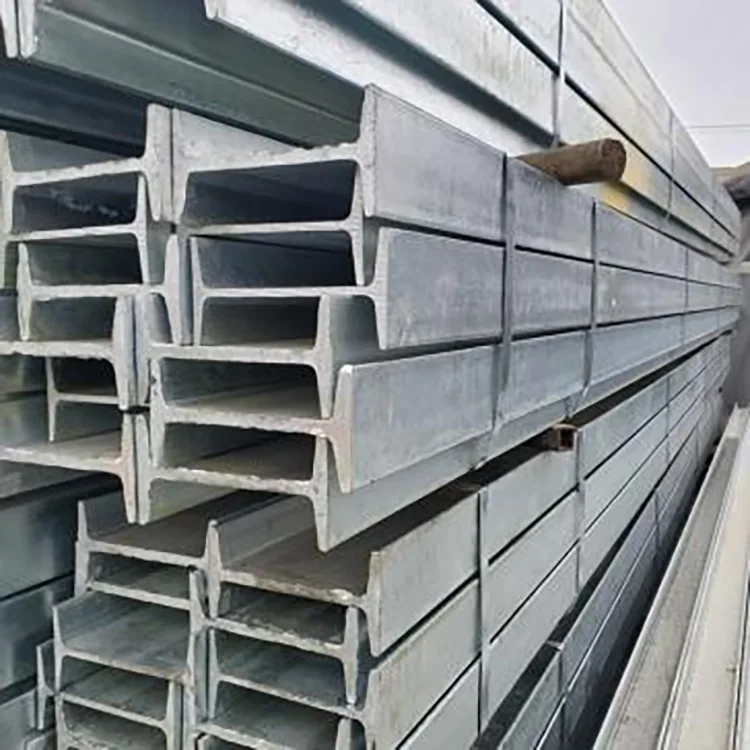
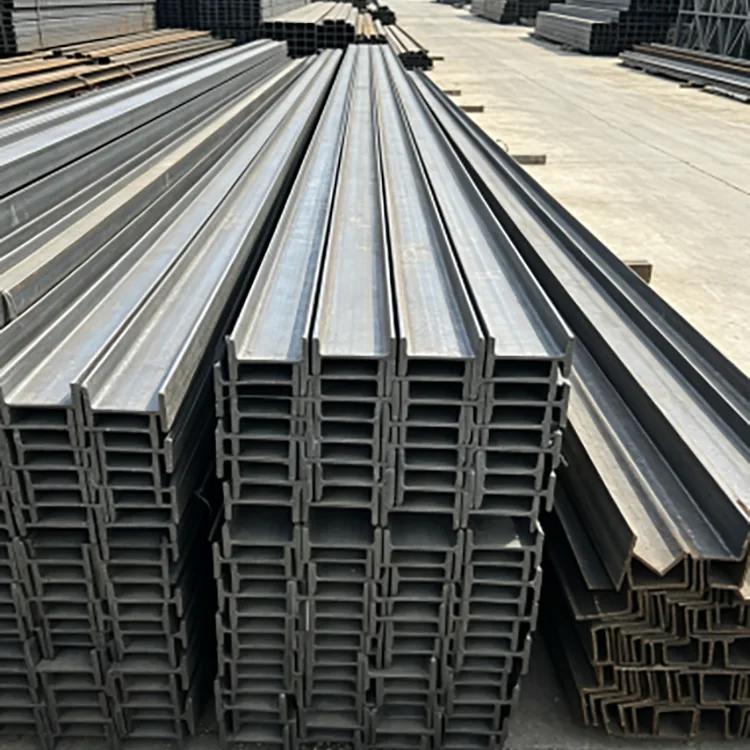
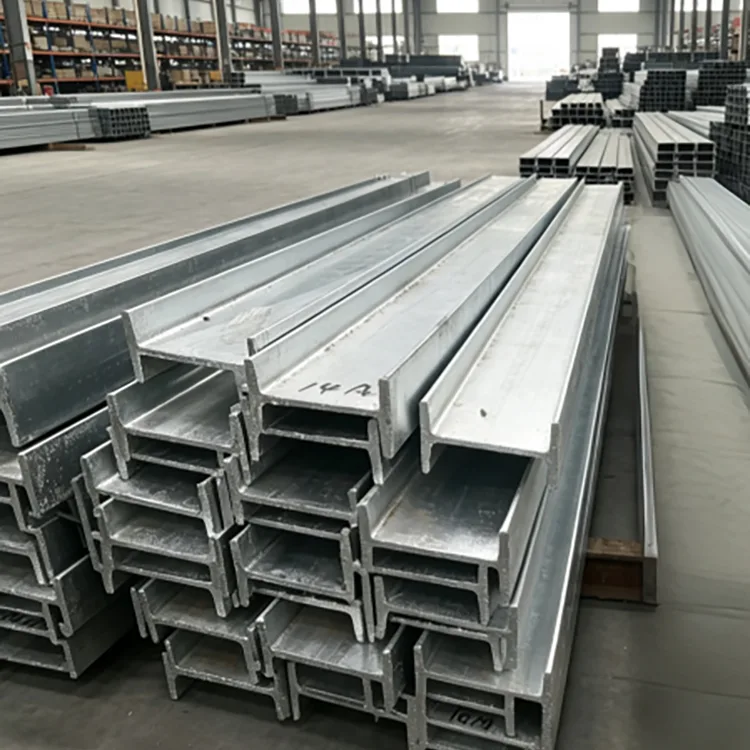
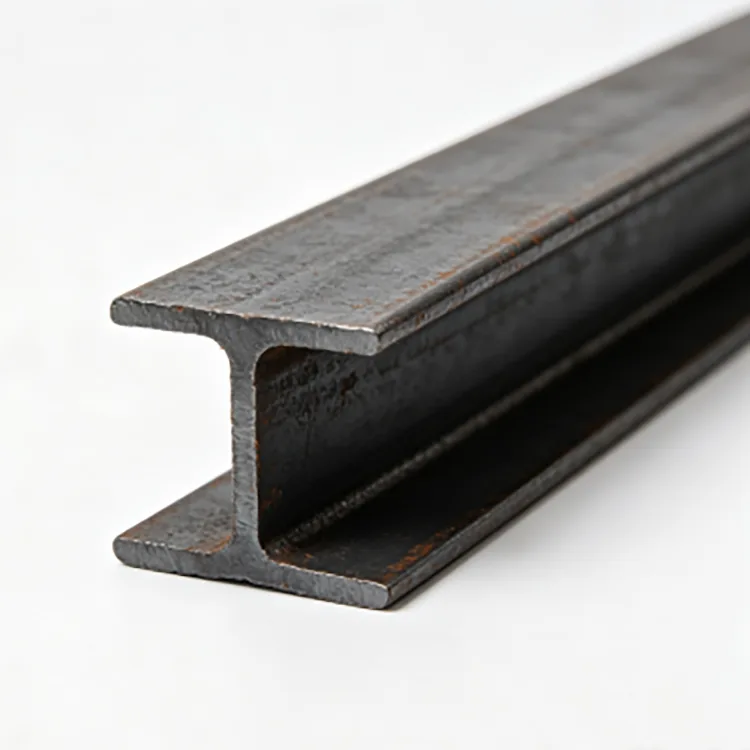
Hot-Dip Galvanized I-Beam combines the load-bearing geometry of hot-rolled I-section steel with a factory-applied zinc coating for outdoor corrosion protection. Q235B and Q355B grades are available in national-standard sizes from 10# to 63#, with fixed lengths, cutting, drilling, beveling and straightening available for project orders. It is used for factory frames, equipment supports, solar structures, municipal works, ports and other exposed steelwork.

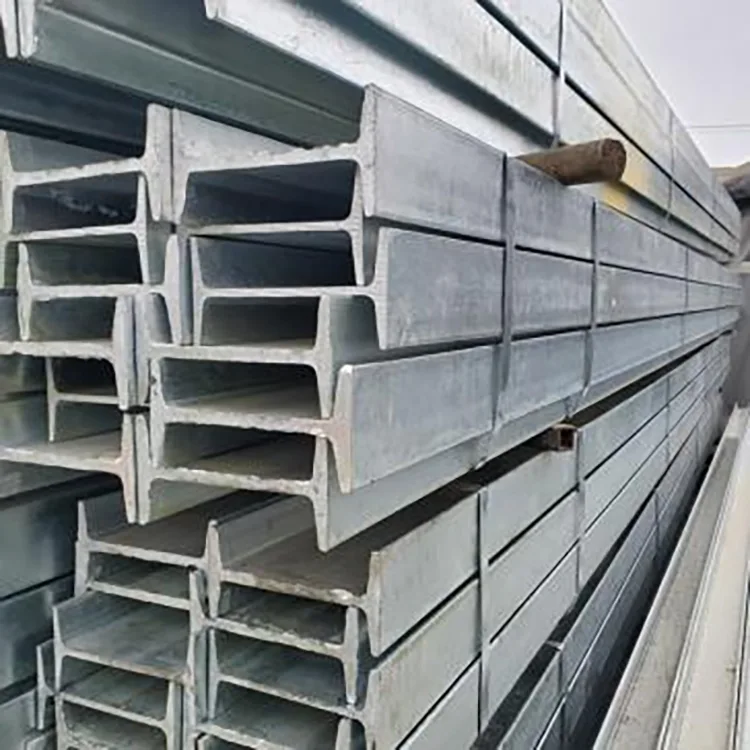
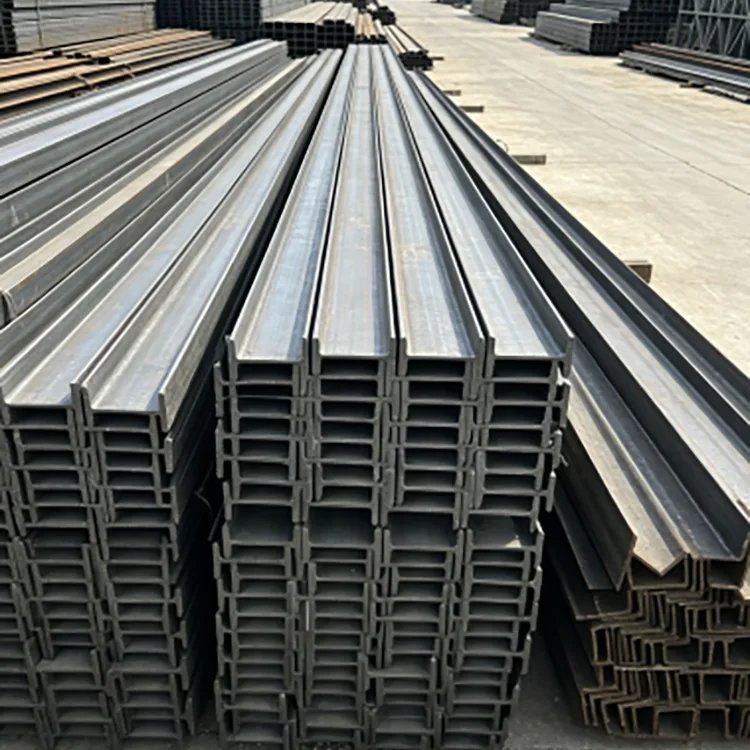
Hot-Dip Galvanized I-Beam is a hot-rolled I-section steel beam finished with a zinc coating through hot-dip galvanizing. The I-shaped section provides structural resistance through its web and flanges, while the galvanized surface provides corrosion protection for exposed steelwork.

Rongheng supplies galvanized I beams in Q235B and Q355B, with common sizes from 10# to 63#, standard lengths of 6 m, 9 m and 12 m, and customized lengths from approximately 2–19 m. Cutting, drilling, beveling, straightening, grinding and deburring can be arranged before galvanizing according to project drawings.

Hot Dip Galvanized I Beam Galvanized I Beam steel section Hot-dip galvanized steel I beam

Specifications

Item Specification
Product Hot-Dip Galvanized I-Beam
Base section Hot-rolled I beam
Steel grade Q235B, Q355B
Chinese standard GB/T 706-2016 currently applicable
New standard GB/T 706-2026, effective December 1, 2026
Galvanizing standard GB/T 13912-2020
International reference ASTM A123/A123M-24 where applicable
Common size 10#–63#
Standard length 6 m, 9 m, 12 m
Custom length Approximately 2–19 m
Common zinc coating 85–120 μm
Increased zinc coating Approximately 100–140 μm by project requirement
Processing Cutting, drilling, beveling, straightening, grinding, deburring

For export orders, the structural steel standard, galvanizing standard, section size, steel grade, zinc coating and processing requirements should be confirmed against the project drawings and contract before production.

I Beam or H Beam: Confirm the Section Before Ordering

I beams and H beams are different structural sections and should not be treated as interchangeable. A conventional I beam has a narrower flange arrangement and inclined inner flange surfaces, while H beams generally have wider flanges and different section geometry.

When ordering, identify the beam by its section designation, dimensions and applicable standard rather than using only the general term "steel beam." The supplier should match the supplied section with the approved drawing before cutting and galvanizing.

Hot-Dip Galvanizing Process

The preferred sequence is to complete the required cutting and machining before galvanizing so that the processed steel receives zinc protection after fabrication.

Hot-rolled I beam → material inspection → straightening → cutting and machining → degreasing → pickling → fluxing → drying → hot-dip galvanizing → cooling → finishing → zinc coating inspection → dimensional inspection → packing.

The steel member is immersed in molten zinc at approximately 450°C. The zinc coating covers the exposed web, flanges, edges and other accessible surfaces.

For larger or heavier sections, straightness and dimensions should be checked after galvanizing because heating and cooling can affect the final geometry.

Zinc Coating Selection

Rongheng commonly supplies a zinc coating of 85–120 μm, with approximately 100–140 μm available when a higher coating requirement is specified.

Application Environment Coating Consideration
Normal outdoor exposure 85–120 μm
Humid industrial environment Higher coating requirement may be specified
Coastal or salt-laden environment Increased coating and corrosion assessment
Severe chemical exposure Confirm coating compatibility with the project environment
Continuous seawater immersion Do not rely on standard atmospheric galvanizing alone

A thicker zinc coating provides more zinc mass for atmospheric exposure, but coating thickness should be selected according to the actual environment and project corrosion requirements rather than used as a substitute for a complete corrosion-control system.

Q235B or Q355B I Beam?

Q235B is used for conventional structural applications where the required section meets the calculated load and service requirements. Q355B provides higher yield strength and can be specified for applications requiring higher structural capacity.

The steel grade should be selected together with the beam size, span, loading and connection design. A higher-strength grade does not automatically compensate for an undersized section or unsuitable structural design.

A clear purchasing specification can be written as:

Q355B / 25# I Beam / 12 m / hot-dip galvanized / specified zinc coating / cut to drawing.

Processing Before Galvanizing

Where possible, fabrication should be completed before hot-dip galvanizing. Available processing includes:

  • Fixed-length cutting
  • Drilling and punching
  • Beveling
  • Straightening
  • Grinding and deburring
  • Other drawing-based machining

Completing these operations before galvanizing helps provide zinc protection over the processed member. If cutting, drilling or welding is carried out after galvanizing, the exposed or heat-affected areas require suitable repair.

Applications

  • Factory buildings and workshops
  • Warehouse and platform structures
  • Heavy equipment support frames and bases
  • Outdoor structural steelwork
  • Solar and energy project structures
  • Municipal infrastructure
  • Industrial plant support structures
  • Coastal and humid-environment steel structures

What to Check Before Shipment

For galvanized I beam orders, inspection should cover both the base steel and the finished galvanized member.

  • Steel grade: Q235B, Q355B or the specified equivalent
  • Section: Confirm the actual I beam size against the drawing
  • Dimensions: Check beam height, flange width, thickness and applicable tolerances
  • Straightness: Confirm alignment after galvanizing
  • Length: Check fixed-length requirements
  • Zinc coating: Verify against the agreed specification
  • Surface: Check for exposed steel, severe peeling and excessive zinc buildup
  • Fabrication: Verify holes, cuts, bevels and other drawing requirements

Material certificates, galvanizing inspection records, dimensional inspection data and third-party inspection documentation can be arranged according to project requirements.

Project Examples

Coastal Curtain-Wall Structure

A coastal industrial project used 10# and 12# Q235B hot-dip galvanized I sections for outdoor structural support members. Because of the high humidity and salt-laden air, the project specified an increased zinc coating.

The galvanized members were supplied after dimensional checking and required processing. According to the supplied project record, the structure remained free from widespread rusting or coating peeling for seven years and passed repeated supervision inspections.

Ground-Mounted Solar Structure

A large ground-mounted photovoltaic project required Q235B I beams for equipment bases and supporting structures exposed to sun, wind and rain. The beams were supplied with fixed-length processing and hot-dip galvanizing according to the project requirements.

The galvanized members arrived ready for structural installation, avoiding a separate large-scale site painting operation. The galvanized specification was selected for the project's 25-year design-life requirement.

Hot-Dip Galvanized I-Beam for Overseas Projects

For export orders, the following information should be confirmed before production:

  • Section: 10#–63# or the specified section
  • Steel grade: Q235B, Q355B or approved equivalent
  • Length: 6 m, 9 m, 12 m or fixed 2–19 m length
  • Zinc coating: Standard or increased project requirement
  • Processing: Cutting, drilling, beveling, straightening and other drawing-based machining
  • Inspection: Material certificate, factory inspection or third-party inspection where required
  • Packing: Bundle arrangement suitable for container loading and long-distance transportation

Supply from Tianjin Daqiuzhuang

Rongheng's supply chain is based in Tianjin Daqiuzhuang, providing access to hot-rolled steel, galvanizing and downstream steel processing resources.

For standard I beam sizes, stock-based supply can be coordinated where available. For project orders, fixed-length cutting, drawing-based processing, galvanizing, inspection and export preparation can be coordinated before shipment.

FAQ

Q1. What is the difference between I beam and H beam?

I beams generally have narrower flanges and inclined inner flange surfaces, while H beams generally have wider flanges and different section geometry. They should be specified by the exact section designation and dimensions rather than substituted based only on appearance.

Q2. What steel grades are available?

Common grades include Q235B and Q355B. The appropriate grade should follow the structural design and project specification.

Q3. What zinc coating is available?

The common zinc coating range is 85–120 μm. Approximately 100–140 μm can be discussed for projects requiring an increased coating, subject to the applicable specification.

Q4. Can the I beam be cut and drilled before galvanizing?

Yes. Fixed-length cutting, drilling, beveling, straightening, grinding and deburring can be completed before galvanizing according to the drawings.

Q5. Can galvanized I beam be used in coastal areas?

Yes, but the zinc coating should be selected according to the actual exposure. Coastal and salt-laden environments require more corrosion assessment than ordinary inland outdoor conditions. Continuous seawater immersion requires a separate corrosion-control approach.

Q6. Can Q235B replace Q355B?

Not automatically. Changing the steel grade requires confirmation that the lower-strength material still meets the required structural load and service conditions.

Q7. Does galvanizing affect beam straightness?

Heating and cooling during galvanizing can affect the dimensions and straightness of steel members, particularly larger sections. Finished beams should therefore be inspected after galvanizing.

Q8. Can welding be performed after galvanizing?

Yes, but welding removes the zinc around the heated area. The affected zone should be cleaned and repaired with a suitable zinc-rich coating after welding. Where possible, connection details should be completed before galvanizing.

Q9. What lengths are available?

Standard lengths include 6 m, 9 m and 12 m. Fixed lengths from approximately 2–19 m can be discussed according to production and transportation requirements.

Q10. What documents can be supplied?

Depending on the project, material certificates, galvanizing inspection records, dimensional inspection data, packing information and third-party inspection documentation can be provided.

Hot Tags: Hot-Dip galvanized I-Beam manufacturer, galvanized steel I beam supplier, HDG I beam factory
Send Inquiry
Contact Info
  • Address

    Secondary Arterial Road No. 2-1, Expansion Area of ​​Daqiuzhuang Industrial Zone, Jinghai District, Tianjin, China

Tell RongHeng your required steel product, size, grade, quantity, customization and delivery needs, and our export team can review your inquiry.
X
We use cookies to offer you a better browsing experience, analyze site traffic and personalize content. By using this site, you agree to our use of cookies. Privacy Policy
RejectAccept