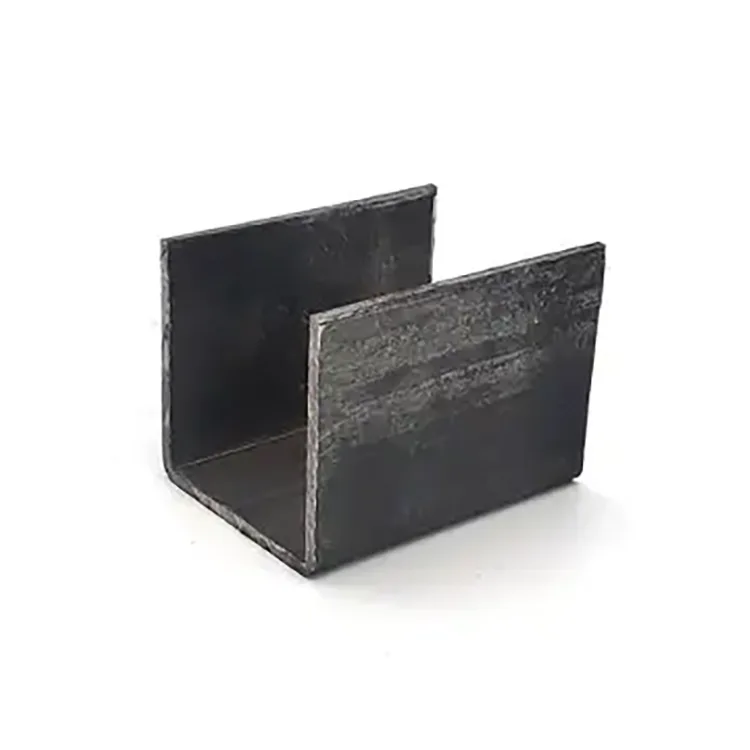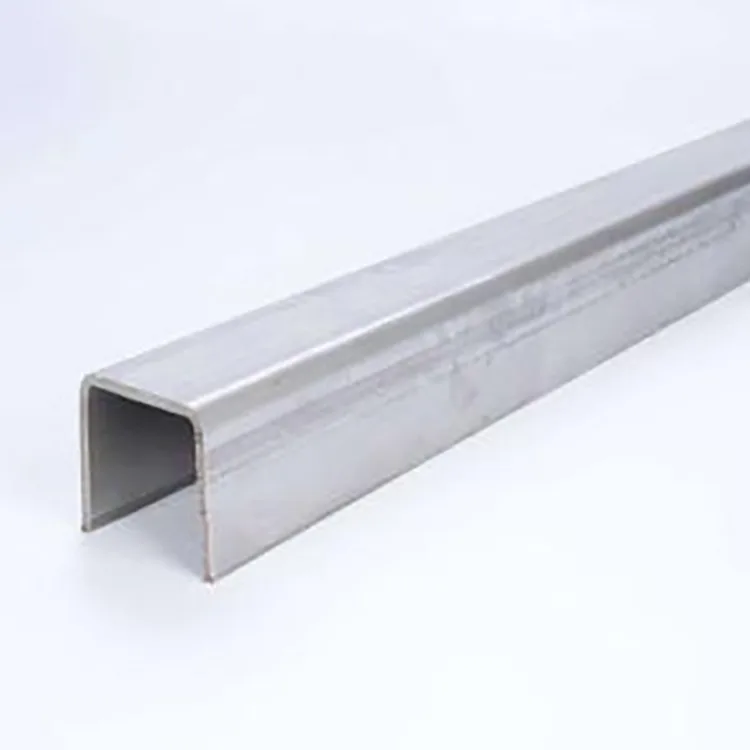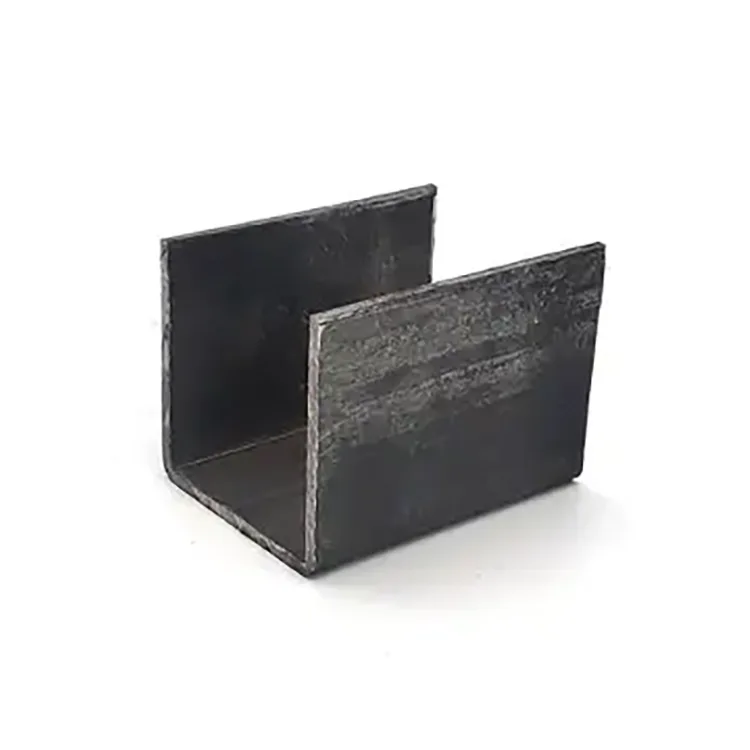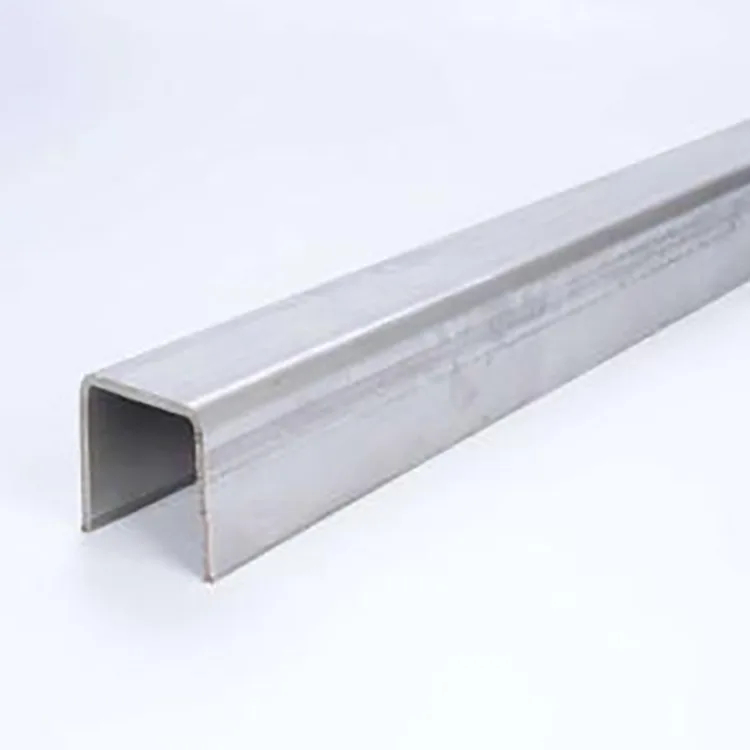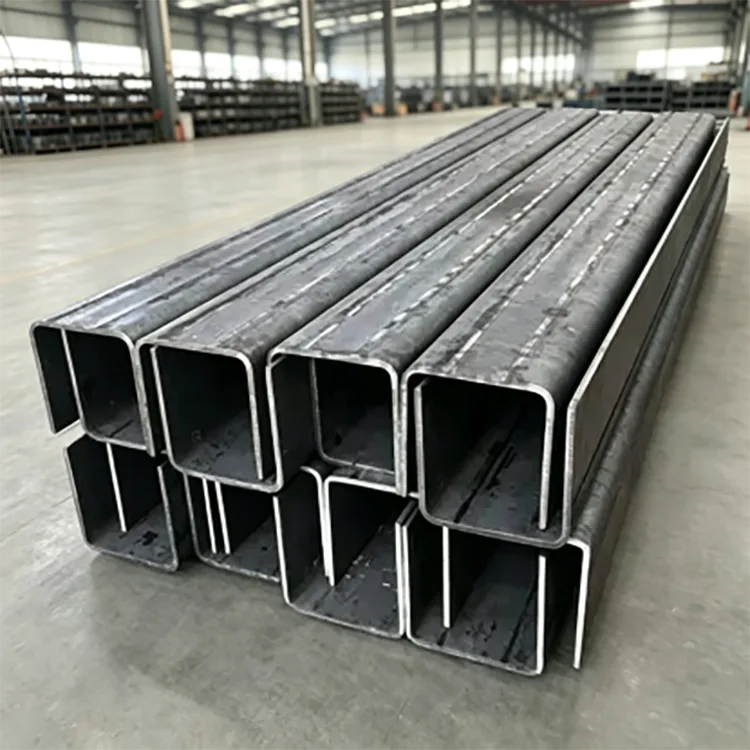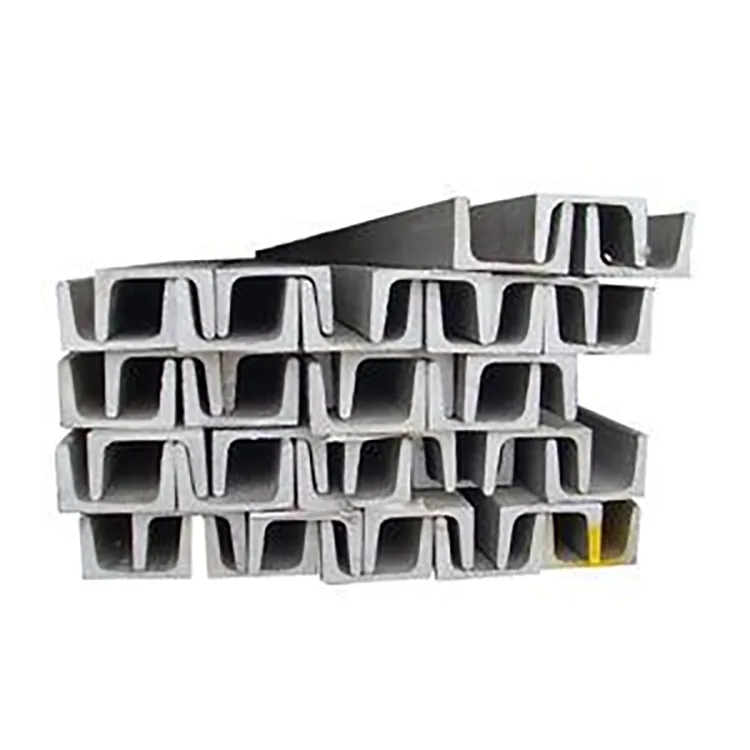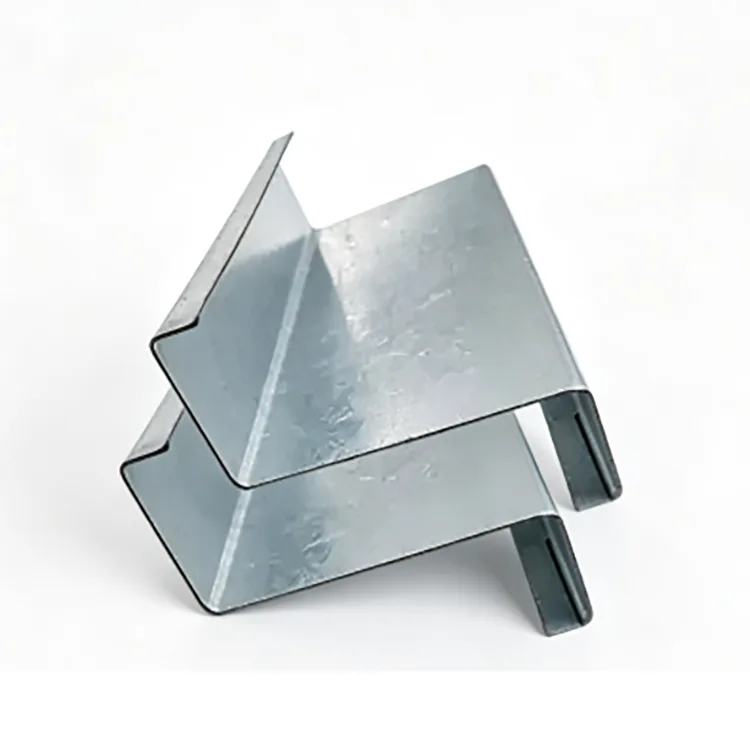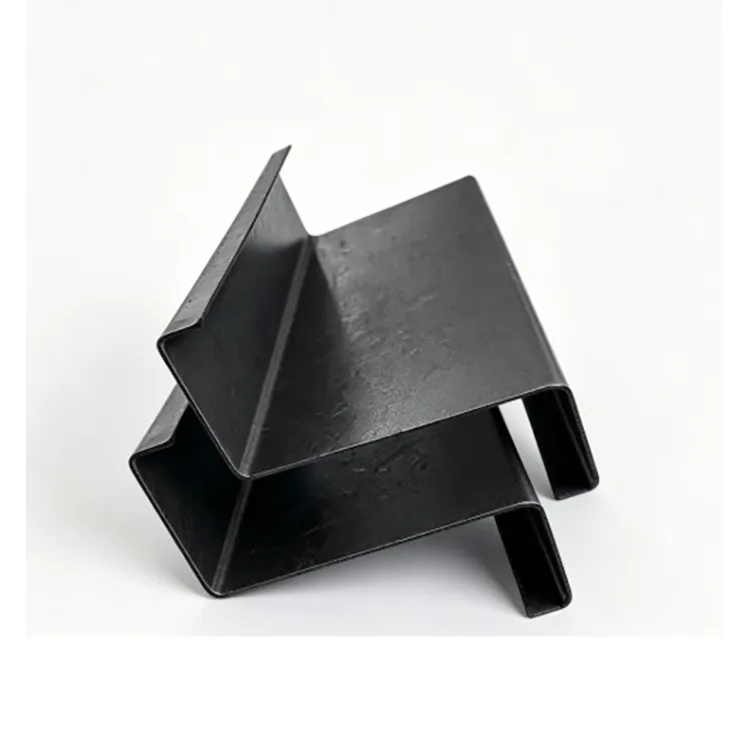
The Cold-Formed U-Channel is developed for projects where traditional channel steel is too heavy and costly, while square or rectangular tubes are more expensive or less convenient for fixing and positioning. Made from quality steel strip through integrated room-temperature cold forming, the section has a regular U-shaped groove, open access and accurate positioning.
Compared with C and Z sections, which are mainly used as roof and wall purlins, U channel steel is better suited to supports, fixing channels, equipment bases, embedded parts, pipe supports, guide structures and enclosure frames. Its open groove also makes it convenient for bolting, clamping, guiding and positioning during installation.
For this reason, it is particularly suitable for dry indoor workshops, enclosed factories and other non-corrosive environments without rain, salt spray or acid and alkali exposure, especially where material cost and installation efficiency need to be controlled.


|
Item |
Specification |
|
Material |
Q235B carbon steel, Q355B high-strength cold-formed steel |
|
Standard Sizes |
U80, U100, U120, U140, U160, U180, U200, U250, U300 |
|
Wall Thickness |
0.8–3.0 mm; ultra-thin, thick-wall and non-standard sizes available |
|
Standard Lengths |
6 m, 9 m, 12 m |
|
Custom Length |
Fixed-length cutting according to drawings or project requirements |
|
Surface |
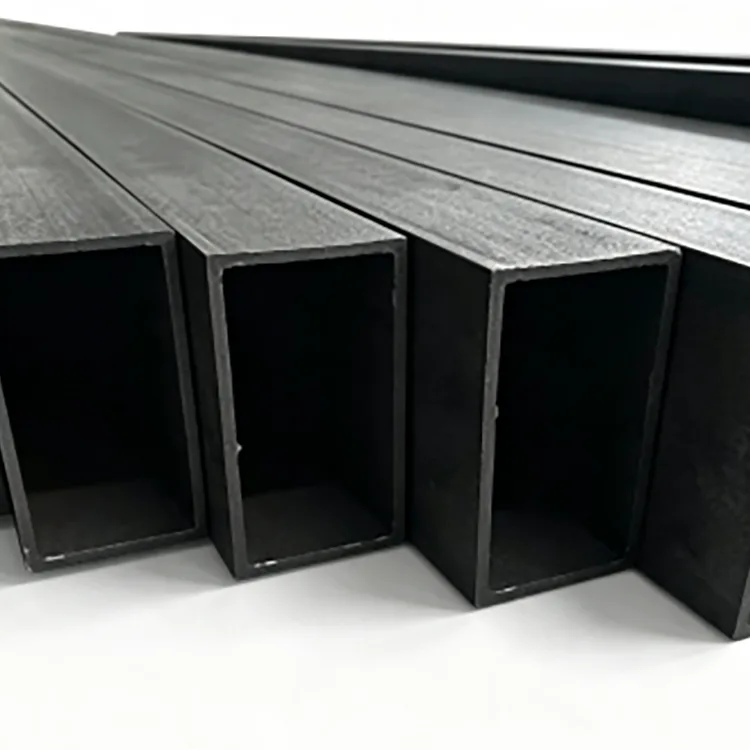
Natural black steel, flat surface, free from visible scale, twisting or deformation |
|
Standard |
GB/T 6728-2017, Cold-Formed Thin-Wall Steel Sections |
|
Custom Processing |
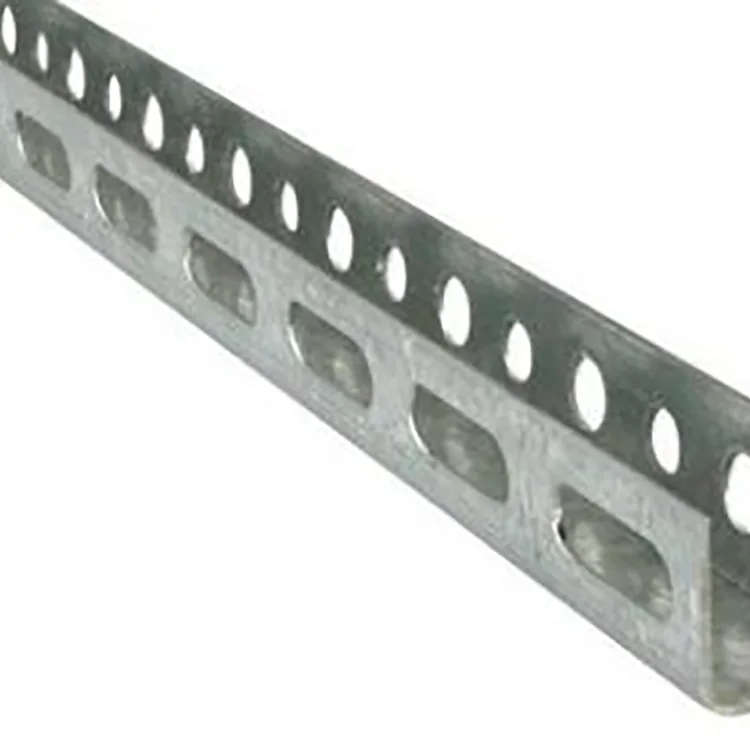
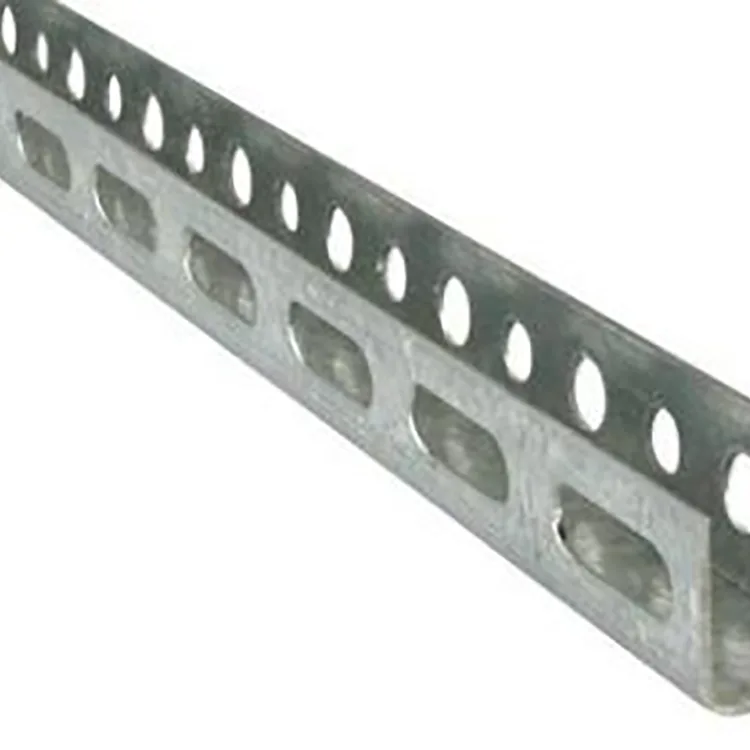
Pre-punching, corner cutting, angled cutting, slotting and irregular dimensions |
Production starts with incoming inspection of the steel coil, followed by automatic leveling and straightening to release material stress. The strip then passes through multiple roll-forming stations to gradually create the U-shaped section, followed by precise sizing, servo CNC fixed-length cutting and optional automatic punching or corner cutting.
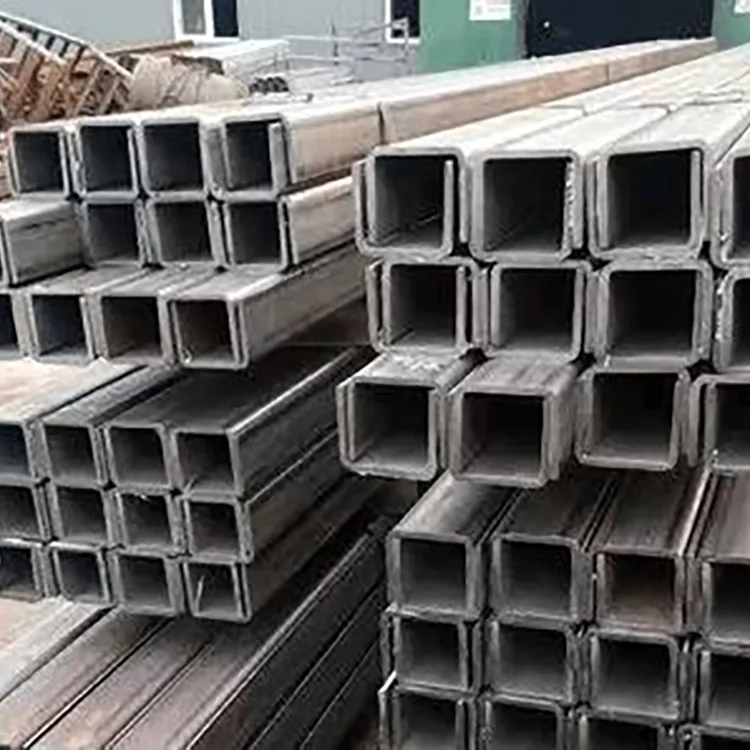
The finished profiles are straightened again before full visual and dimensional inspection, bundling and storage.
Steel coil inspection → leveling and straightening → progressive cold roll forming → U-section sizing → CNC fixed-length cutting → punching/corner cutting → secondary straightening → dimensional and visual inspection → bundling and storage
Unlike hot-rolled sections, this process does not use a high-temperature rolling stage. It allows the profile dimensions, straightness, hole positions and edge geometry to be controlled during continuous forming, which is useful for projects requiring accurate assembly.
Cold forming increases the strength of the steel through work hardening, allowing a thinner-wall section to be used instead of a heavier traditional channel in suitable applications. The result is lower steel consumption and reduced transportation, lifting and installation costs.
In typical light and medium support applications, the cold-formed design can be more than 30% lighter than traditional channel steel, helping reduce material, freight and labor costs.
The open U-shaped section is one of its main practical advantages. It provides a convenient surface for slot fixing, guiding, limiting, equipment positioning, pipe clamping and embedded construction.
This is also where the section differs from C and Z steel. C and Z sections are commonly selected for purlins, while U channel steel is more often used where the profile itself needs to function as a support, base, guide or fixing channel.
The profiles are formed on an automatic roll-forming line and pass through sizing and straightening processes. This helps maintain consistent section dimensions, straight edges and controlled twisting.
For projects using pre-punched holes or fixed-length members, the aim is to deliver components that can be assembled directly rather than repeatedly cut or corrected on site.
The natural black-steel surface does not have a galvanized coating that needs to be considered during cutting or welding. The material can be cut, drilled, welded or bent according to the fabrication requirements.
Pre-punched holes, slots, corner cuts and fixed-length sections can also be produced before shipment, reducing the amount of site processing required for renovation and equipment-support projects.
A properly formed U section has a flat surface, regular edges and consistent geometry. After assembly, the components can maintain even gaps and a neat overall appearance, making them suitable not only for functional steelwork but also for visible indoor structures, workshops and exhibition or showroom areas.

The cold-formed thin-wall design can reduce weight by 30%+ compared with traditional channel steel, which can lower transportation, lifting and labor costs.
CNC roll forming and straightening provide consistent dimensions and straightness, helping reduce cutting, drilling and correction work after delivery.
The standard U-shaped groove can be used directly for fixing, guiding, supporting and positioning. With pre-punched holes or slots, many components can be assembled without additional site fabrication.
Cold-work hardening improves the strength of the formed section, making it suitable for light and medium-load supports, equipment brackets, pipe supports and enclosure structures when the section is correctly selected for the load.
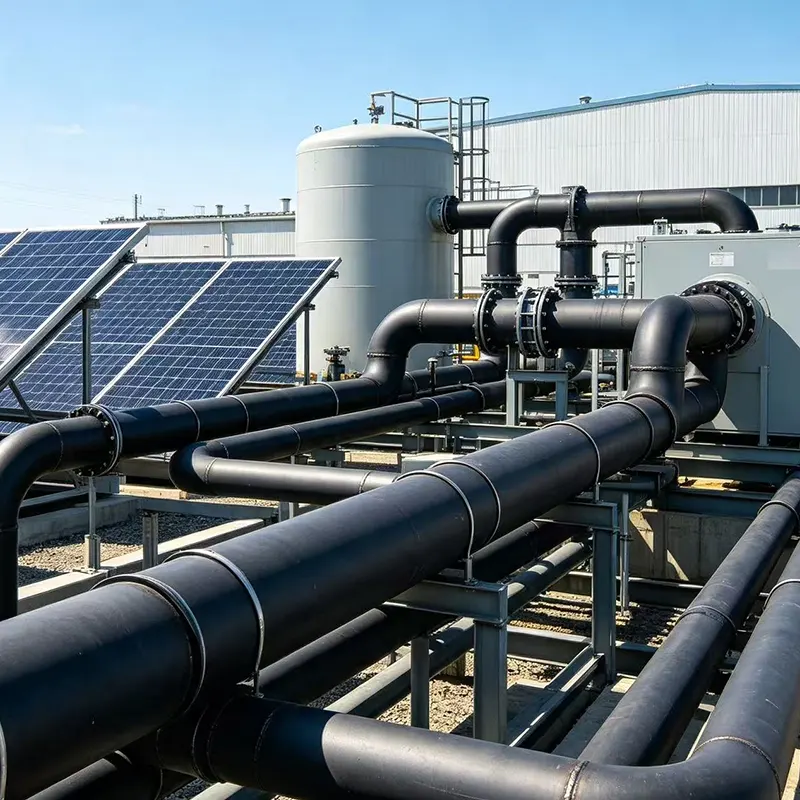
The project involved a modern intelligent production workshop with a dry, dust-controlled indoor environment. The customer needed a large number of equipment fixing brackets and pipe support frames, with requirements for structural stability, high flatness and controlled project cost.
The selected material was Q235B Cold-Formed U-Channel, U100–U140, with 1.5–2.0 mm wall thickness and pre-punched positioning holes.
The U-shaped groove fitted the equipment positioning and pipe-fixing requirements without additional site welding. Installation efficiency increased by 40%, while the lightweight design reduced transportation and lifting requirements. Compared with the traditional channel-steel solution, the overall project cost was reduced by 23%.
The high profile flatness also helped prevent installation deviation around the equipment. The completed support system remained stable and free from loosening, with a neat workshop layout and one-time project acceptance.
An older industrial factory required new indoor partitions, equipment supports and pipe-fixing structures. Because the existing building had limited load capacity, heavy steel sections were not suitable for the renovation.
The project used Q235B Cold-Formed U-Channel in multiple sizes according to the different support requirements.
The lightweight section helped meet the load limitations of the existing building without unnecessarily increasing the structural burden. Its compact shape was also easier to install in confined areas around existing equipment and pipework.
After installation, the upgraded structures provided stable support while maintaining a clean layout, making the U channel suitable for lightweight indoor factory renovation.
It is mainly recommended for dry, ventilated indoor environments without direct rain or corrosive exposure. For humid workshops, an additional rust-preventive primer should be considered. Outdoor, salt-spray and strongly corrosive environments require a suitable protective coating or a different steel section.
Q235B is suitable for general light supports, brackets and enclosure structures. Q355B is recommended when higher strength is required, such as larger spans, heavier equipment bases or reinforcement work.
U80–U120 can be used for smaller pipe and equipment supports. U140–U200 is suitable for main enclosure structures and rack bases. For heavier reinforcement and larger bases, larger sections such as U250–U300 can be considered according to the actual load.
0.8–1.2 mm is generally used for light positioning and non-load-bearing applications; 1.5–2.0 mm is suitable for regular support structures; 2.5–3.0 mm is intended for heavier support and reinforcement applications.
The final section size should be confirmed according to span, load, fixing method and installation conditions rather than selected only by profile size.
The standard product is supplied as natural black steel without a galvanized coating. This makes subsequent cutting, welding and drilling straightforward and allows the buyer to apply primer, paint or another suitable surface treatment when required.
The product is best suited to:
Dry indoor factories and workshops
Equipment support frames
Pipe and cable support structures
Equipment bases
Indoor partitions and enclosures
Embedded steel components
Guide and positioning structures
Lightweight steel renovation projects
For outdoor structures, coastal areas, persistent humidity or environments exposed to acid and alkali, corrosion protection needs to be specified before production.
The U channel can be produced according to project drawings rather than limited to standard stock sizes. Available processing includes pre-punched holes, slots, corner cutting, angled cutting, fixed-length cutting and non-standard dimensions.
For projects using repeated support components, pre-processing can reduce site cutting and drilling. Buyers can provide drawings, section dimensions, hole spacing, length requirements and material grade when requesting a quotation.
For larger orders, production can be arranged according to the required size combination and delivery schedule, with dimensional inspection carried out before bundling and shipment.
Quality control starts with the incoming steel coil, where material grade and basic dimensional conditions are checked before forming.
During production, the main control points are strip leveling, roll-forming stability, section dimensions, straightness, hole position and cutting length. After forming, the profiles undergo secondary straightening and final visual and dimensional inspection.
Particular attention is paid to twisting, deformation, edge condition and consistency between batches. For pre-punched products, hole position and spacing are also checked because these dimensions directly affect installation.
This production approach is important for projects where the delivered U channel needs to match drawings and be assembled with other fabricated components without repeated site correction.
For suitable light and medium-load applications, cold forming introduces work hardening and can provide higher strength in the formed material. The section is also dimensionally regular and resistant to deformation when properly selected and installed. For heavily loaded primary structures, the required load calculation should determine whether a heavier channel or high-strength section is necessary.
It can replace traditional channel steel in many light and medium-load applications such as supports, brackets, enclosures, embedded structures and equipment bases. It should not automatically replace heavy primary beams or structures subject to significant impact or concentrated loads.
Yes. Pre-punching, corner cutting, slotting, angled cutting and non-standard fixed lengths can be produced according to drawings. This allows the components to arrive ready for assembly.
C and Z sections are mainly used for roof and wall purlins. U sections are more commonly used for supports, bases, embedded parts, fixing channels, guides and positioning structures. The selection should follow the actual structural function.
A properly manufactured section goes through multi-pass forming, sizing and straightening to control twisting and deformation within the applicable standard requirements. Correct material, wall thickness, section size and installation method are also important for maintaining dimensional stability in service.
Q235B is suitable for general light support and enclosure applications. Q355B provides higher strength and is better suited to heavier equipment bases, larger spans and reinforcement work when the structural design requires it.
Yes. The standard product is natural black steel, so it can be processed with suitable primer, paint, powder coating or galvanizing according to the project environment and corrosion requirements.
Address
Secondary Arterial Road No. 2-1, Expansion Area of Daqiuzhuang Industrial Zone, Jinghai District, Tianjin, China
Tel