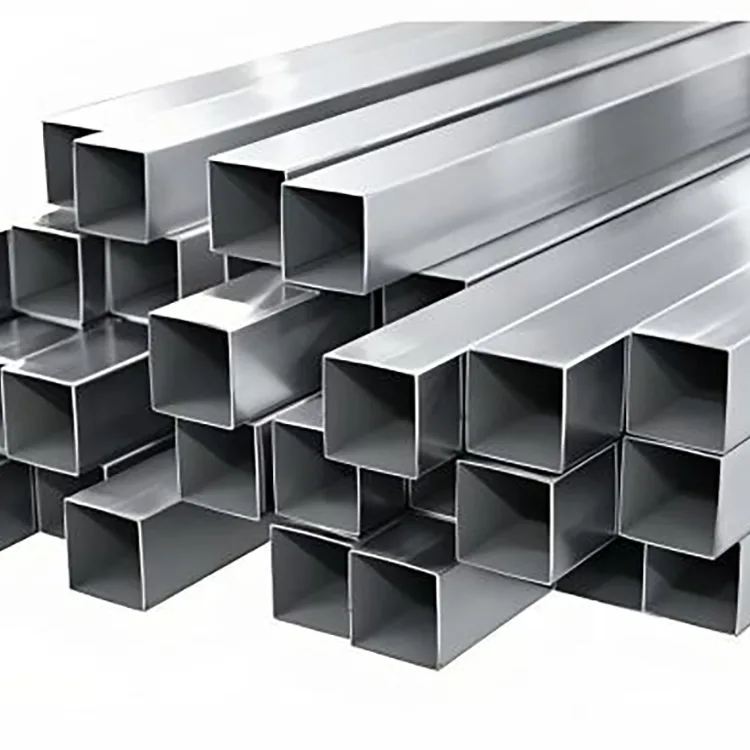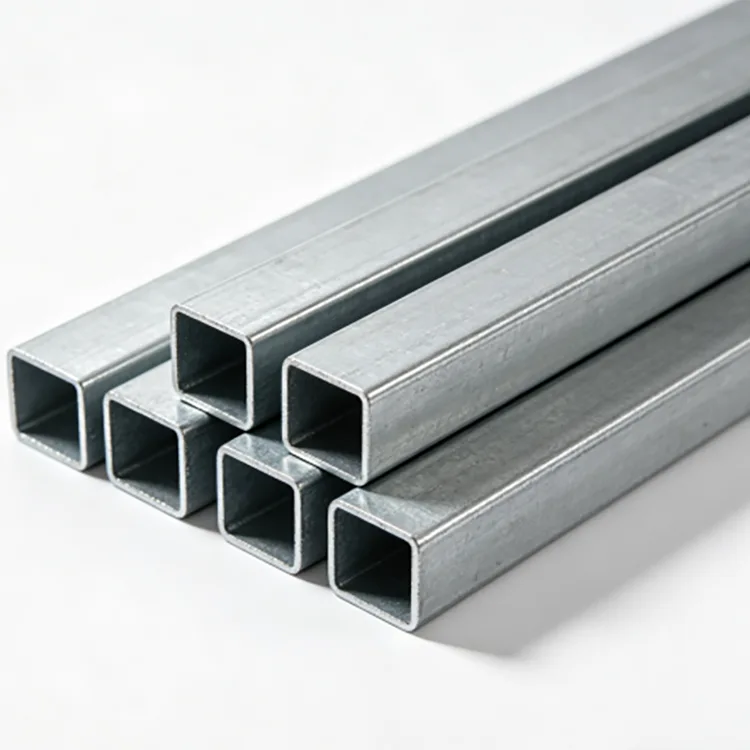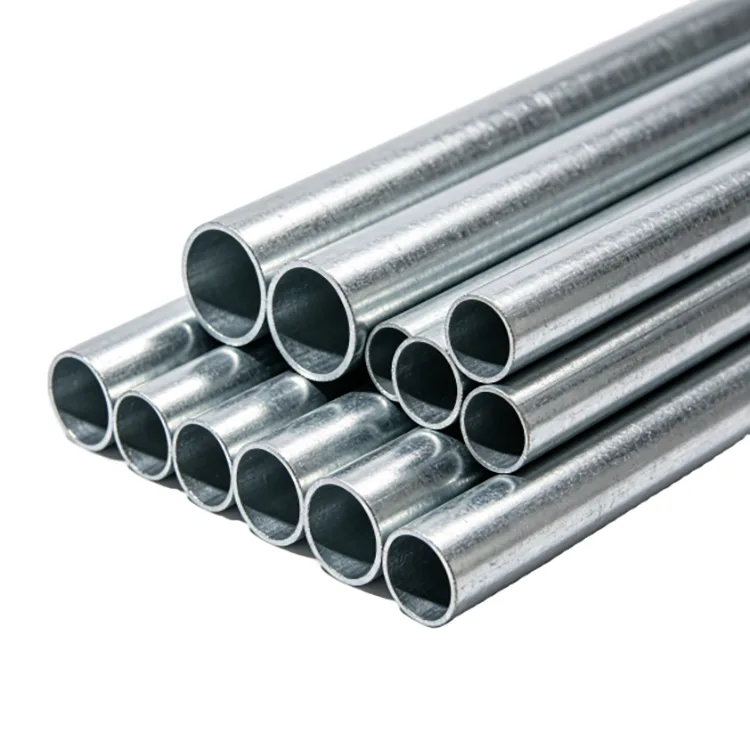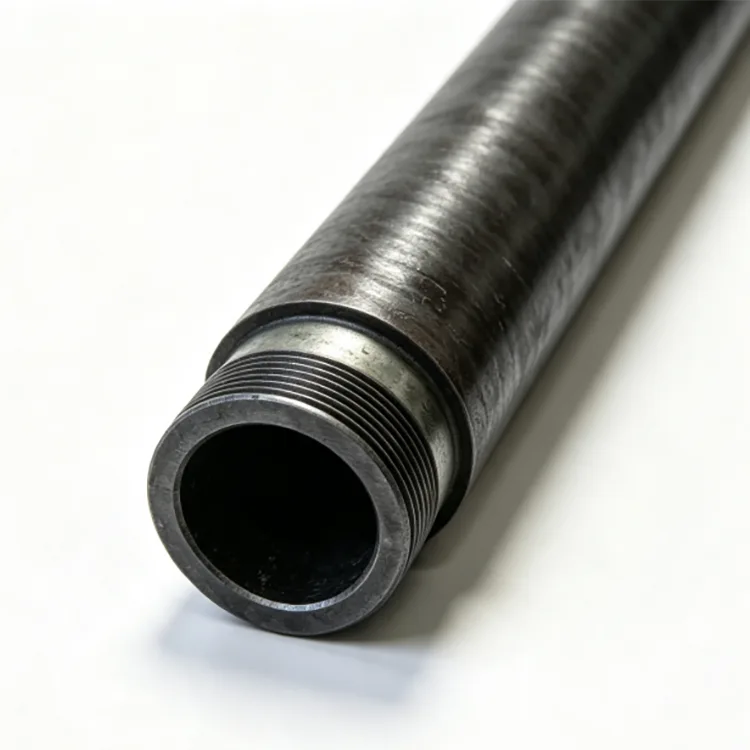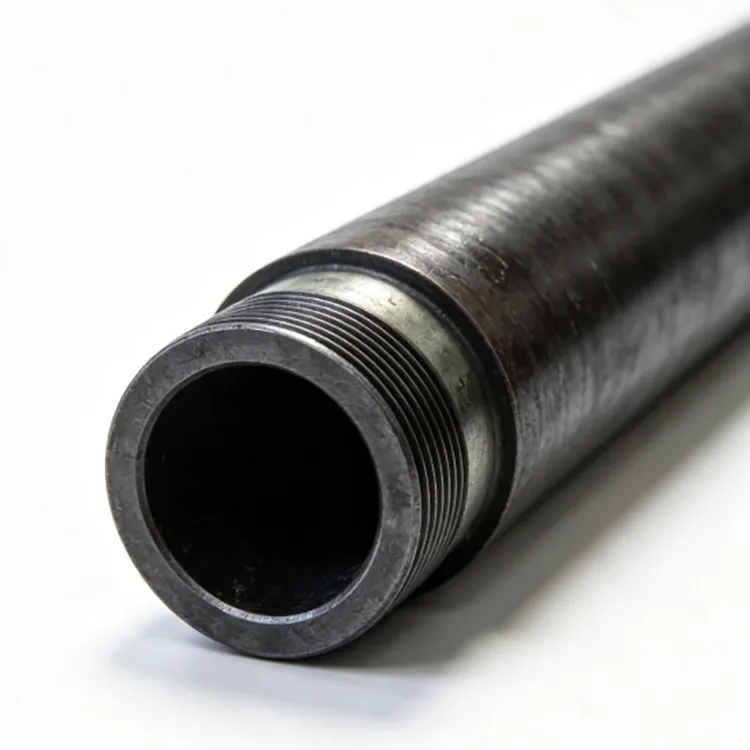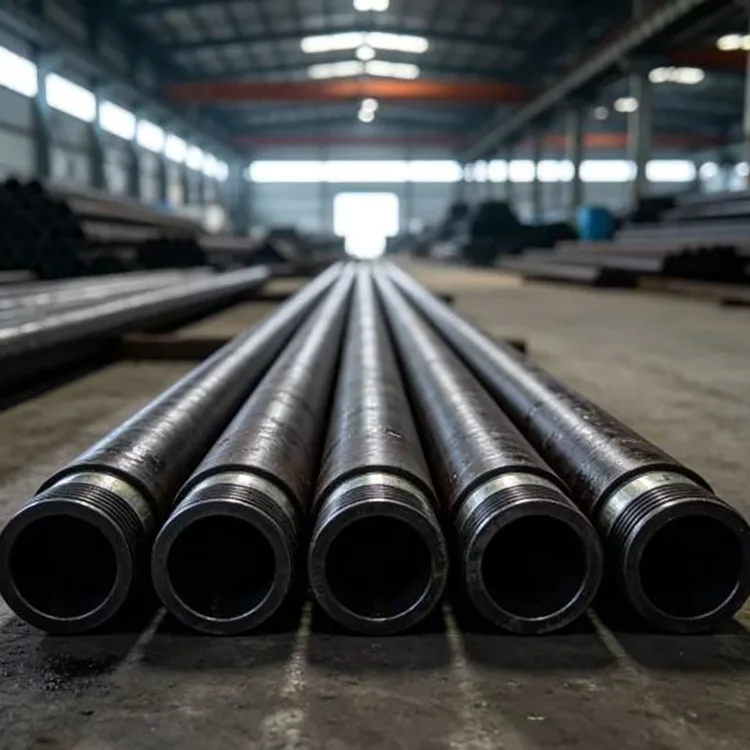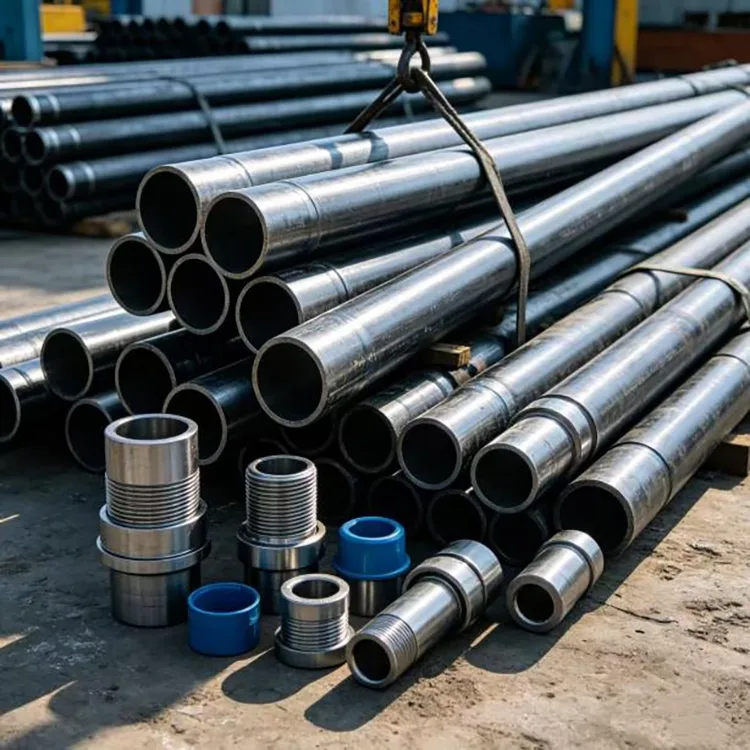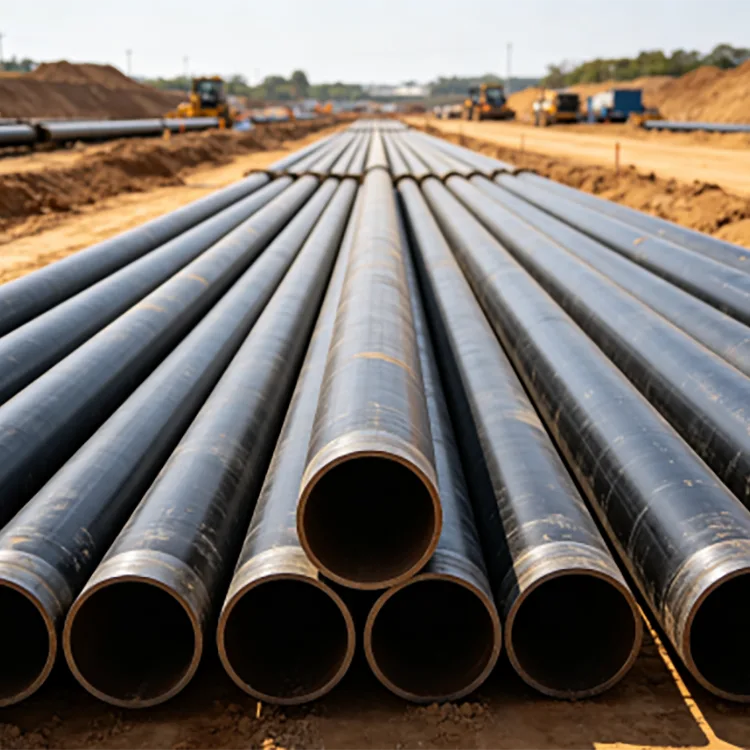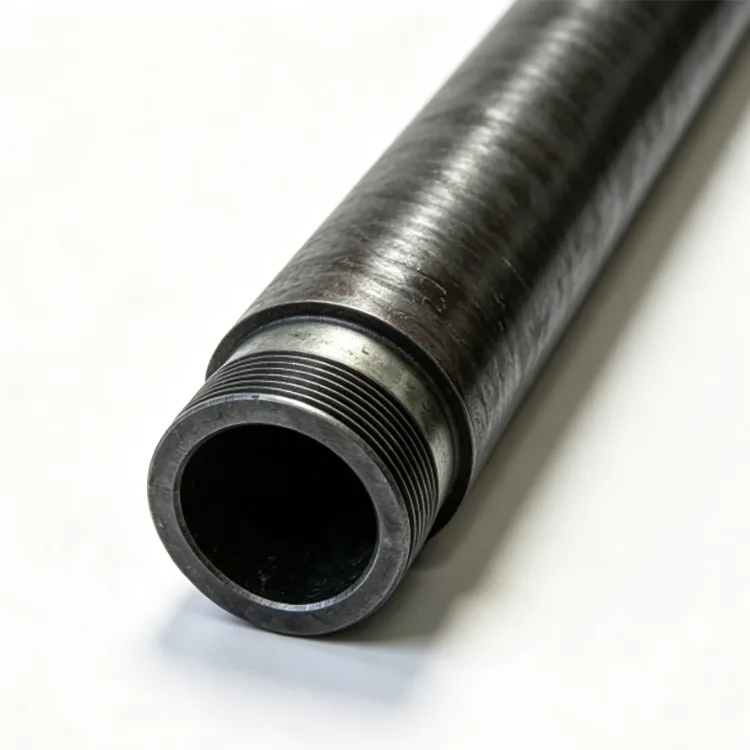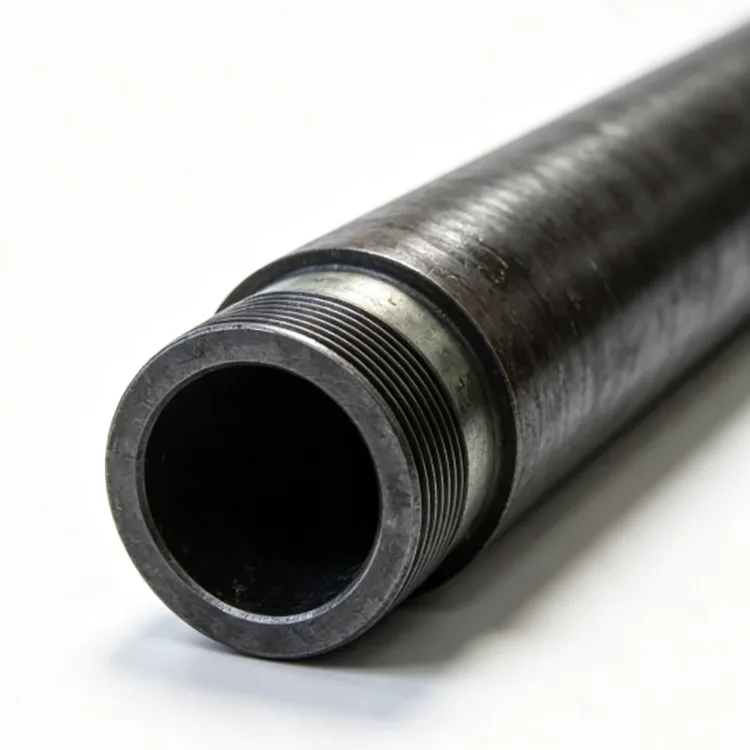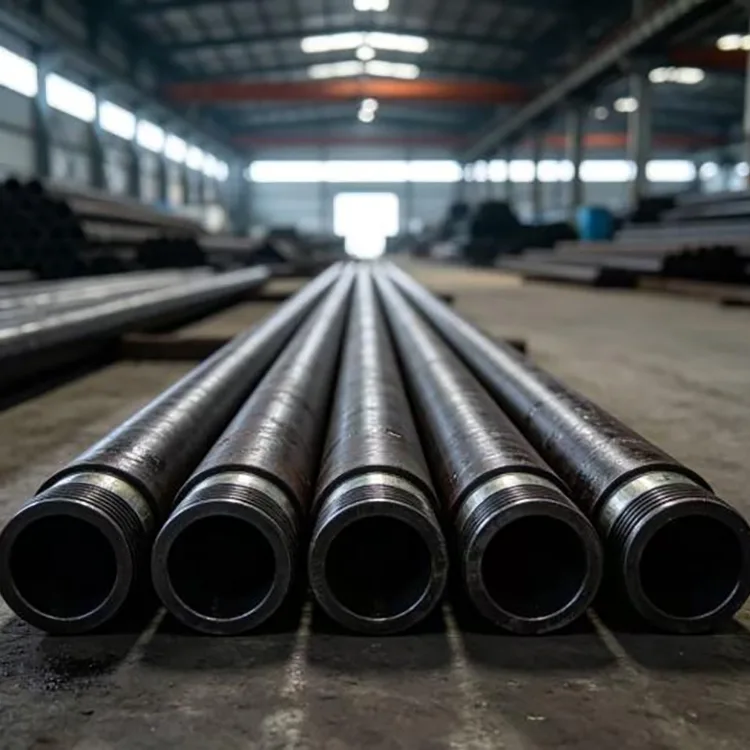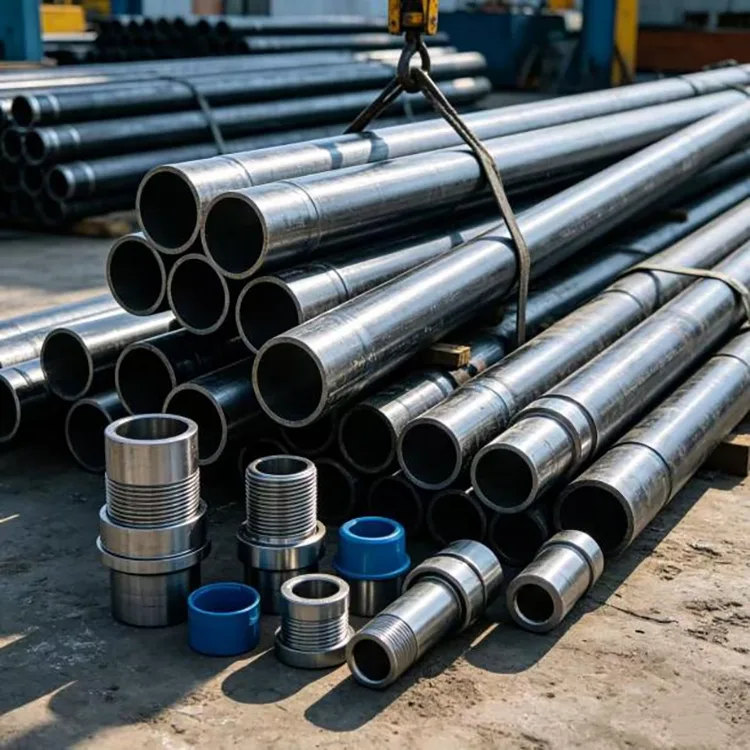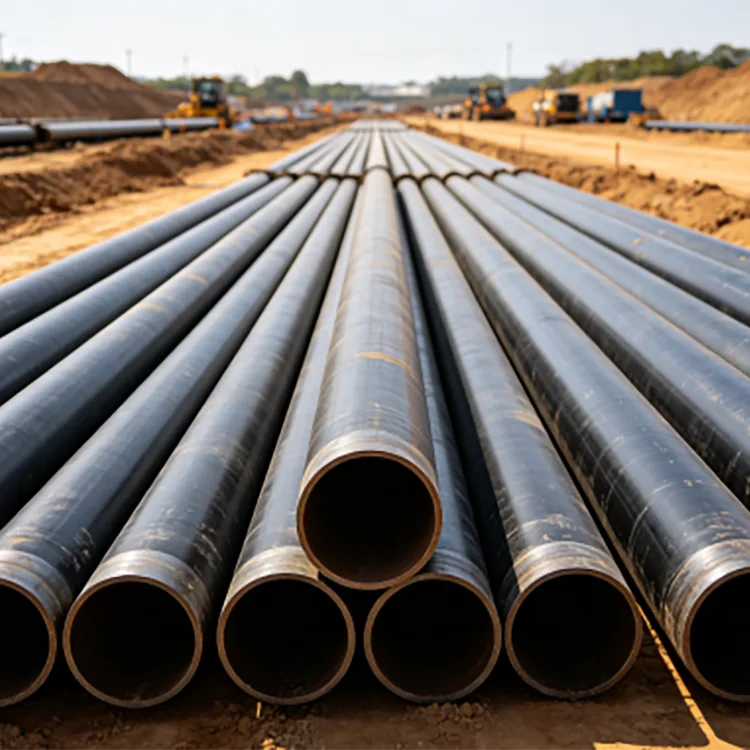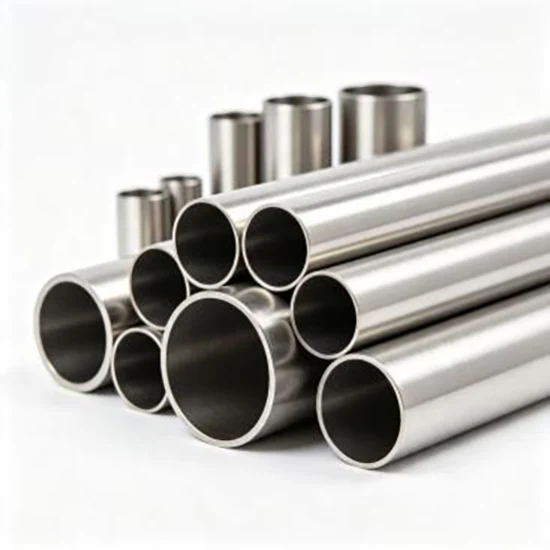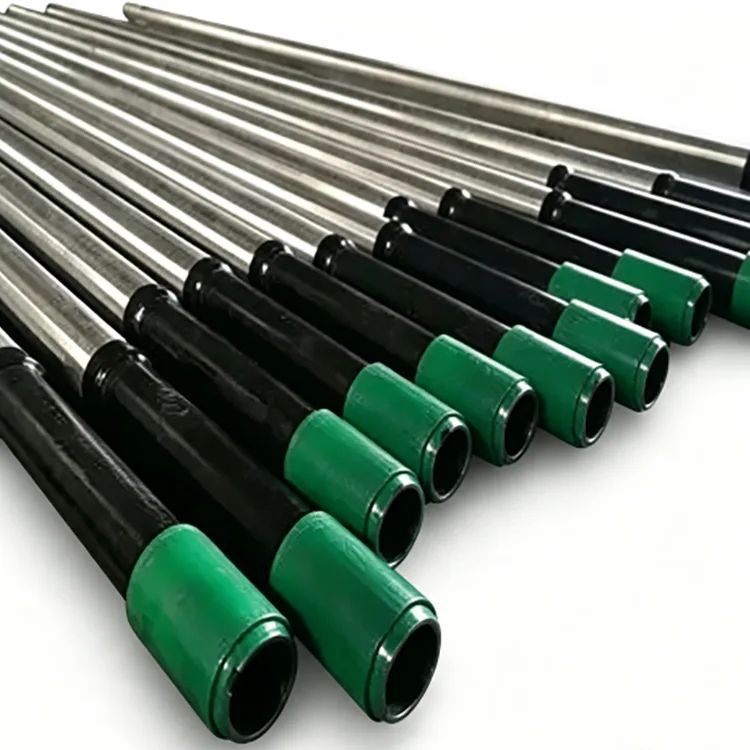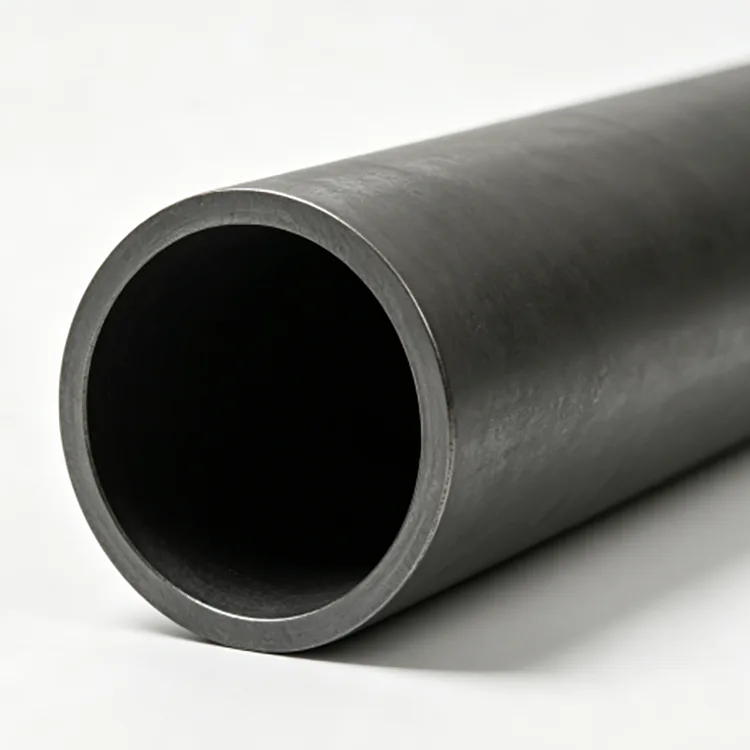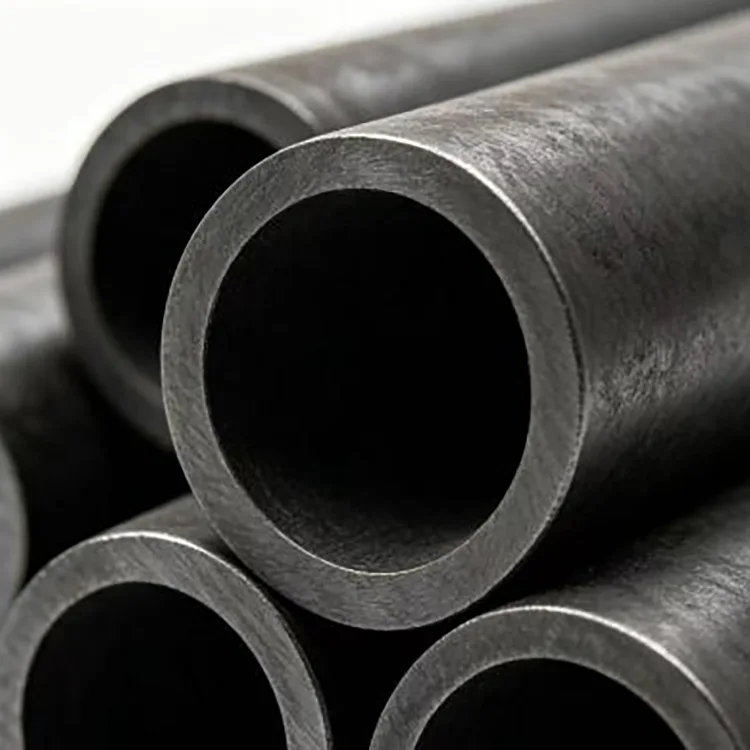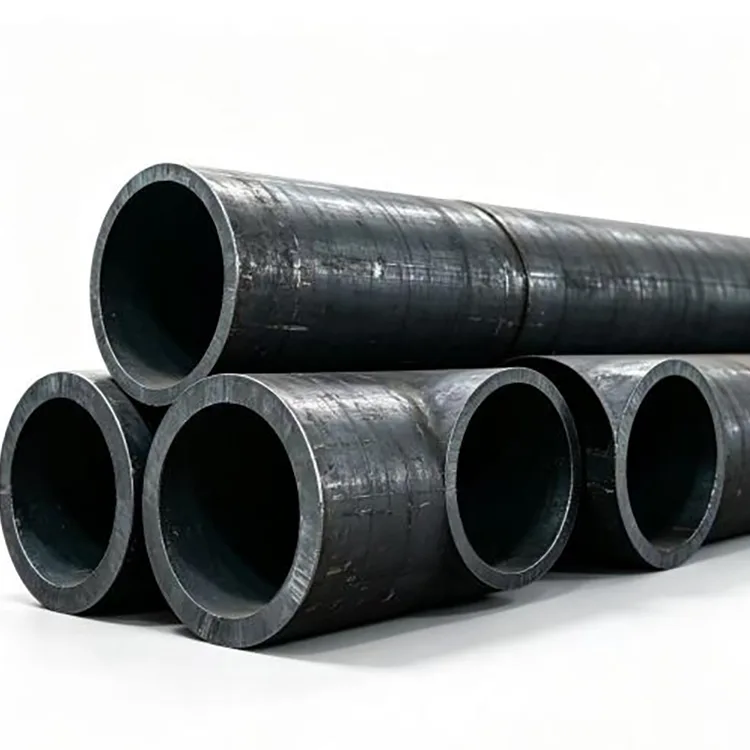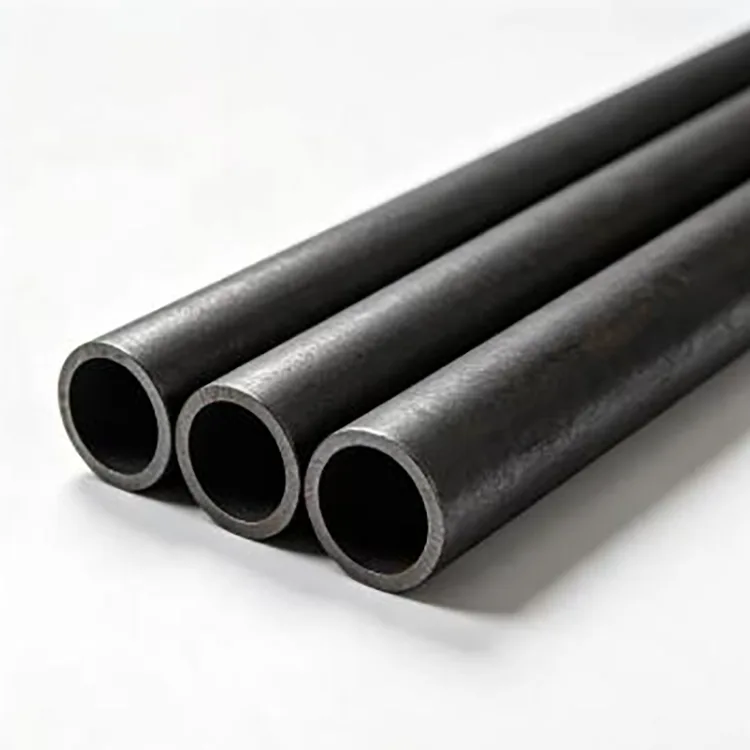
Seamless Oil Tubing for Oilfield is installed inside the casing as the production or injection flow path for oil, gas and formation water. It is smaller in diameter than casing and can be removed and replaced during well servicing. We supply tubing in common API 5CT grades, sizes and thread connections for conventional, deep, sour and high-pressure oil and gas wells.
Seamless Oil Tubing for Oilfield is the pipe through which produced fluids travel to the surface or injected fluids enter the formation. Its selection is therefore closely related to internal pressure, fluid composition, temperature, well depth, repeated workover operations and connection performance.
Unlike casing, tubing is not normally cemented permanently into the well. It forms a removable string inside the casing and may be pulled out during maintenance, stimulation or workover operations.
Standards and Main Specifications
API Spec 5CT covers casing and tubing, including pipe sizes, wall thicknesses, steel grades and end finishes. The current API 5CT 11th Edition has subsequent addenda and errata, including the June 2026 Errata 3.
For Chinese projects, GB/T 19830-2023 is the current standard for steel pipes used as casing or tubing in oil and gas wells.
Item
Typical Supply
Standards
API 5CT / GB/T 19830-2023
Grades
H40, J55, K55, N80, L80, P110, C90, T95, Q125 and other specified grades
Outside Diameter
26.7–114.3 mm (1.05–4½")
Common Sizes
1.9", 2⅜", 2⅞", 3½", 4", 4½"
Manufacturing
Seamless
Connections
NU, EU, IJ and specified premium connections
Length
R1, R2, R3 according to order requirements
API 5CT currently lists grades including H40, J55, K55, N80, L80, C90, T95, P110 and Q125, together with tubing connections such as non-upset tubing (NU), external upset tubing (EU) and integral joint tubing (IJ).
Grade Selection
H40 can be used for certain low-load, shallow-well applications where its lower strength is sufficient.
J55 and K55 are commonly specified for conventional wells. They are often selected where the well does not require a higher-strength grade.
N80 provides a higher strength level for more demanding conventional service, but a higher grade does not automatically make it suitable for sour environments.
L80 is commonly selected where controlled material properties and sour-service requirements are specified. The exact L80 type should be stated in the order.
P110 is used where higher strength is required, including deep wells and demanding production or stimulation conditions.
C90 and T95 can be selected for higher-strength applications where the well design also requires the relevant sour-service performance.
The steel grade should be selected from the actual well design rather than using depth alone as the deciding factor.
Oil Tubing Selection by Well Condition
For a conventional shallow or medium-depth sweet well, J55 or K55 may provide a practical balance between strength and cost.
When well depth, axial load, pressure or stimulation loads increase, N80 or P110 may be considered according to the casing and tubing design.
For H₂S-containing wells, the tubing must be selected specifically for sour-service conditions. Grade, hardness, heat treatment and environmental requirements all matter. API 5CT contains specific requirements for several grades used in demanding service; therefore, simply selecting a high-strength grade is not an adequate sour-service qualification.
For CO₂ and chloride-rich environments, corrosion-resistant tubing such as L80 13Cr may be considered where required by the well-fluid conditions. API also maintains a separate specification for corrosion-resistant alloy seamless products used as casing and tubing.
Thread Connection
Tubing connection affects load transfer, sealing and the ability to withstand repeated running and pulling operations.
NU non-upset tubing has a non-upset tube end and is commonly used for conventional wells where its connection performance is sufficient.
EU external upset tubing increases the connection section and is commonly selected when higher tensile capacity is required.
Premium connections are used when the well requires enhanced gas sealing, greater resistance to repeated loading or more demanding pressure and temperature performance. The exact connection should be specified by the project rather than using a proprietary connection name as a generic product description.
Manufacturing Process
A typical Seamless Oil Tubing for Oilfield production route includes steel billet preparation, heating, piercing, hot rolling, sizing, cooling, straightening, cutting, heat treatment where required, thread machining and final inspection.
Thread processing is particularly important because tubing is repeatedly made up and broken out during service. Thread dimensions, coupling fit, end condition and gauging therefore need to meet the specified standard.
Inspection and Quality Control
Inspection requirements depend on the grade, product specification and purchase order. They may include chemical composition, tensile properties, hardness, dimensional inspection, drift testing, hydrostatic testing and non-destructive examination.
For threaded tubing, thread inspection and gauge control are also important. Inspection records and third-party inspection can be arranged according to project requirements.
Tubing vs. Casing
Tubing and casing are both used in the same well but perform different jobs.
Casing provides wellbore support and formation isolation and is normally cemented in place. Tubing is installed inside the casing and provides the flow path for produced or injected fluids. Tubing can be retrieved during workover operations.
Because their outside diameters, loads, connections and design functions are different, casing and tubing are not interchangeable.
Typical Applications
Oil Production Wells
Used to carry crude oil and associated gas from the production zone toward the surface.
Gas Wells
Selected with attention to pressure, temperature, gas composition and connection sealing requirements.
Water Injection Wells
Used for injection strings where the tubing material and connection need to match the injected water quality and operating conditions.
Stimulation and Workover Operations
Tubing selection needs to consider repeated running, pulling, pressure cycling and stimulation loads.
Horizontal and Deep Wells
More attention is required for axial load, buckling, drag, connection performance and pressure conditions.
Length and Delivery
API range lengths can be selected according to the casing and tubing program. R2 is widely used for standard tubing orders, while longer R3 joints may be considered where the well design and handling conditions allow them.
Tubing can be supplied plain end or threaded and coupled according to the specified connection. Thread protectors and suitable bundling are available for transportation and storage.
Procurement Information
For quotation, provide the tubing standard, grade, nominal outside diameter, wall thickness or weight designation, connection type, length range, quantity and service conditions.
For sour or corrosive wells, also provide H₂S, CO₂, chloride, temperature and pressure information where available. This allows the material and connection to be checked against the actual operating environment rather than selecting by depth alone.
FAQ
Q1: What is the main difference between Seamless Oil Tubing for Oilfield and casing?
Casing is the outer wellbore support and formation-isolation pipe, normally cemented in place. Tubing is installed inside the casing and carries produced or injected fluids. Tubing can be pulled out during workover operations.
Q2: Is seamless tubing the only type allowed for oil wells?
No. API 5CT covers both seamless and electric-welded casing or tubing products. When seamless tubing is required, the purchase specification should clearly state the manufacturing type.
Q3: How do I choose between NU and EU tubing?
NU tubing has a non-upset connection and is commonly used for conventional applications where the connection capacity is adequate. EU tubing has an externally upset end and provides a larger connection section for applications requiring greater tensile capacity. API 5CT recognizes both NU and EU tubing connections.
Q4: Can P110 tubing be used in a sour well?
Do not determine sour-service suitability from strength alone. H₂S service requires checking the specified grade, heat treatment, hardness and environmental conditions. The tubing should be ordered to the applicable sour-service requirements.
Q5: What information is needed to select Seamless Oil Tubing for Oilfield?
The basic information includes tubing size, wall thickness or weight, steel grade, connection, length and quantity. For proper engineering selection, well depth, pressure, temperature and fluid composition should also be provided.
Q6: Can tubing be supplied threaded and coupled?
Yes. Tubing can be supplied with specified API connections such as NU, EU or IJ, as well as project-specific premium connections where applicable.
We use cookies to offer you a better browsing experience, analyze site traffic and personalize content. By using this site, you agree to our use of cookies. Privacy Policy