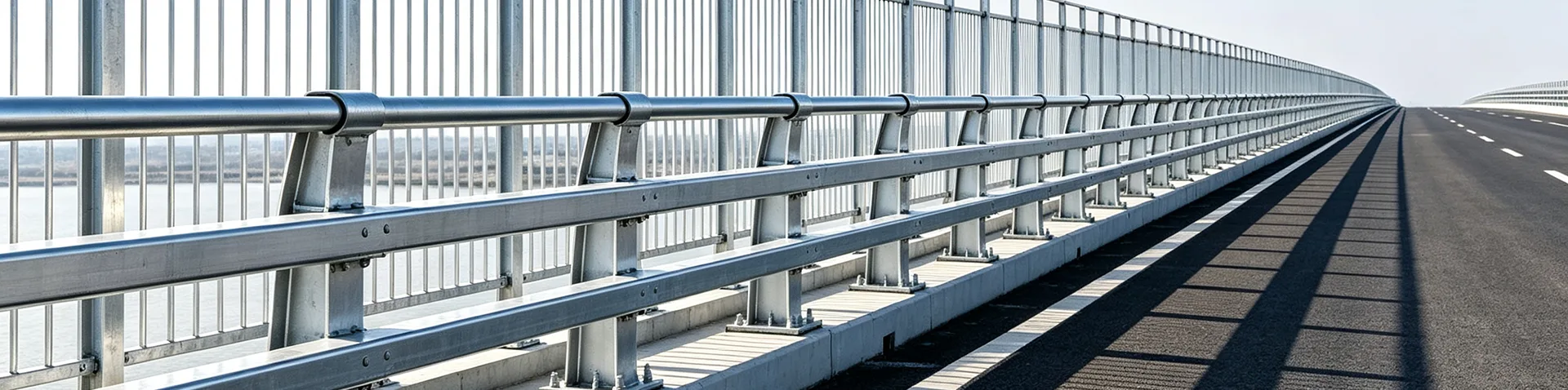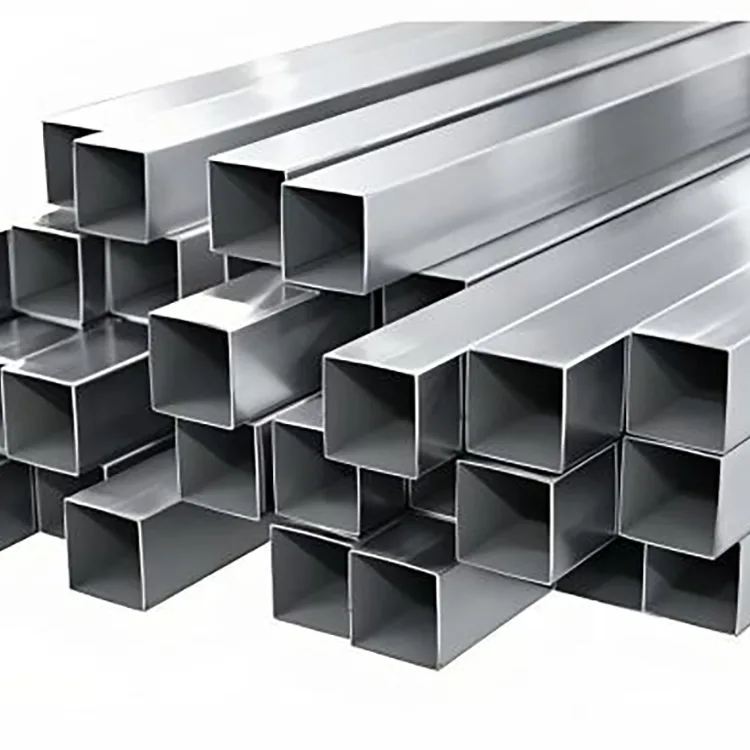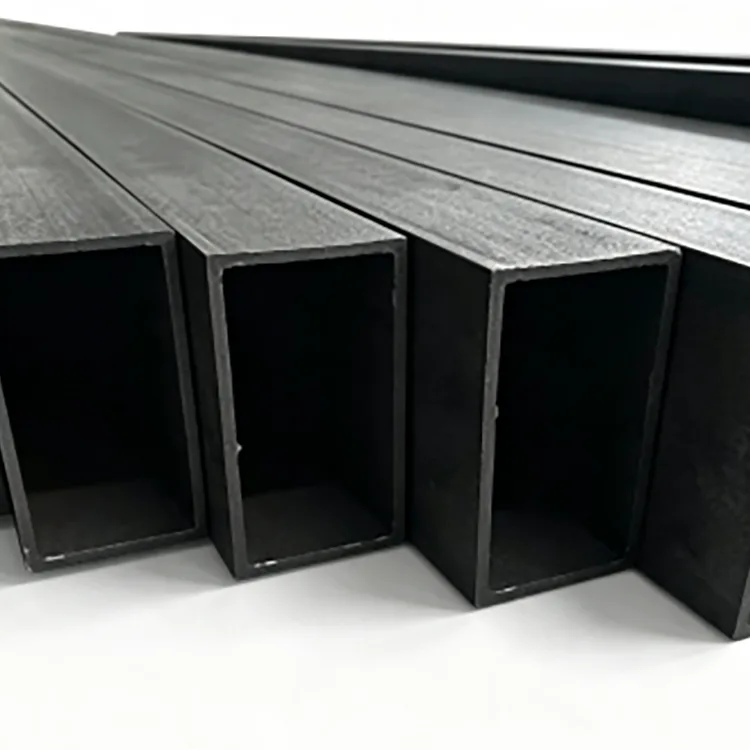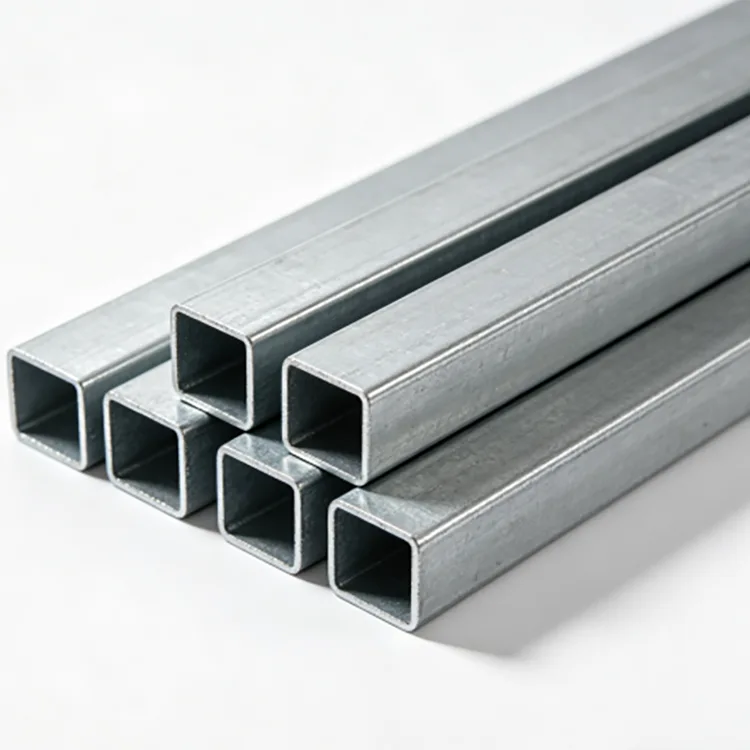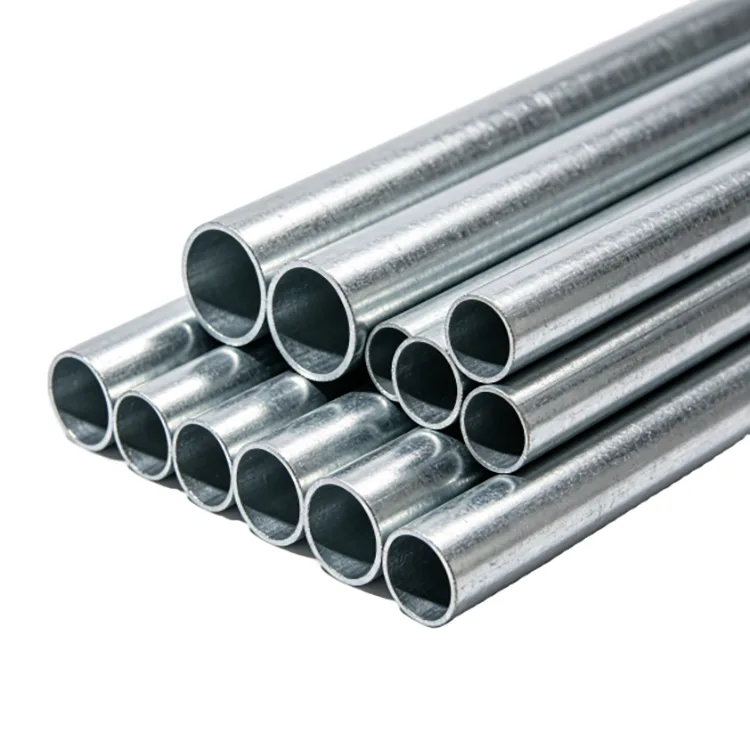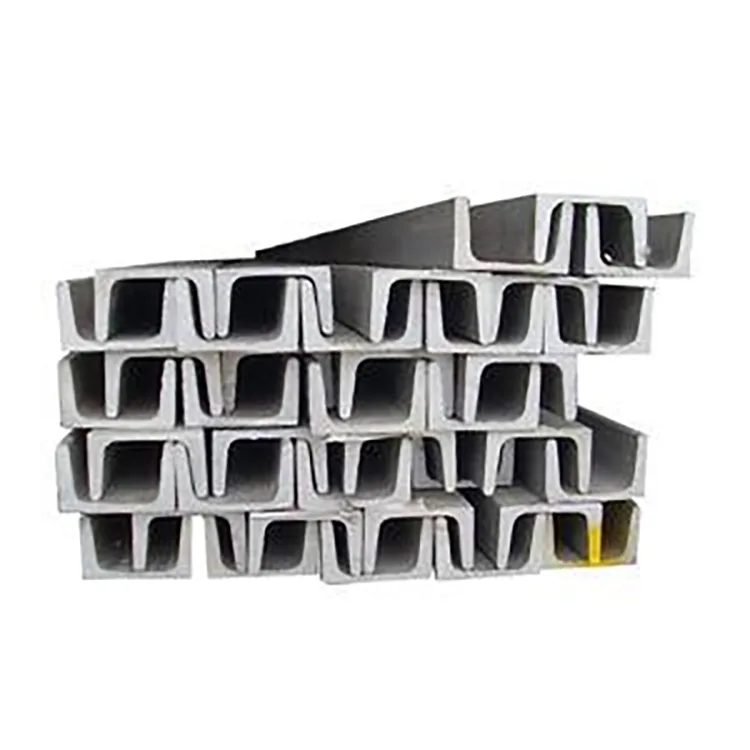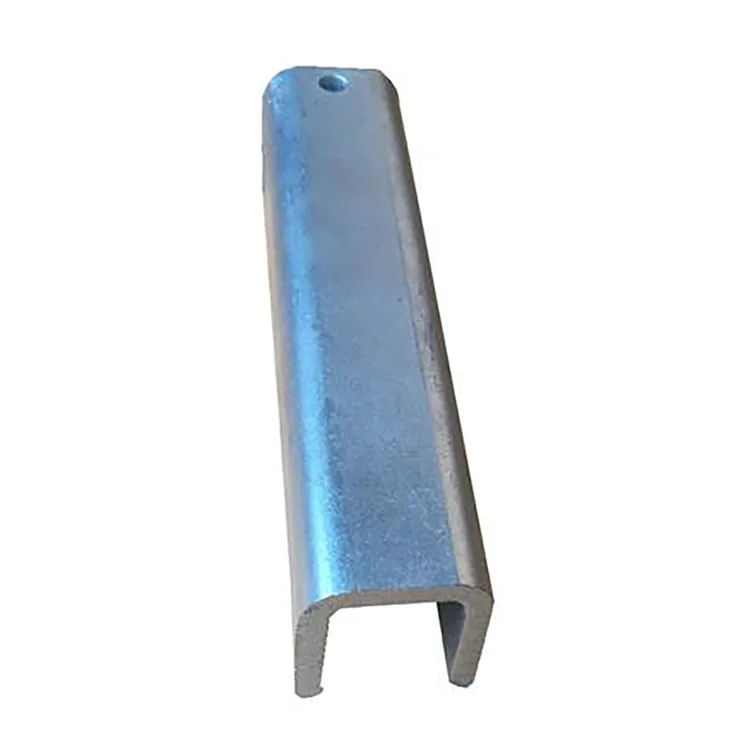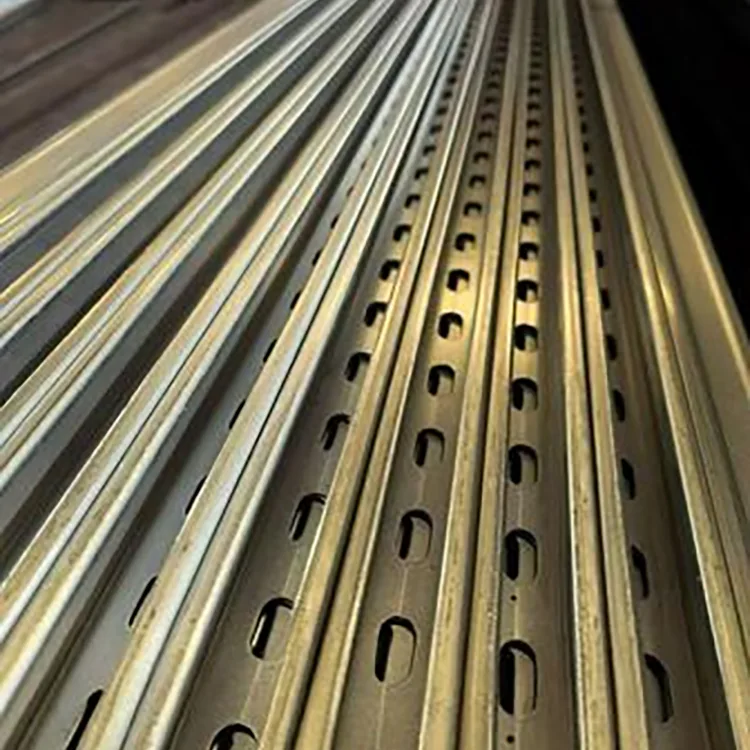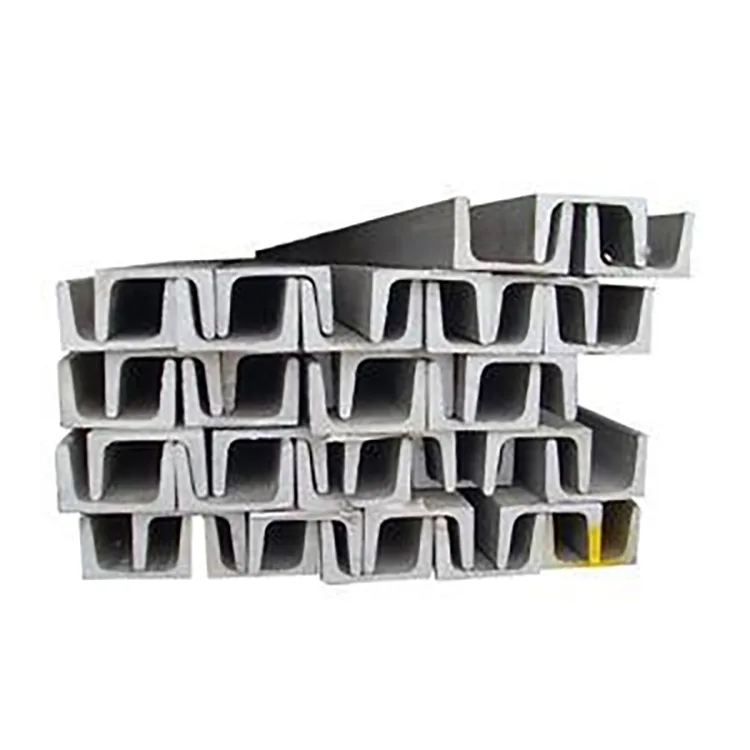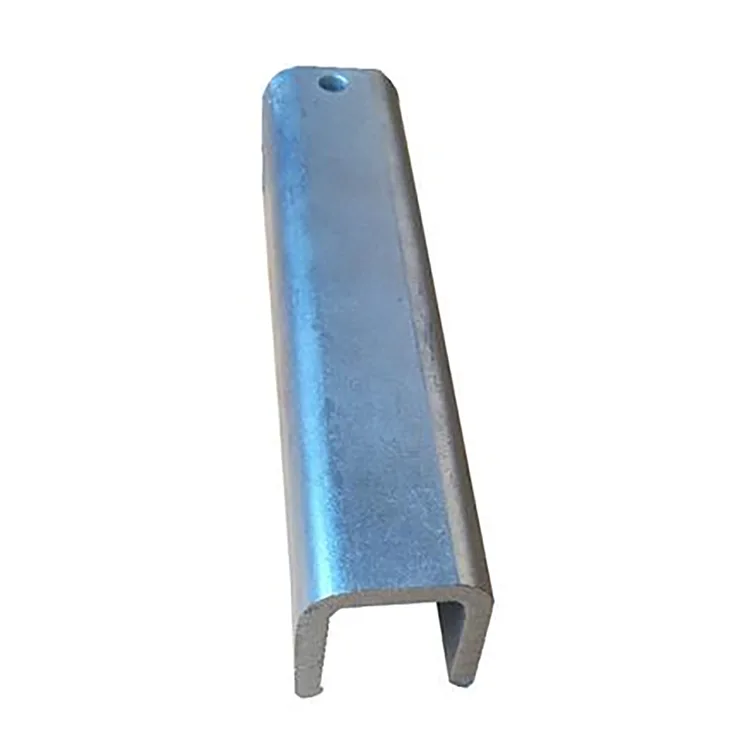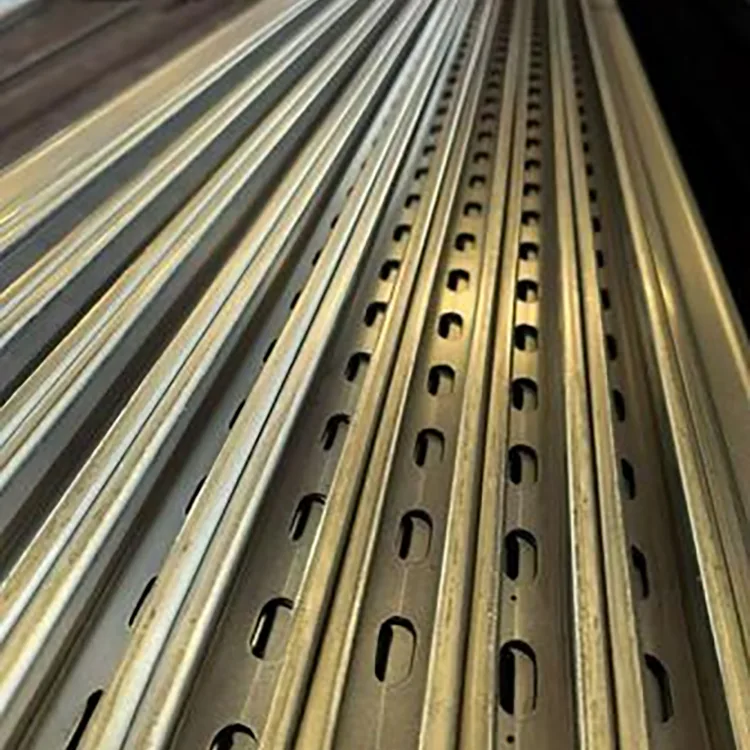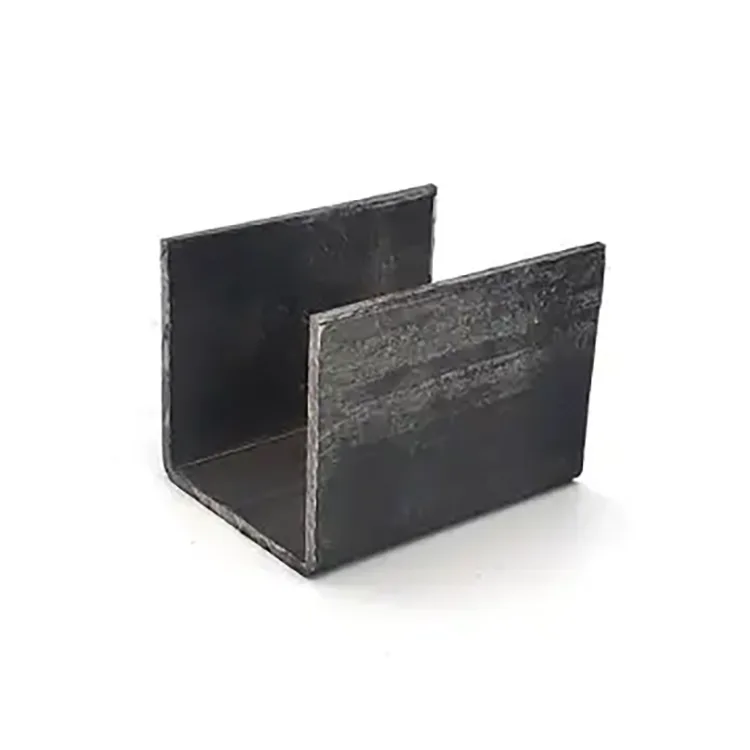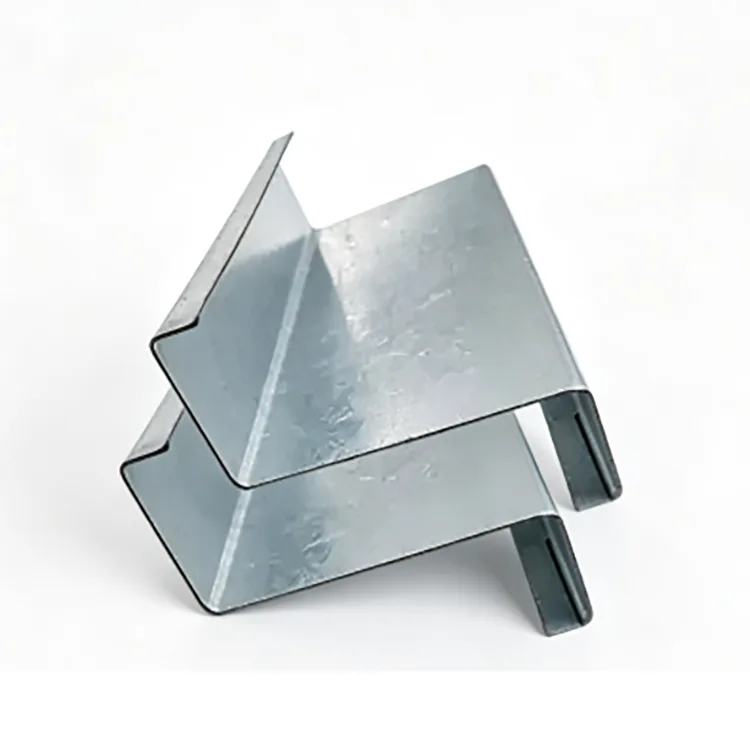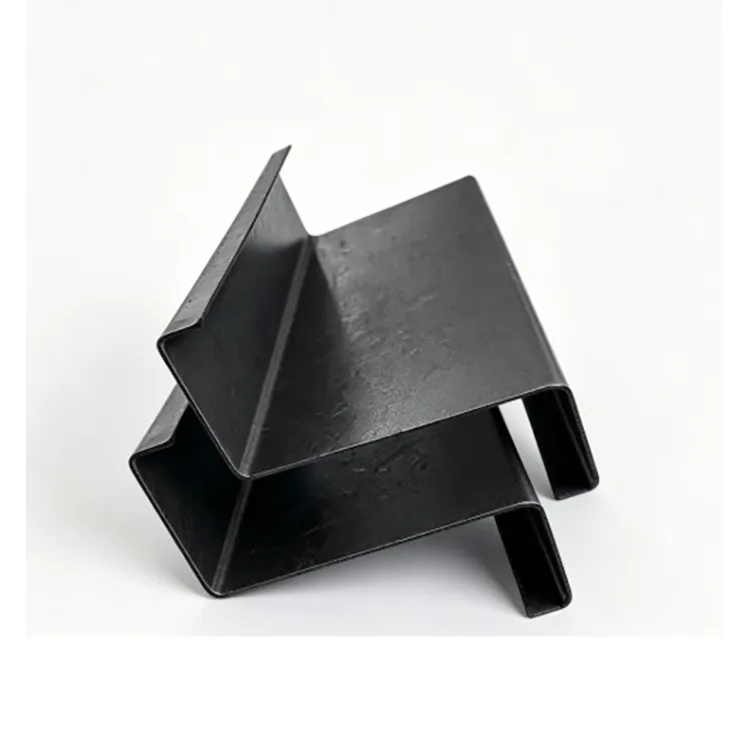
A galvanized U-Channel is selected when a project needs an open steel section for fixing, positioning or supporting components outdoors rather than a closed tube or a conventional C/Z purlin.
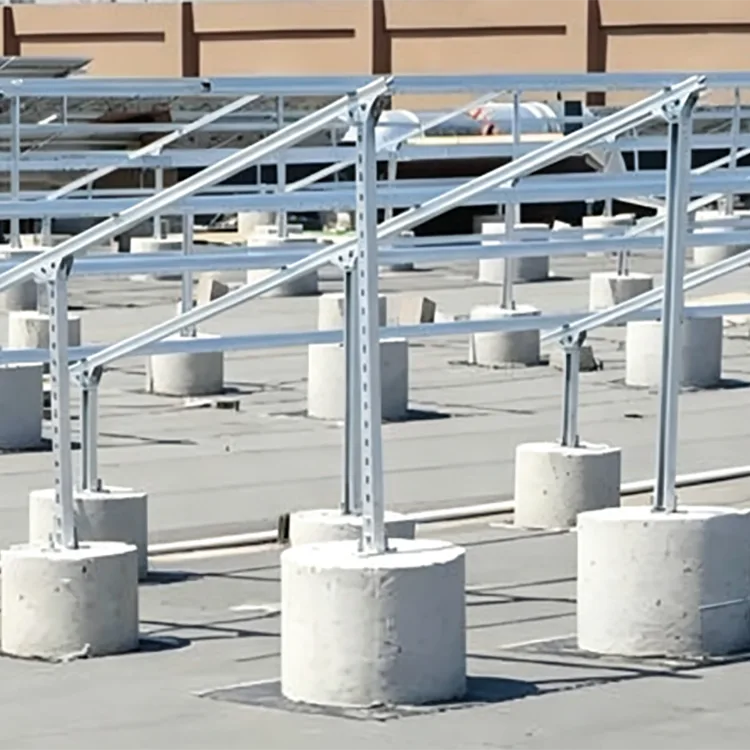
The U-shaped section creates a continuous base and side flanges for bolting, clamping and connection. It is commonly used for equipment bases, pipe supports, photovoltaic structures, outdoor frames, embedded supports and municipal installations.
The manufacturing sequence is important. The steel strip is first roll-formed into the required U profile, followed by cutting and punching. The completed section is then chemically pretreated and hot-dip galvanized. This approach avoids bending a galvanized strip into the final shape and provides zinc protection to the formed section, including the inside of the U channel.
For outdoor projects, the correct combination is not simply “thicker zinc = better.” The section size, steel grade, wall thickness, structural load, exposure environment and expected service period should be considered together.


The main advantage of a U channel is its open geometry.
The bottom section provides a continuous bearing surface, while the two side flanges can be used for bolted connections, clamps, brackets and positioning components. This makes it useful where installers need access to the connection from the open side.
Compared with a C section or Z section, a U channel is generally more convenient for equipment bases, pipe supports and positioning structures. C and Z sections are more commonly selected according to their structural behavior as purlins or framing members.
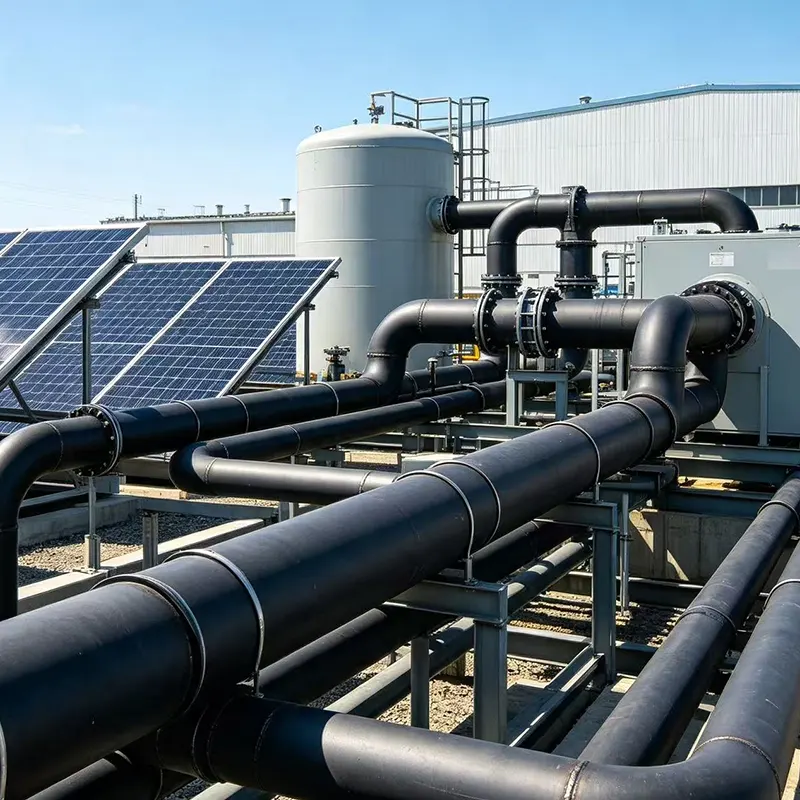
For a project involving photovoltaic equipment, outdoor pipelines or machinery supports, the U section can therefore reduce the need for additional fabricated brackets.
|
Item |
Specification |
|
Product |
Galvanized U-Channel |
|
Base Material |
Q235B, Q355B cold-formed steel |
|
Manufacturing |
Roll forming + hot-dip galvanizing |
|
Section |
U80–U300 |
|
Wall Thickness |
0.8–3.0 mm |
|
Standard Zinc Coating |
85 μm+ |
|
Medium-Corrosion Option |
120–180 μm |
|
Heavy-Corrosion Option |
200–275 μm |
|
Surface |
Uniform silver-gray galvanized finish |
|
Standard |
GB/T 6728-2025; EN ISO 1461 |
|
Processing |
Cutting, punching, corner cutting, fixed-length production and other customized operations |
|
Customization |
Non-standard section, wall thickness, length and hole arrangement |
For this type of product, forming and most fabrication should be completed before hot-dip galvanizing.
The production route is:
Steel strip inspection → Leveling → U-profile roll forming → CNC cutting → Punching and corner processing → Straightening → Degreasing → Pickling → Fluxing → Drying → Hot-dip galvanizing → Cooling/passivation → Zinc inspection → Final inspection → Packing
This sequence allows the manufacturer to control the final U-section dimensions before galvanizing.
It also means that holes, corners and the inside of the formed profile are treated as part of the finished section rather than relying on a coating that must survive subsequent forming operations.
After galvanizing, unnecessary bending or heavy forming should be avoided. If the material must be welded or cut at the job site, the damaged zinc area should be cleaned and repaired with an appropriate zinc-rich coating.
The zinc coating should be matched to the actual corrosion environment.
85 μm+ is suitable as a starting specification for ordinary outdoor applications in inland areas where exposure is relatively moderate.
For 120–180 μm, the coating can be considered for humid factories, agricultural and livestock facilities, riverside installations and other locations with more persistent moisture.
For 200–275 μm, the heavier coating is intended for projects with stronger corrosion exposure, such as coastal areas, ports, chemical facilities and wastewater environments. The exact coating requirement should still be confirmed against the project corrosion category and applicable specification.
A thicker zinc layer does not compensate for an undersized steel section. Corrosion protection and structural design should be evaluated separately.
The steel grade should follow the structural load rather than the zinc requirement.
Q235B is a practical choice for common equipment supports, outdoor brackets, pipe supports, photovoltaic auxiliary structures and general municipal applications.
Q355B is better suited to higher-load applications such as large equipment bases, heavier support structures, high wind or snow conditions and projects where the structural design requires higher-strength steel.
For the supplied product range, Q355B is described as providing approximately 30% higher load capacity at the same section size in applicable design conditions. This should be treated as a project/design comparison rather than a universal replacement rule; the final section should be checked against the engineering load.
The U80–U300 range allows the section to be matched to different support loads.
U80–U120 can be used for light pipe supports, small equipment brackets, positioning components and secondary greenhouse structures.
U140–U200 covers many mainstream outdoor support applications, including photovoltaic auxiliary structures, equipment bases and municipal installations.
U220–U300 is more suitable for heavier equipment bases, larger support structures and projects requiring greater section capacity.
1.2–1.4 mm: light-duty brackets, positioning members and non-primary support applications
1.5–2.0 mm: common range for outdoor support structures and equipment bases
2.2–3.0 mm: heavier loads, large supports, high wind/snow areas and applications requiring greater resistance to deformation
The final thickness should be calculated from the actual span, connection method and applied load.
Galvanized U-sections can be used for equipment bases, fixing members, positioning structures and auxiliary supports in outdoor renewable-energy installations. Where a project has a 25-year design requirement, the zinc coating should be selected according to the actual environmental exposure rather than specifying the same coating for every location.
Salt spray and persistent humidity accelerate corrosion on exposed steel. U-shaped galvanized profiles with a heavier coating can be used for outdoor equipment supports, embedded bases and fixing structures where the section geometry is suitable.
Ventilation systems, pipelines, equipment supports and greenhouse structures can be exposed to high humidity and ammonia-containing atmospheres. Galvanized steel provides better corrosion protection than unprotected black steel in these conditions.
Equipment supports, pipe fixing structures and outdoor frames can benefit from hot-dip galvanizing where the environment is compatible with zinc-coated steel. For highly aggressive chemical exposure, the complete corrosion-protection system should be specified according to the chemical medium.
Applications include guardrail bases, lighting-related supports, traffic equipment fixing structures, landscape frames and other outdoor steel components.
It can be used for exposed pipelines, equipment supports, external fixing structures and utility supports around industrial plants.
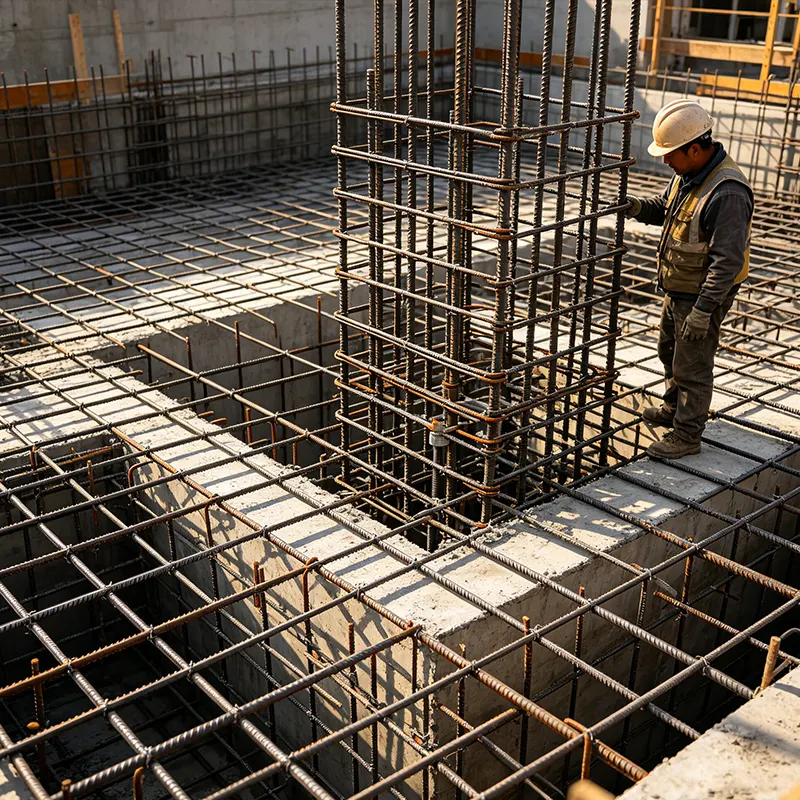
For an outdoor equipment-support project approximately 2 km from the coastline, Q355B zinc-coated U profile with a 220 μm zinc coating was selected for equipment supports and embedded bases. The heavier coating was specified because of the salt-spray exposure, while the higher-strength steel was used for the structural load requirement. The U profile also simplified equipment positioning and bolted connections.
A large-scale pig and poultry facility required corrosion-resistant support members for equipment and pipelines in a high-humidity environment with ammonia exposure. Q235B galvanized U-sections were used for the supporting structures and fixing members. The open profile allowed convenient installation and adjustment while the galvanized surface reduced the need for repeated corrosion treatment.
A U channel should not automatically replace every other steel section.
For roof purlins, C or Z sections may provide a more suitable structural configuration.
For closed structural members where torsional resistance, enclosed geometry or appearance is important, square or rectangular hollow sections may be preferable.
For dry indoor applications, uncoated cold-formed U channel can be more economical if corrosion protection is not required.
For highly aggressive chemical environments, hot-dip galvanizing alone may not provide the required protection. The chemical medium, concentration, temperature and exposure time should be reviewed before material selection.
The basic U-section geometry can remain the same, but the application conditions are different.
|
Factor |
Black U Channel |
Galvanized U-Channel |
|
Surface |
Uncoated steel |
Hot-dip zinc coating |
|
Indoor dry use |
Suitable |
Usually unnecessary |
|
Outdoor exposure |
Requires additional coating/maintenance |
Better suited |
|
Humid environment |
Higher corrosion risk |
Improved corrosion protection |
|
Coastal use |
Requires a suitable corrosion system |
Heavy zinc coating may be specified |
|
Initial cost |
Lower |
Higher |
|
Maintenance |
May require repainting |
Lower routine coating maintenance |
Inspection should cover both the steel section and the galvanizing quality.
Before galvanizing, the U profile is checked for section dimensions, straightness, twist, hole position and cutting accuracy. This is important because the zinc coating does not correct dimensional problems created during roll forming.
After galvanizing, inspectors check the surface for bare areas, excessive zinc buildup, peeling, cracking and other visible defects. Zinc coating thickness can be measured according to the agreed inspection method.
For project orders, material certificates, dimensional inspection records, zinc-coating inspection results and other quality documentation can be supplied according to the buyer's requirements.
The U channel can be supplied as a standard straight section or processed before galvanizing.
Typical customized operations include fixed-length cutting, punching, corner cutting, hole positioning and non-standard section production. Completing these operations before galvanizing helps keep the processed areas protected by the final zinc coating.
For larger projects, buyers should provide the section drawing together with the hole pattern, required length, steel grade, wall thickness and corrosion environment. This allows the manufacturer to quote the finished specification rather than only the raw U-section.
Before placing an order, confirm these points:
1.U section size: U80–U300 or a project-specific dimension.
2.Steel grade: Q235B or Q355B.
3.Wall thickness: based on structural load and span.
4.Zinc coating: 85 μm+, 120–180 μm or 200–275 μm according to exposure.
5.Hole pattern: diameter, spacing and position if pre-punching is required.
6.Length: standard or project-specific fixed length.
7.Applicable standard: current project specification and required galvanizing standard.
8.Inspection documents: material certificate, dimensional inspection and zinc coating report where required.
This information is enough to avoid the most common purchasing mistake: comparing galvanized U-sections only by price per ton while ignoring steel grade, wall thickness and zinc coating.
Yes. The product is formed first and then hot-dip galvanized, so the U-shaped section is galvanized as a finished profile. The actual coating coverage should be verified according to the agreed inspection requirements.
It avoids mechanically forming a finished zinc coating into the final U shape. Cutting, punching and major forming operations can be completed before galvanizing, followed by the final corrosion-protection treatment.
The zinc coating around a weld is affected by welding heat. After welding, the area should be cleaned and repaired with an appropriate zinc-rich coating.
It can be used where the section and corrosion system meet the project requirements. For coastal or highly corrosive sites, heavier zinc coating and potentially an additional protective system should be considered.
Neither grade is universally better. Q235B is suitable for many normal-load structures, while Q355B is selected when higher structural strength is required. The grade should follow the engineering calculation.
U channel is commonly used for bases, fixing, positioning and support structures where its open profile is convenient for connections. C channel is more commonly used as a structural framing or purlin section. The correct choice depends on the load path and connection design.
Yes. Non-standard section dimensions, wall thicknesses, lengths and hole patterns can be discussed based on drawings and project requirements.
Yes, provided the zinc coating and structural specification are selected for the actual corrosion environment. For strong salt-spray exposure, a heavier coating such as 200–275 μm may be considered together with the project's corrosion-protection requirements.
Address
Secondary Arterial Road No. 2-1, Expansion Area of Daqiuzhuang Industrial Zone, Jinghai District, Tianjin, China
Tel