Products
Galvanized C Purlin
  • Galvanized C PurlinGalvanized C Purlin
  • Galvanized C PurlinGalvanized C Purlin
  • Galvanized C PurlinGalvanized C Purlin
  • Galvanized C PurlinGalvanized C Purlin

Galvanized C Purlin

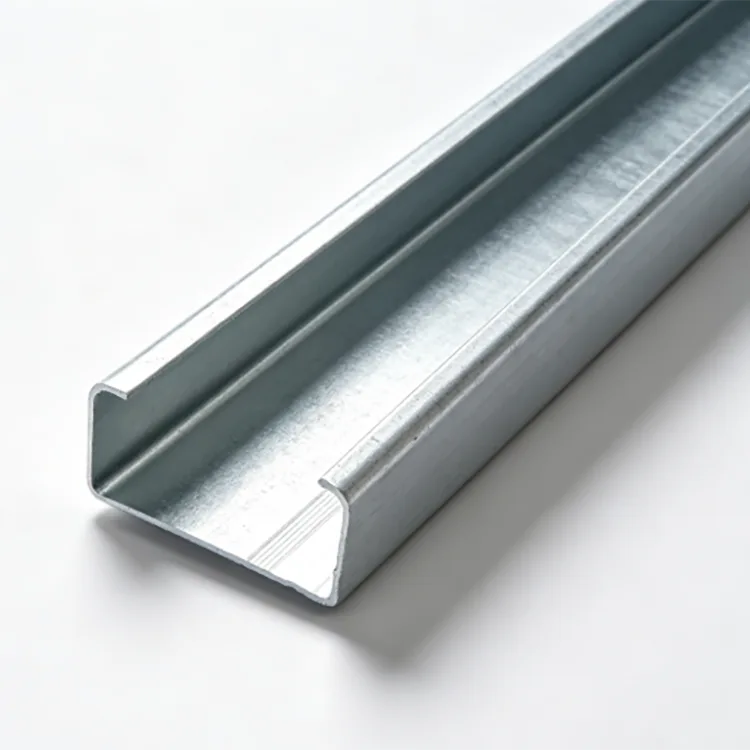
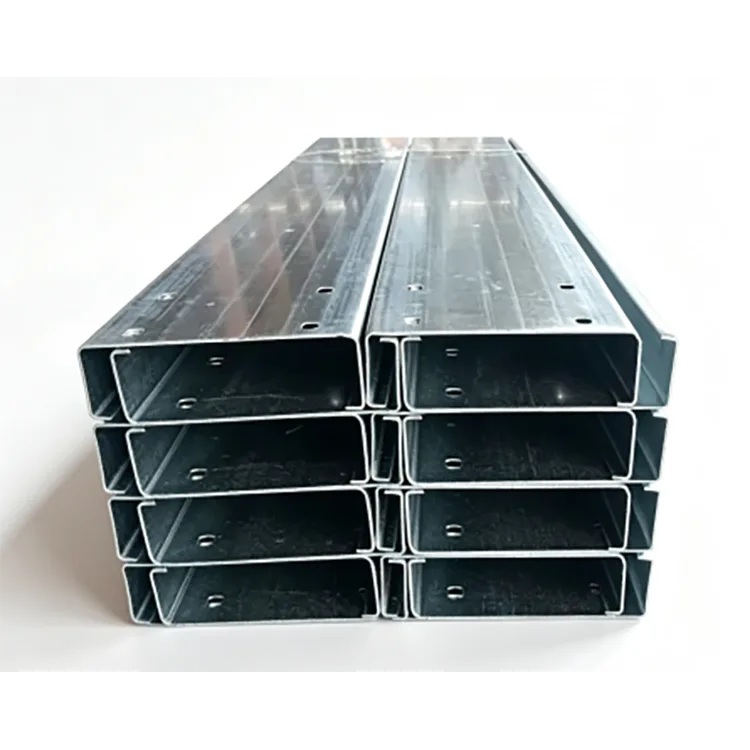
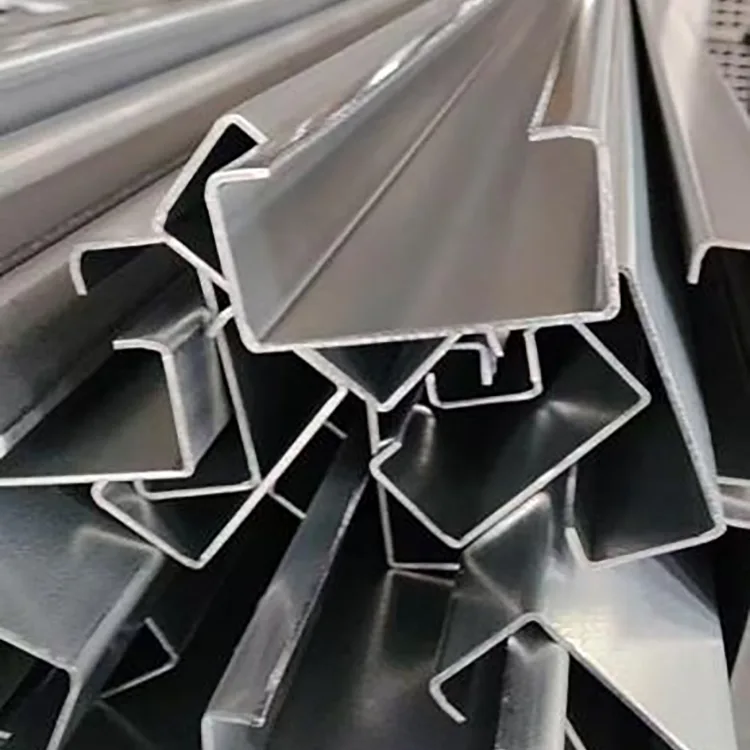
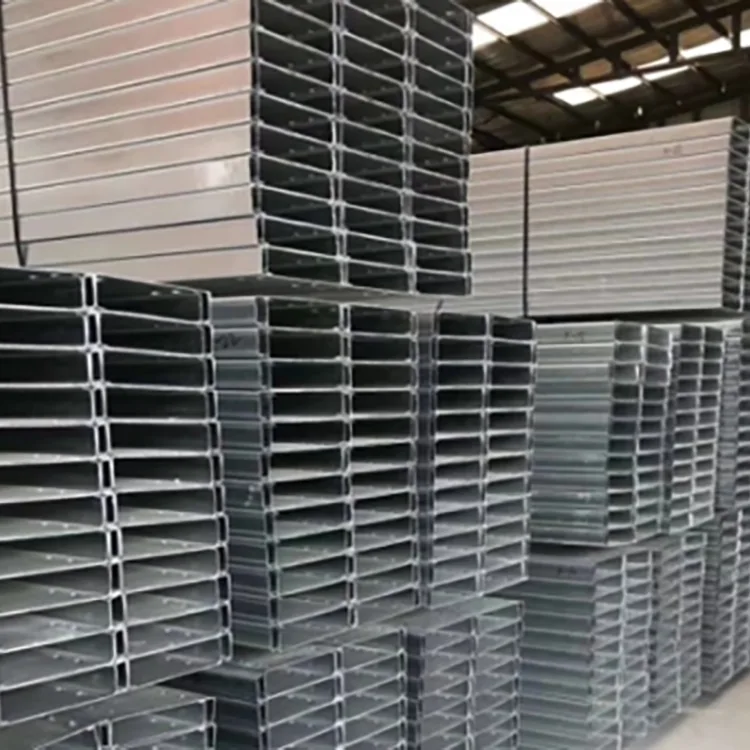
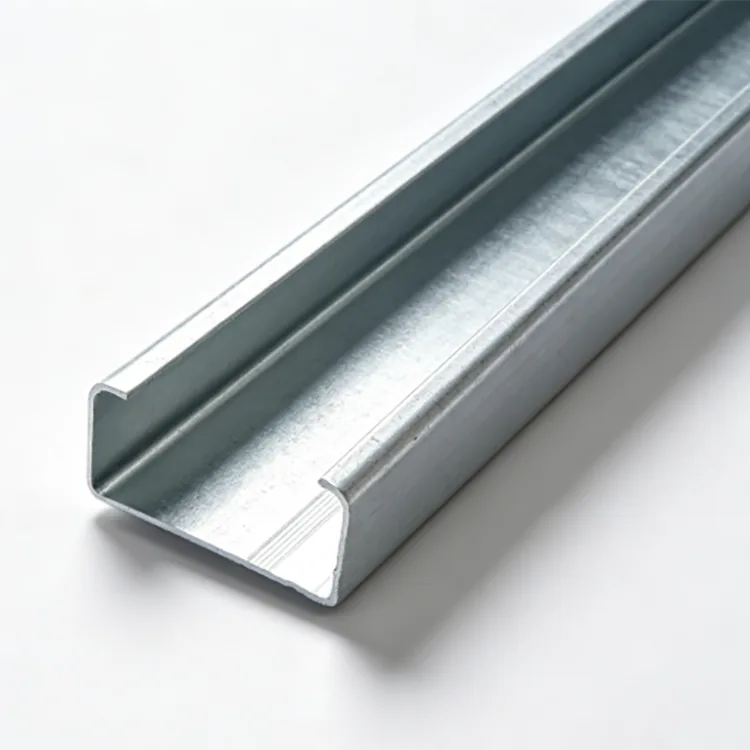
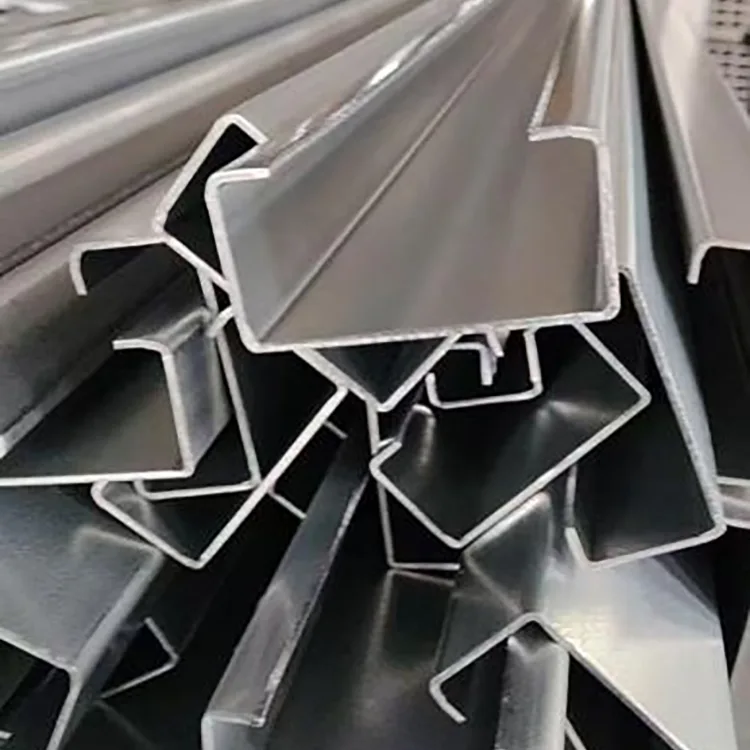
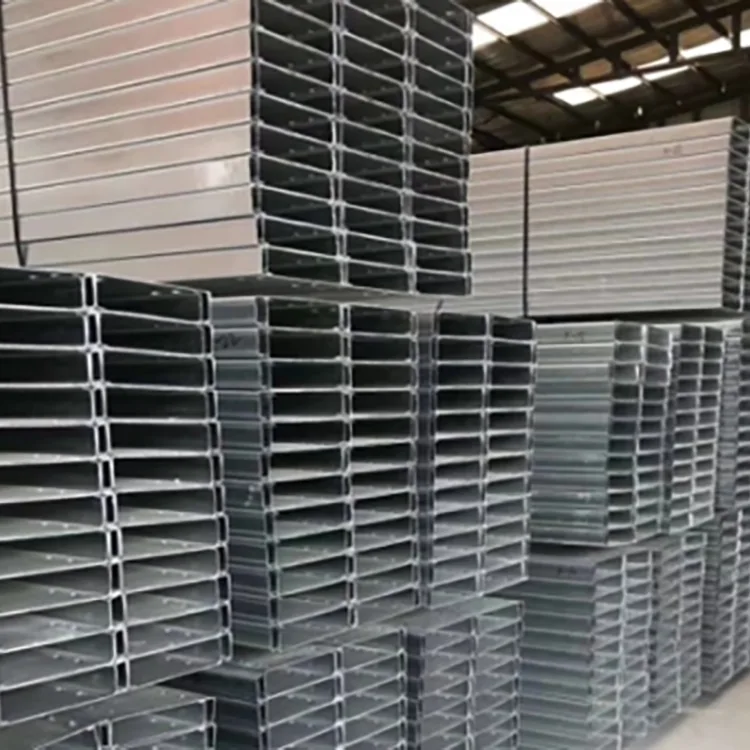
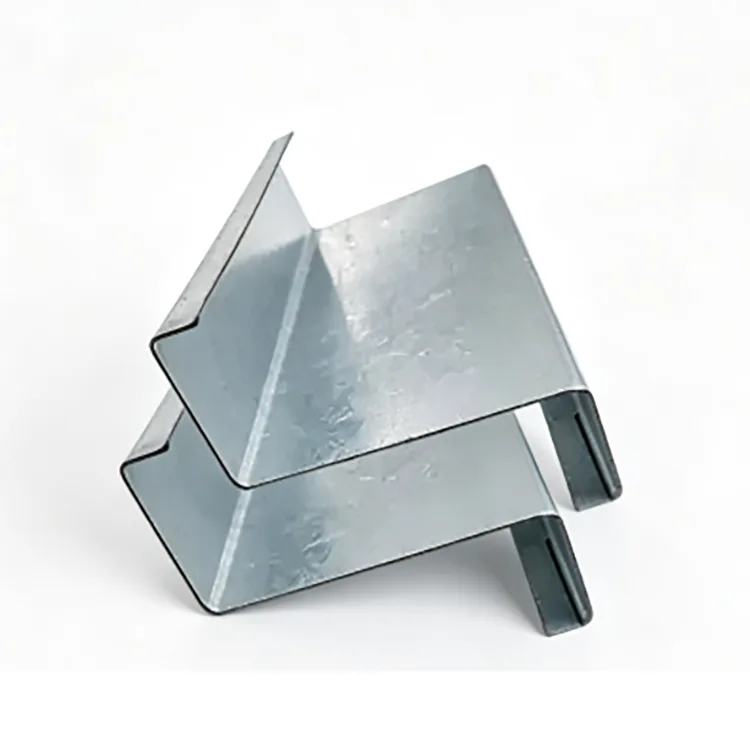
Galvanized C Purlin is a cold-formed steel section for outdoor and corrosive environments where uncoated C purlins require frequent maintenance. The profile is roll formed, cut and punched before overall hot-dip galvanizing, giving the finished section a zinc coating on its surfaces, corners and processed areas. Q235B and Q355B are available in C80–C300 sections with 0.8–3.0 mm wall thickness. Typical applications include photovoltaic projects, factory roofs, coastal structures, livestock buildings, chemical plants, wastewater facilities and outdoor equipment supports.

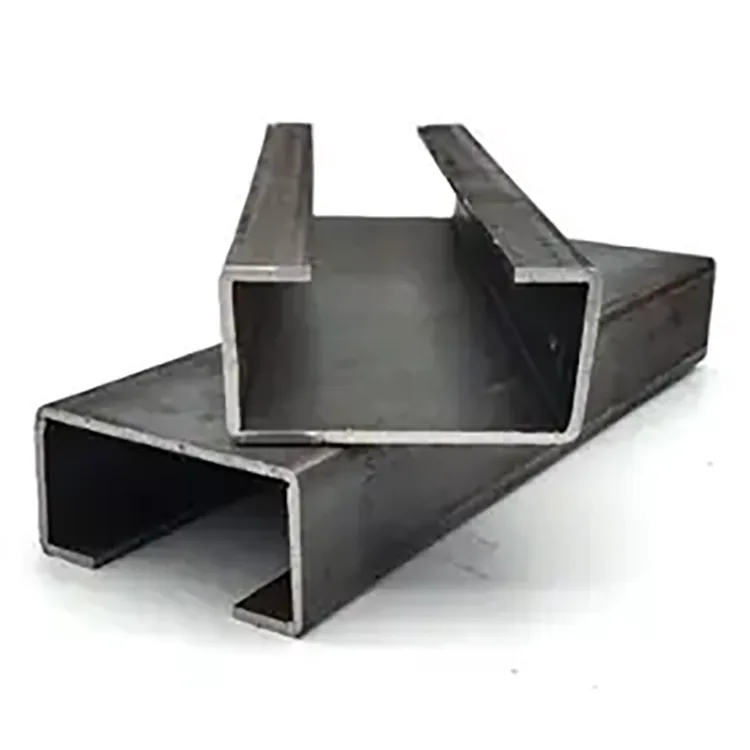
Galvanized C Purlin is produced from Q235B or Q355B steel strip by continuous cold roll forming. The C-shaped section is formed to the required dimensions, followed by fixed-length cutting, punching and straightening. The finished profile then undergoes pickling, fluxing, drying and hot-dip galvanizing.

The formed-then-galvanized process allows the completed C profile, including its main holes and cuts, to receive an overall zinc coating. This makes the section suitable for structures exposed to rain, humidity, salt spray and other corrosive conditions.

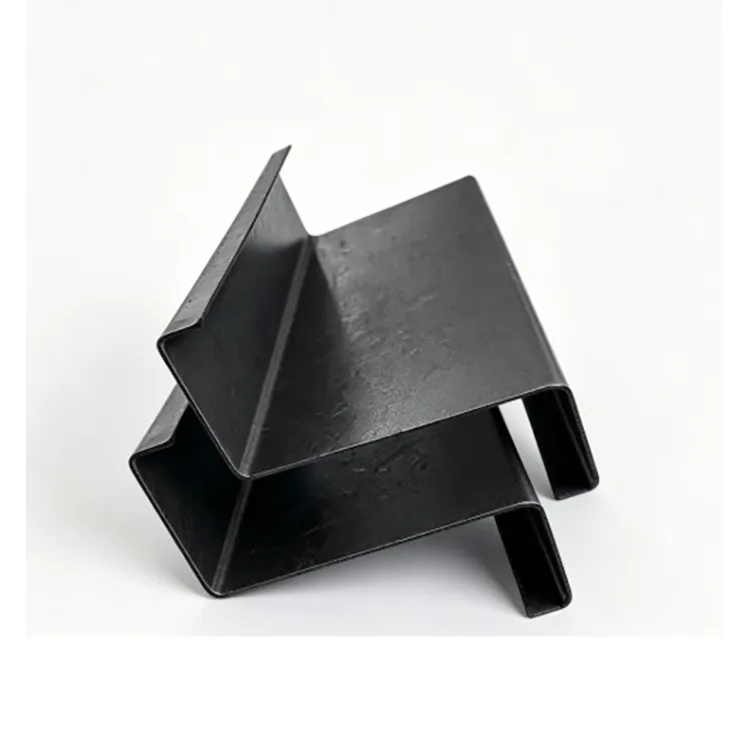
Compared with black cold-formed C purlins, the galvanized profile requires less routine corrosion maintenance and is better suited to long-term outdoor use. Zinc coating should be selected according to the actual environment.

Galvanized C PurlinGalvanized C PurlinGalvanized C Purlin


Technical Specifications

Item

Specification

Product

Galvanized C Purlin

Steel Grade

Q235B, Q355B

Section Size

C80–C300

Wall Thickness

0.8–3.0 mm

Galvanizing Method

Overall hot-dip galvanizing

Standard Zinc Thickness

≥85 μm

Heavy Zinc Thickness

200–275 μm

Standard Length

6 m, 9 m, 12 m

Custom Length

Available

Surface

Silver-gray galvanized finish

Processing

Punching, cutting, corner cutting, customized holes

Applications

PV systems, factories, livestock buildings, coastal structures, chemical and wastewater facilities


Hot-Dip Galvanizing Process

The steel strip enters the cold roll forming line, where multiple forming passes produce the C section. Fixed-length cutting, punching and corner processing are completed before galvanizing.

The formed sections are pickled, treated with flux and dried before entering a molten zinc bath at approximately 450°C. After galvanizing, they are cooled and passivated. Zinc coating thickness, coverage and appearance are checked before packing.

Forming and punching before galvanizing allows the completed profile and processed areas to receive zinc protection.


Zinc Coating Selection

For ordinary inland outdoor conditions without severe salt spray, aggressive chemical gas or continuous standing water, ≥85 μm is generally used. Typical applications include inland factory purlins, canopies, outdoor supports and mountain photovoltaic projects.

For humid factories, livestock buildings, riverside projects and other higher-moisture environments, 120–180 μm can provide additional corrosion protection.

For coastal areas, ports, marine structures, chemical parks, wastewater facilities and high-ammonia livestock buildings, 200–275 μm can be specified when stronger corrosion protection is required.

The coating requirement should be confirmed according to the site's corrosion conditions and expected service period.


Q235B or Q355B?

Q235B is commonly used for standard photovoltaic structures, factory purlins, light outdoor supports and general steel structures.

Q355B is suited to higher wind or snow loads, larger spans, heavier equipment loads and more demanding structural requirements. Its higher yield strength can allow section and steel consumption to be optimized after structural calculation.

Under comparable section conditions, the supplied project data indicate that Q355B can provide around 30% higher load capacity than Q235B. Actual capacity depends on section dimensions, thickness, span, connection conditions and loading.


C Purlin Size and Wall Thickness

C80–C120 is suitable for lightweight supports, pipe fixing, small canopies, greenhouse secondary purlins and light enclosure structures.

C140–C180 is commonly selected for factory roof and wall purlins, standard photovoltaic structures and general outdoor steel supports.

C200–C250 provides a larger section for larger spans, higher wind or snow loads and heavier structural requirements. C280–C300 can be used for larger-span roofs, heavy equipment bases and major outdoor structural applications where required.

Wall thickness from 0.8–1.2 mm is suitable for lightweight structures and limited-load applications. 1.5–2.0 mm is the mainstream range for factory purlins, PV structures and general outdoor load-bearing applications. For larger spans, heavy equipment supports, high snow loads and strong wind conditions, 2.5–3.0 mm can be selected according to structural calculations.

Section height and wall thickness should be considered together with purlin spacing, span, roof load, wind load, snow load and connection design.


Applications

Galvanized C Purlin is used where a cold-formed C section needs long-term corrosion protection.

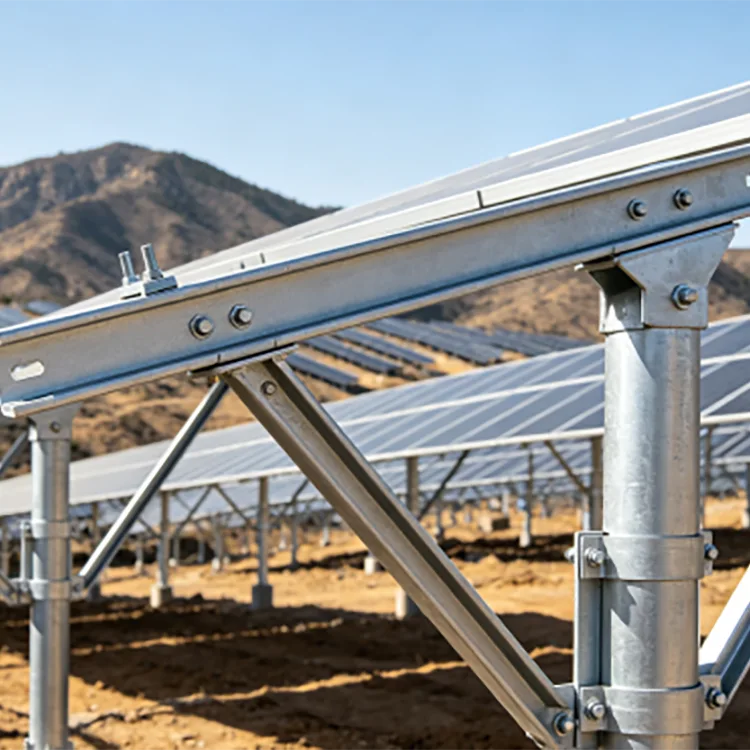
For photovoltaic projects, it can be used in roof-mounted and ground-mounted structures, PV support members and related steel framing. Inland projects can normally use standard galvanizing, while coastal projects require a higher corrosion-protection specification.

For factory buildings, the sections are suitable for exposed roof and wall systems, canopies and secondary structural members.

For livestock buildings and agricultural structures, the galvanized surface provides protection against persistent humidity and atmospheres containing ammonia. Applications include poultry houses, pig buildings and agricultural greenhouses.

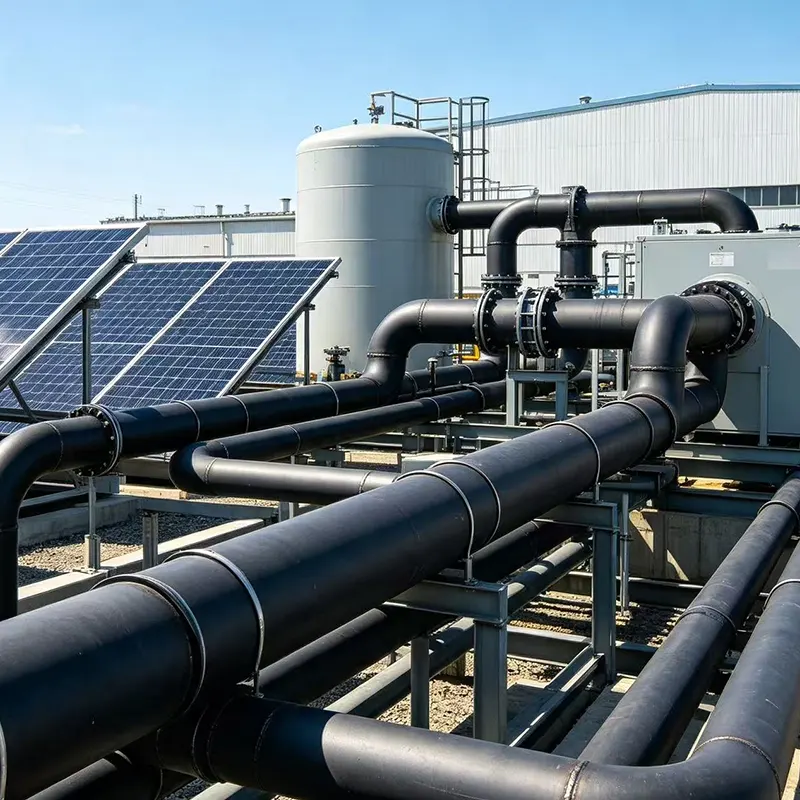
For chemical plants, wastewater facilities and humid industrial sites, thicker zinc coatings can be selected according to the corrosive environment.

The product is also used for outdoor equipment supports, signs, awnings, exterior framing and other exposed steel structures.

Galvanized C PurlinGalvanized C Purlin


Manufacturing and Quality Control

Quality control starts with the incoming steel strip. Steel grade, thickness and surface condition are checked before forming.

During cold roll forming, section height, flange dimensions, lip dimensions and straightness are controlled. Hole positions, cut lengths and section deformation are inspected before galvanizing.

After hot-dip galvanizing, the finished sections are checked for zinc coating thickness, coverage, surface uniformity and visible defects. Corners, punched holes and other processed areas receive particular attention.

For bulk engineering orders, material certificates, production inspection records, factory inspection and third-party inspection can be arranged according to project requirements.


Custom Processing

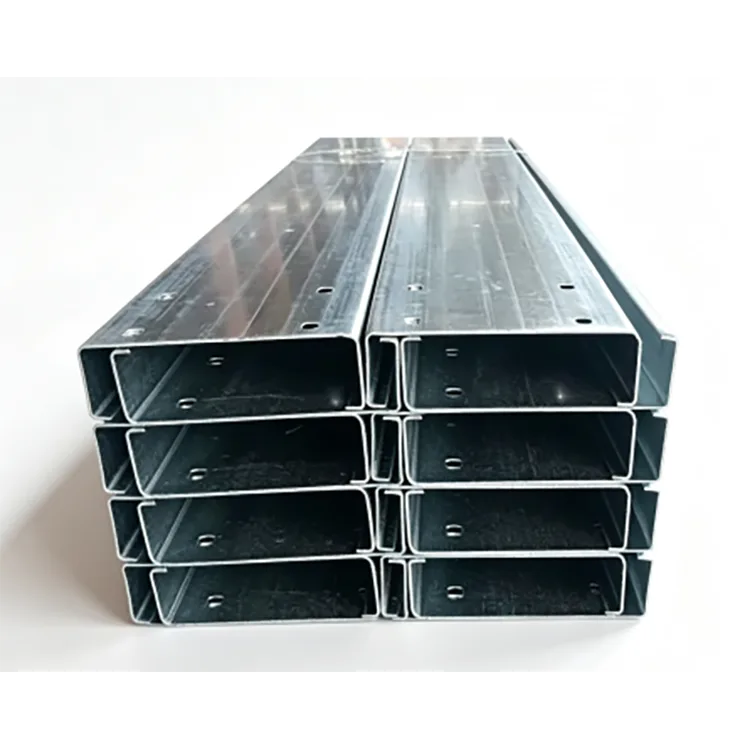
Galvanized C Purlins can be produced to project drawings, including fixed-length cutting, bolt holes, slots, corner cuts and other profile preparation.

For photovoltaic structures and large factory projects, pre-punched holes can be matched to connection drawings, reducing field drilling and maintaining consistent hole positions.

For quotation, provide the C section, wall thickness, steel grade, zinc coating, length, hole pattern, quantity and application environment. Coastal, chemical and wastewater projects should also specify the expected service period and exposure conditions.


Service Life and Maintenance

Under ordinary outdoor conditions, hot-dip galvanized C purlins can provide 20+ years of service depending on zinc thickness, atmospheric exposure and structural details.

For coastal and strongly corrosive environments, a properly specified heavy zinc coating can provide a longer maintenance interval than uncoated steel. The supplied project data indicate a 10–15 year maintenance-free period for some coastal or corrosive applications when the coating specification is appropriately selected.

Actual service life depends on zinc coating thickness, corrosion category, moisture, salt exposure, chemical contamination and drainage conditions.


Hot-Dip Galvanized C Purlin vs Painted C Purlin

Painted steel relies on the integrity of the paint film. UV exposure, moisture, mechanical damage and surface preparation affect its corrosion protection.

Hot-dip galvanizing provides barrier and sacrificial protection through the zinc coating, which is useful for C sections with multiple bends, edges and connection holes.

For projects designed for 15–25 years or longer, initial material cost and expected maintenance cost should be considered together.


Photovoltaic Project Selection

For inland PV projects with ordinary outdoor exposure, a common specification is Q235B + ≥85 μm zinc coating + 1.5–2.0 mm wall thickness.

For humid sites and livestock-related PV installations, 120–180 μm can be considered.

For coastal PV plants, ports and other high-corrosion locations, Q355B with 200 μm or higher zinc coating may be selected when required by the structural and corrosion design.

A PV system designed for a 25-year service period should consider structural loads, section size, coating, fasteners, drainage and installation details together.


FAQ

What is a galvanized C purlin used for?

It is mainly used for outdoor and humid steel structures, including PV systems, factory roofs, agricultural buildings, livestock houses, coastal structures, chemical plants and wastewater facilities.


Is 85 μm zinc coating suitable for outdoor use?

Yes, for many ordinary inland outdoor environments. Areas with salt spray, aggressive gases, high humidity or continuous moisture normally require a thicker coating.


Why is the C purlin galvanized after forming?

The C section is formed, cut and punched first, then hot-dip galvanized. This allows the finished profile and its processed areas to receive zinc protection after the main forming operations.


Can the galvanized C purlin be welded on site?

Yes, but welding damages the local zinc coating. The affected area should be cleaned and repaired with a suitable zinc-rich coating.


Which is better for PV projects, Q235B or Q355B?

Q235B is suitable for many standard PV structures. Q355B is more suitable for larger spans, higher wind or snow loads and heavier structural requirements. The final choice should be based on structural calculation.


Can you supply pre-punched C purlins?

Yes. Hole patterns, slots, fixed lengths and corner cuts can be produced according to project drawings, with the main processing completed before hot-dip galvanizing.


How long can galvanized C purlin last outdoors?

Service life depends on the environment and zinc coating. Ordinary outdoor applications can reach 20+ years, while coastal and highly corrosive projects require thicker galvanizing and project-specific corrosion assessment.


Can galvanized C purlin replace black C purlin?

For outdoor and humid applications, the galvanized section provides built-in corrosion protection. For dry indoor structures without corrosion exposure, uncoated cold-formed C purlin may be more economical.


Bulk Supply for Construction and PV Projects

Rongheng supplies Q235B and Q355B Galvanized C Purlins in C80–C300 sections, with wall thicknesses from 0.8–3.0 mm and zinc coating specifications from standard 85 μm+ to heavy 200–275 μm grades.

Production can be arranged according to project drawings, including fixed lengths, punched holes and other required processing. For large construction and photovoltaic orders, steel grade, section size, wall thickness, zinc coating and project environment can be specified before production.

For a quotation, provide the C section, wall thickness, steel grade, zinc coating, length, hole pattern, quantity and application environment.


Hot Tags: Galvanized C Purlin Manufacturer, C Channel Purlin Supplier, Galvanized Steel Purlins Wholesale
Send Inquiry
Contact Info
  • Address

    Secondary Arterial Road No. 2-1, Expansion Area of ​​Daqiuzhuang Industrial Zone, Jinghai District, Tianjin, China

Tell RongHeng your required steel product, size, grade, quantity, customization and delivery needs, and our export team can review your inquiry.
X
We use cookies to offer you a better browsing experience, analyze site traffic and personalize content. By using this site, you agree to our use of cookies. Privacy Policy
RejectAccept