Products
Galvanized Wire Rod
  • Galvanized Wire RodGalvanized Wire Rod
  • Galvanized Wire RodGalvanized Wire Rod
  • Galvanized Wire RodGalvanized Wire Rod

Galvanized Wire Rod

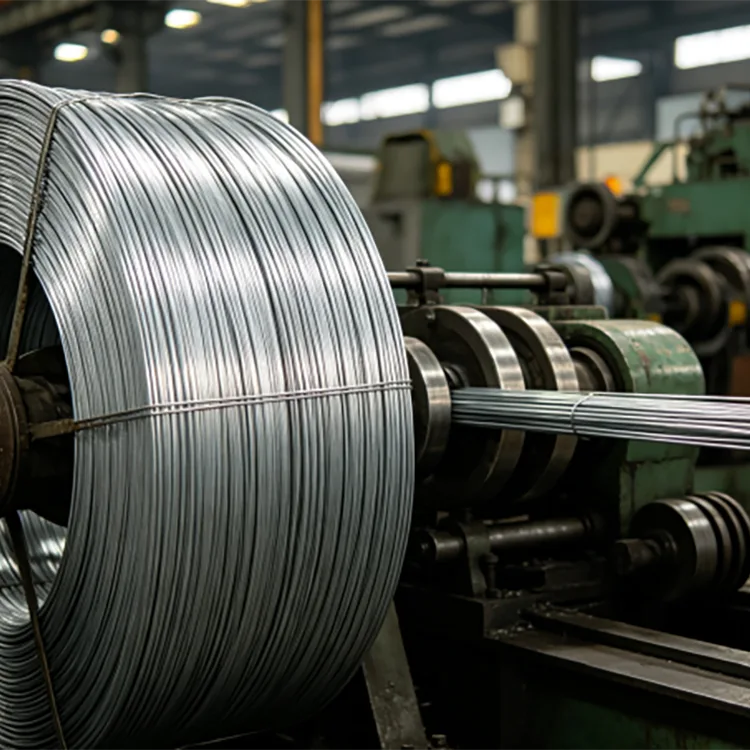
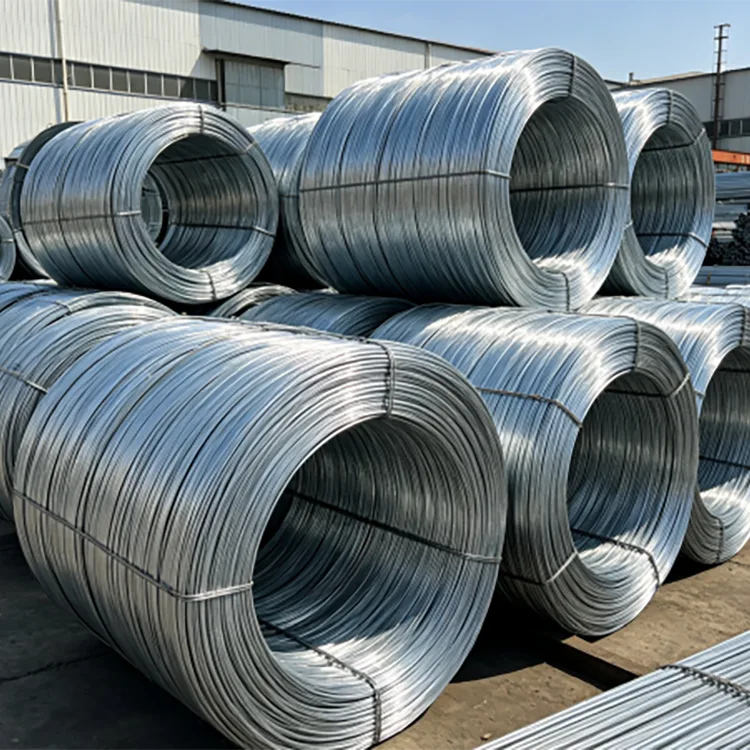
Galvanized Wire Rod is a low-carbon steel wire rod processed with an overall hot-dip zinc coating for outdoor use or further wire drawing. Q195 and Q235 grades are available in 5.5–16 mm diameters, with standard or heavy zinc coatings and 1.5–2.5 ton coils. It can be supplied for grounding, binding and fencing, or used as feedstock for galvanized steel wire production.

Galvanized Wire Rod is supplied as a galvanized low-carbon steel coil for direct outdoor use or further wire drawing. Common base materials are Q195 and Q235, with typical diameters from 5.5 to 16 mm.

The required specification depends mainly on the end use. Customers producing fine galvanized wire need suitable coating adhesion and surface condition for drawing, while direct-use applications such as grounding and fencing focus more on diameter, zinc coating and corrosion exposure.

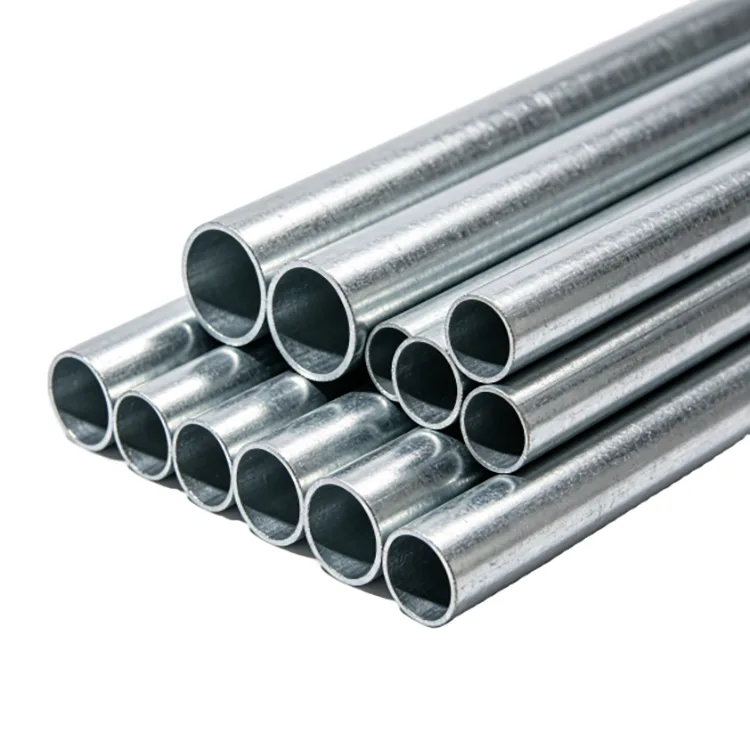
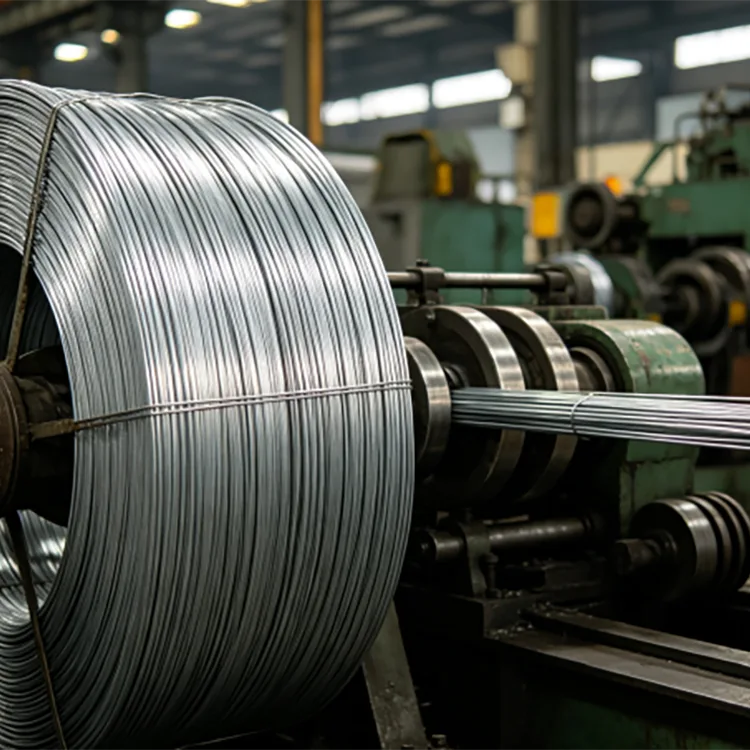
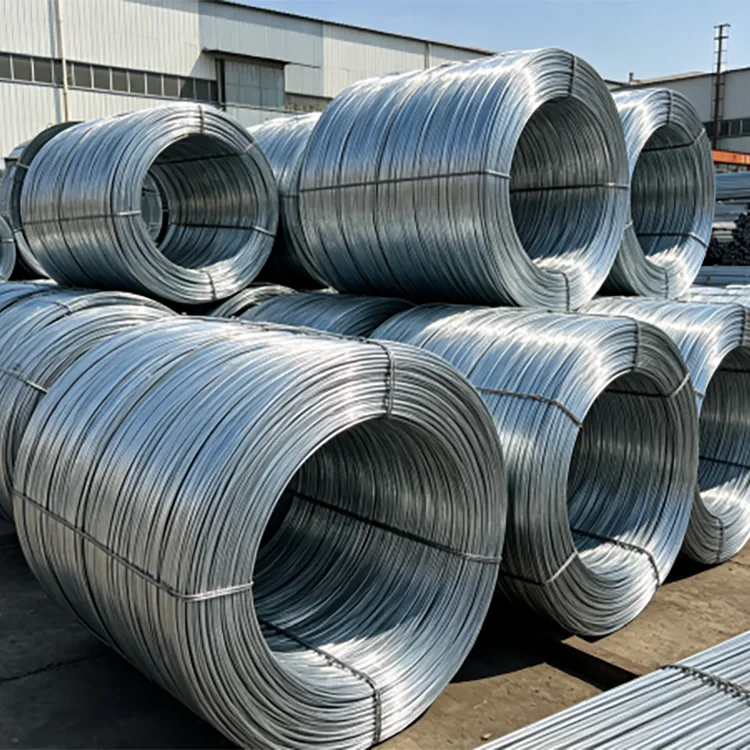
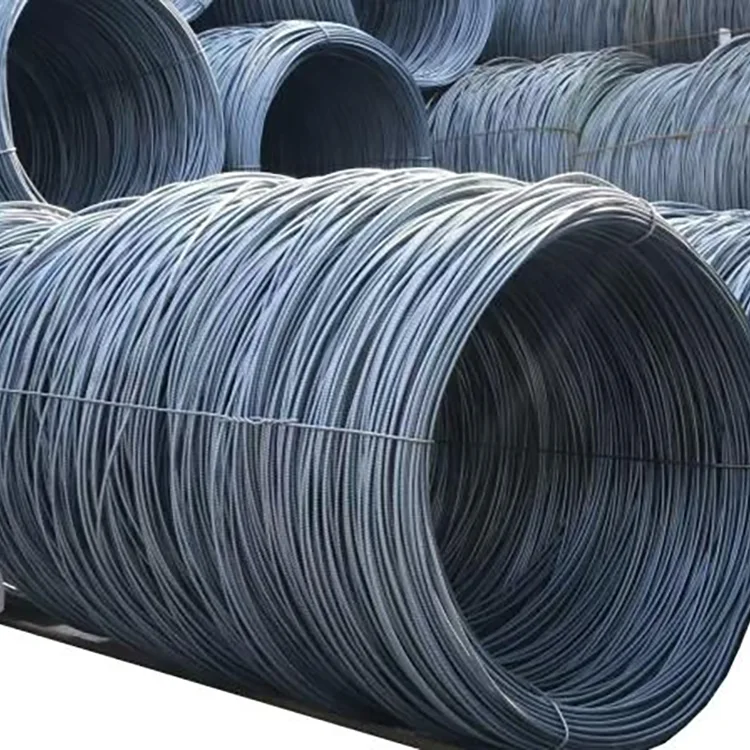
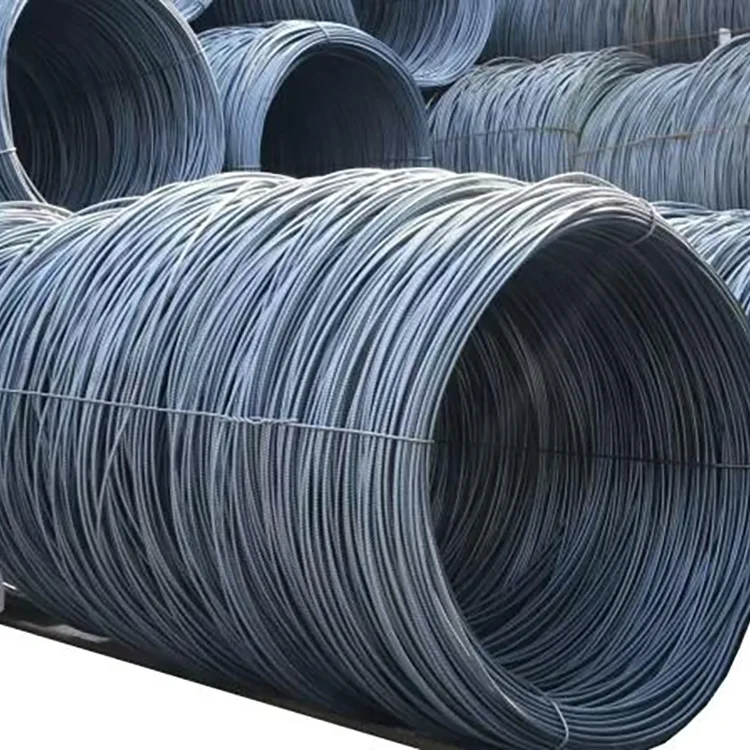
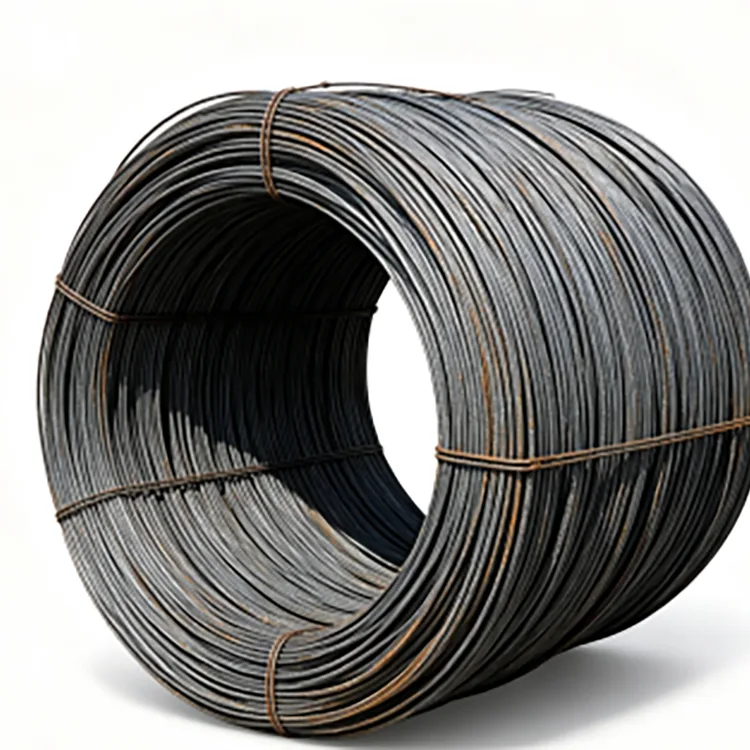
Galvanized wire rod coilHot-dip galvanized wire rodGalvanized wire rod surface

Applications

The material can be supplied for two main purposes:

Direct use: 8–16 mm sizes can be used for grounding, fencing, outdoor binding and selected reinforcement or fixing applications.

Further drawing: 5.5–6.5 mm sizes are commonly selected as feedstock for producing finer galvanized wire.

If the rod will enter a drawing line, the target finished wire diameter and drawing process should be stated before production so the coating and surface condition can be considered accordingly.

Key Specifications

Item Specification
Product Galvanized Wire Rod
Base Material Q195, Q235 low-carbon steel
Common Diameter 5.5–16 mm
Zinc Coating 60–120 g/m²
Heavy Zinc Option 120–240 g/m²
Coil Weight 1.5–2.5 tons
Coil Processing Splitting and rewinding available
Surface Silver-gray hot-dip galvanized finish
Packing Steel-strapped coils; moisture-resistant wrapping for export

Coating Selection

The available zinc coating range covers different exposure conditions:

60–120 g/m²: common outdoor applications.

120–160 g/m²: humid, rainy and some buried applications.

180–240 g/m²: stronger coastal salt exposure and other higher-corrosion conditions.

For direct outdoor use, coating selection should follow the actual environment. For drawing feedstock, coating adhesion and compatibility with the downstream drawing process also need to be considered.

Diameter Selection

Rod Diameter Typical Use Selection Note
5.5 mm Fine wire-drawing feedstock Common starting size for finer galvanized wire
6.0–6.5 mm Wire drawing / agricultural use Suitable for further drawing or selected tying applications
8.0 mm Grounding, PV and fencing Common direct-use size
10–12 mm Heavy grounding, reinforcement and fencing More suitable for direct outdoor engineering use
14–16 mm Large grounding conductors and heavy reinforcement Mainly selected for direct use

The final diameter should follow the customer's equipment, target finished wire diameter or engineering requirement.

Drawing Feedstock or Direct Use?

This should be confirmed before ordering because the two applications require different controls.

For wire drawing, 5.5–6.5 mm is commonly considered. The zinc layer must remain compatible with the drawing process, since the rod undergoes substantial deformation through the die.

For direct grounding and outdoor applications, 8–16 mm sizes can be selected according to the required cross-section, installation method and corrosion environment.

A clear inquiry should therefore specify the end use instead of simply requesting hot-dip galvanized rod.

Galvanized Wire Rod vs Galvanized Steel Wire

The main difference is their position in the production process.

Item Rod Galvanized Steel Wire
Production Stage Upstream material / semi-finished product Finished wire
Common Diameter 5.5–16 mm Fine wire, commonly below 6 mm
Main Process Steelmaking / rolling + galvanizing Wire drawing + galvanizing
Typical Use Drawing feedstock, grounding and heavy tying Mesh, fencing, binding and agriculture
Main Concern Rod quality, coating adhesion and drawing suitability Diameter, strength, coating and winding

In simple terms: wire rod → drawing → steel wire. The two materials should not be treated as interchangeable simply because both have a galvanized surface.

Production and Quality Control

The production route includes incoming material inspection, surface preparation, hot-dip galvanizing, coating control, cooling, surface inspection, coil handling, weighing and steel strapping.

For drawing applications, particular attention is given to surface condition and coating adhesion. Coil formation is also checked because irregular winding or loose turns can interfere with downstream feeding.

Quality checks cover:

Q195/Q235 grade, rod diameter and incoming surface condition.

Zinc coating quantity, coverage and adhesion.

Surface defects, exposed steel, severe zinc buildup and peeling.

Coil winding, bundle integrity and handling condition.

Material certificates and galvanizing inspection records can be supplied according to the order. Third-party inspection can also be arranged when required.

Storage and White Rust

Store galvanized coils in a dry, ventilated area away from standing water and direct rain.

White powder can develop when zinc-coated coils remain wet without sufficient ventilation during storage or transportation. Moisture-resistant export wrapping can help reduce this risk during long-distance shipment, but it does not replace proper storage conditions.

Export Supply

We can arrange specifications according to the intended application. For example:

Q235 / 5.5 mm / hot-dip galvanized / 120 g/m² / 2.0-ton coil / drawing feedstock.

Q235 / 8.0 mm / hot-dip galvanized / 180 g/m² / 2.0-ton coil / grounding application.

For a quotation, please provide the diameter, steel grade, zinc coating, coil weight, end use, quantity and packing requirement. If the material will be drawn further, also provide the target finished wire diameter and drawing process.

Why Choose Us?

Our Tianjin supply chain supports galvanized rod orders for both direct engineering use and downstream wire processing.

Daqiuzhuang steel resources: Local steel and galvanizing resources support raw-material coordination.

Different coating levels: 60–120 g/m² standard and heavier zinc options up to 240 g/m² can be arranged according to the application.

Drawing-oriented supply: Drawing requirements can be specified before production so coating adhesion and surface condition can be considered.

Coil adjustment: Standard 1.5–2.5 ton coils can be split according to handling or production requirements.

Inspection documents: Material certificates and galvanizing inspection records can be supplied, with third-party inspection support when required.

Export packing: Steel-strapped coils and moisture-resistant wrapping can be arranged for overseas shipment.

Procurement Checklist

Before ordering, confirm:

Diameter: 5.5–16 mm.

Steel grade: Q195 or Q235.

Zinc coating: 60–120 g/m² standard or higher for stronger exposure.

End use: direct engineering application or wire-drawing feedstock.

Coil weight: 1.5–2.5 tons or split coils.

Packing: domestic bundling or moisture-resistant export packing.

Inspection: material certificate and zinc-coating report where required.

Galvanized Wire Rod FAQ

Q1. Can galvanized rod be drawn again?

Yes, when the diameter, coating condition and surface quality are suitable for the downstream drawing process. The target finished wire diameter should be provided before production.

Q2. What zinc coating is suitable for coastal applications?

The available range reaches approximately 120–240 g/m². Strong salt exposure generally requires a higher coating specification, with the final value based on the actual environment and applicable requirements.

Q3. Can it be used directly for grounding?

Yes. Sizes such as 8–12 mm can be considered for grounding when the diameter, material and electrical design meet the project requirements. Buried or humid applications require appropriate corrosion protection.

Q4. What is the common coil weight?

The normal coil range is 1.5–2.5 tons. Splitting or smaller coils can be arranged for specific handling or production requirements.

Q5. What causes white rust?

White rust usually forms when galvanized coils remain wet without enough ventilation. Dry storage, ventilation and moisture-resistant export packing help reduce the risk.

Q6. What documents can be provided?

Material certificates, galvanizing inspection records and agreed quality documents can be supplied. Third-party inspection can also be arranged for project or export orders.

Hot Tags: Galvanized Wire Rod Supplier, Galvanized Steel Wire Rod Manufacturer
Send Inquiry
Contact Info
  • Address

    Secondary Arterial Road No. 2-1, Expansion Area of ​​Daqiuzhuang Industrial Zone, Jinghai District, Tianjin, China

Tell RongHeng your required steel product, size, grade, quantity, customization and delivery needs, and our export team can review your inquiry.
X
We use cookies to offer you a better browsing experience, analyze site traffic and personalize content. By using this site, you agree to our use of cookies. Privacy Policy
RejectAccept