Products
Hot-Rolled Wire Rod
  • Hot-Rolled Wire RodHot-Rolled Wire Rod
  • Hot-Rolled Wire RodHot-Rolled Wire Rod
  • Hot-Rolled Wire RodHot-Rolled Wire Rod

Hot-Rolled Wire Rod

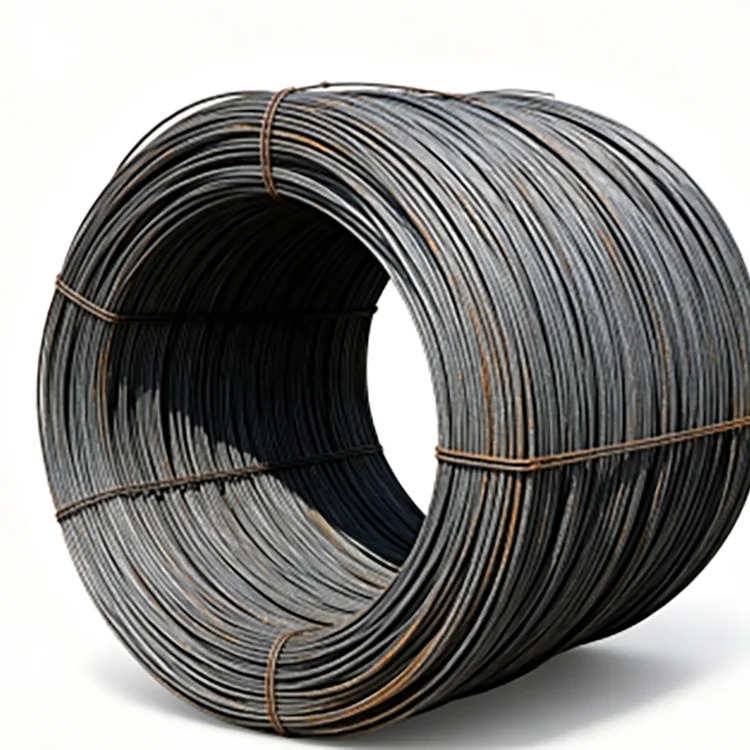
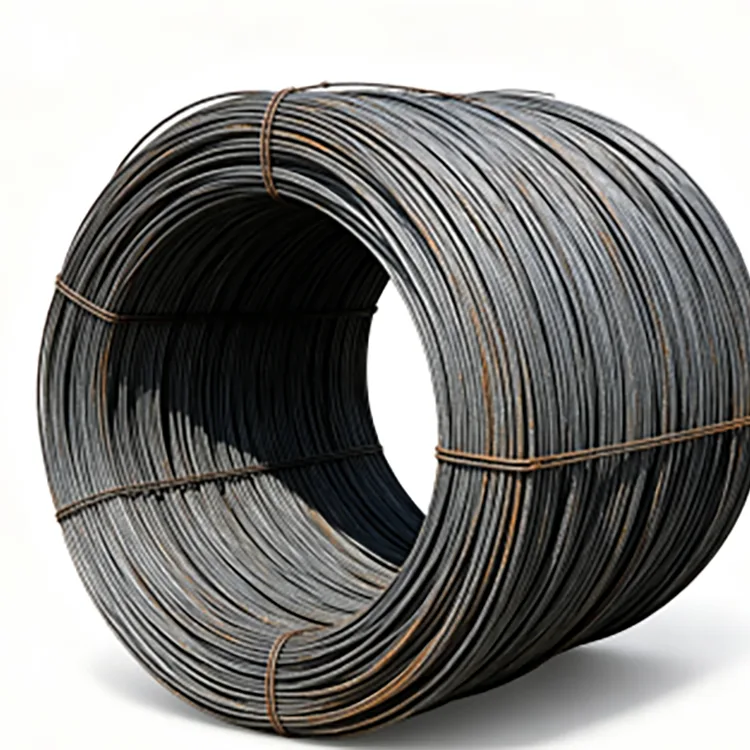
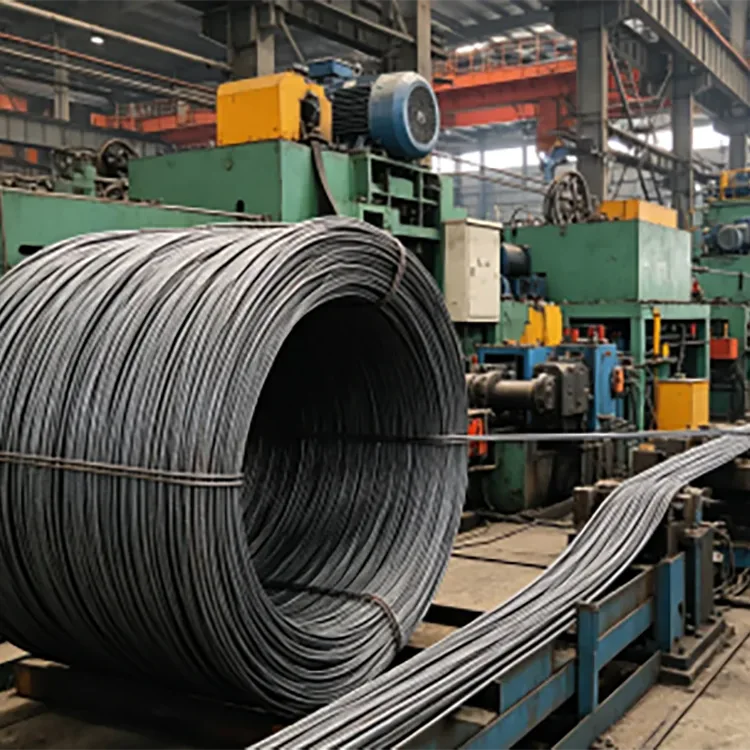
Hot-Rolled Wire Rod serves as feedstock for steel wire, nails, cold heading parts and wire mesh. Q195 and Q235 grades are supplied in 5.5–20 mm diameters and 1.8–2.5 ton coils. Controlled rolling and cooling support consistent conditions for drawing and further processing. The black, uncoated surface is intended for downstream processing rather than finished outdoor use.

Hot-Rolled Wire Rod is a continuously rolled steel product supplied in coils. Steel billets are reheated and rolled into a round section, followed by controlled cooling and coiling.

It is mainly used as raw material for further processing, including wire drawing, nail making, wire mesh, fencing and selected fastener applications. The required grade and diameter should therefore be selected according to the downstream process.

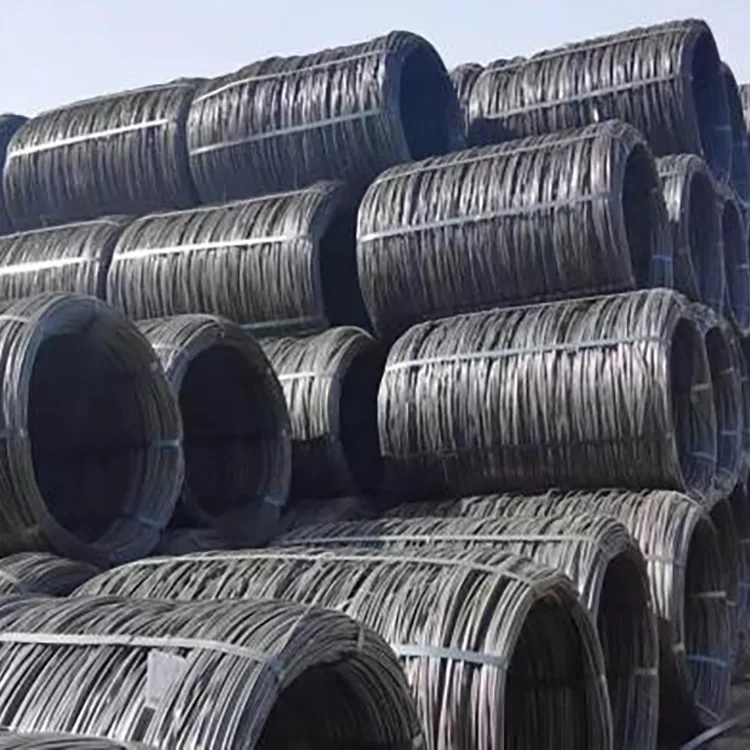
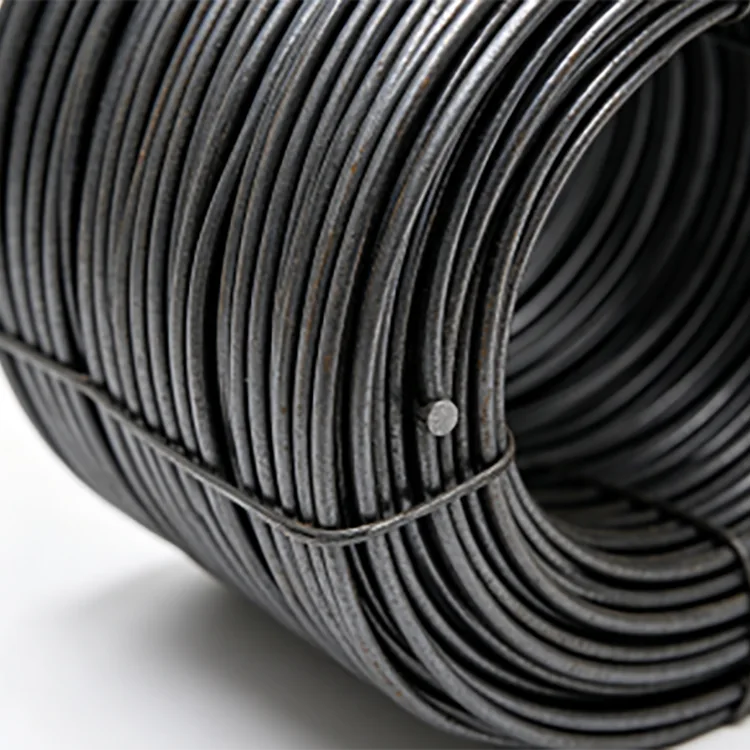
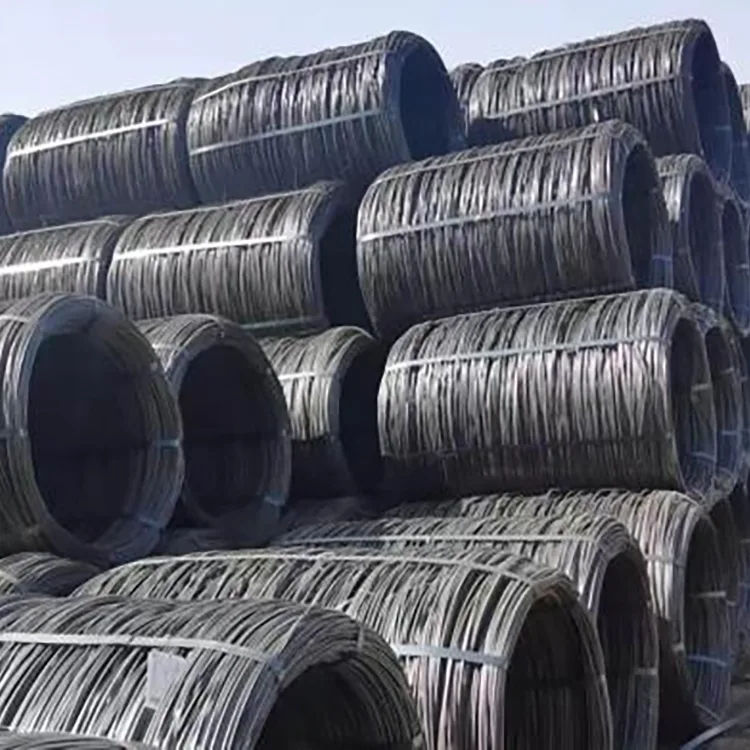
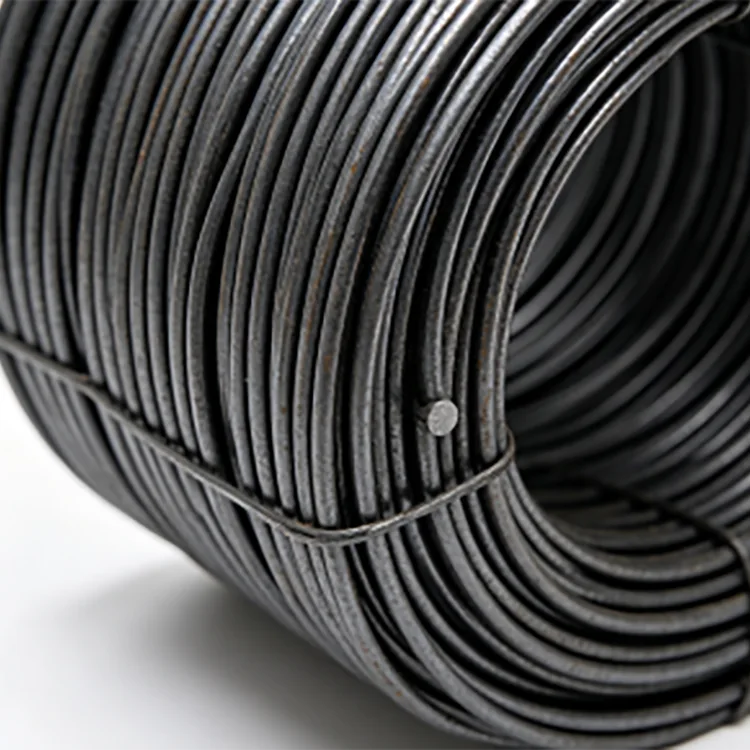
Hot-Rolled Wire Rod Hot-Rolled Wire Rod Coil Hot-Rolled Wire Rod Surface

Main Specifications

Item Specification
Product Hot-Rolled Wire Rod
Material Q195, Q235 low-carbon steel
Common Diameters 5.5 mm, 6.0 mm, 6.5 mm, 8 mm, 10–20 mm
Common Coil Weight 1.8–2.5 tons
Supply Form Coil
Surface Black hot-rolled mill scale
Coating None
Packing Steel-band strapped; export wrapping available
Processing Service Coil splitting and agreed handling
Material Documents Mill certificate available

For general hot-rolled wire rod, the applicable standard depends on the material grade and intended use. GB/T 701-2008 and GB/T 14981-2009 cover relevant general wire-rod requirements, while product-specific standards apply to particular uses such as cold heading.

Q195 or Q235

Q195 is commonly selected for applications requiring good plasticity and deformation performance, including wire drawing, binding wire and ordinary nail production.

Q235 provides a higher strength level and can be used for selected nails, simple fasteners and heavier wire products.

The correct grade depends on the finished product. For wire drawing, the target finished diameter and drawing process should also be provided when ordering the raw material.

Production Process

The basic production route is:

Steel billet → reheating → high-speed rolling → controlled cooling → coiling → inspection → bundling

The billet is progressively reduced during rolling until the required diameter is achieved. After the final rolling passes, controlled cooling is used before the wire rod is formed into coils.

Cooling conditions affect the resulting mechanical properties and downstream processing behavior, which is particularly important when the rod will be drawn into smaller-diameter wire.

Surface Condition

The dark surface of Hot-Rolled Wire Rod is normally mill scale formed during high-temperature rolling. It is not a protective coating.

Before wire drawing, the customer normally removes the scale through an appropriate surface-preparation process, such as pickling or mechanical descaling.

Because the product is supplied as untreated black steel, coils should be kept dry and protected from prolonged exposure to moisture.

Wire Drawing

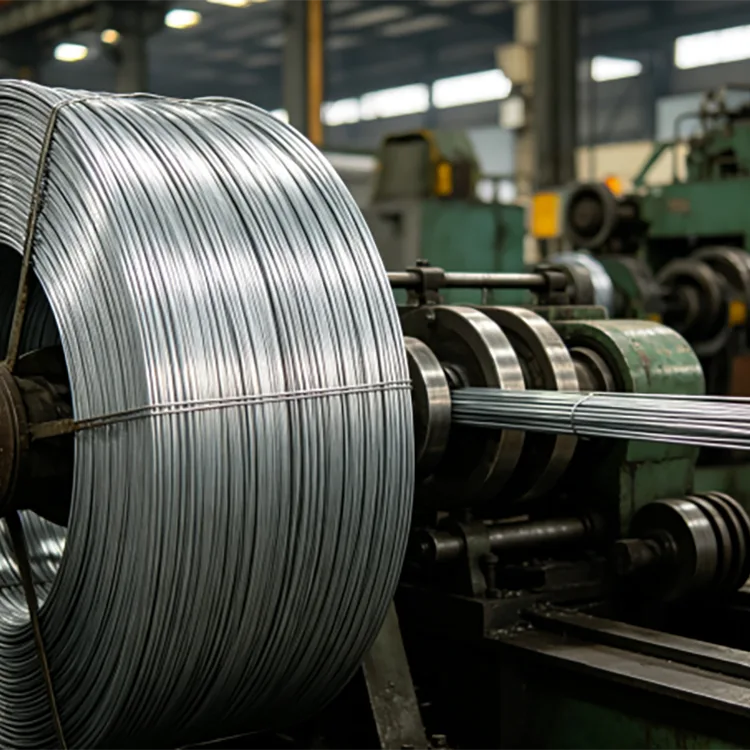
Wire drawing is one of the main uses of Hot-Rolled Wire Rod. The rod is descaled and prepared before being passed through drawing dies to progressively reduce its diameter.

A typical route is:

Wire rod → descaling → surface preparation → drawing → heat treatment where required → galvanizing where required → rewinding

For drawing applications, the starting diameter, target finished diameter and required mechanical condition should be confirmed before ordering. These factors determine the required drawing reduction and processing route.

Diameter Guide

Diameter Typical Downstream Use
5.5 mm Fine wire drawing, black wire and galvanized wire feedstock
6.0–6.5 mm Medium wire drawing, agricultural wire and general wire processing
8 mm Heavier wire, fencing and selected direct-use applications
10–12 mm Heavy wire products and selected fabricated applications
14–16 mm Heavy wire and specialized downstream processing
18–20 mm Heavy or specialized downstream processing

These are application references rather than fixed specifications. The final diameter should be selected according to the customer's equipment, drawing reduction and finished product.

Nail Production

Hot-Rolled Wire Rod is commonly used as feedstock for nail manufacturing. The selected rod should match the nail diameter, required mechanical properties and nail-making equipment.

Q195 or Q235 can be considered for ordinary nail production depending on the finished nail specification.

For high-volume production, consistent diameter and material properties are important because changes between coils can affect machine settings and production stability.

Cold Heading and Fasteners

General-purpose wire rod should not automatically be used for cold-heading applications. Bolts, rivets and other cold-formed parts require suitable chemical composition, internal quality and deformation characteristics.

GB/T 28906-2025 covers hot-rolled steel wire rod for cold heading and has been effective since October 1, 2025.

When the final product is a cold-headed fastener, the required product specification should be confirmed before quotation rather than ordering only by a general Q195 or Q235 designation.

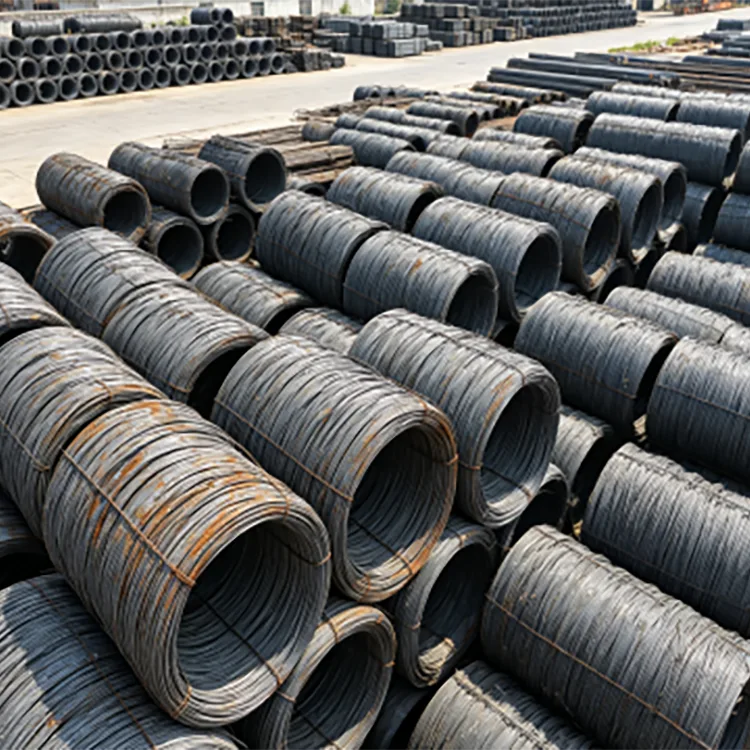
Hot-Rolled Wire Rod for Wire Processing Hot-Rolled Wire Rod Coil Supply

Wire Rod for Galvanized Wire

Hot-Rolled Wire Rod can be used as the starting material for galvanized steel wire. A typical route is wire drawing followed by galvanizing of the finished wire.

The required rod should therefore be selected according to the target galvanized wire diameter, tensile strength and drawing schedule.

For example, a customer producing fine galvanized wire may start with 5.5 mm or 6.0–6.5 mm rod and progressively reduce the diameter through drawing dies.

Wire Rod vs Steel Bar

The main difference is the supply form and intended processing.

Wire rod is supplied in coils and is designed primarily as feedstock for continuous processing such as wire drawing, nail making and mesh production.

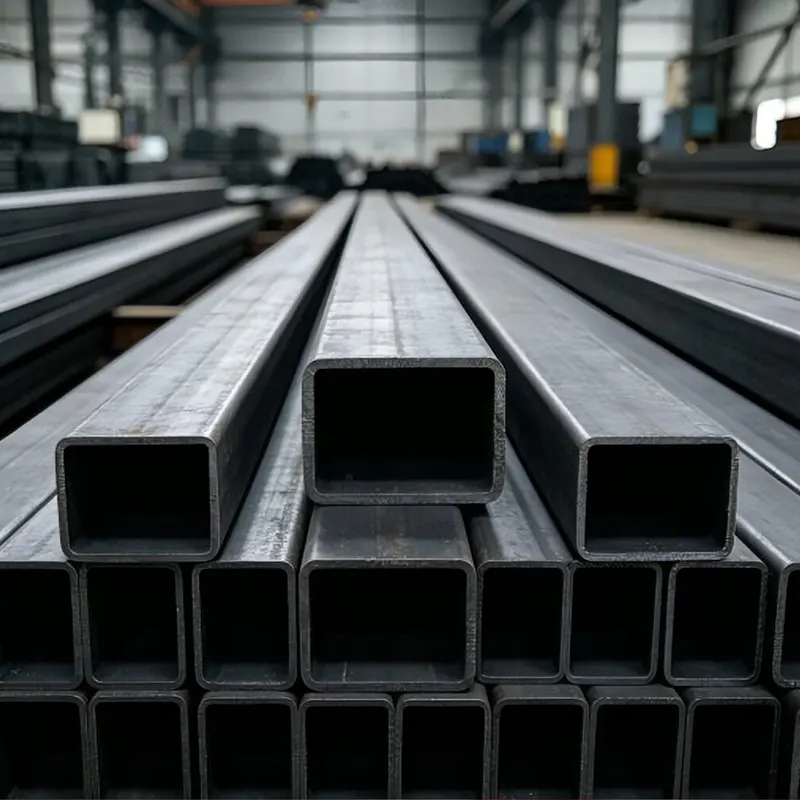
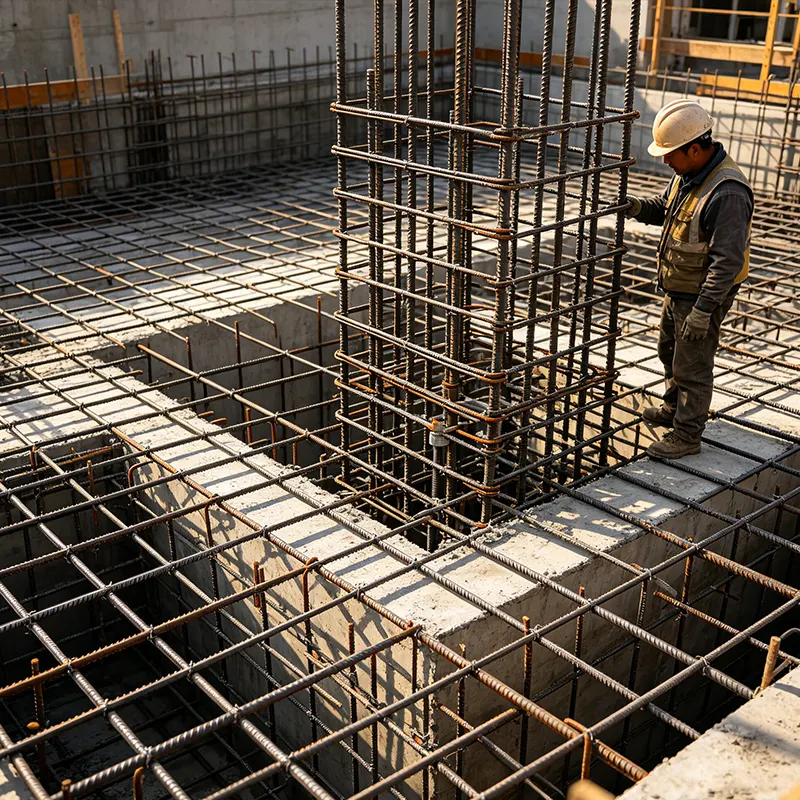
Steel bar is normally supplied in straight lengths for direct fabrication, machining or structural applications.

For automated wire-processing lines, the coil format allows continuous feeding and reduces the need for repeated material changes.

Coil Weight and Handling

Common coil weights are 1.8–2.5 tons. Coil splitting can be discussed when the original coil is not suitable for the customer's handling or production equipment.

Larger coils can reduce the number of coil changes on continuous production lines, while smaller coils may be easier to handle in smaller factories.

The required coil weight should therefore be confirmed together with the customer's unwinding, feeding and lifting equipment.

Quality Control

Inspection can cover:

  • Material grade: Q195 or Q235 as specified
  • Chemical composition: according to the agreed material specification
  • Diameter: dimensional consistency
  • Mechanical properties: according to the required grade and application
  • Surface: visible cracks and other defects affecting downstream processing
  • Coil condition: winding and packing condition
  • Documentation: mill certificate and agreed inspection records

For wire-drawing customers, trial drawing can also be used to evaluate how the rod performs with the customer's actual dies and processing conditions.

Storage and Export Packing

Black Hot-Rolled Wire Rod should be stored in a dry area and kept off the ground. Prolonged moisture between the tightly wound turns can accelerate corrosion.

Standard packing uses steel-band strapping, with additional export wrapping available for overseas shipments.

For long-distance sea transportation, moisture protection should be considered together with the customer's unloading and storage conditions.

Supply and Processing

Our supply network in Tianjin Daqiuzhuang supports Hot-Rolled Wire Rod supply together with coil handling, inspection and export logistics.

  • Grades: Q195 and Q235
  • Common diameters: 5.5–20 mm
  • Coil weight: 1.8–2.5 tons
  • Processing: coil splitting and agreed handling
  • Documents: mill certificates and agreed inspection records
  • Packing: steel-band strapped with export wrapping available

For wire-drawing orders, the target finished wire diameter and downstream process can be provided before quotation so that the raw-material specification can be confirmed accordingly.

FAQ

Q1. What is Hot-Rolled Wire Rod used for?

It is mainly used as feedstock for wire drawing, nail making, wire mesh, fencing and selected fastener applications.

Q2. What are the common grades?

Q195 and Q235 low-carbon steel are the common grades supplied for the applications listed on this page.

Q3. What is the common diameter of wire rod?

Common sizes include 5.5 mm, 6.0 mm, 6.5 mm, 8 mm and 10–20 mm.

Q4. Can 5.5 mm wire rod be used for fine wire drawing?

Yes. 5.5 mm is a common starting diameter for wire drawing. The target finished diameter and drawing schedule should be confirmed before material selection.

Q5. Can Q195 or Q235 wire rod be used for nails?

Yes. Both grades can be considered for ordinary nail production, depending on the nail dimensions, required properties and production equipment.

Q6. Can general Q195 or Q235 wire rod be used for bolts?

Not automatically. Cold-heading fasteners require material with suitable deformation characteristics and applicable specifications. The finished fastener and required standard should be confirmed before ordering.

Q7. Is the black surface rust?

The dark surface is normally mill scale produced during hot rolling. It is not a corrosion-protection coating, and the untreated steel can still rust when exposed to moisture.

Q8. Can the wire rod be supplied in smaller coils?

Common coils are approximately 1.8–2.5 tons. Coil splitting can be discussed when smaller coils are required for handling or production.

Q9. Can Hot-Rolled Wire Rod be used to make galvanized wire?

Yes. It can be drawn into steel wire and then galvanized according to the finished wire specification and production route.

Q10. What documents can be provided?

Mill certificates and agreed inspection records can be provided according to the order requirements.

Q11. How should wire rod be stored?

Store the coils in a dry, covered and ventilated area, raised from the ground and protected from prolonged moisture.

Q12. What information is needed for a quotation?

Provide the grade, diameter, coil weight, quantity, end application and packing requirements. If the rod will be drawn, also provide the target finished wire diameter and processing route.

Hot Tags: Hot-Rolled Wire Rod Manufacturer, Carbon Steel Wire Rod Supplier, Wire Rod Factory
Send Inquiry
Contact Info
  • Address

    Secondary Arterial Road No. 2-1, Expansion Area of ​​Daqiuzhuang Industrial Zone, Jinghai District, Tianjin, China

Tell RongHeng your required steel product, size, grade, quantity, customization and delivery needs, and our export team can review your inquiry.
X
We use cookies to offer you a better browsing experience, analyze site traffic and personalize content. By using this site, you agree to our use of cookies. Privacy Policy
RejectAccept