Products
Hot-Rolled I-Beam
  • Hot-Rolled I-BeamHot-Rolled I-Beam
  • Hot-Rolled I-BeamHot-Rolled I-Beam
  • Hot-Rolled I-BeamHot-Rolled I-Beam

Hot-Rolled I-Beam

Hot-Rolled I-Beam is available in Q235B and Q355B, with sizes from 10# to 63# and standard lengths of 6 m, 9 m and 12 m. It is used for factory beams, equipment bases, platforms and pipe racks, with cutting and drilling available.

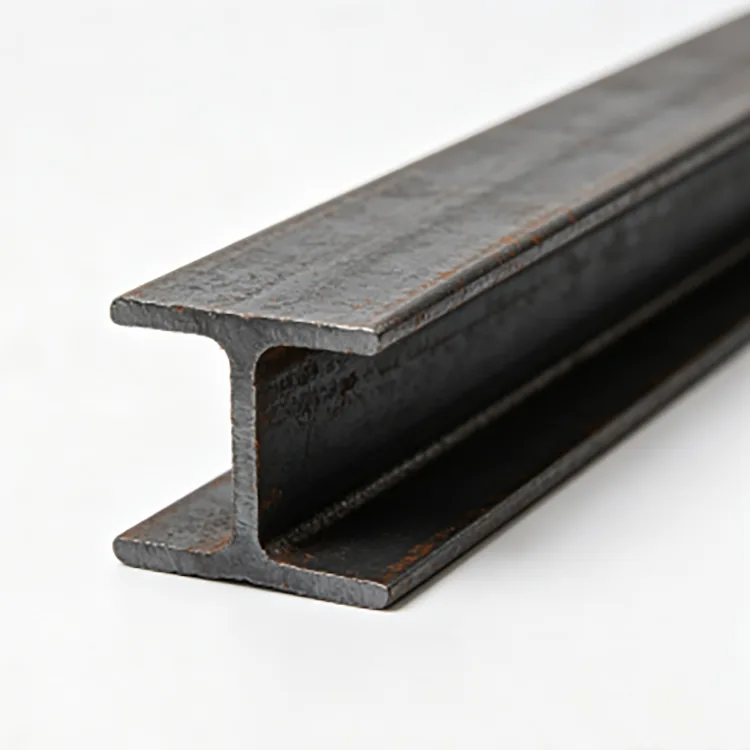
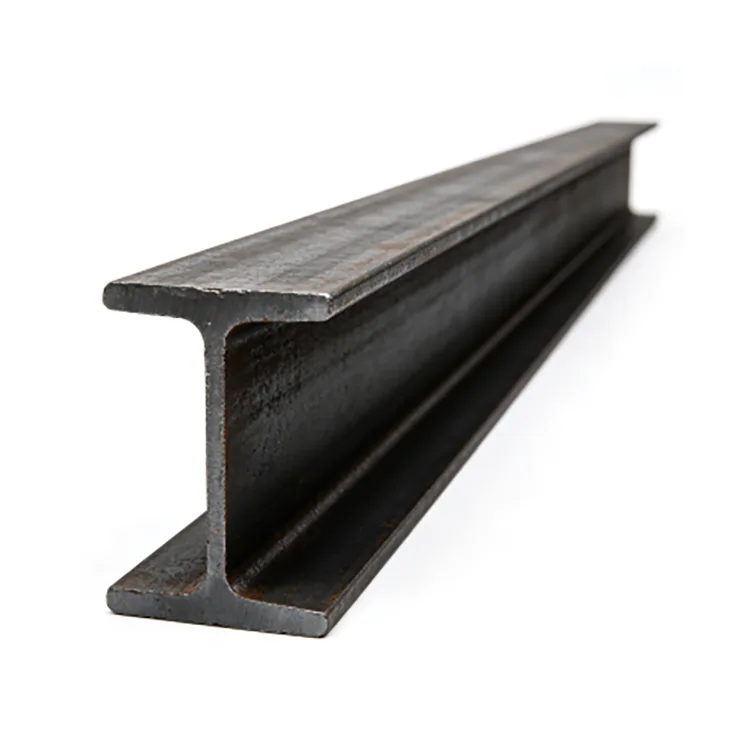
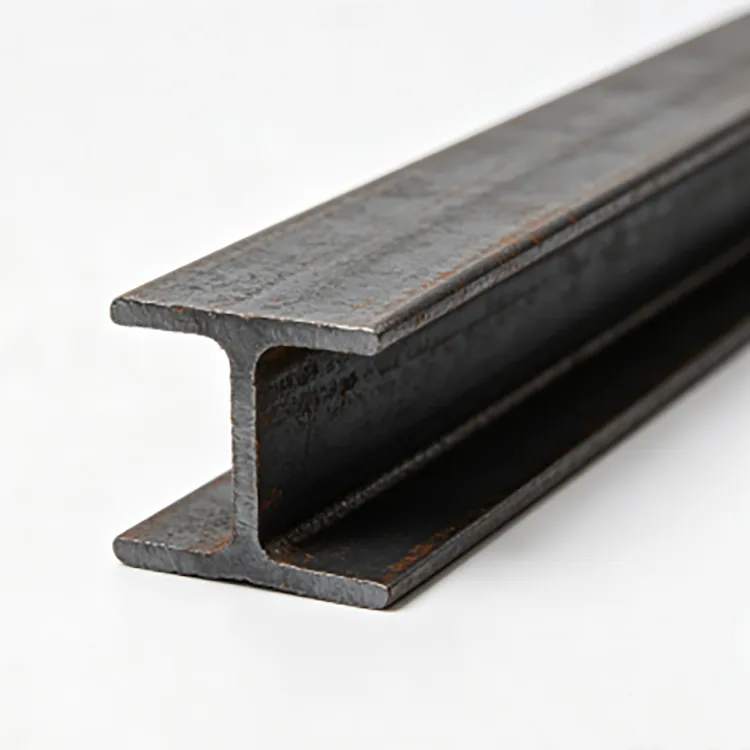
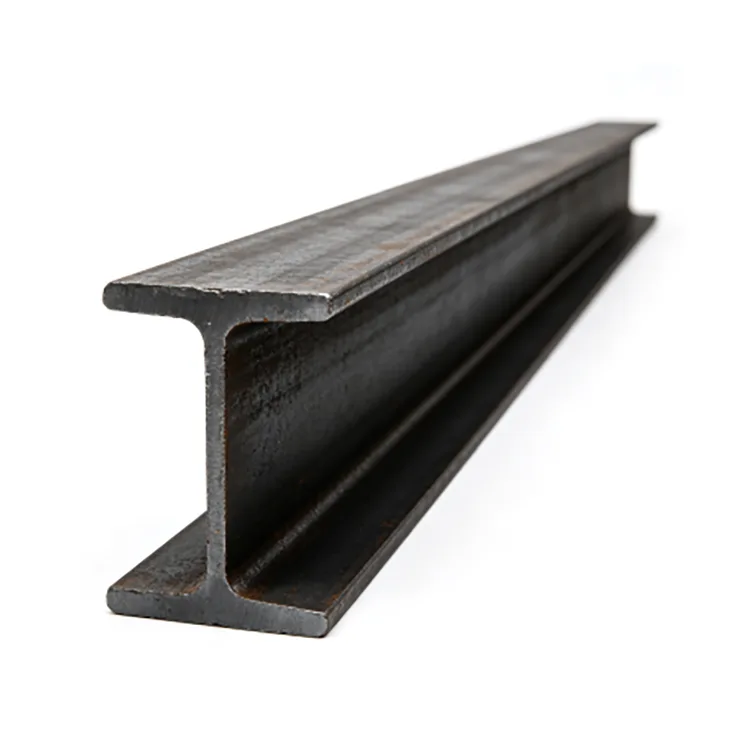
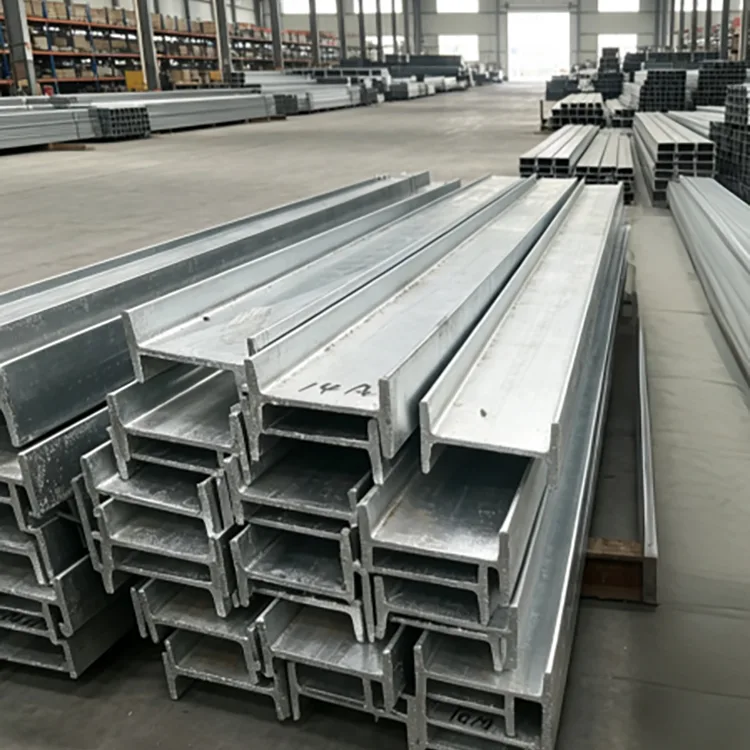
Hot-Rolled I-Beam is a hot-rolled structural steel section with two flanges connected by a central web. The section is formed directly through rolling at high temperature rather than welding separate steel plates together.

The I-shaped geometry provides bending resistance through the flanges while the web connects the section and carries shear forces. It is commonly supplied for factory structures, platforms, equipment bases, pipe racks and other structural steelwork.

Rongheng supplies Q235B and Q355B Hot-Rolled I-Beam in common sizes from 10# to 63#, with standard lengths of 6 m, 9 m and 12 m. Fixed-length cutting and other processing can be arranged according to project requirements.

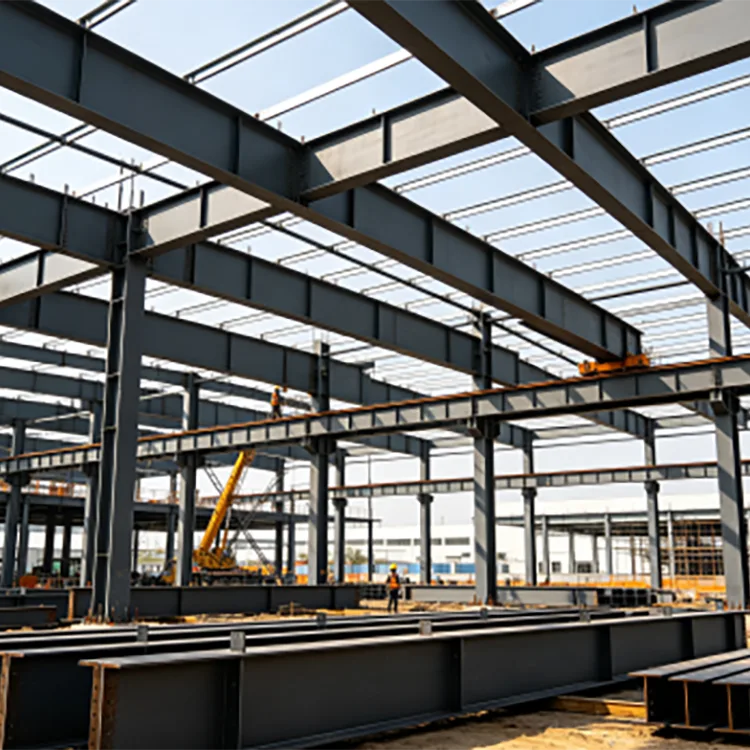
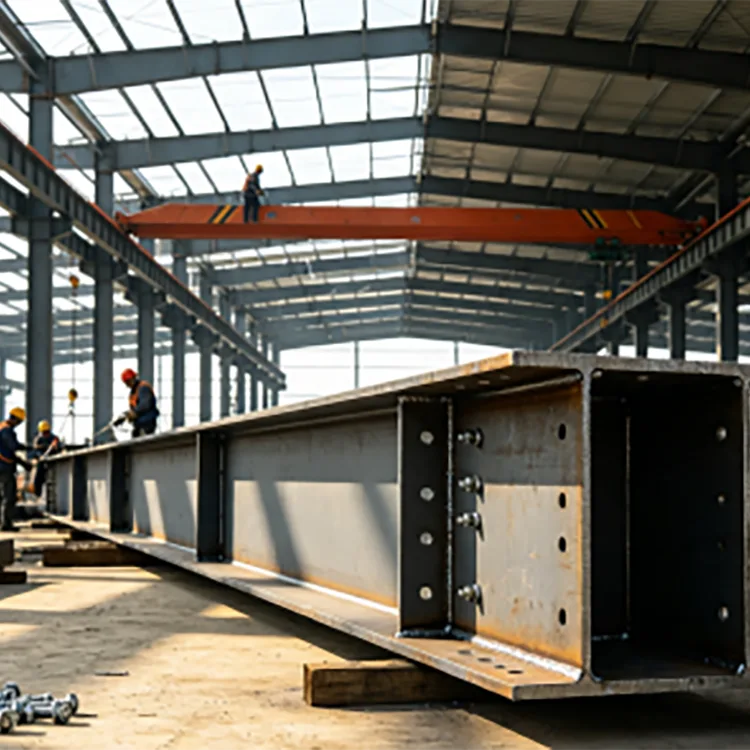
Hot-Rolled I Beam Hot-Rolled I Beam steel section Hot-Rolled I Beam for structural steelwork

Specifications

Item Specification
Product Hot-Rolled I-Beam
Steel grade Q235B, Q355B
Size range 10#–63#
Common types a / b series
Standard length 6 m / 9 m / 12 m
Fixed-length cutting Available
Surface Black hot-rolled
Processing Cutting, drilling, beveling, straightening, deburring
Base steel standard GB/T 706-2016
Other standards ASTM / EN requirements can be discussed
Supply form Stock or production according to requirement

Commonly requested sections include 12.6#, 14#, 16#, 18#, 20a#, 25a# and 32a#. Exact section dimensions, flange width, web thickness and theoretical weight depend on the selected section designation.

How to Select the I Beam Size

The correct I Beam size depends on the structural requirement rather than price or availability alone. Span, applied load, support condition, spacing, connection method and allowable deflection should be considered before the section is selected.

A longer span, concentrated equipment load or greater distance between supports may require a larger section. Structural design may also need to consider lateral stability and serviceability in addition to bending and shear.

When the structural drawing already specifies the beam number, the order should follow the specified section rather than allowing substitution based only on similar dimensions or available stock.

I Beam or H Beam?

I beams and H beams have different cross-sectional geometry and section properties. Traditional I beams generally have narrower flanges and inclined inner flange surfaces, while H beams generally have wider flanges.

I beams are commonly used as bending members, while H beams are frequently selected for columns and heavier structural frames. This is only a general distinction; the actual section should be determined by the structural design.

An I beam should not be replaced with an H beam simply because the two sections appear similar or one is more readily available.

Q235B or Q355B?

Q235B is commonly used for factory beams, platforms, equipment supports and general structural fabrication where the selected section meets the required load conditions.

Q355B provides higher material strength and can be specified for heavier structural applications where the design requires it.

A higher steel grade does not automatically make a smaller section suitable. If the grade is changed to reduce steel weight, the structural design should be checked again for strength, deflection and stability.

Manufacturing Process

The beam is formed directly through a series of hot-rolling operations:

Steel billet → heating → rough rolling → intermediate rolling → finishing rolling → sizing → straightening → cutting → inspection → bundling

Successive rolling passes establish the web and flanges and bring the section to the required dimensions. After rolling, the beam is checked for dimensions, straightness and surface condition.

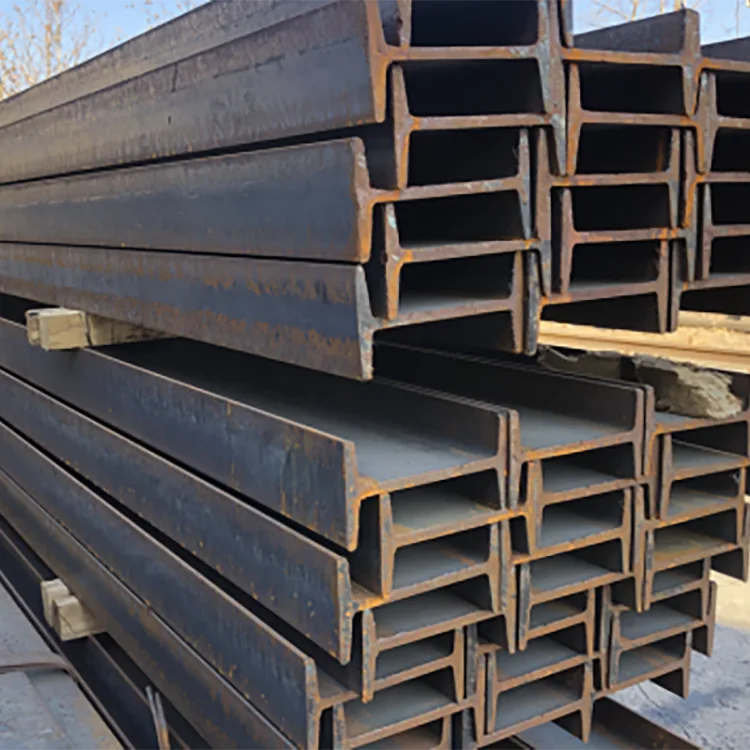
The dark mill scale normally found on black hot-rolled steel is a production surface formed during rolling and should not be confused with atmospheric rust.

Why Use a Rolled I Beam?

The basic web-and-flange geometry is produced during rolling, so the customer receives a finished structural section rather than separate plates that need to be fabricated into an I-shaped member.

This simplifies subsequent cutting and fabrication and avoids a longitudinal weld being used to create the basic beam section. Consistent rolled sections also make material schedules and fabrication drawings easier to coordinate on batch projects.

Applications

Hot-Rolled I-Beam is mainly used where the I-section provides a suitable structural bending member.

  • Factory buildings and workshops
  • Roof and platform structures
  • Equipment bases and machinery supports
  • Pipe racks and industrial support frames
  • Warehouse structures
  • Conveyor and material-handling structures
  • Municipal and infrastructure steelwork
  • Outdoor structural frames

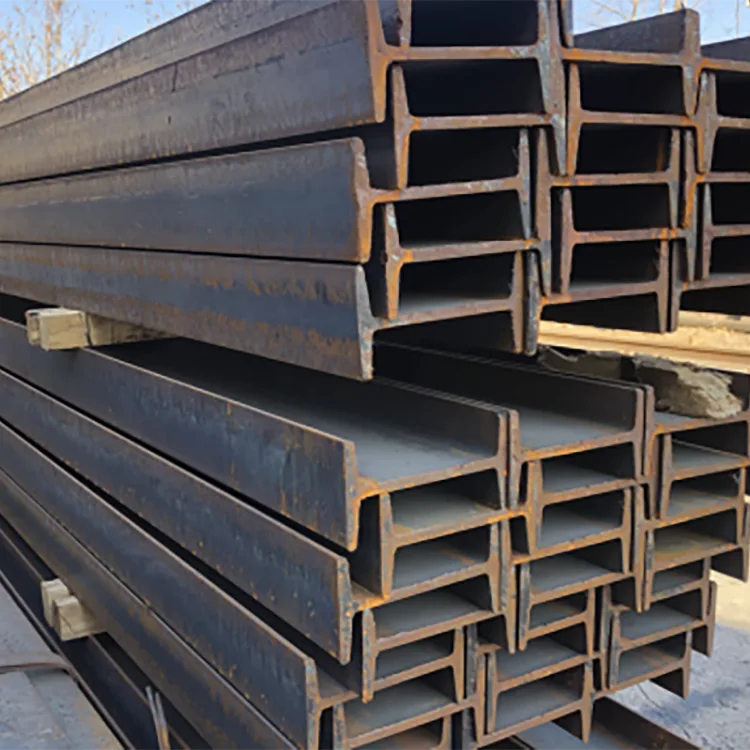
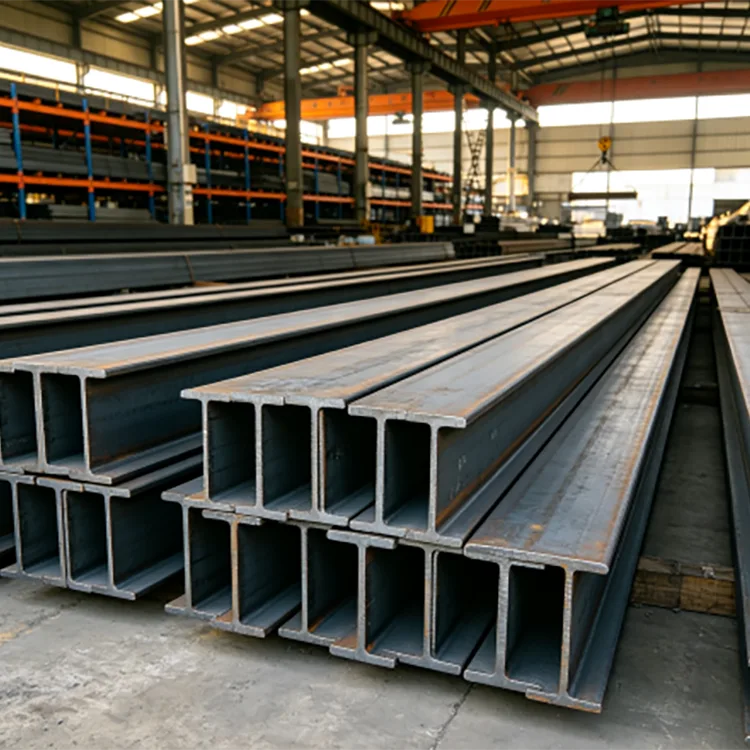
Hot-Rolled I Beam application I Beam structural steel application Hot-Rolled I Beam support structure

Equipment Bases

For machinery applications, beam selection should consider more than the total equipment weight. Support span, mounting points, load distribution, vibration and repeated loading can all affect the required section.

For supplied machinery projects, 14#–20# I beams have been used for equipment bases and support fabrication.

Factory Structures

For factory construction, 16#–25# Q235B I beams have been supplied for roof-related beams, platform members and support structures.

Consistent section dimensions are important for batch fabrication because the beams need to align with connection plates and adjacent structural members during installation.

Surface and Corrosion Protection

Hot-Rolled I-Beam is supplied as black hot-rolled steel without a corrosion-protection coating.

For dry indoor applications, the black surface may be used when the project does not require additional corrosion protection. For exposed outdoor steelwork, painting, hot-dip galvanizing or another suitable coating system can be specified according to the service environment.

Where galvanizing is required, cutting, drilling and other fabrication should preferably be completed before the galvanizing process. This reduces the amount of exposed steel that would otherwise require repair after processing.

Fabrication and Processing

Rongheng can arrange processing according to the project drawing, including:

  • Fixed-length cutting
  • Drilling
  • Beveling
  • Straightening
  • Deburring
  • Other agreed drawing-based processing

For large orders, customers can provide a cutting list and fabrication drawings before production. This allows the beam lengths and processing requirements to be coordinated with the installation dimensions.

Quality Inspection

Inspection focuses on the material grade, section designation and finished dimensions.

  • Steel grade: Confirm Q235B, Q355B or the specified grade.
  • Section: Check the beam number against the purchase order and drawing.
  • Dimensions: Verify beam height, flange width, web thickness and applicable tolerances.
  • Length: Check standard or fixed-length requirements.
  • Straightness: Confirm the beam is suitable for fabrication and installation.
  • Surface: Check for serious cracks, laminations and other relevant defects.

Material certificates and agreed inspection records can be supplied according to project requirements. Third-party inspection can also be arranged when specified in the contract.

Weight and Settlement

Steel orders may be settled by actual weight or theoretical weight according to the purchase contract.

Actual weight is based on the measured mass of the delivered material. Theoretical weight is calculated from the published unit weight of the selected section and its supplied length.

For example, a beam with a theoretical unit weight of 20 kg/m and a length of 12 m has a theoretical weight of 240 kg.

For bulk orders, the settlement method should be confirmed before production and shipment.

Project Applications

Factory Roof and Platform Structures

A North China factory project used 16#–25# Q235B Hot-Rolled I-Beam for roof-related beams, platforms and support structures. The material was supplied in batches with section and dimensional checks completed before fabrication.

Equipment Bases

A machinery manufacturer used 14#–20# I beams for equipment bases and support structures. The beams were cut and fabricated according to the required support dimensions before surface treatment.

Industrial Plant Structures

For a Southeast Asian infrastructure project, Q355B I beams were supplied for plant framing and pipe-support structures. The order included sorting, bundle reinforcement and export documentation for container shipment.

Supply from Tianjin Daqiuzhuang

Rongheng's supply chain is based in Tianjin Daqiuzhuang, with access to hot-rolled section steel, warehousing, processing and export logistics.

Common I Beam sections from 10# to 63# can be arranged according to stock and project demand. Q235B and Q355B are available for different structural requirements, while fixed-length cutting and agreed processing can be coordinated before shipment.

For overseas orders, material sorting, bundling, container loading and export documentation can also be coordinated according to the shipment requirements.

Q1. What is Hot-Rolled I-Beam used for?

It is commonly used for factory beams, roof and platform structures, equipment bases, pipe racks, warehouse structures and other structural steelwork.

Q2. Is I beam the same as H beam?

No. Their flange geometry and section properties are different. An I beam should not be replaced with an H beam without checking the structural requirements.

Q3. Which is better, I beam or H beam?

Neither is universally better. The appropriate section depends on span, loading, section properties, support conditions and structural design.

Q4. What steel grades are available?

Q235B and Q355B are the main grades supplied. Other grades can be discussed when required by the project.

Q5. What sizes are available?

The common size range is 10#–63#, including a / b series sections. Exact dimensions and theoretical unit weight depend on the selected section designation.

Q6. Can the beam be cut to a fixed length?

Yes. Standard lengths include 6 m, 9 m and 12 m, and fixed-length cutting can be arranged according to the project requirements.

Q7. Can you drill I beams before delivery?

Yes. Drilling, cutting, beveling, straightening and deburring can be arranged according to drawings and agreed processing requirements.

Q8. Can I Beam be galvanized?

Yes. The beam can be fabricated first and then hot-dip galvanized when additional corrosion protection is required for outdoor or humid environments.

Q9. Can Q235B replace Q355B?

Not automatically. A change in steel grade should be checked against the structural load, section size and design requirements.

Q10. How is I Beam weight calculated?

Theoretical weight is normally calculated from the published unit weight of the selected section multiplied by its length. Actual-weight settlement can also be used when specified in the contract.

Q11. What documents can be supplied?

Material certificates and agreed inspection records can be supplied according to the project requirements. Third-party inspection can also be arranged when required.

Q12. Can Hot-Rolled I-Beam be supplied for overseas projects?

Yes. Section steel supply, fixed-length cutting, agreed processing, bundling, inspection documentation, container loading and export documentation can be coordinated for international orders.

Hot Tags: Hot-Rolled I-Beam manufacturer, steel I beam supplier, structural steel I beam
Send Inquiry
Contact Info
  • Address

    Secondary Arterial Road No. 2-1, Expansion Area of ​​Daqiuzhuang Industrial Zone, Jinghai District, Tianjin, China

Tell RongHeng your required steel product, size, grade, quantity, customization and delivery needs, and our export team can review your inquiry.
X
We use cookies to offer you a better browsing experience, analyze site traffic and personalize content. By using this site, you agree to our use of cookies. Privacy Policy
RejectAccept