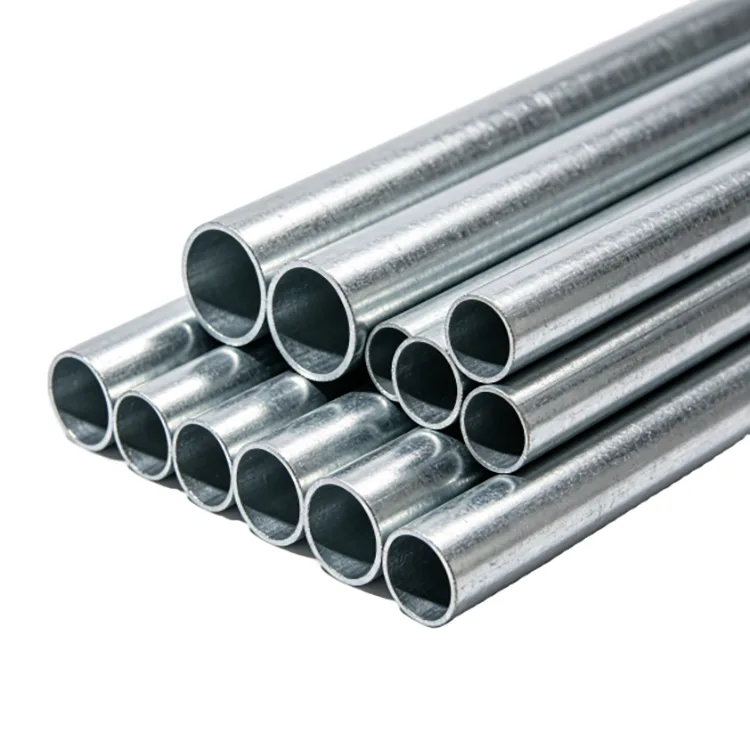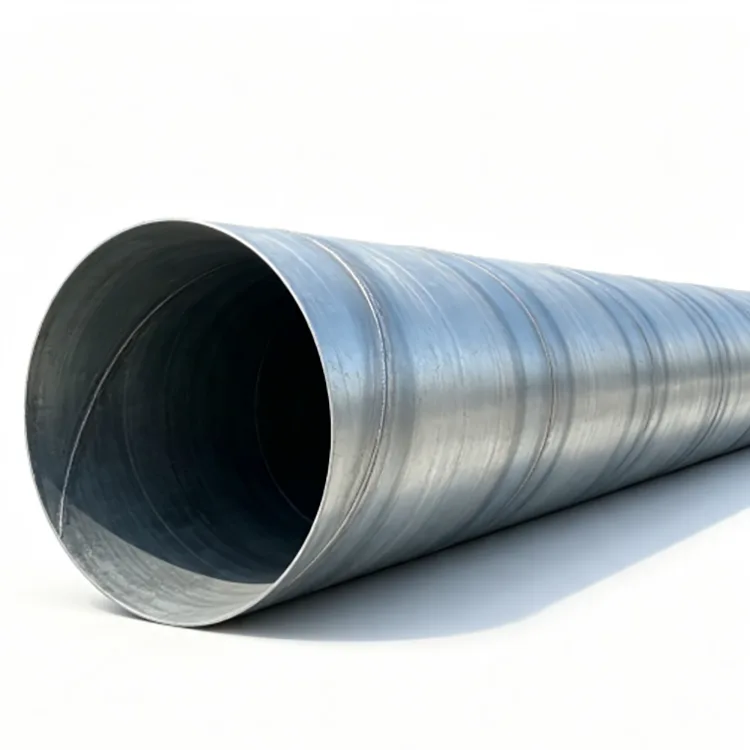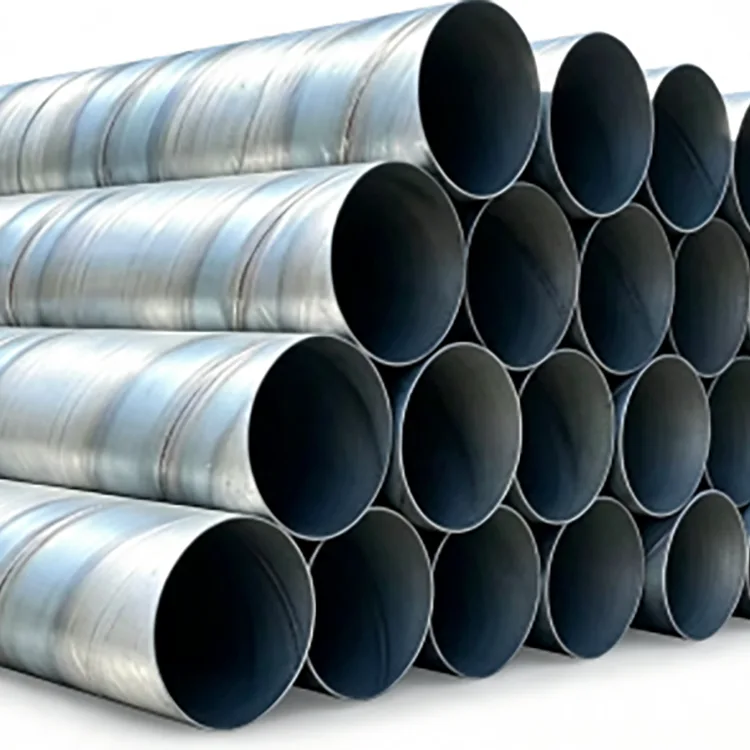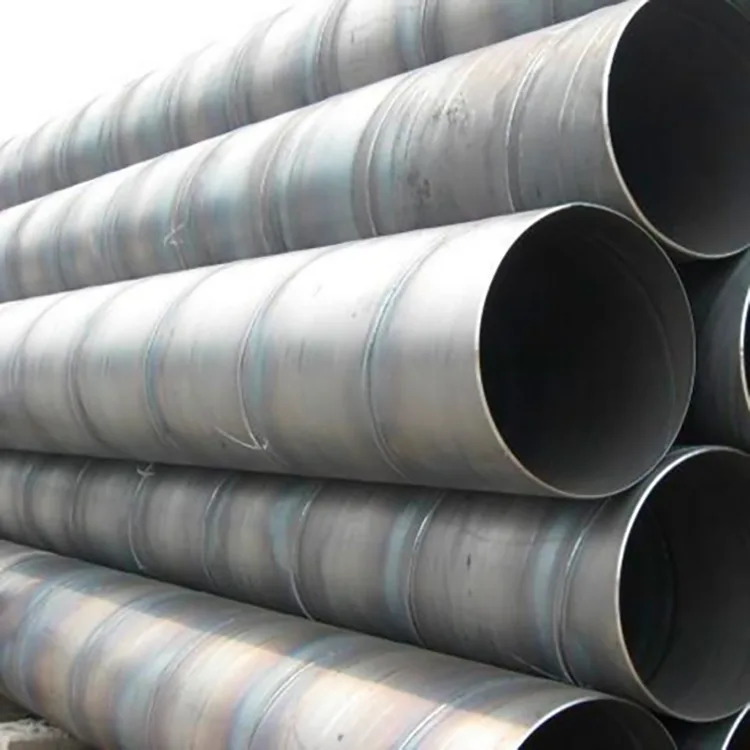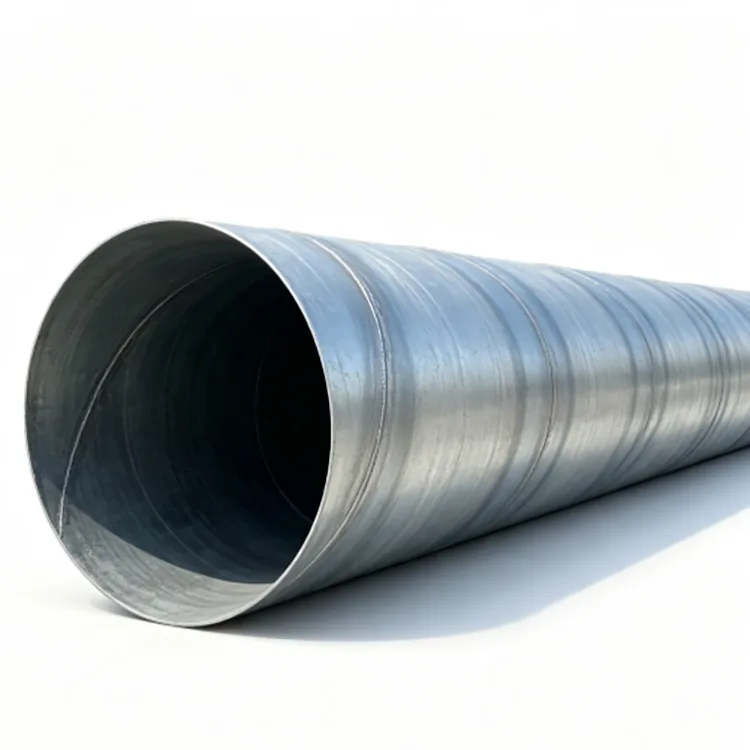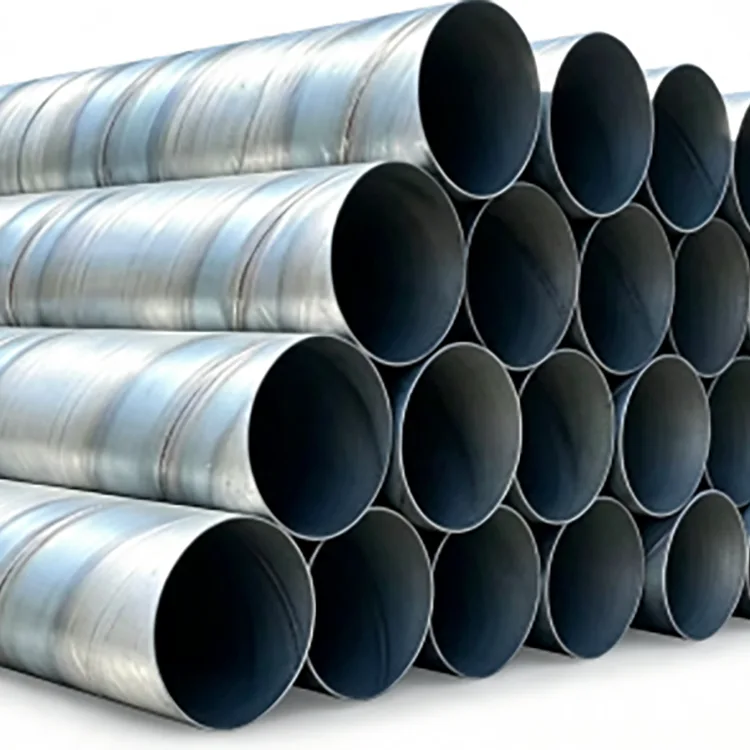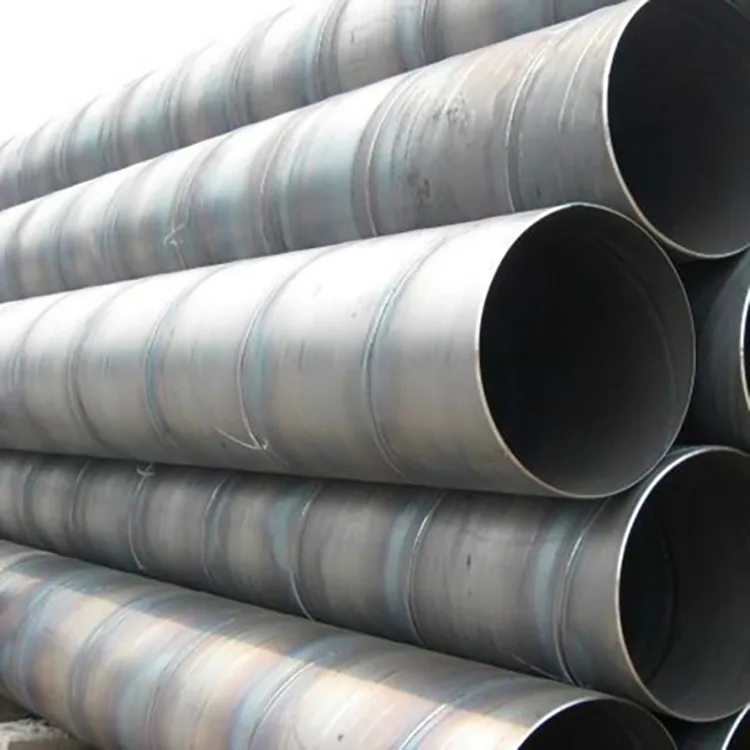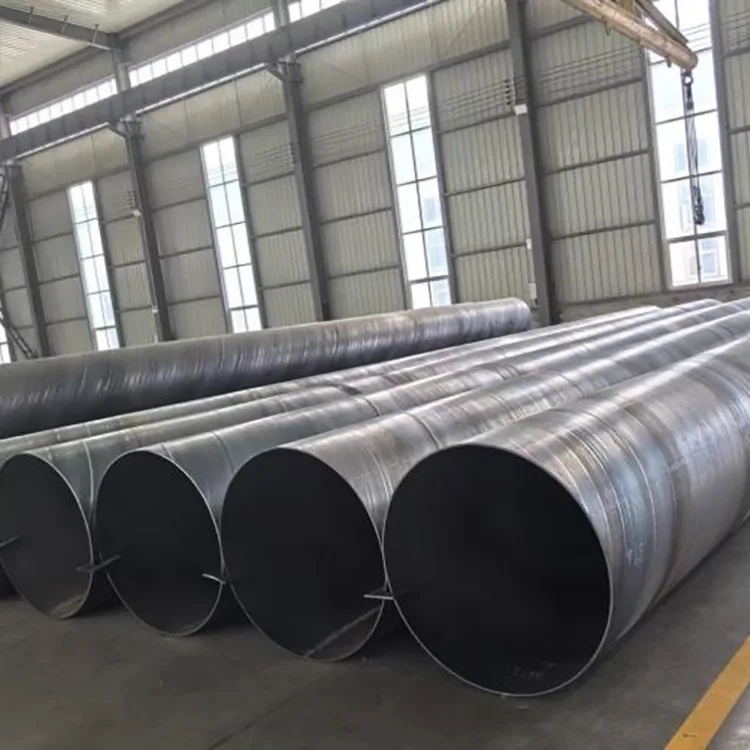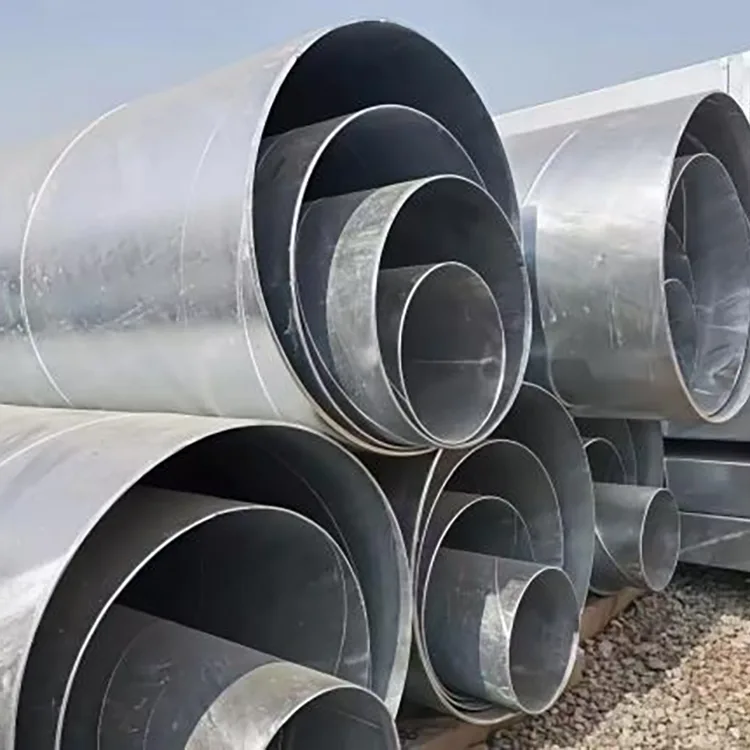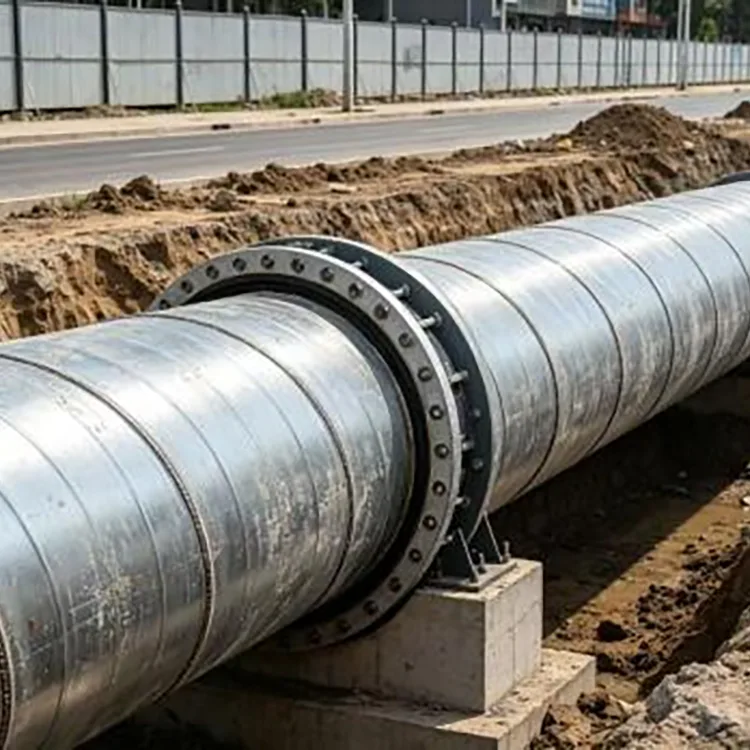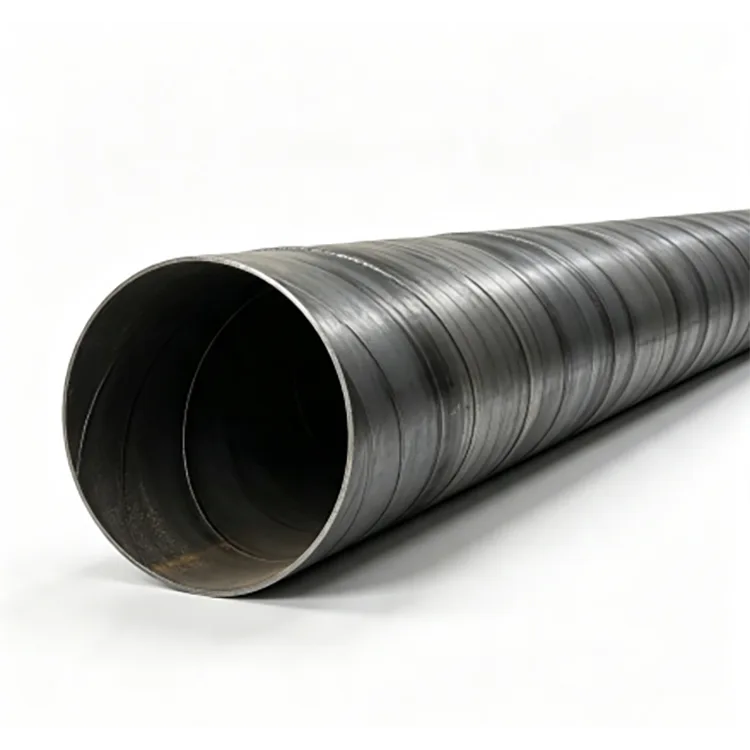
The main reason to use a spiral steel pipe is its ability to combine a large flow diameter with practical production of heavier wall sections. The steel strip is continuously formed into a cylindrical section and welded along a spiral seam. After welding and dimensional finishing, the complete pipe can be hot-dip galvanized to provide corrosion protection on the internal and external surfaces.
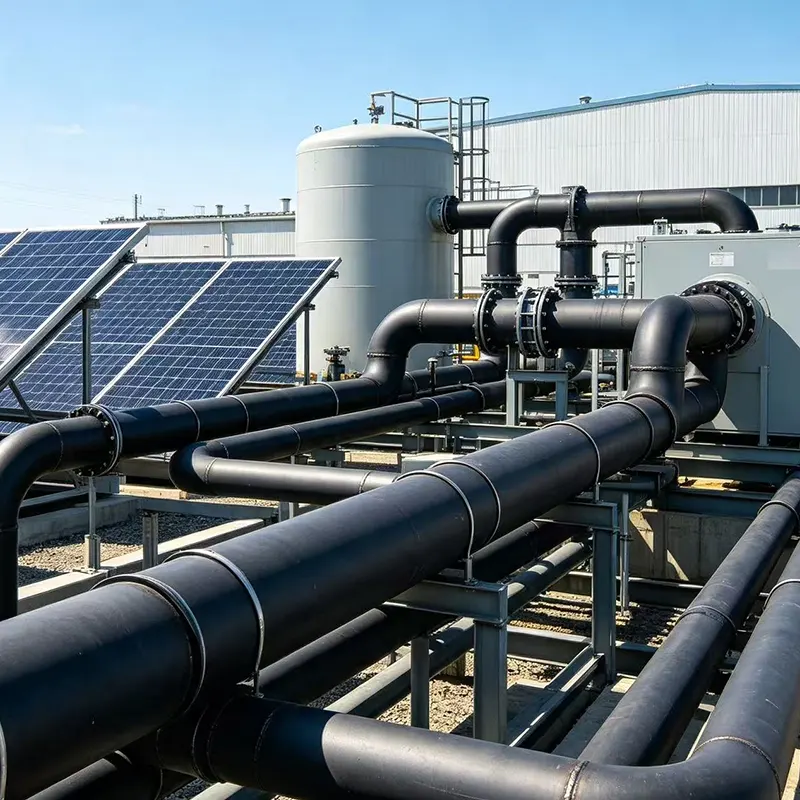
This construction makes the pipe particularly suitable for large-diameter water pipelines, drainage systems, foundation and piling work, industrial fluid lines and exposed steel piping. For projects where the pipe will remain outdoors, underground or in a humid environment, the galvanized coating provides an additional barrier against moisture and corrosion.
For engineering procurement, the important points are not only pipe diameter and wall thickness. Buyers should also confirm the steel grade, weld inspection requirements, galvanizing specification, pipe length, end preparation and whether the finished pipe needs flanges or other fabrication before shipment.


Spiral forming allows large pipe diameters to be produced from steel strip while maintaining a continuous cylindrical structure. The resulting section is well suited to applications requiring high flow capacity or large external dimensions.
The double-sided submerged arc welding process provides controlled weld penetration and a consistent seam along the pipe. For pressure or structural applications, weld inspection and hydrostatic testing requirements should be specified according to the project rather than relying only on the pipe appearance.
For buried pipelines, the pipe wall must also be selected according to internal pressure, external soil load, traffic load, installation depth and possible ground movement. A larger diameter does not automatically mean a higher pressure rating, so diameter and wall thickness should be selected together.
|
Item |
Available Range / Option |
|
Product |
Hot-Dip Galvanized Spiral Steel Pipe |
|
Steel Grade |
Q235B, Q355B |
|
Optional Materials |
Low-alloy steel, weather-resistant steel by request |
|
Outside Diameter |
DN200–DN3000 |
|
Wall Thickness |
3.0–20 mm |
|
Standard Length |
6 m, 12 m |
|
Custom Length |
3–15 m |
|
Zinc Coating |
80–150 g/m² standard |
|
Heavy-Duty Zinc Coating |
180–275 g/m² |
|
Welding Process |
Double-sided submerged arc welding |
|
Applicable Standards |
GB/T 9711, SY/T 5037, ASTM A252, EN 10217 |
|
Available Processing |
Cutting, beveling, flange welding, end closing, grinding and additional corrosion protection |
The manufacturing sequence matters for this product. The spiral pipe is formed and welded first, then prepared for hot-dip galvanizing. This allows the finished pipe, including the welded pipe body and accessible internal and external surfaces, to receive corrosion protection after the main forming operations have been completed.
Hot-rolled steel strip → Incoming inspection → Spiral forming → Double-sided submerged arc welding → Cutting and sizing → End finishing → Surface pretreatment → Hot-dip galvanizing → Cooling and finishing → Inspection → Protective packaging
During pretreatment, degreasing, pickling and activation remove oil, rust and surface oxides. The prepared pipe is then immersed in molten zinc at approximately 450°C. After withdrawal and cooling, the galvanized surface is checked for coating condition, coverage and visible defects.
For large-diameter pipes, the galvanizing stage requires particular attention to coating uniformity and drainage of the zinc from the pipe interior. Pipe ends, openings and fabricated areas should also be checked before shipment.


There is no single zinc coating thickness suitable for every project.
For conventional municipal water supply, drainage and general outdoor service, the standard 80–150 g/m² range can be considered where the environmental corrosion load is moderate.
For wastewater, industrial surroundings, humid sites and applications requiring longer corrosion protection, 180–275 g/m² can be specified where compatible with the project coating requirement.
For coastal projects exposed to salt spray, a heavier zinc system should be considered together with the actual environmental category, drainage conditions and design service life. Galvanizing can significantly reduce corrosion, but coating selection should not be treated as a substitute for project-specific corrosion assessment.
Q235B is suitable for many conventional municipal pipelines, drainage systems and general steel structures where the design load is moderate.
Q355B is more appropriate when higher structural strength is required, such as heavy foundation work, larger structural loads, demanding installation conditions or projects where the engineering design specifies higher-strength steel.
For piling and foundation applications, buyers should provide the required load, installation method and wall thickness rather than selecting the grade only according to pipe diameter.
A 3–6 mm wall can be suitable for many above-ground or conventional pipeline applications when pressure and external loads are moderate.
For buried pipelines, foundation work, heavy traffic areas or applications exposed to significant external loads, thicker sections may be required. The 3–20 mm production range allows the wall thickness to be matched to the design.
For long-distance water transmission, the specification should normally include:
Nominal diameter + wall thickness + steel grade + design pressure + pipe length + end treatment + inspection requirement
This gives the manufacturer enough information to quote the correct pipe instead of supplying a nominal diameter alone.
Used for urban water transmission, stormwater drainage and pipeline renovation. Large diameters help handle high flow volumes, while the galvanized surface provides additional corrosion protection in exposed or humid environments.
Suitable for wastewater transportation and associated plant piping where moisture and corrosive contaminants can shorten the service life of unprotected steel.
Large-diameter spiral pipe can be used for foundation piles, riverbank support and other structural applications where section size and wall thickness are determined by the engineering load and installation conditions.
Used for industrial process fluids and auxiliary piping where the project permits galvanized steel and the chemical medium is compatible with the zinc protection system.
Applicable to exposed pipelines, coastal supporting systems and wind-power-related piping. In salt-spray environments, heavier zinc coating or an additional corrosion-protection system may be required.
Can be considered for suitable low-pressure auxiliary systems when the applicable project standard, medium compatibility and pressure requirements permit galvanized spiral pipe. Gas service should always follow the specified gas-pipeline standard rather than relying on galvanizing alone.
For a standard municipal water or drainage project, Q235B with a conventional zinc coating and 3–6 mm wall thickness may provide a practical starting point. Final selection should follow the hydraulic and structural design.
For wastewater and industrial environments, consider heavier zinc coating in the 180–275 g/m² range and increase wall thickness where external or pressure loads require it.
For coastal and salt-spray locations, do not simply specify a standard galvanized pipe. The corrosion category, zinc coating, additional coating system and expected service life should be reviewed together.
For bridge piles, riverbank structures and foundation work, Q355B and heavier wall sections can be selected when required by the structural design. Q345B may also be available for projects that specifically call for that grade.
For high-pressure or long-distance transmission, specify weld NDT, hydrostatic testing, dimensional tolerance and end preparation in the purchase order. These requirements are more important than using a generic description such as “heavy-duty spiral pipe.”
A professional inspection for Hot-Dip Galvanized Spiral Steel Pipe should cover more than the zinc surface.
The steel grade and heat information should be checked against the material certificate. Pipe diameter, wall thickness, roundness, length and end condition should then be verified against the purchase specification.
The spiral weld is another critical inspection point. Depending on the project, visual inspection, ultrasonic testing, radiographic testing and hydrostatic testing can be included. For pressure pipelines, the inspection method and acceptance criteria should be agreed before production.
The galvanized surface should be checked for coating coverage, visible bare areas, excessive zinc buildup and handling damage. If the pipe will be cut, beveled or welded after galvanizing, the affected zinc areas should be repaired using an appropriate zinc-rich system.
The pipe can be supplied as standard straight lengths or processed according to the installation drawing.
Available processing includes fixed-length cutting, pipe-end beveling, flange welding, end closing, grinding and additional corrosion-protection treatment. For projects using prefabricated pipe sections, providing drawings before production helps reduce field cutting and welding.
For bulk orders, buyers can also specify different diameters, wall thicknesses and lengths within the same project schedule. This is useful for municipal pipeline packages where main lines, branch lines and structural sections require different specifications.
Hot-dip galvanizing can substantially extend the corrosion protection period compared with unprotected steel, but service life is controlled by the environment, zinc coating, water chemistry, soil condition, mechanical damage and maintenance.
As a general reference for the supplied product range, the expected service life can reach 20+ years in indoor conditions, while outdoor, buried and wastewater applications are commonly considered in the 10–15 year range under suitable conditions. Projects exposed to severe salt spray or aggressive chemicals should use a project-specific corrosion assessment rather than relying on a fixed service-life number.
Large spiral pipes require packaging that protects both the pipe body and galvanized surface during handling and transportation.
Pipe ends can be protected with guards or protective rings, while bundled pipes are secured with steel straps and separated or cushioned where necessary to reduce impact and surface damage. For export shipments, waterproof wrapping and stable loading arrangements can be added according to the shipping method.
A: An ordinary anti-corrosion pipe normally relies on an external coating system, while a hot-dip galvanized spiral pipe uses a metallurgically bonded zinc coating for corrosion protection. The appropriate system depends on whether the pipe is exposed, buried, submerged or used with a specific fluid.
A: Yes. The supplied range is DN200–DN3000, with wall thicknesses from 3.0–20 mm. Non-standard diameters, wall thicknesses and fixed lengths can be discussed according to drawings and project requirements.
A: It can be considered for suitable buried applications, but soil chemistry, moisture, drainage, external load and coating requirements must be evaluated. For aggressive soil conditions, an additional corrosion-protection system may be necessary.
A: Spiral welded pipe can be manufactured for pressure applications when the steel grade, wall thickness, welding process and inspection requirements are specified appropriately. For pressure pipelines, weld NDT and hydrostatic testing should be confirmed in the purchase specification.
A: Yes. Flange welding, beveling, fixed-length cutting and other end treatments can be arranged before shipment according to drawings.
A: A heavier coating in the 180–275 g/m² range can be considered for higher-corrosion environments, but coastal projects should be evaluated according to actual salt-spray exposure and required service life. Additional coating may be appropriate for severe conditions.
A: Yes. Different steel grades can be supplied according to the structural or pipeline design. Each specification should be clearly identified in the purchase order and material documentation.
A: Material certificates, inspection records and other quality documents can be provided according to the order and project requirements. Third-party inspection can also be arranged when required by the buyer.
Rongheng Intelligent Manufacturing (Tianjin) Import & Export Co., Ltd. supports bulk orders of spiral welded steel pipe for municipal, infrastructure, industrial and overseas projects. Buyers can provide the pipe schedule, drawings or a simple specification list for quotation.
For project orders, the supply scope can include steel grade selection, pipe sizing, fixed-length production, weld inspection, galvanizing, end processing, packaging and shipment coordination. This is particularly useful when several pipe specifications need to be delivered under one project schedule.
Address
Secondary Arterial Road No. 2-1, Expansion Area of Daqiuzhuang Industrial Zone, Jinghai District, Tianjin, China
Tel