Products
Spiral Welded Steel Pipe
  • Spiral Welded Steel PipeSpiral Welded Steel Pipe
  • Spiral Welded Steel PipeSpiral Welded Steel Pipe
  • Spiral Welded Steel PipeSpiral Welded Steel Pipe
  • Spiral Welded Steel PipeSpiral Welded Steel Pipe
  • Spiral Welded Steel PipeSpiral Welded Steel Pipe

Spiral Welded Steel Pipe

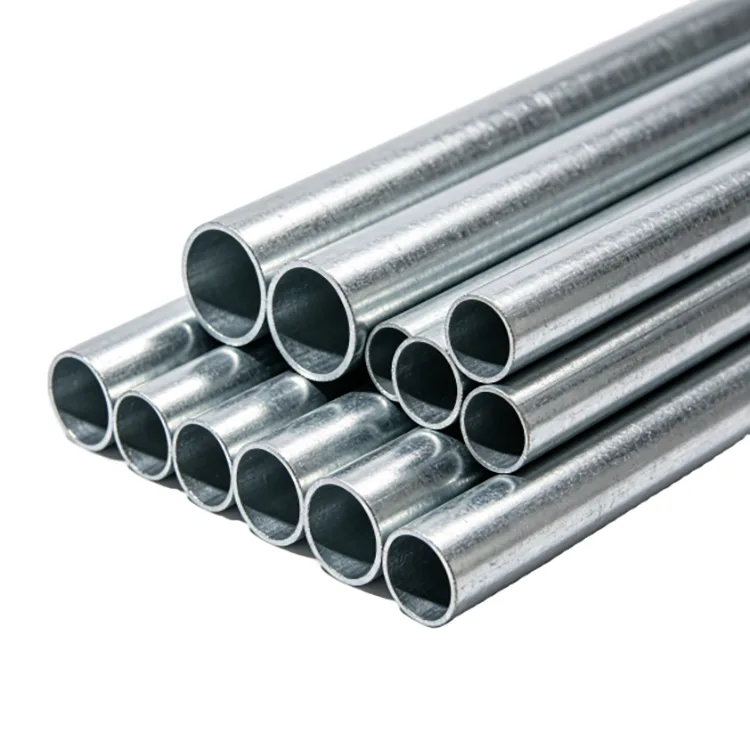
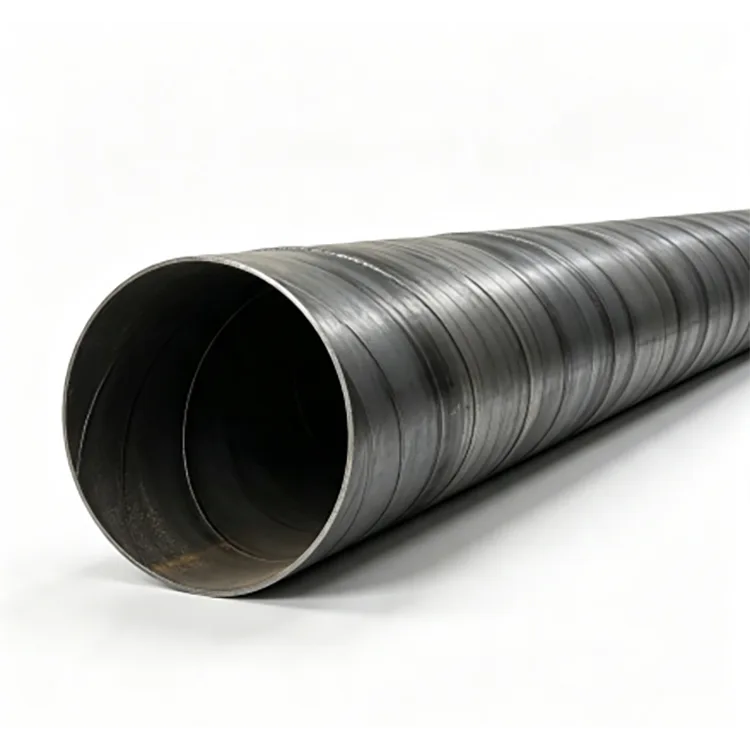
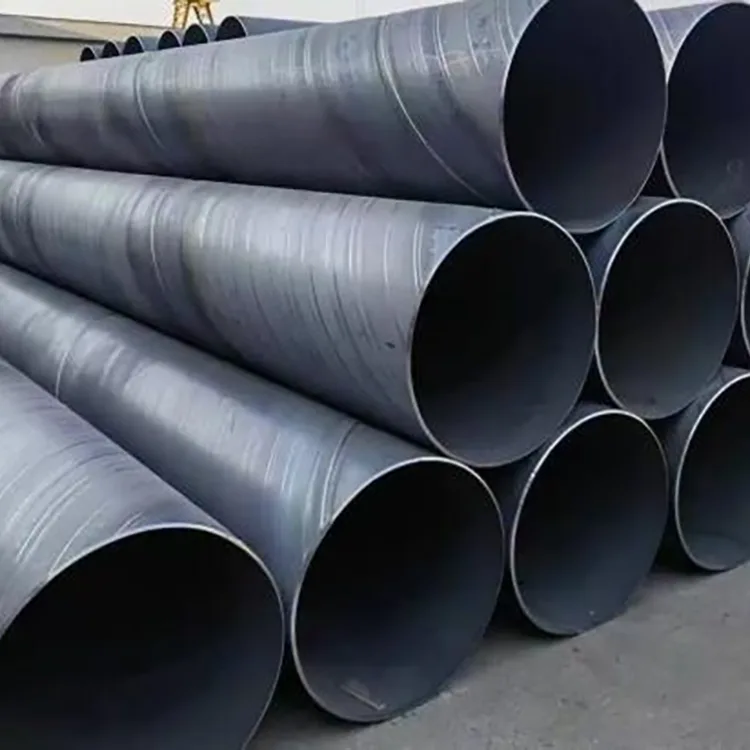
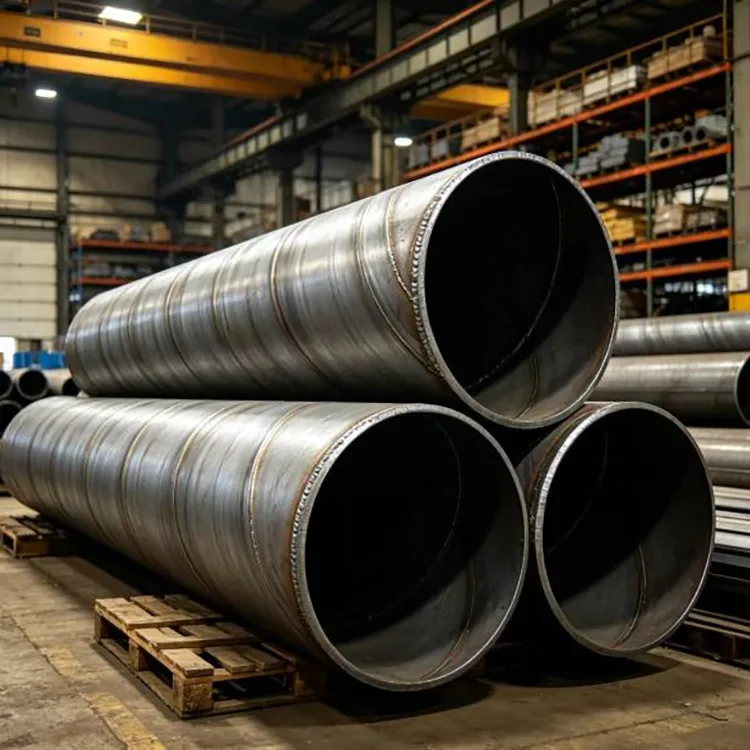
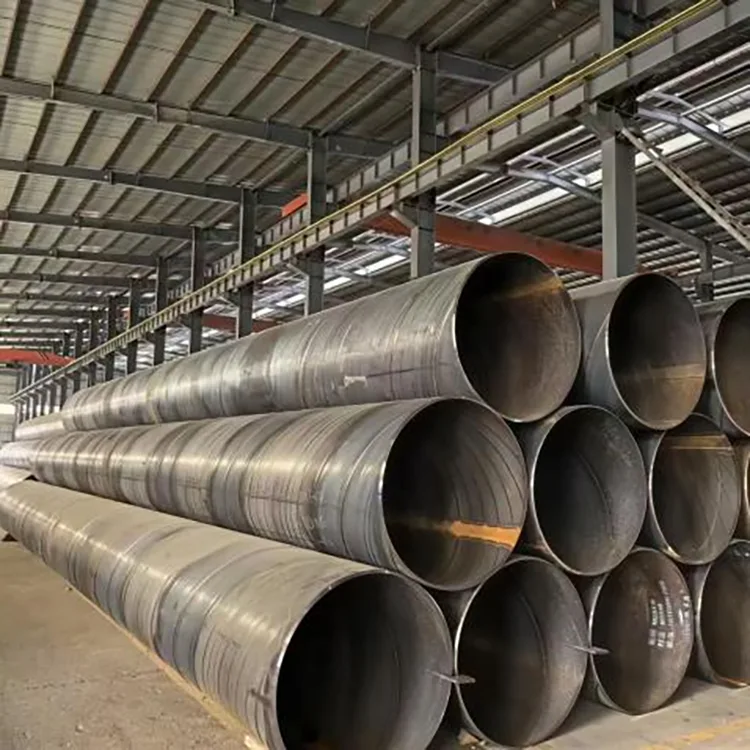
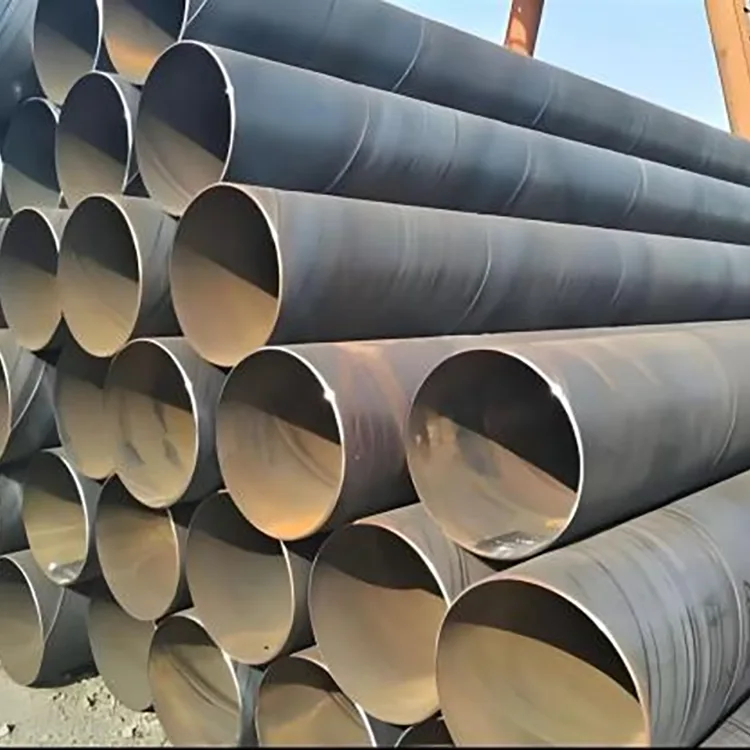
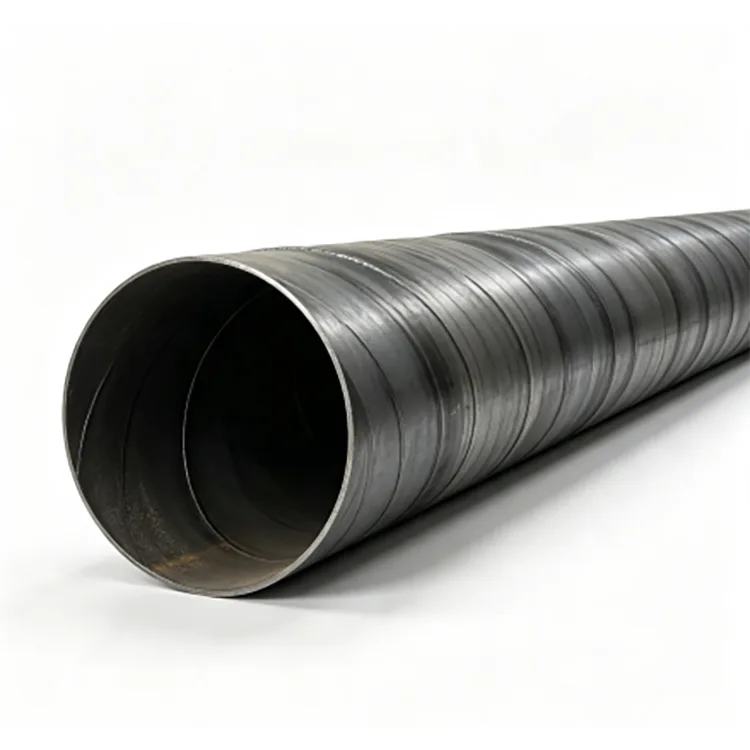
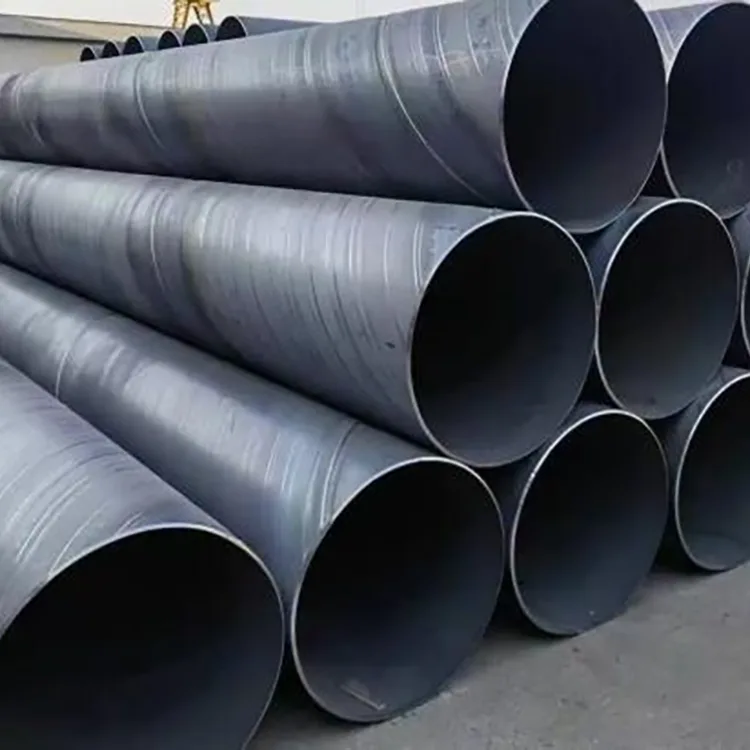
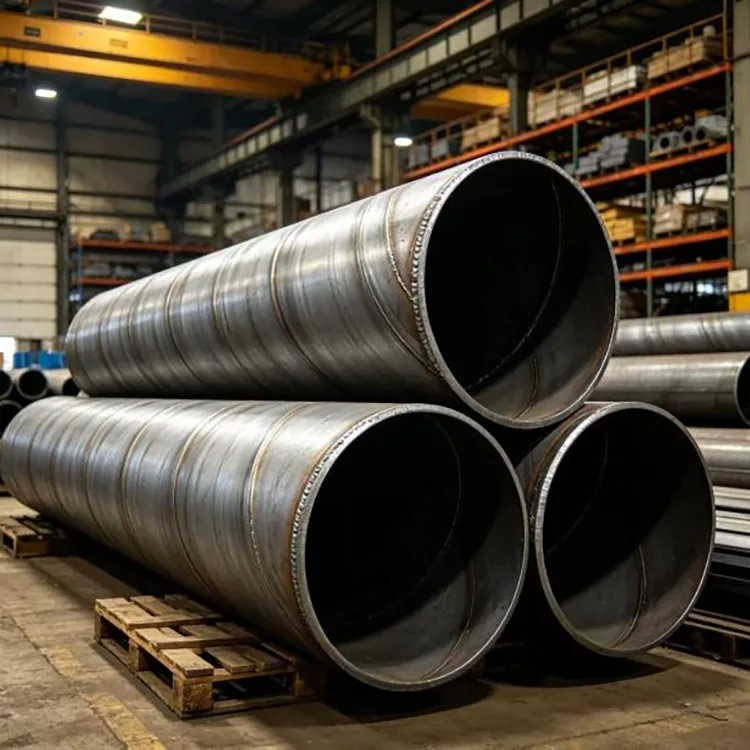
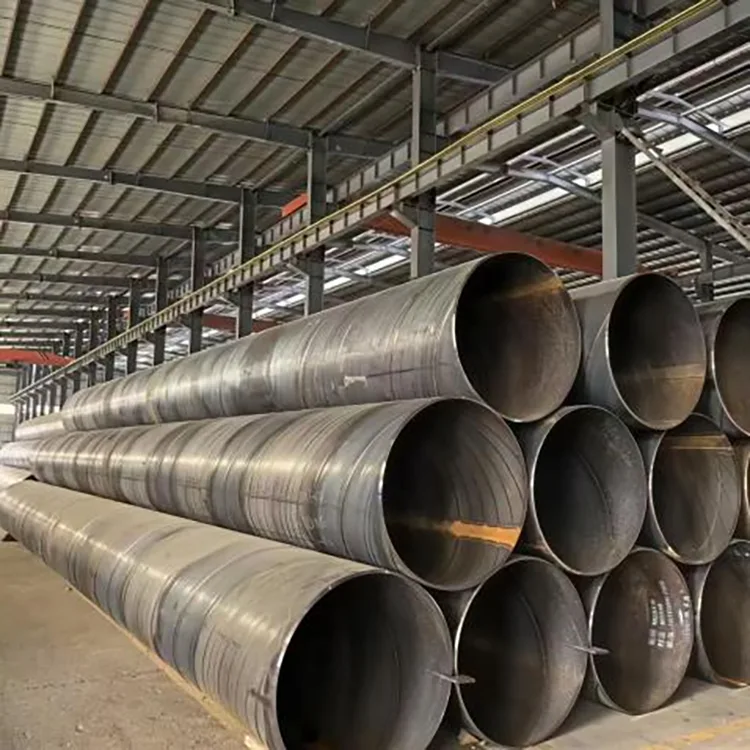
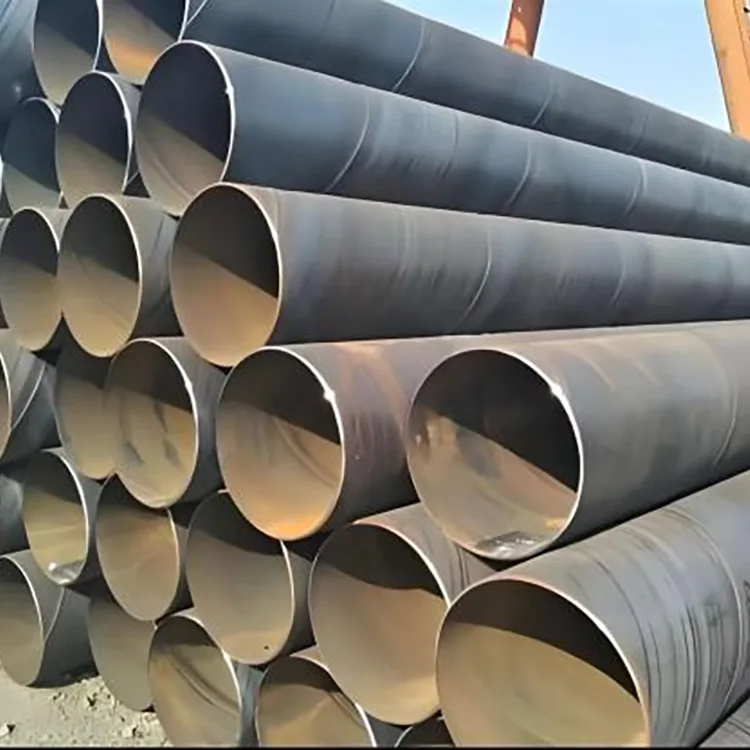
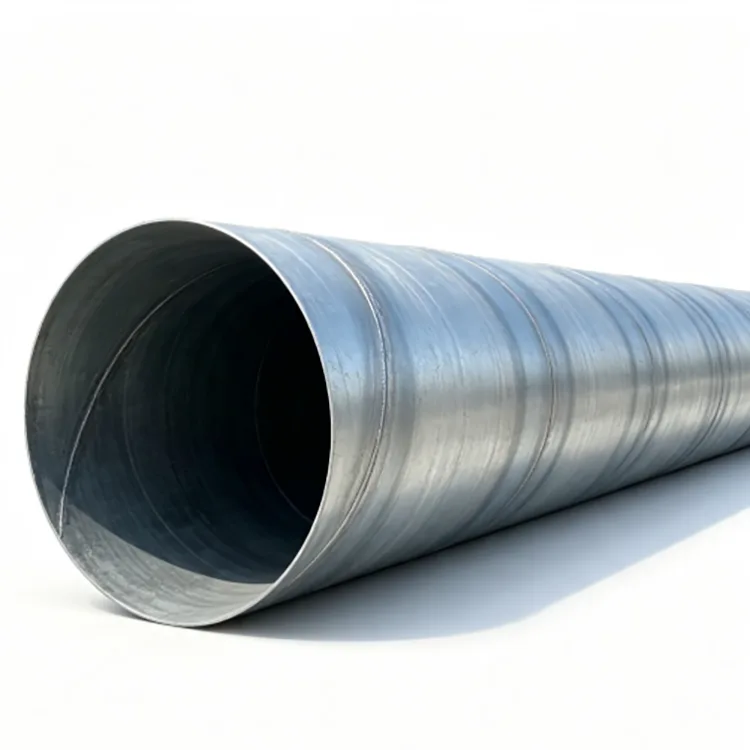
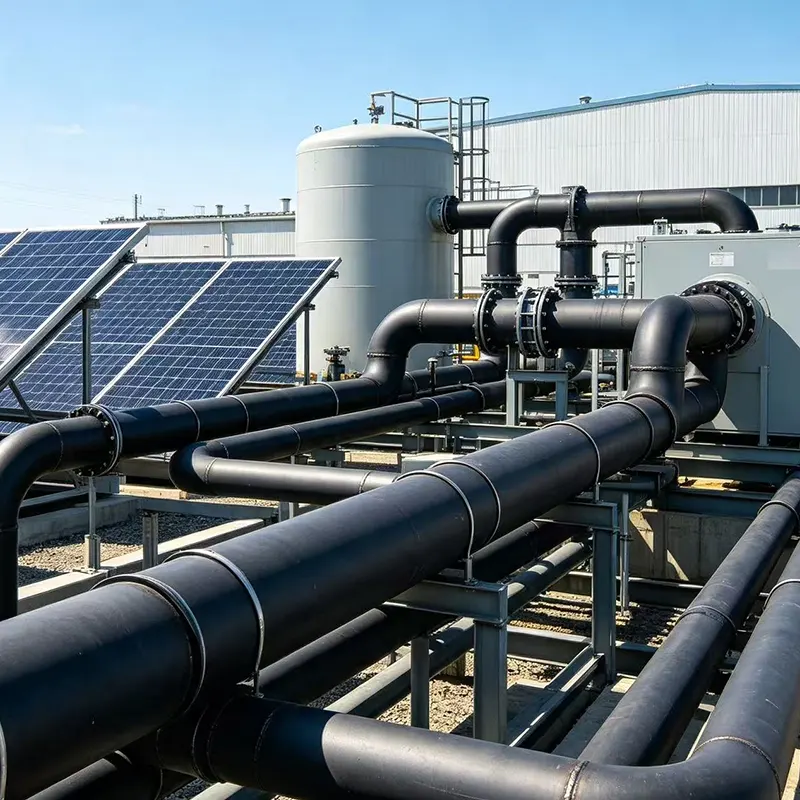
Rongheng Spiral Welded Steel Pipe is manufactured from hot-rolled steel strip using automatic double-sided submerged arc welding and CNC spiral forming. Available in diameters from 219 mm to 3,620 mm and wall thicknesses from 6 mm to 30 mm, it covers Q235B, Q355B and L245–L485 pipeline steel grades. The pipe is designed for large-diameter water, drainage, oil and gas, piling and infrastructure projects, with options for fixed lengths, end beveling and external corrosion protection.

For large-diameter pipelines, the lowest purchase price is not always the lowest project cost. Wall thickness, weld quality, dimensional accuracy, corrosion protection and inspection records all affect installation, pressure performance and long-term maintenance.

Rongheng Spiral Welded Steel Pipe is produced from qualified hot-rolled steel strip through CNC spiral forming and automatic double-sided submerged arc welding. The available diameter range is 219–3,620 mm, with wall thicknesses from 6–30 mm. Material options include Q235B, Q355B and L245–L485, covering common municipal, structural, piling, water transmission and pipeline applications.

Each production order follows a defined inspection process covering raw material, forming, welding, dimensions, weld quality, hydrostatic testing and finished-surface condition. For projects requiring additional protection, the pipe can be supplied with customized anti-corrosion systems such as 3PE or epoxy coal-tar coating, according to the service environment.

The focus is straightforward: supply the specified wall thickness and material, document the required inspections, and deliver pipe ends and coating conditions that can be used directly on site.

Spiral Welded Steel PipeSpiral Welded Steel PipeSpiral Welded Steel Pipe


Key Features

Large Diameter Range for Infrastructure Pipelines

Spiral welded construction is particularly suitable for large-diameter pipe because steel strip can be continuously formed into a wide range of pipe diameters.

Rongheng supplies pipe from 219 mm to 3,620 mm OD, with 6–30 mm wall thickness as the standard production range. Fixed lengths of 6 m, 9 m and 12 m are available, while non-standard lengths and special wall thicknesses can be produced according to project drawings and specifications.


Double-Sided Submerged Arc Welding

The pipe is manufactured using automatic double-sided submerged arc welding. The forming and welding process is controlled to maintain consistent pipe geometry and weld quality along the production length.

Internal and external welding is performed to achieve adequate weld penetration and a consistent welded joint. Weld inspection is incorporated into the production quality-control process rather than relying only on visual inspection after manufacturing.


Stable Wall Thickness and Pressure Performance

For buried water, drainage and pressure pipeline projects, wall thickness is a key purchasing specification. A nominal diameter alone does not determine whether a pipe is suitable for the application.

Rongheng controls wall thickness against the applicable specification and can document material, dimensional and inspection results for project acceptance. Buyers can also specify wall-thickness tolerance, weld inspection and hydrostatic testing requirements in the purchase contract.


Corrosion Protection for Different Environments

Bare spiral welded steel pipe can be used where the project provides its own coating or where the service environment does not require additional corrosion protection.

For buried pipelines, humid areas, saline soil or coastal projects, Rongheng can supply different external corrosion-protection systems. 3PE coating, epoxy coal-tar coating and other specified systems can be selected according to soil conditions, transported medium, design life and project requirements.

For 3PE-coated pipe, the supplied production specification can include requirements such as:

● Peel strength: ≥50 N/cm

● Adhesion: ≥8 MPa

The appropriate coating system should be confirmed against the project specification rather than selected solely by pipe diameter.

Spiral Welded Steel PipeSpiral Welded Steel Pipe


End Beveling for Site Welding

Pipe ends can be machined with controlled bevel dimensions to match the customer's welding procedure and field joint requirements.

End preparation may include:

● Standard beveling

● End-face finishing

● Deburring

● Dimensional correction

● Special end preparation according to drawings

This reduces the amount of preparation required before field joint welding, especially for large-diameter pipeline installation.


Technical Specifications

Item

Specification

Product

Spiral Welded Steel Pipe

Manufacturing Process

CNC spiral forming + automatic double-sided submerged arc welding

Outside Diameter

219–3,620 mm

Wall Thickness

6–30 mm

Standard Lengths

6 m / 9 m / 12 m

Custom Length

Available

Materials

Q235B, Q355B, L245–L485

Surface

Bare steel or specified anti-corrosion coating

Common Coatings

3PE, epoxy coal-tar and other specified systems

Standards

SY/T 5037-2018, GB/T 3091-2025, GB/T 9711-2017, API 5L, ASTM A252

Inspection

Dimensional inspection, visual inspection, weld NDT, hydrostatic testing and other specified tests

Processing

End beveling, cutting, coating and other customized processing


Manufacturing Process

The production process is organized around the points that most directly affect large-diameter pipe quality.


1. Hot-Rolled Steel Strip Inspection

The incoming steel strip is checked against the required material grade and production specification before forming. Material documentation can be provided for project traceability.


2. Leveling and Preparation

The steel strip is leveled before entering the forming process. Proper strip preparation helps maintain consistent forming conditions and pipe geometry.


3. CNC Spiral Forming

The strip is continuously formed into the specified spiral diameter. Forming parameters are adjusted according to pipe diameter, wall thickness and material grade.


4. Internal and External Submerged Arc Welding

Automatic welding is performed on both sides of the spiral joint. Welding parameters are controlled according to the pipe specification, with inspection focused on weld continuity, penetration and potential internal defects.


5. Pipe Sizing and Straightening

After welding, the finished pipe is checked and corrected for diameter, roundness and straightness within the applicable specification.


6. End Processing

Pipe ends are cut and bevelled according to the project requirement. Special end preparation can be completed before shipment.


7. Anti-Corrosion Coating

Where required, the pipe receives the specified external coating system. Coating condition, adhesion and other specified properties are inspected before release.


8. Final Inspection and Packing

Finished pipes undergo dimensional, appearance and required performance inspections before bundling, marking and shipment.


Quality Control and Inspection

Large-diameter welded pipe should be purchased with measurable inspection requirements rather than relying only on a factory statement such as “high quality.”

Rongheng's production quality system includes 16 inspection checkpoints covering the production process and finished product. The supplied production data indicate a 99.97% overall finished-product qualification rate.


Weld Inspection

The production specification includes 100% weld inspection using both X-ray and ultrasonic testing to identify weld defects that cannot be confirmed through visual inspection alone.

The exact NDT method, acceptance level and reporting format can be aligned with the applicable standard or project specification.


Hydrostatic Testing

For applicable pressure-pipeline orders, each pipe can undergo hydrostatic testing at 1.5 times the working pressure, with a holding period of at least 5 seconds and no leakage during the specified test.

For a specific project, the test pressure, holding time and acceptance criteria should be confirmed in the technical agreement before production.


Dimensional Inspection

Inspection covers key dimensions such as:

● Outside diameter

● Wall thickness

● Pipe length

● Roundness

● Straightness

● Bevel dimensions

● Surface condition

This is particularly important for large-diameter pipe because dimensional deviations can increase field alignment and joint-welding work.


Spiral Welded Steel Pipe vs. Small-Factory Supply

Comparison

Rongheng Supply

Common Risk in Uncontrolled Small-Factory Supply

Raw Material

Qualified hot-rolled steel strip

Unclear material source or inconsistent steel strip

Wall Thickness

Controlled to specified tolerance

Excessive negative deviation may occur

Weld Inspection

100% specified NDT available

Visual inspection or limited sampling

Hydrostatic Test

Individual testing according to order requirements

Testing may be omitted

Anti-Corrosion Coating

Coating specification can be documented

Uneven thickness or incomplete coating records

Documentation

Material and inspection documentation available

Incomplete or inconsistent project records

End Preparation

Controlled beveling and finishing

Additional site correction may be required

For engineering procurement, the important comparison is not simply the supplier's quoted price. Buyers should compare the material grade, actual wall thickness, NDT coverage, hydrostatic test requirements, coating specification, inspection documents and delivery condition on the same technical basis.


Material Selection Guide

Q235B for Conventional Municipal Projects

For conventional municipal water supply, drainage and sewage pipelines, Q235B is commonly selected where the design requirements do not require a higher-strength grade.

It is suitable when the engineering design prioritizes adequate structural performance and controlled material cost.


Q355B for Higher Structural Requirements

Q355B can be considered for applications requiring higher material strength, including certain heavy-duty, low-temperature or structural/piling applications.

The final grade should be selected according to the design load, temperature, welding requirements and applicable standard.


L245–L485 for Pipeline Applications

For oil and gas transmission projects, pipeline steel grades such as L245–L485 can be specified according to the required pipeline standard and design conditions.

For sour-service or hydrogen-sulfide-containing media, material selection should follow the applicable sour-service specification and project requirements rather than assuming that a pipeline grade alone provides H₂S resistance.


Corrosive and Coastal Conditions

For coastal, saline-soil or chemically aggressive environments, material and coating should be considered together.

A higher-strength or weather-resistant steel grade may be specified where appropriate, while the external corrosion-protection system should be selected according to the actual soil, water and exposure conditions.


Typical Applications

Spiral welded steel pipe is mainly used where large diameter, long-distance installation or structural capacity makes continuous spiral forming practical.


Municipal Water Transmission

Large-diameter water pipelines for urban water supply, raw-water transmission and infrastructure upgrades.


Drainage and Stormwater Systems

Suitable for large-flow drainage, rainwater discharge and municipal flood-control pipeline projects.


Sewage and Industrial Water

Used for wastewater, process-water and other low-to-medium pressure fluid transmission systems when the selected material and internal protection meet the medium requirements.


Oil and Gas Pipeline Projects

Pipeline-grade spiral welded pipe can be manufactured according to applicable pipeline specifications for suitable transmission applications.


Steel Pipe Piles

Large-diameter spiral welded pipe can also be used as structural pipe piles, including foundation and marine-related construction, when the required pile standard and wall thickness are specified.


Buried Pipeline Systems

For buried applications, pipe selection should consider external soil pressure, groundwater, settlement, coating system, cathodic protection and installation conditions rather than pipe diameter alone.


Real Project Applications

Case 1: Urban Natural Gas Pipeline Project

For an urban gas pipeline project, Rongheng supplied approximately 12,000 tons of L360 spiral welded steel pipe with 3PE anti-corrosion coating.

The project involved complicated settlement conditions in an existing urban area. The supplied pipe was manufactured and coated according to the project requirements.

According to the project operating record, the reported pipeline leakage rate was 0.7%, with four years of operation without recorded safety incidents.

The case demonstrates why material traceability, weld inspection and external corrosion protection need to be considered together for buried pipeline projects.


Case 2: Urban Stormwater Drainage Upgrade

For an urban drainage renovation project, Rongheng supplied approximately 6,800 tons of spiral welded steel pipe, including:

● Φ1220 × 10 mm

● Φ1420 × 12 mm

The pipes were supplied with reinforced epoxy coal-tar anti-corrosion protection.

The project was intended to replace aging urban drainage pipelines affected by blockage, leakage and insufficient stormwater discharge capacity. After three years of operation, the project record reported no pipe deformation, leakage or blockage, while the upgraded system improved stormwater drainage performance during heavy rainfall.


Selection Points Before Ordering

Before requesting a quotation for Spiral Welded Steel Pipe, provide the supplier with the following information:


1. Pipe size

Specify outside diameter and required wall thickness rather than diameter alone.


2. Transported medium

Water, sewage, gas, oil and industrial fluids can require different material, internal protection and inspection requirements.


3. Working pressure

Provide design pressure and operating temperature where applicable so that wall thickness and test requirements can be reviewed correctly.


4. Installation environment

State whether the pipe is buried, above ground, underwater, coastal, saline-soil or exposed to chemical corrosion.


5. Coating requirement

Specify 3PE, epoxy coal-tar, bare steel or another coating system, together with coating thickness and inspection requirements.


6. Pipe length and end preparation

Confirm 6 m, 9 m, 12 m or custom fixed lengths, together with bevel dimensions and field-welding requirements.


7. Inspection and documentation

For major projects, include material certificates, dimensional reports, NDT reports, hydrostatic test records and coating inspection records in the purchasing specification.


Custom Manufacturing and Project Supply

Rongheng supports customized production for engineering orders rather than limiting supply to standard stock sizes.

Available options include:

● Non-standard outside diameters

● Special wall thicknesses

● 6–12 m fixed lengths and other specified lengths

● Pipe-end beveling

● Special end preparation

● 3PE and other anti-corrosion coating systems

● Epoxy coal-tar coating

● Special pipe fittings and fabricated sections according to drawings

● Project-specific inspection and documentation

For large-volume orders, production and delivery schedules can be coordinated according to project installation sequences.


Factory Inspection and Buyer Support

For large infrastructure orders, buyers can arrange factory inspection and review production and inspection records before shipment.

Rongheng provides:

● Pre-order technical selection support

● Specification review

● Production progress updates

● Factory inspection arrangements

● Material and inspection documentation

● Shipment coordination

● Installation-related technical consultation

● After-sales technical support

For major projects, production progress can also be followed through visual updates so that buyers can coordinate shipping and site installation schedules in advance.


FAQ

Q1. What is the difference between Spiral Welded Steel Pipe and straight seam welded pipe?

It is formed from steel strip into a spiral shape and welded along the helical joint. This manufacturing method is particularly practical for large-diameter pipe.

Straight seam welded pipe uses a longitudinal weld and is commonly selected for different diameter ranges and application requirements. Neither construction is automatically better for every project; diameter, wall thickness, pressure, installation method, material grade and applicable standard should determine the selection.


Q2. What sizes of Pipe do you supply?

The standard production range is 219–3,620 mm outside diameter and 6–30 mm wall thickness. Standard fixed lengths include 6 m, 9 m and 12 m, with non-standard lengths and special wall thicknesses available for project orders.


Q3. Can you manufacture non-standard Spiral Welded Steel Pipe?

Yes. Custom production can cover diameter, wall thickness, fixed length, pipe-end beveling, special end preparation, coating and other requirements shown on engineering drawings.


Q4. Can Pipe be used for buried pipelines?

Yes. It is widely applicable to buried water, drainage and other pipeline systems when the pipe wall thickness, material grade, external coating, installation method and structural calculations meet the project requirements.

For buried pipelines, buyers should pay particular attention to soil conditions, groundwater, settlement, corrosion protection and field joint treatment.


Q5. How do I avoid buying a pipe with insufficient wall thickness?

Do not judge the product only by nominal size or weight. Specify the required wall thickness and applicable tolerance in the purchase contract, and request material certificates and dimensional inspection records.

For large projects, incoming inspection can also include random wall-thickness measurements at multiple positions on the pipe.


Q6. What weld inspection can be provided?

The production specification supports 100% X-ray and ultrasonic weld inspection, with the applicable acceptance level determined by the relevant standard or project specification.

Inspection reports can be provided as part of the project quality documentation.


Q7. Do you provide hydrostatic testing?

Yes. For applicable pressure-pipeline orders, hydrostatic testing can be carried out pipe by pipe at 1.5 times the working pressure, with a holding period of 5 seconds or more and no leakage under the specified test conditions.


Q8. Which anti-corrosion coating should I choose?

It depends on the installation environment and design life.

For buried pipelines, 3PE is commonly considered where strong external corrosion protection is required. Epoxy coal-tar systems can also be specified for suitable projects. Coastal and saline-soil applications require particular attention to coating selection, coating continuity and field-joint protection.


Q9. Can I visit the factory before placing a large order?

Yes. Buyers can arrange an on-site factory visit covering production areas, inspection facilities, finished-pipe storage and relevant quality documentation. Production progress can also be followed through video updates during the manufacturing period.


Q10. What information should I provide for a quotation?

At minimum, provide outside diameter, wall thickness, material grade, pipe length, quantity, applicable standard, transported medium, working pressure, coating requirement and end preparation.

For a complete engineering quotation, drawings, inspection requirements and delivery schedule are also useful.


Procurement Note

For Spiral Welded Steel Pipe, four items deserve particular attention during procurement: actual wall thickness, weld NDT, hydrostatic testing and anti-corrosion coating.

These requirements can be written directly into the technical agreement so that supplier quotations can be compared on the same basis. For large-volume infrastructure projects, buyers are also welcome to arrange factory inspection and review the production and inspection process before shipment.


Hot Tags: Spiral Welded Steel Pipe, Manufacturer, Supplier
Send Inquiry
Contact Info
  • Address

    Secondary Arterial Road No. 2-1, Expansion Area of ​​Daqiuzhuang Industrial Zone, Jinghai District, Tianjin, China

Tell RongHeng your required steel product, size, grade, quantity, customization and delivery needs, and our export team can review your inquiry.
X
We use cookies to offer you a better browsing experience, analyze site traffic and personalize content. By using this site, you agree to our use of cookies. Privacy Policy
RejectAccept