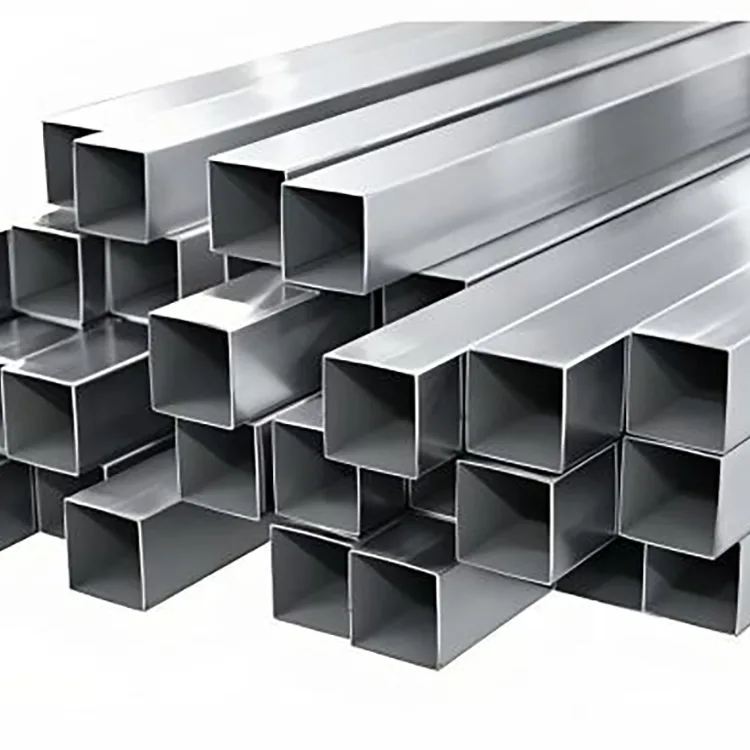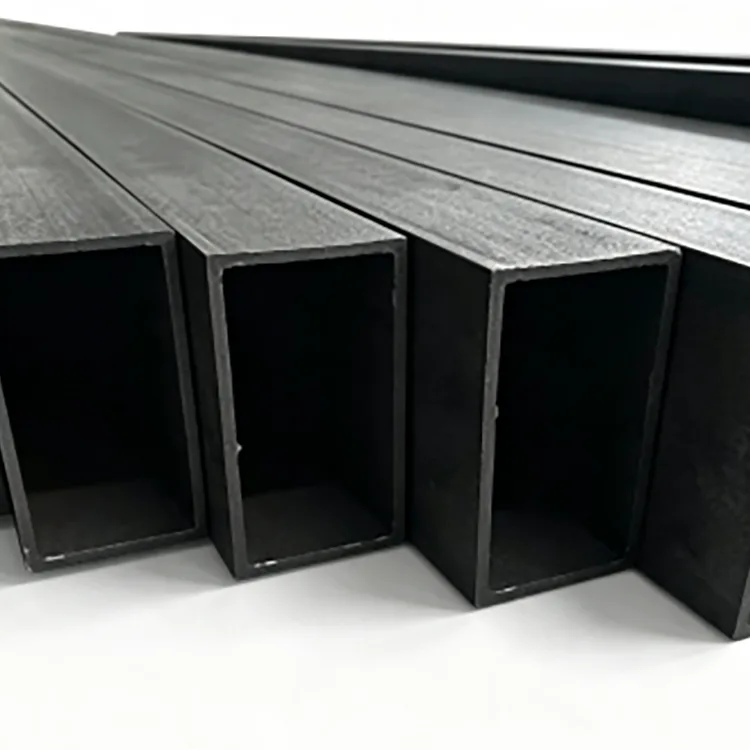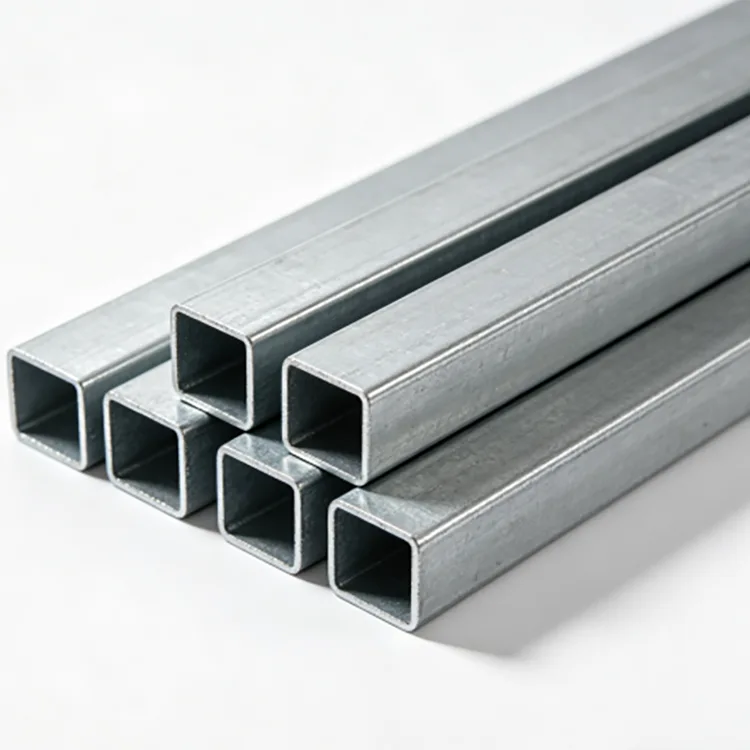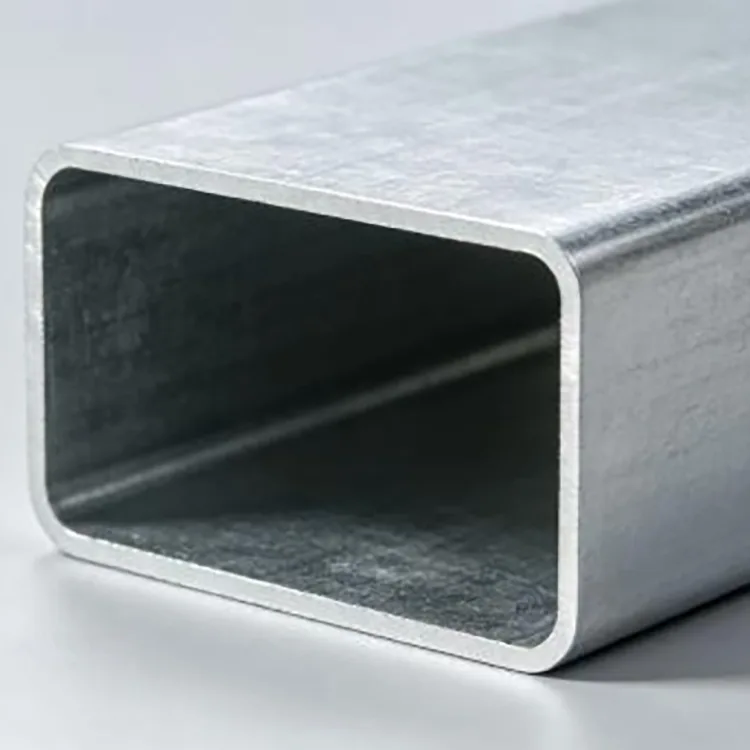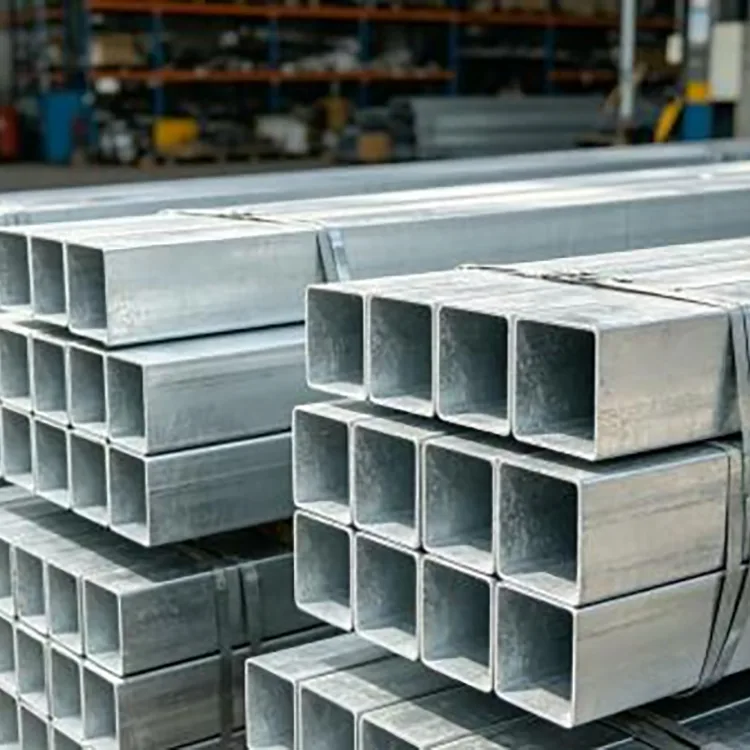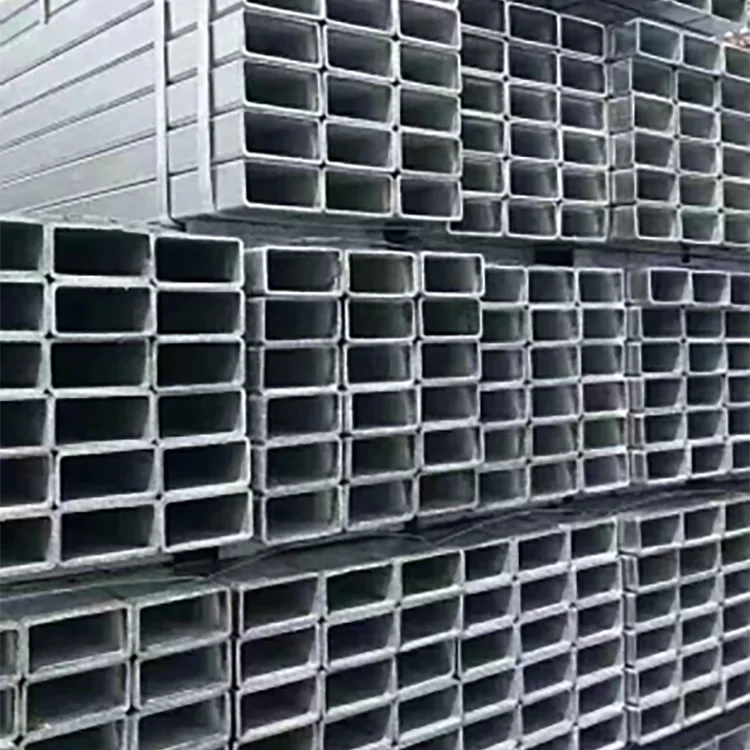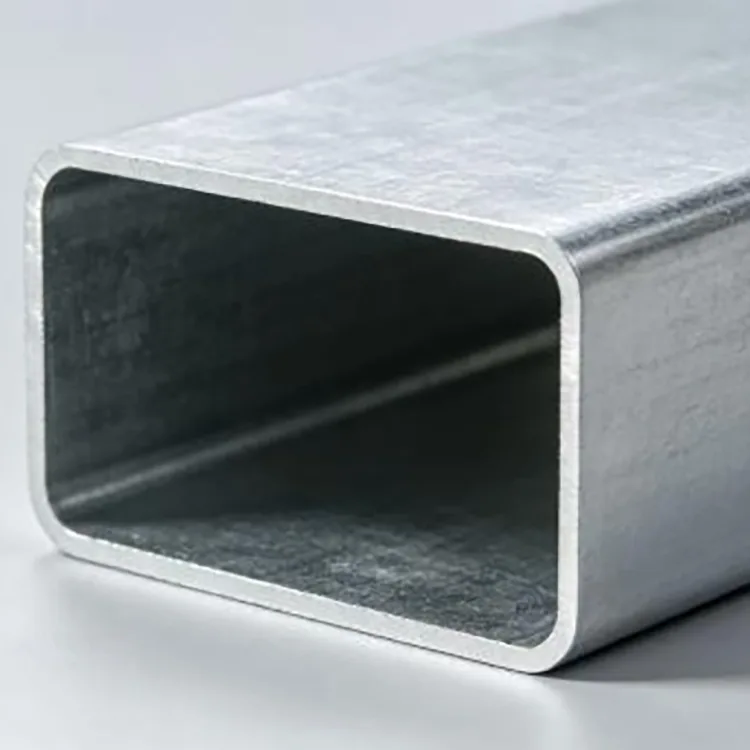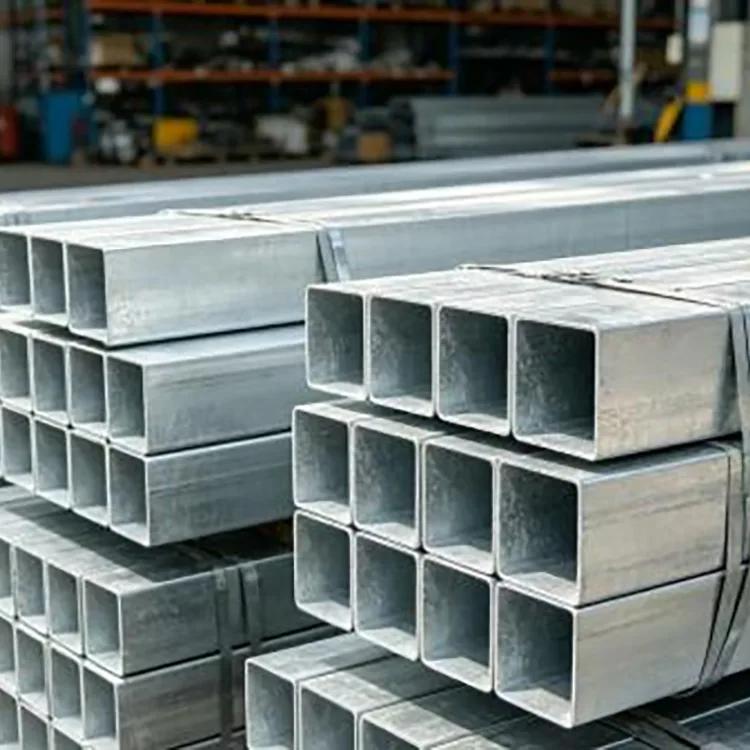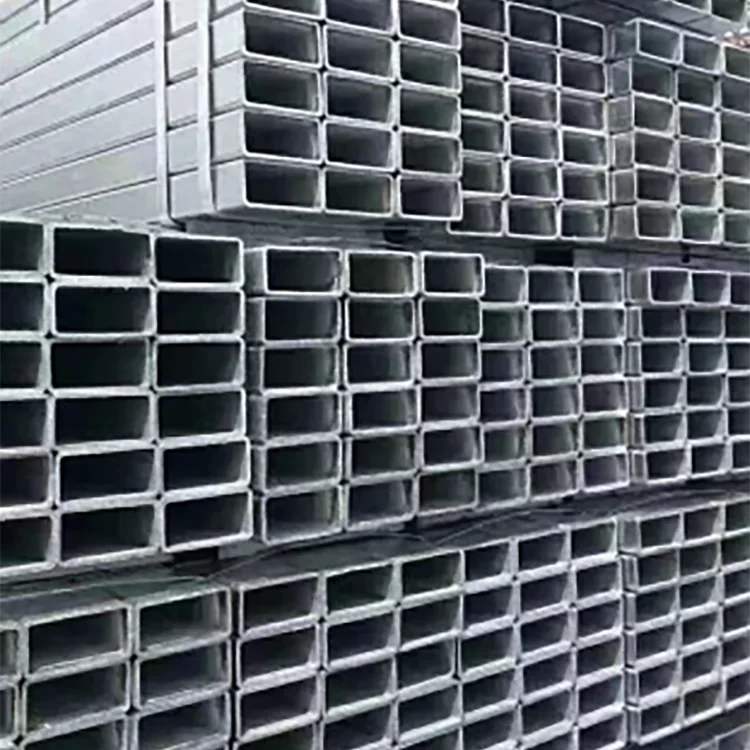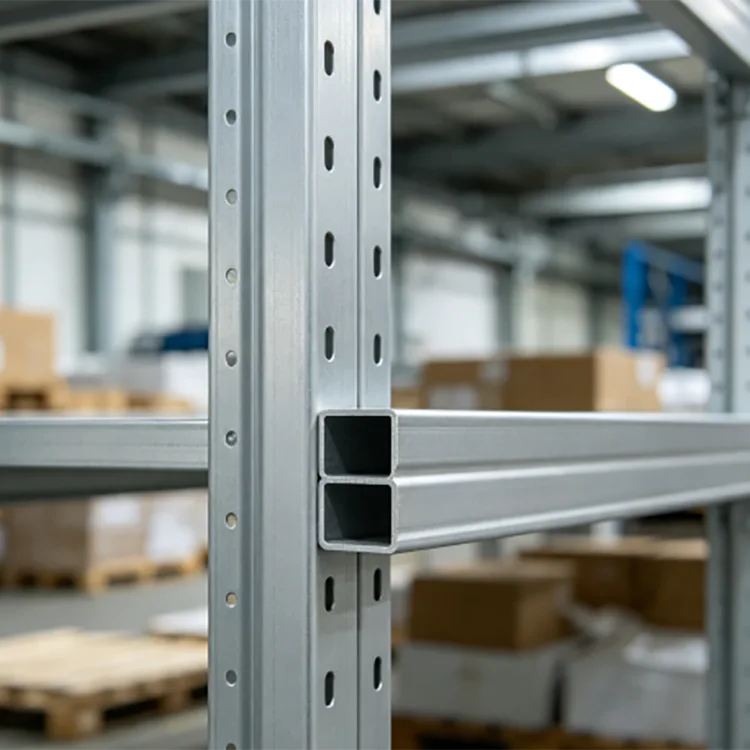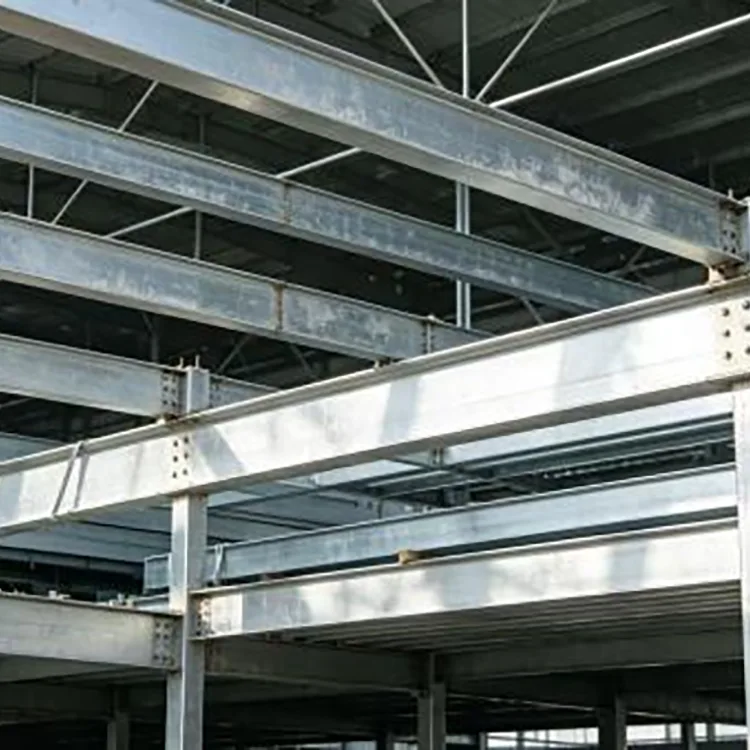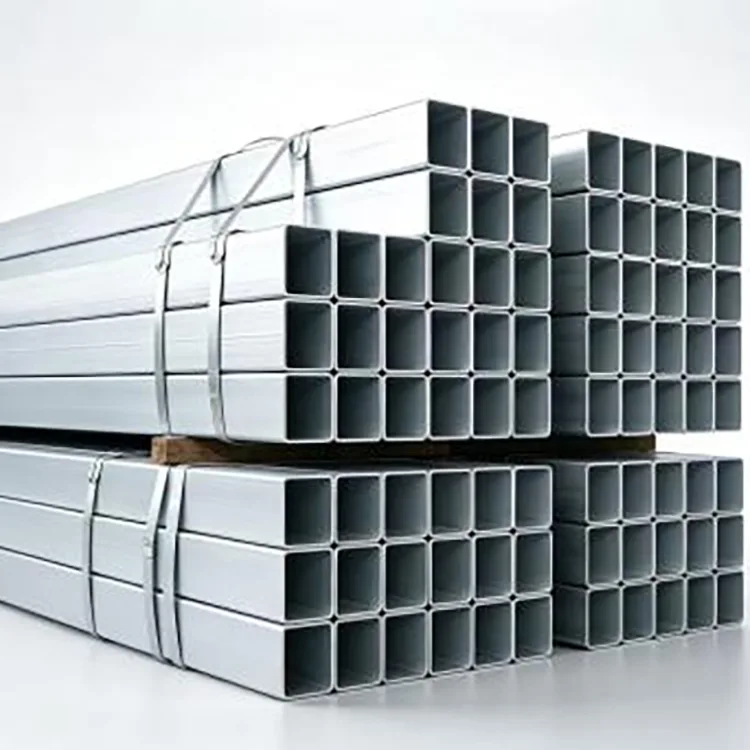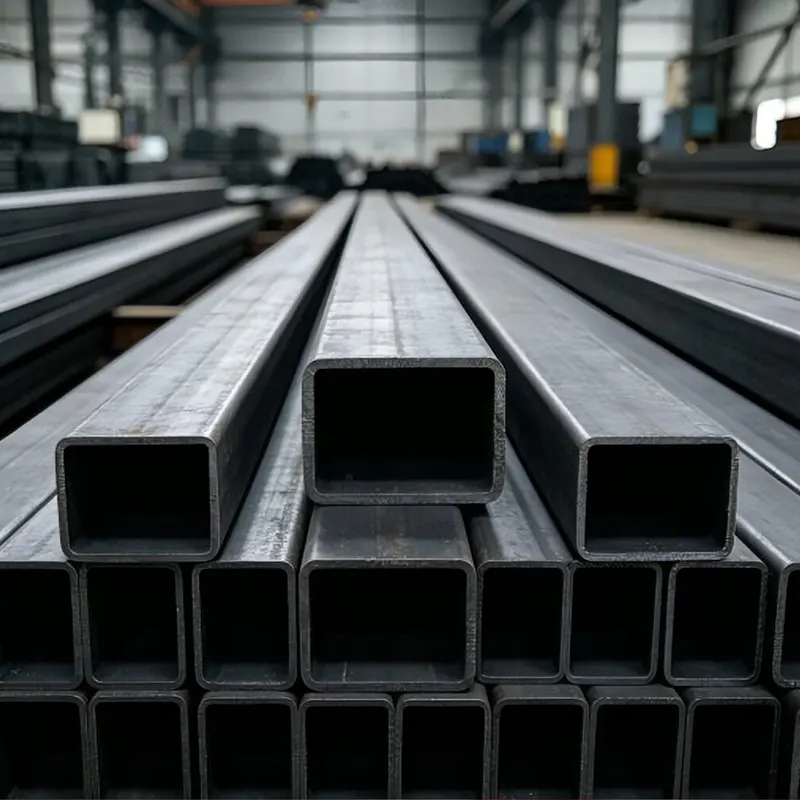
Zinc-Aluminum-Magnesium Coated Rectangular Steel Tube combines a rectangular hollow section with a zinc-aluminum-magnesium protective coating. The flat-sided section is useful where the tube needs to fit closely against walls, frames, panels or equipment surfaces, while the coating is intended for outdoor and humid service. Common applications include photovoltaic structures, curtain wall frames, equipment racks, greenhouse structures and municipal steelwork.
The main benefit of a Zinc-Aluminum-Magnesium Coated Rectangular Steel Tube is its controllable width-to-height ratio. Compared with a round tube, one side can provide a broader mounting surface; compared with a square tube, the section can be selected to better suit available installation space and load direction.
For structural applications, the longer side is commonly arranged in the direction where greater bending stiffness is required. The actual section size and wall thickness should still be confirmed from the structural load and span rather than selected by appearance alone.
Size Range
Item
Specification
Rectangular Section
30 × 20 to 200 × 100 mm
Wall Thickness
1.2–10 mm
Standard Length
6 m
Custom Length
3–12 m
Common Grades
S390GD+ZM, S420GD+ZM, S550GD+ZM
Surface
Matte silver-gray, relatively uniform
Processing
Cutting, drilling, beveling, welding and other fabrication
Special aspect ratios, wall thicknesses and lengths can be produced according to drawings and project requirements.
Why Use Zn-Al-Mg Coating?
The Zinc-Aluminum-Magnesium Coated Rectangular Steel Tube provides corrosion protection through a zinc-based alloy layer containing aluminum and magnesium. Compared with ordinary zinc coatings, the alloy system can offer improved corrosion behavior in many outdoor environments.
Another practical feature is its behavior around small areas of coating damage. Corrosion products from the surrounding coating can help slow corrosion from localized exposed steel. This is useful for products that require cutting, drilling or other site fabrication, although larger damaged areas and welded sections may still need suitable repair treatment.
Section and Wall Thickness Selection
Different applications require different combinations of width, height and wall thickness.
A 40 × 60 mm section can be considered for lighter secondary members, equipment frames and auxiliary supports.
A 50 × 100 mm section is suitable for many standard support and framing applications where a relatively high rectangular section is preferred.
Larger sections such as 60 × 120 mm or 80 × 120 mm can be considered for heavier beams, larger equipment frames and other applications requiring greater section stiffness.
For heavier loads or longer spans, sections of 80 × 160 mm and above may be specified, but the final size should be verified by structural calculation.
Wall thickness should be selected in the same way. Thin-wall material may be sufficient for short-span, light-duty framing, while 1.8–2.0 mm and thicker sections are more commonly considered for general outdoor structural work. Heavy loads, long spans and high wind conditions may require 2.5–3.0 mm or thicker material.
Typical Applications
Photovoltaic Projects
Used for rooftop PV support frames, solar auxiliary members and other outdoor photovoltaic structures where a rectangular section fits the installation layout.
Curtain Wall and Decorative Structures
The flat faces of the rectangular tube are convenient for frame connections, cladding supports, decorative steelwork and architectural structures.
Industrial Equipment Frames
Applicable to automation equipment, warehouse systems, production-line frames, workstations and machinery support structures.
Municipal and Infrastructure Projects
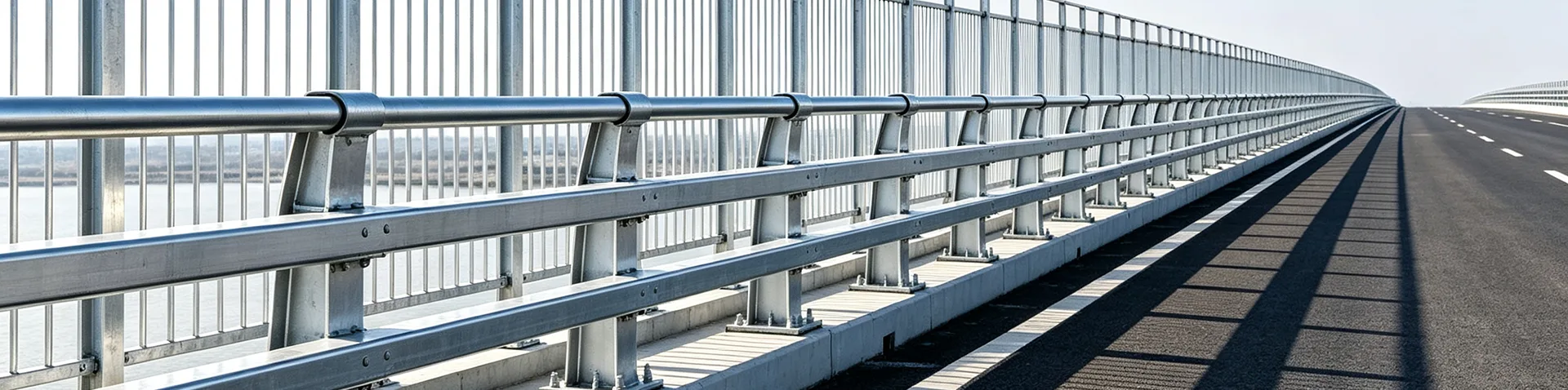
Used for guardrail frames, walkway supports, lighting structures, auxiliary bridge components and other outdoor fabricated steelwork.
Factories and Agricultural Structures
Suitable for secondary steel members, greenhouse frames, equipment shelters, farm structures and protective frames.
Surface and Fabrication
The standard surface is generally matte silver-gray with a relatively uniform appearance. The tube can be supplied for direct assembly or processed before shipment.
Available fabrication includes fixed-length cutting, drilling, end preparation, chamfering and other machining. Welding is also possible, but the coating in the heated area will be affected and should be treated according to the project's corrosion-protection requirements.
For large projects, pre-cutting and pre-drilling can reduce site work and improve installation efficiency.
Production Control
The rectangular tube is formed from Zn-Al-Mg coated steel strip through roll forming and high-frequency welding, followed by sizing, straightening and cutting.
Production control focuses on strip thickness, section dimensions, corner geometry, straightness, weld condition and coating quality. For structural orders, these parameters are checked against the agreed product specification before shipment.
Corrosion Environment
Zinc-Aluminum-Magnesium Coated Rectangular Steel Tube is suitable for many outdoor and humid environments, but coating selection should reflect the actual exposure.
Environment
Typical Consideration
Dry inland area
Standard coating level for general outdoor use
Humid inland area
Higher corrosion protection may be considered
Coastal or salt-laden area
Increased coating requirement or additional protection may be necessary
Industrial atmosphere
Evaluate chemical exposure and coating compatibility
Service life cannot be assigned by coating type alone. Salt concentration, humidity, pollutants, coating mass, section thickness, processing and maintenance all affect actual durability.
Quality Inspection
Quality control can include section dimensions, wall thickness, straightness, corner condition, weld appearance, coating thickness and surface condition.
For structural projects, material certificates and mechanical-property reports can be provided according to the agreed specification. Additional corrosion or salt-spray testing can be arranged when it forms part of the customer's acceptance requirements.
Procurement Information
For quotation, provide the following information:
Section size: such as 40 × 60 mm or 50 × 100 mm
Wall thickness: such as 1.5 mm, 2.0 mm or 3.0 mm
Steel grade: S390GD+ZM, S420GD+ZM or S550GD+ZM
Length: 6 m or customized
Quantity: pieces or total weight
Application: PV, curtain wall, equipment frame, greenhouse or structural use
Processing: cutting, drilling, welding preparation or other requirements
For projects with span, wind-load or other structural requirements, drawings or loading information help confirm the appropriate section.
FAQ
Q1: What is the difference between rectangular tube and square tube?
A rectangular tube has different width and height dimensions, giving greater flexibility when the available installation space or load direction requires a specific aspect ratio. A square tube has equal sides and is often used where loading and connection conditions are more symmetrical.
Q2: Why is Zinc-Aluminum-Magnesium Coated Rectangular Steel Tube suitable for outdoor rectangular tube?
The zinc-aluminum-magnesium coating provides corrosion protection and has useful behavior around localized coating damage. This makes it a practical option for many outdoor structures, including PV systems and equipment frames.
Q3: Can the rectangular tube be cut and welded?
Yes. Cutting, drilling and welding can be carried out. Because these operations locally affect the coating, the required protection for exposed areas and welds should be determined according to the environment and project specification.
Q4: What wall thickness should I choose?
It depends on load, span, support conditions and installation environment. Light secondary framing may use thinner walls, while long-span, heavy-load or high-wind structures generally require thicker walls. Section calculation should be completed before final selection.
Q5: Can special rectangular ratios be customized?
Yes. In addition to standard sizes such as 30 × 20 mm to 200 × 100 mm, special width-to-height ratios, wall thicknesses and fixed lengths can be discussed according to production capability and drawings.
Q6: Is it suitable for coastal photovoltaic projects?
It can be used for coastal PV structures, but the coating specification should be selected according to the local salt exposure and required service life. Severe marine environments may require a higher coating level or additional corrosion protection.
Q7: Can you provide pre-cut or pre-drilled rectangular tubes?
Yes. Cutting, drilling, chamfering, beveling and other fabrication can be arranged before shipment to reduce processing work at the installation site.
Hot Tags: Zinc-Aluminum-Magnesium Coated Rectangular Steel Tube Manufacturer, Supplier
We use cookies to offer you a better browsing experience, analyze site traffic and personalize content. By using this site, you agree to our use of cookies. Privacy Policy