Products
Hot-Dip Galvanized Steel Rebar
  • Hot-Dip Galvanized Steel RebarHot-Dip Galvanized Steel Rebar
  • Hot-Dip Galvanized Steel RebarHot-Dip Galvanized Steel Rebar
  • Hot-Dip Galvanized Steel RebarHot-Dip Galvanized Steel Rebar

Hot-Dip Galvanized Steel Rebar

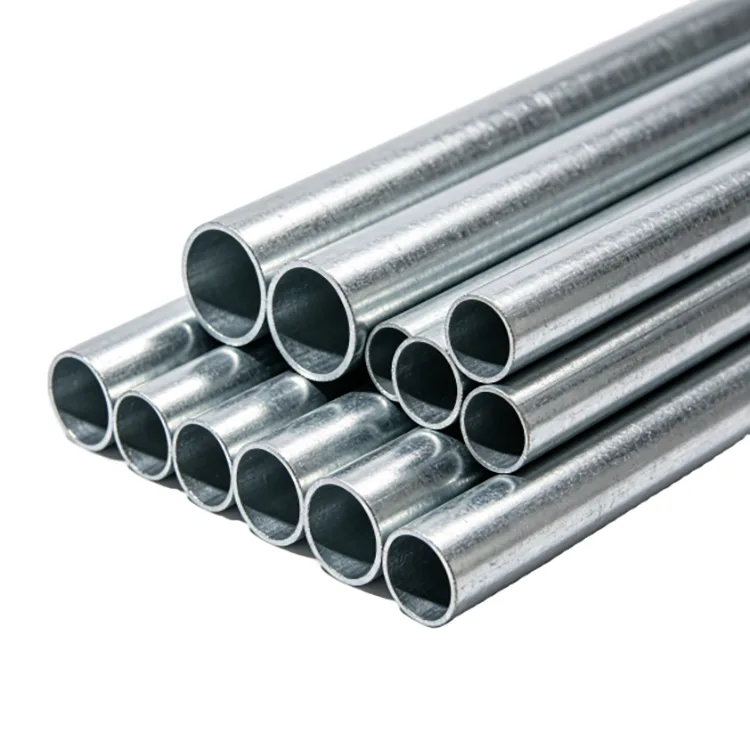
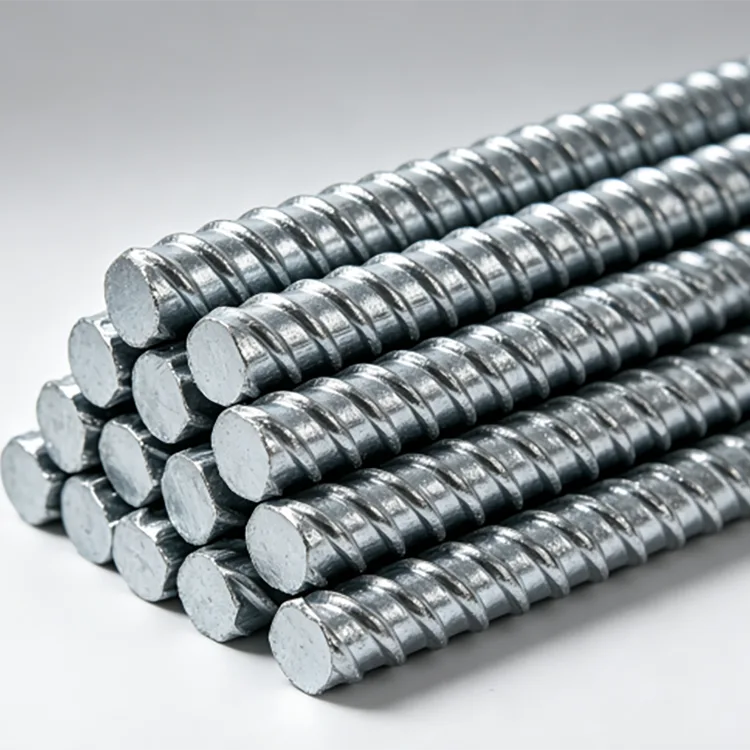
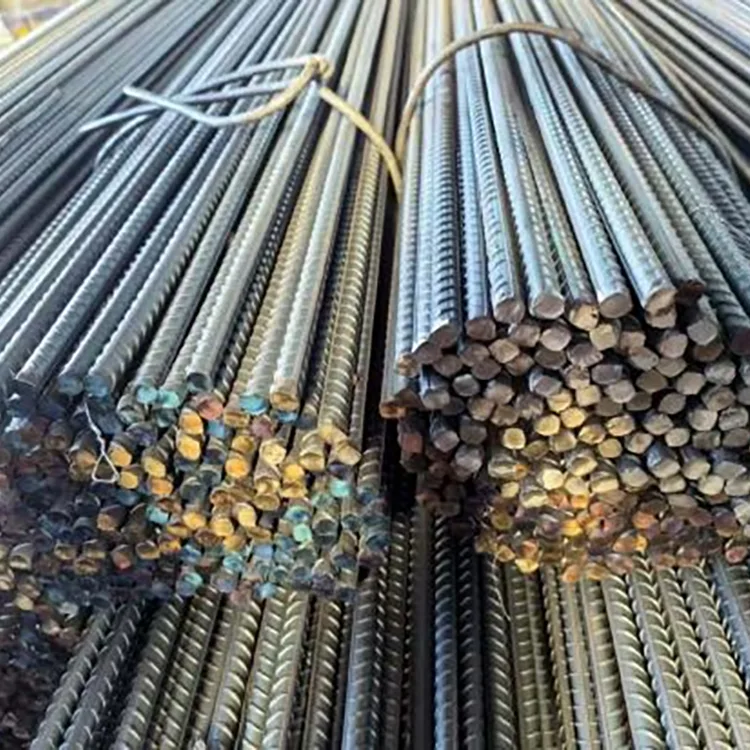
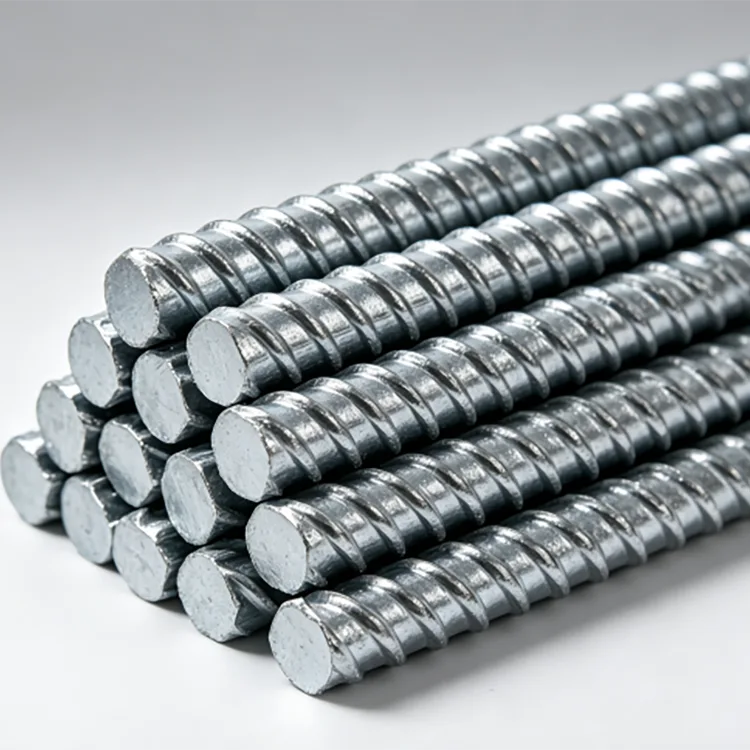
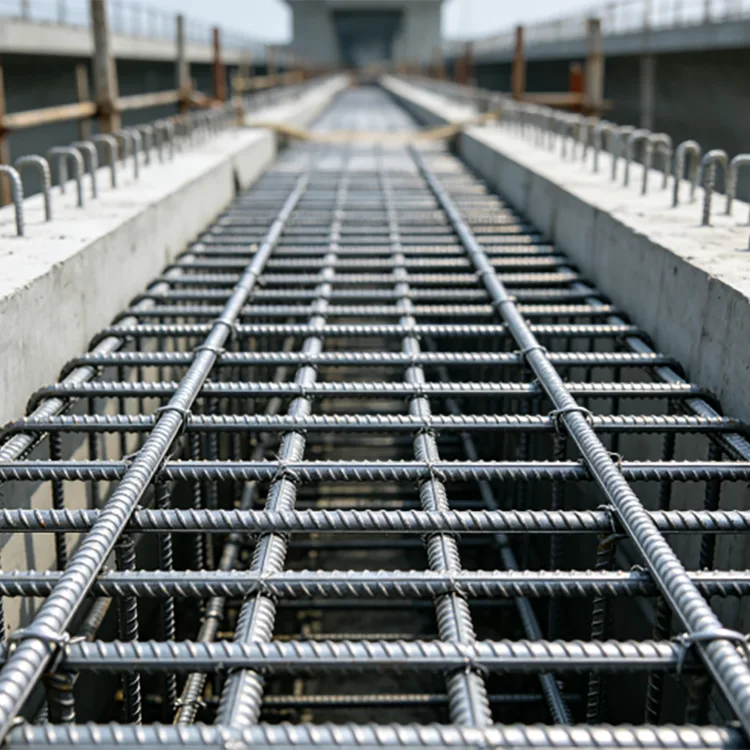
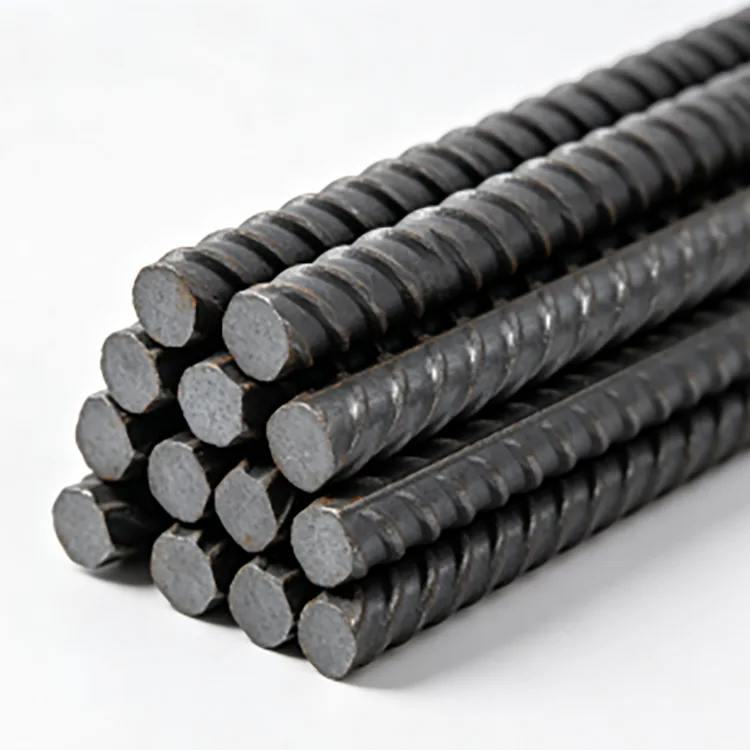
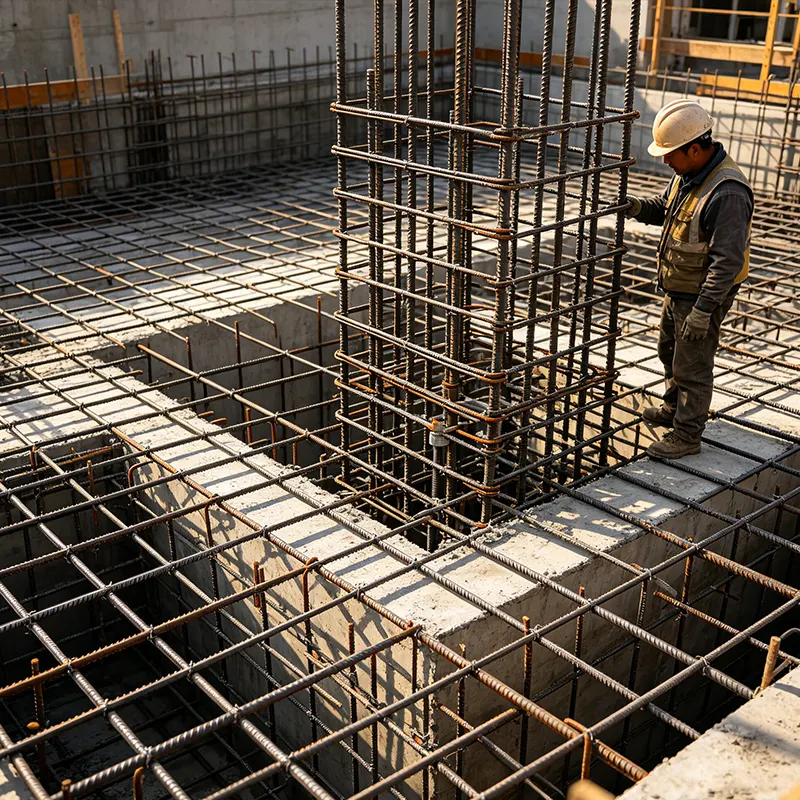
Hot-Dip Galvanized Steel Rebar uses HRB400, HRB400E, HRB500 and HRB500E ribbed steel bar with a galvanized coating for reinforced concrete exposed to moisture, chlorides, soil and outdoor conditions. Diameters range from 6–40 mm, with 9 m and 12 m standard lengths and custom lengths of 6–15 m.

Hot-Dip Galvanized Steel Rebar is ordinary hot-rolled ribbed reinforcing steel with a zinc coating applied to the finished bar. The rebar retains its ribbed surface and is used as reinforcement inside or around concrete structures where conventional black rebar may be exposed to a higher risk of corrosion.

The main reason to specify galvanized rebar is not to increase the basic load-bearing capacity of the reinforcement. Its purpose is to add corrosion protection to the steel surface. This becomes particularly useful in structures exposed to water, humidity, chloride-containing environments, contaminated soil or repeated wetting and drying.

Available grades include HRB400, HRB400E, HRB500 and HRB500E, with diameters from Φ6 mm to Φ40 mm. Fixed lengths, cutting and other processing can be arranged for project requirements.

Hot-Dip Galvanized Steel RebarHot-Dip Galvanized Steel RebarHot-Dip Galvanized Steel Rebar


Technical Specifications

Item

Specification

Product

Hot-Dip Galvanized Steel Rebar

Base Material

Hot-rolled ribbed reinforcing steel

Steel Grades

HRB400, HRB400E, HRB500, HRB500E

Common Diameters

Φ6, Φ8, Φ10, Φ12, Φ14, Φ16, Φ18, Φ20, Φ22, Φ25, Φ28, Φ32, Φ40 mm

Standard Lengths

9 m, 12 m

Custom Length

6–15 m

Base Material Standard

GB/T 1499.2-2018

Galvanizing Standard

EN ISO 1461

Standard Zinc Coating

≥85 μm

Reinforced Zinc Coating

Up to 275 μm

Surface

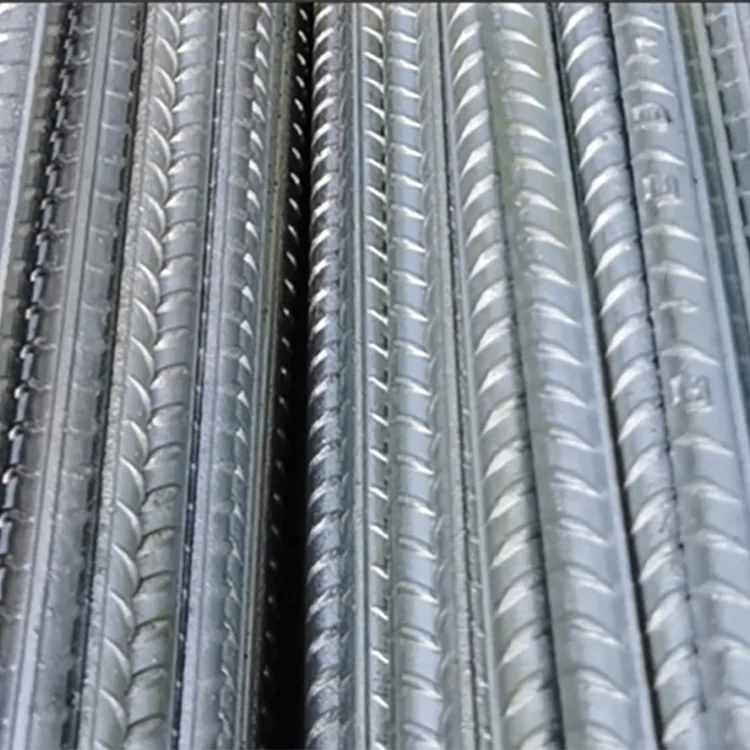
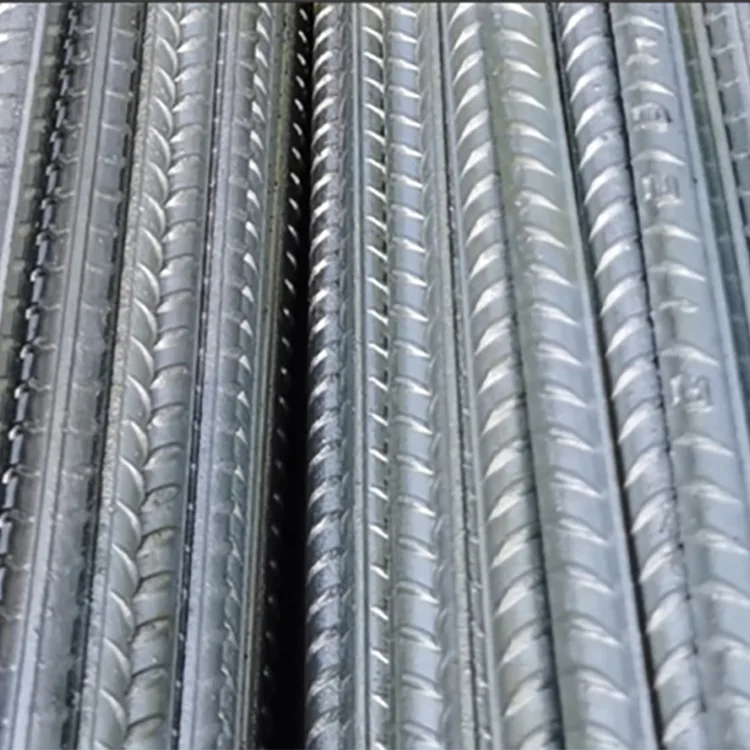
Silver-gray galvanized finish with clear ribs

Processing

Cutting, bending, threading and other agreed processing


The Role of Galvanizing on Reinforcing Bar

Concrete normally provides a degree of protection to embedded steel through its alkaline environment. The situation changes when concrete is exposed to chloride, moisture, carbonation, cracks or other conditions that allow corrosion-promoting substances to reach the reinforcement.

A galvanized coating adds another layer of protection to the reinforcing bar. Zinc acts as a physical barrier and can also provide sacrificial protection when the steel surface is locally exposed.

This makes galvanized rebar particularly relevant to structures where corrosion of reinforcement would be difficult or expensive to repair after construction. Typical examples include coastal infrastructure, water-treatment structures, bridge components, outdoor foundations and certain buried structures.


Galvanizing Process for Rebar

The reinforcement bar is inspected before galvanizing to confirm its steel grade, diameter and surface condition. Surface preparation then removes oil, scale and other contaminants so that the zinc can properly bond to the steel.

After pickling and flux treatment, the rebar is immersed in molten zinc at approximately 450°C. The zinc reacts with the steel surface to form a metallurgically bonded galvanized coating. After withdrawal, excess zinc is controlled, followed by cooling, passivation and final inspection.

Particular attention is given to the ribs and valleys of the deformed bar. The finished profile must remain clearly defined because the ribs contribute to mechanical interlock between the reinforcement and concrete.


HRB400E or HRB500E?

The choice should follow the structural design rather than the galvanizing requirement.

HRB400 / HRB400E is suitable for many conventional reinforced concrete structures, equipment foundations, power infrastructure and general corrosion-protection projects. Where seismic performance is specified, the E-grade should be selected when required by the project design and applicable standard.

HRB500 / HRB500E provides a higher yield-strength level and is more suitable for projects with higher reinforcement demand, heavier structural loads or designs where higher-strength reinforcement can help optimize reinforcement quantities.

For coastal heavy-load infrastructure, large renewable-energy projects and major corrosion-protection structures, HRB500E can be considered when specified by the structural design.


How to Select the Rebar Diameter

Diameter should be determined from the reinforcement schedule, load requirements, concrete member dimensions and detailing rules.

Diameter

Typical Use

Φ6–Φ12 mm

Light reinforcement, secondary members, stirrups and smaller components

Φ14–Φ25 mm

Main reinforcement for beams, columns, foundations and equipment bases

Φ28–Φ40 mm

Large foundations, heavy structures, bridges and major infrastructure

These ranges are procurement references rather than substitutes for structural calculations. A larger bar is not automatically better if it does not match the required reinforcement spacing, concrete cover and connection details.


Where Galvanized Rebar Makes Sense

Power and Renewable Energy

Galvanized rebar can be used in wind-turbine foundations, substation foundations, photovoltaic infrastructure and other outdoor power projects where reinforcement may be exposed to moisture and soil conditions.


Water and Wastewater Structures

Treatment plants, water tanks, drainage structures, channels, retaining structures and other water-related concrete works can require additional reinforcement corrosion protection.


Coastal Infrastructure

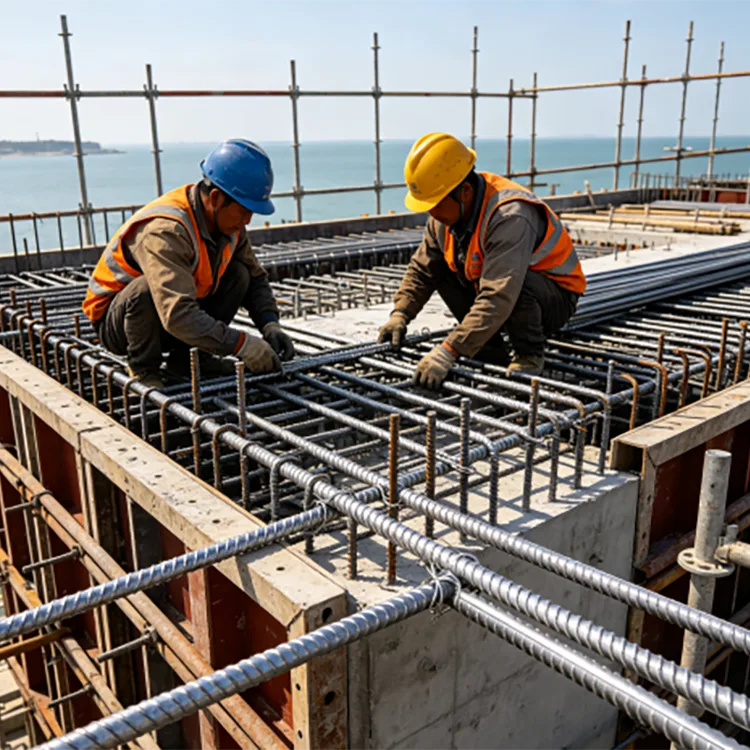
Marine and coastal buildings, ports, bridges, seawalls and other chloride-exposed structures are common applications where corrosion of embedded reinforcement can become a long-term maintenance concern.


Outdoor Foundations

Equipment bases, billboard foundations, curtain wall foundations and outdoor steel-structure foundations can use galvanized reinforcement where moisture and soil exposure justify the additional protection.


Buried Structures

Underground utility corridors, buried equipment foundations and other below-grade concrete structures can specify galvanized rebar where soil conditions and project design identify reinforcement corrosion as a risk.


What Happens During Cutting, Bending and Welding?

Galvanized rebar can be cut and bent according to the reinforcement design. However, fabrication should be planned with the zinc coating in mind.

Where cutting exposes bare steel, the cut area should be inspected and repaired with a suitable zinc-rich coating when required by the project specification.

Welding also locally affects the galvanized layer. Zinc should be removed from the welding area as required by the welding procedure, and the affected area should receive appropriate corrosion-protection repair after welding and cooling.

For this reason, when a project requires extensive prefabrication, it is useful to confirm the bending, cutting and welding schedule before galvanizing rather than treating all processing as a post-galvanizing operation.


Galvanized Rebar and Concrete Anchorage

Galvanizing does not remove the ribs from the reinforcing bar. The rib geometry remains available for mechanical interlock with concrete.

For a specific structural project, however, bond and anchorage should be evaluated according to the applicable concrete design standard, bar diameter, concrete strength, cover, development length and construction method. The galvanized condition should be included in the project specification rather than assuming that every concrete detail is automatically identical to uncoated reinforcement.


Zinc Coating Selection

A standard galvanized coating of ≥85 μm can be specified for general corrosion-protection requirements. Where the project has stronger exposure to salt spray, moisture or corrosive conditions, a thicker coating up to 275 μm can be discussed.

The coating requirement should be agreed before production because the required zinc level affects the galvanizing process, inspection criteria and project cost.

For coastal, marine or chemically aggressive environments, zinc thickness should be considered together with concrete cover, concrete quality, crack control, drainage and the overall corrosion-protection design.


Quality Control

Quality inspection starts with the base rebar. Steel grade, diameter, surface condition and mechanical properties are checked against the purchase specification.

After galvanizing, the finished bars are inspected for coating continuity, surface condition, visible defects and zinc coating thickness. The rib profile and bar dimensions are also checked because excessive zinc buildup should not interfere with normal handling or construction.

For export and engineering orders, factory material certificates, galvanizing inspection records, packing documentation and other agreed quality documents can be supplied. Third-party inspection can also be arranged when required by the project.


Project Application

Substation and Wind Power Foundation

An electrical infrastructure project selected HRB400E hot-dip galvanized rebar for wind-turbine foundations, substation structures, auxiliary reinforcement for grounding-related construction and embedded load-bearing components.

The selection was based on the need to combine seismic-grade reinforcement requirements with additional corrosion protection in outdoor conditions involving rain, soil contact and long-term environmental exposure. The galvanized surface provided additional protection while the ribbed bar maintained the required reinforcement configuration.

Hot-Dip Galvanized Steel RebarHot-Dip Galvanized Steel Rebar


Hot Dip Galvanized Rebar vs Black Rebar

Black rebar remains suitable for many conventional reinforced concrete projects where the concrete system and exposure conditions provide sufficient corrosion protection.

Galvanized rebar has a higher initial material cost because of the additional galvanizing process. Its value becomes more apparent when reinforcement corrosion would create substantial repair difficulty or lifecycle costs.

For procurement, the comparison should therefore include the exposure class, expected service period, concrete design, maintenance access and consequences of reinforcement corrosion rather than comparing only the price per ton.


Procurement Information

For quotation, provide the following information:

Requirement

Details

Steel Grade

HRB400 / HRB400E / HRB500 / HRB500E

Diameter

Φ6–Φ40 mm or project-specific

Length

9 m / 12 m standard or 6–15 m custom

Zinc Coating

≥85 μm standard or thicker specification

Quantity

Total tonnage and diameter breakdown

Processing

Cutting, bending, threading or other requirements

Application

Coastal, buried, water, power, PV, bridge, foundation, etc.

Inspection

Factory inspection, material certificate, coating inspection or third-party inspection


FAQ

Does hot-dip galvanizing change the strength of the rebar?

The galvanizing process is primarily a surface-protection treatment. The finished rebar must still meet the specified mechanical requirements for its steel grade. Mechanical properties should be verified through the applicable material inspection and project requirements.


Does galvanized rebar still bond with concrete?

Yes. The deformed ribs remain on the bar and provide mechanical interlock with concrete. Project-specific anchorage and development requirements should still follow the applicable structural design standard.


Can galvanized rebar be welded?

Yes, but welding affects the zinc coating around the weld. The welding procedure should account for the galvanized surface, and damaged zinc protection should be repaired after welding.


Can the rebar be bent after galvanizing?

It can be bent when the bending operation is compatible with the bar grade, diameter and project requirements. For extensive fabrication, it is preferable to confirm the bending schedule before galvanizing and inspect the coating after bending.


Is 85 μm zinc coating enough for coastal projects?

Not necessarily. Coastal and marine exposure can require a higher zinc specification. A coating up to 275 μm can be discussed, together with concrete cover and the project's overall corrosion-control design.


What is the difference between HRB400E and HRB500E?

The main difference is the specified strength level. HRB400E has a yield-strength level of at least 400 MPa, while HRB500E has a yield-strength level of at least 500 MPa. The E designation is associated with additional requirements relevant to seismic applications.


Can galvanized rebar be supplied in custom lengths?

Yes. Standard lengths are 9 m and 12 m, while fixed lengths from 6–15 m can be discussed according to the project schedule and transportation requirements.


What documents can be provided for an engineering or export order?

Material certificates, product inspection records, galvanizing inspection documentation, packing lists and other agreed export or project documents can be prepared according to the purchase specification.


Hot Tags: Hot-Dip Galvanized Steel Rebar, Galvanized Rebar Supplier, Hot Dip Galvanized Rebar Manufacturer
Send Inquiry
Contact Info
  • Address

    Secondary Arterial Road No. 2-1, Expansion Area of ​​Daqiuzhuang Industrial Zone, Jinghai District, Tianjin, China

Tell RongHeng your required steel product, size, grade, quantity, customization and delivery needs, and our export team can review your inquiry.
X
We use cookies to offer you a better browsing experience, analyze site traffic and personalize content. By using this site, you agree to our use of cookies. Privacy Policy
RejectAccept