Products
Hot-Rolled Steel Angle
  • Hot-Rolled Steel AngleHot-Rolled Steel Angle
  • Hot-Rolled Steel AngleHot-Rolled Steel Angle
  • Hot-Rolled Steel AngleHot-Rolled Steel Angle

Hot-Rolled Steel Angle

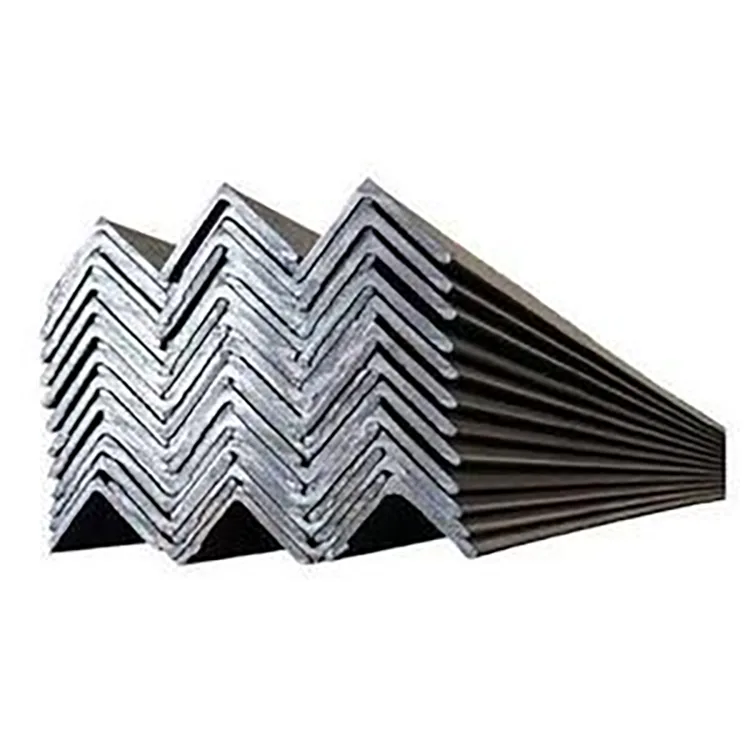
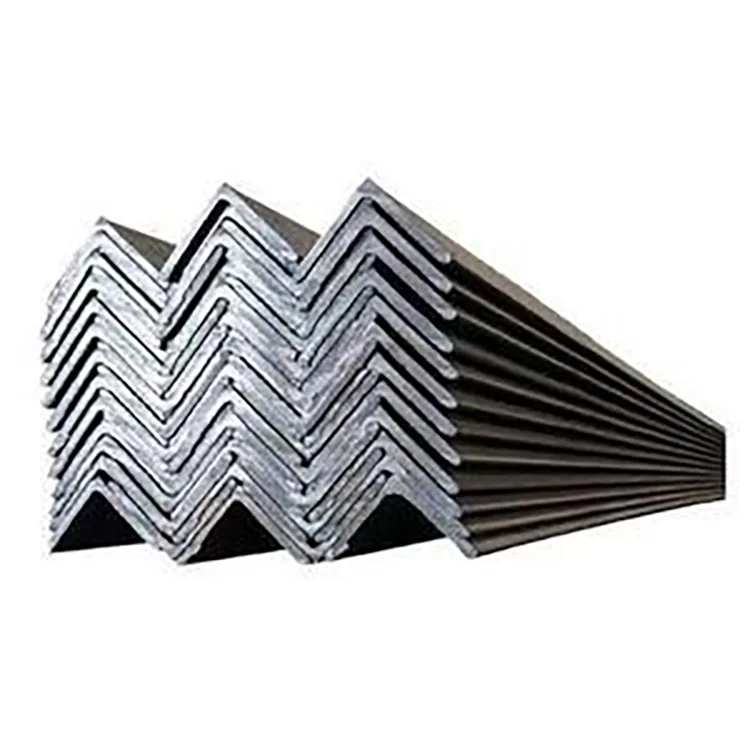
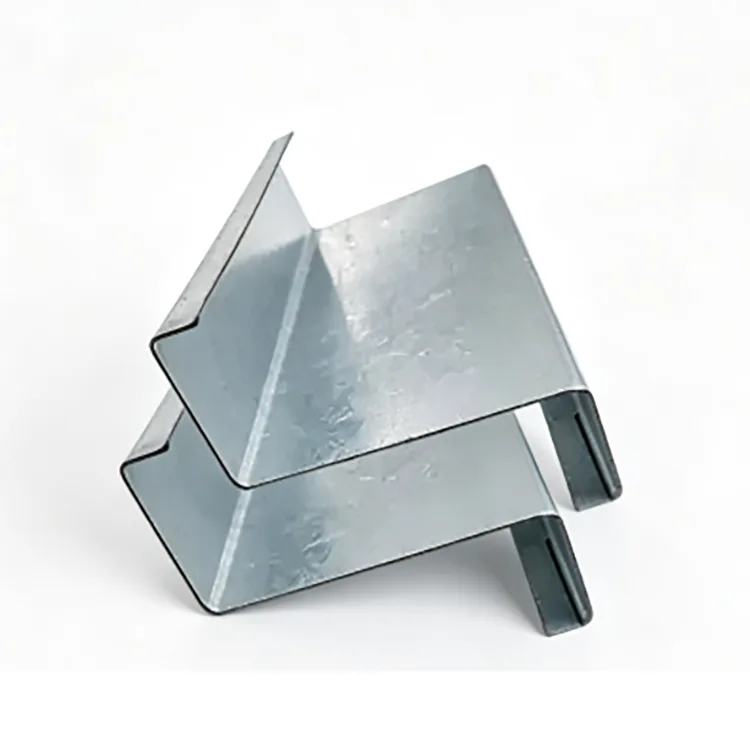
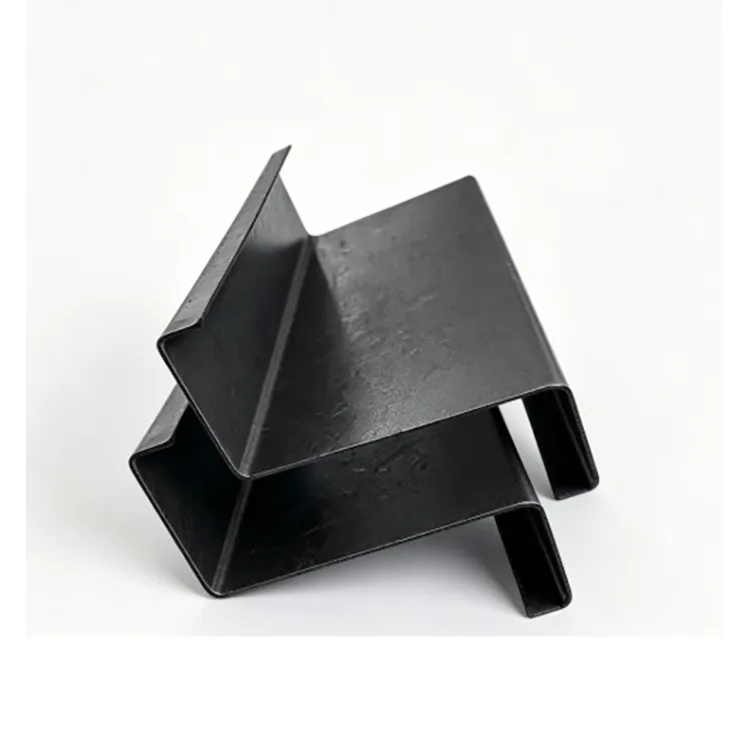
Hot-Rolled Steel Angle is a solid L-shaped section rolled directly from heated steel billets. Q235B and Q355B are available in equal and unequal angles, covering common sizes from 20×20 mm to 200×200 mm and thicknesses of 2–24 mm. Standard 6 m, 9 m and 12 m lengths are available, with cutting and fabrication for structural, machinery, municipal, power and building projects.

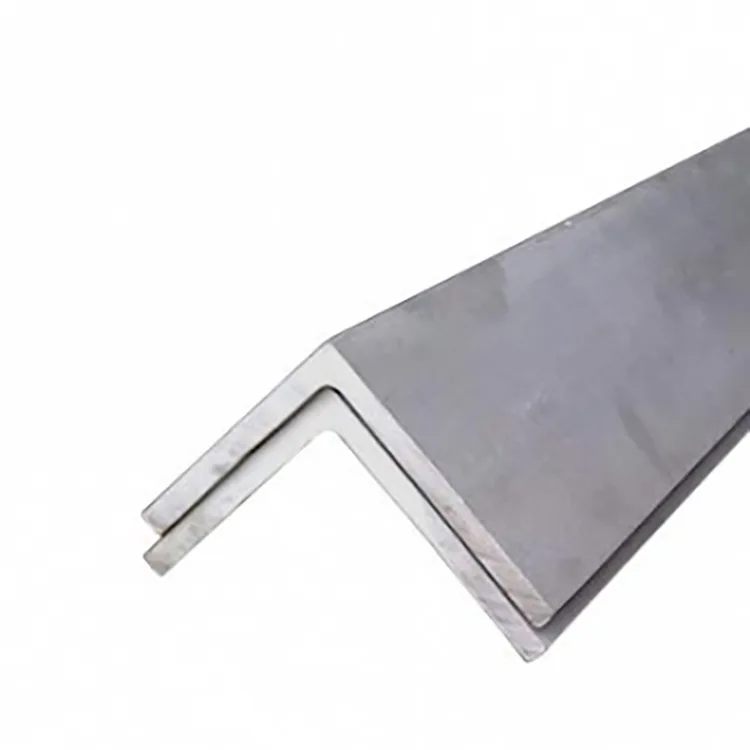
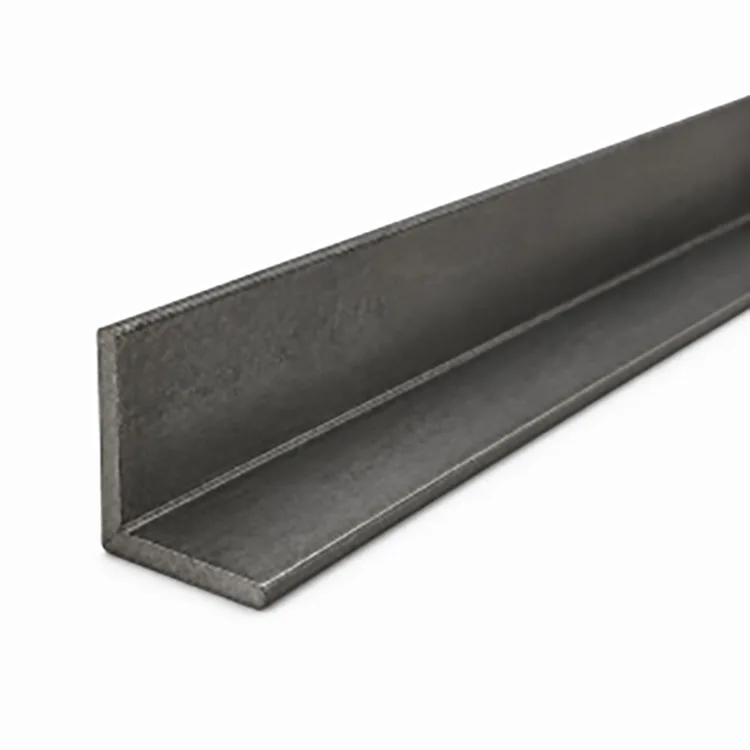
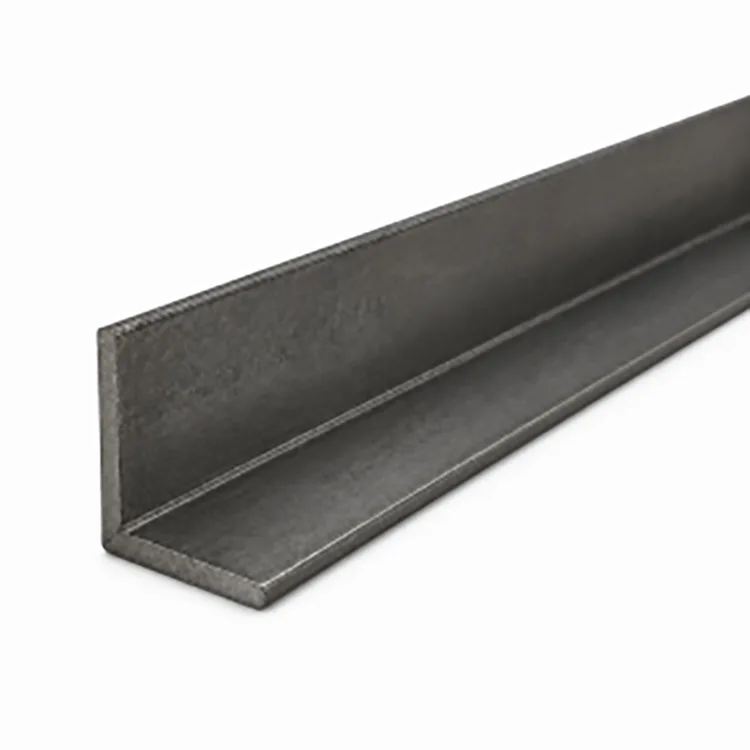
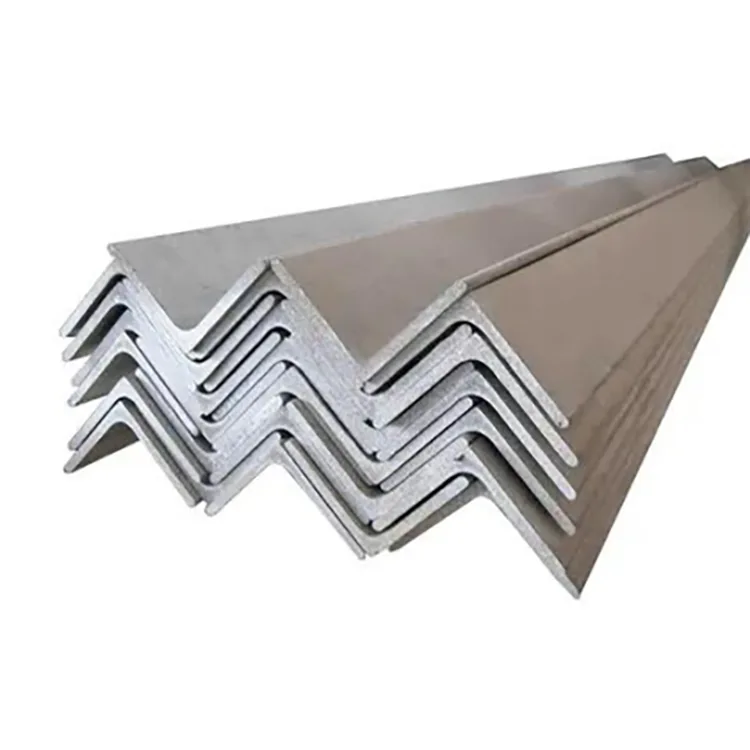
Hot-Rolled Steel Angle, also known as angle iron, is an L-shaped structural section produced by rolling heated steel billet. It is available in equal and unequal configurations, with Q235B and Q355B as the main steel grades.

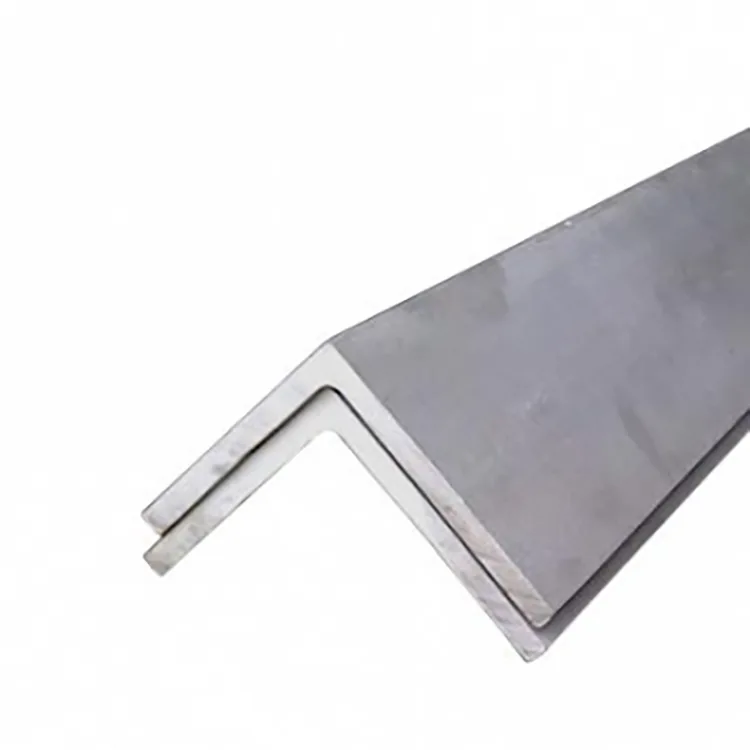
The 90° section provides two perpendicular legs for welding, bolting, bracing, reinforcement and support. Compared with flat bar, the angle section provides greater structural depth and two connection surfaces, making it suitable for a wide range of fabricated steel components.

Hot-Rolled Steel Angle Equal and Unequal Hot-Rolled Steel Angle Hot-Rolled Steel Angle Stock

Specifications

Item Specification
Product Hot-Rolled Steel Angle
Steel Grade Q235B, Q355B
Profile Equal angle, unequal angle
Equal Angle Range 20×20–200×200 mm
Unequal Angle Range 32×20–160×100 mm
Thickness 2.5–24 mm
Standard Length 6 m, 9 m, 12 m
Custom Length 1–18 m
Surface Black hot-rolled
Surface Treatment Black, hot-dip galvanized, electrogalvanized, painted
Processing Cutting, drilling, punching, bending, beveling, grinding, descaling
Chinese Standard GB/T 706-2016
Export Standards EN, ASTM, JIS and other agreed specifications
Export Grades S235JR, S355JR, A36 subject to project requirements

Available dimensions and theoretical weights vary by the selected equal or unequal angle designation. For quotation, specify the exact leg dimensions and thickness required for the project.

Equal Angle or Unequal Angle?

Equal angle has two legs of the same width and is commonly used where the connection or load arrangement is symmetrical. It is suitable for braces, frames, racks, supports and general fabricated structures.

Unequal angle has different leg widths. It is useful when one connection surface needs more bearing or fastening area, while the other leg must fit a narrower space.

For engineered orders, the exact section designation is more useful than a general description such as “large angle steel.”

Q235B and Q355B

Q235B is commonly used for general structural fabrication, equipment frames, supports, guardrails and other components where the specified design strength can be met with the selected section.

Q355B provides a higher specified yield strength and can be selected when the design requires higher material strength. The steel grade should be considered together with the section size, thickness, load and connection design.

The appropriate grade and section should therefore be confirmed against the structural calculation rather than selected by grade alone.

Hot Rolled Manufacturing Process

The basic production route is:

Steel billet → heating → rough rolling → intermediate rolling → finishing rolling → sizing → straightening → cutting → inspection → bundling

The L-shaped section is formed directly through a series of rolling passes. After rolling, the finished angle is checked for dimensions, straightness, length and surface condition before being bundled for storage or shipment.

The standard black surface contains normal hot-rolling scale. Depending on the final application, the material can subsequently be painted, galvanized or otherwise treated.

Hot Rolled Angle vs Cold Formed Angle

Hot rolled angle and cold formed angle are produced by different processes and are used for different structural requirements.

Hot rolled angle is rolled from heated billet and is commonly specified for structural steelwork, braces, supports and fabricated components where a rolled section is required.

Cold formed angle is produced by bending steel strip at room temperature and is generally associated with lighter sections and applications where thin material is acceptable.

For a structural project, the section should follow the engineering drawing and applicable standard rather than being replaced solely on the basis of material price.

Angle Steel vs Flat Bar

Flat bar has a single flat cross-section and is commonly used for plates, straps, reinforcement strips and other flat components.

Angle steel has two perpendicular legs, providing two connection surfaces and a right-angle profile. This makes it suitable for braces, corners, supports and reinforcement where a flat section would not provide the required geometry.

Applications

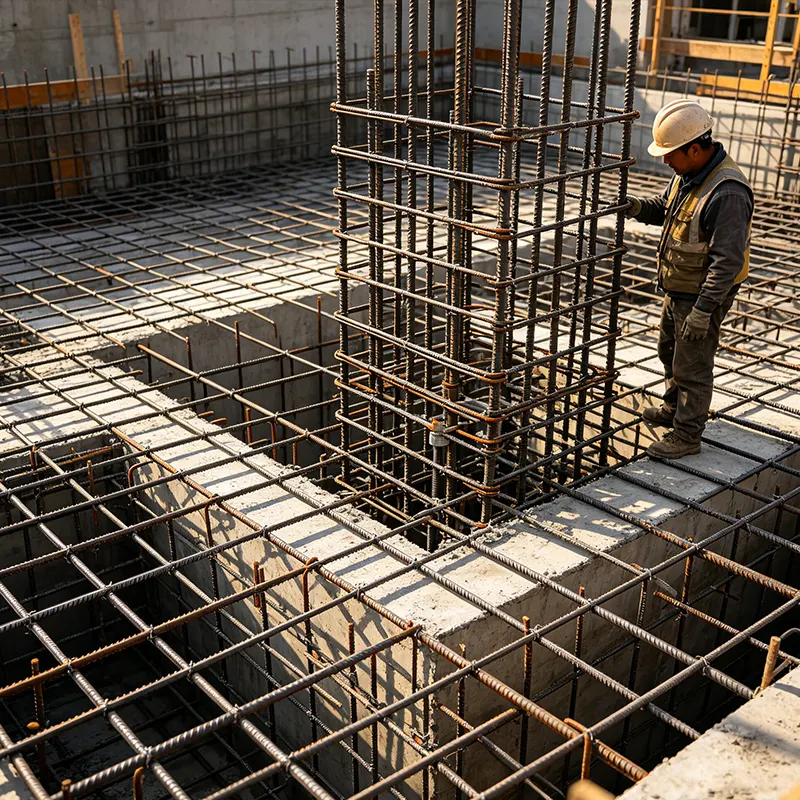
Hot-Rolled Steel Angle is used in building, industrial and infrastructure fabrication where an L-shaped structural section is required.

  • Steel structures: braces, reinforcement, frames, supports and connection members
  • Machinery: equipment bases, machine frames, guards and support brackets
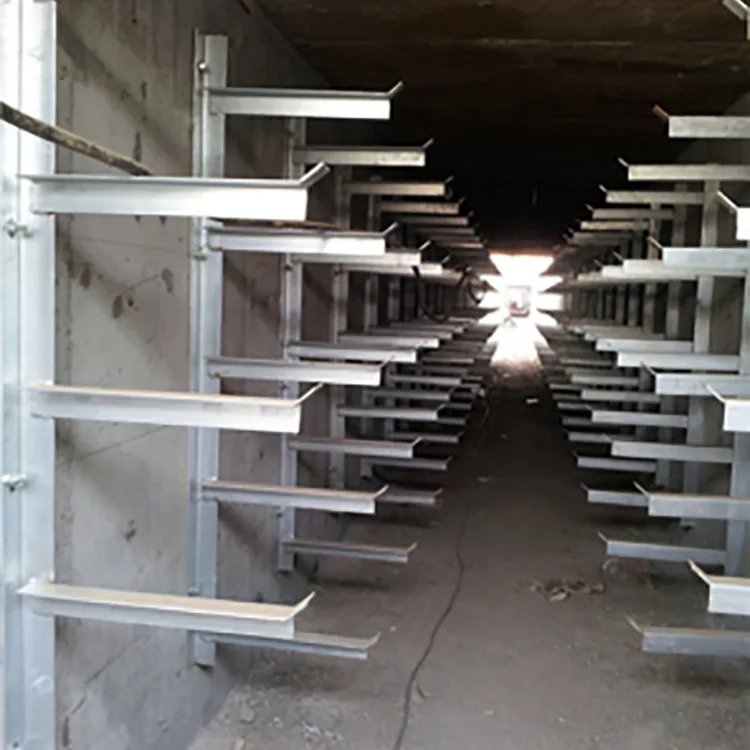
  • Warehousing: rack reinforcement, frames and equipment supports
  • Municipal projects: guardrail components, sign supports and small structural frames
  • Power and photovoltaic projects: selected brackets, braces, reinforcement and auxiliary support members
  • Building and curtain-wall work: supporting or embedded steel components

Use in Photovoltaic Structures

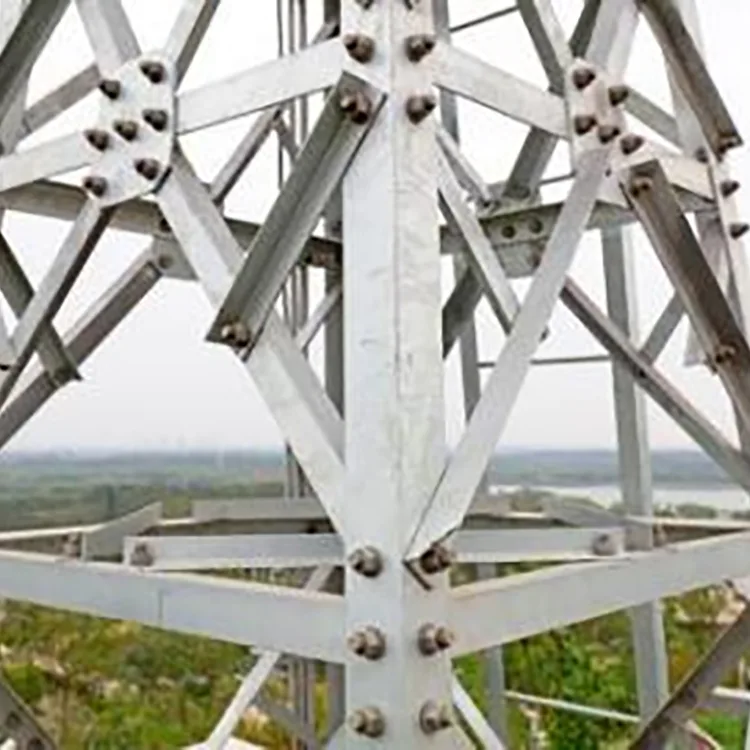
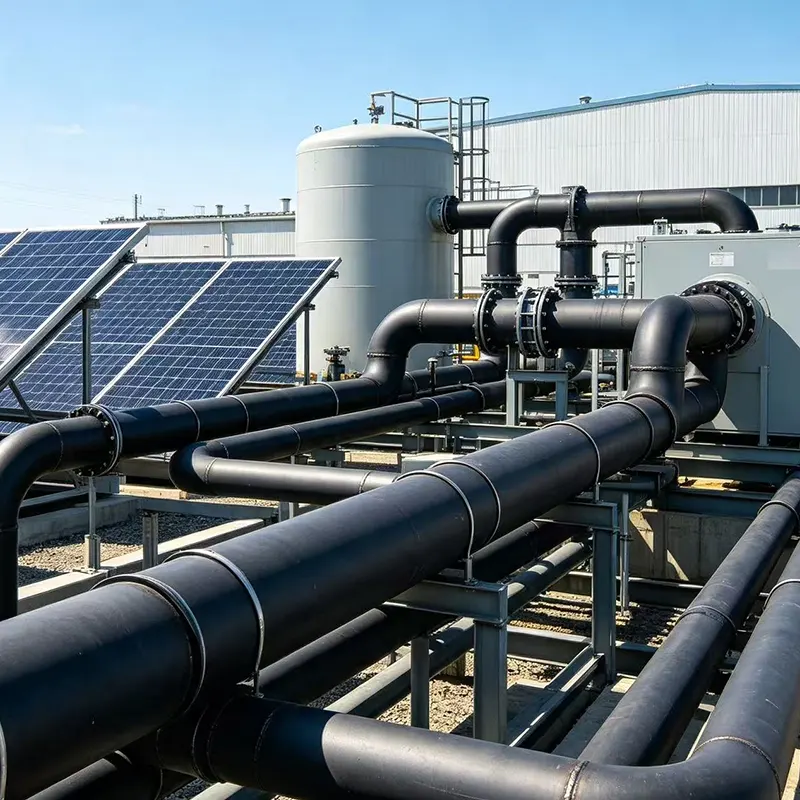
In photovoltaic projects, angle steel can be used for braces, connection members, reinforcement and selected auxiliary support components. The required section depends on the calculated load, span, connection method and installation conditions.

For outdoor exposure, corrosion protection should be specified together with the steel section. Black hot-rolled angle may require a separate protective coating, while hot-dip galvanized angle provides a zinc coating for exposed applications.

Hot-Rolled Steel Angle for PV Structure Steel Angle Used in Photovoltaic Structure

Project Example

For distributed photovoltaic projects, 40×40 mm and 50×50 mm Hot-Rolled Steel Angle were supplied for selected support and reinforcement components. The material was subsequently treated for outdoor corrosion protection and used in rooftop installations.

According to the supplied project record, structures using the galvanized version showed no widespread visible rusting or deformation after five years of operation.

Processing Options

Hot-Rolled Steel Angle can be supplied as standard straight stock or processed before delivery according to the project drawing.

  • Cutting to fixed length
  • Drilling and punching for bolted connections
  • Bending for suitable sizes and applications
  • Beveling, grinding and deburring
  • Descaling and surface preparation

When galvanizing is required, the main cutting, drilling and fabrication work is normally completed before hot-dip galvanizing. This reduces the amount of coating repair required after fabrication.

Surface Treatment

Black Hot-Rolled Steel Angle is supplied without a corrosion-protection coating and can be used directly where the project environment and coating system permit.

For outdoor or humid environments, painting or hot-dip galvanizing can be specified according to the required service conditions. The surface-treatment requirement should be included in the purchase specification together with the steel grade and section size.

Quality Control

Material inspection covers the specified steel grade and section before finished-product inspection.

Key dimensional checks include leg dimensions, thickness, straightness and length. The surface is also checked for visible defects, while cracks, laminations and significant deformation require particular attention because they can affect fabrication and structural use.

For project orders, material certificates and inspection records can be supplied according to the agreed requirements. Third-party inspection can also be arranged when specified.

Supply and Fabrication

Our supply chain in Tianjin Daqiuzhuang supports Hot-Rolled Steel Angle sourcing together with cutting, drilling, bending, galvanizing and export logistics.

Q235B and Q355B are available, with export grades such as S235JR, S355JR and A36 subject to the required specification, mechanical properties and certification.

Standard and project-specific lengths can be arranged, and agreed processing can be completed before shipment. Material certificates, inspection records and third-party inspection can also be coordinated according to the order requirements.

For export shipments, bundled packing, container loading and documentation can be arranged through the Tianjin supply and logistics network.

FAQ

Q1. What is the difference between equal and unequal angle steel?

Equal angle has two legs of the same width. Unequal angle has different leg widths and is used where the two connection surfaces require different dimensions.

Q2. What sizes are available?

Equal angles are available from approximately 20×20 mm to 200×200 mm, while unequal angles range from approximately 32×20 mm to 160×100 mm, with thicknesses from 2.5–24 mm.

Q3. Can Q235B and Q355B both be supplied?

Yes. Both grades can be supplied according to the required section, project specification and applicable standard.

Q4. Can you supply ASTM A36, S235JR or S355JR?

These grades can be discussed for export orders, subject to the required chemical composition, mechanical properties, applicable standard and certification.

Q5. Can angle steel be cut and drilled before delivery?

Yes. Fixed-length cutting, drilling, punching, bending, beveling, grinding and other agreed fabrication can be arranged.

Q6. Can Hot-Rolled Steel Angle be galvanized?

Yes. Hot-dip galvanizing can be arranged when corrosion protection is required for outdoor or humid service.

Q7. Can black hot rolled angle be used outdoors?

Yes, when an appropriate corrosion-protection system is applied. Untreated black steel will corrode when continuously exposed to moisture and weather.

Q8. Is hot rolled angle stronger than cold formed angle?

They are different products and should be selected according to steel grade, section geometry, thickness, manufacturing standard and structural requirements rather than manufacturing temperature alone.

Q9. What information is needed for a quotation?

Provide the angle type, leg dimensions, thickness, steel grade, length, quantity, processing requirements and surface-treatment requirements.

Q10. How can I avoid receiving undersized angle steel?

Confirm the specified leg dimensions, thickness and applicable tolerances, and request material and inspection documentation for project orders.

Q11. Can you supply fixed-length angle steel?

Yes. Standard lengths are 6 m, 9 m and 12 m, with project-specific lengths from approximately 1–18 m available according to the order.

Q12. Can angle steel be used for PV support structures?

Yes. It can be used for braces, connection members, reinforcement and selected support components. The section and corrosion-protection system should be selected according to the structural design and site environment.

Hot Tags: Hot-Rolled Steel Angle Supplier, Factory
Send Inquiry
Contact Info
  • Address

    Secondary Arterial Road No. 2-1, Expansion Area of ​​Daqiuzhuang Industrial Zone, Jinghai District, Tianjin, China

Tell RongHeng your required steel product, size, grade, quantity, customization and delivery needs, and our export team can review your inquiry.
X
We use cookies to offer you a better browsing experience, analyze site traffic and personalize content. By using this site, you agree to our use of cookies. Privacy Policy
RejectAccept