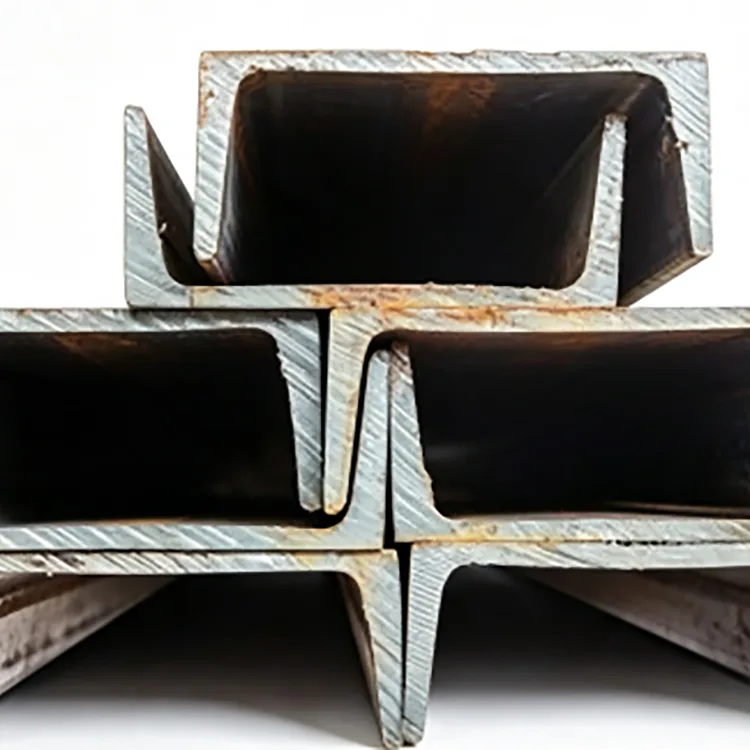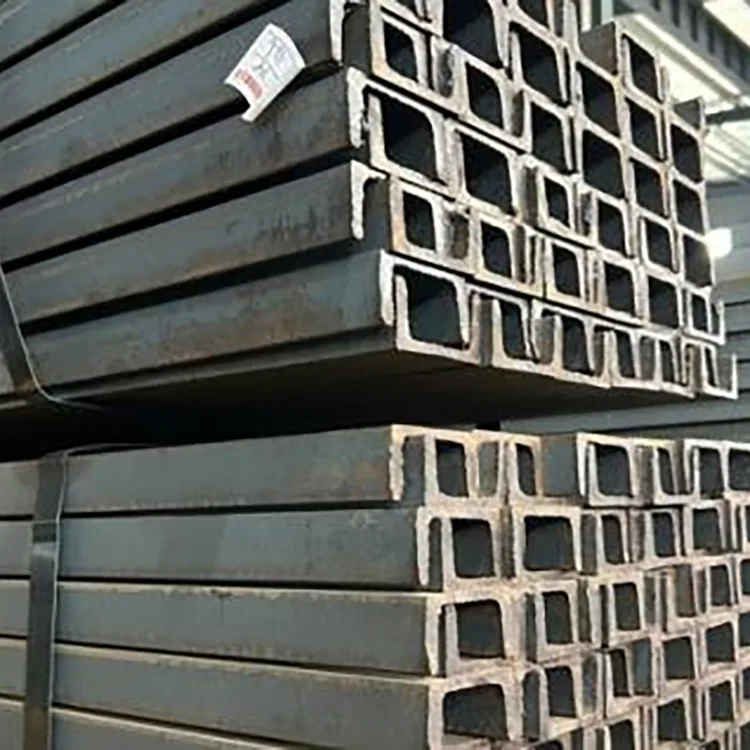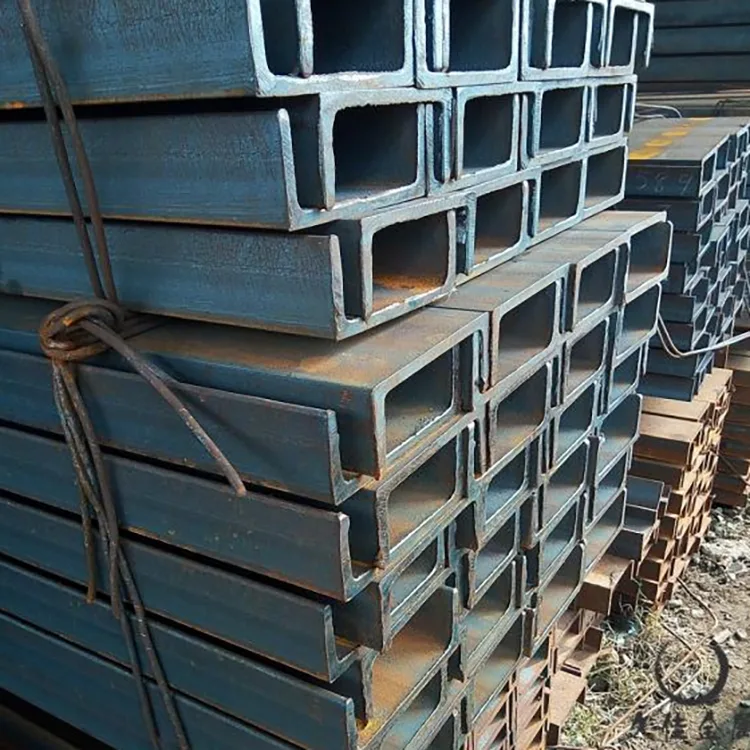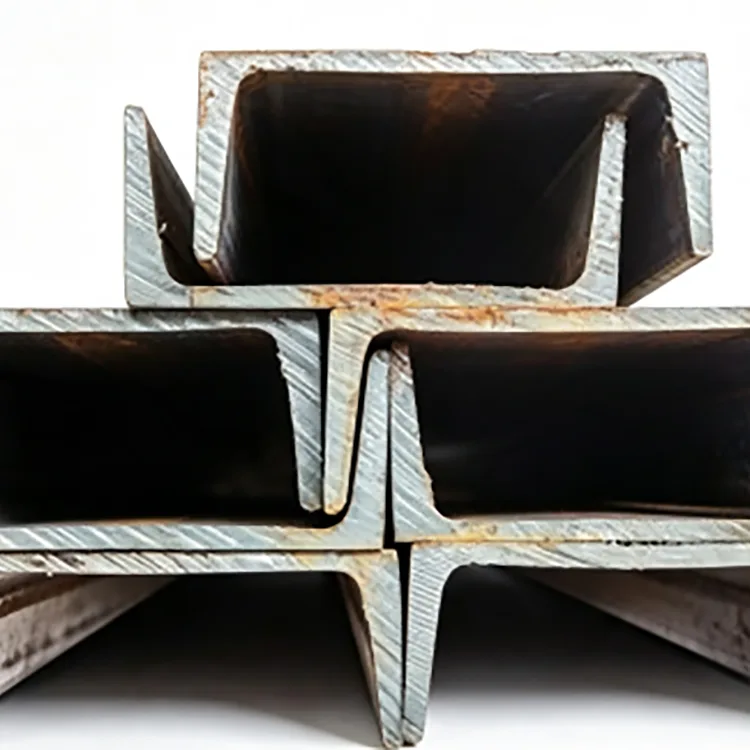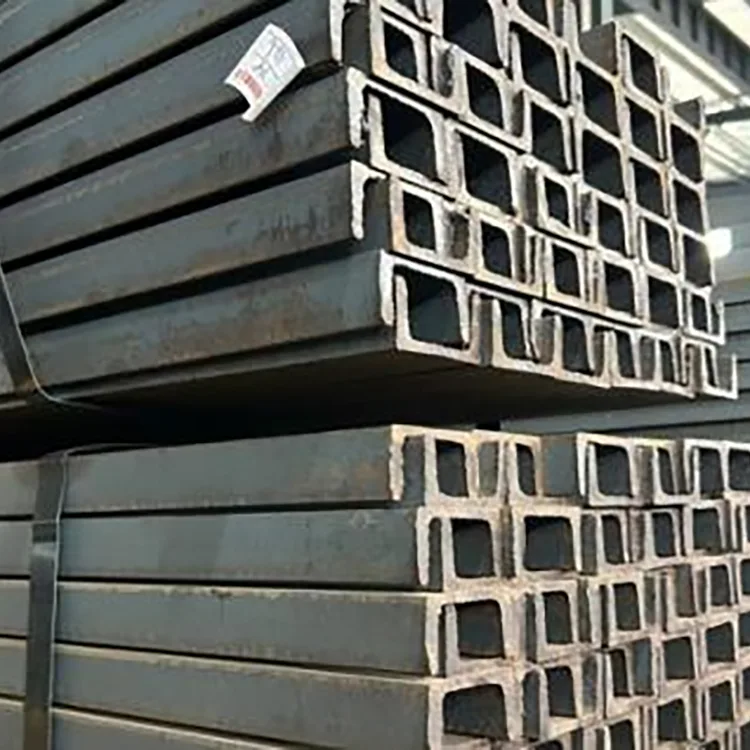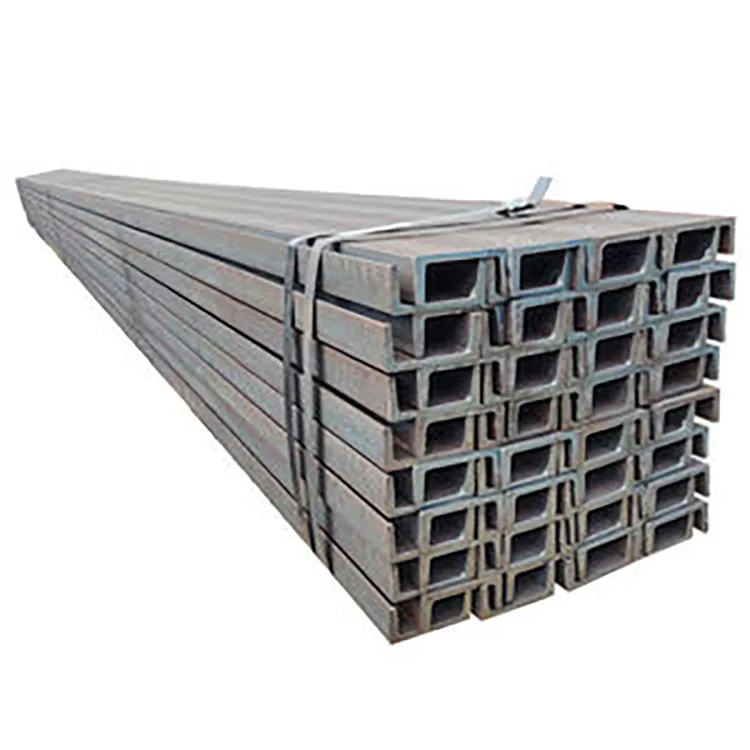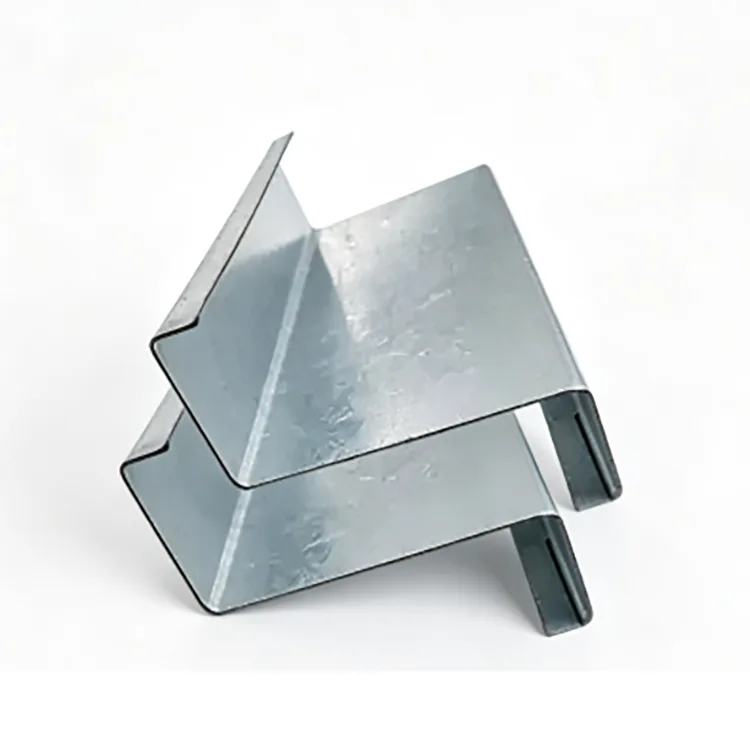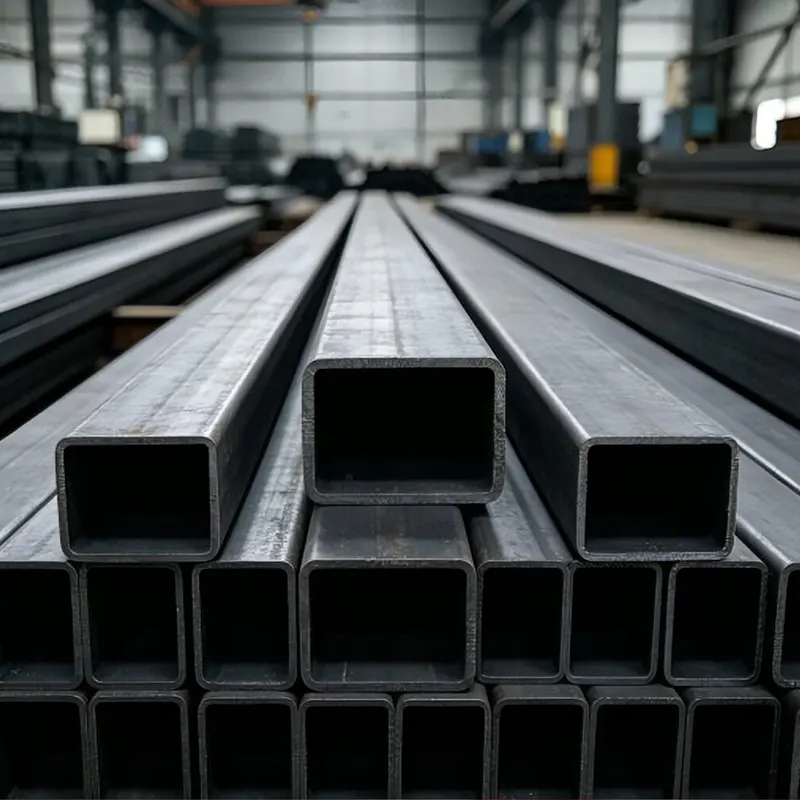
Hot-Rolled Steel Channel is a solid U-shaped structural section produced directly from heated steel billets through multiple rolling passes. Q235B and Q355B cover general and higher-load applications, with common sizes from 5# to 40# and standard lengths of 6, 9 and 12 m. It is used for structural frames, equipment bases, supports, municipal works, machinery and energy projects, with custom cutting and fabrication available.
Hot-Rolled Steel Channel is an open structural steel section with a web and two flanges forming a U profile. It is produced by hot rolling steel billets rather than bending flat strip or welding separate plates.
The rolled U-shaped section provides a web for structural depth and flanges for connecting plates, brackets and other components. It is commonly used for structural supports, equipment bases, frames, braces and fabricated steelwork.
Rongheng supplies Q235B and Q355B Hot-Rolled Steel Channel in regular sections from 5# to 40#, with standard lengths of 6 m, 9 m and 12 m. Custom cutting and agreed fabrication are available for project orders.
Specifications
Size
Height (mm)
Leg Width (mm)
Web Thickness (mm)
Weight (kg/m)
Grade
Length (m)
5#
50
37
4.5
5.44
Q235B / Q355B
6 / 9 / 12
8#
80
43
5.0
8.04
Q235B / Q355B
6 / 9 / 12
10#
100
48
5.3
10.00
Q235B / Q355B
6 / 9 / 12
12#
120
53
5.5
12.06
Q235B / Q355B
6 / 9 / 12
14#
140
58
6.0
14.53
Q235B / Q355B
6 / 9 / 12
16#
160
63
6.5
17.24
Q235B / Q355B
6 / 9 / 12
20#
200
73
7.0
22.63
Q235B / Q355B
6 / 9 / 12
25#
250
78
7.5
27.41
Q235B / Q355B
6 / 9 / 12
The regular supply range covers 5#–40#. Other sections can be discussed for project-specific requirements.
Q235B or Q355B
Q235B is commonly used for general structural fabrication, equipment supports, guardrails, frames and other conventional steelwork.
Q355B provides a higher specified yield strength and can be selected where the structural design requires greater material strength, including heavier supports and demanding equipment or infrastructure applications.
The steel grade should be selected together with the channel size and structural load. A higher-strength grade does not make an undersized section structurally adequate.
How Hot-Rolled Steel Channel Is Made
The channel is formed directly through hot rolling:
Steel billet → heating → rough rolling → intermediate rolling → finishing rolling → sizing → straightening → cutting → inspection → bundling
The billet passes through a series of rolls that progressively establish the web, flange width and overall section dimensions. After rolling, the channel is checked for dimensions, straightness and surface condition.
How to Choose the Channel Size
The section should be selected from the actual structural requirement rather than from size or weight alone.
Span: Longer spans may require a larger section.
Load: Equipment, structural and support loads affect the required section.
Support condition: How the channel is fixed changes its structural behavior.
Load direction: The orientation of the channel affects its capacity.
Deflection: Allowable deformation may also determine the required section.
For procurement, the exact section number shown on the structural drawing or steel schedule is preferable to a general description such as “heavy channel steel.”
Hot Rolled vs Cold Formed Channel
Hot rolled channel and cold formed channel are produced by different processes and should not be selected only by nominal height.
Item
Hot Rolled Channel
Cold Formed Channel
Production
Rolled from heated steel billets
Formed by bending steel strip
Typical use
Structural and heavier fabrication
Light framing and thinner sections
Section
Rolled U-shaped section
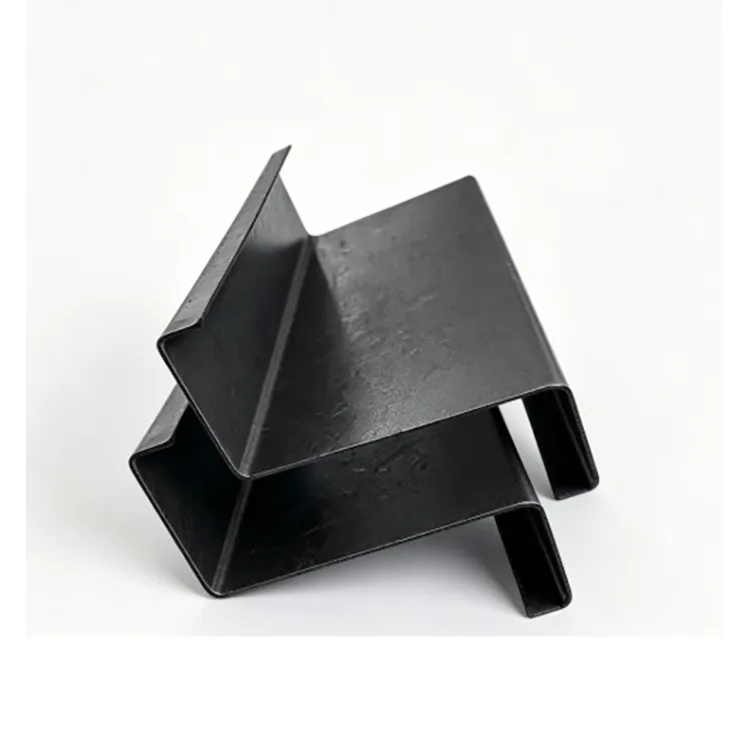
Cold-bent profile
The section geometry, thickness and calculated structural capacity should be checked before substituting one type for the other.
Channel vs I Beam
Hot-Rolled Steel Channel and I Beam are both structural sections, but they serve different section requirements.
An I beam is commonly selected for beam applications where its I-shaped section is required. A channel is often convenient for supports, equipment bases, brackets and fabricated frames because components can be connected to its web and flanges.
The specified structural section should follow the project drawing rather than being changed only because another section is more readily available.
Applications
It is used in construction, industrial fabrication, machinery support and infrastructure projects.
Factory and warehouse structures: supports, frames and reinforcement members
Machinery: machine bases, conveyor frames and equipment supports
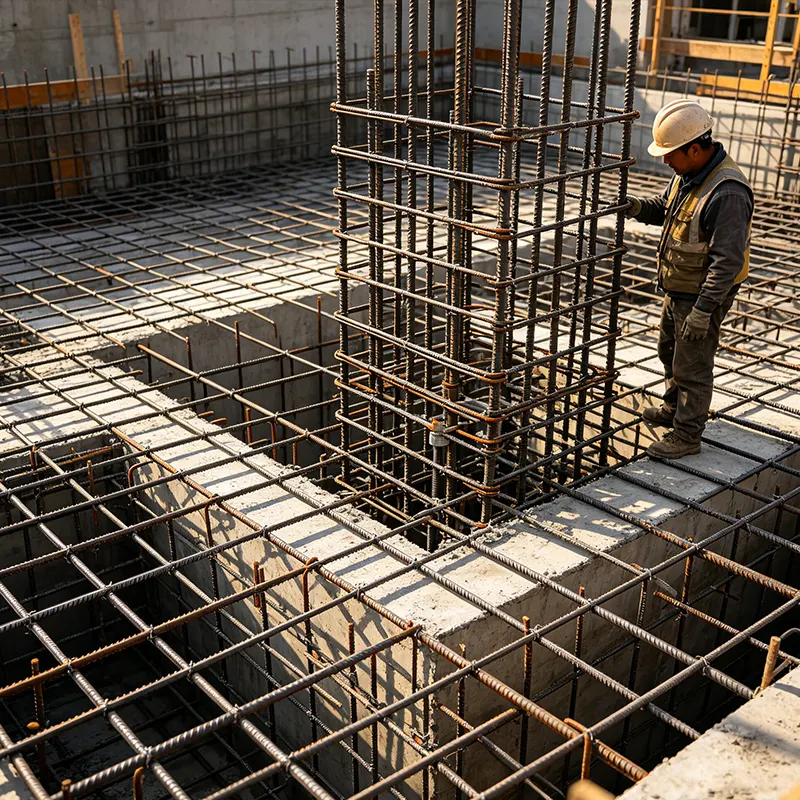
Construction: structural supports, fabricated connections and reinforcement sections
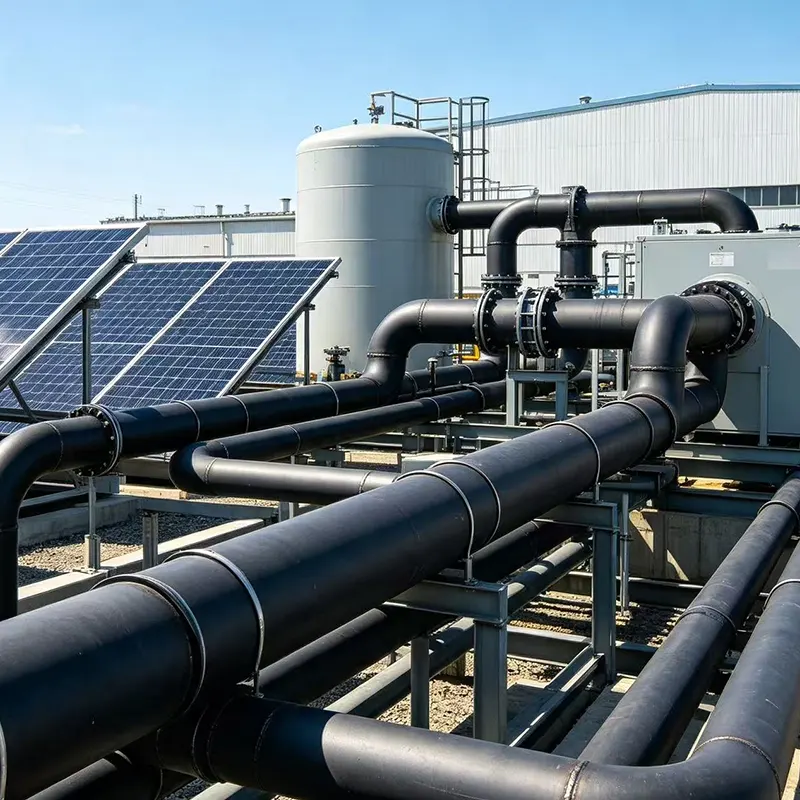
Solar and energy projects: support frames, equipment bases and auxiliary steel structures
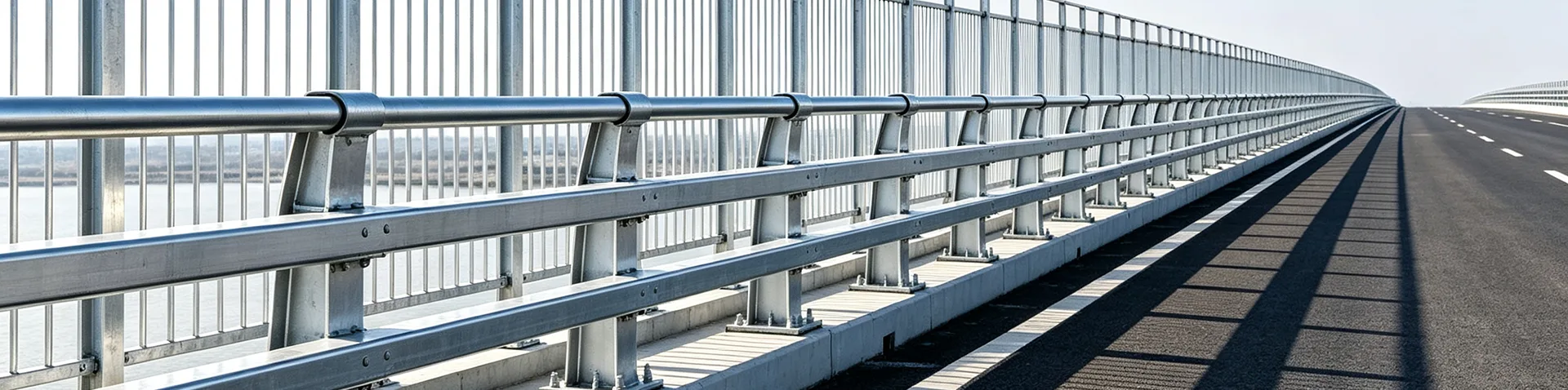
Municipal and transportation projects: support frames, barriers and utility structures
Fabrication and Surface Treatment
It can be supplied as standard straight lengths or processed according to project drawings.
Fixed-length cutting
Drilling
Punching
Beveling
Grinding
Other agreed fabrication
For repetitive fabrication, pre-cut and machined sections can reduce preparation work at the installation site.
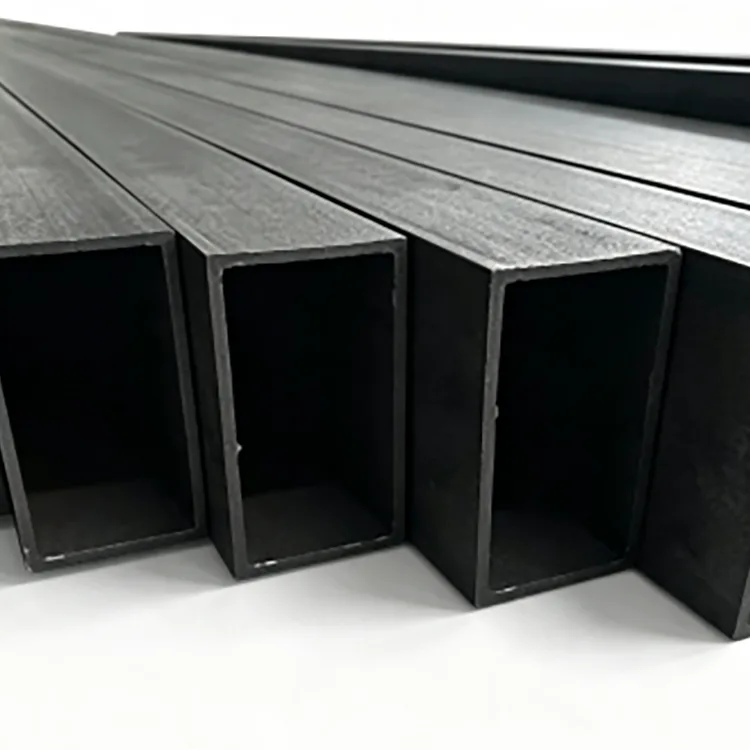
The standard product is supplied in black hot-rolled condition with mill scale and without a corrosion-protection coating. Depending on the application, the fabricated steel can subsequently be painted, powder coated or hot-dip galvanized.
When hot-dip galvanizing is required, the main cutting and drilling work should generally be completed before galvanizing so that the finished component receives the specified surface treatment.
Quality Control
Quality inspection covers the steel grade, section dimensions, straightness, surface condition and traceability.
Material grade: Verify Q235B or Q355B against the order.
Section dimensions: Check height, flange width and web thickness.
Length: Verify standard or fixed-length requirements.
Straightness: Check the finished section before fabrication or shipment.
Surface: Inspect for cracks, laminations and serious surface damage.
Traceability: Match material with the relevant production and inspection records.
Dark mill scale is a normal feature of hot-rolled steel and should be distinguished from active red-brown corrosion or unacceptable surface defects.
Material certificates and agreed inspection records can be supplied with project orders. Third-party inspection can also be arranged when required by the contract.
Black Steel and Corrosion
The black hot-rolled surface is not a corrosion-protection system.
For dry indoor applications, untreated channel may be used where the project specification permits it. Outdoor and humid environments require an appropriate protective coating system.
Hot-dip galvanizing can be used when long-term corrosion protection is required. The final treatment should be selected according to the operating environment and fabrication sequence.
Project Supply
For industrial factory construction, 10#, 12# and 16# Q235B Hot-Rolled Steel Channel have been supplied for structural supports, roof-related members and wall reinforcement. The supplied project record required consistent dimensions and straight material for fabrication.
For machinery fabrication, 20# and 25# channel sections can be used for equipment bases, conveyor supports and fabricated frames where the structural design requires a larger section.
Supply from Tianjin Daqiuzhuang
Rongheng's supply chain is based in Tianjin Daqiuzhuang, providing access to structural steel supply, processing and regional logistics.
Q235B and Q355B Hot-Rolled Steel Channel are available in regular sections from 5#–40#, with standard 6 m, 9 m and 12 m lengths. Custom cutting and agreed fabrication can be coordinated for project orders.
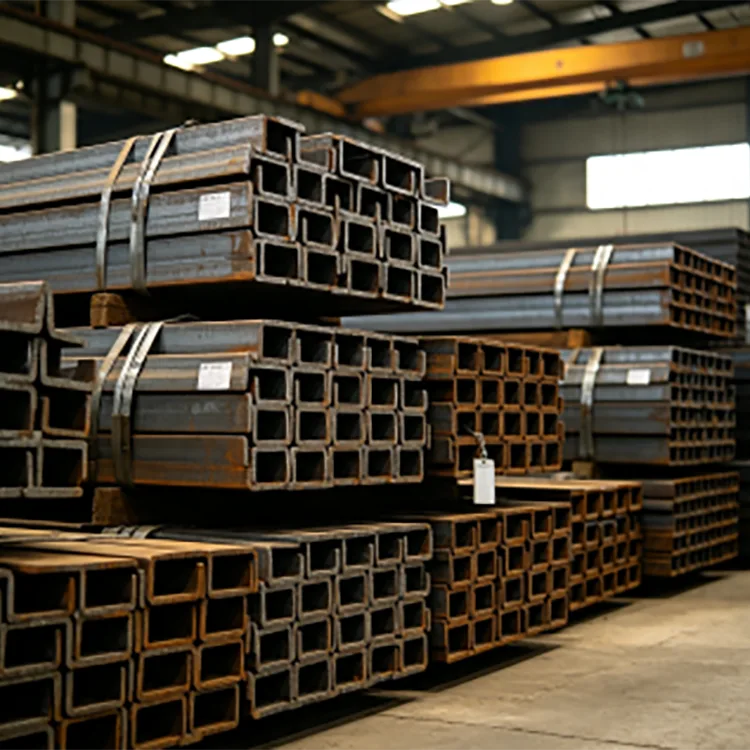
For export shipments, channel steel can be bundled and prepared for container loading and long-distance transportation. Material certificates and inspection records can be supplied according to the purchase contract.
Current Standard
For steel sections covered by the Chinese national standard, GB/T 706-2016 remains current as of September 2026. GB/T 706-2026 has been issued and will take effect on December 1, 2026, replacing the 2016 edition.
For orders placed before the new standard takes effect, the applicable edition should be confirmed in the purchase contract and project documents.
FAQ
Q1. What is Hot-Rolled Steel Channel used for?
It is used for structural supports, equipment bases, factory frames, warehouse components, machinery structures, municipal steelwork and fabricated steel assemblies.
Q2. What is the difference between hot rolled and cold formed channel?
Hot rolled channel is produced from heated billets through rolling, while cold formed channel is produced by bending steel strip. They have different section characteristics and should not be substituted without checking the structural requirements.
Q3. Is Q355B always better than Q235B?
No. Q355B has a higher specified strength, but the required grade depends on the structural design. A higher-strength material does not automatically make an undersized channel suitable.
Q4. What channel sizes are available?
The regular supply range covers 5#–40#. The listed common sections include 5#, 8#, 10#, 12#, 14#, 16#, 20# and 25#.
Q5. What lengths are available?
Standard lengths are 6 m, 9 m and 12 m. Custom cutting can be arranged for project requirements.
Q6. Can the channel be cut and drilled before delivery?
Yes. Fixed-length cutting, drilling, punching, beveling, grinding and other agreed fabrication can be arranged according to drawings.
Q7. Can Hot-Rolled Steel Channel be galvanized?
Yes. Channel steel can be fabricated first and then hot-dip galvanized when corrosion protection is required for outdoor or humid service.
Q8. Is mill scale on the surface a defect?
No. Dark mill scale is a normal result of hot rolling. It should be distinguished from red-brown corrosion, cracks, laminations and other unacceptable surface defects.
Q9. How do I choose the right channel size?
The section should be selected according to span, load, support conditions, load direction and allowable deflection. The structural drawing or steel schedule is the most reliable basis for procurement.
Q10. Can channel steel be used for solar structures?
Yes. It can be used for suitable solar support frames, equipment bases and auxiliary structures where the channel section meets the project design.
Q11. Can 20# or 25# channel be used for machinery bases?
These larger sections can be used for heavy fabrication, but the final choice depends on equipment weight, support points, vibration and structural requirements.
Q12. Can ASTM A36 or SS400 be supplied?
International grades can be discussed for export orders. Chemical composition, mechanical properties and certification requirements should be confirmed before production.
Q13. What quality documents can be provided?
Material certificates, inspection records and other agreed quality documents can be supplied according to the order. Third-party inspection can also be arranged when required.
Hot Tags: Hot-Rolled Steel Channel Manufacturer, Supplier, Sizes
We use cookies to offer you a better browsing experience, analyze site traffic and personalize content. By using this site, you agree to our use of cookies. Privacy Policy