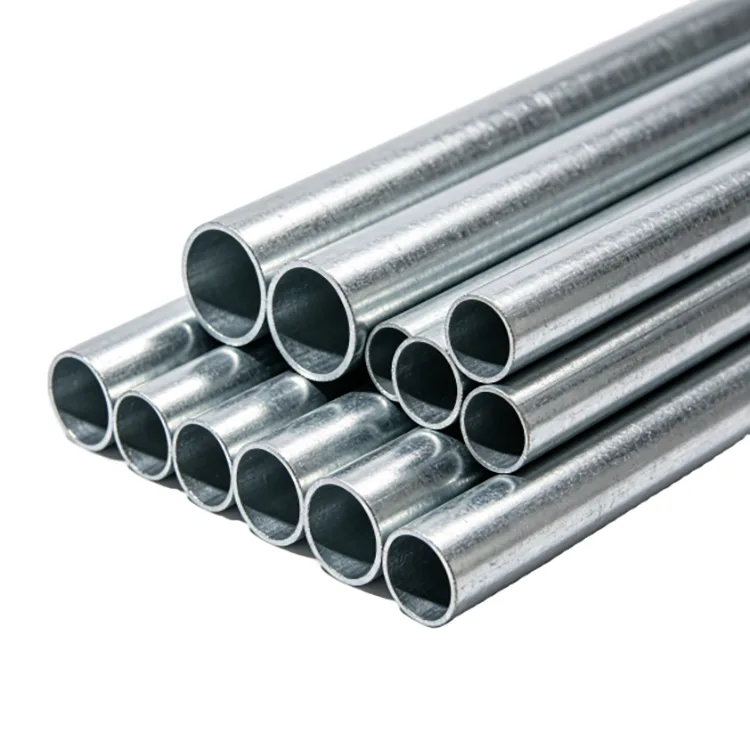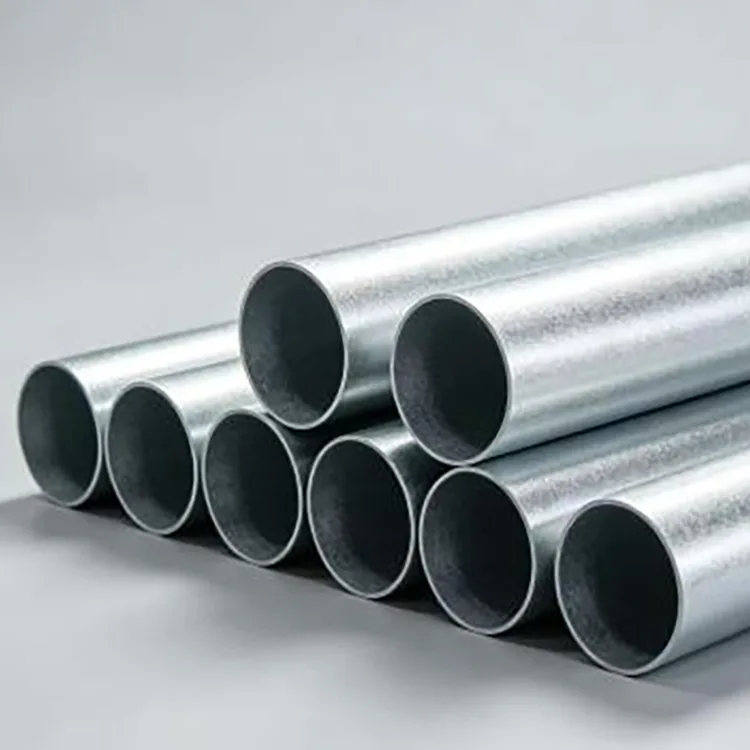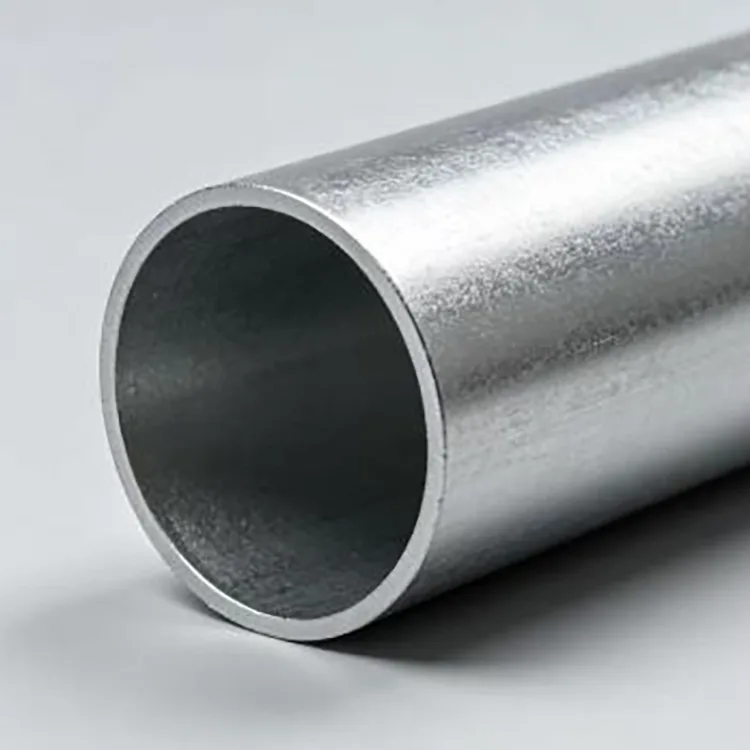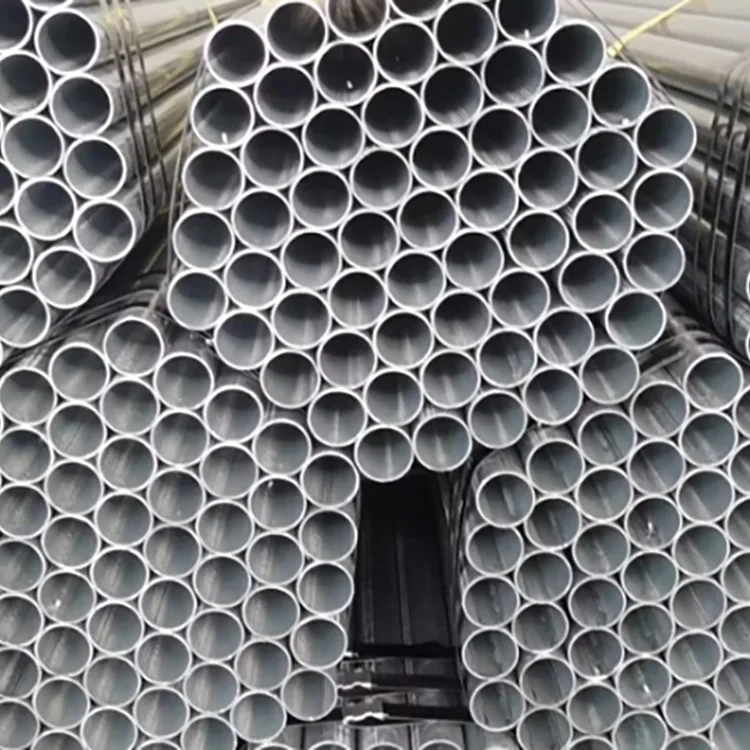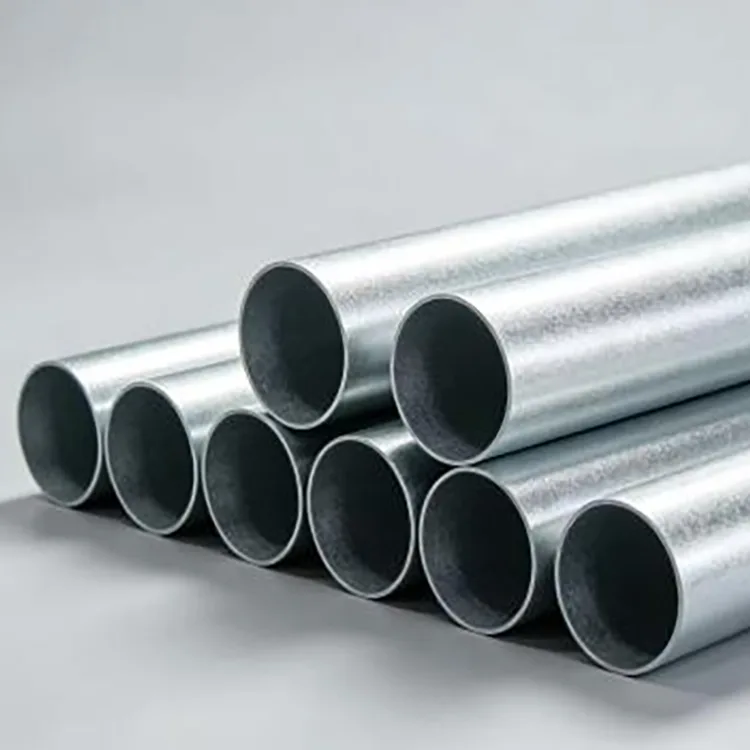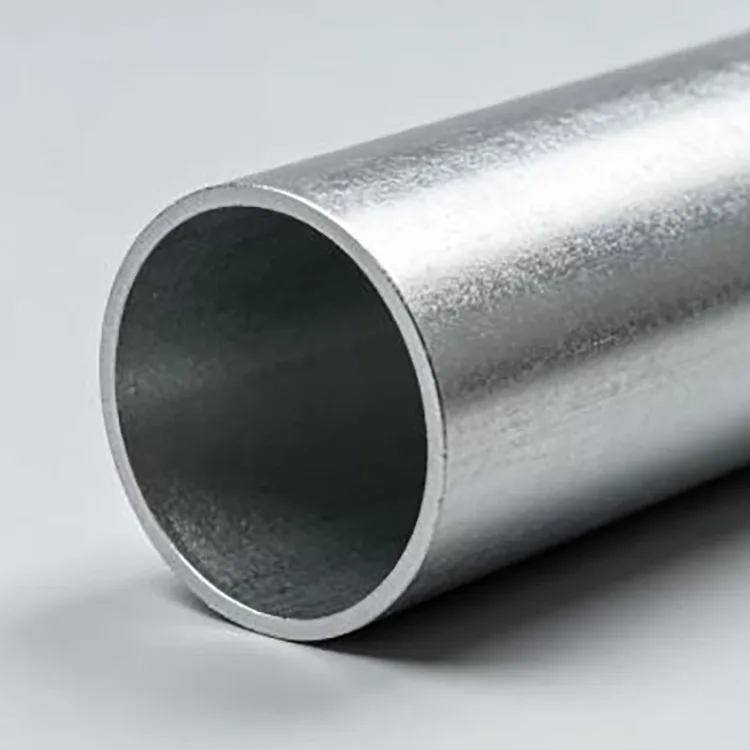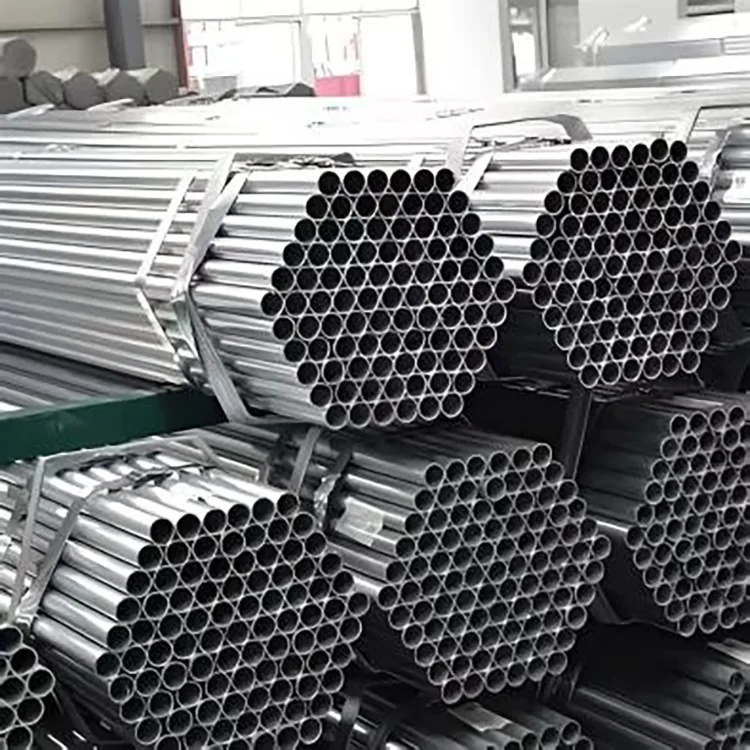
Zinc-Aluminum-Magnesium Coated Round Steel Pipe is designed for outdoor steel structures, photovoltaic systems, agricultural structures, guardrails and other applications where corrosion protection and a circular steel section are both required. The round section distributes loads around the circumference and works well for curved structures, handrails, arches and tubular supports.
Round pipe is not simply an alternative to square or rectangular tube. Its circular section is useful where loads come from different directions, where the structure needs to follow an arc, or where pipe-type fittings are used.
The Zinc-Aluminum-Magnesium Coated Round Steel Pipe adds corrosion protection to the steel surface and is particularly useful for outdoor structures exposed to rain, humidity and general atmospheric corrosion. For projects with severe marine or industrial exposure, the coating specification should be selected according to the actual environment.
Product Range
Item
Specification
Outside Diameter
21–219 mm
Wall Thickness
1.5–12 mm
Standard Length
6 m
Custom Length
3–15 m
Common Grades
S350GD+ZM, S420GD+ZM, S550GD+ZM
Surface
Silver-gray, matte, relatively smooth
Processing
Cutting, drilling, beveling, polishing and other fabrication
Non-standard diameters, wall thicknesses and lengths can be discussed for project orders.
Where Round Pipe Makes More Sense
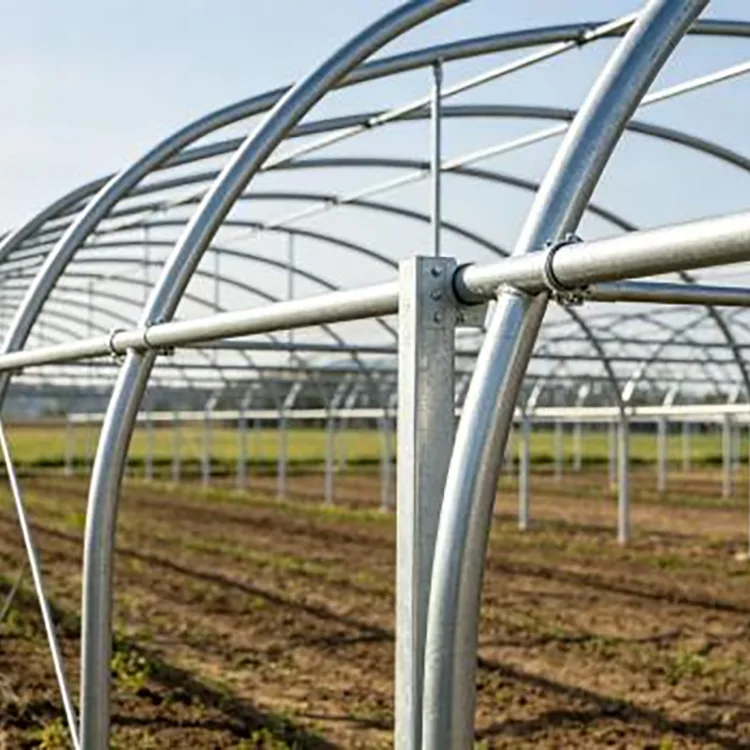
Greenhouses and Agricultural Structures
Round sections are well suited to curved greenhouse arches, agricultural frames and tubular support members. The circular shape is convenient for bending and arch-type construction.
Photovoltaic Structures
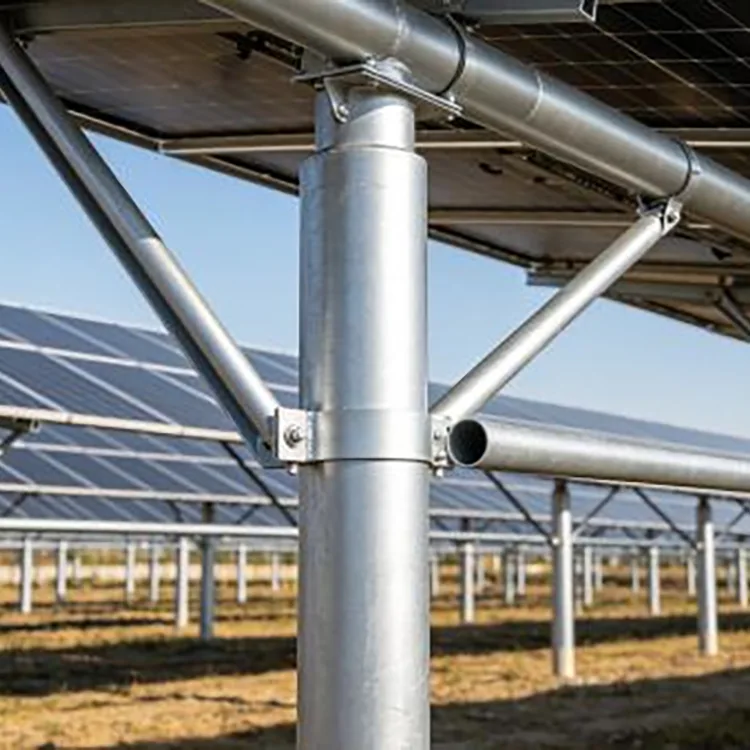
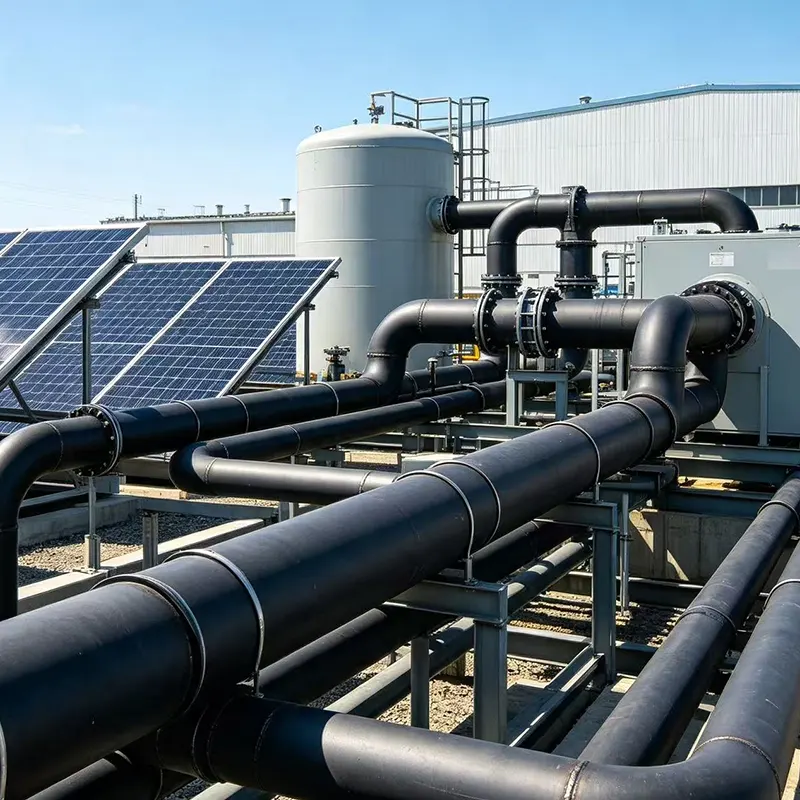
Used in tubular PV supports, tracking-related structures and other outdoor solar components where a corrosion-resistant round section is required.
Guardrails and Handrails
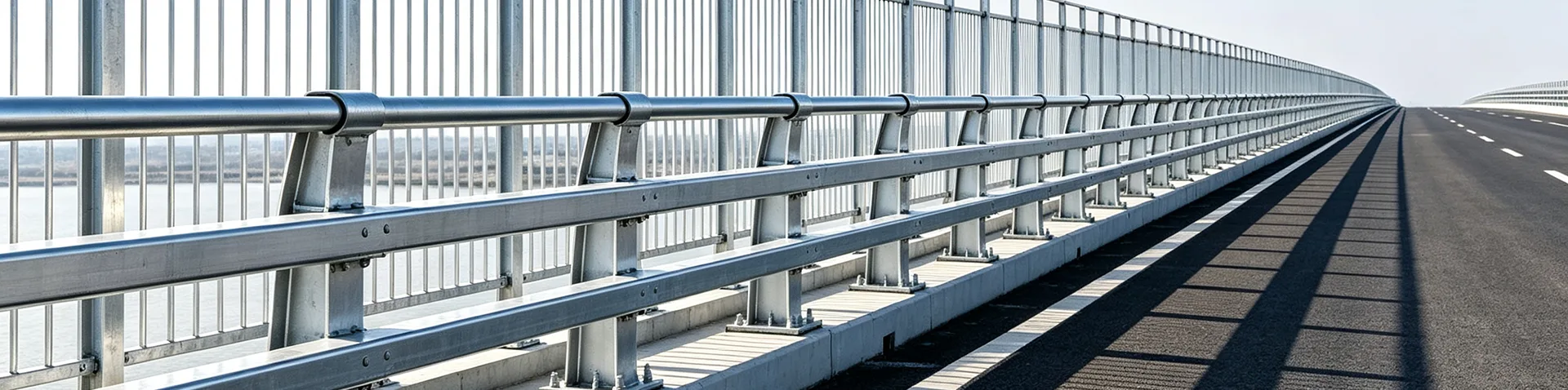
The smooth circular profile is suitable for handrails, guardrails, protective barriers and public-space structures where there are frequent contact points.
Outdoor Steel Structures
Applicable to advertising structures, landscape frames, walkways, tubular supports and other exposed steelwork.
Equipment and Machinery
Used for equipment legs, support tubes, agricultural machinery components, conveyor structures and other fabricated frames.
Round vs. Square vs. Rectangular Tube
The right section depends on how the structure is loaded and installed.
Requirement
Round Pipe
Square Tube
Rectangular Tube
Multi-directional loading
Good
Good
More directional
Bending into curves
Good
Limited
Limited
Flat mounting surface
Limited
Good
Very good
Handrails and guardrails
Very suitable
Suitable
Suitable
PV/steel frames
Suitable for tubular designs
Common
Common
Connection with flat plates
Requires suitable clamps/brackets
Convenient
Convenient
Round pipe is therefore a particularly practical choice for curved structures and applications using clamps, collars or pipe fittings. Square and rectangular sections are generally easier when a flat face is needed for bolting or direct mounting.
Coating Performance
Zn-Al-Mg is a zinc-based alloy coating containing aluminum and magnesium. The coating is designed to provide corrosion protection while offering improved behavior around localized coating damage compared with conventional zinc-only coatings.
For small scratches or exposed areas, corrosion products from the surrounding coating can help slow the spread of corrosion. This does not mean that every cut or welded area is maintenance-free. Larger exposed areas should still be treated according to the project corrosion-protection requirements.
What to Check Before Ordering
For this type of pipe, coating alone should not determine the specification. Buyers normally need to confirm four things together: diameter, wall thickness, steel grade and coating requirement.
For a greenhouse arch, bending performance and diameter are usually more important than using a heavy wall.
For a structural support, the wall thickness and steel grade should be checked against load and span.
For coastal projects, the coating requirement should be increased where necessary according to the corrosion environment.
For equipment frames, dimensional tolerance and processing requirements may be more important than choosing the highest-strength grade.
Production Details
Production can include steel substrate preparation, forming into a round section, welding, sizing, straightening and cutting. After forming, the finished pipe is checked for dimensions, straightness, surface condition and coating quality according to the agreed specification.
For project orders, the inspection scope can be expanded to cover coating thickness, mechanical properties and other customer-defined requirements.
Processing Options
The Zinc-Aluminum-Magnesium Coated Round Steel Pipe can be supplied as standard straight lengths or processed before shipment.
Available services include:
● Fixed-length cutting
● End facing and chamfering
● Drilling
● Beveling
● Polishing
● Painting or additional corrosion protection where required
When welding or extensive cutting is carried out after delivery, the affected coating area should be considered and repaired with a suitable corrosion-protection method.
Why Customers Use It Outdoors
The main value of Zn-Al-Mg coated round pipe is the combination of a practical tubular section and a corrosion-resistant metallic coating.
For outdoor projects, this can reduce the need for repeated painting compared with uncoated black steel. It also provides a cleaner surface appearance than painted steel while retaining the fabrication flexibility of a steel tube.
The most suitable application is one where the required structural section, coating level and service environment are all matched before purchase.
Quality Inspection
Before shipment, inspection can cover outside diameter, wall thickness, straightness, surface condition, weld condition and coating thickness.
For structural orders, material certificates and mechanical-property documentation can be supplied according to the agreed specification. Third-party inspection can also be arranged when required.
Project Purchasing
For a quotation, send the required outside diameter, wall thickness, steel grade, coating specification, length, quantity and application.
For greenhouse and curved structures, include the bending radius or drawing when available.
For PV or structural projects, section loads, span and installation conditions help confirm whether the selected diameter and wall thickness are suitable.
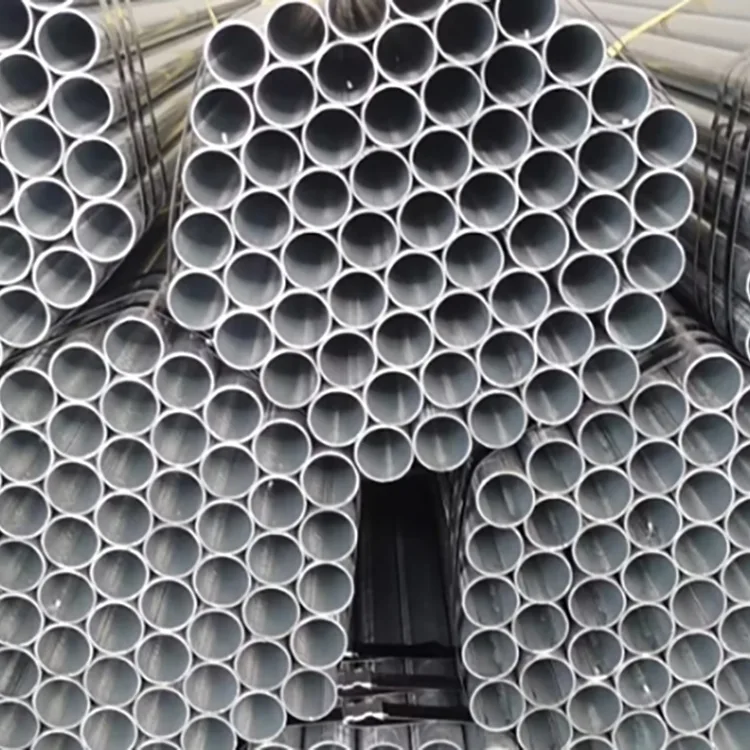
For export orders, packaging, bundle size and container-loading requirements can be confirmed together with the pipe specification.
FAQ
Q1: What is the main advantage of Zinc-Aluminum-Magnesium Coated Round Steel Pipe over ordinary galvanized round pipe?
The main difference is the coating composition. Zn-Al-Mg uses a zinc-aluminum-magnesium alloy coating, which can provide improved corrosion behavior in many outdoor environments and better protection around localized coating damage.
Q2: Is round pipe stronger than square or rectangular tube?
There is no universal answer. The best section depends on load direction, span, wall thickness and connection method. Round pipe is particularly useful for multi-directional loading, tubular frames and curved structures, while square and rectangular sections are often easier to connect to flat plates.
Q3: Can Zn-Al-Mg round pipe be bent for greenhouse arches?
Round tube is well suited to curved and arch-shaped structures. The actual bending performance depends on diameter, wall thickness, steel grade and bending radius, so these details should be confirmed before production.
Q4: Can the pipe be cut and welded?
Yes. Cutting, drilling and welding are possible. However, welding and machining can locally affect the coating, so the exposed area should receive appropriate protection where required by the project.
Q5: Can you supply large-diameter or thick-wall round pipe?
The regular range is 21–219 mm outside diameter and 1.5–12 mm wall thickness. Special sizes can be discussed according to the required application and production conditions.
Q6: Is it suitable for coastal areas?
It can be used in coastal projects, but the coating level should be selected according to salt exposure and the required service life. Severe marine environments may require a higher coating specification or an additional corrosion-protection system.
Q7: What information should I provide for pricing?
The basic information is outside diameter, wall thickness, steel grade, coating specification, length and quantity. Application details or drawings are recommended for structural, PV and greenhouse projects.
We use cookies to offer you a better browsing experience, analyze site traffic and personalize content. By using this site, you agree to our use of cookies. Privacy Policy