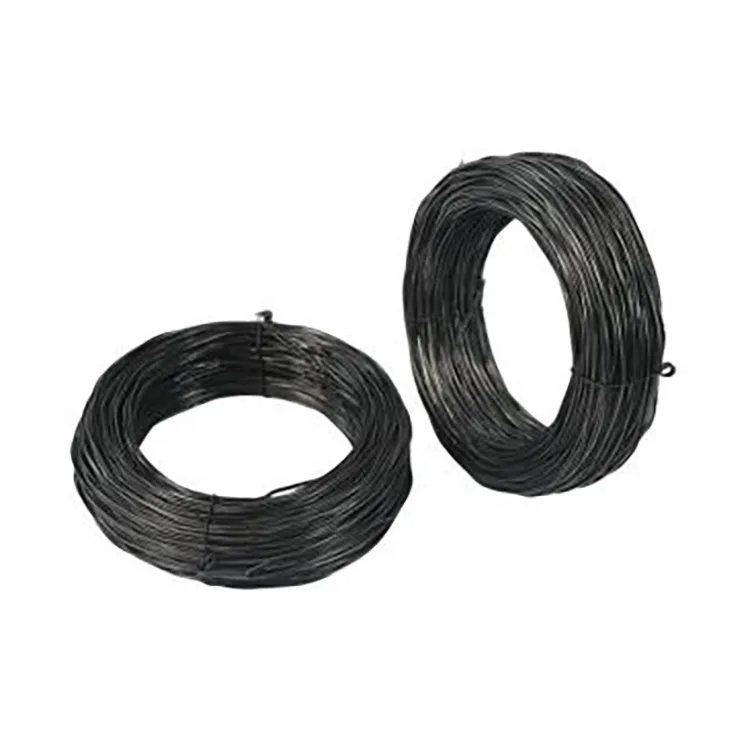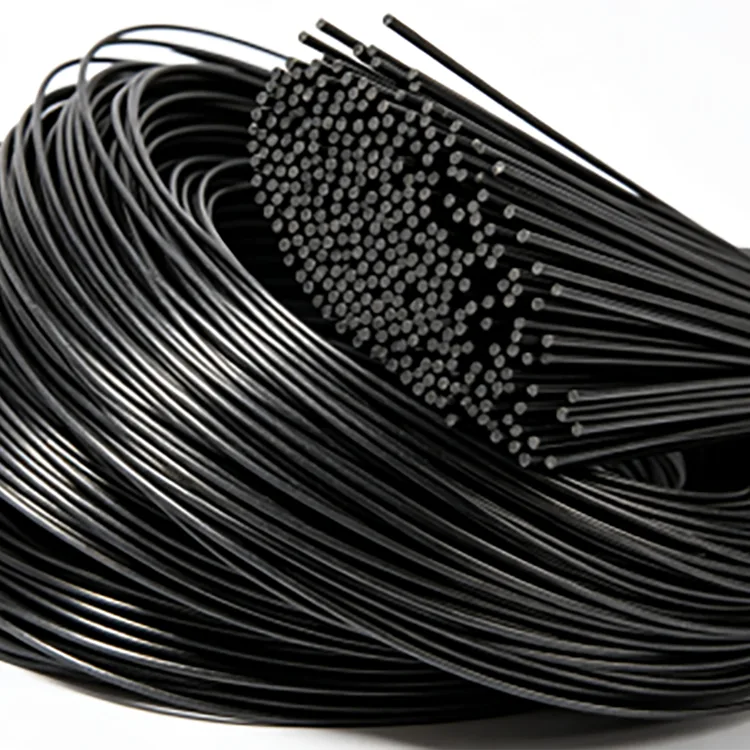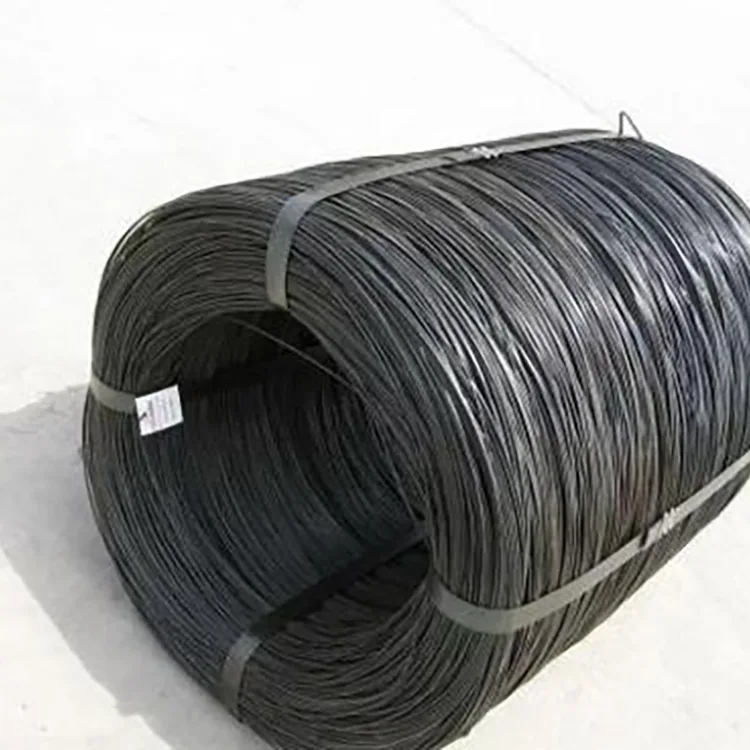
Steel wire used for tying, bundling or further processing needs a balance between diameter accuracy and flexibility. Wire that is too hard can break during repeated twisting, while inconsistent hardness within the same batch can slow down manual tying or affect nail and mesh production.
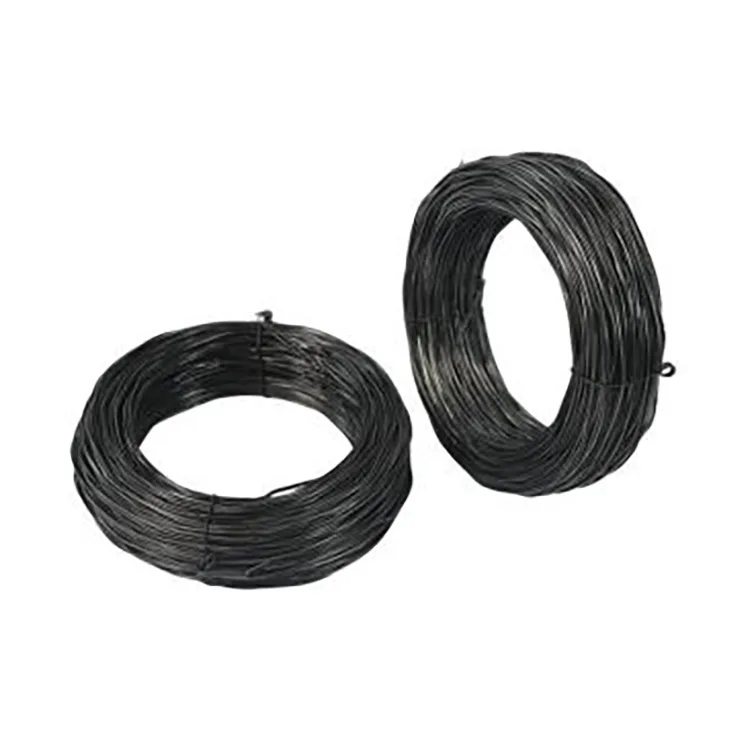
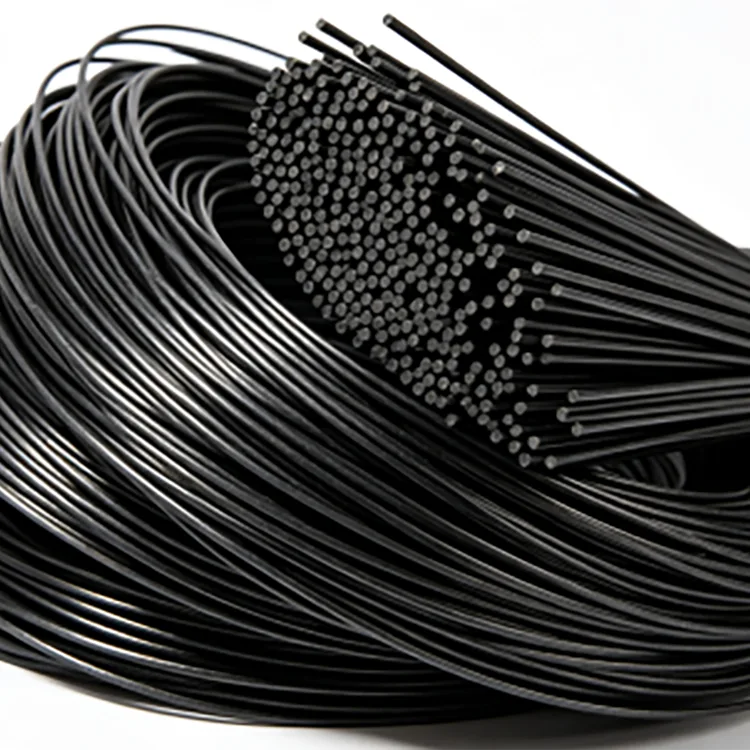
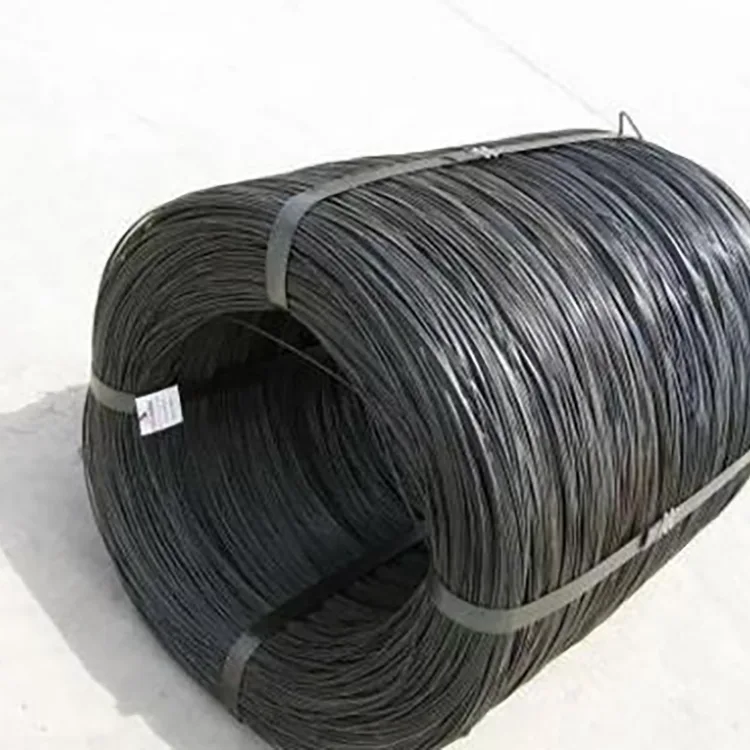
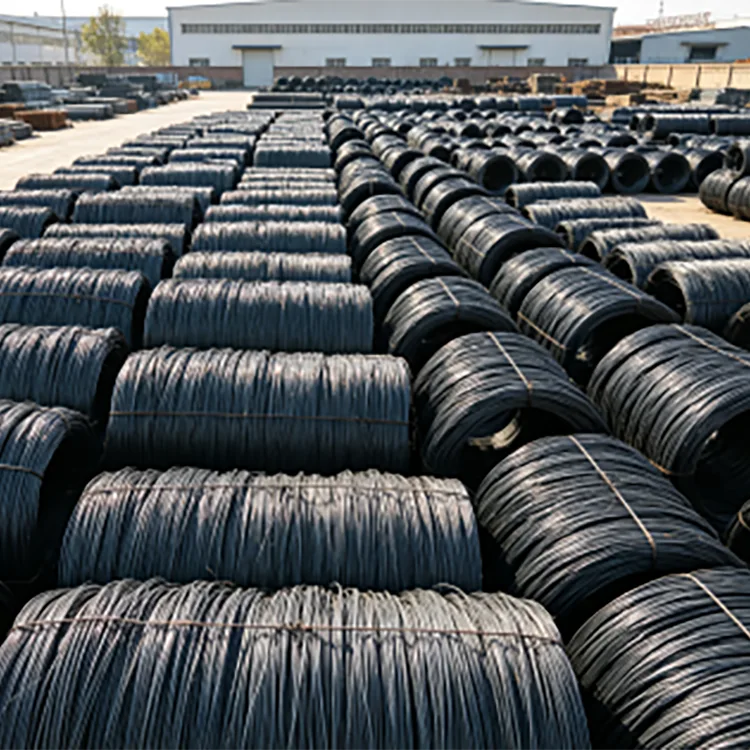
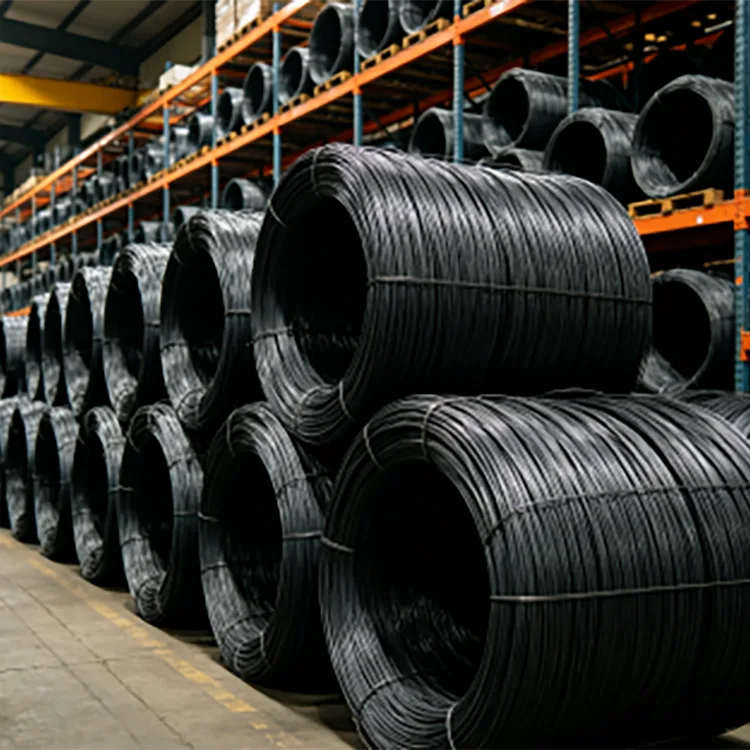
Rongheng supplies Steel Wire based on Q195 and Q235 low-carbon steel, with cold drawing followed by high-temperature annealing. The annealing process releases internal stress introduced during drawing, making the finished wire easier to bend, twist and coil. The surface has the typical black-blue appearance of annealed wire and does not have a galvanized protective coating.
This makes it a practical choice for dry indoor applications and short-term use where corrosion resistance is not the primary requirement.


Black annealed steel wire is also commonly called black wire or binding wire. It starts with low-carbon steel wire rod and is reduced to the required diameter through cold drawing before undergoing high-temperature annealing.
Cold drawing improves dimensional control but also increases hardness and internal stress. Annealing is therefore an important part of the production process. By heating the drawn wire under controlled conditions and allowing it to cool appropriately, internal stress is relieved and the wire becomes softer and more ductile.
The black surface is mainly an oxidation layer formed during the annealing process. It is not a zinc coating and should not be regarded as a corrosion-protection layer.
|
Item |
Specification |
|
Material |
Q195 / Q235 Low-Carbon Steel |
|
Applicable Standard |
GB/T 343-2012 |
|
Common Wire Diameter |
0.5 mm–6.0 mm |
|
Customized Diameter |
Available |
|
Coil Weight |
5 kg–200 kg/coil |
|
Customized Coil Weight |
Available |
|
Surface |
Black-blue annealed oxide surface, uncoated |
|
Processing |
Recoiling, fixed-length cutting |
|
Domestic Packaging |
Stretch film wrapping |
|
Export Packaging |
Woven bag moisture-resistant packaging available |
The difference between ordinary drawn wire and properly annealed wire can be noticed during actual use.
After cold drawing, the steel becomes harder and retains internal stress. If the wire is used for repeated bending or twisting in this condition, it can become difficult to work with and may break more easily.
High-temperature annealing reduces this internal stress and restores greater ductility. For applications such as rebar tying, hand twisting, coiling and simple weaving, this makes the wire easier to handle.
The target is not simply to make the wire “soft.” The finished wire also needs controlled diameter and consistent condition from one batch to another.
The production route is based on the requirements of the final application rather than treating annealing as a simple finishing step.
Q195 or Q235 low-carbon steel is selected according to the required specification. Incoming material is checked against the purchasing requirements before processing.
The wire rod is prepared before drawing so that surface contamination or scale does not interfere with subsequent processing.
The wire rod passes through drawing dies to progressively reduce its diameter.
Drawing controls the final wire size, but it also increases hardness and introduces internal stress. The drawing schedule therefore needs to match the target diameter and subsequent annealing requirements.
The drawn wire is heated under controlled conditions to relieve internal stress and improve ductility.
This stage directly affects how the wire behaves during twisting, bending, coiling and other secondary processing.
After annealing, the wire is cooled and inspected for diameter consistency, surface condition and flexibility requirements.
The finished wire can be supplied in different coil weights or processed into fixed-length sections according to the confirmed order.
Domestic orders can use stretch-film wrapping, while export orders can be supplied with woven-bag moisture-resistant packaging according to the shipping requirements.
For Steel Wire, quality is not determined by appearance alone. A coil may look uniform while differences in diameter or annealing condition become obvious only when workers start twisting, tying or processing it.
Rongheng's quality control focuses on the characteristics that directly affect use.
Wire diameter is checked against the specified size. Stable diameter is particularly important for nail production, wire processing and applications where a fixed amount of wire is consumed per operation.
The annealing process is monitored because insufficient or inconsistent annealing can leave the wire harder than required. Excessive variation between coils can also result in different bending and twisting behavior.
The black-blue oxide surface is checked for abnormal surface defects, contamination and other visible conditions that could affect subsequent processing.
For bulk orders, inspection is carried out by production batch so that wire from different coils maintains consistent diameter and working characteristics.
This is important for construction projects and processing factories where workers use large quantities of wire and do not want one coil to behave differently from the next.
Before shipment, coil weight, quantity, packaging condition and order identification are checked to reduce problems during receiving and warehouse handling.
Black annealed wire is widely used for tying and securing reinforcing bars on construction sites. Its flexibility makes it suitable for repeated manual twisting.
The common 1.4–2.0 mm range is generally used for construction binding applications where a balance between flexibility and handling strength is required.
Q195 and Q235 low-carbon steel wire can be used as raw material for ordinary iron nails and round nails. The required diameter and mechanical condition should be selected according to the nail-making equipment and finished nail specification.
The wire can be used to bundle pipes, steel sections, construction materials and other goods in dry storage or transportation environments.
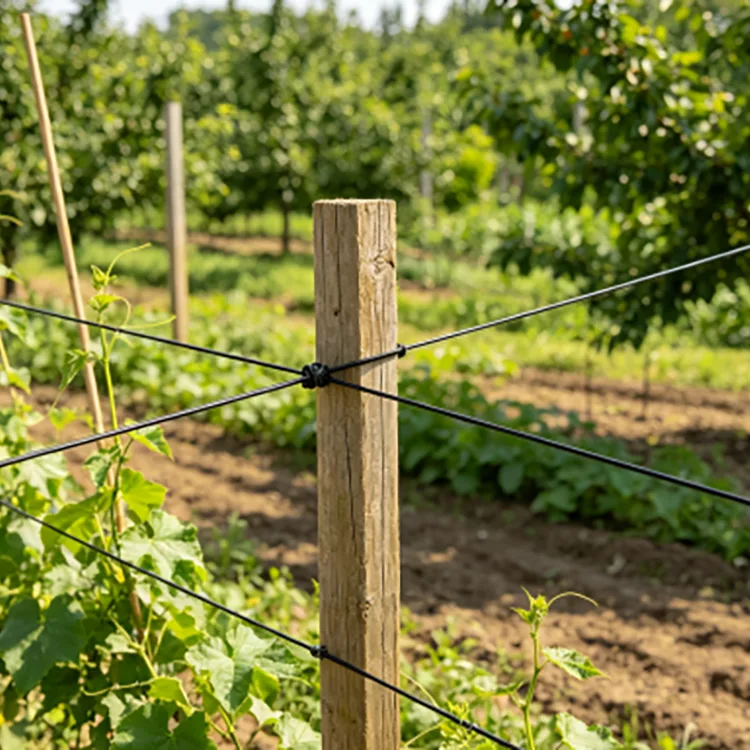
Smaller diameters can be used for simple indoor protective mesh, craft products and basic weaving applications where corrosion resistance is not a primary requirement.
The wire can also be used for packaging fixation, temporary tying and general workshop applications.


Wire diameter should be selected according to the required flexibility, tying method and load of the application.
|
Wire Diameter |
Typical Applications |
Main Consideration |
|
0.5–1.2 mm |
Crafts, light packaging, small hardware fixing |
Very flexible and easy to handle |
|
1.4–2.0 mm |
Rebar tying, pipe and steel section bundling |
Common construction range with good flexibility |
|
2.2–3.0 mm |
Heavy cargo bundling, thicker nail production, small/medium mesh |
Higher mechanical strength |
|
3.0–6.0 mm |
Heavy-duty fixing, large hardware products, industrial processing |
Suitable for heavier applications and further processing |
The diameter ranges above are application-oriented recommendations. The actual size should be confirmed against the tying tool, nail-making machine, weaving equipment or load requirement.
The main difference is surface protection.
Black annealed wire has an annealed oxide surface without a zinc coating. This keeps the product economical and suitable for dry indoor applications, but it does not provide long-term protection against moisture.
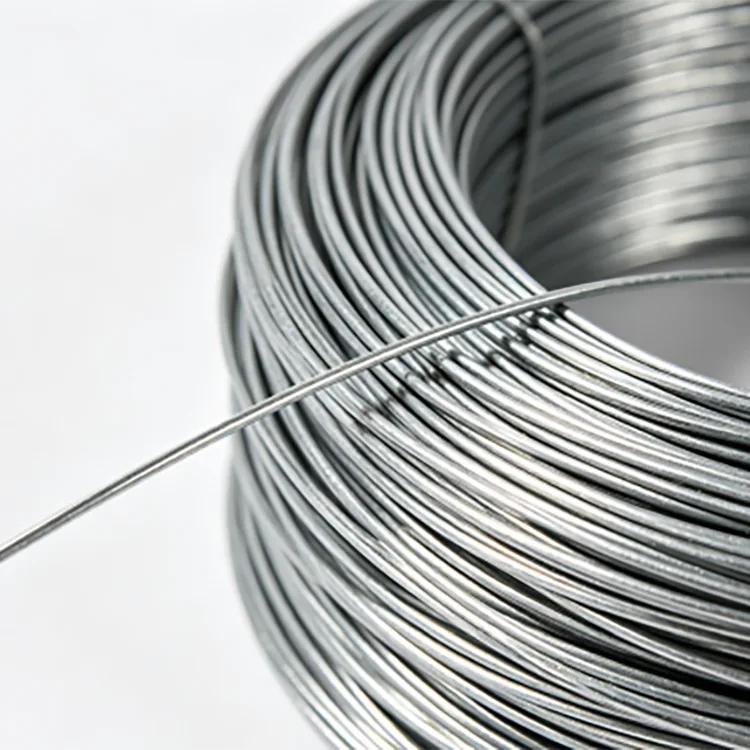
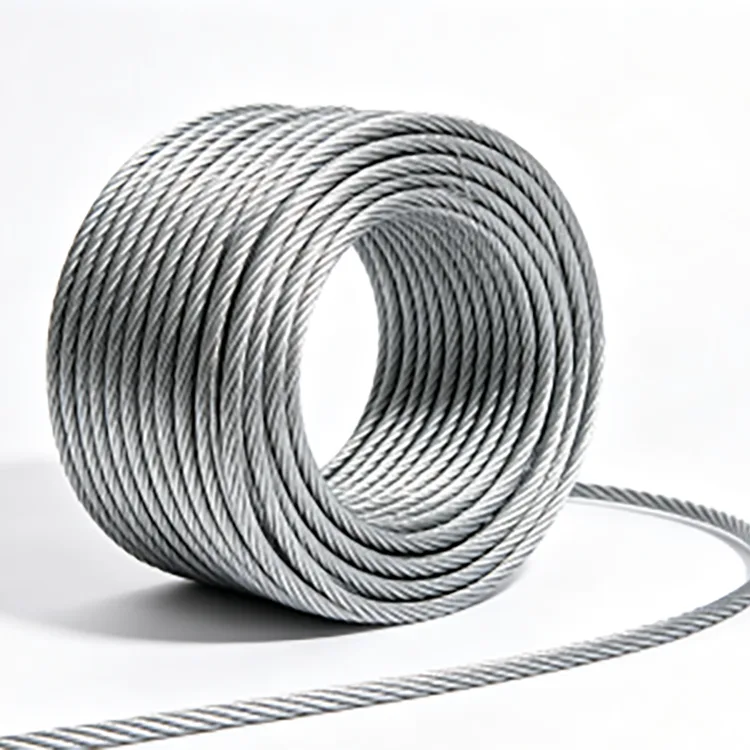
Galvanized steel wire has a zinc coating that provides better corrosion resistance. For outdoor applications, humid environments or long-term exposure to rain, galvanized wire is normally a better choice.
|
Feature |
Black Annealed Wire |
Galvanized Wire |
|
Surface |
Black-blue oxide surface |
Zinc-coated surface |
|
Corrosion Protection |
Limited |
Better |
|
Flexibility |
Good after annealing |
Depends on substrate and processing |
|
Cost |
Lower |
Higher |
|
Dry Indoor Use |
Suitable |
Suitable |
|
Outdoor Long-Term Use |
Not recommended |
More suitable |
Black annealed wire is not intended to provide long-term corrosion protection.
It should not be the first choice for:
● Open outdoor exposure
● Coastal or salt-spray environments
● Long-term rainy or humid conditions
● Applications requiring a corrosion-resistant surface
● Situations where the wire itself is expected to provide long-term outdoor durability
For these conditions, hot-dip galvanized steel wire should be considered instead.
Different customers may need the same wire diameter in very different packaging formats. A construction contractor may prefer larger coils for continuous tying, while an export distributor may need smaller coils for retail or workshop use.
Rongheng can provide:
● Non-standard wire diameters
● Customized coil weights
● Small coils
● Fixed-length cutting
● Recoiling
● Split packing
● Moisture-resistant export packaging
For processing customers, the intended application and equipment can be provided before production. This helps determine whether the wire should be softer, heavier or supplied in a particular coil format.
Standard supply can be arranged in 5–200 kg coils, with customized coil weights available.
For domestic transportation, stretch-film wrapping can be used for basic protection and handling.
For export orders, woven-bag moisture-resistant packaging can be added to reduce exposure to moisture during transportation and storage.
For customers ordering small quantities or selling through distribution channels, smaller 5–20 kg coils can also be arranged according to the order requirements.
When requesting a quotation, buyers should provide more than just “black wire.”
The following information helps avoid an unsuitable quotation:
● Required material: Q195 or Q235
● Wire diameter
● Coil weight
● Quantity
● Fixed-length requirement, if any
● End application
● Required standard
● Domestic or export packaging
● Required inspection or material documents
For construction binding wire, diameter and annealing condition are usually the first points to confirm. For nail production, the wire diameter and processing characteristics need to match the nail-making equipment.
Rongheng's steel supply system is based in Tianjin and connected with the manufacturing resources of Daqiuzhuang, an established steel production and distribution area.
For steel wire orders, the focus is on matching the material, diameter, annealing condition and packaging to the actual application. This is particularly useful for customers buying by batch, because inconsistent wire condition can create unnecessary adjustment and material waste during processing.
For export orders, supporting documents such as material certificates, packing lists and commercial invoices can be arranged according to the transaction requirements, including FOB shipments.
Yes. Black annealed wire does not have a galvanized corrosion-resistant coating. Moisture and water exposure can cause oxidation and rust, so it is mainly recommended for dry indoor and short-term applications.
Properly annealed wire has improved ductility and is suitable for bending, twisting, tying and simple weaving. If the wire is excessively hard or breaks easily during normal twisting, its annealing condition should be checked.
Common coil weights can be arranged according to the order, with the supplied specification covering 5–200 kg per coil. Smaller coils such as 5–20 kg can also be customized for export or distribution requirements.
Yes. Material certificates, packing lists and commercial invoices can be supplied according to the transaction and shipping requirements. FOB terms can also be supported.
Small-batch trial orders can be arranged for available stock. Larger orders can also be scheduled for batch delivery according to the confirmed supply plan.
Black wire has no zinc coating and therefore has limited corrosion resistance. Cold-galvanized wire has a relatively thin zinc layer and offers better surface protection, but it generally provides less corrosion resistance than hot-dip galvanized wire.
Store the wire in a dry, covered warehouse away from rain, standing water and excessive humidity. Moisture during storage can accelerate surface oxidation and rust.
The 1.4–2.0 mm range is a common choice for construction rebar tying because it offers a useful balance between flexibility and handling strength. The final size should be matched to the tying method and site requirements.
It can be used temporarily in protected conditions, but it is not recommended for long-term outdoor exposure. For rain, coastal air or other corrosive environments, galvanized steel wire is a more appropriate option.
Yes. In addition to the common 0.5–6.0 mm diameter range, non-standard diameters and customized coil weights can be discussed according to the application and production requirements.
Address
Secondary Arterial Road No. 2-1, Expansion Area of Daqiuzhuang Industrial Zone, Jinghai District, Tianjin, China
Tel