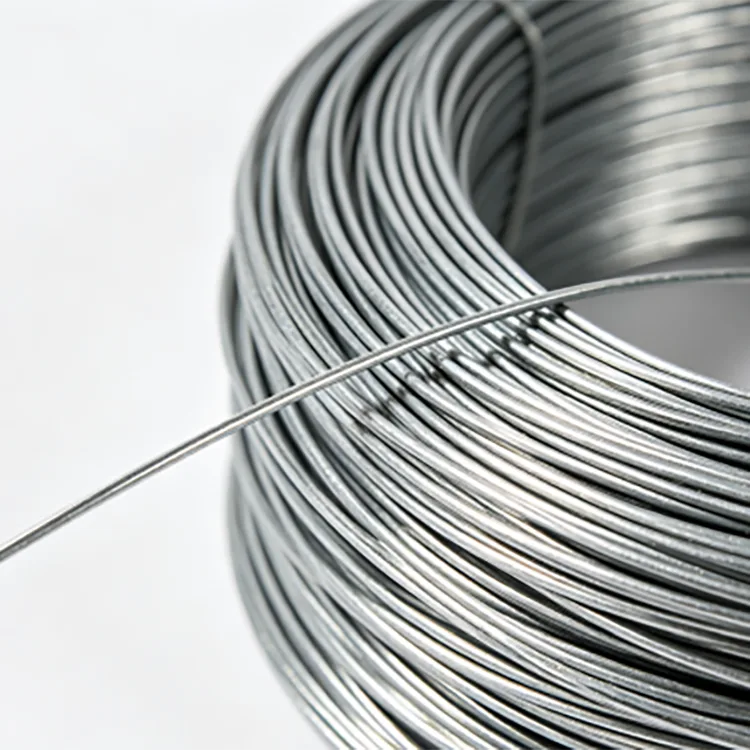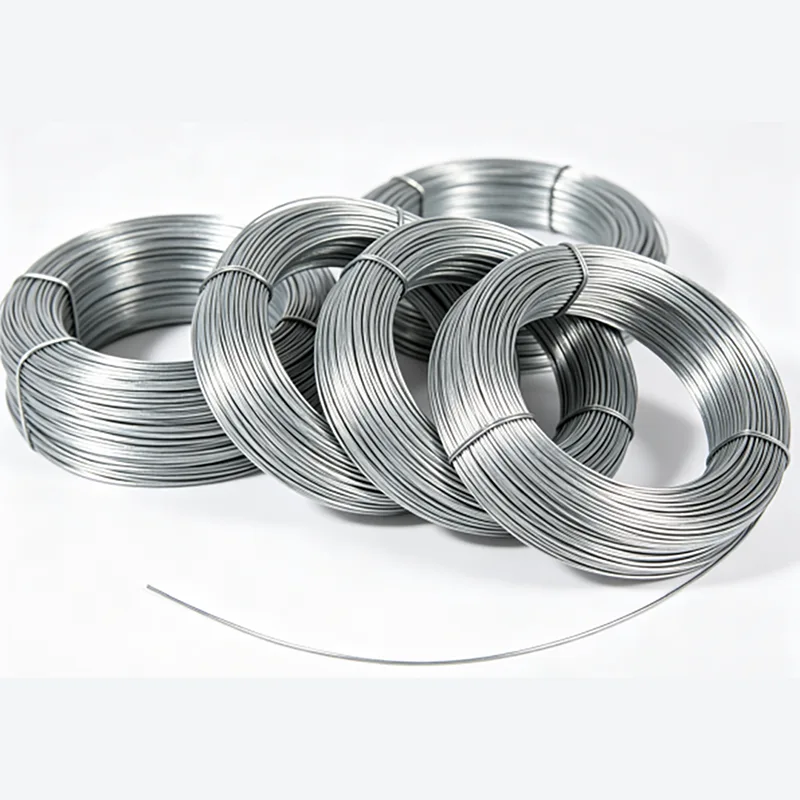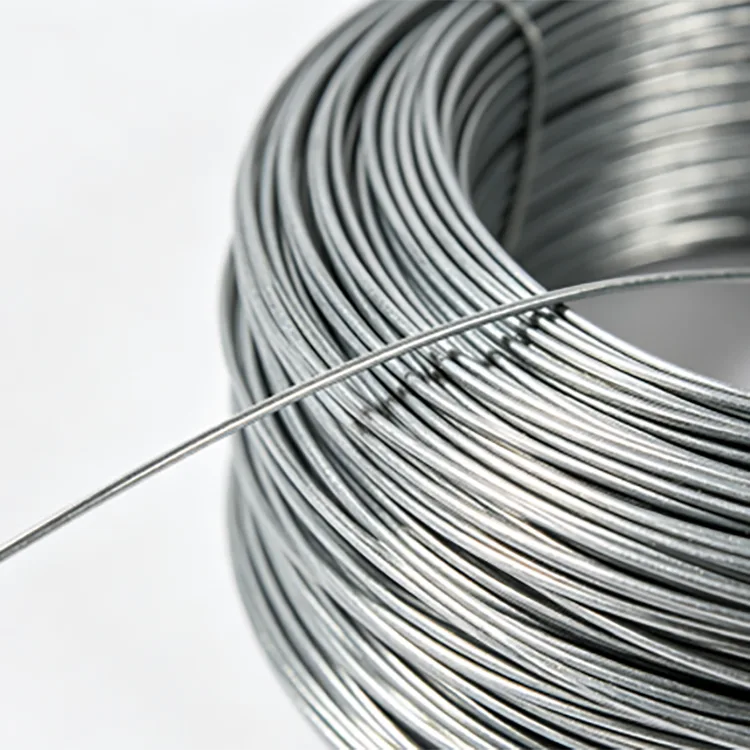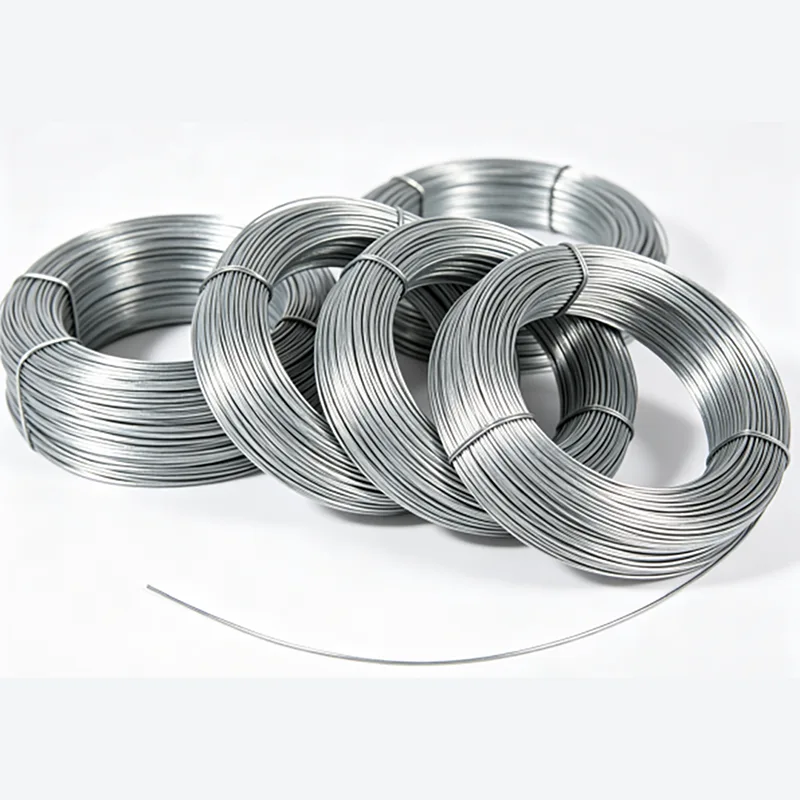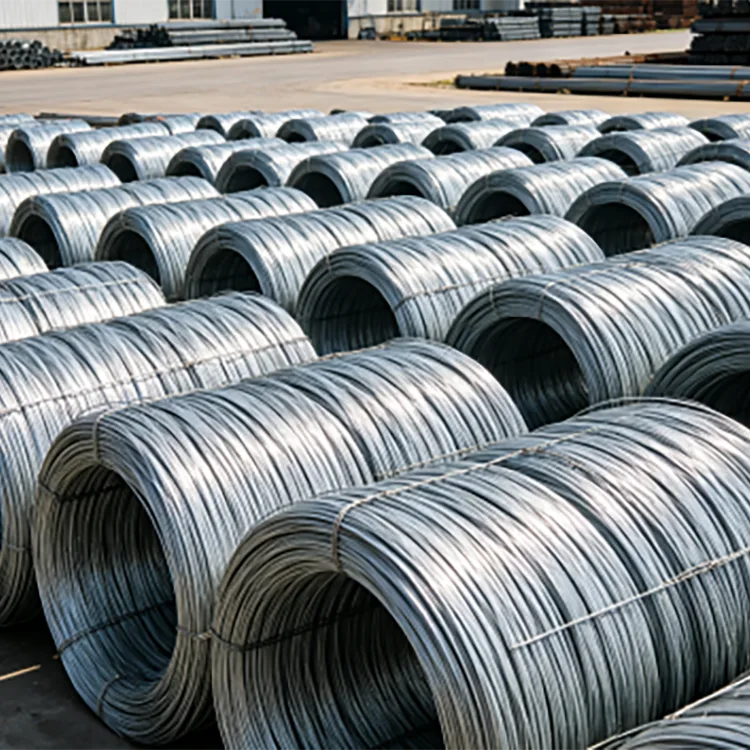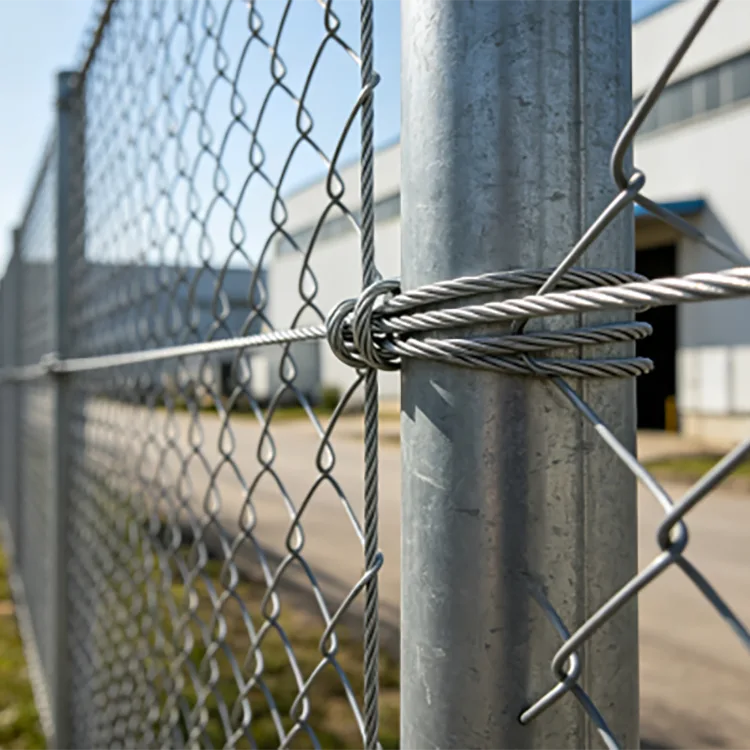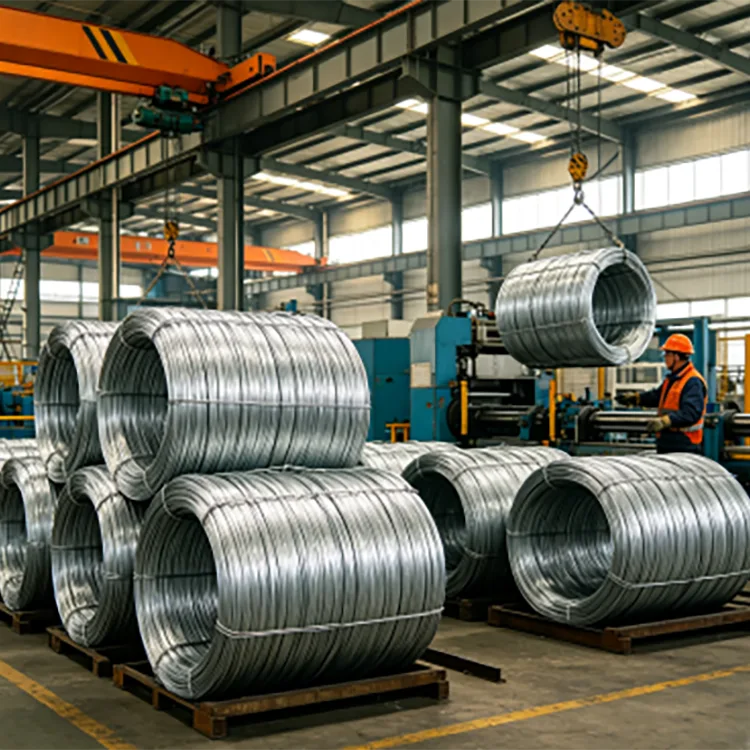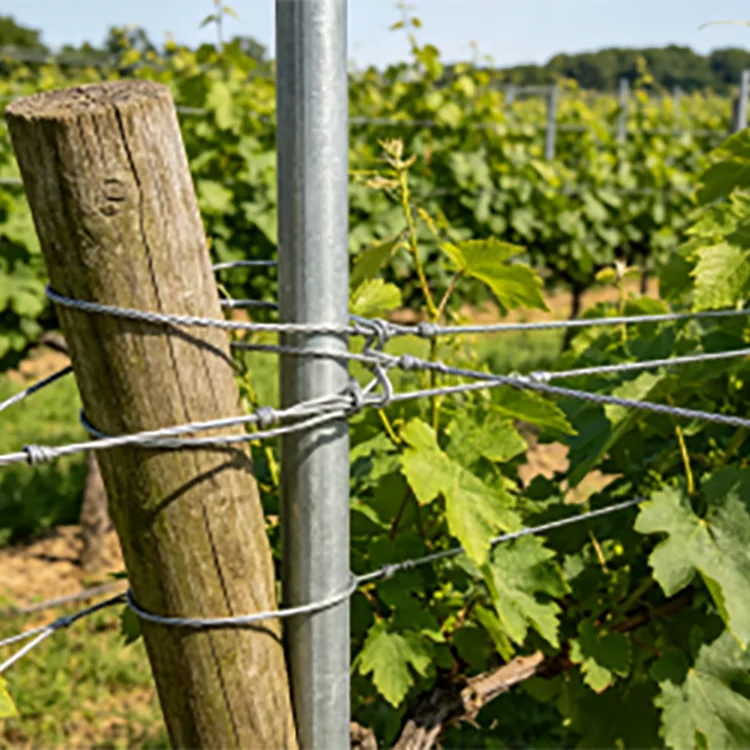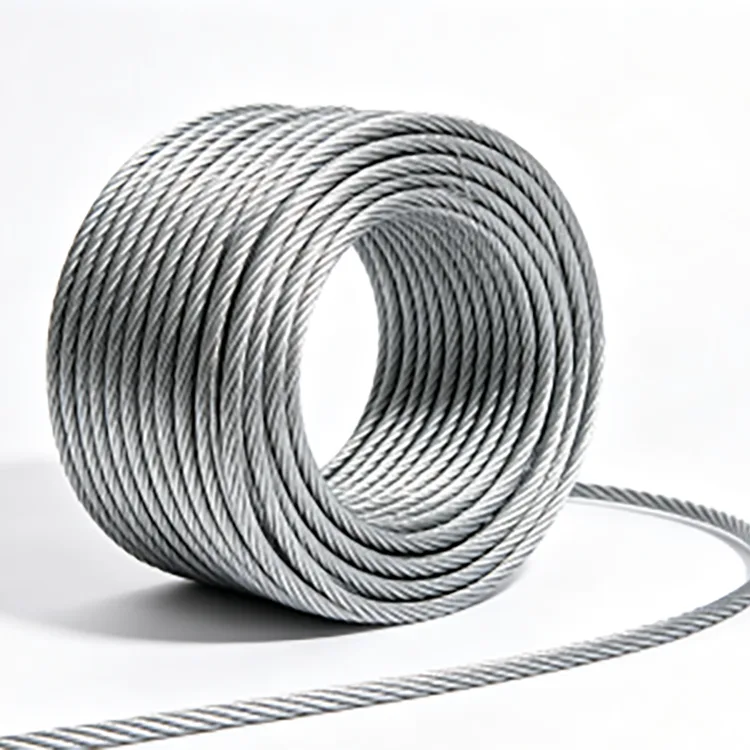
Hot-Dip Galvanized Steel Wire is produced from Q195 or Q235 low-carbon steel and coated by hot-dip galvanizing after wire drawing. It is used for fencing, wire mesh, photovoltaic grounding, agricultural structures and binding. Rongheng supplies different diameters, tensile strengths and coil weights for various outdoor and downstream applications.
Hot-Dip Galvanized Steel Wire is low-carbon steel wire coated with zinc through a hot-dip galvanizing process. Q195 and Q235 steel rod is drawn to the required diameter, cleaned and pretreated, then passed through molten zinc to form the galvanized coating.
It is mainly used for wire mesh, fencing, agricultural structures, binding and other outdoor applications where both flexibility and corrosion protection are required.
Technical Specifications
Item
Specification
Product
Hot-Dip Galvanized Steel Wire
Base Material
Q195 / Q235 low-carbon steel
Common Diameter
0.7–6.0 mm
Custom Diameter
Available according to application
Zinc Coating
Commonly 60–120 g/m²
Heavy Zinc Coating
Available for higher-corrosion environments
Tensile Strength
400–800 MPa, negotiable
Coil Weight
5–200 kg/coil
Small Coils
Available for specific requirements
Surface
Silver-gray galvanized finish
Processing
Rewinding, cutting, customized packing
Inspection Documents
Galvanizing inspection report and agreed quality documents
How Hot-Dip Galvanized Steel Wire Is Made
The production process is:
Steel rod → wire drawing → cleaning → degreasing and pickling → fluxing → drying → hot-dip galvanizing → coating control → cooling → inspection → rewinding → packing
Wire drawing reduces the steel rod to the required diameter and determines part of the wire's mechanical condition. The cleaned wire is then immersed in molten zinc to form the protective coating.
After galvanizing, the wire is inspected for diameter, tensile strength, zinc coating and surface condition before being rewound and packed.
Zinc Coating
Zinc coating is one of the main specifications for galvanized steel wire because it directly affects corrosion protection.
The common coating range is 60–120 g/m². Higher zinc coating can be specified for applications exposed to higher humidity, rainfall or coastal conditions.
Application Environment
Coating Consideration
Indoor or limited exposure
Standard galvanized coating
Normal outdoor use
Common 60–120 g/m² range
Humid or rainy environment
Higher coating can be considered
Coastal or salt exposure
Specify increased coating according to the application
The required zinc coating should be confirmed against the applicable wire standard and project specification.
Wire Diameter and Tensile Strength
Diameter and tensile strength should be specified together because they affect how the wire is processed and used.
For hand tying, bending and forming, a more workable mechanical condition may be preferred. Fencing, mesh and tensioned applications may require higher tensile strength.
The available tensile strength range is 400–800 MPa, subject to the required diameter and manufacturing condition.
Wire Diameter
Typical Applications
0.7–1.0 mm
Fine mesh and light fencing
1.0–1.6 mm
Wire mesh, fencing and agricultural use
1.6–2.5 mm
Heavier fencing, binding and general fabrication
2.5–4.0 mm
Heavy mesh and reinforced fencing
4.0–6.0 mm
Heavy fixing and special fabrication
These are application references only. The actual diameter should be selected according to the mesh opening, fence design, forming equipment and required strength.
Applications
Wire Mesh and Fencing
Used for chain-link fencing, welded wire products, livestock fencing, agricultural barriers and other mesh products.
Agriculture
Used for orchard fencing, greenhouse fixing, farm structures and other outdoor agricultural applications.
Photovoltaic Projects
Used for suitable fixing, tying, fencing and auxiliary applications in outdoor PV projects, subject to the project specification.
Binding and Fabrication
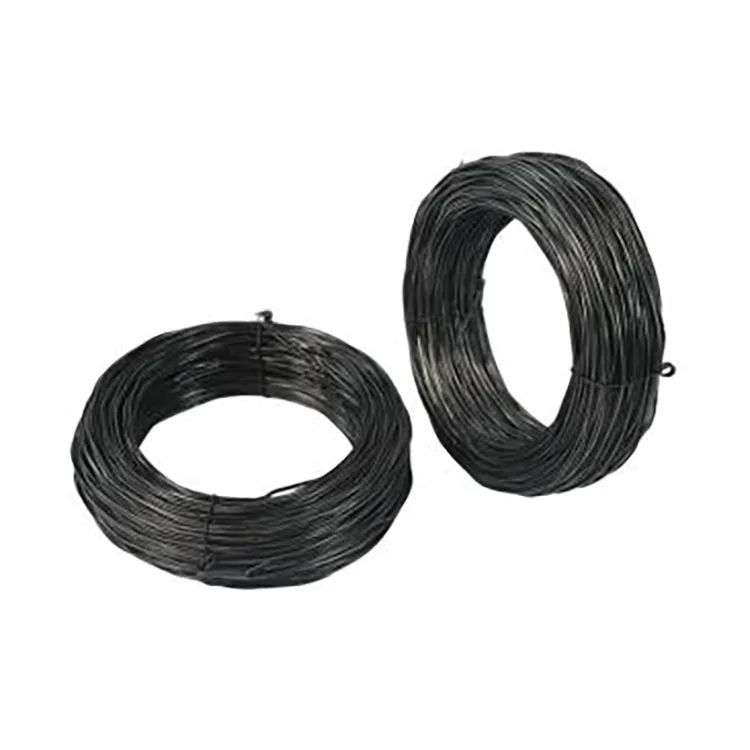
Used for tying, wrapping, reinforcement and other applications that require flexible galvanized steel wire.
Barbed Wire
Used as the base wire for galvanized barbed wire and related fencing products.
Hot Dip Galvanized Wire vs Electrogalvanized Wire
The main difference is the galvanizing process and resulting zinc coating.
Hot-dip galvanized wire is immersed in molten zinc and is generally selected for outdoor applications where a higher level of corrosion protection is required.
Electrogalvanized wire uses an electroplating process and normally has a thinner zinc coating. It is more commonly used where corrosion exposure is limited.
When comparing the two products, check the zinc coating quantity and application requirements rather than judging the wire only by its surface brightness.
Coil Weight and Packing
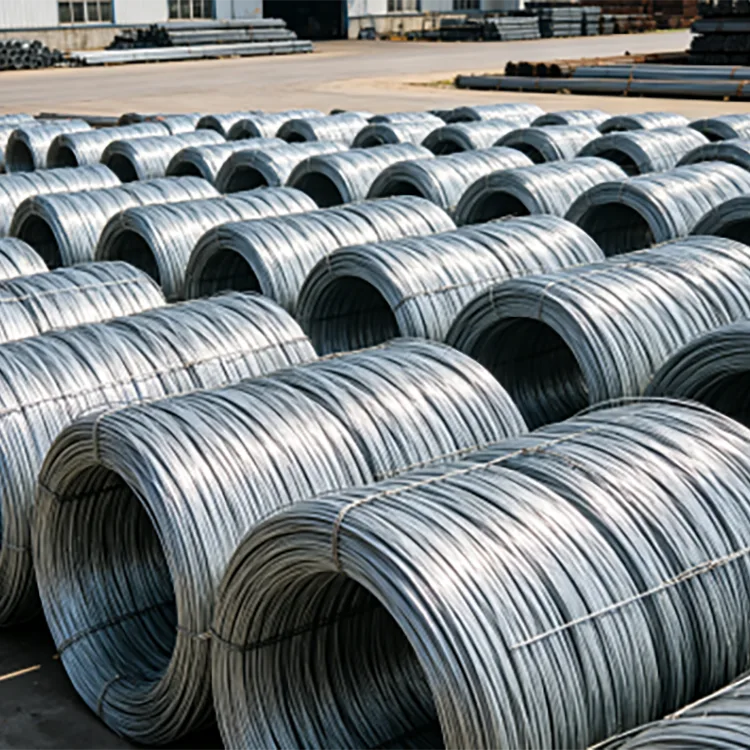
Standard coil weights range from 5 to 200 kg per coil. Smaller coils can also be arranged for specific production or handling requirements.
Larger coils are suitable for continuous wire-feeding equipment, while smaller coils can be easier to handle in manual processing or small-scale production.
For export orders, packing can be arranged according to the coil weight, loading method and transportation requirements. Moisture protection is important during sea transportation to reduce the risk of white rust.
White Rust and Storage
White powder on galvanized wire is generally a zinc corrosion product caused by moisture remaining on the galvanized surface. It is more likely to occur when coils are tightly packed, wet and poorly ventilated.
For storage, keep galvanized wire dry, ventilated and raised from the ground. Prevent rainwater from entering the packaging and avoid prolonged contact with standing water.
Light white rust does not automatically mean that the steel core has rusted, but prolonged wet storage can consume the zinc coating.
Processing and Custom Supply
Hot-Dip Galvanized Steel Wire can be prepared according to downstream production requirements.
Custom wire diameter
Tensile strength adjustment
Rewinding
Custom coil weight
Cutting
Customized export packing
For mesh, fencing or hardware production, the wire diameter, tensile strength and coil weight should be matched to the customer's equipment before production.
Quality Control
Inspection can cover:
Diameter: dimensional consistency along the wire
Tensile strength: according to the agreed specification
Zinc coating: coating quantity and condition
Coating adhesion: resistance to normal bending and winding
Surface: visible coating defects
Coil weight: according to the order requirement
Packing: coil condition and export packing
Agreed inspection records and galvanizing inspection reports can be provided for export orders. Third-party inspection can also be arranged when required.
Why Choose Us?
Our supply chain in Tianjin Daqiuzhuang supports steel wire processing, galvanizing, inspection, rewinding and export packing.
Diameter range: 0.7–6.0 mm, with custom sizes available
Steel grades: Q195 and Q235
Tensile strength: 400–800 MPa, subject to specification
Zinc coating: common 60–120 g/m², with higher coating available
Coil weight: 5–200 kg/coil, including smaller coils for specific requirements
Processing: rewinding, cutting and customized packing
Documentation: agreed quality and galvanizing inspection documents
FAQ
Q1. What is Hot-Dip Galvanized Steel Wire?
It is low-carbon steel wire coated with zinc by immersion in molten zinc. The zinc coating provides corrosion protection while the wire retains its flexibility for forming and weaving.
Q2. What is the common zinc coating for galvanized steel wire?
The common range is 60–120 g/m². A higher coating can be specified for applications with greater corrosion exposure.
Q3. What diameter galvanized steel wire should I use for fencing?
It depends on the fence type, mesh opening, span and required strength. Approximately 1.0–1.6 mm is commonly used for lighter fencing, while heavier fencing may require larger diameters.
Q4. Can the tensile strength be customized?
Yes. The available range is approximately 400–800 MPa, subject to the wire diameter and required manufacturing condition.
Q5. Can galvanized steel wire be used for wire mesh?
Yes. It is commonly used for chain-link fencing, welded wire products, agricultural mesh and other wire-mesh applications. Diameter and tensile strength should match the weaving equipment and finished mesh specification.
Q6. What is the difference between hot-dip and electrogalvanized wire?
Hot-dip galvanized wire is coated by immersion in molten zinc and is generally used where greater corrosion protection is required. Electrogalvanized wire normally has a thinner zinc coating and is used for less demanding exposure conditions.
Q7. Why does galvanized wire develop white rust?
White rust is generally caused by moisture trapped on the zinc surface. Keep the coils dry and ventilated during storage and transportation to reduce the risk.
Q8. Can you supply small coils?
Yes. Standard coil weights are 5–200 kg, and smaller coils can be discussed for specific production or handling requirements.
Q9. Can galvanized steel wire be cut or rewound?
Yes. Rewinding, cutting and customized packing can be arranged according to the customer's production and packaging requirements.
Q10. What information is needed for a quotation?
Provide the diameter, steel grade, tensile strength, zinc coating, coil weight, quantity, packing requirements and intended application. This information allows the production specification to be confirmed before quotation.
Hot Tags: Hot-Dip Galvanized Steel Wire Manufacturer, Hot Dipped Galvanized Wire Supplier, Galvanized Steel Wire Factory
We use cookies to offer you a better browsing experience, analyze site traffic and personalize content. By using this site, you agree to our use of cookies. Privacy Policy