Products
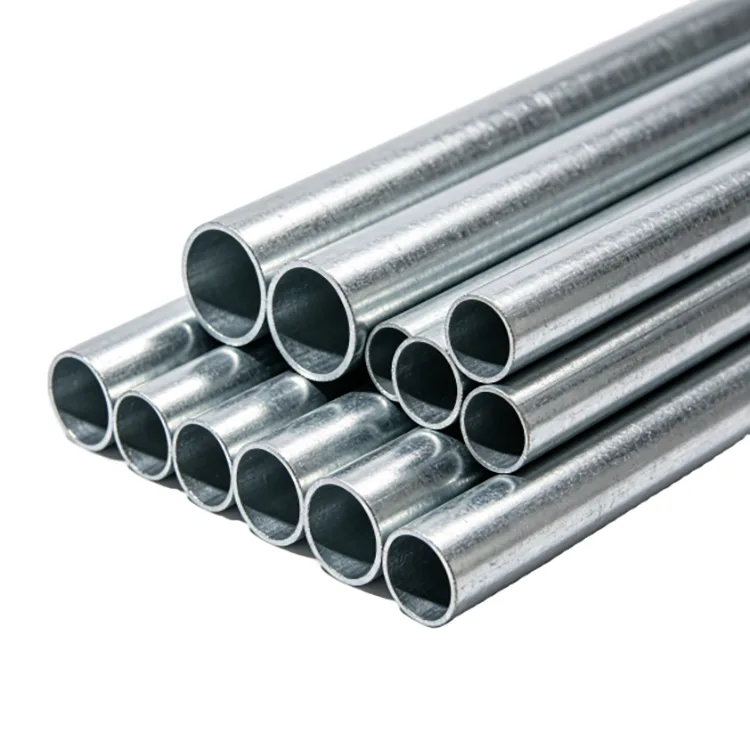
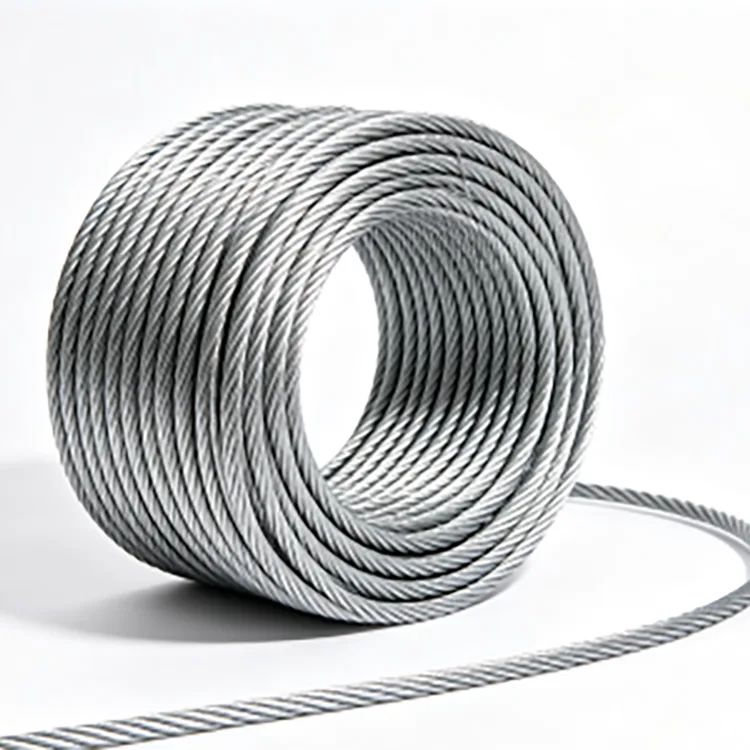
Galvanized Steel Strand
  • Galvanized Steel StrandGalvanized Steel Strand
  • Galvanized Steel StrandGalvanized Steel Strand
  • Galvanized Steel StrandGalvanized Steel Strand

Galvanized Steel Strand

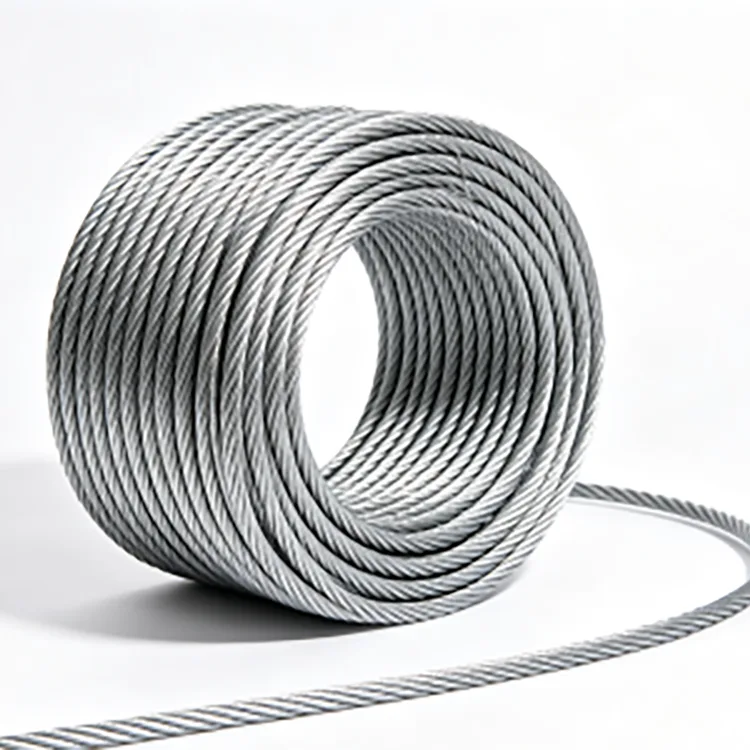
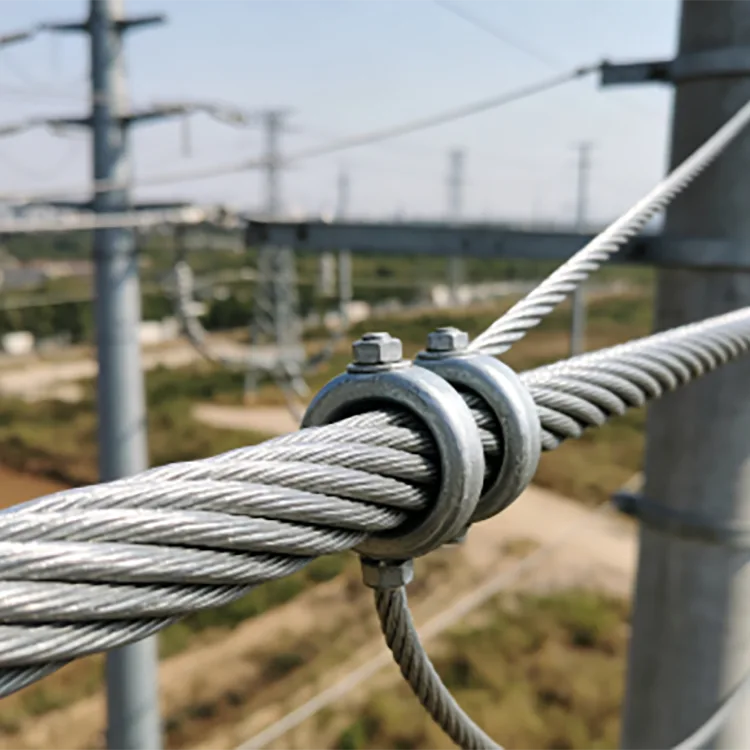
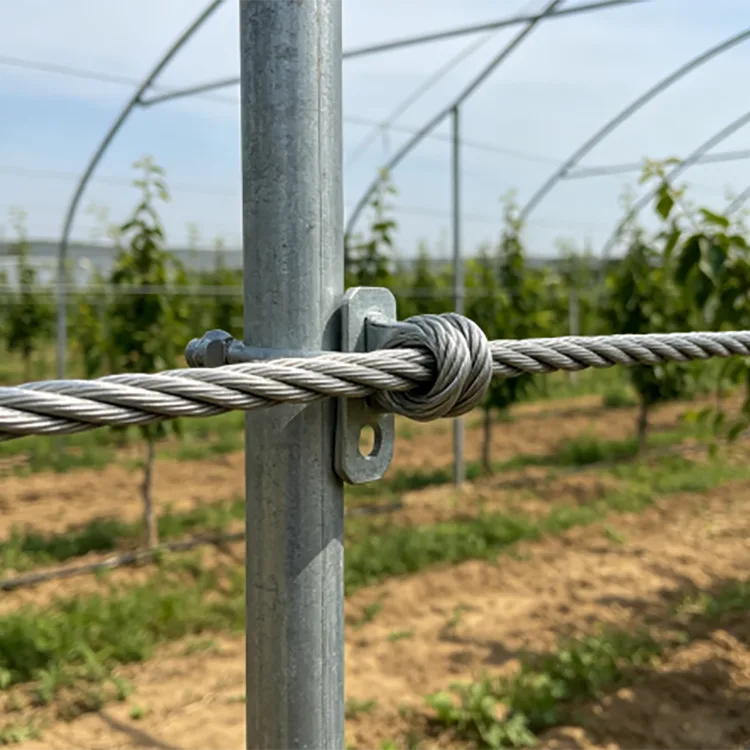
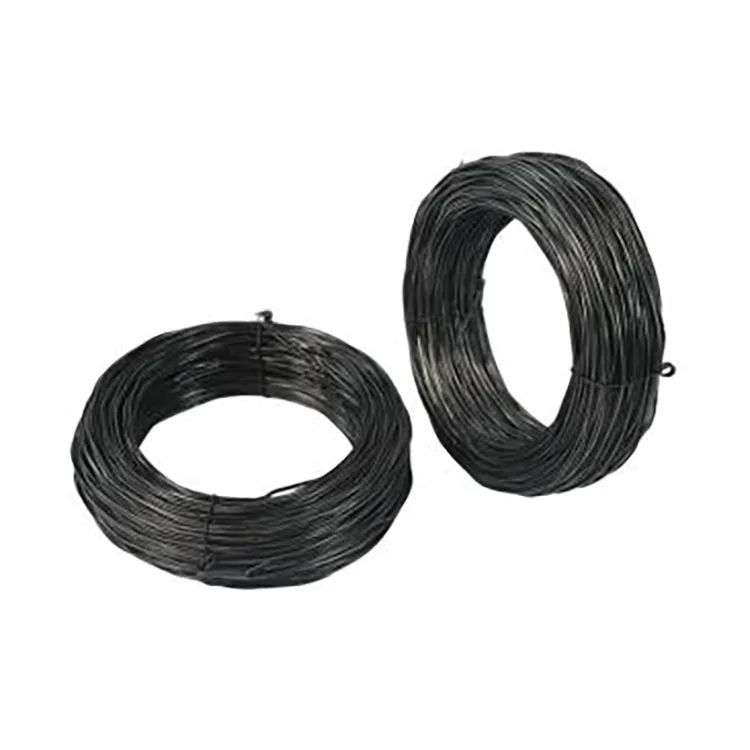
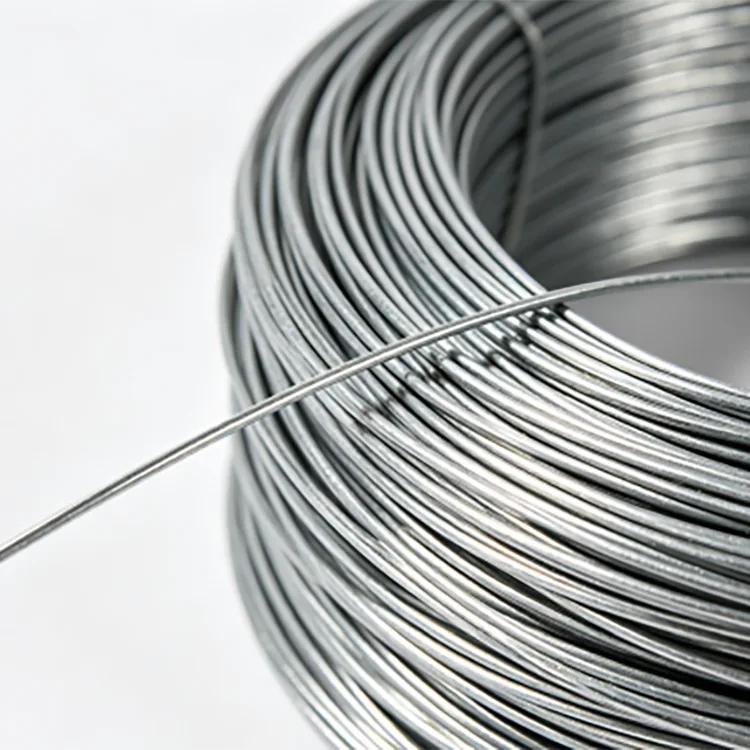
Galvanized Steel Strand combines the tensile strength of high-carbon steel wire with the corrosion protection of hot-dip galvanizing. Rongheng supplies 1×7, 1×19, and 1×37 constructions in different diameters and strength grades for overhead power lines, communication cables, photovoltaic grounding, slope protection, bridge tensioning, greenhouse bracing, and structural fixing. Standard coils and custom lengths are available, with thicker zinc coatings for coastal and other high-corrosion environments.

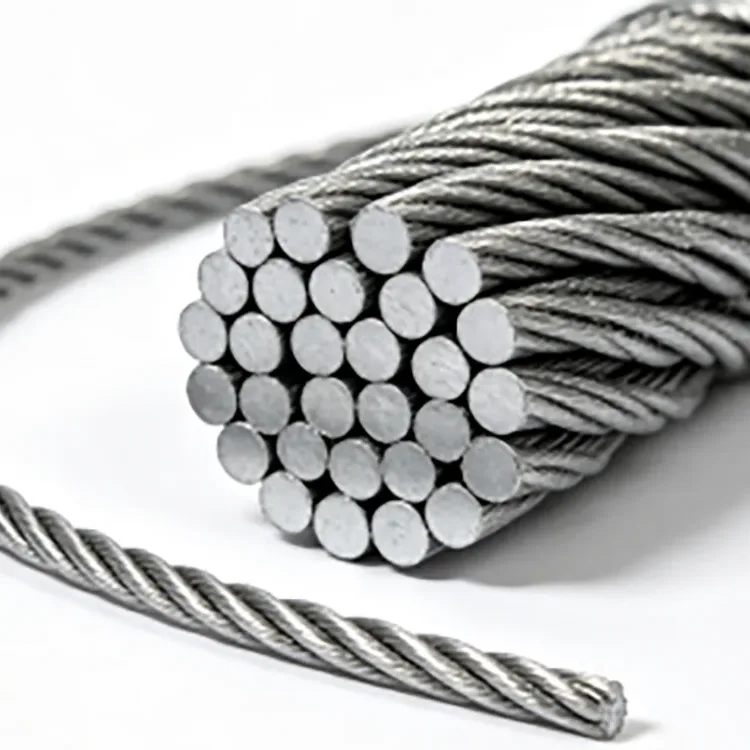
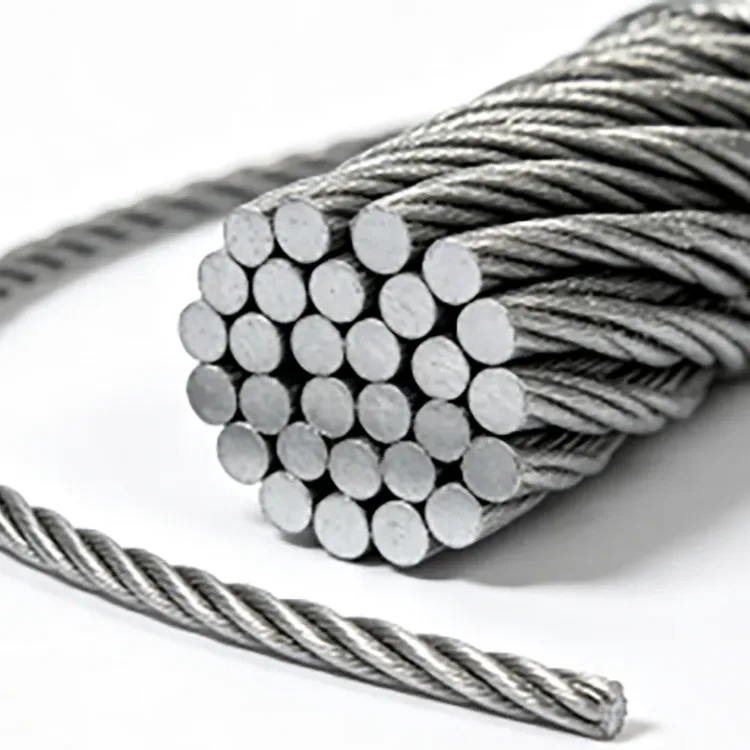
Galvanized Steel Strand is made by twisting multiple high-carbon steel wires together at a controlled lay length and then applying a hot-dip galvanized coating. The stranded construction allows the individual wires to work together under tension, while the zinc coating provides corrosion protection for outdoor service.

Rongheng supplies common 1×7, 1×19, and 1×37 constructions. The choice of strand construction depends on required breaking load, flexibility, installation method, span, and application. For long-term outdoor projects, the zinc coating should also be selected according to humidity, salt exposure, industrial pollution, and other site conditions.

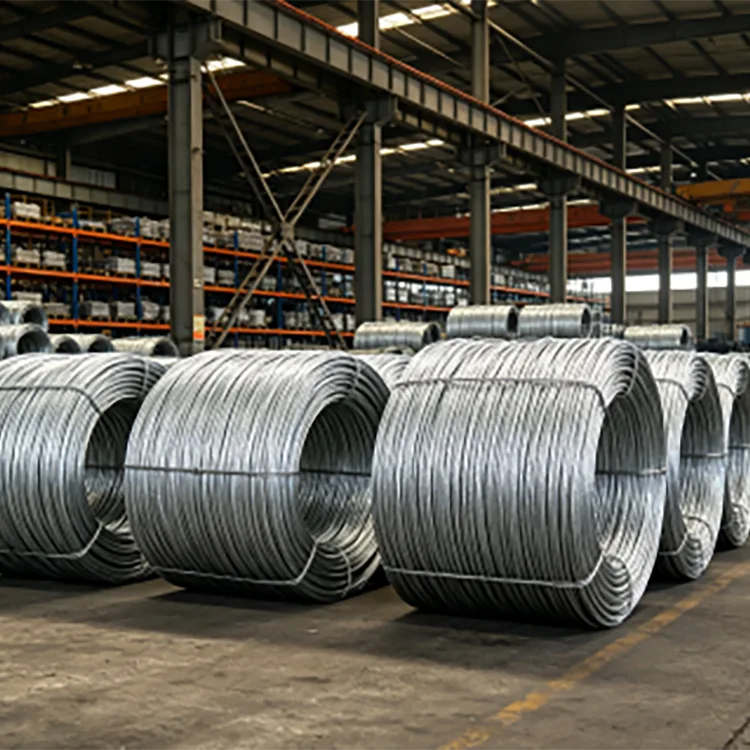
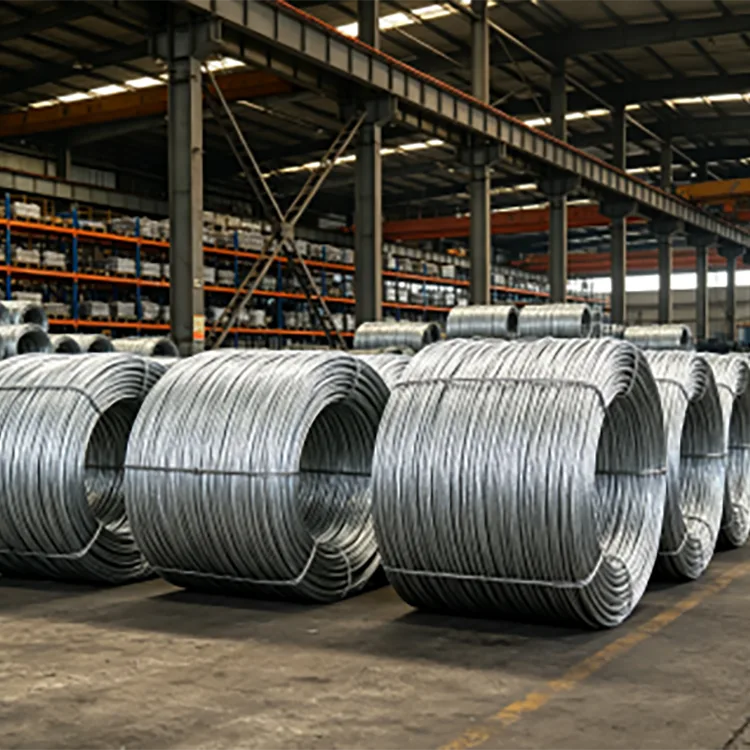
The product can be supplied in standard coils or customized lengths. Cutting, rewinding, end treatment, and packaging options are available for engineering and export orders.

Galvanized Steel StrandGalvanized Steel StrandGalvanized Steel Strand


How Galvanized Steel Strand Works

The mechanical performance comes from the multi-wire stranded structure. Several steel wires share the applied load, giving the strand a combination of tensile strength and flexibility that is useful for tensioning, suspension, bracing, and fixing applications.

The corrosion protection comes from the hot-dip galvanized zinc layer. Zinc forms a physical barrier between the steel and the surrounding environment and can also provide sacrificial protection when minor surface damage occurs. This is why galvanized strand is commonly selected for exposed outdoor applications where uncoated steel wire would require additional corrosion protection.


Technical Specifications

Construction

Common Diameter

Tensile Strength

Minimum Breaking Force

Typical Zinc Coating

Typical Applications

1×7

2.0–9.0 mm

1270–1860 MPa

5.4–85 kN

170–300 g/m²

Overhead power, communication messenger wire, greenhouse bracing, light fixing

1×19

10.0–14.0 mm

1570–1960 MPa

90–160 kN

200–320 g/m²

PV grounding, slope protection, bridge tensioning, advertising structure reinforcement

1×37

15.0 mm and above

1860–1960 MPa

180 kN and above

220–350 g/m²

Large water projects, deep-foundation anchoring, heavy-duty tensioning


Basic Product Parameters

Item

Specification

Product

Galvanized Steel Strand

Steel

High-carbon steel wire

Constructions

1×7, 1×19, 1×37

Common Coil Length

100 m / 500 m / 1000 m per coil

Custom Length

3–10,000 m

Galvanizing

Hot-dip galvanizing

Standard Zinc Range

170–350 g/m² depending on construction and specification

Heavy Zinc Coating

300 g/m² and above available for high-salt environments

Processing

Cutting, rewinding, end treatment, incoming-material processing

Packaging

Moisture-resistant wrapping, waterproof woven bags, wooden reels


Hot-Dip Galvanizing Process

The production process is designed to maintain both strand construction and zinc coating consistency.

High-carbon steel wire preparation → wire surface cleaning → twisting → strand forming → degreasing and pickling → flux treatment → hot-dip galvanizing → zinc coating control → cooling and finishing → dimensional and visual inspection → coiling and packaging

The steel wires are twisted according to the specified construction and lay length before the galvanized surface is finalized. Surface pretreatment is important because oil, oxide scale, and other contaminants can affect zinc adhesion.

After galvanizing, the strand is checked for coating condition, surface defects, construction, diameter, and other order requirements before being coiled.


1×7, 1×19 or 1×37?

The strand construction should be selected according to the actual load and installation requirements rather than simply choosing the largest size.

1×7 is commonly used where a relatively compact strand with good tensile performance and convenient handling is required. Typical applications include overhead lines, communication messenger systems, greenhouse tensioning, and general fixing.

1×19 provides a larger strand section and higher breaking-force range. It is suitable for slope protection, bridge tensioning, PV grounding and heavier structural fixing applications.

1×37 is intended for larger loads and heavy-duty tensioning applications. Its larger strand construction is suitable for major water projects, deep-foundation anchoring, and other applications where the required breaking force is high.

For a quotation, the required construction, nominal diameter, tensile strength, minimum breaking force, zinc coating, length, and application should be confirmed together.


Zinc Coating Selection

The required zinc coating depends on the exposure environment.

For dry inland and conventional outdoor applications, a standard zinc coating in the range of approximately 170–220 g/m² can be considered where the project specification permits.

For humid, rainy, or waterside environments, a higher coating range such as 220–260 g/m² provides additional corrosion protection.

For coastal, salt-spray, or highly corrosive environments, Rongheng can supply heavy zinc coating of 300 g/m² and above according to project requirements.

The coating requirement should always be checked against the applicable standard and expected exposure conditions. A higher zinc coating does not eliminate the need to consider drainage, contact with corrosive chemicals, mechanical damage, and installation conditions.


Low-Relaxation Performance

For applications where the strand remains under tension for an extended period, relaxation and dimensional stability are important considerations.

Low-relaxation processing can be specified for projects requiring stable long-term tension. This is particularly relevant to structural tensioning, bridge-related applications, slope protection, and other systems where excessive strand elongation or tension loss could affect the overall structure.

The required relaxation class and test requirements should be confirmed according to the engineering specification.


Applications

Power and Communication

1×7 galvanized strand can be used for overhead power applications, communication messenger systems, and other suspended cable support applications where tensile strength and outdoor corrosion protection are required.


Photovoltaic Projects

Galvanized strand can be used in selected PV grounding and tensioning systems. For large outdoor solar projects, the zinc coating should be selected according to the project location, expected service period, soil or atmospheric exposure, and grounding-system requirements.


Slope Protection

1×19 and larger constructions are suitable for rockfall protection, slope stabilization, anchoring, and structural fixing where high tensile capacity and outdoor corrosion resistance are required.


Bridge and Infrastructure

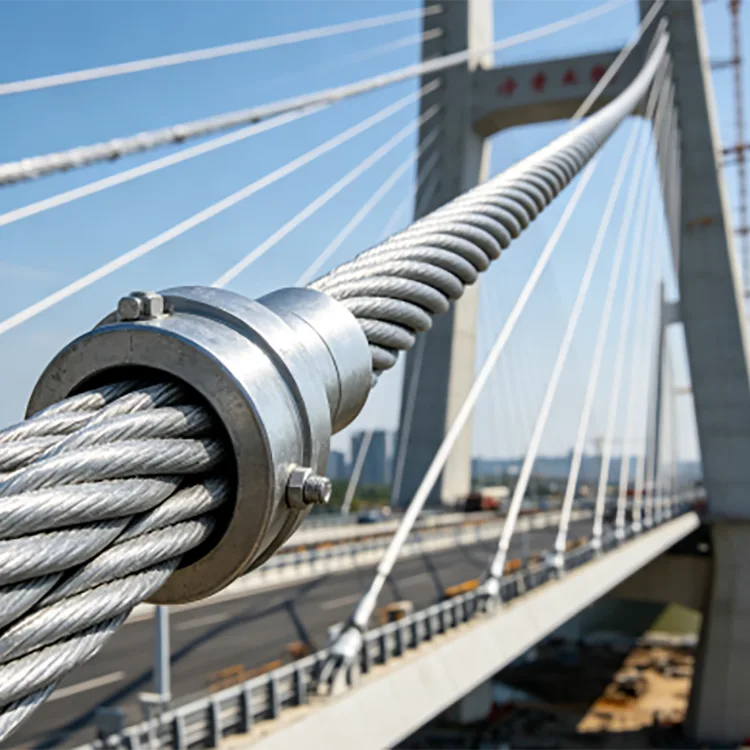
The strand can be used in selected bridge tensioning, reinforcement, fixing, and supporting applications. Strand diameter, strength grade, relaxation performance, and corrosion-protection requirements should be confirmed from the structural design.


Agricultural Greenhouses

Smaller galvanized strand can be used for greenhouse film tensioning, structural bracing, and fixing. The galvanized surface provides better corrosion protection than uncoated steel wire in humid agricultural environments.


Advertising and Structural Fixing

Galvanized strand is also used for advertising structures, outdoor equipment fixing, bracing systems, and other applications requiring a combination of tensile strength and weather resistance.

Galvanized Steel StrandGalvanized Steel StrandGalvanized Steel Strand


Project Applications

Northwest China Photovoltaic Project

For a large photovoltaic project in a dry, windy desert environment, Rongheng supplied 1×19 high-strength galvanized steel strand with a heavier zinc coating, low-relaxation processing, and customized lengths. The specification was selected for strong wind, large temperature differences, and long-term outdoor tensioning requirements. The strand was used for grounding and tension-related applications with the objective of maintaining stable performance throughout the project's service period.


Coastal Slope Protection Project

For a slope protection project in a coastal area with significant salt-spray exposure, 1×19 galvanized steel strand with a zinc coating of ≥300 g/m² was supplied in a high-strength grade. The heavier zinc specification was selected to reduce corrosion risk in the marine environment. After four years of project service, the supplied application was reported to have no visible rusting or strand breakage, with the slope protection structure remaining stable.


Manufacturing and Quality Control

Rongheng's production control covers the steel wire, stranding process, galvanizing, and finished coil.

Raw material inspection focuses on steel grade and basic mechanical requirements. During stranding, the construction, lay, wire arrangement, and strand dimensions are controlled to maintain consistent geometry. After hot-dip galvanizing, the surface is checked for coating continuity, exposed areas, excessive zinc buildup, and other visible defects.

Finished-product inspection can include strand diameter, construction, tensile strength, minimum breaking force, zinc coating, and other requirements specified in the purchase order. For engineering projects, inspection documentation and third-party inspection can also be arranged according to the contract.


Custom Length and Processing

Standard coil lengths include 100 m, 500 m, and 1000 m, while customized lengths from 3 to 10,000 m can be arranged.

The strand can also be supplied with cutting, rewinding, end treatment, and customized coil or reel packaging. For export orders, waterproof woven bags, moisture-resistant wrapping, and wooden reels can be selected according to transportation and handling requirements.

For large projects, providing the required construction, diameter, strength grade, zinc coating, coil weight or length, and packaging method helps avoid specification changes after production.


Packaging for Export

It is normally protected against moisture and mechanical damage during storage and transportation. Export orders can use waterproof woven bags, moisture-resistant wrapping, steel-strand coils, or wooden reel packaging.

The packing method should be selected according to container loading, coil weight, unloading equipment, destination climate, and whether the strand will be stored outdoors after arrival.


Galvanized Steel Strand vs Uncoated Steel Strand

Item

Galvanized Steel Strand

Uncoated Steel Strand

Surface

Hot-dip galvanized

Bare steel

Corrosion Protection

Zinc coating

Requires separate protection

Outdoor Suitability

Suitable when coating matches the environment

More vulnerable to atmospheric corrosion

Maintenance

Lower coating-maintenance requirement

Additional corrosion protection may be required

Typical Use

Outdoor tensioning, overhead lines, slope protection, PV, agricultural structures

Protected or specially treated applications

Initial Cost

Higher

Lower

Lifecycle Cost

Can be lower where corrosion protection reduces maintenance

Depends on additional protection and replacement requirements


FAQ

Q1: What is the difference between hot-dip galvanized and electro-galvanized steel strand?

Hot-dip galvanizing uses immersion in molten zinc and generally provides a thicker and more durable coating than electro-galvanizing. It is commonly selected for outdoor applications requiring longer-term corrosion protection.


Q2: Will steel strand loosen or separate during installation?

A properly manufactured strand has controlled wire arrangement and lay length. Correct cutting, handling, anchoring, and installation are also important. Improper cutting or excessive bending near the end can affect strand integrity, so the installation method should follow the project requirements.


Q3: What zinc coating is recommended for coastal areas?

For coastal and high-salt environments, a heavier zinc coating of 300 g/m² or above can be specified according to the project requirements. The final coating level should also consider salt exposure, expected service period, mechanical damage, and the applicable standard.


Q4: Is steel strand suitable for long-term tensioning?

Yes, it can be used for long-term tensioning applications when the strand construction, strength grade, relaxation characteristics, corrosion protection, and anchoring system are properly selected. Low-relaxation processing can be specified where long-term tension stability is important.


Q5: Can you supply small orders or trial quantities?

Yes. Rongheng supports sample testing, small export orders, project replenishment, and larger bulk procurement. Quantity, coil length, packaging, and production arrangements can be confirmed according to the order.


Q6: How should galvanized steel strand be stored?

Store the strand in a dry, ventilated area and keep it away from standing water and prolonged rain exposure. During long-term storage, moisture-resistant packaging is recommended, particularly in humid climates.


Q7: Is white rust on galvanized steel strand a quality problem?

Light white or gray zinc corrosion products can form when freshly galvanized material is exposed to moisture with poor ventilation. This does not automatically indicate a failure of the steel substrate. However, prolonged wet storage should be avoided because severe or persistent corrosion can eventually affect the zinc coating.


Q8: What information should I provide when requesting a quotation?

Please provide the construction, diameter, tensile strength, minimum breaking force, zinc coating requirement, coil length, quantity, application, destination, and packaging requirements. For structural or infrastructure projects, drawings or technical specifications are recommended.


Hot Tags: Galvanized Steel Strand Manufacturer, Supplier, Galvanized Steel Wire Strand
Send Inquiry
Contact Info
  • Address

    Secondary Arterial Road No. 2-1, Expansion Area of ​​Daqiuzhuang Industrial Zone, Jinghai District, Tianjin, China

Tell RongHeng your required steel product, size, grade, quantity, customization and delivery needs, and our export team can review your inquiry.
X
We use cookies to offer you a better browsing experience, analyze site traffic and personalize content. By using this site, you agree to our use of cookies. Privacy Policy
RejectAccept