Products
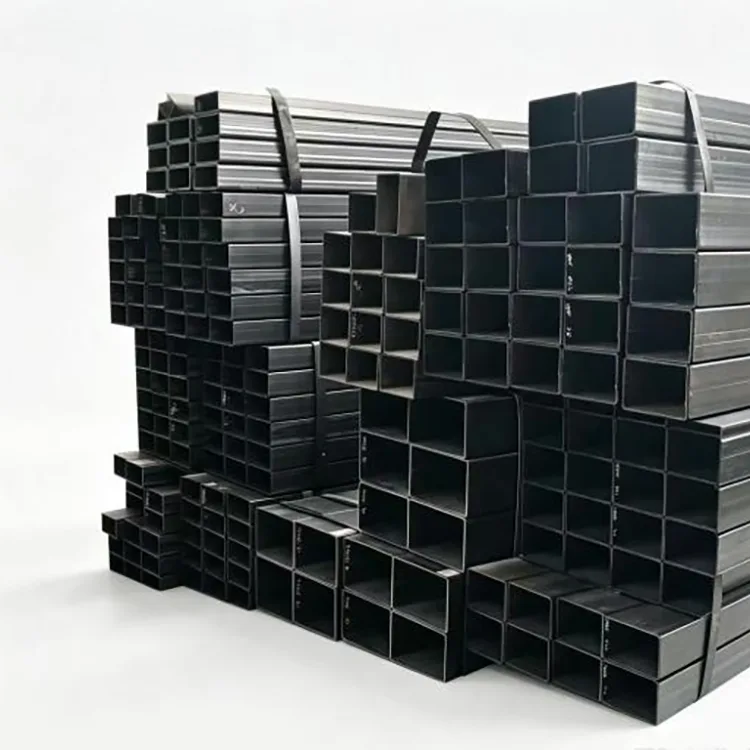
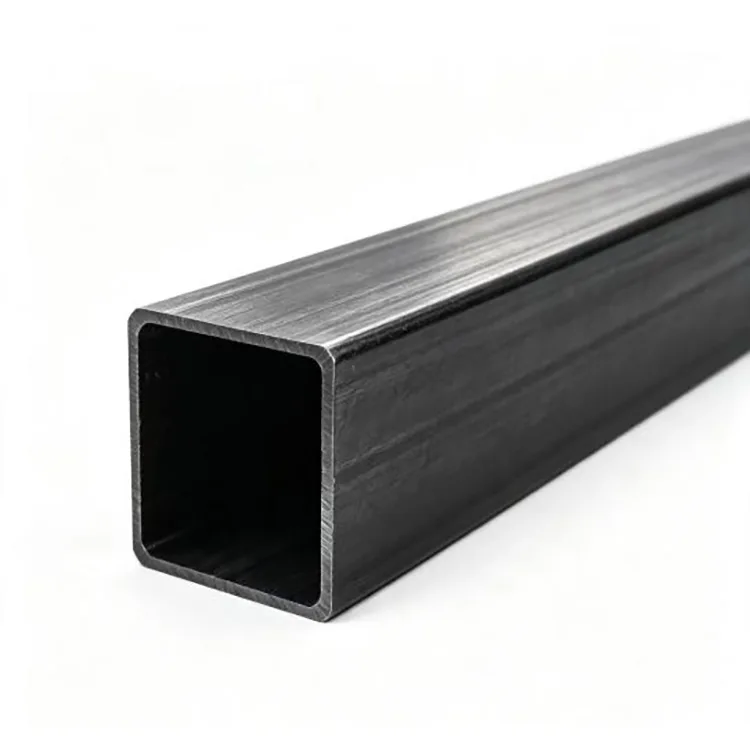
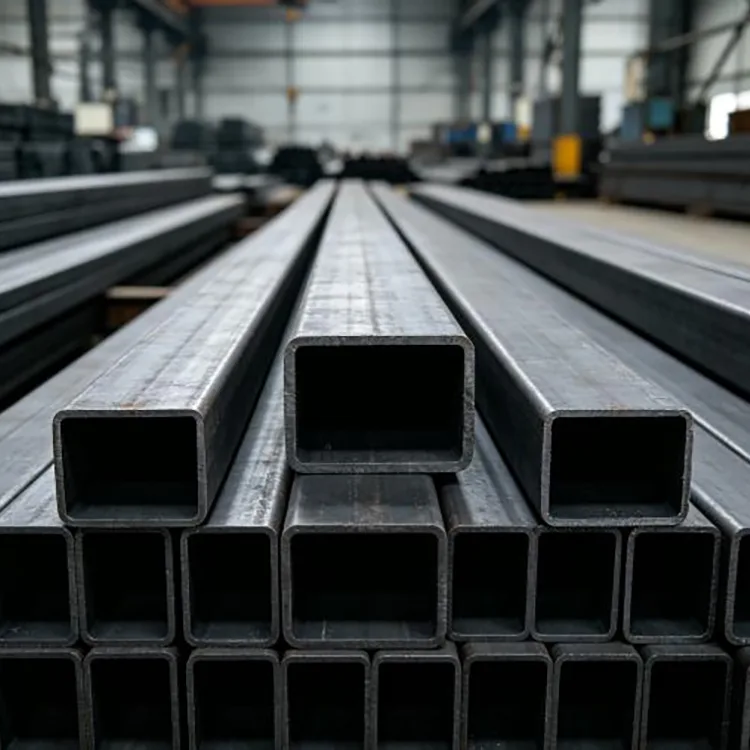
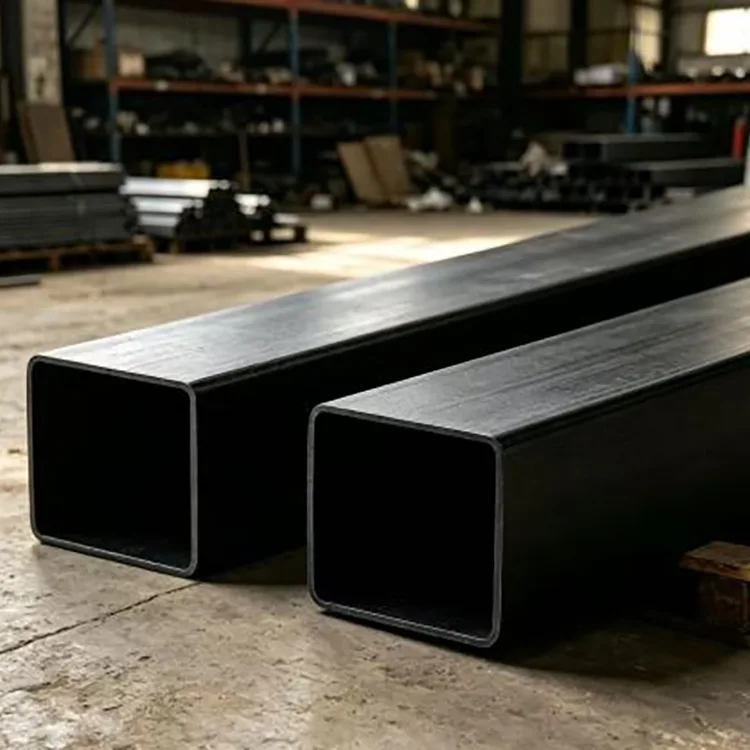
ERW Rectangular Steel Tube
  • ERW Rectangular Steel TubeERW Rectangular Steel Tube
  • ERW Rectangular Steel TubeERW Rectangular Steel Tube
  • ERW Rectangular Steel TubeERW Rectangular Steel Tube

ERW Rectangular Steel Tube

Product: ERW Rectangular Steel Tube
Steel Grades: Q195, Q235, Q355 and equivalent grades
Sizes: Multiple rectangular sections and custom dimensions
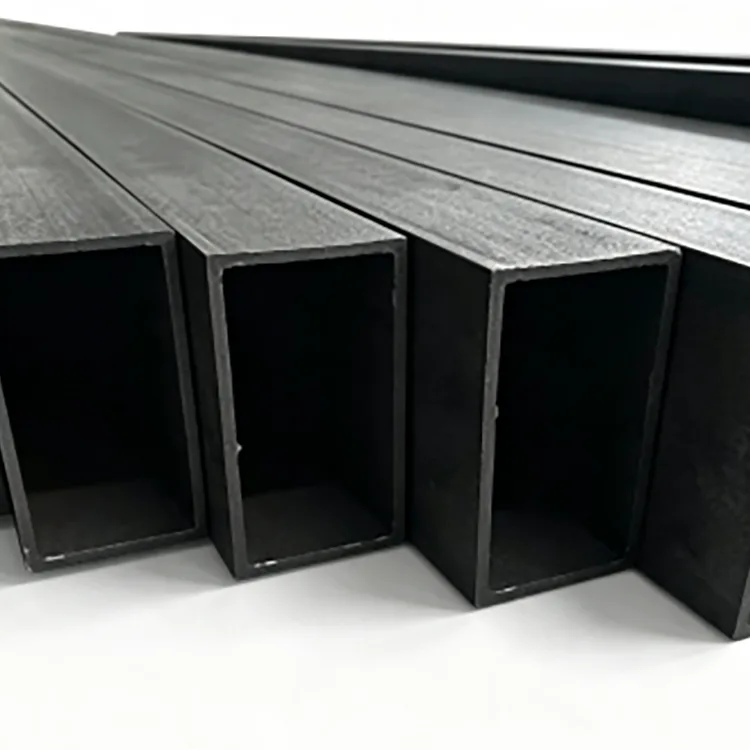
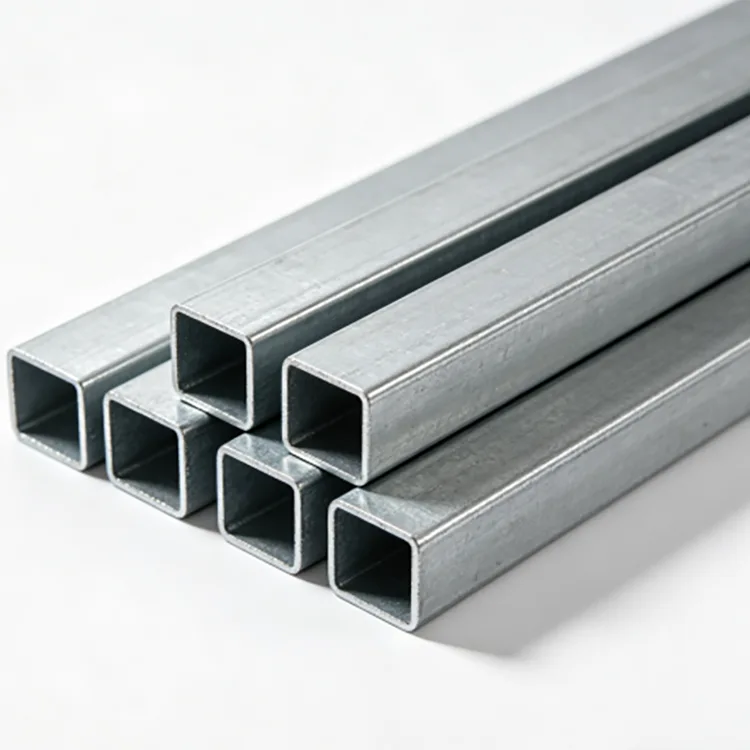
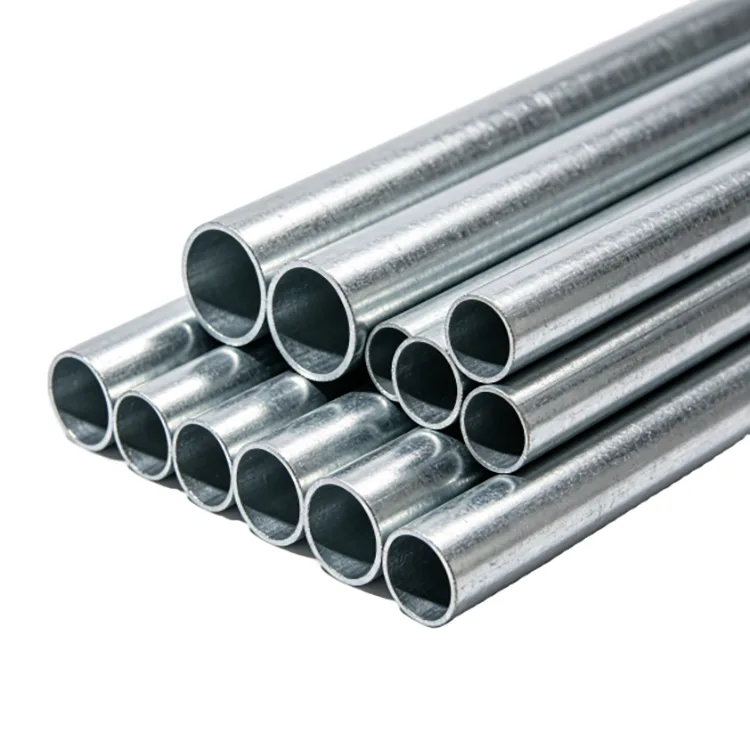
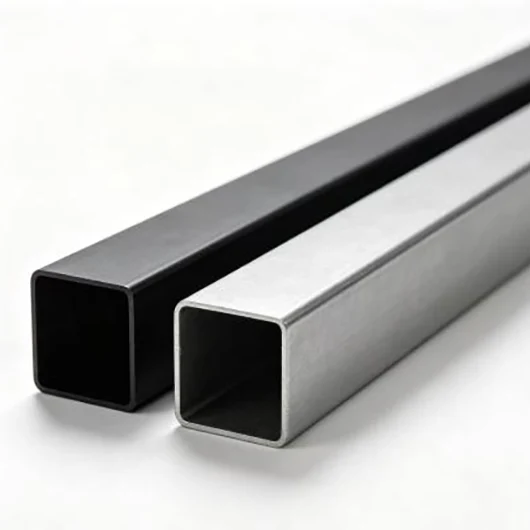
Surface: Black or hot-dip galvanized
MOQ: 1 × 20-foot container, approximately 20–25 tons
Lead Time: Normally 15–25 days, depending on specification and order quantity
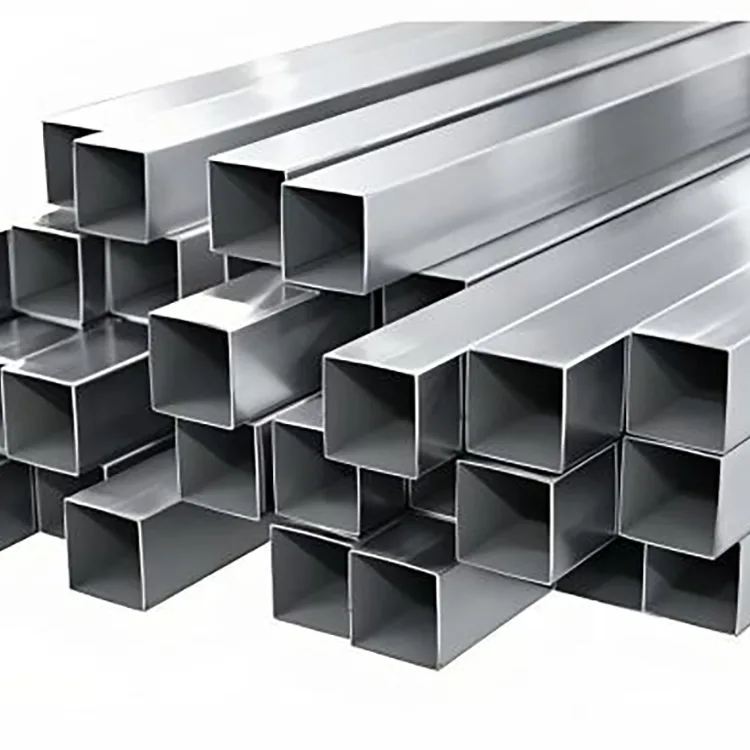
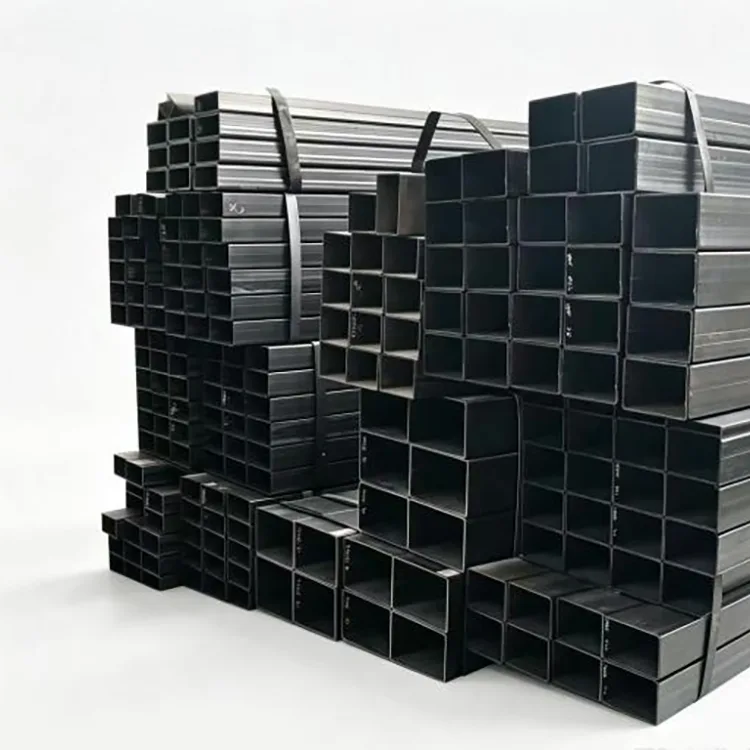
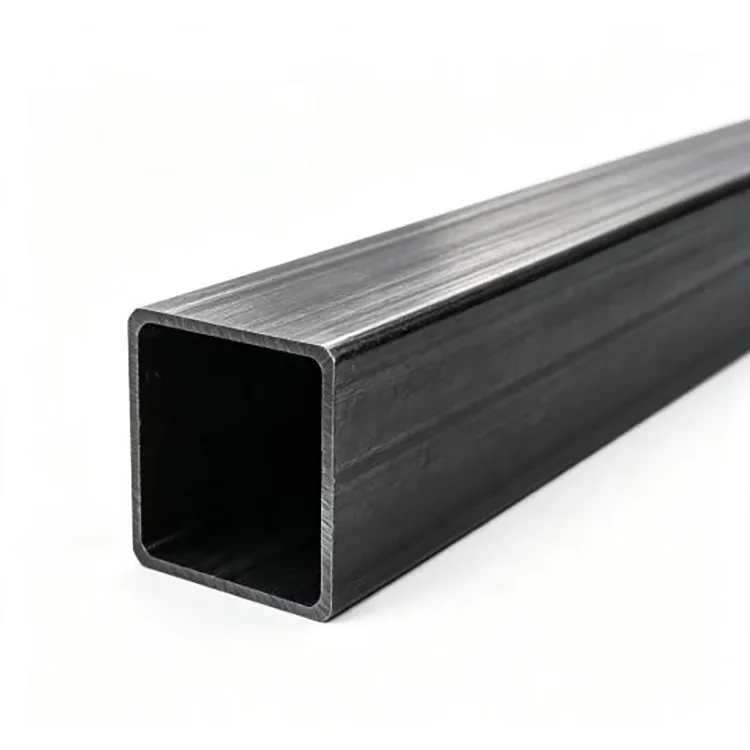
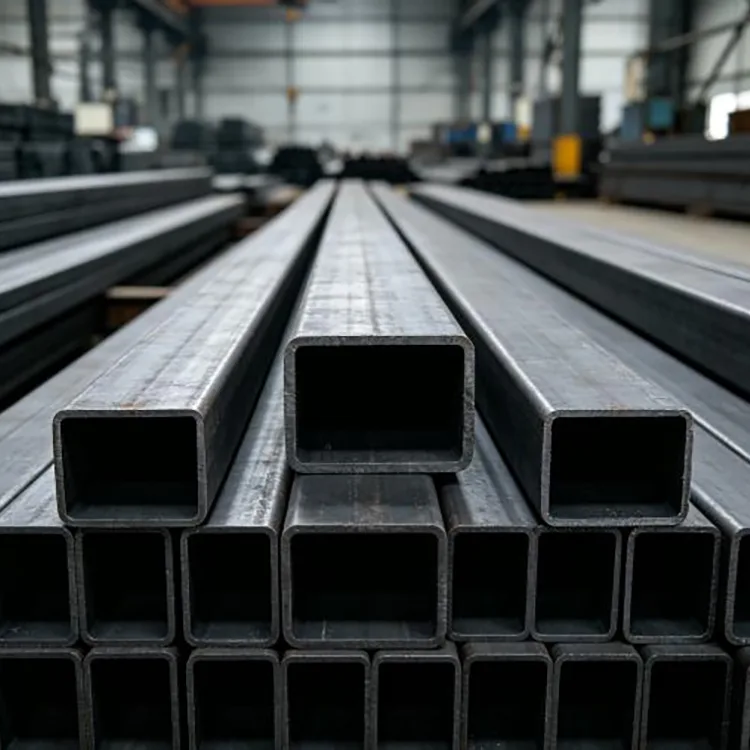
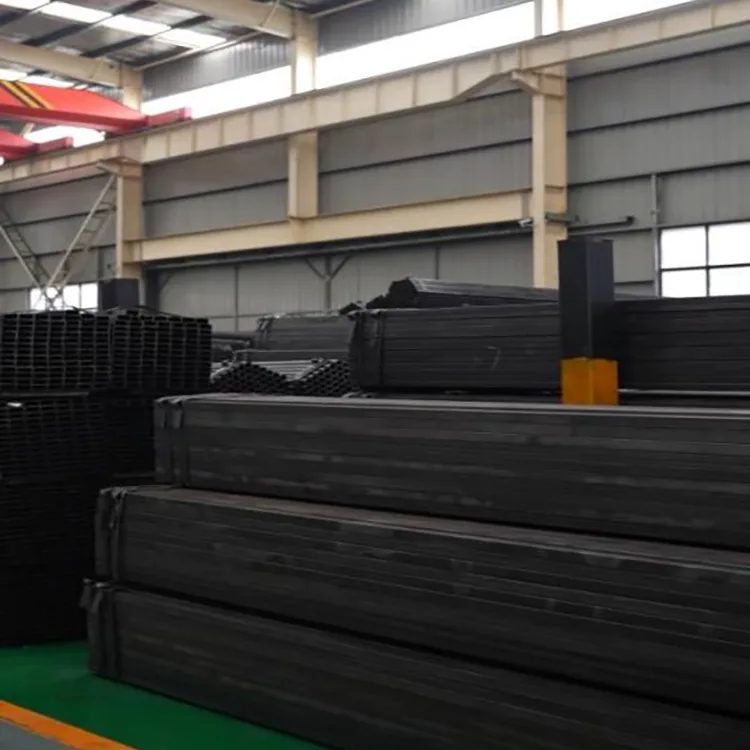
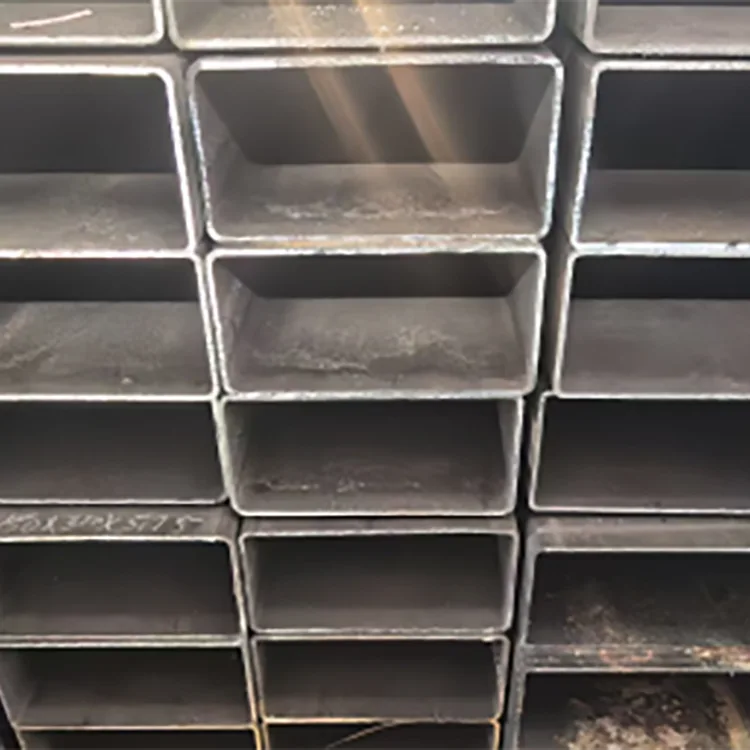
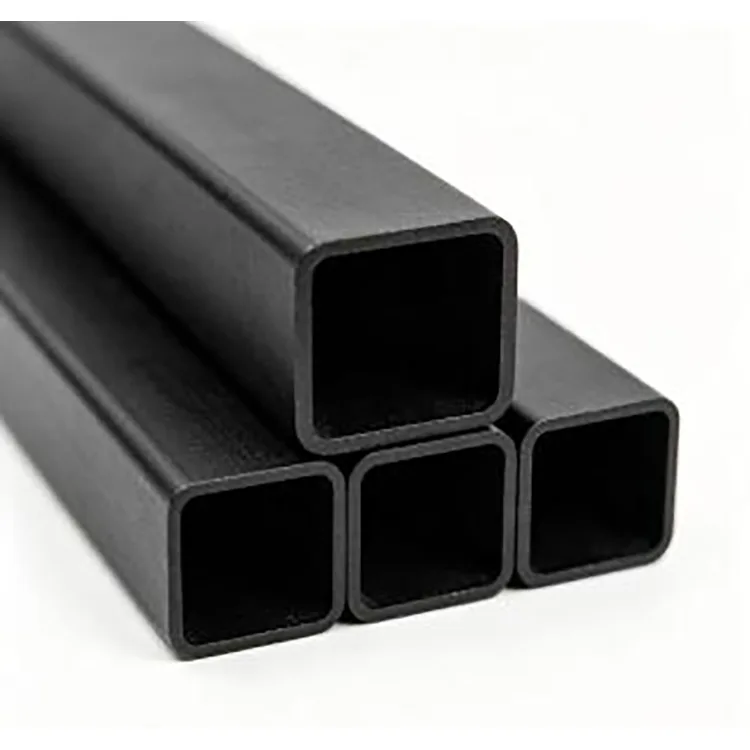
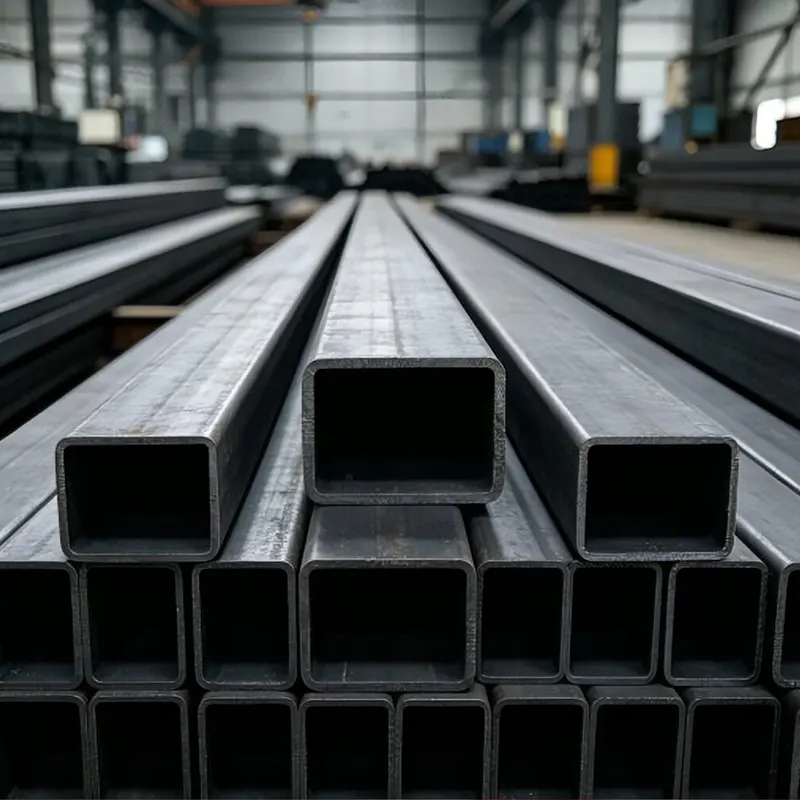
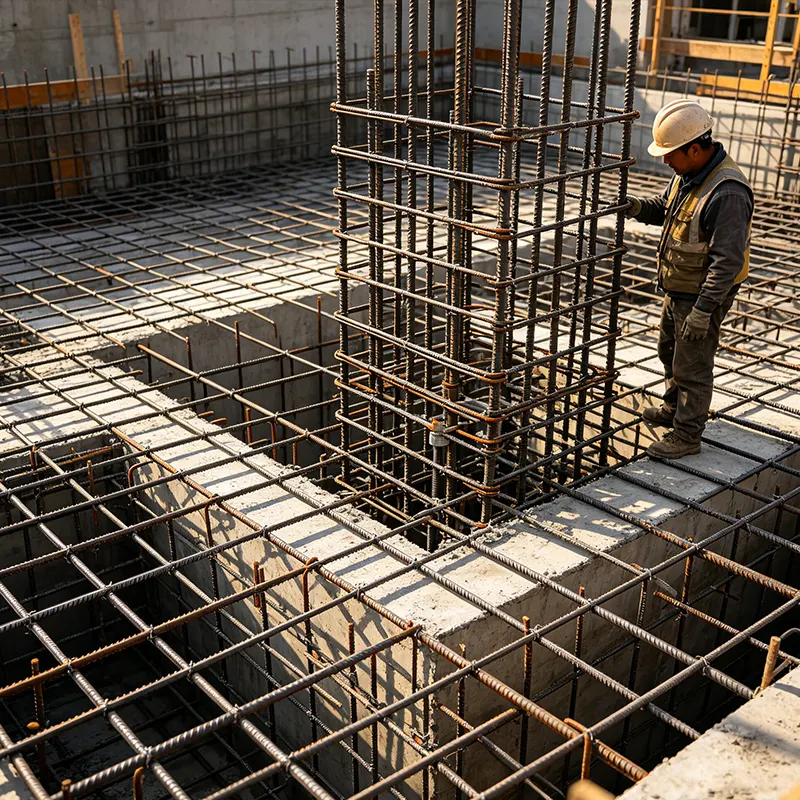
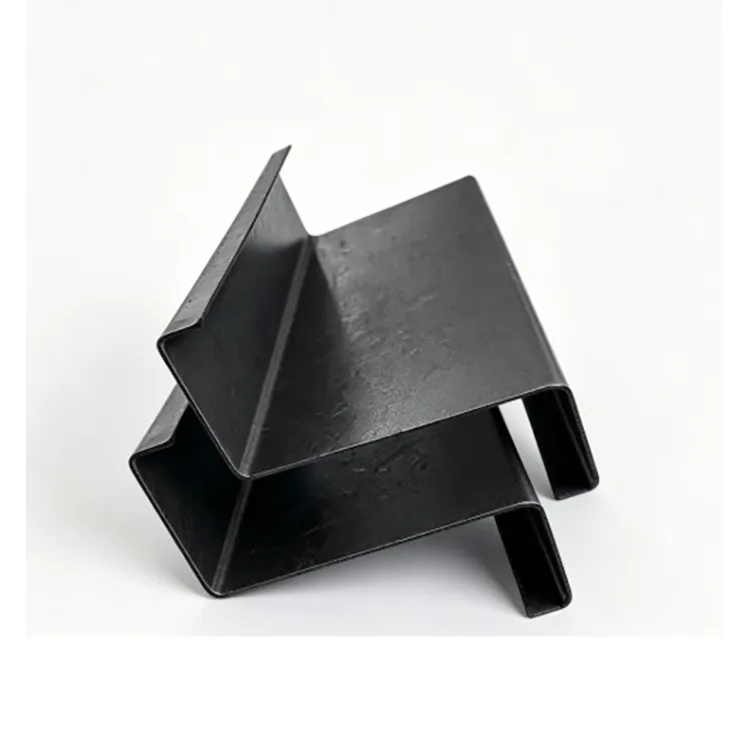
ERW Rectangular Steel Tube is produced by roll forming steel strip and welding the formed edges using high-frequency electric resistance welding. It is widely used for structural frames, machinery, construction, fencing and general fabrication. Rongheng supplies different section sizes, wall thicknesses, lengths and surface treatments according to project and purchasing requirements.

A rectangular tube is often selected for one simple reason: its flat faces make structural fabrication easier. Components can be welded or bolted directly to the flat sides, while the hollow section provides useful bending resistance without using a completely solid steel section. This makes rectangular tube common in equipment frames, structural supports, agricultural structures, guardrails and fabricated steel assemblies.

Rongheng manufactures the ERW Rectangular Steel Tubes from steel strip using continuous roll forming and high-frequency resistance welding. After the longitudinal seam is welded, the tube passes through sizing and straightening processes before being cut to the required length. The production process is designed to maintain the agreed section dimensions, wall thickness and straightness throughout the order.

For engineering procurement, these details matter because dimensional variation can create problems after delivery. Tubes that are not sufficiently straight or consistent may require additional adjustment before welding and assembly. A clearly defined specification covering section size, wall thickness, steel grade, length, surface treatment and inspection requirements helps reduce these problems before production begins.

ERW Rectangular Steel TubeERW Rectangular Steel TubeERW Rectangular Steel Tube


How the Tube Is Made

The manufacturing process starts with steel strip selected according to the required grade and thickness. The strip is progressively formed through rollers until it reaches the required rectangular profile.

The edges are then joined using high-frequency electric resistance welding. Unlike conventional manual welding, ERW production forms the longitudinal seam continuously as the strip passes through the production line. The welded section is subsequently sized to establish the required width and height.

After sizing, the tube is straightened, cut and inspected.

Steel Strip → Roll Forming → High-Frequency Welding → Sizing → Straightening → Cutting → Inspection → Bundling

This process is particularly suitable for orders involving repeated sections and larger quantities, where stable production efficiency and consistent dimensions are important.


What Matters Most When Buying

The lowest quoted price is not necessarily the lowest project cost. For rectangular steel tubes, several specification details can affect fabrication efficiency and material performance.


Section size

Width and height determine how the tube fits into the overall structure. For prefabricated frames and equipment bases, consistent dimensions are important because components need to align during assembly.


Wall thickness

Wall thickness affects weight, stiffness, load-bearing capacity and welding requirements. It should be selected from the engineering load, unsupported span, connection design and applicable structural standard rather than simply choosing the thickest available tube.


Steel grade

Q235B is commonly used for general structural and fabrication applications where standard strength is sufficient. Q355B may be considered for applications requiring higher specified yield strength. The final grade should follow the project's structural calculation or technical specification.


Straightness and squareness

For fabricated structures, a tube that is dimensionally consistent and reasonably straight is easier to cut, position and weld. This is especially important for repeated frame assemblies where small dimensional differences can accumulate during installation.


Surface treatment

Black tubes are suitable where painting, coating or indoor use is planned. Hot-dip galvanized tubes provide additional corrosion protection and are commonly selected for outdoor structures, agricultural facilities and humid environments.


Choosing Between Q235B and Q355B

Material selection should be based on the required performance rather than automatically choosing a higher-grade steel.

Q235B is a practical option for many general-purpose structures, equipment frames, architectural metalwork, agricultural structures and fabrication projects. It is widely used where the design does not require higher-strength structural steel.

Q355B has a higher specified yield strength and can be considered for structural components exposed to higher loads or where the design calls for higher-strength material. It may allow an engineer to achieve the required structural performance with an appropriate section design.

For procurement, provide the application, section dimensions, span and load requirement whenever possible. This gives the supplier enough information to confirm whether the selected grade and wall thickness are appropriate.


Black Finish or Galvanized Surface?

The correct surface treatment depends mainly on the service environment and downstream coating process.

Application Requirement

Recommended Option

Indoor equipment frames

Black tube

Indoor steel structures to be painted

Black tube

General fabrication

Black tube

Outdoor structures

Hot-dip galvanized tube

Agricultural structures exposed to moisture

Hot-dip galvanized tube

Long-term outdoor applications

Hot-dip galvanized tube with specified coating requirements

If galvanizing is required, the buyer should specify the applicable standard or required coating mass instead of simply stating “galvanized.” This avoids misunderstandings during quotation and production.


Applications

The rectangular section is used across a wide range of fabricated steel products.


Steel structures

Used for frames, supports, secondary structural members and other fabricated components.


Machinery and equipment

Suitable for machine bases, equipment frames, conveyor structures, agricultural machinery frames and support structures.


Infrastructure

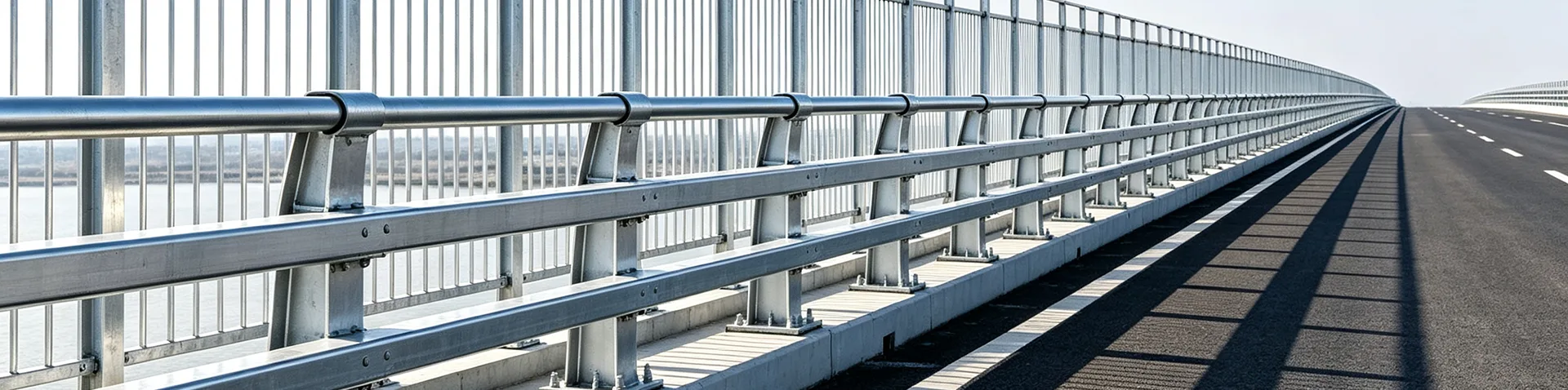
Used for guardrails, fencing, pedestrian structures, support frames and other fabricated infrastructure components.


Agricultural facilities

Commonly used for greenhouse structures, agricultural sheds and support frames where the required section and corrosion protection are properly specified.


Architectural fabrication

Flat surfaces make rectangular tube convenient for partitions, display structures, architectural frames, handrail components and decorative metalwork.


Fabrication and Further Processing

Many buyers do not use the tube directly after delivery. It may be cut into individual components, drilled, welded, painted or incorporated into a larger assembly.

Rongheng can discuss processing requirements such as:

● Fixed-length cutting

● Drilling and agreed hole processing

● Welding and fabrication requirements

● Surface coating or galvanizing

● Customized packaging

● Project-specific inspection requirements

For precision fabrication, provide the finished dimensions and tolerance requirements before production. This is particularly important when the tubes will be processed by automated cutting, CNC equipment or prefabricated assembly lines.

ERW Rectangular Steel TubeERW Rectangular Steel TubeERW Rectangular Steel Tube


Inspection Before Shipment

Quality control should be connected to the specification stated in the purchase order.

Rongheng can arrange inspection covering the main characteristics of the finished tube, including:

● Outside section dimensions

● Wall thickness

● Length

● Straightness

● Surface condition

● Material grade

● Weld-related inspection

● Mechanical properties where required

For projects requiring independent verification, third-party inspection can be coordinated according to the agreed inspection plan, including SGS, Bureau Veritas or TÜV.

The inspection scope should be agreed before production rather than after the goods have been manufactured. This allows the production and quality teams to work against the same acceptance criteria.


Supply for Large Projects

Rongheng is supported by Tianjin Gefu Steel and operates in Daqiuzhuang Industrial Zone, Tianjin, a major steel production and distribution area.

The group has annual steel production and sales volume exceeding 1.3 million tons, providing supply-chain capacity for construction projects, steel fabrication companies, machinery manufacturers and long-term industrial buyers.

For international orders, the usual procurement information includes:

Size → Wall Thickness → Steel Grade → Length → Quantity → Surface → Standard → Destination

The standard MOQ is one 20-foot container, approximately 20–25 tons. Typical lead time is 15–25 days, subject to the selected specification, quantity, customization and production schedule.

For repeat procurement, keeping the same confirmed specification and inspection requirements for subsequent orders can help maintain consistency between batches.


Frequently Asked Questions

1. What is the difference between rectangular tube and square tube?

Both are hollow steel sections, but a rectangular tube has different width and height dimensions, while a square tube has equal sides. Rectangular sections are often more convenient where the structure requires greater depth in one direction.


2. Is ERW rectangular steel tube suitable for load-bearing structures?

It can be used for many structural applications, provided the section size, wall thickness, steel grade, connections and design loads meet the applicable engineering requirements. The tube itself should not be selected solely by shape.


3. Can Q235B be used instead of Q355B?

Not automatically. Q235B and Q355B have different specified mechanical properties. If the engineering design requires the higher strength of Q355B, replacing it with Q235B without recalculating the structure is not appropriate.


4. Can the tubes be supplied in customized lengths?

Yes. Fixed-length cutting can be discussed according to the project requirements. The required length and dimensional tolerance should be confirmed before production.


5. Can you supply galvanized rectangular tubes?

Yes. Hot-dip galvanized surface treatment can be supplied according to the agreed specification. For outdoor projects, the required galvanizing standard or coating requirement should be stated in the purchase order.


6. How should I choose the wall thickness?

Wall thickness depends on section size, span, load, support conditions, connection design and applicable structural requirements. If you provide the intended application and approximate load, the specification can be evaluated more accurately.


7. Can rectangular tubes be drilled, welded and painted?

Yes. Rectangular tubes are commonly used for secondary fabrication such as cutting, drilling, welding and painting. The material grade and wall thickness should be considered when defining the fabrication process.


8. What information is needed for a quotation?

Please send the required width × height, wall thickness, steel grade, length, quantity, surface treatment, applicable standard and destination. For engineering applications, load or usage information is also useful.


Hot Tags: ERW Rectangular Steel Tube Manufacturer, Supplier
Send Inquiry
Contact Info
  • Address

    Secondary Arterial Road No. 2-1, Expansion Area of ​​Daqiuzhuang Industrial Zone, Jinghai District, Tianjin, China

Tell RongHeng your required steel product, size, grade, quantity, customization and delivery needs, and our export team can review your inquiry.
X
We use cookies to offer you a better browsing experience, analyze site traffic and personalize content. By using this site, you agree to our use of cookies. Privacy Policy
RejectAccept