Products
ERW Greenhouse Steel Pipe
  • ERW Greenhouse Steel PipeERW Greenhouse Steel Pipe
  • ERW Greenhouse Steel PipeERW Greenhouse Steel Pipe
  • ERW Greenhouse Steel PipeERW Greenhouse Steel Pipe
  • ERW Greenhouse Steel PipeERW Greenhouse Steel Pipe
  • ERW Greenhouse Steel PipeERW Greenhouse Steel Pipe
  • ERW Greenhouse Steel PipeERW Greenhouse Steel Pipe
  • ERW Greenhouse Steel PipeERW Greenhouse Steel Pipe

ERW Greenhouse Steel Pipe

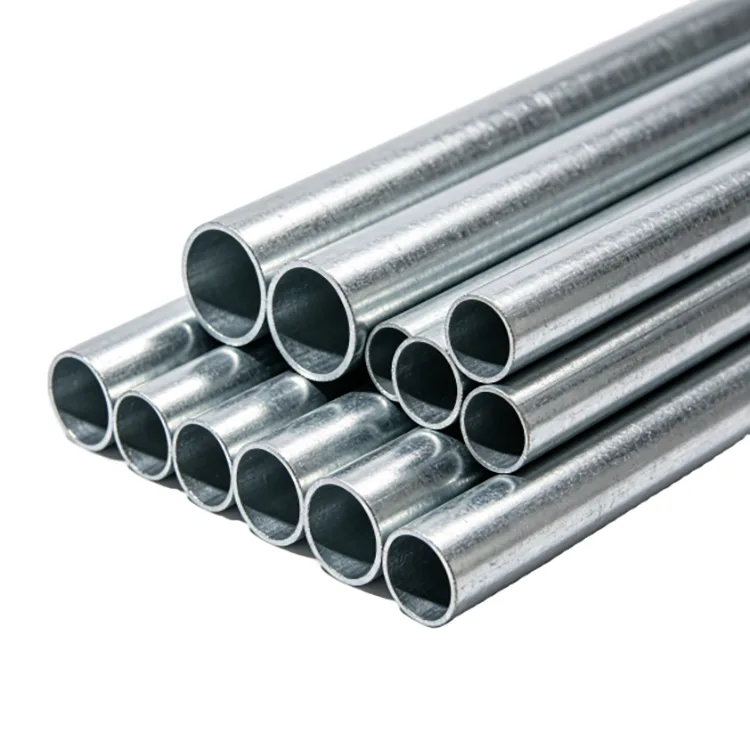
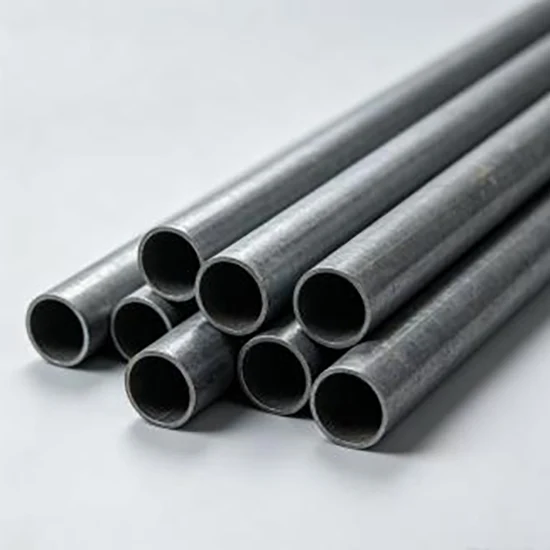
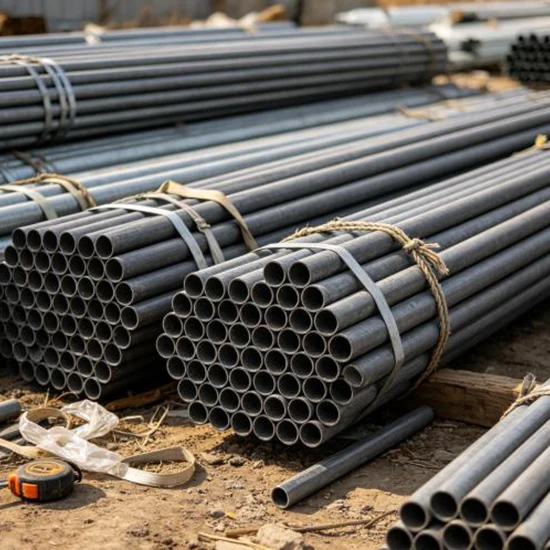
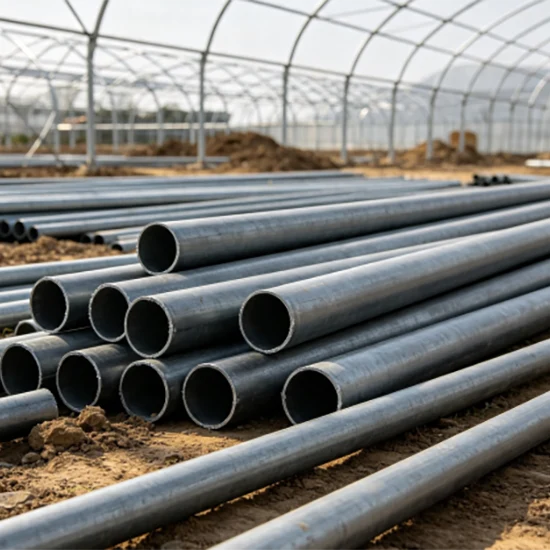
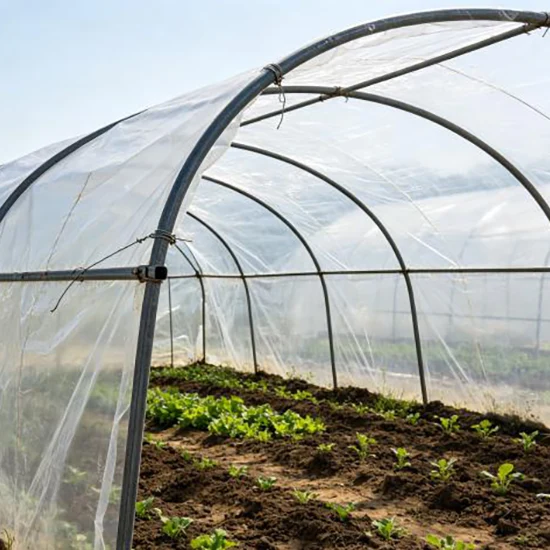
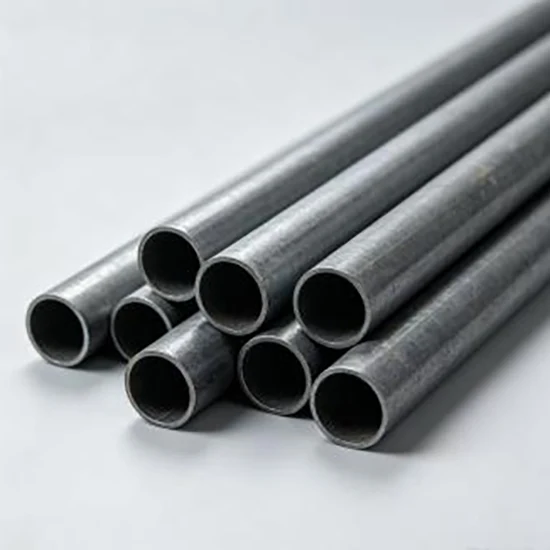
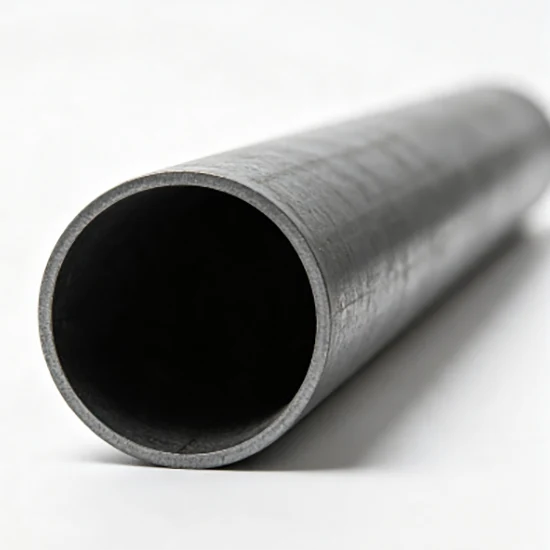
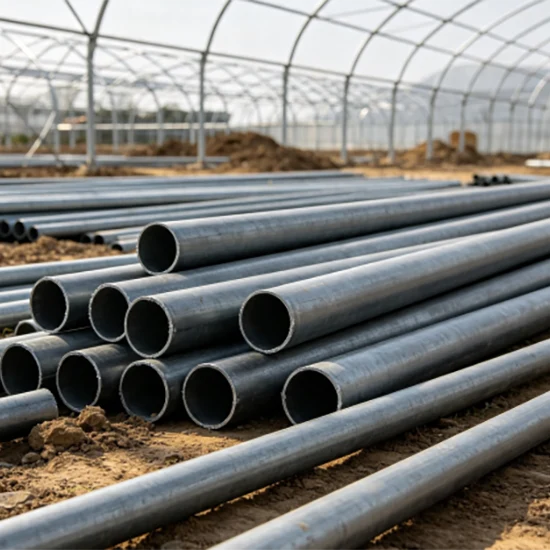
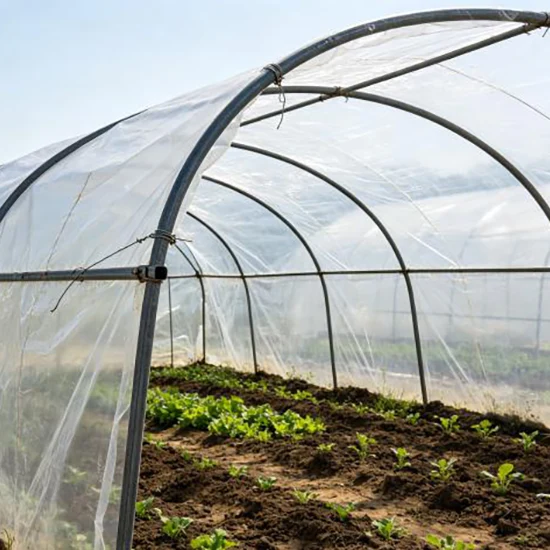
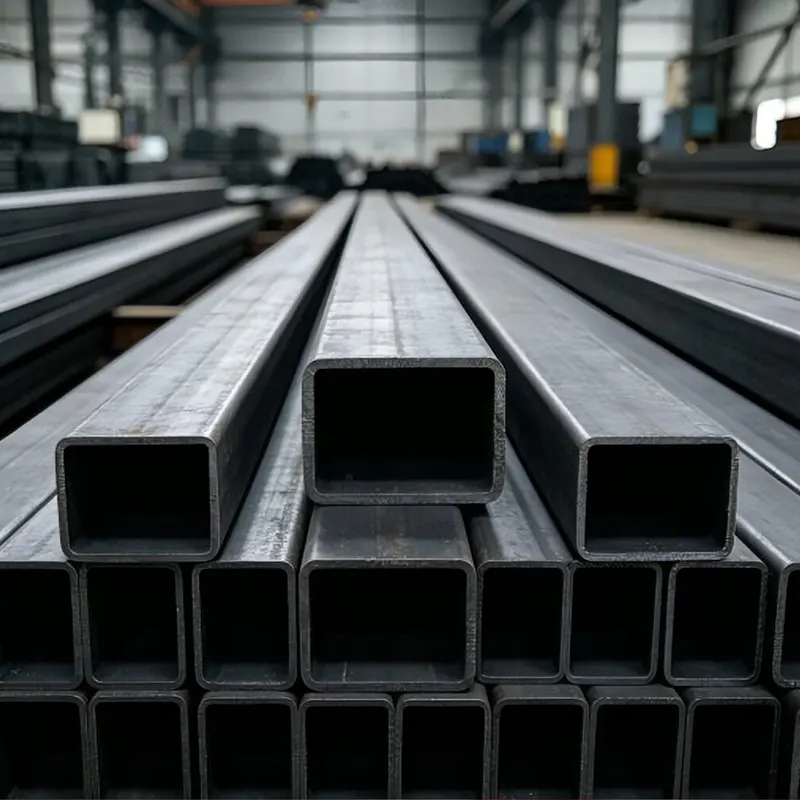
Q235B ERW Greenhouse Steel Pipe for seasonal greenhouses, nursery houses, livestock shelters and agricultural structures. Round, oval and square tubes available with custom cutting, bending and hole punching.

For seasonal planting, temporary nurseries, and simple greenhouse structures, many growers do not need the higher cost of galvanized pipe. They need a steel pipe with consistent wall thickness, adequate structural strength, and a reasonable price.


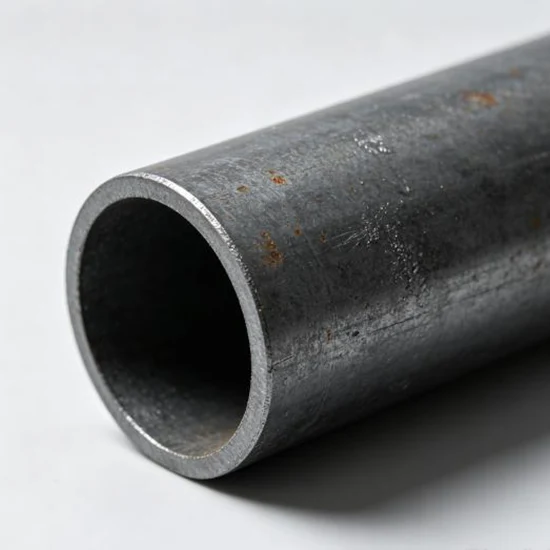
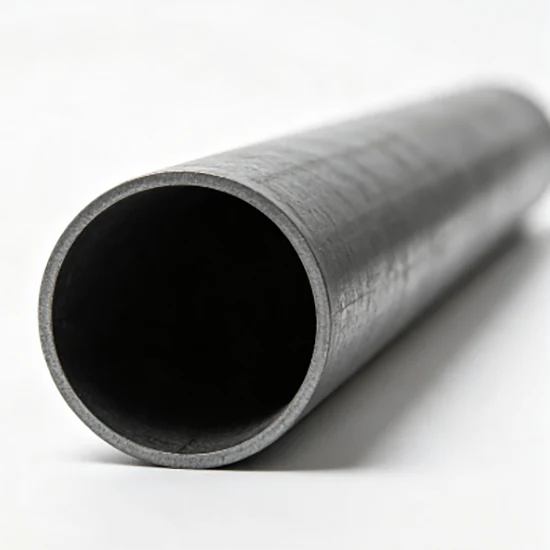
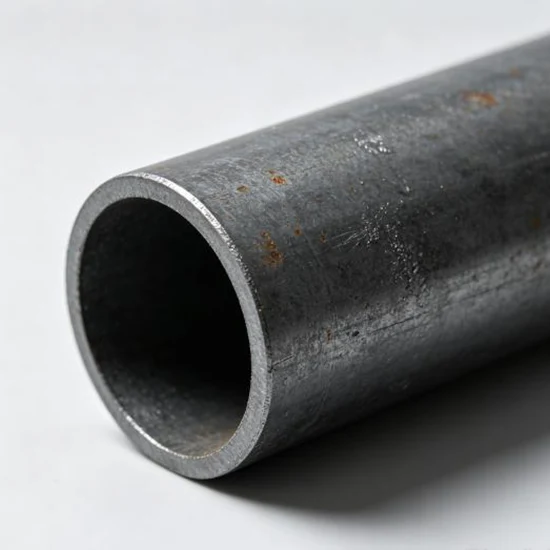
Our standard ERW Greenhouse Steel Pipe is made from Q235B carbon steel strip using high-frequency welding. It has no galvanized coating and is mainly used for economical greenhouse structures, seasonal planting, temporary nursery houses, simple livestock shelters, and field protection structures where corrosion exposure and service periods are limited.

ERW Greenhouse Steel PipeERW Greenhouse Steel PipeERW Greenhouse Steel Pipe


Key Product Features

Q235B carbon steel with consistent wall thickness

The pipes are produced from new Q235B steel strip rather than recycled or refurbished material. The balanced strength and ductility of Q235B make the pipe suitable for common greenhouse frames, where resistance to bending and deformation is required.


High-frequency welded construction

Automatic high-frequency welding produces a continuous and uniform weld seam. Proper welding helps reduce the risk of cracking during bending, installation, and normal structural loading.


Consistent wall thickness

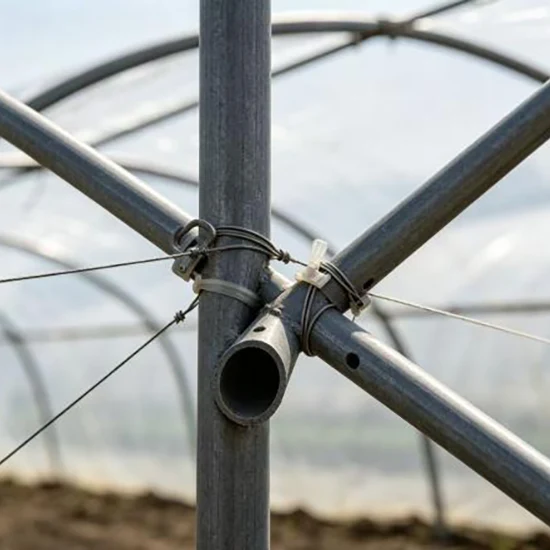
Controlled wall thickness helps maintain more uniform load-bearing performance and frame dimensions during greenhouse assembly. Buyers can specify the required thickness according to span, wind conditions, and structural design.


Economical for short-term applications

Without the additional cost of galvanizing, this type of pipe is suitable for seasonal and temporary greenhouse projects where long-term corrosion protection is not the primary requirement.


Suitable for repainting and reuse

The smooth steel surface can be coated with anti-corrosion paint after installation. Pipes can also be dismantled and reused for seasonal crop rotation or temporary agricultural structures.


Product Specifications

Available for simple greenhouses, seasonal growing houses, and temporary agricultural structures. Cut-to-length, bending, and hole-punching services can be provided according to project requirements.

Product Type

Common Sizes

Common Wall Thickness

Typical Applications

Greenhouse Round Pipe

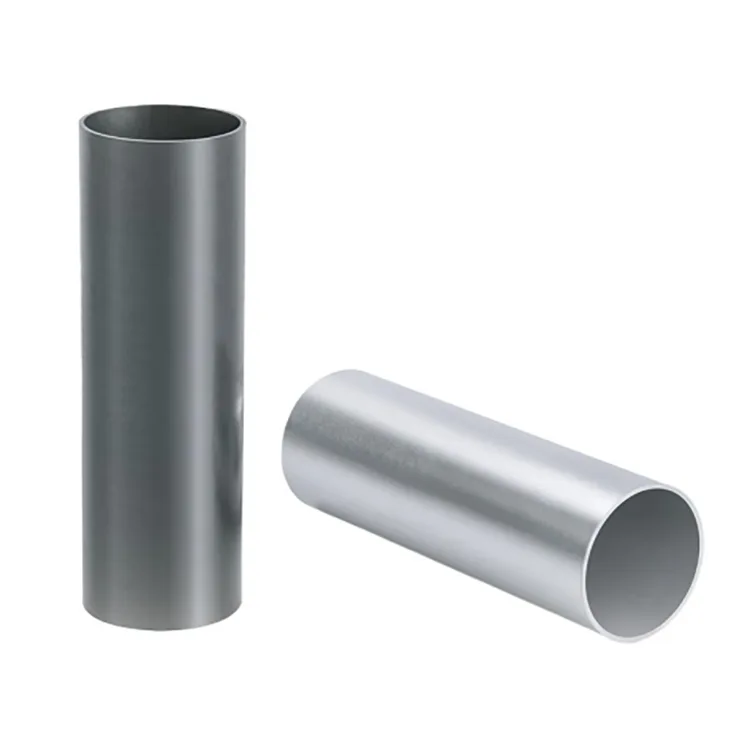
Φ22 mm, Φ25 mm, Φ32 mm, Φ42 mm, Φ48 mm

1.2 mm, 1.5 mm, 1.8 mm, 2.0 mm

Small household vegetable greenhouses, seasonal nursery houses, spring/autumn cold-frame greenhouses

Greenhouse Oval Pipe

25 × 50 mm, 30 × 60 mm

1.5 mm, 1.8 mm, 2.0 mm

Economical overwintering greenhouses, short-term fruit and vegetable growing, small and medium-sized greenhouses

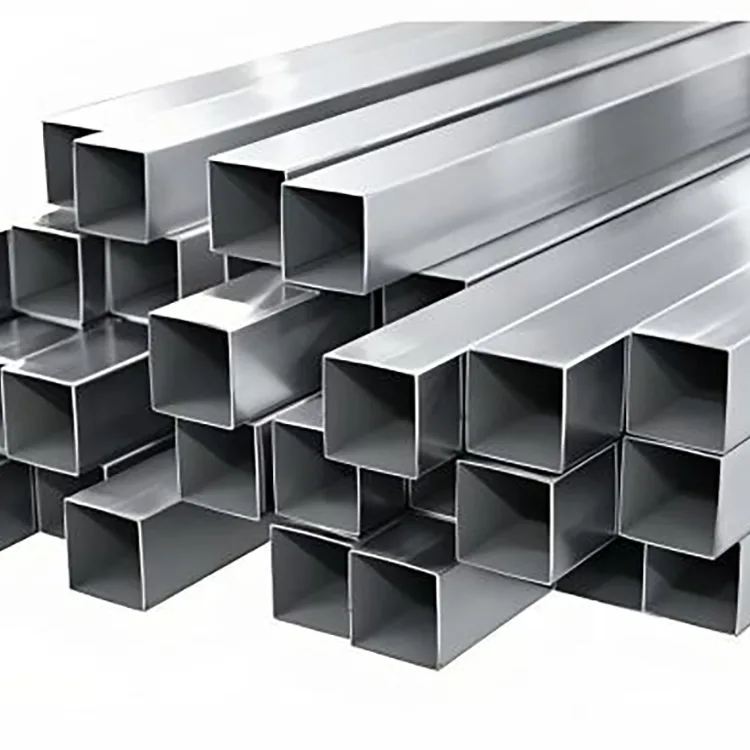
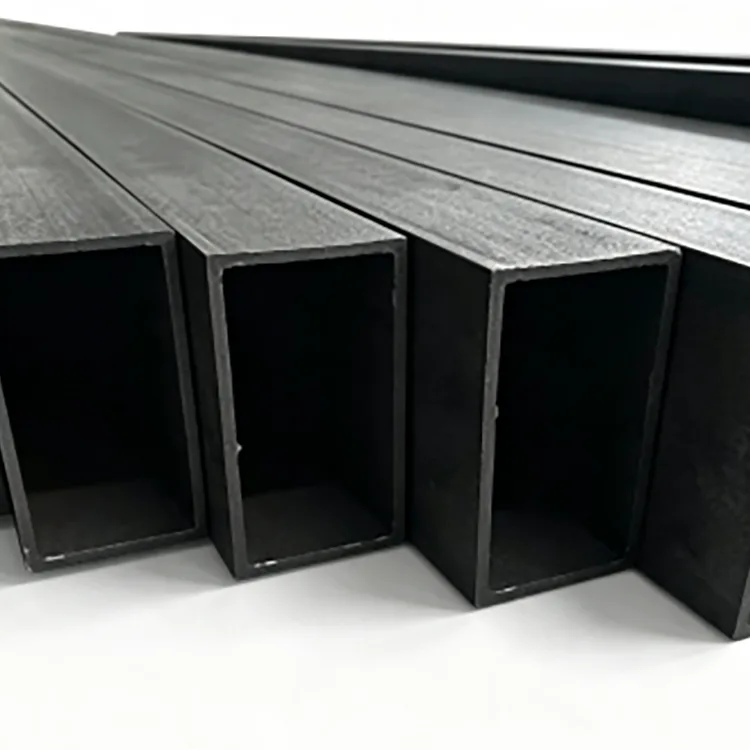
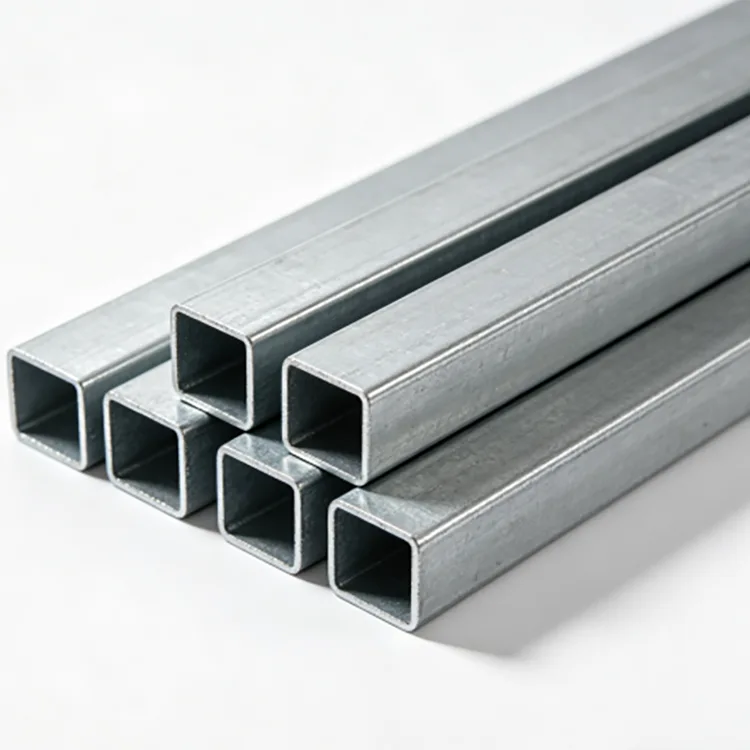
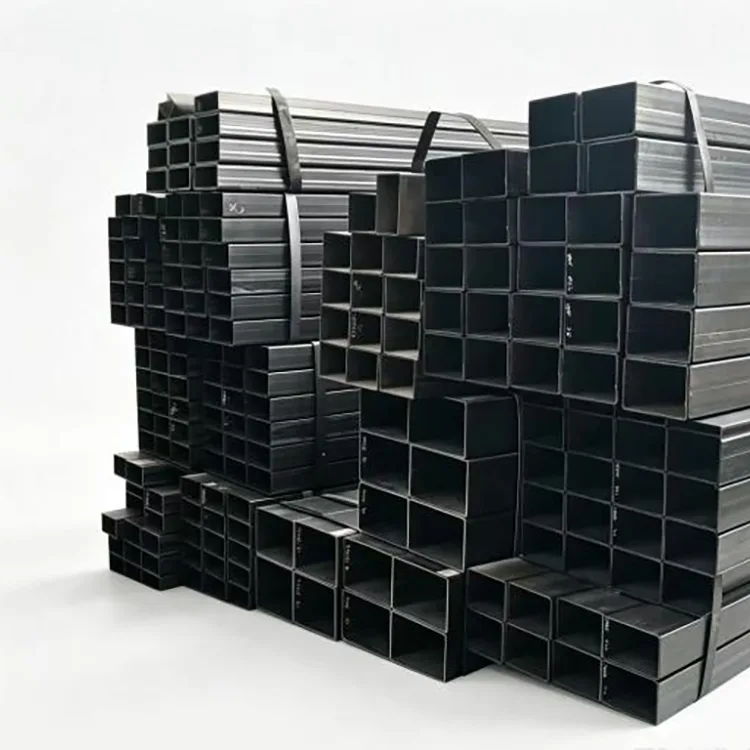
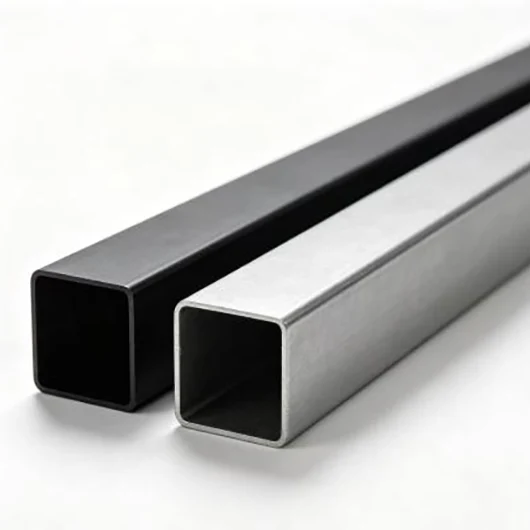
Greenhouse Square/Rectangular Tube

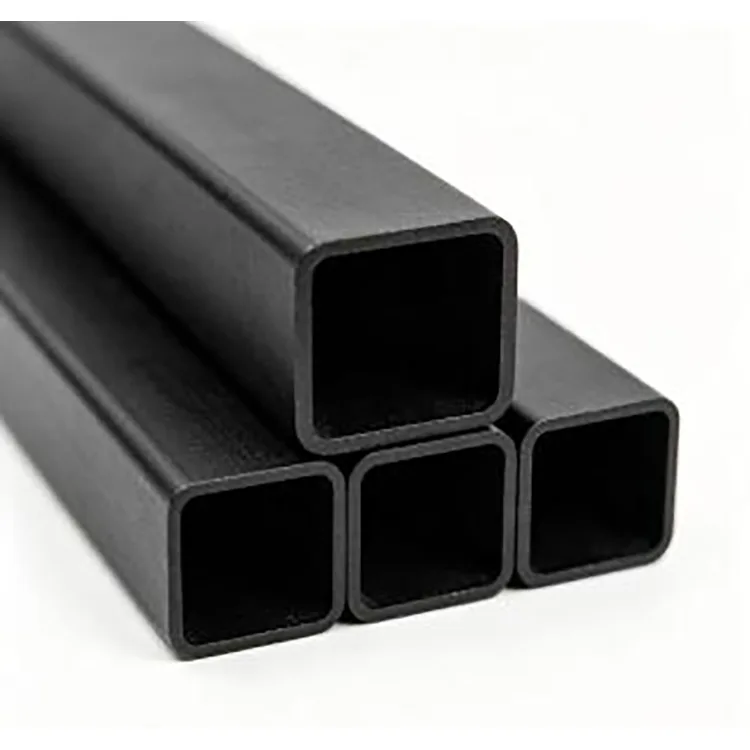
40 × 60 mm, 50 × 100 mm

1.5 mm, 2.0 mm, 2.5 mm

Simple multi-span structures, temporary livestock shelters, greenhouse columns and load-bearing frames


Specification

Details

Standard Lengths

6 m / 8 m / 10 m / 12 m; custom lengths available

Material

New Q235B carbon steel

Manufacturing Process

High-frequency welding; non-galvanized

Typical Service Life

Approximately 3–5 years under normal conditions; can exceed 6 years with appropriate anti-corrosion maintenance

Main Advantages

Economical, suitable structural strength, consistent welding, easy installation, suitable for temporary and seasonal structures


Typical Applications

This type of ERW Greenhouse Steel Pipe is mainly intended for low-cost, seasonal, temporary, and short-cycle agricultural structures.


Seasonal vegetable greenhouses

Suitable for seasonal cultivation of cucumbers, tomatoes, peppers, leafy vegetables, and similar crops.


Nursery houses

Used for vegetable seedlings, flower seedlings, and temporary nursery structures for medicinal plants.


Simple flower and plant shelters

Suitable for seasonal rain protection, shade, and temperature management for ordinary plants and potted flowers.


Temporary livestock shelters

Can be used for short-term poultry housing, temporary isolation areas, and simple ventilated livestock structures.


Field protection structures

Suitable for temporary shade structures, rain shelters, crop protection frames, and agricultural work shelters.


Temporary agricultural project structures

Suitable for trial greenhouses, demonstration planting projects, and other short-term agricultural facilities.


Application Example: Temporary Poultry Shelter

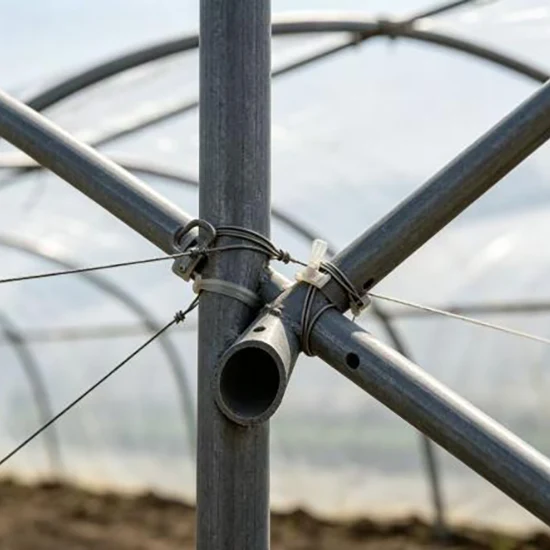
A poultry farm in Hubei needed temporary ventilated shelters for batch-based poultry production. Since the structures were not intended for long-term service in a highly corrosive environment, the project used rectangular tubes for the main columns and round pipes for the curved roof frames.

The steel frame provided the required structural support for the temporary shelters and could be dismantled and reused after each production cycle. This reduced material waste and made the structure suitable for seasonal use.

ERW Greenhouse Steel PipeERW Greenhouse Steel PipeERW Greenhouse Steel Pipe


Greenhouse Pipe Selection Guide

The thinnest pipe is not always the most economical choice. Pipe diameter and wall thickness should be selected according to greenhouse span, local weather conditions, structural loading, and expected service period.


Seasonal vegetable or seedling greenhouse, 1–3 mu

For relatively small structures, Φ22 mm or Φ25 mm round pipe with 1.2–1.5 mm wall thickness can be considered where structural calculations and local conditions permit.


Spring/autumn cold greenhouse or crop-rotation greenhouse

Φ25 mm or Φ32 mm round pipe with approximately 1.5 mm wall thickness is commonly suitable for simple structures with moderate wind loads.


Short-cycle fruit and vegetable production or economical overwintering greenhouse

25 × 50 mm oval pipe with 1.5–1.8 mm wall thickness provides a larger section and more uniform load distribution than small round pipe.


Large greenhouse or areas with stronger winds

For larger spans or higher wind loads, 1.8–2.0 mm wall thickness can be considered to increase resistance to bending and frame deformation. Structural requirements should be confirmed before ordering.


Temporary agricultural structures

Standard wall thickness can be selected when the structure has a limited service period and will be dismantled and reused after the project.

Important: Non-galvanized greenhouse pipe is intended for applications where corrosion exposure is manageable. Avoid using refurbished pipe, significantly undersized wall thickness, or pipes with defective welds simply because of a lower purchase price. In humid or outdoor environments, applying anti-corrosion paint after installation can help extend service life.


Practical Benefits for Buyers

Lower initial material cost

The absence of a galvanized coating reduces material and processing costs, making the pipe suitable for seasonal and temporary structures where long-term corrosion protection is not required.


Appropriate structural performance

Consistent wall thickness and properly welded seams provide a stable frame for common greenhouse applications when the pipe size is selected according to structural requirements.


Reusable after dismantling

Pipes can be removed and used again for crop rotation, temporary planting areas, or other agricultural structures.


Simple installation and fabrication

Standard lengths and commonly used pipe profiles simplify cutting, bending, drilling, and frame assembly.


Straightforward maintenance

For outdoor use, anti-corrosion paint can be applied to exposed surfaces and renewed when necessary.


FAQ

Q1: What is the main difference between standard greenhouse pipe and hot-dip galvanized ERW Greenhouse Steel Pipe?

Standard greenhouse pipe has no zinc coating and is mainly selected for lower-cost, seasonal, and temporary structures. Hot-dip galvanized pipe has a zinc coating that provides additional corrosion protection and is generally more suitable for permanent outdoor greenhouses and humid environments.

For a greenhouse with a limited service period, non-galvanized pipe can reduce the initial material cost. For a permanent structure exposed to moisture for many years, galvanized pipe may offer a lower maintenance requirement over its service life.


Q2: How long does non-galvanized greenhouse pipe normally last?

Under relatively dry and well-ventilated conditions, a typical service period is approximately 3–5 years. Proper surface preparation and anti-corrosion painting can extend the service life, with some applications reaching more than 6 years depending on climate and maintenance.

Actual service life depends on humidity, rainfall, soil contact, coating condition, and local environmental conditions.


Q3: Will standard greenhouse pipe rust, deform, or crack?

Because the pipe is not galvanized, surface rust can occur when it is exposed to prolonged moisture or rain. This is normal for uncoated carbon steel.

Using new Q235B material, consistent wall thickness, and properly controlled high-frequency welding helps reduce deformation and weld-related cracking during normal installation and service. Pipe diameter and wall thickness should still be selected according to the greenhouse structure and local weather conditions.


Q4: Can it be used in windy or rainy weather?

Yes, provided that the greenhouse structure is designed for the local wind and snow loads and the pipe size is selected accordingly.

For areas with frequent rainfall or high humidity, anti-corrosion coating is recommended. In regions with heavy snow or strong winds, larger pipe sections or thicker wall thickness may be required.


Q5: Why do prices for apparently similar greenhouse pipes vary so much?

Price differences can result from steel grade, actual wall thickness, steel weight per meter, welding quality, dimensional tolerance, and whether new or recycled material is used.

A pipe with a lower quoted price may have a thinner actual wall or lower material weight than specified. For bulk orders, buyers should confirm material grade, outside dimensions, actual wall thickness, weight per meter, length tolerance, and welding requirements before comparing prices.


Q6: Can standard greenhouse pipe be used for livestock shelters?

Yes, it can be used for temporary livestock or poultry shelters, especially where the structure has a limited service period and adequate ventilation.

For permanent livestock buildings with high humidity, condensation, and exposure to ammonia or other corrosive conditions, galvanized pipe or another corrosion-resistant material is generally more appropriate.


Hot Tags: ERW Greenhouse Steel Pipe Manufacturer, Greenhouse Steel Pipe Supplier, Galvanized Greenhouse Pipe Wholesale
Send Inquiry
Contact Info
  • Address

    Secondary Arterial Road No. 2-1, Expansion Area of ​​Daqiuzhuang Industrial Zone, Jinghai District, Tianjin, China

Tell RongHeng your required steel product, size, grade, quantity, customization and delivery needs, and our export team can review your inquiry.
X
We use cookies to offer you a better browsing experience, analyze site traffic and personalize content. By using this site, you agree to our use of cookies. Privacy Policy
RejectAccept