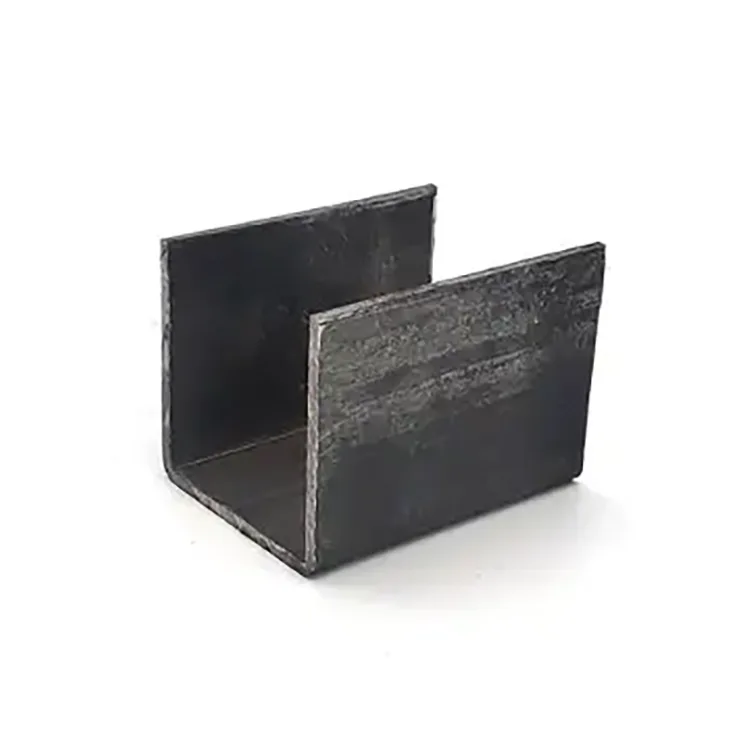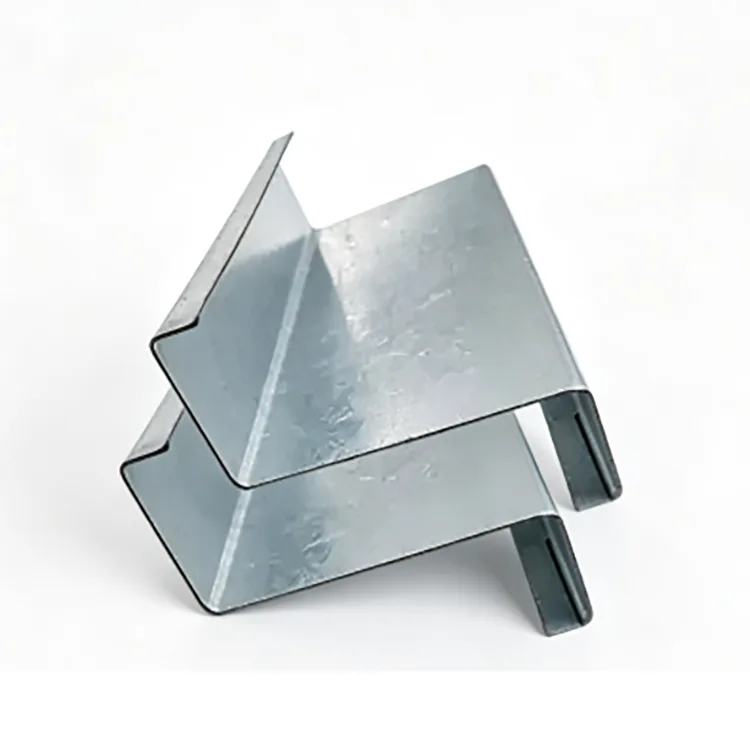
Rongheng supplies Cold-Formed U-Channel steel profiles for industrial equipment supports, structural frames, pipe supports, embedded components, and other steel fabrication applications. Manufactured by progressively forming steel strip at room temperature, these U-shaped sections offer a practical combination of controlled geometry, efficient material use, and customizable dimensions for projects that require reliable, installation-ready steel components.
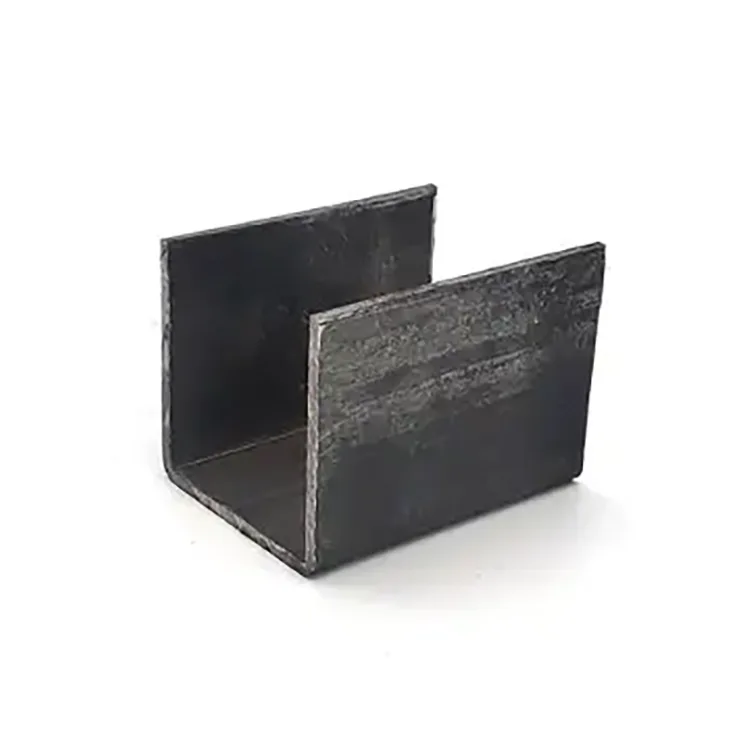
Cold-Formed U-Channel is a steel profile manufactured by bending steel strip at room temperature into a U-shaped cross-section. Its open geometry makes it suitable for equipment bases, guide structures, support frames, enclosures, and various fabricated assemblies. Compared with heavier conventional sections, cold-formed profiles can provide a useful strength-to-weight balance when properly designed for their intended loads. Rongheng offers Q235B and Q355B steel options, U80–U300 profile sizes, thicknesses of 0.8–3.0 mm, and standard lengths of 6, 9, or 12 meters, subject to product specifications. This guide explains manufacturing methods, practical advantages, applications, technical specifications, purchasing considerations, and maintenance requirements to help buyers select the right steel channel for their projects.
1. What Is Cold-Formed U-Channel?
2. How Is Cold-Formed U-Channel Manufactured?
3. What Are the Main Advantages?
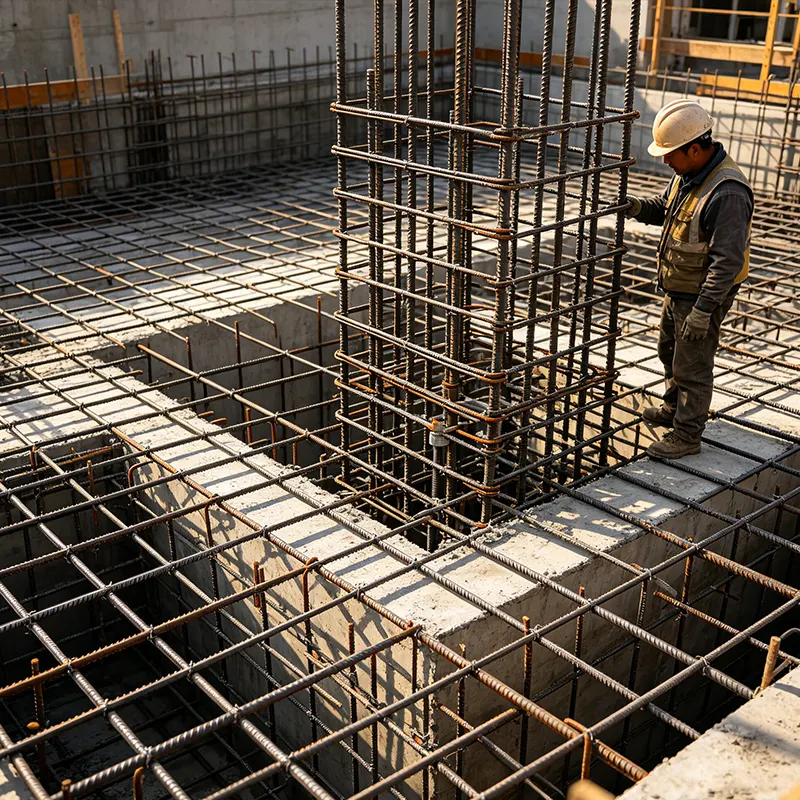
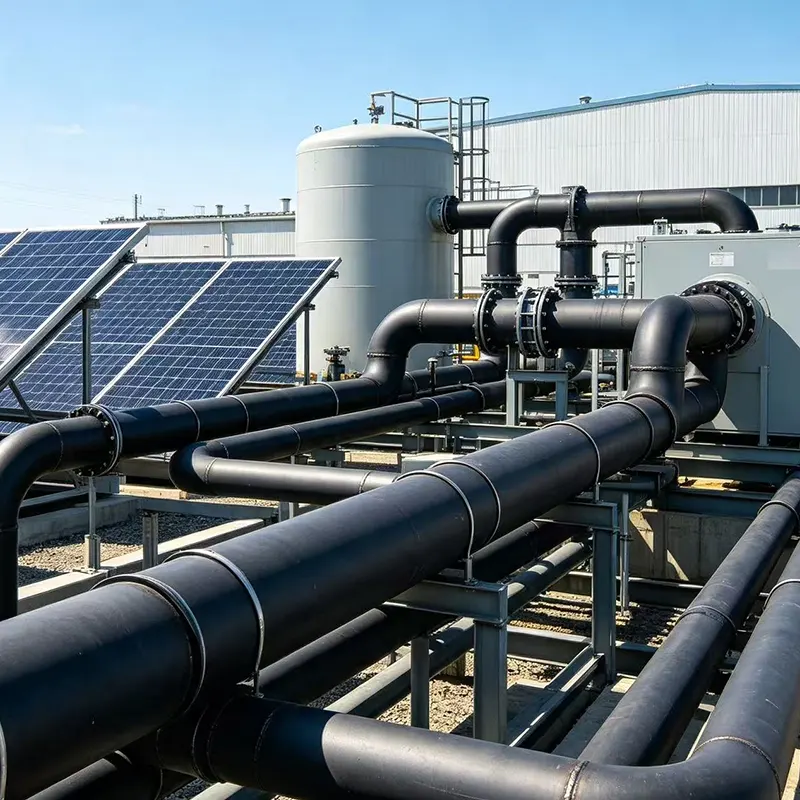
4. Where Is Cold-Formed U-Channel Used?
5. Which Technical Specifications Matter Most?
6. Cold-Formed U-Channel vs. Hot-Rolled Channel Steel
7. How to Choose the Right U-Channel
8. Quality Control and Maintenance
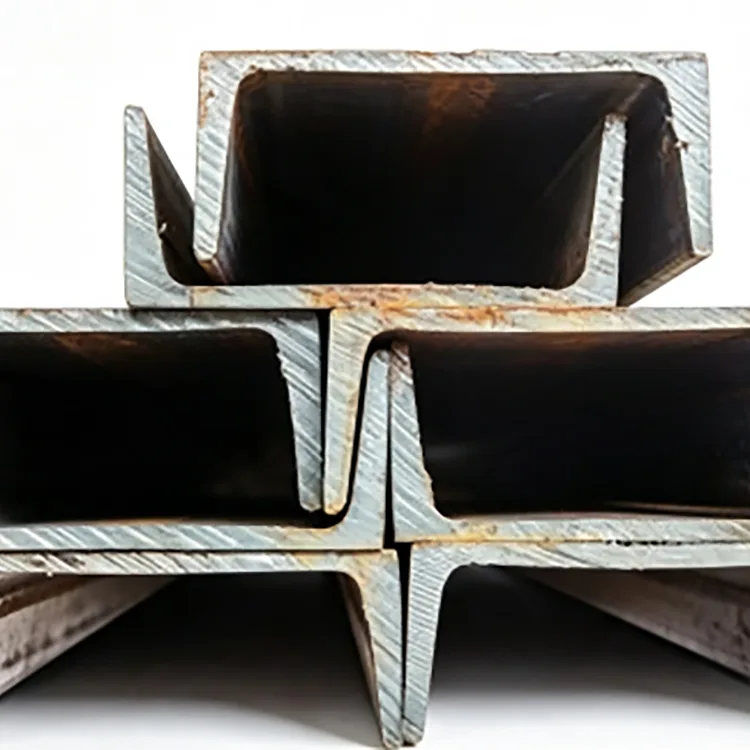
Cold-Formed U-Channel is an open steel section with a central web and two flanges extending in the same direction. This configuration creates a U-shaped profile that can be integrated into supporting structures, mounting assemblies, equipment frames, and other fabricated components.
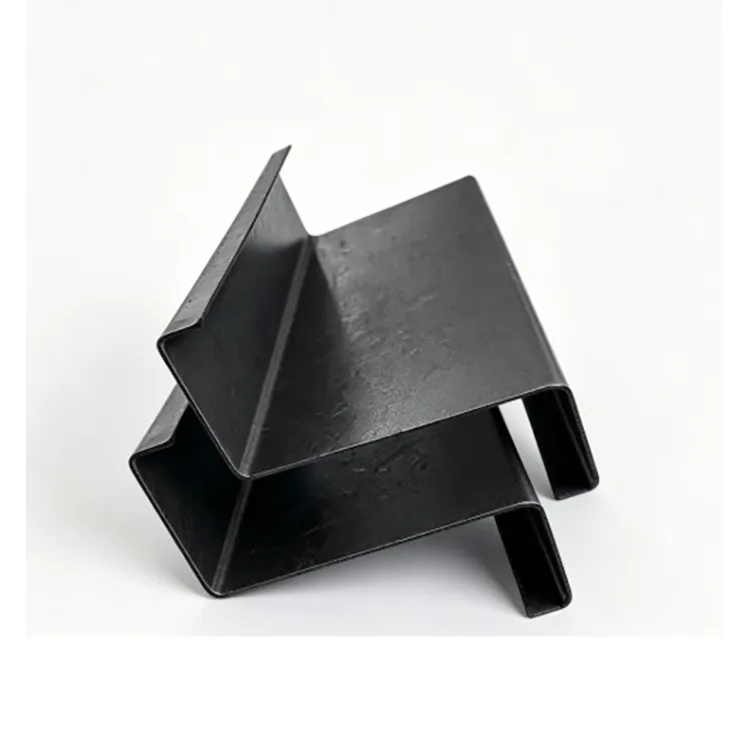
Unlike hot-rolled channel steel, which obtains its shape through high-temperature rolling, cold-formed U-channel is produced by progressively bending steel strip at room temperature. This manufacturing method allows the profile dimensions and flange geometry to be tailored to specific applications.
Cold-formed channels are particularly useful when a project requires relatively lightweight steel components, repeatable dimensions, and straightforward fabrication. Their performance depends on the steel grade, thickness, section geometry, connection design, and applied loads. Therefore, selecting a suitable profile requires more than comparing its external dimensions.
Rongheng provides cold-formed steel profiles for industrial and structural applications, with standard and customized options available according to project requirements. Buyers can review the Cold-Formed U-Channel product information to assess available specifications and processing services.
The manufacturing process is designed to convert flat steel strip into a consistent open-section profile. Depending on the production line and order requirements, the main stages typically include material preparation, forming, dimensional inspection, and finishing operations.
Production begins with steel strip selected according to the required grade, thickness, mechanical properties, and application. Rongheng lists Q235B and Q355B among its available material options for this product range.
The appropriate grade should be confirmed against the applicable design standard and project specifications rather than selected solely on the basis of nominal strength.
The steel strip passes through a sequence of forming rolls that gradually create the central web and flanges. Progressive forming distributes deformation across several stages, helping establish the required cross-sectional geometry.
Roll alignment, material consistency, and tooling condition can affect straightness, flange angles, and dimensional uniformity.
Once the required profile has been formed, it can be cut to specified lengths. Depending on the order, additional processing may include pre-punched holes, slots, and other customized dimensions designed to simplify installation.
Finished sections should be checked against the agreed specifications. Relevant inspection points may include web dimensions, flange dimensions, thickness, length, straightness, and visible surface condition.
Confirm the applicable inspection plan and documentation with the supplier before production, particularly for projects with strict dimensional tolerances or structural compliance requirements.
Cold forming enables manufacturers to produce profiles from steel strip without using the same hot-forming route as conventional hot-rolled channels. For applications where the design permits relatively thin sections, this approach can reduce component weight and material consumption.
However, thinner steel is not automatically more economical. The final design must account for load capacity, local buckling, deflection, connection strength, and the required service life.
Progressive roll forming supports repeatable cross-sectional dimensions over production runs. Consistency is important when multiple channels must align with brackets, fasteners, mounting plates, or other steel components.
For fabrication contractors, dimensional consistency can reduce fitting difficulties and unnecessary adjustments during assembly.
The open U-shaped profile provides accessible surfaces for positioning and connection. Depending on the design, it can be cut, drilled, punched, or incorporated into welded assemblies.
Pre-cut lengths and accurately positioned holes can also reduce some secondary processing at the installation site, provided that the fabrication details have been confirmed before manufacturing.
Industrial projects rarely share identical dimensional requirements. Customized lengths, hole positions, slots, and non-standard dimensions can help match a channel to a particular support frame or equipment assembly.
Buyers should provide engineering drawings or clear dimensional specifications to ensure that the supplied section matches the intended installation.
Cold-formed steel can offer an effective strength-to-weight balance when its geometry and thickness are appropriate for the intended loads. The final structural performance depends on more than the steel grade: web depth, flange width, thickness, unsupported length, bracing, and connection details all matter.
For load-bearing applications, engineers should verify the section using the applicable design standard rather than relying on general product descriptions.
The open profile makes Cold-Formed U-Channel suitable for a wide range of indoor industrial and fabrication applications.
For outdoor installations, humid environments, or locations exposed to corrosive substances, buyers should evaluate the need for galvanizing, painting, or another suitable corrosion-protection system. An uncoated cold-formed section should not automatically be assumed suitable for long-term outdoor exposure.
Choosing the correct U-channel requires a clear understanding of the available profile range and the actual working conditions. Rongheng's listed product information provides the following reference specifications.
| Specification Item | Available Option | Purchasing Consideration |
|---|---|---|
| Profile size | U80–U300 | Confirm the exact web depth, flange dimensions, and section drawing. |
| Steel grade | Q235B, Q355B | Match the grade to design loads and applicable standards. |
| Wall thickness | 0.8–3.0 mm | Check load requirements, local buckling, and connection performance. |
| Standard length | 6 m, 9 m, or 12 m | Select lengths that fit transportation and installation plans. |
| Cutting service | Customized cutting available | Confirm finished length and dimensional tolerance. |
| Hole processing | Pre-punched holes and slots available | Provide hole diameter, spacing, and position drawings. |
| Non-standard dimensions | Customized requirements can be discussed | Confirm feasibility, tooling, cost, and lead time. |
| Surface protection | Confirm the required finish with the supplier | Consider moisture, corrosion exposure, and maintenance needs. |
Important: These specifications are a reference for product selection, not a substitute for a project-specific technical datasheet. Confirm the exact section dimensions, tolerances, material certificates, surface finish, and applicable standards in the purchase documentation.
Both cold-formed and hot-rolled channel sections have practical roles in steel fabrication. The best choice depends on structural requirements, available dimensions, manufacturing tolerances, and project cost.
| Comparison Factor | Cold-Formed U-Channel | Hot-Rolled Channel Steel |
|---|---|---|
| Manufacturing method | Steel strip progressively formed at room temperature | Steel shaped through a hot-rolling process |
| Typical section design | Often suited to relatively thin-walled, lightweight profiles | Commonly available in conventional structural channel sections |
| Dimensional customization | Profile geometry and processing can be tailored to specified requirements | Selection generally follows available rolled-section ranges, with additional fabrication as needed |
| Weight considerations | Can reduce weight where the design permits thinner sections | Often selected for heavier structural applications requiring suitable section properties |
| Typical uses | Equipment supports, frames, guides, and light steel fabrication | Structural frames, supports, and applications requiring suitable heavier sections |
| Design requirements | Check local buckling, deflection, connections, and section properties | Check section properties, loading, connections, and applicable structural standards |
Neither manufacturing method is universally superior. Cold-formed profiles can be advantageous for lightweight applications and customized fabrication, while hot-rolled channels may be more appropriate for projects requiring heavier sections. Engineers should compare actual section properties and verified design capacity before making a final decision.
A reliable purchasing decision starts with the application rather than the product name alone. The following steps can help project managers, engineers, and procurement teams define their requirements.
Identify the loads, unsupported span, support conditions, connection arrangement, and expected service environment. For structural applications, provide these details to the responsible engineer so that the section can be selected and verified appropriately.
Specify the web depth, flange width, material thickness, flange angle, and any additional geometric requirements. A section size label alone may not describe every dimension needed for accurate fabrication.
Q235B and Q355B are available options listed for Rongheng's cold-formed U-channel range. The appropriate grade should be selected according to the design calculation, applicable material standard, and project documentation.
Determine the required lengths, hole locations, slots, and other processing details before placing the order. Complete drawings help reduce site modifications and prevent mismatches between delivered profiles and installation components.
Procurement teams should assess the complete cost, including:
This approach helps buyers compare quotations on a consistent basis and identify the most appropriate option for the project.
Product quality affects installation efficiency, structural performance, and the long-term reliability of fabricated assemblies. Buyers should establish clear inspection requirements before manufacturing begins.
Verify the web depth, flange width, thickness, overall length, straightness, and other critical dimensions against the approved drawing. For components used in assemblies, dimensional compatibility is especially important.
Confirm the steel grade and request relevant material documentation where required by the project. Material identification and traceability can be important for regulated or load-bearing applications.
Inspect the profile for visible damage, deformation, and conditions that may interfere with fabrication or coating. If corrosion protection is specified, confirm the coating type and applicable inspection criteria.
For demanding structural applications, inspection and acceptance should follow the project specification and applicable engineering standards. Maintenance requirements should reflect the actual service environment and the selected surface-protection system.
Cold-Formed U-Channel is produced by progressively bending steel strip at room temperature, while conventional hot-rolled channel steel is shaped through hot rolling. Cold-formed sections are often used for lightweight profiles and customized fabrication, whereas hot-rolled channels are commonly selected for heavier structural applications. The appropriate choice depends on the required dimensions, section properties, and design loads.
Rongheng lists Q235B and Q355B as available material options for its cold-formed U-channel product range. Buyers should confirm the required grade, mechanical properties, material documentation, and applicable standards before ordering.
Yes. The listed options include customized cutting, pre-punched holes, slots, and non-standard dimensions subject to confirmation. Buyers should provide detailed drawings, dimensions, quantities, and processing requirements so the supplier can assess feasibility and quotation details.
It can be used outdoors when the material, structural design, and corrosion-protection system are appropriate for the environment. Uncoated steel may require additional protection against moisture and corrosive exposure. Buyers should confirm the available surface treatment and expected service conditions with the supplier.
The selection depends on the applied load, span, support conditions, connection design, steel grade, and applicable structural requirements. For load-bearing applications, a qualified engineer should verify the section properties and structural capacity. Rongheng can review the specified dimensions and project information to help identify suitable product options.
Provide the required profile size, web and flange dimensions, thickness, steel grade, length, quantity, surface finish, and any hole or slot requirements. For structural projects, include the relevant drawings, intended application, and technical standards. These details help the supplier prepare a more accurate quotation and delivery proposal.
Cold-Formed U-Channel is a practical steel profile for equipment supports, industrial frames, guide structures, embedded components, and other fabrication applications where section geometry, material efficiency, and installation compatibility matter. Choosing the right product requires careful consideration of steel grade, thickness, profile dimensions, applied loads, corrosion exposure, and processing requirements. Rongheng offers Q235B and Q355B options, U80–U300 profile sizes, and customized processing services according to confirmed specifications. If you are sourcing steel channels for an industrial project, equipment assembly, or customized fabrication requirement, contact us to discuss your drawings, technical requirements, order quantity, and delivery expectations. A clearly defined specification is the first step toward a reliable and cost-effective steel supply solution.
-