News

How Can Precision Steel Right-Angle Tube Improve Fabrication Accuracy and Architectural Design

2026-10-26 0 Leave me a message

When a project demands clean edges, accurate dimensions, and reliable assembly, choosing the right steel profile can make a measurable difference. Rongheng supplies Precision Steel Right-Angle Tube manufactured from Q235B or Q355B carbon steel, combining a defined 90-degree corner profile with controlled dimensions for architectural metalwork, equipment frames, industrial structures, and customized fabrication. Understanding its material options, manufacturing process, and technical specifications helps buyers select a suitable steel section while improving production efficiency and finished-product quality.

Precision Steel Right-Angle Tube is a square or rectangular hollow steel section designed for applications where corner geometry, dimensional consistency, and surface appearance influence the final result. Compared with conventional rounded-corner hollow sections, its defined right-angle profile can support cleaner joints and more predictable alignment. This guide explains the manufacturing process, material selection, technical specifications, industrial applications, quality considerations, and purchasing factors that engineers, contractors, and international buyers should evaluate before ordering.

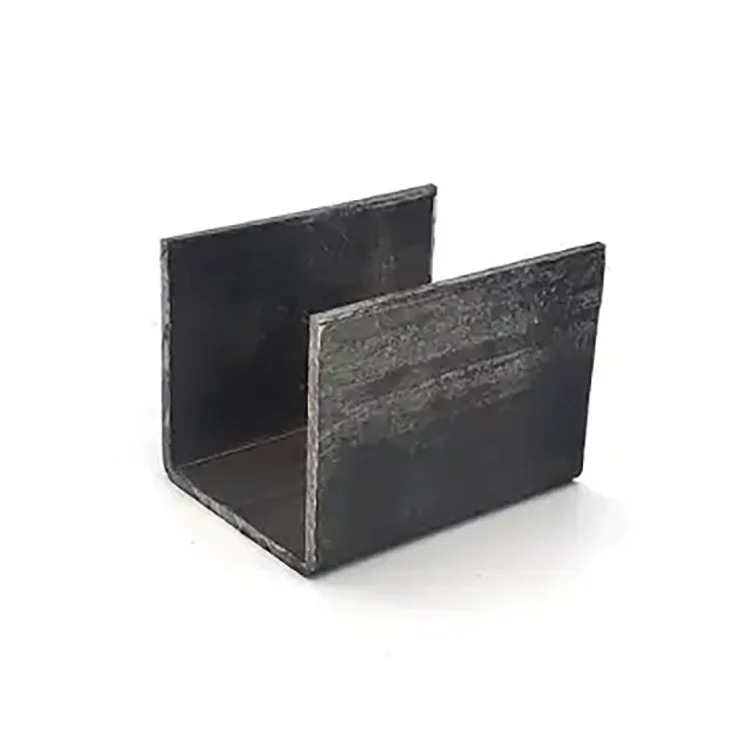
Precision Steel Right-Angle Tube

Table of Contents


What Is Precision Steel Right-Angle Tube?

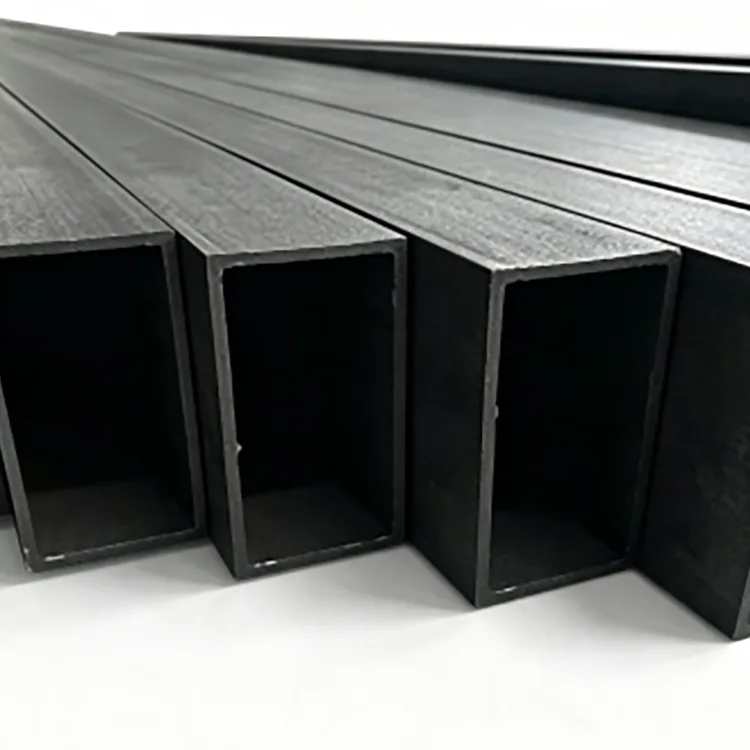
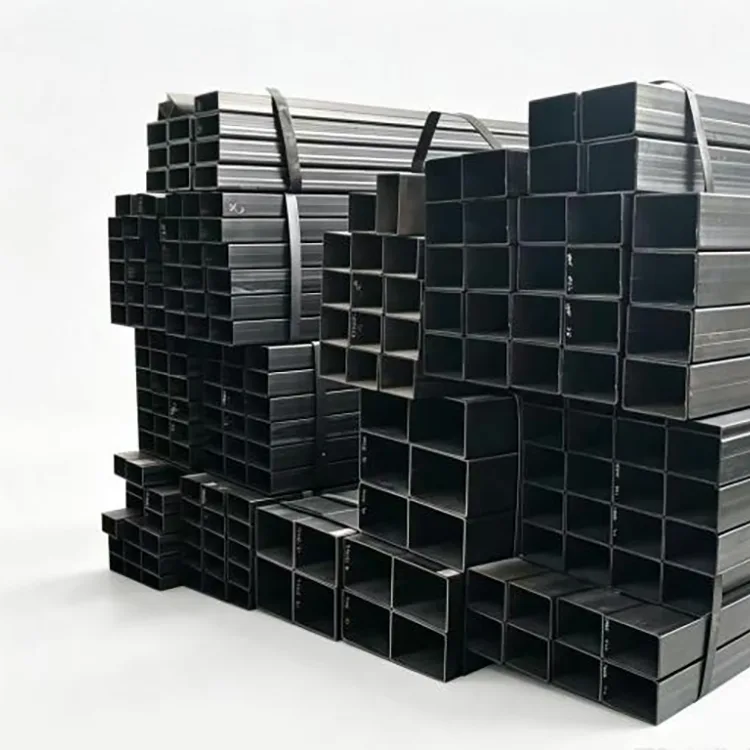
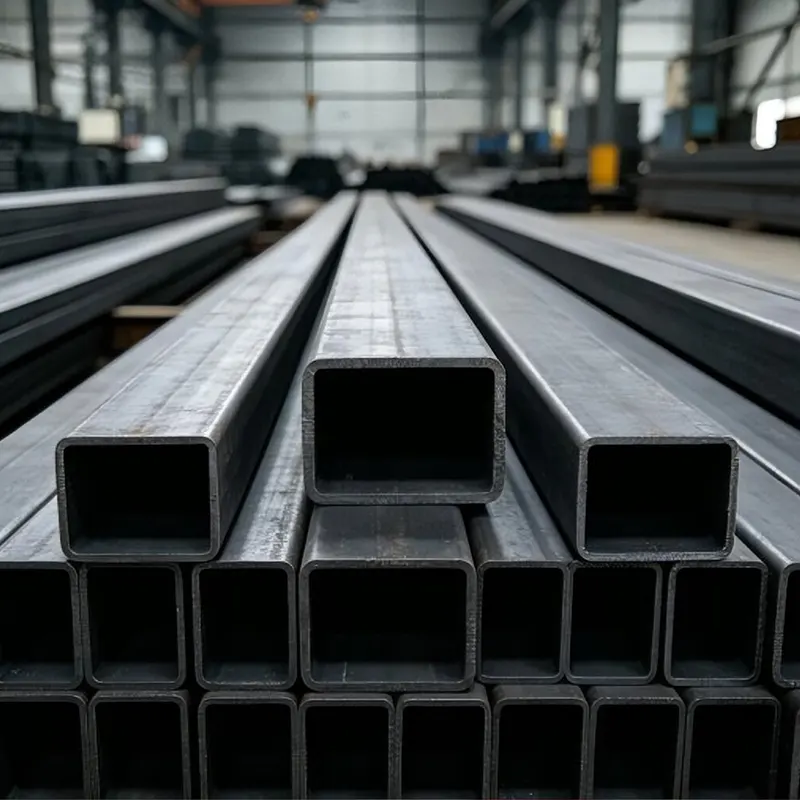
Precision Steel Right-Angle Tube is a hollow steel profile with square or rectangular dimensions and a carefully controlled 90-degree corner geometry. It is developed for fabrication projects where standard hollow sections may not provide the desired corner definition, alignment, or visual consistency.

Conventional square and rectangular steel tubes generally have rounded outer corners resulting from the forming process. Although these profiles are suitable for many structural applications, their corner radius can create visible gaps or additional fitting requirements when members meet at right angles. A precision right-angle profile helps address these challenges in applications where the finished joints and exposed edges are important.

According to the Rongheng Precision Steel Right-Angle Tube product specifications, the product is manufactured from Q235B or Q355B carbon steel using progressive cold forming and high-frequency welding.

Typical characteristics include:

  • A defined 90-degree corner profile for cleaner-looking fabricated assemblies.
  • Square and rectangular hollow section configurations.
  • Controlled wall thickness, section dimensions, and straightness.
  • Compatibility with cutting, drilling, chamfering, deburring, and other secondary processing.
  • A black, uncoated steel finish suitable for projects requiring subsequent surface treatment.

The principal selection consideration is whether the project's dimensional and appearance requirements justify specifying a precision profile instead of a conventional hollow section.


Key Technical Specifications

Before ordering Precision Steel Right-Angle Tube, buyers should review the available section dimensions, material grade, wall thickness, corner geometry, and processing options. These factors influence fabrication compatibility, structural performance, and procurement costs.

Specification Available Details
Product type Precision Steel Right-Angle Tube
Material grades Q235B, Q355B
Square section range 10 × 10 mm to 200 × 200 mm
Rectangular section range 10 × 20 mm to 100 × 200 mm
Wall thickness 1.2–20 mm
Corner geometry Defined 90-degree right-angle profile
Corner verticality ≤ 0.5°
Wall thickness tolerance ±0.1 mm
Standard length 6 m
Custom fixed lengths 3–12 m
Standard surface Black, uncoated steel
Further processing Precision cutting, chamfering, deburring, beveling, and drilling
Finishing compatibility Painting, powder coating, baking finish, galvanizing, and other specified treatments

Note: Confirm the exact dimensions, tolerances, available finishes, and inspection requirements against the current quotation and purchase specification before placing an order.

For projects requiring non-standard sections, buyers should provide engineering drawings so that the required geometry and manufacturing feasibility can be reviewed before production.


How Is Precision Steel Right-Angle Tube Manufactured?

Producing a precision hollow section requires more than forming steel into a square or rectangular shape. Each manufacturing stage contributes to dimensional accuracy, corner consistency, weld integrity, and overall straightness.

1. Steel Material Selection

Q235B or Q355B carbon steel is selected according to the intended application and structural requirements. Material verification helps ensure that the supplied grade corresponds to the purchase specification.

2. Strip Preparation and Leveling

The steel strip is prepared and leveled before forming. Consistent strip condition supports stable forming and helps reduce dimensional variations along the finished tube.

3. Progressive Cold Forming

The steel strip passes through a series of forming stages that gradually create the required square or rectangular profile. Controlled forming is particularly important for establishing the intended 90-degree corner geometry.

4. High-Frequency Welding

The formed strip edges are joined using high-frequency induction welding to produce the longitudinal seam. Appropriate process control helps maintain weld consistency and the integrity of the hollow section.

5. Sizing and Straightening

After welding, sizing and straightening operations refine the final section dimensions and overall alignment. This step helps prepare the tube for automated fabrication, frame assembly, and other precision applications.

6. Cutting and Secondary Processing

The tube is cut to the agreed length and may receive additional operations such as drilling, chamfering, deburring, or beveling. Processing requirements should be confirmed before production to reduce unnecessary workshop work.

7. Final Inspection and Packing

Finished products are checked against the agreed specifications, including section dimensions, wall thickness, corner geometry, straightness, weld condition, surface appearance, and cut length. Suitable packing helps protect the material during storage and transportation.


What Are the Main Advantages of Precision Steel Right-Angle Tube?

The main advantage of a precision right-angle profile is its ability to meet fabrication requirements that depend on controlled geometry. Its value is especially clear when steel sections remain visible or must align closely with adjoining components.

Cleaner Joint Alignment

A defined corner can simplify positioning when fabricators join straight steel members. Depending on the joint design and cutting accuracy, this may reduce the need for extensive grinding, filler work, or corrective fitting.

Consistent Dimensions

Controlled section dimensions and wall thickness support repeatable manufacturing. This is useful for projects involving batch production, CNC processing, automated drilling, and standardized assemblies.

Improved Architectural Appearance

Exposed frames, decorative columns, partitions, and display structures often require straight visual lines. A well-controlled corner profile can help achieve a more uniform appearance after assembly and finishing.

Flexible Secondary Processing

Cutting, drilling, chamfering, and beveling can be specified according to fabrication drawings. Arranging these operations before delivery may reduce handling and processing requirements at the installation site.

Material Options for Different Loads

The availability of Q235B and Q355B provides flexibility for different engineering requirements. However, the correct grade must be determined by structural calculations and applicable design standards rather than by material strength alone.


How to Choose Between Q235B and Q355B

Steel grade selection influences mechanical performance, fabrication planning, and project cost. The appropriate choice depends on the actual load conditions, section dimensions, connection details, and design requirements.

Comparison Factor Q235B Q355B
General positioning Conventional structural applications Applications requiring higher specified yield strength
Potential applications Indoor frames, decorative structures, equipment supports, and light-duty racks Heavier frames, industrial platforms, and equipment bases where the design requires higher strength
Selection priority Meet required structural performance economically Meet higher design strength requirements where applicable
Engineering verification Required Required

Q235B may be appropriate for many conventional fabrication projects, while Q355B may be preferred when the design calls for higher yield strength. Neither grade automatically guarantees a stronger finished structure because section geometry, wall thickness, welds, connections, and support conditions also affect performance.

For load-bearing structures, consult the responsible engineer and applicable design code before finalizing the material specification.


Common Industrial and Architectural Applications

Precision Steel Right-Angle Tube is suitable for a range of fabrication tasks in which profile geometry and dimensional consistency are important.

Architectural and Decorative Steelwork

Applications include decorative frames, exhibition structures, interior partitions, feature columns, and selected stair or railing components. The defined corner profile can support minimalist designs with visible straight edges.

Machinery and Equipment Frames

Machine bases, automation equipment frames, conveyor supports, and instrument housings may benefit from repeatable section dimensions. Accurate profiles can simplify alignment during assembly, although the final design must still account for equipment loads and vibration.

Warehouse Racking and Workstations

Industrial racks, storage structures, workbenches, and equipment supports can use square or rectangular precision sections when their geometry matches the design. Required load capacity must be verified for the complete assembly.

Commercial Interiors and Display Structures

Retail displays, exhibition stands, commercial partitions, and custom furniture frames often place greater emphasis on joint appearance and consistent dimensions. Precision profiles can help fabricators maintain a uniform finish across repeated components.

Customized Fabrication Projects

Projects with non-standard dimensions or specific connection requirements may need fixed-length cutting, drilled holes, chamfered ends, or other drawing-based processing. Early coordination between the buyer and manufacturer helps establish a practical production specification.


Precision Right-Angle Tube vs. Conventional Hollow Sections

Precision right-angle tubes and conventional square or rectangular hollow sections serve overlapping purposes, but they are not interchangeable in every project. The appropriate choice depends on the required corner geometry, dimensional tolerance, appearance, and budget.

Evaluation Factor Precision Right-Angle Tube Conventional Hollow Section
Corner profile Defined right-angle geometry Typically rounded outer corners
Joint appearance Useful where clean corner alignment is important Suitable for general fabrication joints
Dimensional requirements Designed for specified precision requirements Depends on the applicable product standard and tolerance
Architectural applications Suitable for exposed, appearance-sensitive steelwork Suitable where conventional corner geometry is acceptable
General structural work Suitable when its specifications meet the design Often suitable for standard structural applications
Procurement decision Prioritize geometry and agreed tolerances Prioritize required performance and standard availability

Choosing a precision profile is most beneficial when its specific geometric characteristics solve a real fabrication or design problem. If rounded corners are acceptable, a conventional hollow section may be a more economical option.


Quality Control and Inspection Considerations

For engineering procurement, quality should be evaluated against measurable requirements rather than general descriptions such as premium or high precision. Buyers should define the inspection criteria before production begins.

Important quality checkpoints include:

  • Material verification: Confirm that the supplied steel grade matches the order and required documentation.
  • Section dimensions: Measure the outside width and height at agreed inspection locations.
  • Wall thickness: Verify actual thickness against the specified tolerance.
  • Corner geometry: Inspect corner formation and angular deviation against the agreed requirements.
  • Straightness: Check for bending or distortion that could interfere with installation.
  • Weld condition: Assess the longitudinal seam using the inspection methods required for the application.
  • Cut length: Confirm finished lengths and end conditions against the purchase specification.
  • Surface condition: Identify visible damage, scratches, or defects that could affect finishing or installation.

For projects with formal acceptance procedures, buyers can specify inspection records, material certificates, sampling plans, or third-party inspection where appropriate. Acceptance criteria should be agreed before production rather than introduced after delivery.


Surface Treatment and Corrosion Protection

The standard product is supplied as black, uncoated steel. This is suitable when the project requires subsequent painting, powder coating, or another specified finishing process.

Common finishing options include:

  • Painting: A practical choice when the coating system is selected for the intended environment.
  • Powder coating: Useful for applications requiring a uniform decorative finish and suitable coating durability.
  • Baking finish: Available for projects specifying a particular finish system.
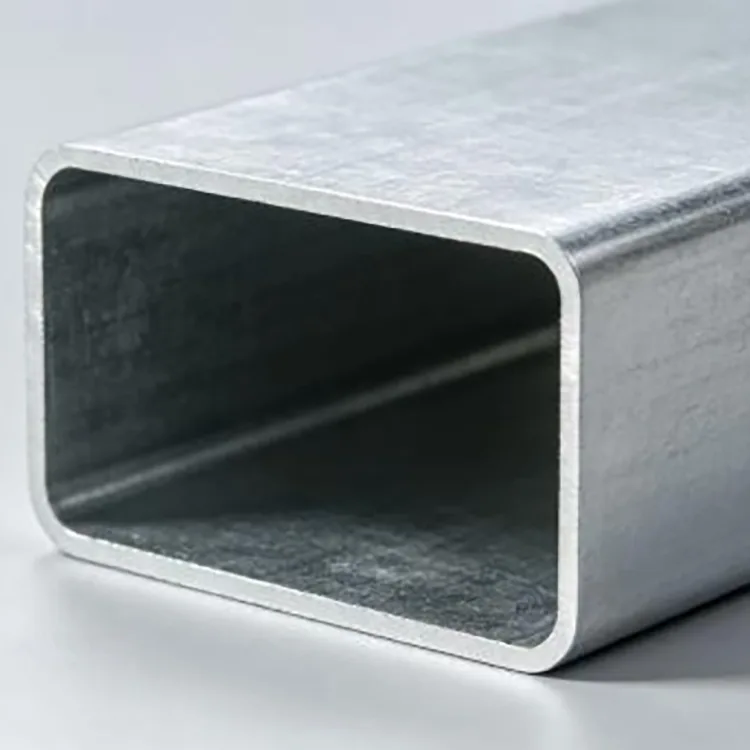
  • Hot-dip galvanizing: Provides a zinc coating for improved corrosion protection in suitable service environments.
  • Zinc-aluminum-magnesium coating: An alternative surface specification for projects requiring this coating system.

Surface preparation is important for coating adhesion and performance. Untreated carbon steel can rust when exposed to moisture, so the material should be stored in dry conditions and protected from rain and condensation before finishing.

For outdoor, coastal, humid, or chemically aggressive environments, specify the required corrosion-protection system according to the exposure conditions. Where necessary, consider the coating requirements alongside the fabrication sequence, welding operations, and maintenance plan.

For additional information, review Rongheng's Hot-Dip Galvanized Precision Steel Right-Angle Tube product page.


How to Specify and Purchase the Right Tube

A complete purchasing specification helps manufacturers assess feasibility, prepare accurate quotations, and reduce misunderstandings between procurement teams and production personnel.

Before requesting a quotation, prepare the following information:

  1. Section dimensions: Specify whether the tube is square or rectangular and provide the required outside dimensions.
  2. Wall thickness: State the nominal thickness and any mandatory tolerance.
  3. Steel grade: Identify Q235B, Q355B, or another approved material requirement.
  4. Length: Confirm standard or customized fixed lengths and the acceptable length tolerance.
  5. Corner geometry: Define the required corner profile and relevant angular or radius tolerances.
  6. Surface treatment: Select black steel, galvanizing, or another specified finishing system.
  7. Secondary processing: List cutting, drilling, beveling, chamfering, and deburring requirements.
  8. Inspection and documentation: Specify required certificates, inspection reports, sampling, or third-party verification.
  9. Order quantity and delivery: Provide the estimated quantity, packaging expectations, delivery destination, and requested schedule.

For non-standard products, attach a technical drawing showing critical dimensions, hole locations, cut angles, and connection details. This allows the manufacturer to assess the production requirements before confirming the order.

For repeat purchases, retain the approved drawing and specification as the reference for subsequent batches. This supports more consistent procurement and reduces the risk of dimensional changes between orders.


Why Consider Rongheng for Precision Steel Right-Angle Tube?

Choosing a steel supplier involves more than comparing the quoted price per ton. Buyers should also evaluate specification compatibility, customization capability, inspection arrangements, communication, and delivery coordination.

Rongheng Intelligent Manufacturing (Tianjin) Import & Export Co., Ltd. provides steel products for international procurement and project-based applications, supported by steel manufacturing resources in Tianjin, China.

When evaluating Rongheng for a Precision Steel Right-Angle Tube order, buyers can discuss the following requirements:

  • Material selection: Q235B or Q355B options according to the application.
  • Customized dimensions: Square and rectangular profiles based on the available manufacturing range.
  • Fixed-length supply: Standard lengths or customized cutting according to the agreed specification.
  • Secondary processing: Cutting, drilling, chamfering, deburring, and other agreed operations.
  • Surface finishing: Suitable coating or galvanizing arrangements based on project requirements.
  • Quality documentation: Inspection and documentation requirements discussed before order confirmation.
  • Export coordination: Packaging and shipment planning based on order volume and destination.

For more information about the broader product range, visit Rongheng Precision Steel Tubes or explore the company's steel product range.

Before confirming a purchase, request a quotation that clearly states the steel grade, section dimensions, wall thickness, corner requirements, tolerances, surface treatment, inspection scope, and delivery terms. These details provide a more reliable basis for comparing suppliers and evaluating total project cost.


Frequently Asked Questions

1. What is Precision Steel Right-Angle Tube used for?

It is used in architectural steelwork, equipment frames, industrial supports, display structures, partitions, and customized fabrication projects where controlled corner geometry and dimensional consistency are important.

2. What materials are available for Precision Steel Right-Angle Tube?

The product is available in Q235B and Q355B carbon steel. The appropriate grade depends on the structural design, loading conditions, applicable standards, and fabrication requirements.

3. What sizes and wall thicknesses are available?

The referenced product specification lists square sections from 10 × 10 mm to 200 × 200 mm, rectangular sections from 10 × 20 mm to 100 × 200 mm, and wall thicknesses from 1.2 mm to 20 mm. Confirm the availability of the specific combination before ordering.

4. How is a precision right-angle tube different from a standard square tube?

The principal difference is the controlled corner geometry. A precision right-angle tube is intended for projects requiring a defined 90-degree profile, while conventional square tubes generally have rounded outer corners. The best choice depends on fabrication tolerances, appearance, and structural requirements.

5. Is Precision Steel Right-Angle Tube seamless?

No. The product described by Rongheng is manufactured through progressive cold forming and high-frequency welding. It is a welded hollow section rather than a seamless tube.

6. Can the tube be cut and drilled before delivery?

Yes. Precision cutting, drilling, chamfering, deburring, and beveling can be discussed according to the order requirements and technical drawings.

7. Can Precision Steel Right-Angle Tube be used outdoors?

Outdoor use depends on the selected surface protection and environmental exposure. The standard black steel product is uncoated and can corrode when exposed to moisture. For outdoor applications, consider galvanizing or another suitable corrosion-protection system.

8. Can I order customized lengths?

Yes. The referenced specification lists a standard length of 6 m and customized fixed lengths from 3 m to 12 m. Confirm the required length, cutting tolerance, and availability when requesting a quotation.

9. What should I check before approving a shipment?

Review the material grade, section dimensions, wall thickness, corner geometry, straightness, weld condition, cut length, surface condition, and required documentation. The inspection criteria should match the approved purchase specification.

10. What information is needed to obtain a quotation from Rongheng?

Provide the section size, wall thickness, steel grade, order quantity, required length, surface treatment, secondary processing requirements, and delivery destination. Technical drawings are recommended for customized sections or complex fabrication requirements.


Conclusion

Precision Steel Right-Angle Tube is a practical option for projects where controlled corner geometry, consistent dimensions, and a clean finished appearance are important. By evaluating material grades, section sizes, manufacturing methods, quality requirements, and corrosion protection, buyers can select a profile that matches their fabrication and engineering needs. A complete technical specification also helps improve quotation accuracy, production coordination, and consistency across repeat orders.

Whether you are sourcing steel profiles for architectural projects, industrial equipment, structural frames, or customized fabrication, Rongheng can discuss your dimensional, material, processing, and supply requirements. Contact us through the Precision Steel Right-Angle Tube product page to share your drawings, request a customized quotation, and evaluate a suitable steel solution for your next project.

Related News
Leave me a message
X
We use cookies to offer you a better browsing experience, analyze site traffic and personalize content. By using this site, you agree to our use of cookies. Privacy Policy
RejectAccept