News

How Can ERW Greenhouse Steel Pipe Deliver Reliable Strength and Cost Efficiency for Modern Agricultural Structures

2026-11-09 0 Leave me a message

Choosing the right structural material is essential for building economical and dependable agricultural facilities. Rongheng provides ERW Greenhouse Steel Pipe manufactured from Q235B carbon steel, offering consistent wall thickness, reliable high-frequency welded construction, and flexible dimensional options for seasonal greenhouses, nursery houses, and temporary agricultural structures. For growers, greenhouse contractors, and agricultural equipment manufacturers, understanding its specifications and performance characteristics helps achieve a practical balance between structural stability, installation efficiency, and initial investment.

ERW Greenhouse Steel Pipe is an economical structural material designed for greenhouse frames and other agricultural applications with limited or moderate service-life requirements. Manufactured using high-frequency electric resistance welding, it provides consistent dimensions and suitable mechanical strength for common agricultural structures. This article explains its manufacturing process, material characteristics, available dimensions, practical applications, selection criteria, and purchasing considerations. It also compares non-galvanized and galvanized greenhouse pipes to help buyers identify the most appropriate solution for their projects.

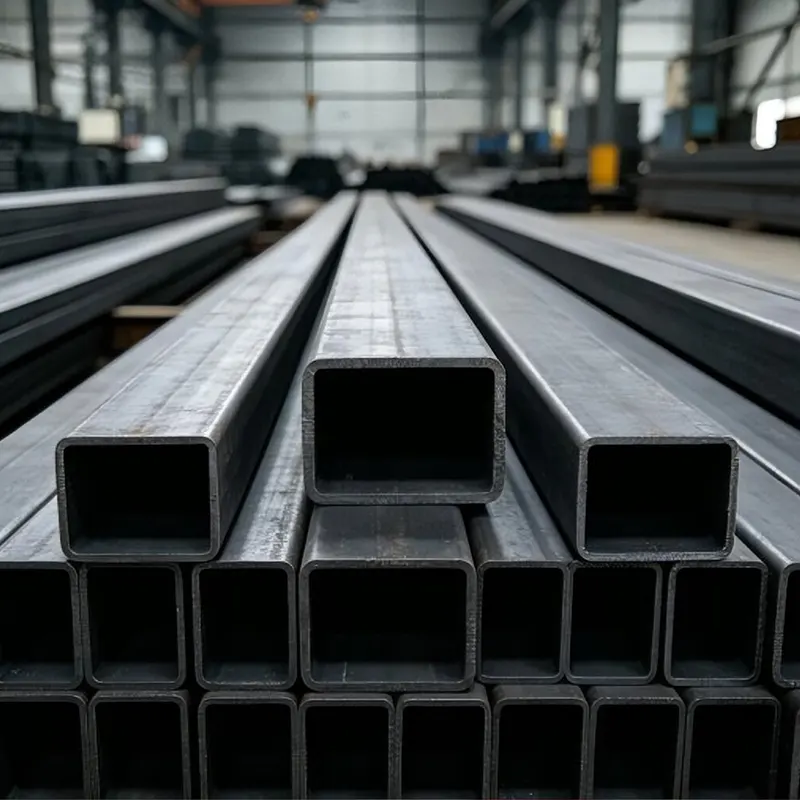
ERW Greenhouse Steel Pipe

Table of Contents

  1. What Is ERW Greenhouse Steel Pipe?
  2. How Is ERW Greenhouse Steel Pipe Manufactured?
  3. Key Features and Material Advantages
  4. Available Specifications and Dimensions
  5. Common Agricultural Applications
  6. How to Select the Right Greenhouse Steel Pipe
  7. Non-Galvanized vs. Galvanized Greenhouse Pipe
  8. Important Purchasing Considerations
  9. Frequently Asked Questions
  10. Conclusion: Choosing a Reliable Greenhouse Pipe Supplier

1. What Is ERW Greenhouse Steel Pipe?

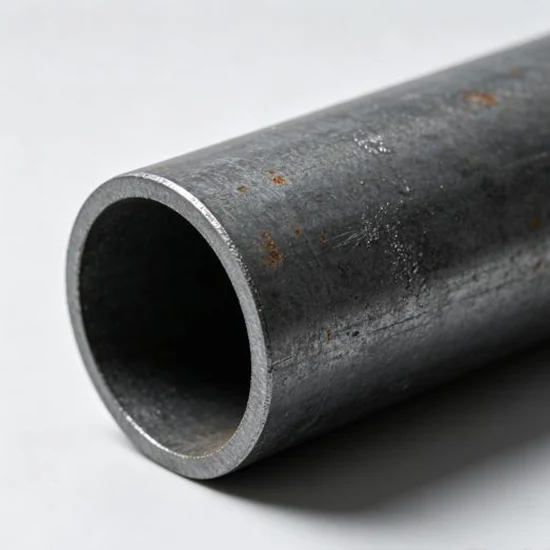
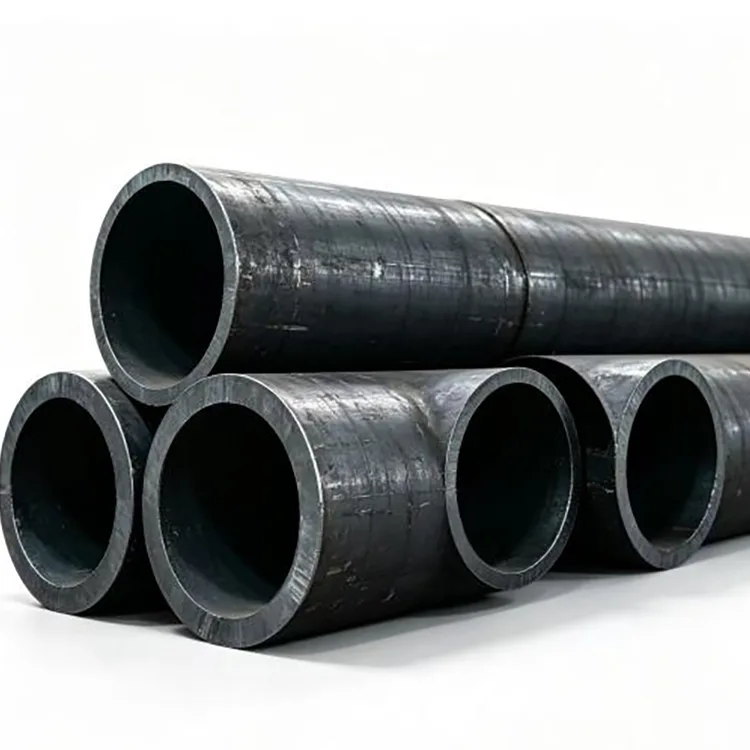
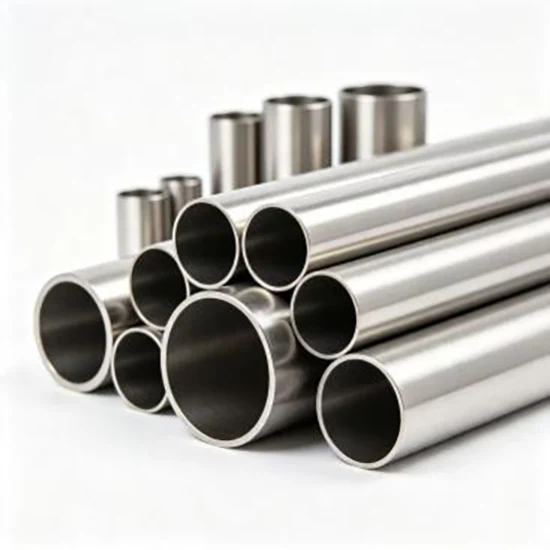
ERW Greenhouse Steel Pipe is a welded carbon steel tube used to construct greenhouse frames, agricultural shelters, nursery structures, and other lightweight building frameworks. ERW stands for Electric Resistance Welding, a manufacturing process that joins steel strip edges through electrical resistance heating and controlled pressure.

Unlike seamless steel pipes, ERW pipes are manufactured from flat steel strips that are formed into round, oval, square, or rectangular profiles before welding. This process supports consistent dimensions and efficient production, making ERW products suitable for projects requiring multiple standardized structural components.

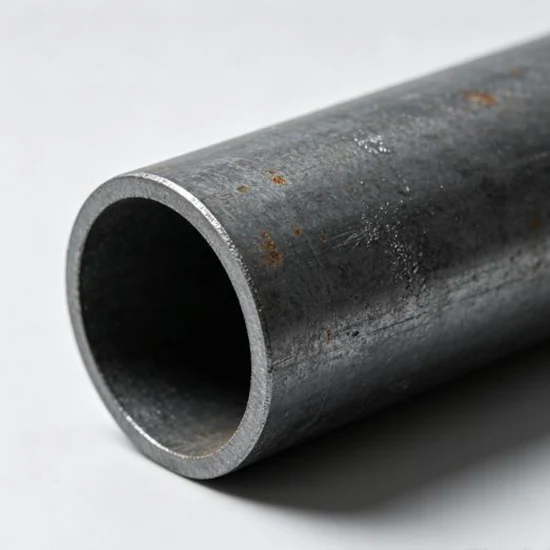
Rongheng's standard greenhouse steel pipe uses new Q235B carbon steel and does not include a galvanized coating. Its main purpose is to provide an economical structural solution for applications where long-term corrosion protection is not the primary requirement.

Typical characteristics include:

  • Material: Q235B carbon steel.
  • Manufacturing: High-frequency electric resistance welding.
  • Surface condition: Non-galvanized steel surface.
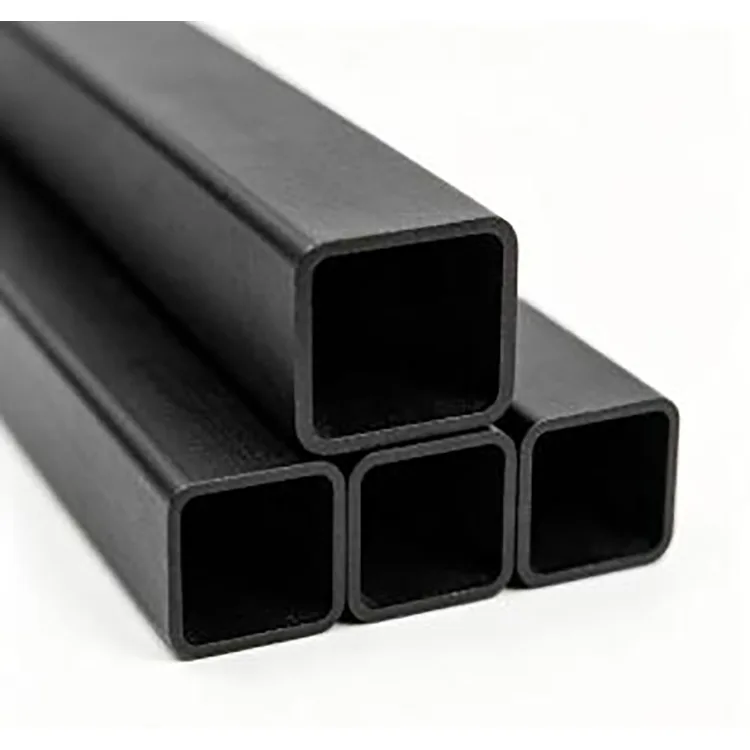
  • Available profiles: Round, oval, square, and rectangular tubes.
  • Processing options: Custom cutting, bending, and hole punching.
  • Main applications: Seasonal greenhouses, nurseries, temporary livestock shelters, and agricultural protection structures.

For agricultural projects with limited operating periods, this type of pipe can reduce initial material expenditure while providing the structural support required for properly engineered greenhouse frames.


2. How Is ERW Greenhouse Steel Pipe Manufactured?

The manufacturing process directly affects the dimensional accuracy, weld consistency, and structural reliability of greenhouse steel pipes. High-frequency ERW technology is widely used because it enables continuous production and efficient joining of steel strip materials.

Step 1: Selecting Quality Q235B Steel Strip

Production begins with Q235B carbon steel strip. This material offers a practical combination of strength, ductility, and workability for common agricultural structures. Using new steel material rather than recycled or refurbished steel helps maintain more consistent product characteristics.

Step 2: Forming the Required Profile

The steel strip passes through a series of forming rollers that gradually transform it into the required tubular shape. Depending on project specifications, the final profile can be round, oval, square, or rectangular.

Step 3: High-Frequency Welding

High-frequency electrical energy heats the edges of the formed steel strip. The heated edges are then pressed together to create a continuous longitudinal weld seam. Proper control of welding parameters is important for achieving consistent seam quality and reducing the risk of cracking during subsequent fabrication.

Step 4: Dimension Control and Finishing

After welding, the pipe undergoes sizing and finishing operations to achieve the required external dimensions and straightness. Additional processing can include cutting to length, bending, and punching holes according to greenhouse frame designs.

Step 5: Inspection Before Delivery

Dimensional accuracy, wall thickness, surface condition, and weld appearance should be checked before shipment. For large-volume agricultural projects, buyers should confirm the inspection requirements and product tolerances before placing an order.


3. Key Features and Material Advantages

The performance of a greenhouse frame depends on more than the nominal steel grade. Pipe dimensions, wall thickness, weld quality, structural configuration, and environmental exposure all influence its practical performance.

3.1 Q235B Carbon Steel for Structural Applications

Q235B is a commonly used carbon structural steel grade. Its combination of strength and ductility makes it suitable for greenhouse frames, support columns, and other agricultural structures when properly designed.

3.2 Consistent Wall Thickness

Wall thickness directly influences a pipe's resistance to bending and deformation. Consistent thickness helps maintain predictable structural performance and simplifies the assembly of greenhouse frames.

3.3 Uniform High-Frequency Welded Seams

Properly controlled high-frequency welding creates a continuous seam along the pipe. Consistent welding quality is particularly important when pipes need to undergo bending or other fabrication operations during greenhouse installation.

3.4 Economical Material Cost

Because standard ERW greenhouse pipe does not have an additional zinc coating, its initial purchase cost can be lower than that of galvanized alternatives. This makes it attractive for seasonal growing facilities, temporary nurseries, and short-cycle agricultural projects.

3.5 Flexible Fabrication and Reuse

Steel pipes can be cut, bent, drilled, and assembled into different structural configurations. After a temporary greenhouse is dismantled, suitable components may be reused in another agricultural project following inspection.

For outdoor installations, applying an appropriate anti-corrosion coating after fabrication and installation can help reduce surface rust and improve service performance.


4. Available Specifications and Dimensions

Different greenhouse designs require different pipe profiles and dimensions. Round pipes are frequently used for curved roof structures, while oval and rectangular profiles can provide practical solutions for frame members and support structures.

Common ERW Greenhouse Steel Pipe Specifications

Product Type Common Sizes Wall Thickness Typical Applications
Round Greenhouse Pipe Φ22 mm, Φ25 mm, Φ32 mm, Φ42 mm, Φ48 mm 1.2 mm, 1.5 mm, 1.8 mm, 2.0 mm Small vegetable greenhouses and nursery houses
Oval Greenhouse Pipe 25 × 50 mm, 30 × 60 mm 1.5 mm, 1.8 mm, 2.0 mm Economical overwintering and fruit-growing greenhouses
Square/Rectangular Tube 40 × 60 mm, 50 × 100 mm 1.5 mm, 2.0 mm, 2.5 mm Columns, support frames, and temporary agricultural buildings

General Product Information

Specification Details
Product Name ERW Greenhouse Steel Pipe
Material New Q235B Carbon Steel
Production Process High-Frequency Electric Resistance Welding
Surface Treatment Non-Galvanized
Standard Lengths 6 m, 8 m, 10 m, 12 m
Customization Custom lengths, bending, and hole punching
Typical Service Life Approximately 3–5 years under normal conditions; potentially over 6 years with appropriate anti-corrosion maintenance
Main Applications Seasonal greenhouses, nursery structures, and temporary agricultural buildings

These dimensions represent common available configurations rather than universal structural design specifications. Custom sizes and processing requirements should be confirmed with the manufacturer before production.


5. Common Agricultural Applications

The versatility of ERW greenhouse steel pipe makes it useful across several agricultural and temporary construction applications. Its suitability depends on the structural design, expected service period, and surrounding environmental conditions.

5.1 Seasonal Vegetable Greenhouses

Round steel pipes are commonly used for greenhouse arches, roof supports, and connecting members. They can support protective structures for tomatoes, cucumbers, peppers, leafy vegetables, and other seasonal crops.

5.2 Nursery and Seedling Houses

Vegetable seedlings, flower seedlings, and medicinal plant nurseries often require economical protective structures. ERW steel pipes can be assembled into lightweight greenhouse frames that accommodate plastic film or other covering materials.

5.3 Flower and Plant Shelters

Temporary shelters provide protection against rain, excessive sunlight, and changing weather conditions. Round and oval steel profiles can be selected according to the required structure and installation method.

5.4 Temporary Livestock and Poultry Shelters

Rectangular tubes can serve as columns and support members, while round pipes can be used for roof frames. These structures are suitable for temporary livestock facilities when ventilation, structural loading, and environmental exposure are properly considered.

5.5 Agricultural Shade and Protection Structures

ERW pipes can also be used in temporary shade frames, crop protection structures, rain shelters, and agricultural work shelters.

Application Example: Temporary Poultry Shelter

For a temporary poultry shelter project in Hubei, rectangular steel tubes were selected for the main columns, while round steel pipes were used for curved roof frames. The structure provided practical support for batch-based poultry production and could be dismantled and reused after each production cycle.

This type of application demonstrates how selecting suitable pipe profiles for different structural components can help control material costs and improve the flexibility of temporary agricultural facilities.


6. How to Select the Right Greenhouse Steel Pipe

Selecting the correct pipe dimensions is essential for ensuring greenhouse stability and controlling material costs. The smallest or cheapest pipe is not necessarily the most economical option over the entire project lifecycle.

Consider the Following Selection Factors

  • Greenhouse span: Larger spans generally require more careful structural design and appropriately sized support members.
  • Local wind conditions: Areas exposed to strong winds may require thicker walls, larger sections, and stronger connections.
  • Snow and roof loading: Seasonal snow accumulation and covering materials should be considered during structural calculations.
  • Environmental humidity: High humidity and frequent rainfall increase corrosion risks for uncoated carbon steel.
  • Expected service period: Temporary and seasonal facilities may have different material requirements from permanent greenhouses.
  • Installation requirements: Pipe diameter, profile, length, and hole positions should match the planned assembly method.

Recommended Starting Points for Different Projects

Project Type Suggested Pipe Configuration Selection Considerations
Small Seedling Greenhouse Φ22 mm or Φ25 mm round pipe, 1.2–1.5 mm wall Suitable only where structural calculations and local conditions permit
Spring and Autumn Greenhouse Φ25 mm or Φ32 mm round pipe, approximately 1.5 mm wall For relatively moderate structural and wind loads
Economical Overwintering Greenhouse 25 × 50 mm oval pipe, 1.5–1.8 mm wall Provides a larger section than small round pipe
Large Greenhouse or Windy Area Appropriately designed larger profiles, potentially 1.8–2.0 mm wall Requires project-specific structural calculations
Temporary Agricultural Shelter Round or rectangular pipe according to frame design Prioritize practical assembly and planned reuse

Important: These configurations are preliminary selection references, not certified load-bearing recommendations. Final pipe dimensions must be verified against local wind, snow, span, foundation, connection, and other structural requirements.


7. Non-Galvanized vs. Galvanized Greenhouse Pipe

One of the most important purchasing decisions is whether to choose standard non-galvanized ERW pipe or hot-dip galvanized steel pipe. Both options have practical uses, but their corrosion resistance and lifecycle costs differ.

Comparison Factor Non-Galvanized ERW Pipe Hot-Dip Galvanized ERW Pipe
Surface Treatment No zinc coating Zinc protective coating
Initial Cost Generally lower Generally higher
Corrosion Resistance Requires additional protection Better resistance to atmospheric corrosion
Maintenance Periodic inspection and repainting may be needed Generally lower maintenance requirements
Suitable Applications Seasonal and temporary structures Longer-term outdoor and humid-environment structures
Service Life Depends heavily on exposure and maintenance Depends on coating thickness, environment, and maintenance

For seasonal agricultural projects with limited service periods, non-galvanized pipes can offer an attractive initial investment. For permanent greenhouses exposed to moisture, irrigation water, or frequent rainfall, galvanized products are generally worth considering.

Buyers can also explore Rongheng's Hot-Dip Galvanized Steel Pipe solutions when stronger corrosion protection is required.


8. Important Purchasing Considerations

When sourcing ERW Greenhouse Steel Pipe in bulk, agricultural contractors and distributors should evaluate more than the quoted price per ton or per meter. Product consistency and specification accuracy directly influence installation efficiency and structural performance.

What Should Buyers Confirm Before Ordering?

  1. Steel grade: Confirm that the material is Q235B or another specifically agreed steel grade.
  2. Actual wall thickness: Verify the required thickness rather than relying only on nominal descriptions.
  3. Outside dimensions: Confirm diameter, oval dimensions, or square and rectangular section measurements.
  4. Weight per meter: Compare actual steel weight to help identify differences between apparently similar products.
  5. Welding quality: Discuss weld seam consistency and inspection requirements.
  6. Length tolerance: Confirm standard or custom cutting dimensions.
  7. Processing requirements: Specify bending angles, hole positions, and other fabrication details.
  8. Packaging and delivery: Confirm bundling, loading arrangements, shipping schedules, and export requirements.

Why Manufacturer Selection Matters

A dependable greenhouse steel pipe manufacturer should be able to communicate material specifications clearly, understand different agricultural applications, and provide consistent production quality.

Rongheng Intelligent Manufacturing (Tianjin) Import & Export Co., Ltd. offers steel pipe and structural steel products for different industrial and construction requirements. Its product range includes ERW Steel Pipes and Tubes, Precision Steel Tubes, and Seamless Steel Pipes.

When evaluating suppliers, buyers should request product specifications, confirm inspection arrangements, and compare quotations based on equivalent material grades, dimensions, wall thicknesses, and processing requirements.


9. Frequently Asked Questions About ERW Greenhouse Steel Pipe

Q1: What is the main advantage of ERW Greenhouse Steel Pipe?

The main advantage is its combination of economical pricing, consistent dimensions, and practical structural performance. Manufactured from Q235B carbon steel using high-frequency welding, it is suitable for seasonal greenhouses, nursery houses, and temporary agricultural structures.

Q2: Is non-galvanized greenhouse steel pipe suitable for outdoor use?

Yes. It can be used outdoors when the structure is properly designed and corrosion exposure is manageable. However, because it has no zinc coating, prolonged exposure to rain and humidity can cause surface rust. Applying an appropriate anti-corrosion paint system is recommended.

Q3: How long does ERW Greenhouse Steel Pipe last?

Rongheng indicates a typical service life of approximately 3–5 years under normal conditions for its non-galvanized greenhouse pipe. With suitable anti-corrosion maintenance, some applications may exceed six years. Actual performance depends on humidity, rainfall, soil contact, surface protection, and maintenance frequency.

Q4: Can ERW greenhouse pipes be bent during installation?

Yes. ERW greenhouse pipes can be processed through suitable bending equipment. The bending radius and forming method should be selected according to the pipe diameter, wall thickness, material properties, and structural design. Proper weld quality is important to reduce the risk of cracking during fabrication.

Q5: Which pipe size is suitable for a small vegetable greenhouse?

Φ22 mm and Φ25 mm round pipes with 1.2–1.5 mm wall thickness can be considered as starting options for some small greenhouse structures. However, the final selection should account for greenhouse span, wind conditions, snow loads, support spacing, and connection design.

Q6: Can greenhouse steel pipes be customized?

Yes. Available options include different round, oval, square, and rectangular profiles, as well as custom lengths, bending, and hole punching. Buyers should provide detailed drawings or dimensional requirements to help the manufacturer confirm production feasibility.

Q7: What is the difference between ERW and seamless greenhouse steel pipes?

ERW pipes are manufactured by forming steel strip and welding the edges together, while seamless pipes are produced without a longitudinal welded seam. ERW pipes are often a more economical choice for standardized greenhouse frames. Seamless pipes may be selected for applications requiring specific mechanical or pressure-related characteristics, depending on the engineering requirements.

Q8: How can buyers avoid purchasing low-quality greenhouse steel pipes?

Buyers should verify the steel grade, actual wall thickness, outside dimensions, weight per meter, length tolerance, and weld quality. They should also clarify whether the products are manufactured from new steel material or recycled material. Comparing quotations against identical technical specifications is more reliable than choosing solely by the lowest price.


10. Conclusion: Choosing a Reliable Greenhouse Pipe Supplier

ERW Greenhouse Steel Pipe provides a practical and economical structural solution for seasonal greenhouses, nursery facilities, temporary livestock shelters, and other agricultural applications. Its Q235B carbon steel composition, high-frequency welded construction, consistent wall thickness, and flexible profile options make it suitable for projects where structural functionality and initial investment are important considerations.

Successful material selection requires evaluating the greenhouse span, local weather conditions, expected service life, corrosion exposure, and installation requirements. While non-galvanized pipe offers cost advantages for temporary applications, galvanized alternatives may be more appropriate for permanent structures exposed to demanding outdoor environments.

As a steel pipe supplier, Rongheng provides product options and customized processing solutions to support different agricultural and structural projects. Whether you need round greenhouse pipes, oval tubes, rectangular support sections, or customized cutting and bending services, choosing the right specifications is the first step toward a reliable installation. Contact us today to discuss your project requirements, request detailed specifications, and obtain a competitive quotation for your ERW Greenhouse Steel Pipe order.

Related News
Leave me a message
X
We use cookies to offer you a better browsing experience, analyze site traffic and personalize content. By using this site, you agree to our use of cookies. Privacy Policy
RejectAccept