News

Why Is Stainless Steel Seamless Pipe the Right Choice for Demanding Industrial Applications

2026-11-02 0 Leave me a message

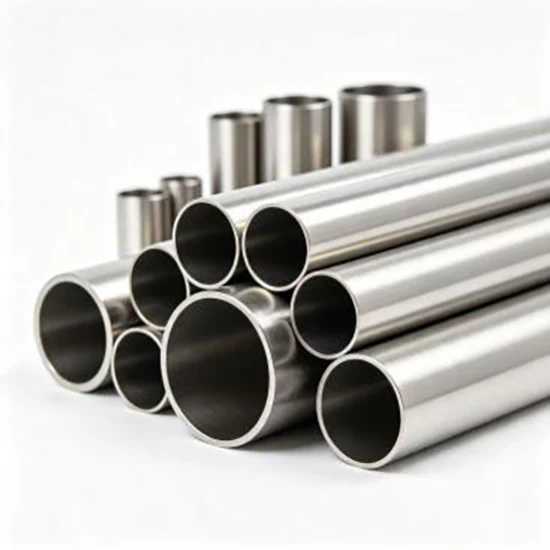
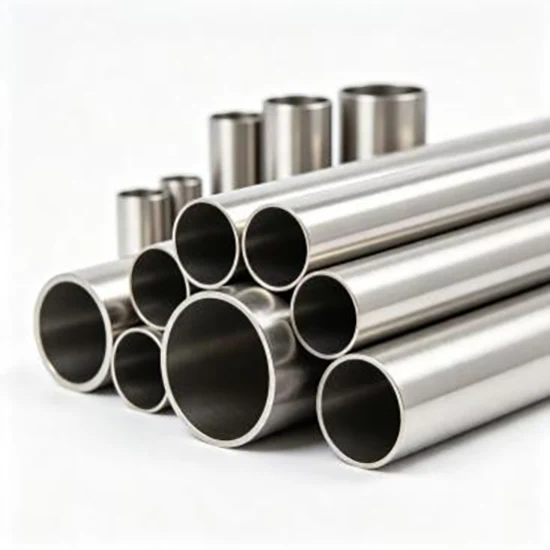
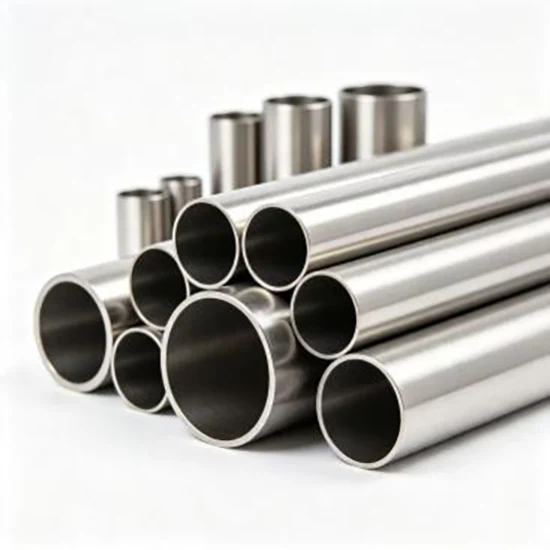
In modern industrial projects, selecting a reliable piping material is essential for ensuring operational safety, corrosion resistance, and long-term performance. Rongheng provides high-quality Stainless Steel Seamless Pipe solutions designed for demanding environments, including chemical processing, food production, pharmaceutical manufacturing, water treatment, and marine engineering. Manufactured without welded joints, these pipes offer excellent structural integrity, dependable corrosion resistance, and smooth internal surfaces, making them a practical choice for industrial fluid transportation and specialized piping systems.

Stainless steel seamless pipes are widely used in industrial piping systems because of their corrosion resistance, mechanical reliability, and clean internal surfaces. This article explores their manufacturing characteristics, material grades, key advantages, application scenarios, and differences from carbon steel and alloy steel seamless pipes. It also provides practical purchasing recommendations to help engineers, contractors, and industrial buyers select the right specifications for their projects.

Stainless Steel Seamless Pipe

Table of Contents


1. What Is Stainless Steel Seamless Pipe?

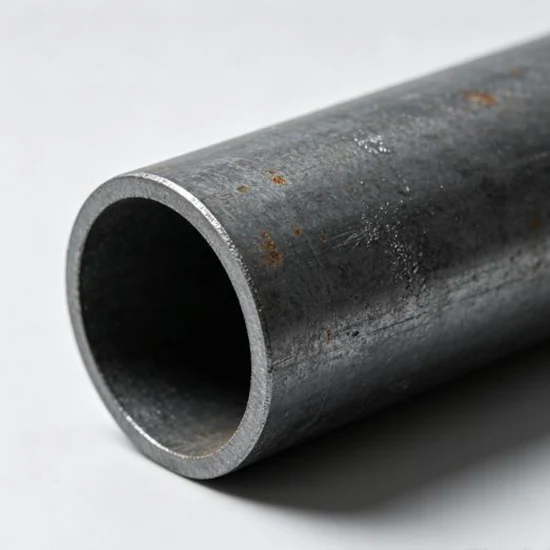
A stainless steel seamless pipe is a tubular product manufactured from stainless steel billets or other suitable solid steel materials through a forming process that creates a hollow structure without a welded longitudinal seam. Unlike welded pipes, seamless products do not contain a welded joint along the pipe body.

This manufacturing characteristic provides a uniform pipe structure and makes seamless pipes suitable for applications where pressure resistance, corrosion performance, and material reliability are important.

Stainless steel contains chromium, which reacts with oxygen to form a thin, protective passive oxide layer on the material surface. This layer helps protect the underlying metal from corrosion and can naturally reform when minor surface damage occurs under suitable conditions.

Depending on the application, stainless steel seamless pipes can be supplied in different material grades, dimensions, wall thicknesses, and surface finishes.

Typical product options include:

  • 304 Stainless Steel: A versatile grade suitable for general industrial applications, food processing, and water transportation.
  • 316L Stainless Steel: A low-carbon grade with improved resistance to chloride-related corrosion and many aggressive chemical environments.
  • 321 Stainless Steel: A titanium-stabilized grade designed for applications where resistance to intergranular corrosion after certain elevated-temperature exposures is important.

For industrial buyers, selecting the correct grade is just as important as choosing the pipe dimensions. The operating medium, temperature, pressure, and installation environment should all be considered before placing an order.


2. How Are Stainless Steel Seamless Pipes Manufactured?

The manufacturing process directly affects the dimensional accuracy, mechanical properties, surface quality, and structural consistency of stainless steel seamless pipes.

Although specific production methods vary according to pipe dimensions and manufacturing equipment, the general process includes several important stages.

Step 1: Raw Material Selection

Production begins with selecting suitable stainless steel billets that meet the required chemical composition and quality specifications. Material selection determines the pipe's basic corrosion resistance and mechanical performance.

Step 2: Heating and Piercing

The solid billet is heated to an appropriate processing temperature and pierced to create a hollow shell. This stage establishes the basic tubular structure without introducing a longitudinal welded seam.

Step 3: Rolling and Sizing

The hollow shell undergoes rolling, elongation, and sizing operations to achieve the required outside diameter and wall thickness. Process parameters must be carefully controlled to maintain dimensional consistency.

Step 4: Heat Treatment and Finishing

Depending on the material grade and applicable product requirements, heat treatment may be performed to achieve the required metallurgical condition. Additional finishing operations can include straightening, cutting, pickling, passivation, and polishing.

Step 5: Inspection and Testing

Finished pipes should undergo appropriate inspection to verify their dimensions, surface condition, material properties, and compliance with the agreed technical specifications.

For projects with demanding service conditions, buyers should confirm the applicable manufacturing standard, inspection requirements, and documentation before production begins.


3. Common Stainless Steel Grades and Their Characteristics

Material grade selection is one of the most important decisions when purchasing stainless steel seamless pipes. Different grades provide different levels of corrosion resistance, temperature performance, and mechanical properties.

Rongheng offers stainless steel seamless pipe options in 304, 316L, and 321 grades to accommodate different industrial requirements.

Material Grade Main Characteristics Typical Applications Selection Considerations
304 Stainless Steel Good general corrosion resistance, oxidation resistance, and balanced cost performance. Food processing, purified water, general chemical equipment, and indoor piping. Suitable for many conventional industrial environments with limited chloride exposure.
316L Stainless Steel Low carbon content and improved resistance to chloride-induced pitting and many corrosive media. Marine systems, seawater-related equipment, pharmaceutical piping, and chemical processing. Preferred for more aggressive environments where 304 may not provide sufficient corrosion resistance.
321 Stainless Steel Titanium-stabilized austenitic stainless steel with good resistance to intergranular corrosion after certain thermal exposures. Selected chemical equipment, heat-exposed piping, and industrial thermal applications. Useful where thermal exposure and stabilization requirements influence material selection.

Why Does 316L Often Suit Marine and Chemical Applications?

316L contains molybdenum, which improves its resistance to localized corrosion, particularly pitting corrosion caused by chloride exposure. This makes it a common choice for coastal installations, selected seawater systems, and chemical processing equipment.

However, no stainless steel grade is universally resistant to every chemical or seawater condition. Actual performance depends on chloride concentration, temperature, chemical composition, flow conditions, and maintenance practices.


4. What Are the Main Advantages of Stainless Steel Seamless Pipe?

Stainless steel seamless pipes combine the corrosion-resistant characteristics of stainless steel with the structural advantages of seamless construction. These properties make them suitable for various industrial applications.

4.1 Excellent Corrosion Resistance

The chromium-rich passive layer helps protect stainless steel against oxidation, moisture, and many corrosive substances. Compared with unprotected carbon steel, stainless steel can significantly reduce rust-related problems in appropriately selected environments.

For coastal, chemical, and humid installations, choosing the correct stainless steel grade can help extend equipment service life and reduce maintenance requirements.

4.2 Reliable Structural Integrity

Because seamless pipes have no longitudinal welded seam, they avoid potential performance variations associated with a weld joint. Their uniform construction makes them suitable for demanding piping applications when the material, dimensions, and manufacturing quality meet the relevant requirements.

4.3 Smooth Internal Surface

A properly finished internal surface can reduce material accumulation and facilitate cleaning. This characteristic is particularly valuable in food processing, pharmaceutical production, and water treatment systems where fluid cleanliness is important.

4.4 Good Temperature Performance

Different stainless steel grades can perform across a broad range of operating temperatures. The appropriate grade must be selected according to the actual temperature, pressure, mechanical loading, and corrosion conditions.

4.5 Long-Term Cost Efficiency

Although stainless steel seamless pipes generally cost more initially than conventional carbon steel alternatives, their corrosion resistance and relatively low maintenance requirements can provide lifecycle cost advantages in demanding environments.

Key benefits include:

  • Reduced risk of rust-related contamination.
  • Good resistance to many industrial corrosive environments.
  • No longitudinal welded seam in the pipe body.
  • Suitable options for sanitary and precision piping applications.
  • Multiple material grades for different operating conditions.
  • Potentially lower maintenance costs over the service life.

5. Where Are Stainless Steel Seamless Pipes Used?

Because of their corrosion resistance, structural reliability, and material versatility, stainless steel seamless pipes are used in a wide range of industrial sectors.

5.1 Chemical Processing Industry

Chemical plants frequently handle corrosive liquids, industrial gases, and process fluids. Stainless steel seamless pipes made from suitable grades can provide reliable transportation solutions for compatible chemical media.

5.2 Food and Beverage Manufacturing

Food production systems require piping materials that support hygienic operation and effective cleaning. Stainless steel pipes with appropriate internal finishes are widely used in beverage production, food processing, and liquid transfer systems.

5.3 Pharmaceutical Industry

Pharmaceutical facilities often require clean piping systems with controlled surface conditions. Properly specified stainless steel pipes can support fluid transportation in pharmaceutical production and associated processing equipment.

5.4 Water Treatment and Environmental Protection

Water treatment plants use stainless steel piping in filtration systems, purification equipment, chemical dosing lines, and other water transportation applications. Material selection should account for water chemistry and chloride concentration.

5.5 Marine and Coastal Engineering

Marine environments expose piping systems to moisture, salt spray, and chloride-containing substances. 316L is often considered for these conditions because of its improved resistance to chloride-induced pitting compared with 304.

5.6 Industrial Equipment and Manufacturing

Stainless steel seamless pipes are also incorporated into industrial machinery, heat exchange equipment, process installations, and specialized mechanical systems where corrosion resistance and dimensional reliability are required.


6. Stainless Steel vs. Carbon Steel vs. Alloy Steel

Choosing between stainless steel, carbon steel, and alloy steel seamless pipes requires an understanding of the operating environment rather than simply comparing purchase prices.

Each material has different performance characteristics and is designed to address specific engineering requirements.

Comparison Factor Stainless Steel Carbon Steel Alloy Steel
Corrosion Resistance Generally excellent, depending on grade and environment. Limited without protective treatment. Varies by alloy composition; not necessarily corrosion resistant.
Mechanical Performance Good strength and ductility across suitable grades. Good strength and processing performance. Can provide high strength and creep resistance at elevated temperatures.
Temperature Applications Suitable for various low- and high-temperature applications depending on grade. Commonly used in conventional industrial service. Frequently selected for demanding high-temperature systems.
Maintenance Relatively low in properly selected environments. May require coatings and regular corrosion protection. Depends on operating conditions and protective requirements.
Initial Cost Generally higher than standard carbon steel. Usually more economical. Varies according to alloy composition and specification.
Typical Applications Chemical, food, pharmaceutical, water treatment, and marine systems. General pipelines, structural systems, and conventional industrial applications. Boilers, thermal power plants, and high-temperature pressure systems.

Which Material Should Industrial Buyers Choose?

  • Choose stainless steel: When corrosion resistance, cleanliness, and long-term durability are major priorities.
  • Choose carbon steel: When the operating environment is relatively non-corrosive and purchase cost is a primary consideration.
  • Choose alloy steel: When high-temperature strength, pressure performance, and creep resistance are essential.

The most economical solution is not necessarily the material with the lowest initial price. Engineers should evaluate expected service life, maintenance costs, replacement frequency, and operational risks before making a final decision.


7. How to Choose the Right Stainless Steel Seamless Pipe

Purchasing the correct stainless steel seamless pipe requires more than identifying a material grade. Buyers should evaluate the complete operating conditions and technical specifications before requesting a quotation.

7.1 Confirm the Operating Medium

Identify the liquid, gas, or chemical that will flow through the pipe. Different media have different corrosive characteristics. For example, fresh water and chloride-rich seawater may require different stainless steel grades.

7.2 Determine the Required Material Grade

Consider whether 304, 316L, or 321 is appropriate for the intended application. The decision should be based on chemical compatibility, temperature exposure, and the applicable engineering requirements.

7.3 Check Outside Diameter and Wall Thickness

Pipe dimensions directly influence installation compatibility, flow capacity, and pressure design. Confirm the required outside diameter, nominal size, wall thickness, and dimensional tolerances.

7.4 Evaluate Surface Finish Requirements

Different industries require different surface conditions. Available finishing options may include:

  • Standard industrial surface finish.
  • Pickling and passivation.
  • Internal and external polishing.
  • Precision surface finishing for specialized equipment.
  • Custom finishing according to project requirements.

7.5 Confirm Applicable Standards and Testing

Buyers should specify the required manufacturing standard, dimensional tolerances, mechanical testing, chemical composition verification, and inspection documentation. Depending on the project, relevant requirements may include ASTM, ASME, or EN standards.

7.6 Evaluate Supplier Capabilities

A dependable supplier should be able to clarify material specifications, production requirements, customization options, and inspection arrangements. Technical communication before ordering helps reduce specification misunderstandings and procurement risks.

For an accurate material recommendation and quotation, prepare the following information:

  1. Operating medium and chemical composition.
  2. Working temperature and design pressure.
  3. Required stainless steel grade.
  4. Outside diameter and wall thickness.
  5. Pipe length and required quantity.
  6. Surface treatment and applicable standards.
  7. Delivery destination and project schedule.

8. Important Quality and Inspection Considerations

Product quality is essential for ensuring that stainless steel seamless pipes perform reliably throughout their intended service life. Industrial buyers should establish clear inspection requirements before confirming an order.

Several quality factors deserve particular attention.

Chemical Composition Verification

Material composition should be checked against the specified stainless steel grade. This helps confirm that the supplied product meets the required metallurgical and corrosion-resistance characteristics.

Dimensional Inspection

Outside diameter, wall thickness, length, straightness, and dimensional tolerances should be verified according to the agreed product specification.

Mechanical Property Testing

Depending on the applicable standard and order requirements, tensile strength, yield strength, elongation, hardness, and other mechanical properties may need to be evaluated.

Non-Destructive Testing

Suitable non-destructive examination methods can be specified to assess product integrity. The required testing method and acceptance criteria should be agreed upon before production or shipment.

Surface Quality and Documentation

Inspect the internal and external surfaces for defects that may affect service performance. Buyers should also confirm the availability of relevant inspection reports, material test certificates, and traceability documentation where required.

A comprehensive quality assessment should consider both the manufacturing process and the final product rather than relying on appearance alone.


9. Frequently Asked Questions (FAQ)

Q1: What is the main difference between stainless steel seamless pipe and welded stainless steel pipe?

The main difference is the manufacturing structure. Seamless pipes are formed without a longitudinal welded joint, while welded pipes are manufactured by joining steel material through a welding process. Both types can be suitable for industrial applications, depending on the required dimensions, standards, operating conditions, and project specifications.

Q2: Is 304 or 316L better for stainless steel seamless pipes?

Neither grade is universally better. 304 is suitable for many general industrial, food-processing, and fresh-water applications. 316L offers improved resistance to chloride-induced pitting and is generally preferred for more aggressive environments, including many marine and chemical applications.

Q3: Can stainless steel seamless pipes be used in high-temperature applications?

Yes. Certain stainless steel grades are suitable for elevated-temperature applications. However, the maximum allowable operating temperature depends on the grade, pressure, wall thickness, design standard, and actual service conditions. Specialized high-temperature alloy steel may be more appropriate for some applications.

Q4: Are stainless steel seamless pipes suitable for seawater transportation?

316L is often considered for seawater-related applications because it has better chloride resistance than 304. However, seawater can be highly corrosive, and 316L is not immune to localized corrosion. More demanding conditions may require duplex stainless steel or other specialized corrosion-resistant alloys.

Q5: Can stainless steel seamless pipes be customized?

Yes. Depending on production capabilities and order requirements, customization may include material grade, outside diameter, wall thickness, length, surface treatment, polishing, and pickling and passivation. Buyers should confirm the available specifications with the supplier before ordering.

Q6: Do stainless steel seamless pipes require regular maintenance?

Stainless steel seamless pipes generally require less corrosion-related maintenance than unprotected carbon steel pipes in suitable environments. Nevertheless, periodic inspection, appropriate cleaning, and monitoring of operating conditions remain important, especially in chloride-rich or chemically aggressive environments.

Q7: What information is required to obtain a stainless steel seamless pipe quotation?

Buyers should provide the material grade, outside diameter, wall thickness, pipe length, quantity, applicable standard, surface finish, operating medium, temperature, pressure, and delivery requirements. Providing complete technical information helps suppliers evaluate the application and prepare a more accurate quotation.


10. Conclusion: Why Choose Rongheng for Stainless Steel Seamless Pipe Solutions?

Selecting the right stainless steel seamless pipe is an important investment in industrial system reliability, corrosion protection, and long-term operating efficiency. From 304 general-purpose piping to 316L corrosion-resistant solutions and 321 temperature-related applications, the correct material must be matched to the actual operating environment and engineering specifications.

As a steel product supplier, Rongheng provides stainless steel seamless pipe options for chemical processing, food production, pharmaceutical facilities, water treatment, marine engineering, and other industrial applications. With customizable dimensions, material grades, and surface finishing options, Rongheng helps buyers identify suitable piping solutions according to their project requirements.

Whether you are an engineering contractor, industrial equipment manufacturer, distributor, or project procurement specialist, choosing a supplier that understands material selection and technical specifications can make a meaningful difference to your purchasing results. If you are looking for reliable stainless steel seamless pipes with suitable grades, dimensions, and finishing options, contact us today. Share your technical requirements with Rongheng to discuss product availability, customized specifications, and a quotation for your next industrial project.

Related News
Leave me a message
X
We use cookies to offer you a better browsing experience, analyze site traffic and personalize content. By using this site, you agree to our use of cookies. Privacy Policy
RejectAccept