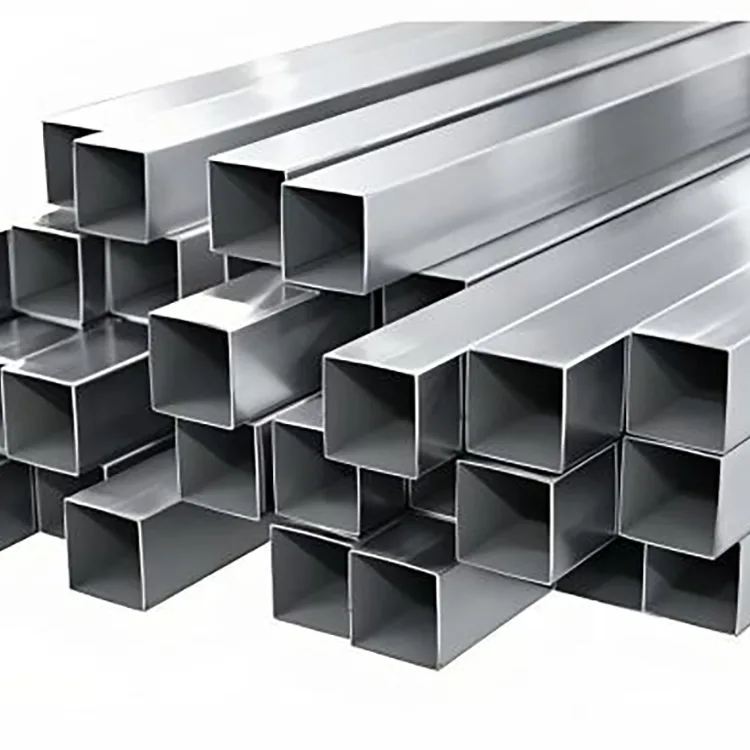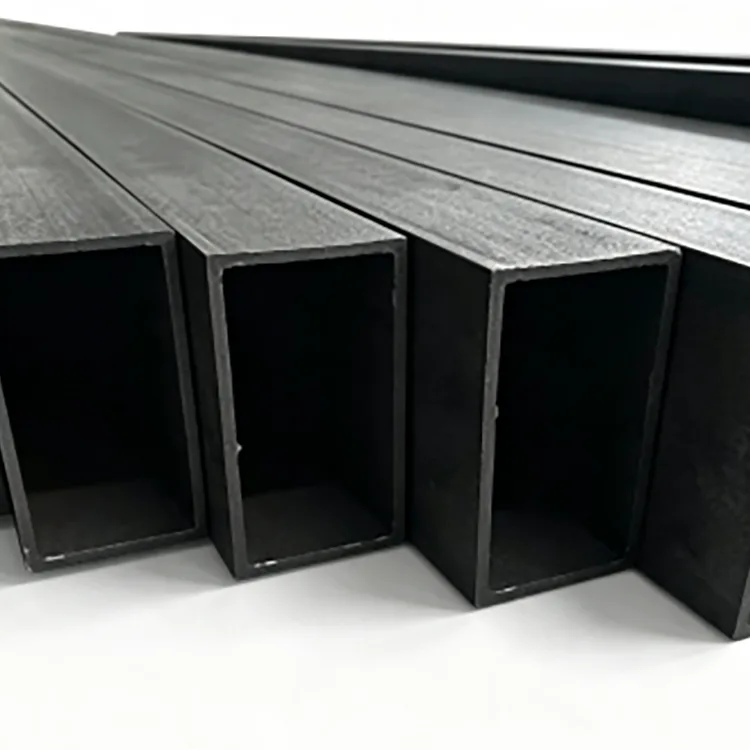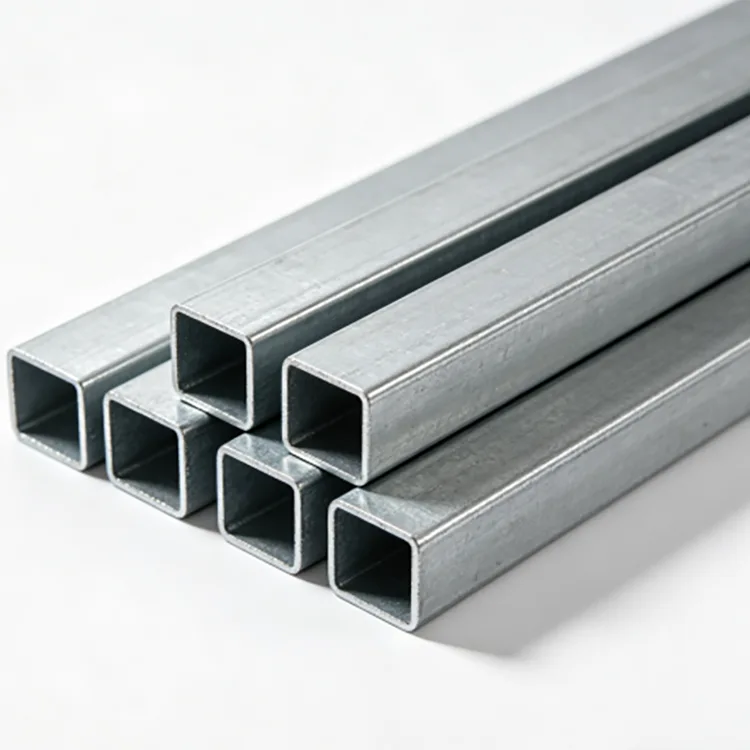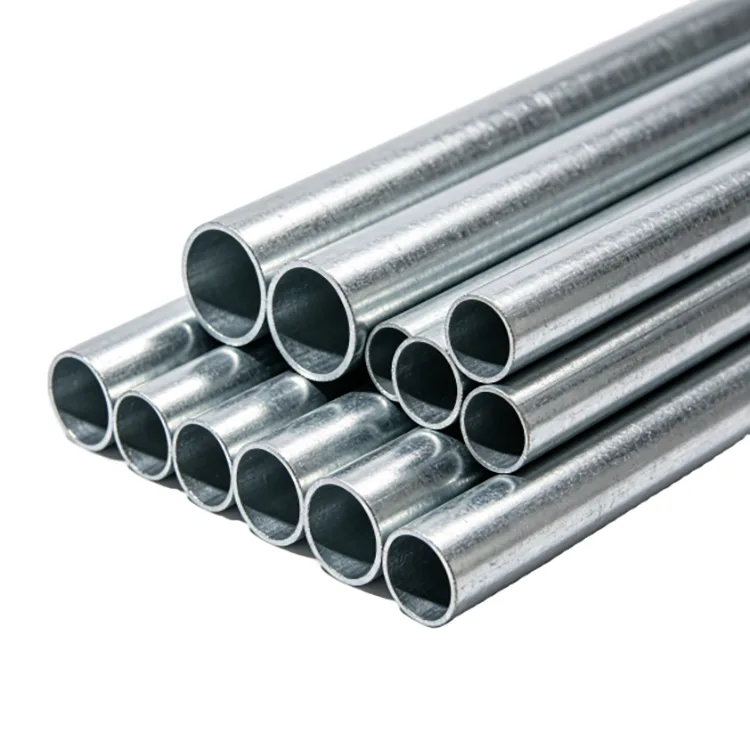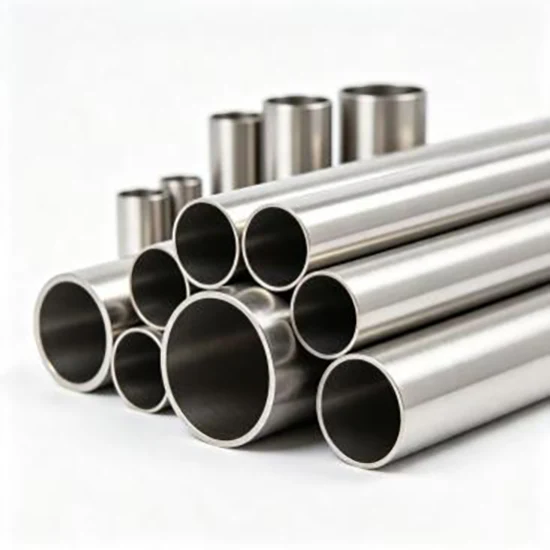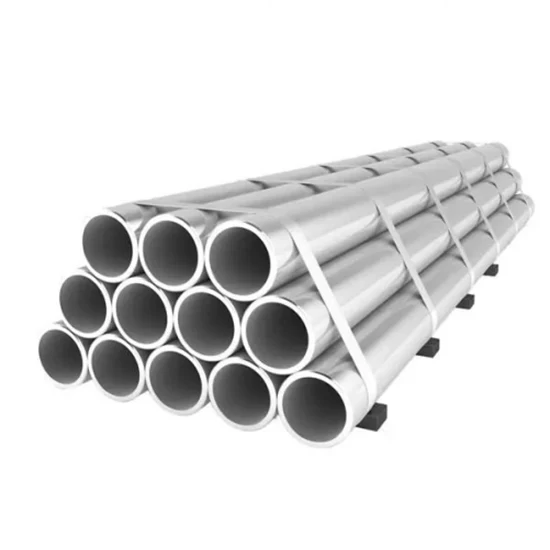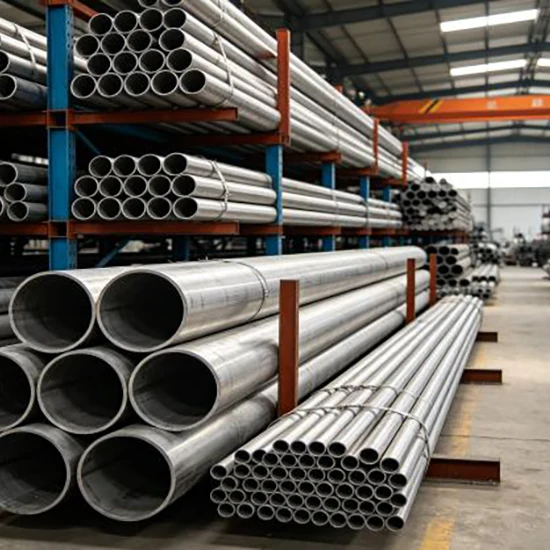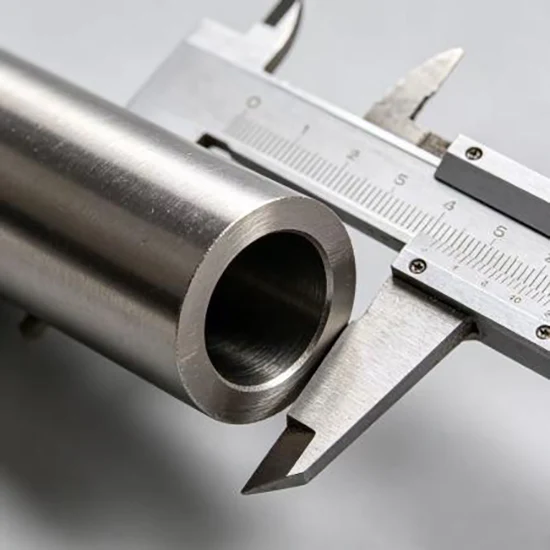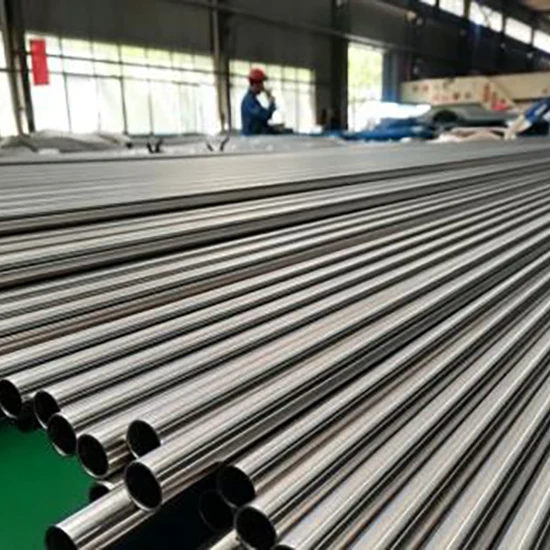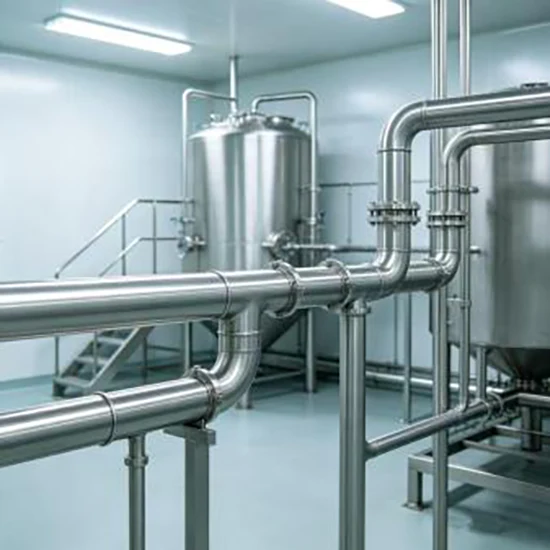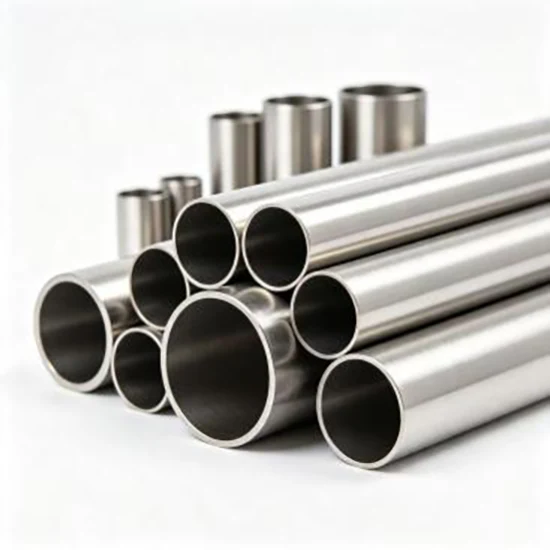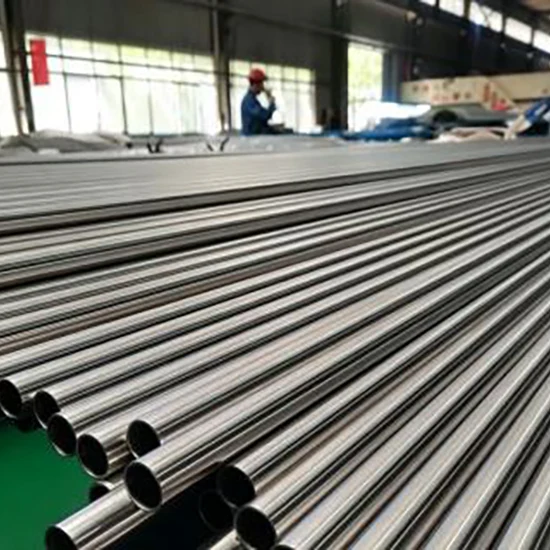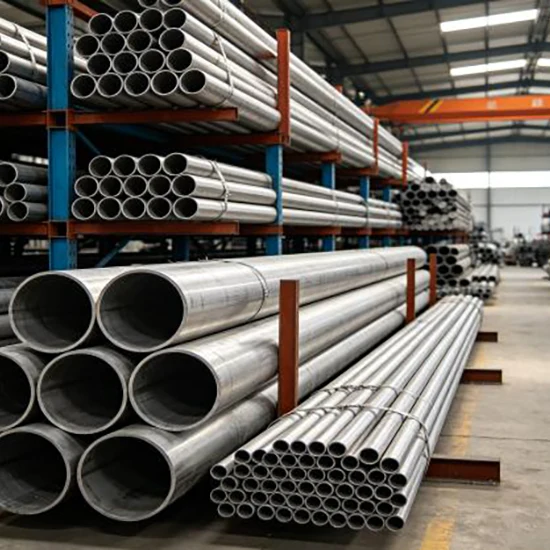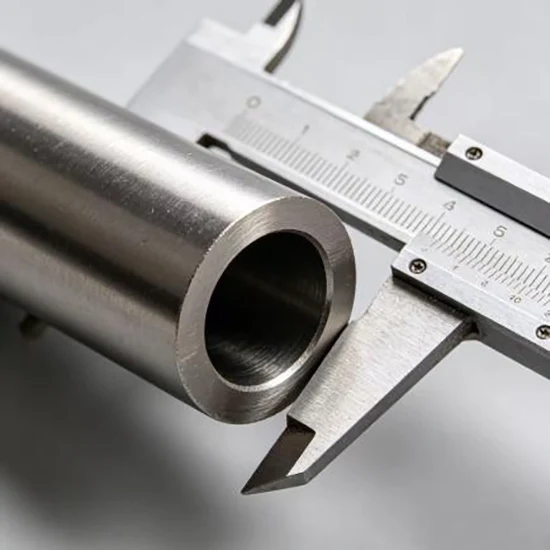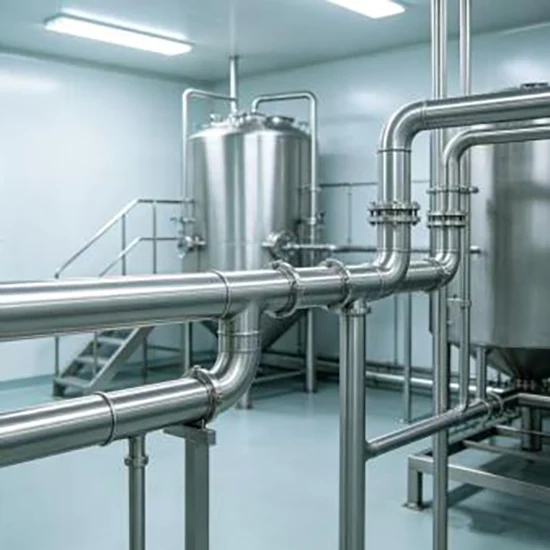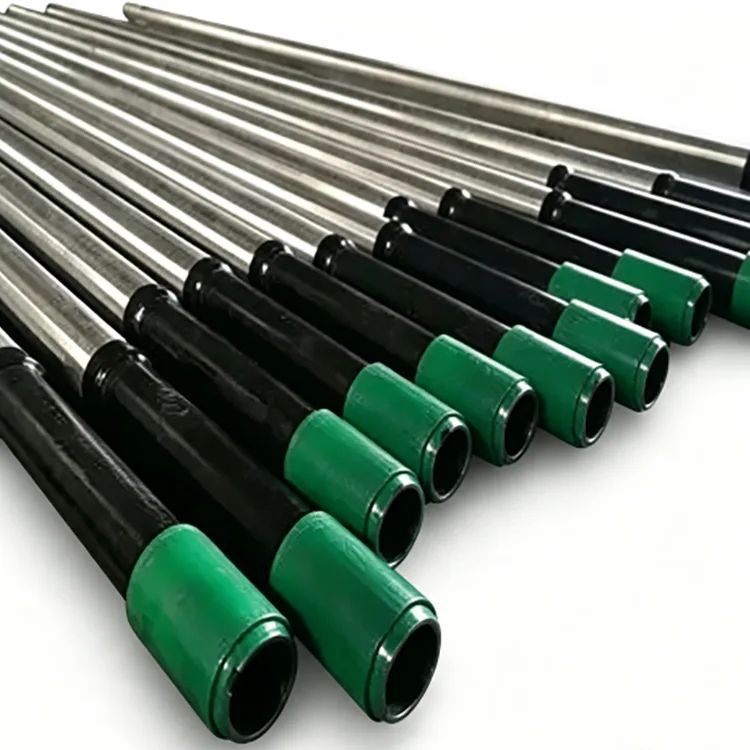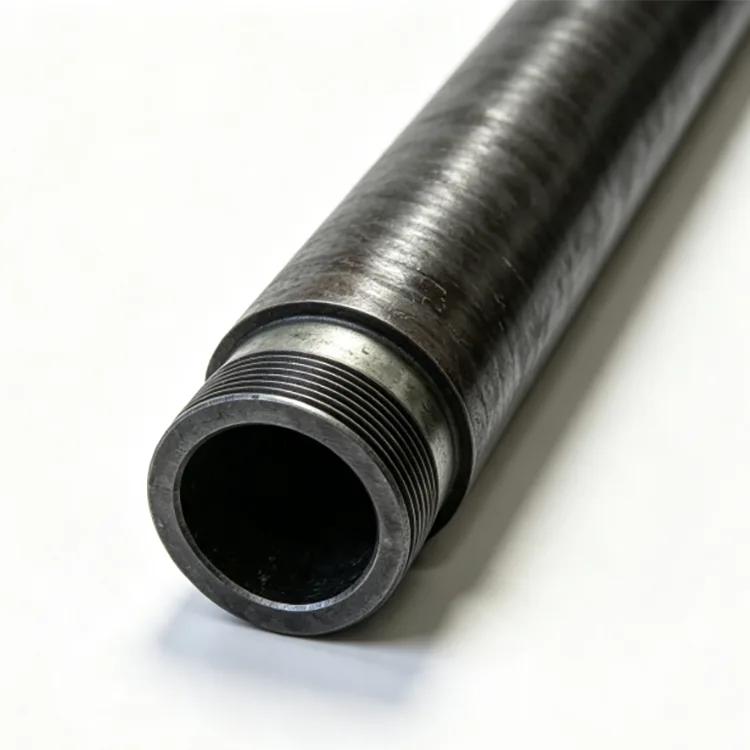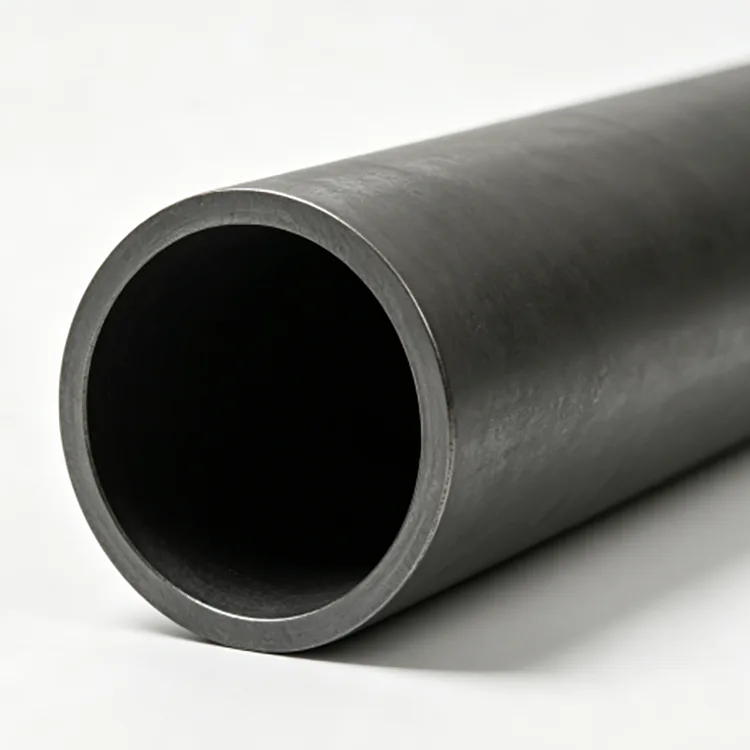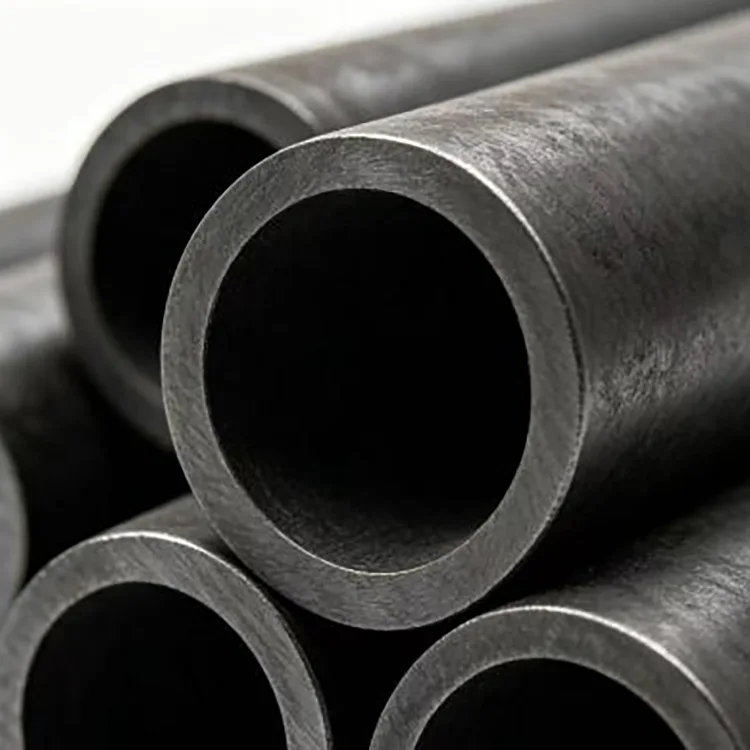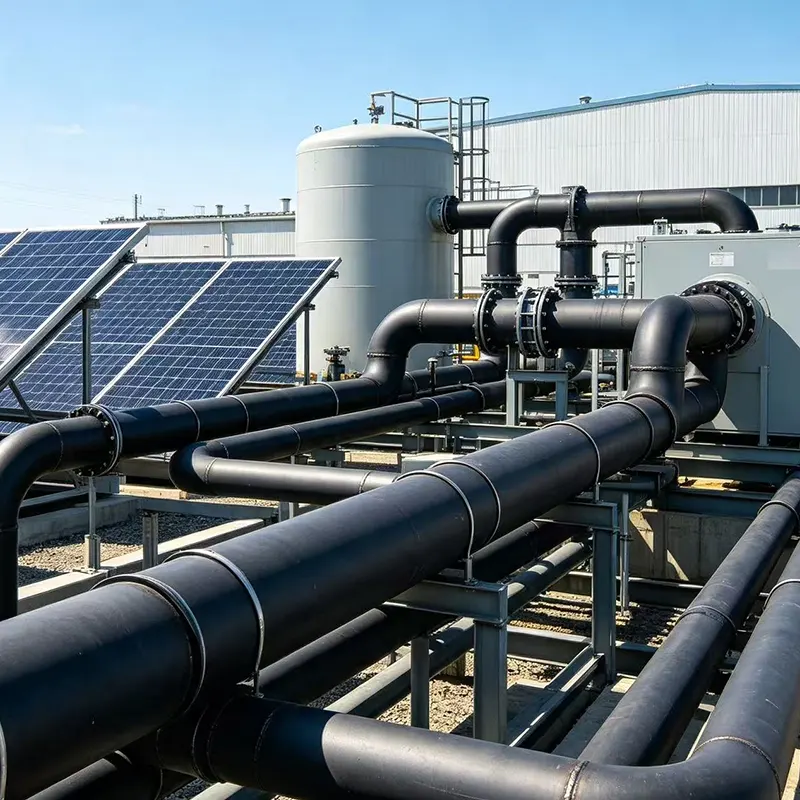
Stainless Steel Seamless Pipe in 304, 316L and 321 grades for chemical, food, pharmaceutical, water treatment and seawater applications. Custom sizes, wall thicknesses, polishing and pickling/passivation are available.
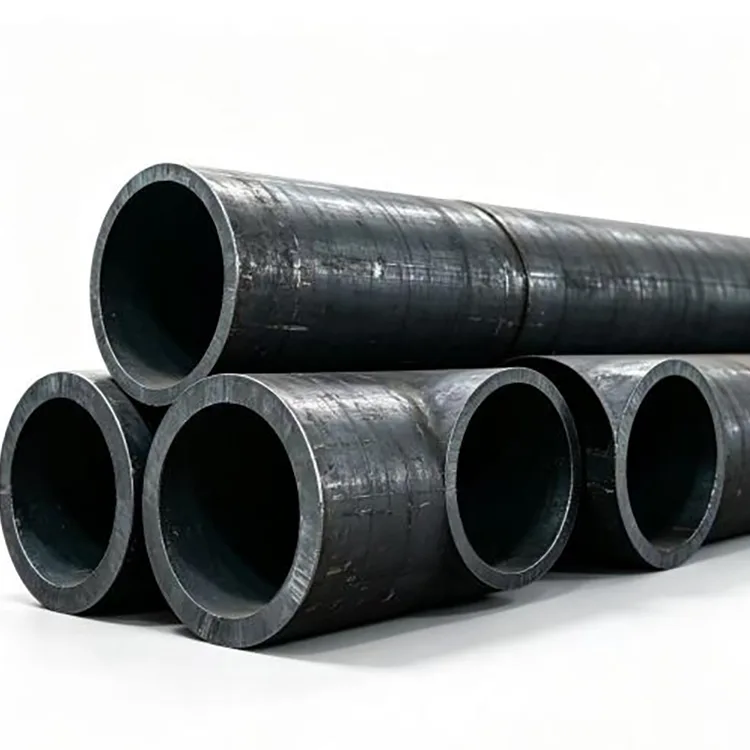
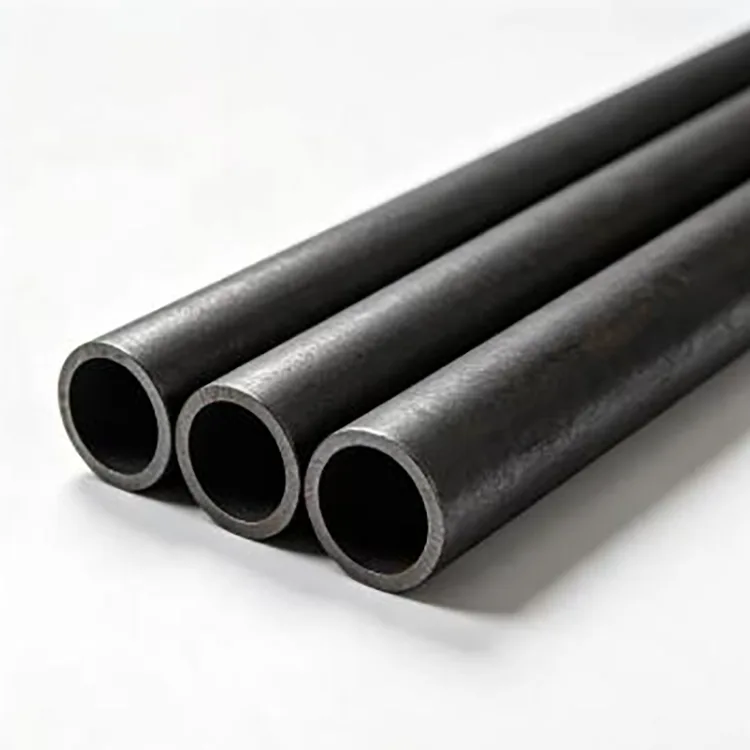
Stainless steel seamless pipes are manufactured from stainless steel grades such as 304 and 316L through a seamless forming process, with no welded joints. Their dense metallurgical structure and stable passive oxide layer provide excellent corrosion resistance, high-temperature performance, oxidation resistance, and clean internal surfaces.
Compared with carbon steel pipes, they help reduce problems such as rust, leakage, and contamination of the conveyed medium. They are widely used in chemical processing, pharmaceuticals, food processing, water treatment, environmental protection, seawater applications, and other demanding industrial environments.
Main Material Grades and Typical Applications
Material Grade Key Characteristics Typical Applications
304 Stainless Steel General corrosion and oxidation resistance with a good balance between performance and cost Purified water, food processing, general chemical applications, indoor precision piping
316L Stainless Steel Improved resistance to acids, alkalis, salt spray, and chloride-induced corrosion Seawater systems, chemical processing, pharmaceutical piping, coastal and marine projects
Key Product Advantages
Corrosion Resistance: The naturally formed passive layer provides good resistance to moisture, salt spray, and many acidic and alkaline environments, helping reduce rust, pitting, and leakage.
Clean and Hygienic Internal Surface: The smooth inner surface minimizes contamination and material buildup, making stainless steel seamless pipe suitable for food, pharmaceutical, and water treatment applications where cleanliness is important.
Wide Temperature Capability: Depending on the selected grade, pipe design, pressure, and service conditions, stainless steel can be used across a wide range of temperatures, including demanding low- and high-temperature applications.
Long Service Life: In properly selected outdoor and corrosive applications, stainless steel piping can provide a long service life with relatively low maintenance requirements.
Material Selection Comparison
When selecting seamless pipe, B2B buyers, engineering contractors, and equipment manufacturers often need to decide between stainless steel, carbon steel, and alloy steel. There is no single material that is best for every application. The correct choice depends on the operating medium, temperature, pressure, corrosion exposure, and project budget.
The following comparison highlights the practical differences between the three major options to help buyers avoid inappropriate material selection and unnecessary lifecycle costs.
Excellent corrosion resistance; good resistance to moisture and salt spray; clean internal surface; suitable for food, seawater, chemical, and other demanding applications
Lower purchase cost; widely available; good weldability, machinability, and processing performance; suitable for many conventional pressure applications
Excellent high-temperature and high-pressure performance; good strength retention and creep resistance at elevated temperatures; widely used in boilers and thermal power systems
Main Limitations
Higher purchase cost than carbon steel; not the preferred choice for highly abrasive applications
Prone to rust without protective treatment; requires corrosion protection in humid or outdoor environments; unsuitable for many corrosive media
Corrosion resistance is generally lower than stainless steel; material selection and processing requirements can be more demanding
Corrosion Resistance
Good resistance to moisture, salt spray, many mild acids and alkalis, and chloride exposure; 316L is preferred for more aggressive chloride environments
Limited inherent corrosion resistance; exposed surfaces require appropriate coating or other protection
Primarily selected for high-temperature strength rather than corrosion resistance; additional protection may be required depending on the environment
Typical Temperature Range*
Suitable for a wide range of low- and high-temperature applications; exact limits depend on grade, pressure, and design conditions
Generally used for ambient and moderate-temperature service; exact limits depend on grade and application standard
Designed for elevated-temperature and high-pressure service; exact limits depend on alloy grade and operating conditions
Typical Media
Fresh water, selected seawater applications, food fluids, oils, industrial gases, and various mildly corrosive media
Water, compressed air, non-corrosive oil and gas, and other relatively non-corrosive media
High-temperature steam, heat-transfer fluids, high-pressure thermal systems, and other non-corrosive high-temperature media
Purchase Cost
Generally higher than carbon steel for the same size and specification
Generally the most economical option for non-corrosive applications
Generally higher than standard carbon steel and selected for specific high-temperature requirements
Maintenance
Relatively low maintenance when correctly selected and installed; no routine painting is normally required for many applications
May require regular inspection, surface preparation, and anti-corrosion coating depending on the environment
Maintenance and surface protection depend on operating temperature, environment, and project specifications
Common Selection Mistakes
Using 304 in highly chloride-exposed environments where 316L would be more appropriate; selecting stainless steel for applications where a lower-cost material would perform adequately
Using carbon steel in seawater, corrosive chemical, or exposed outdoor applications without sufficient corrosion protection
Assuming alloy steel provides the same corrosion resistance as stainless steel and using it in corrosive environments without proper protection
* Actual service temperature and pressure limits must be determined according to the material grade, applicable standard, wall thickness, design conditions, and operating environment.
Quick Material Selection Guide
1. Corrosive environment, seawater, water treatment, food processing, or low-maintenance requirements → 304/316L stainless steel seamless pipe
3. High-temperature and high-pressure service, boiler or steam systems, and non-corrosive media → Alloy steel seamless pipe
Recommended Materials by Application
Stainless Steel Seamless Pipe — 304 / 316L / 321
Best suited for: Outdoor installations, coastal and salt-spray environments, humid conditions, water treatment, seawater-related systems, chemical processing, pharmaceutical piping, food processing, and applications where clean internal surfaces and long-term corrosion resistance are important.
Less suitable for: Extremely high-temperature and high-pressure service involving non-corrosive media where a specialized alloy steel grade may provide a more economical solution, or highly abrasive applications where a wear-resistant material is required.
Carbon Steel Seamless Pipe — 20#, 45#, Q345B
Best suited for: Dry indoor environments, structural applications, conventional hydraulic systems, underground water pipelines in non-corrosive conditions, and projects where material cost is a major consideration.
Not recommended for: Unprotected outdoor installations, coastal projects, seawater systems, corrosive chemical service, water treatment applications with significant corrosion exposure, or fluid systems where internal cleanliness is critical.
Best suited for: Thermal power plants, industrial boilers, high-temperature heat-transfer systems, high-pressure steam pipelines, and continuous high-temperature service where creep strength and high-temperature mechanical properties are critical.
Not recommended for: Acidic or alkaline media, seawater, salt-spray environments, or other applications where corrosion resistance is the primary requirement. Alloy steel should not be treated as a direct substitute for stainless steel in corrosive service.
Selection Support
If you are unsure which pipe material is appropriate for your application, there is no need to make the selection based on price alone.
Provide the following five parameters:
Medium + Operating Temperature + Pressure + Installation Environment + Budget
Our team can use these details to recommend a suitable material and provide a quotation based on your actual application requirements.
FAQ
Q1: How should I choose between 304 and 316L stainless steel seamless pipe?
304 is generally suitable for fresh water, food processing, indoor applications, and many general-purpose environments. 316L is preferred for seawater, chloride exposure, coastal environments, and applications involving more aggressive corrosive media because of its improved resistance to chloride-induced pitting and corrosion.
Q2: Does alloy steel seamless pipe have better corrosion resistance than stainless steel?
No. Alloy steel is primarily selected for its high-temperature strength, pressure performance, and creep resistance. It does not provide the same general corrosion resistance as 304 or 316L stainless steel. In seawater, salt spray, acidic, or alkaline environments, the appropriate stainless steel grade is generally a better choice.
Q3: Can stainless steel seamless pipes be supplied with mirror polishing or pickling and passivation?
Yes. Depending on the application and specification, options can include internal and external polishing, pickling and passivation, and precision finishing. These treatments are commonly considered for pharmaceutical, food-processing, sanitary, and precision equipment applications.
Q4: Does stainless steel seamless pipe have a higher pressure rating than carbon steel or alloy steel pipe of the same size?
Not necessarily. Pressure capacity depends on factors including material strength, pipe outside diameter, wall thickness, operating temperature, design code, and allowable stress. Certain carbon steel and alloy steel grades may provide higher strength for specific high-pressure or high-temperature applications. For material selection and pressure verification, provide the operating medium, temperature, pressure, pipe dimensions, and applicable design standard.
Hot Tags: Stainless Steel Seamless Pipe Manufacturer, Supplier
We use cookies to offer you a better browsing experience, analyze site traffic and personalize content. By using this site, you agree to our use of cookies. Privacy Policy