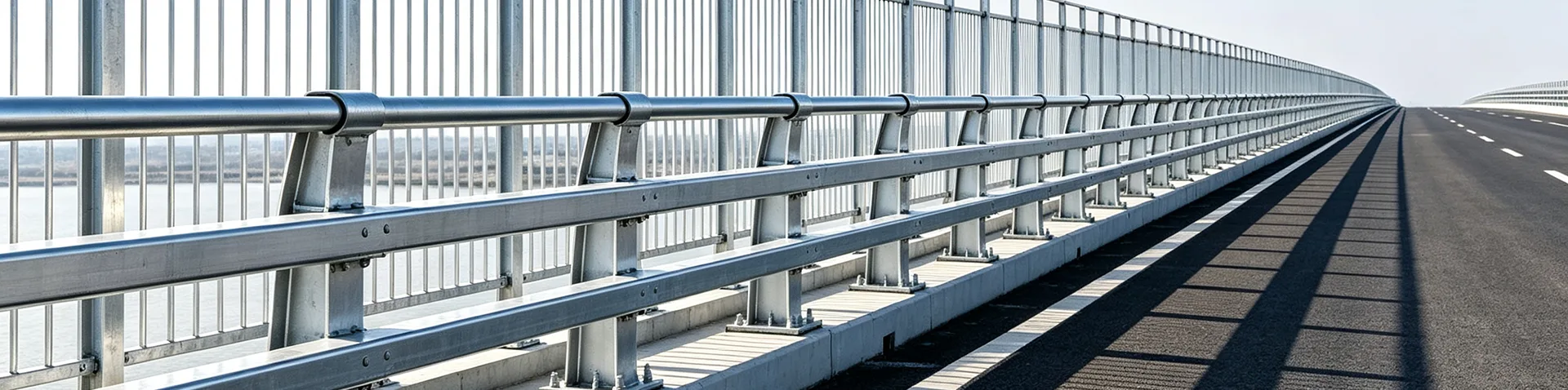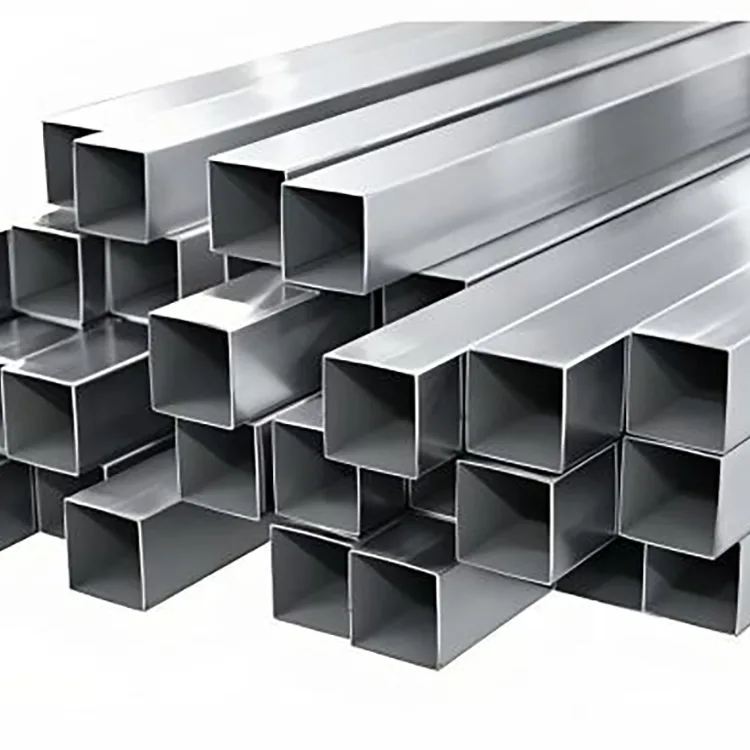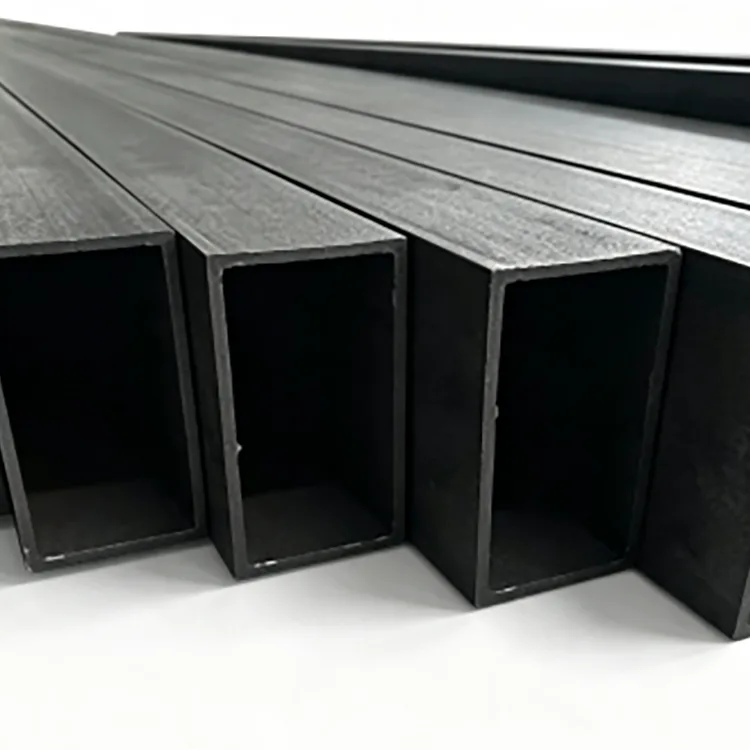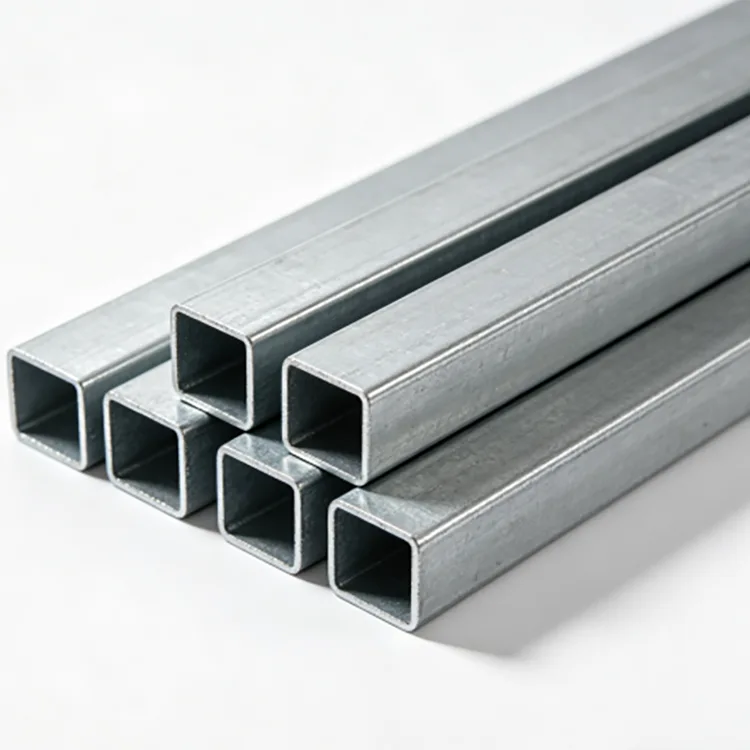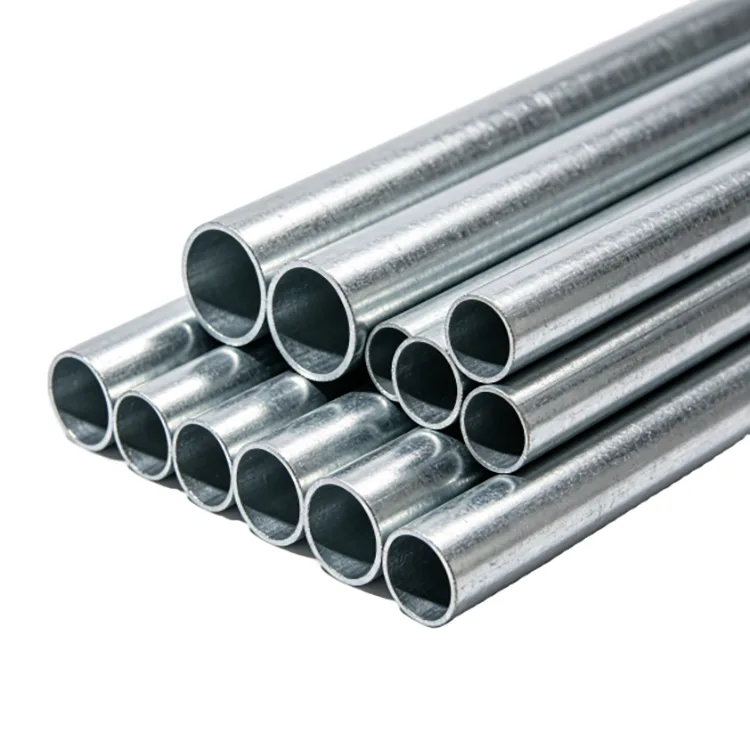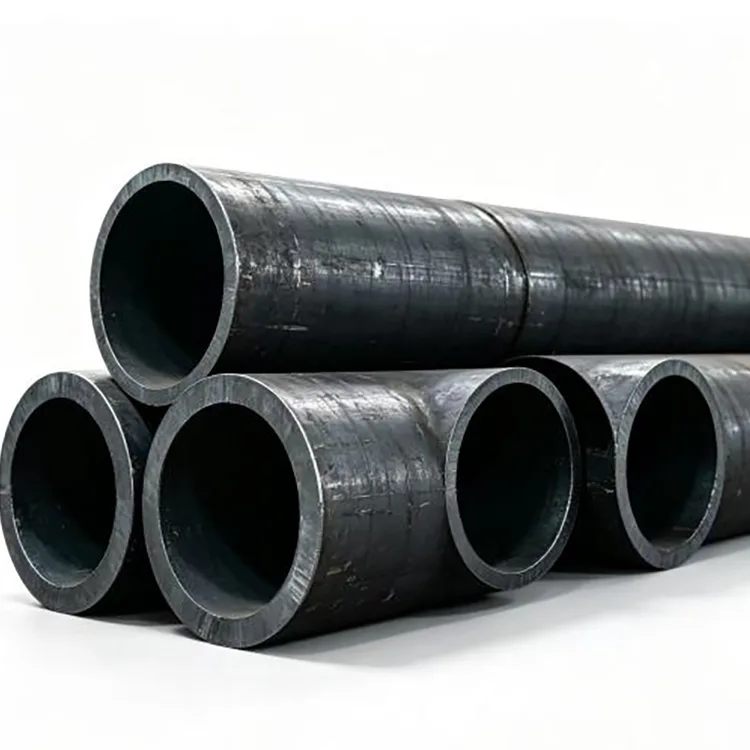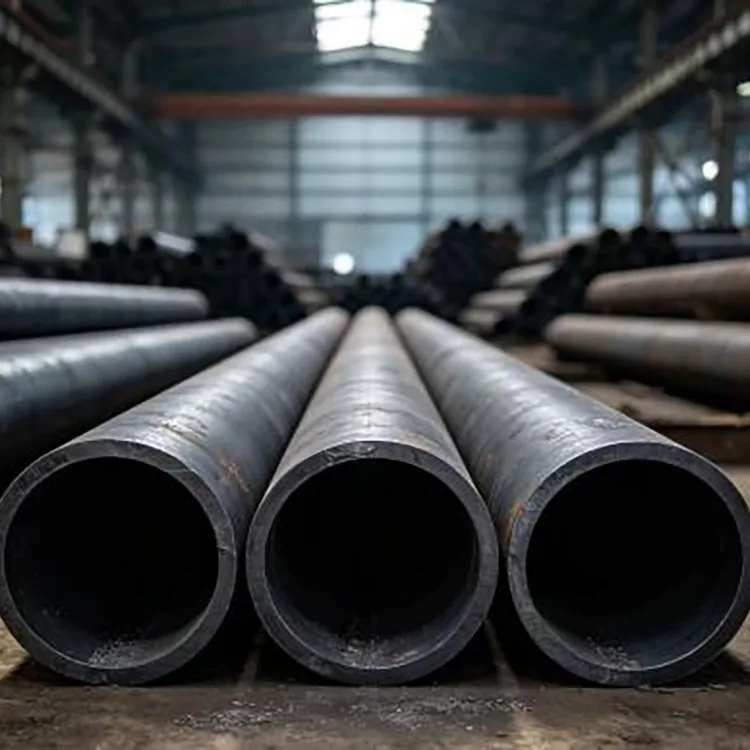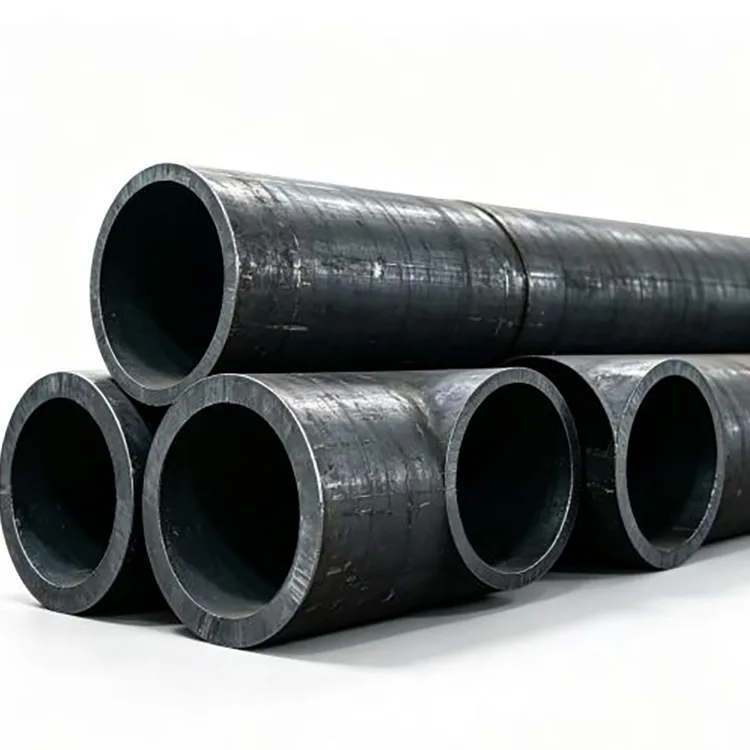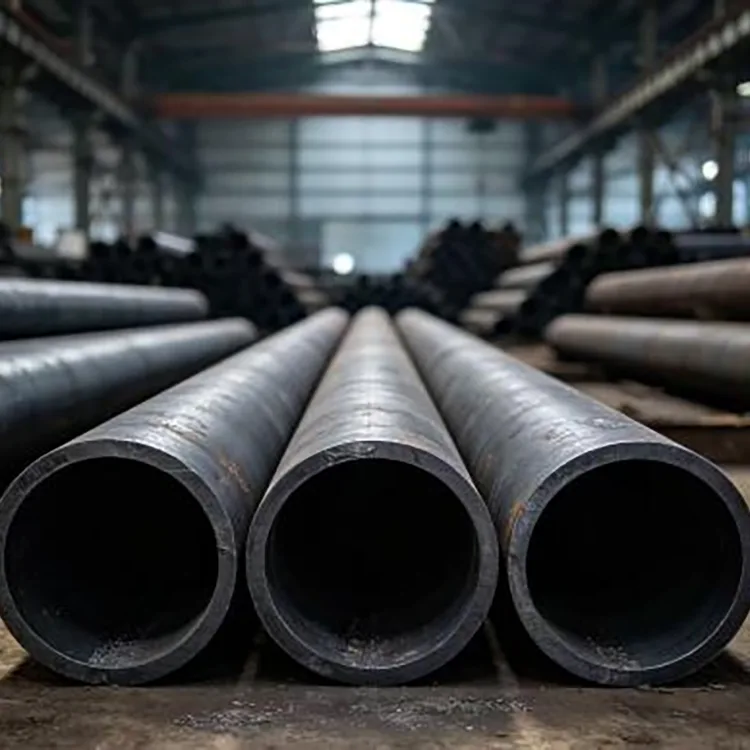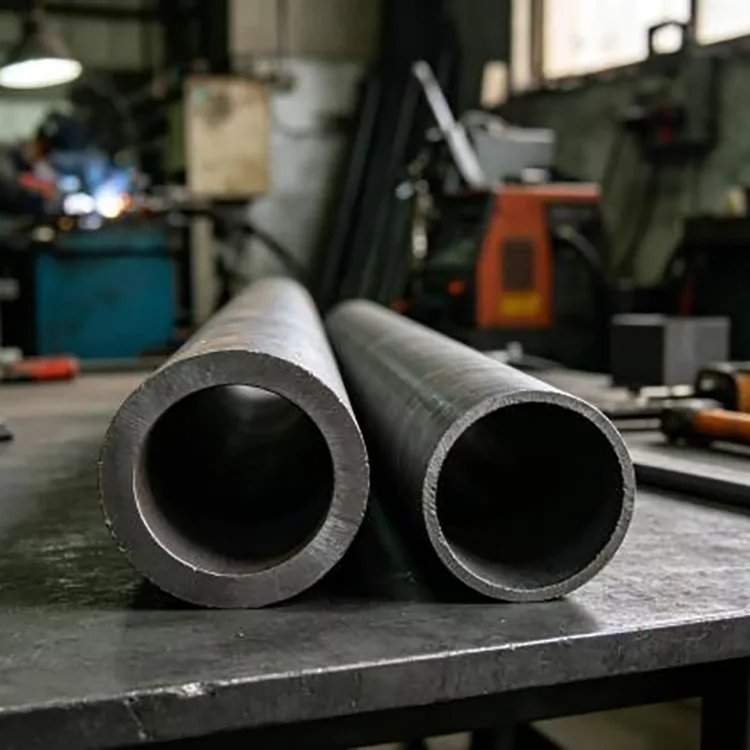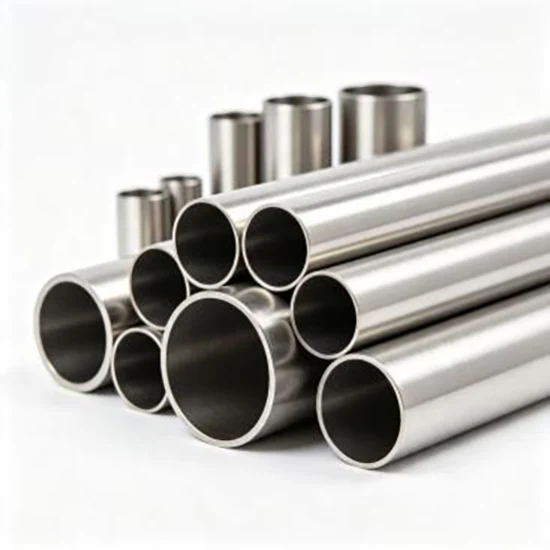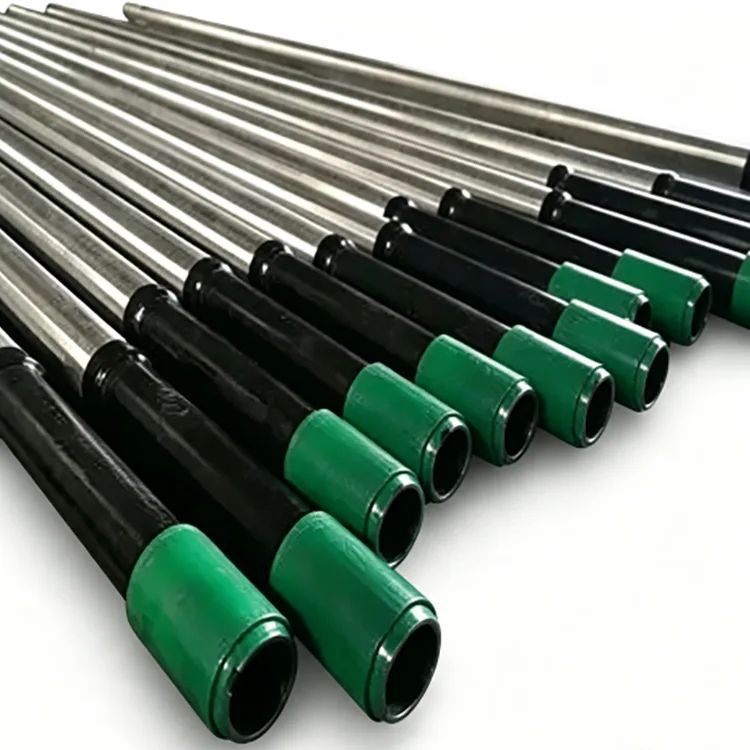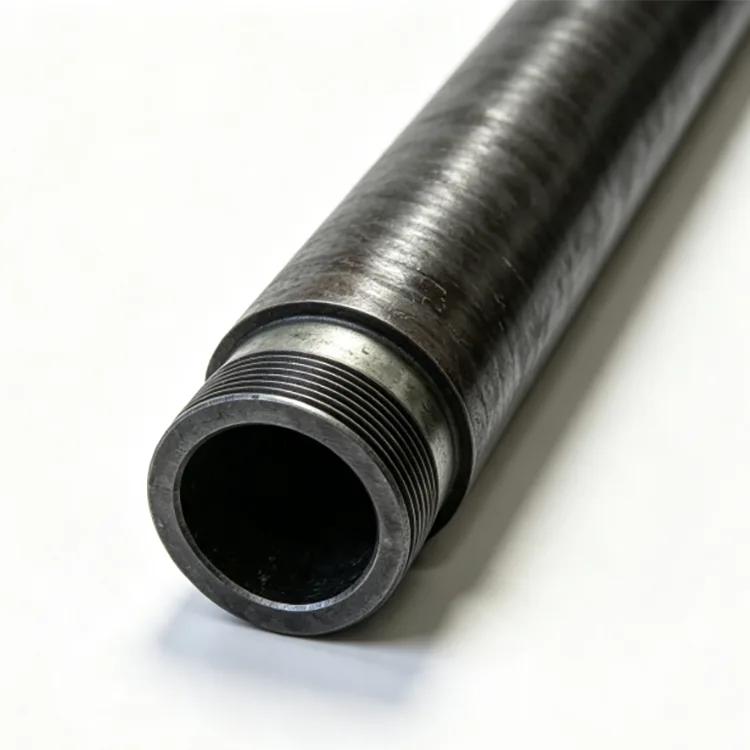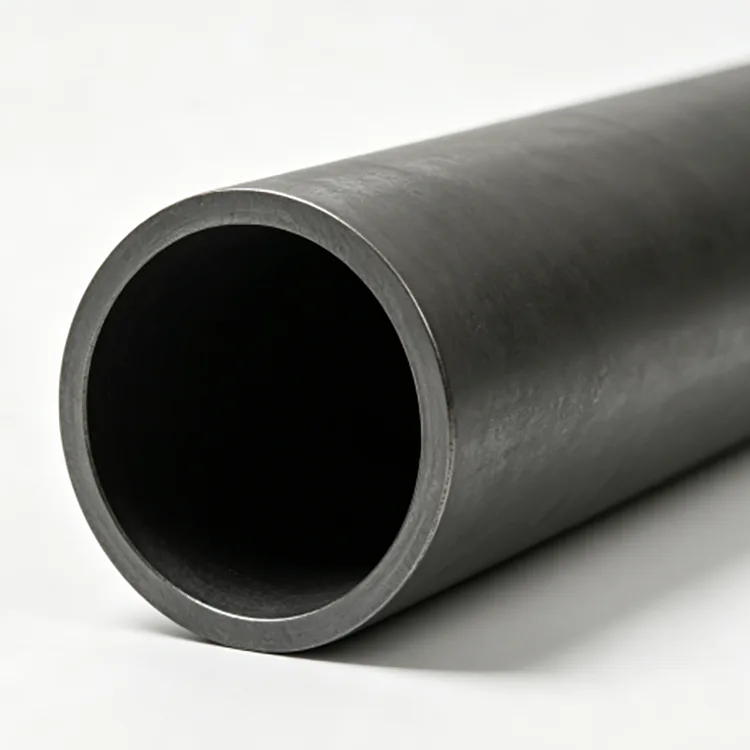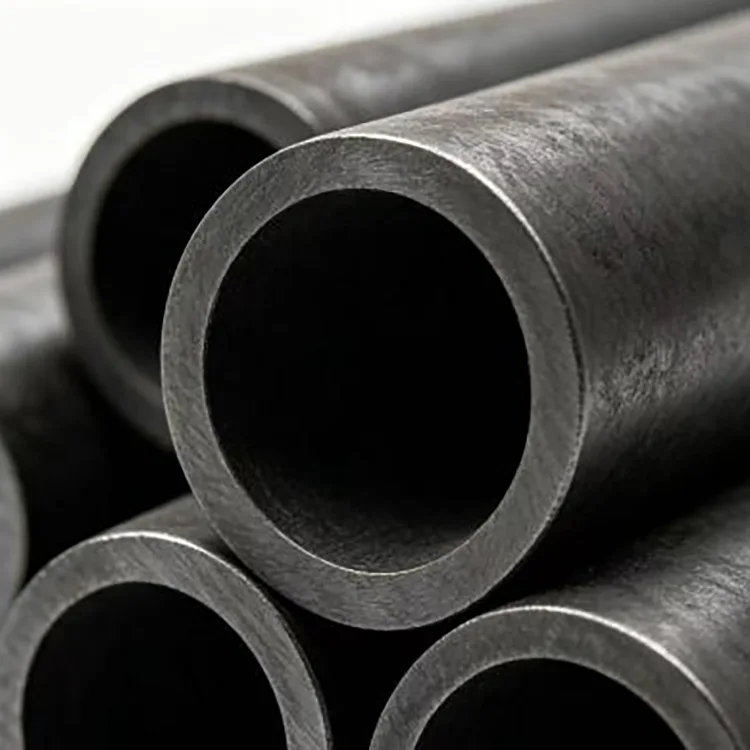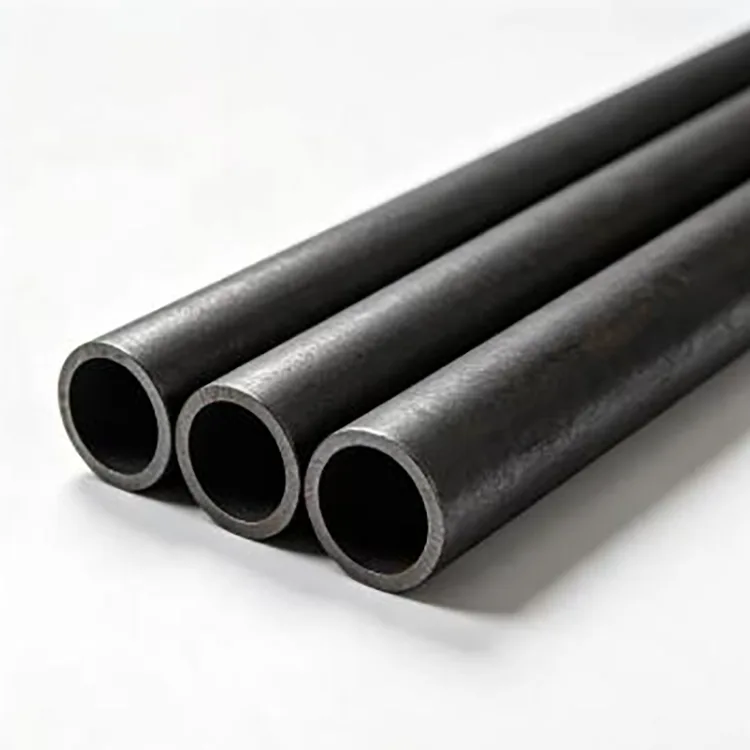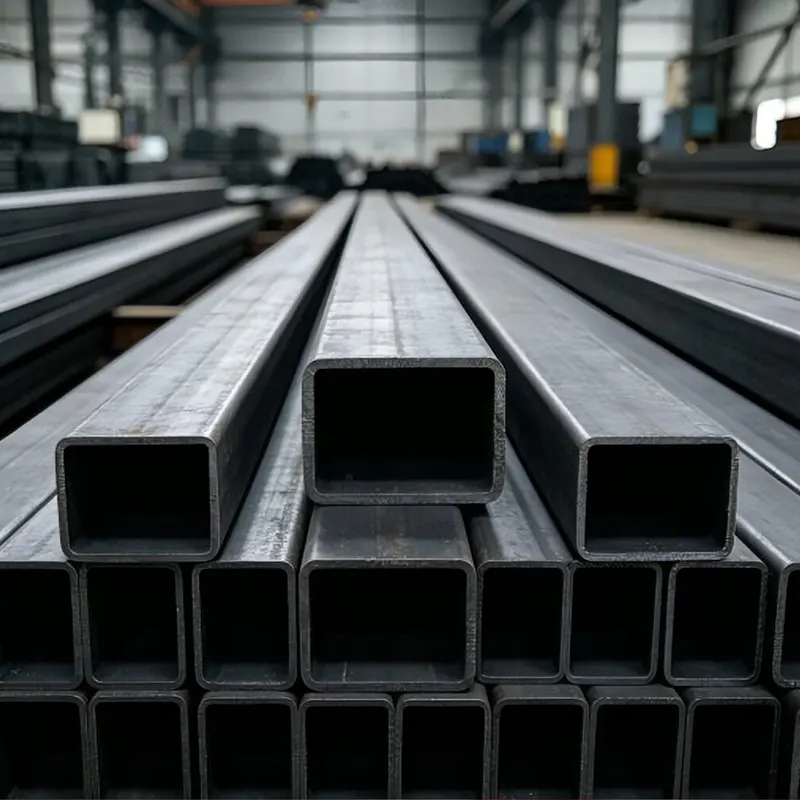
Seamless Carbon Steel Structural Tube is manufactured for structural, mechanical and general engineering applications. We supply hot rolled and cold drawn seamless tubes in common carbon and alloy structural grades, with standard sizes, customized lengths and further processing such as cutting, beveling, galvanizing and corrosion protection.
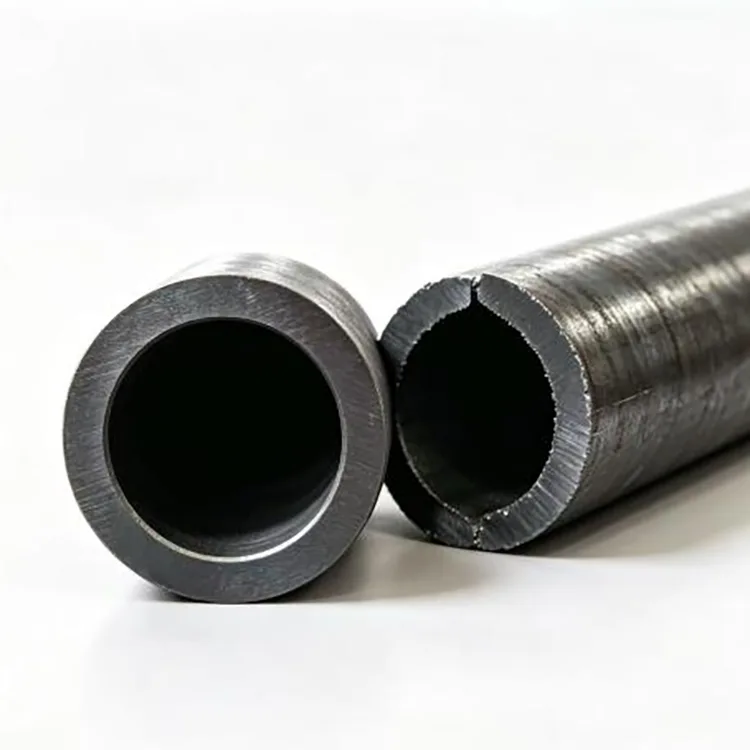
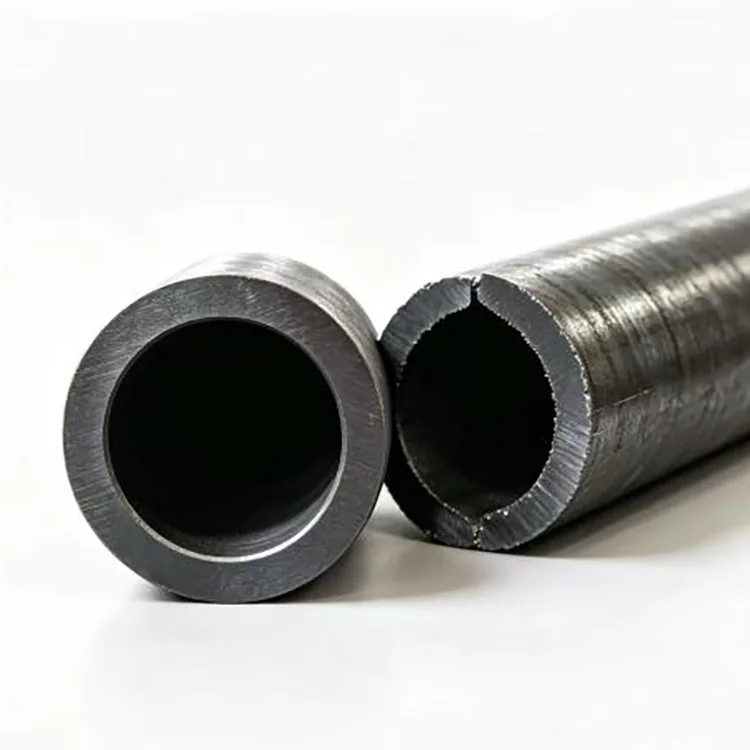
The Seamless Carbon Steel Structural Tube is produced by piercing and rolling a steel billet into a seamless section, without a longitudinal weld seam. Hot rolled tubes are commonly used for larger diameters and heavier walls, while cold drawn tubes are selected when closer dimensional tolerances and a smoother surface are needed for machining.
This product is intended for structural and mechanical applications under the applicable specification. For pipelines carrying water, oil, gas, steam or other pressurized fluids, a fluid-service pipe such as GB/T 8163 should be specified instead of using structural tube simply because the dimensions are similar.
Specifications
Item
Details
Standard
GB/T 8162-2018
Common Grades
20#, 45#, Q355B (16Mn), 27SiMn, 40Cr
Production
Hot rolled / Cold drawn
Outside Diameter
16–630 mm
Wall Thickness
2.5–80 mm
Standard Lengths
6 m / 9 m / 12 m
Length Options
Fixed length, double length, cutting and custom sizes
Surface
Black, polished, painted, hot-dip galvanized
Processing
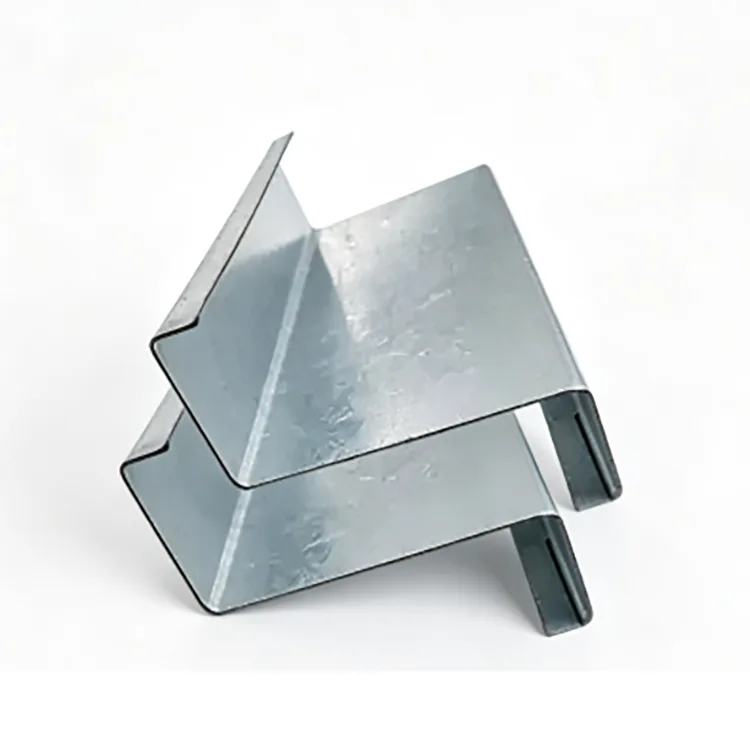
Cutting, beveling, chamfering, threading, drilling and other machining
ASTM, EN and JIS specifications can also be discussed according to the project requirement.
Material Options
20# is a common choice for general structural and mechanical applications where good machinability and weldability are required.
45# has higher strength and hardness and is mainly used for shafts, sleeves, bushes and other machined mechanical parts.
Q355B (16Mn) is suitable for applications requiring higher structural strength, such as heavy machinery, engineering structures and support components.
27SiMn and 40Cr are selected for mechanical parts requiring higher strength and specific performance during further processing.
Material should be selected according to the load, machining process, working environment and final component requirements rather than simply choosing the highest-strength grade.
Hot Rolled vs. Cold Drawn
Hot rolled seamless tube is generally the practical option for large diameters, heavy walls and general structural work. It is suitable where standard dimensional tolerances are acceptable and material cost is an important consideration.
Cold drawn seamless tube undergoes an additional cold drawing process to improve dimensional accuracy and surface condition. It is more suitable for small-diameter tubes, precision components, turning, boring and other machining operations.
For a structural frame, there is usually no benefit in paying for precision cold drawn material when standard hot rolled tube already meets the design requirement.
Where It Is Used
Steel Structures
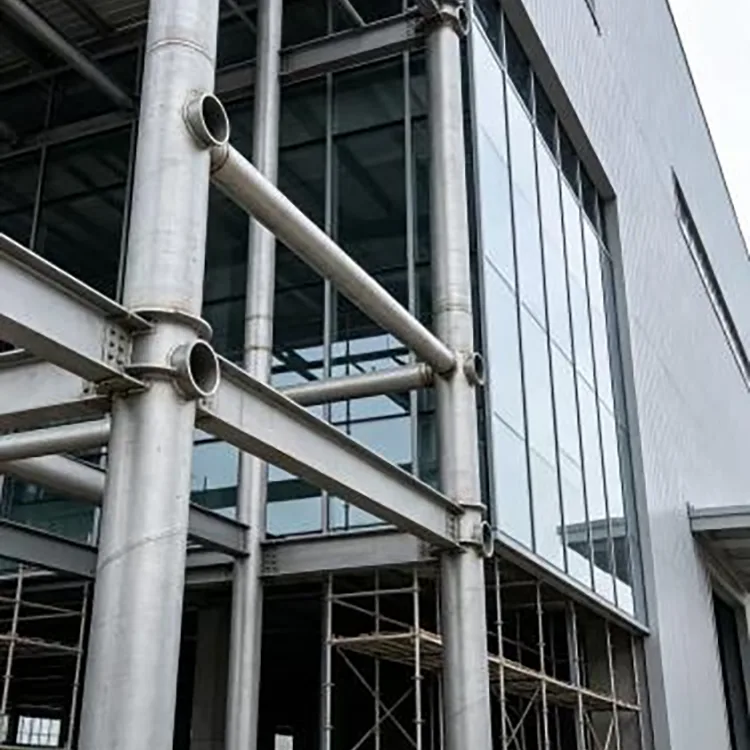
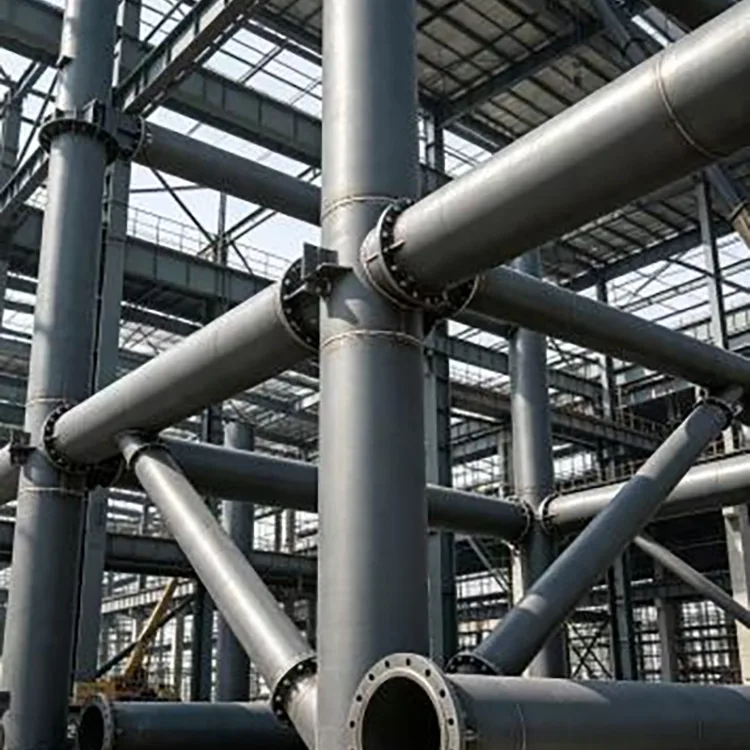
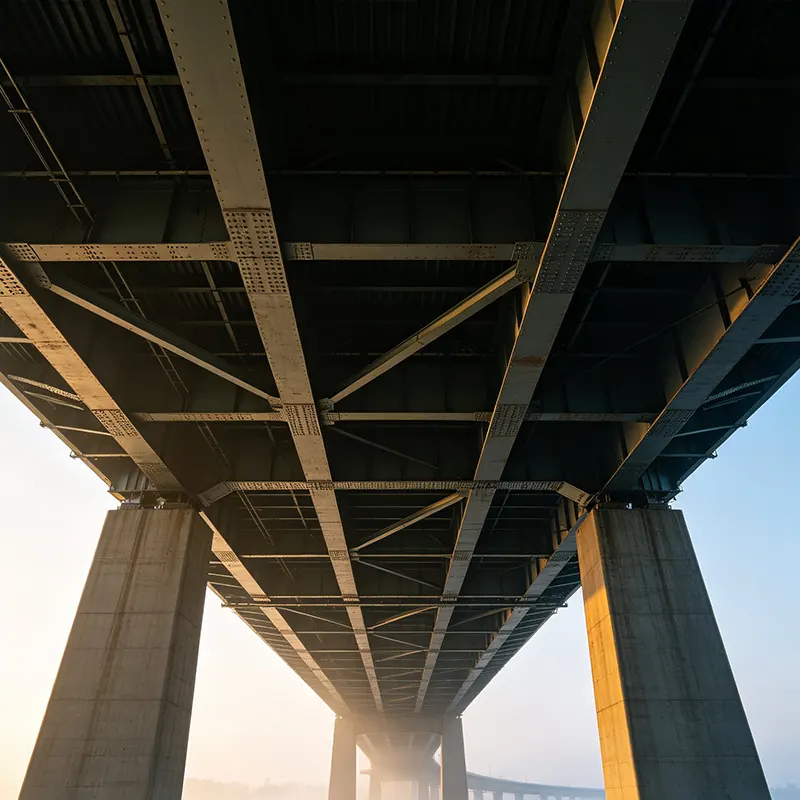
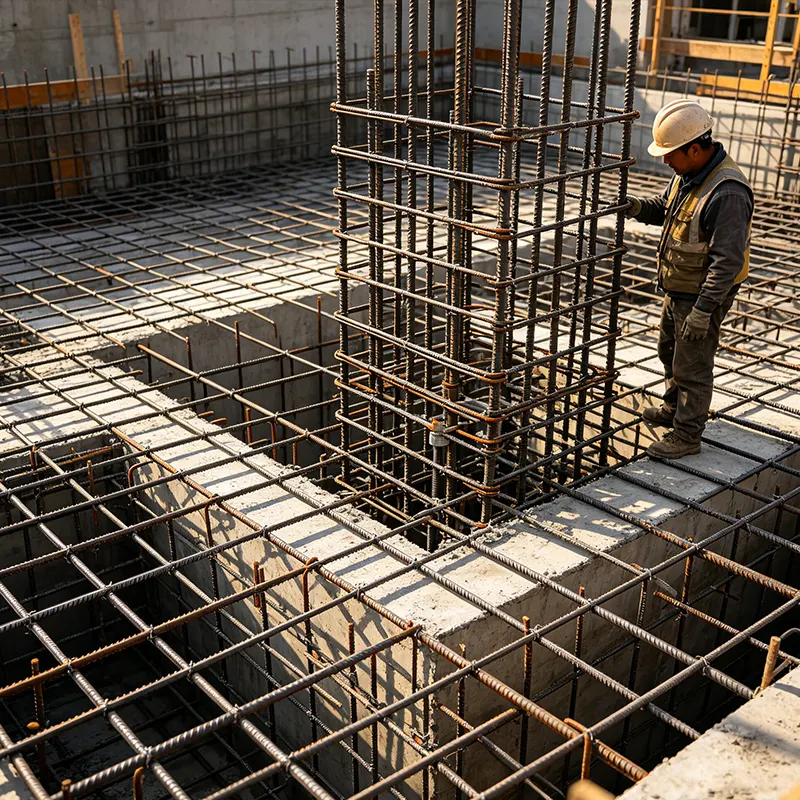
Industrial buildings, support columns, trusses, bridge supports, foundation structures, equipment platforms and other load-bearing steelwork.
Lifting equipment, agricultural machinery, heavy vehicle structures and fabricated support components.
Industrial and Municipal Projects
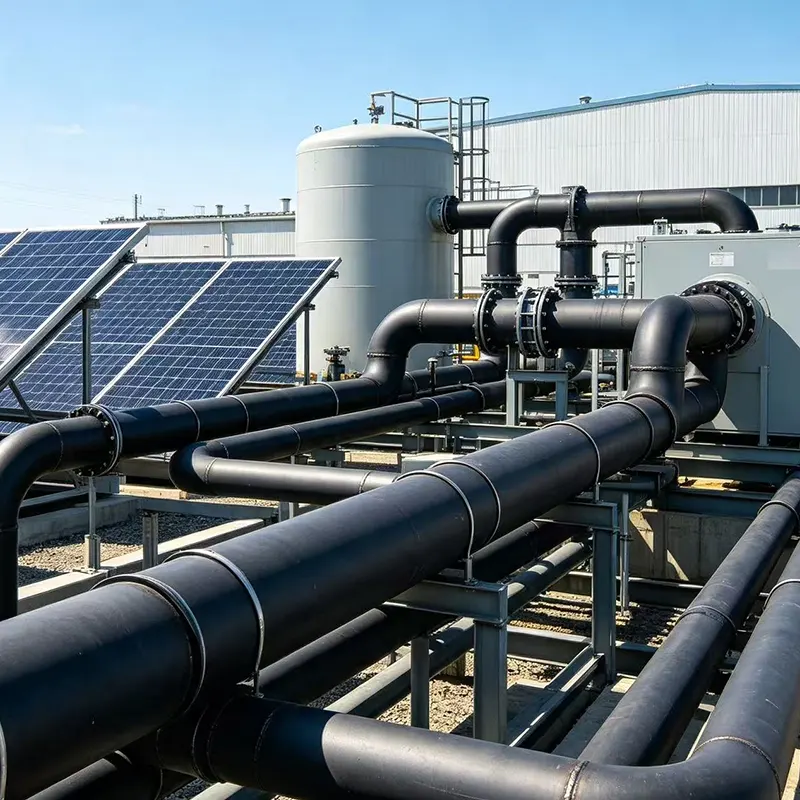
Equipment supports, photovoltaic structures, municipal steelwork, transport equipment components, sleeves and other fabricated structures.
Selection Guide
For ordinary structural work, 20# hot rolled Seamless Carbon Steel Structural Tube is often sufficient when the design load and applicable standard are met.
For machined components such as sleeves and precision parts, 20# or 45# cold drawn tube can provide better dimensional control and surface quality.
Where higher structural strength is required, Q355B can be considered. For higher-strength mechanical components, 27SiMn or 40Cr may be more suitable depending on the part design and heat-treatment requirements.
For outdoor applications, the base tube can be supplied with painting or hot-dip galvanizing to provide additional corrosion protection.
Important Application Distinction
GB/T 8162 is a structural tube standard. It should not be selected simply as a lower-cost substitute for a pipe specified for pressure or fluid service.
For water, oil, gas and other fluid transportation, the applicable fluid-service standard should be confirmed from the design requirements. GB/T 8163-2018 is the Chinese standard for seamless steel pipes for liquid service.
The same principle applies to boiler, high-temperature and other special-service applications: the pipe standard should follow the equipment and project specification.
Processing and Delivery
We can supply tubes in fixed lengths or cut them to the required dimensions before shipment. Available processing includes end facing, chamfering, beveling, threading, drilling, painting, rust removal and hot-dip galvanizing.
For export orders, tubes can be bundled with steel straps and protected at the ends against impact and contamination. Packing can be adjusted for container loading, sea transportation and the destination requirements.
Quality Control
Inspection can include chemical composition, mechanical properties, dimensional checks, surface inspection and other tests required by the selected standard or purchase specification.
For project orders, inspection documents and third-party inspection such as SGS, BV or TÜV can be arranged when required.
Procurement Information
For a quotation, provide the required standard, material grade, outside diameter, wall thickness, length, quantity and processing requirements.
For customized orders, drawings or dimensional tolerances are useful when the tube will be machined into a finished component. Mixed-size orders, trial quantities and larger engineering orders can also be discussed.
FAQ
Q1: What is GB/T 8162 Seamless Carbon Steel Structural Tube used for?
GB/T 8162 covers seamless steel tubes for structural purposes. Typical applications include steel structures, equipment frames, machinery components and other general engineering uses where the design does not require a dedicated fluid-service or boiler-tube specification.
Q2: Should I choose hot rolled or cold drawn seamless tube?
Choose hot rolled for larger diameters, heavier walls and general structural applications where standard tolerances are acceptable. Choose cold drawn when tighter dimensions, smoother surfaces or better machining performance are required.
Q3: How do I choose between 20#, 45# and Q355B?
20# is commonly used for general structural and mechanical work. 45# is more suitable for higher-strength machined parts such as shafts and sleeves. Q355B is generally considered when higher structural strength is required. The final choice should follow the component design and applicable material specification.
Q4: Can structural seamless tube be used for water or gas pipelines?
Not simply because the size is suitable. The application must meet the applicable fluid-service standard and design requirements. For liquid-service applications, GB/T 8163 should be considered where specified.
Q5: Can you provide cutting and galvanizing before shipment?
Yes. Fixed-length cutting, beveling, chamfering, threading, drilling, painting and hot-dip galvanizing can be arranged according to the order requirements.
We use cookies to offer you a better browsing experience, analyze site traffic and personalize content. By using this site, you agree to our use of cookies. Privacy Policy