Products
Carbon Steel Seamless Pipe for Pipeline Systems
  • Carbon Steel Seamless Pipe for Pipeline SystemsCarbon Steel Seamless Pipe for Pipeline Systems
  • Carbon Steel Seamless Pipe for Pipeline SystemsCarbon Steel Seamless Pipe for Pipeline Systems
  • Carbon Steel Seamless Pipe for Pipeline SystemsCarbon Steel Seamless Pipe for Pipeline Systems

Carbon Steel Seamless Pipe for Pipeline Systems

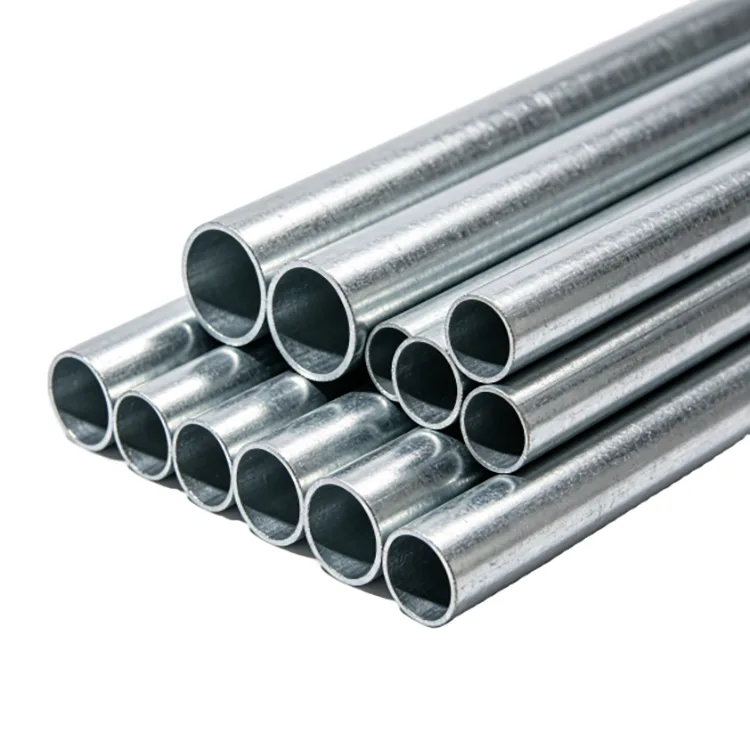
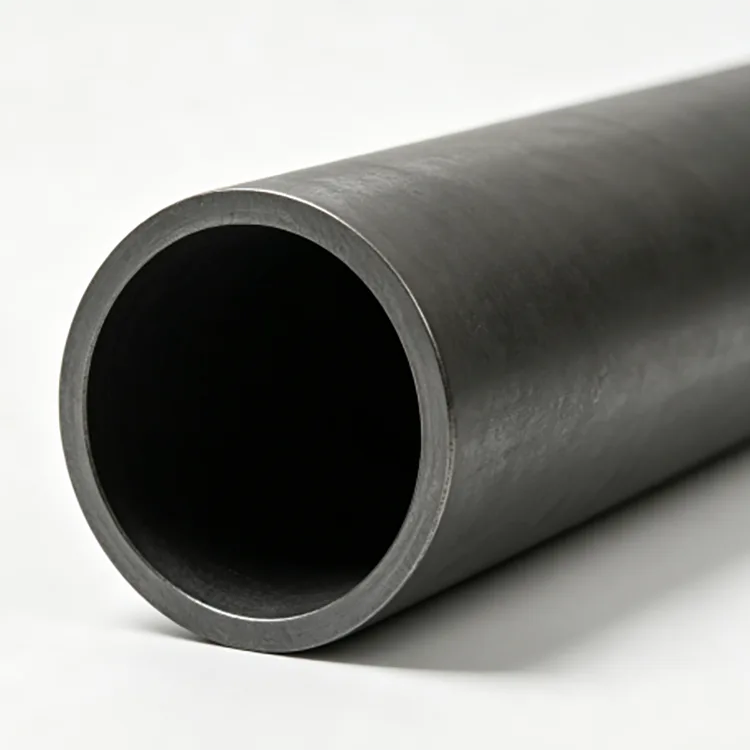
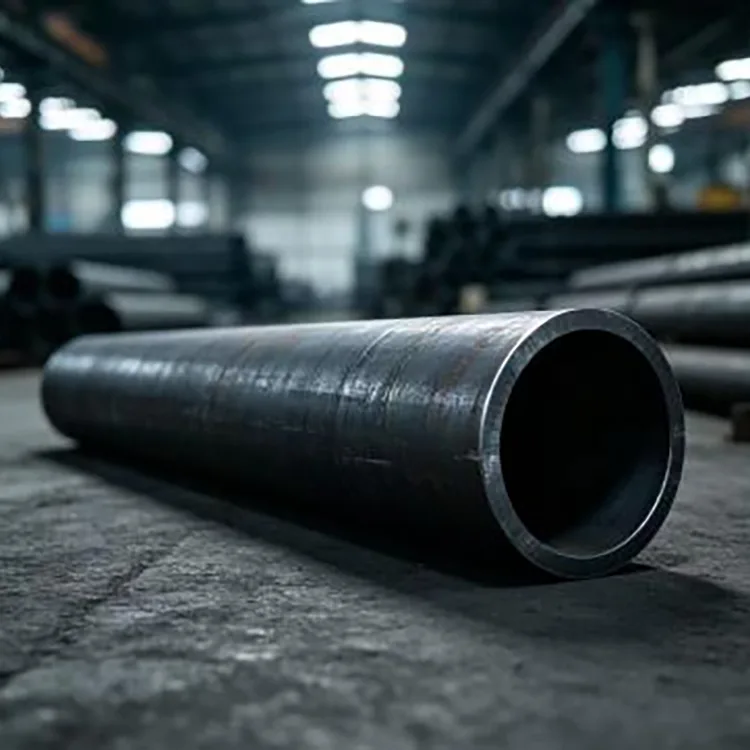
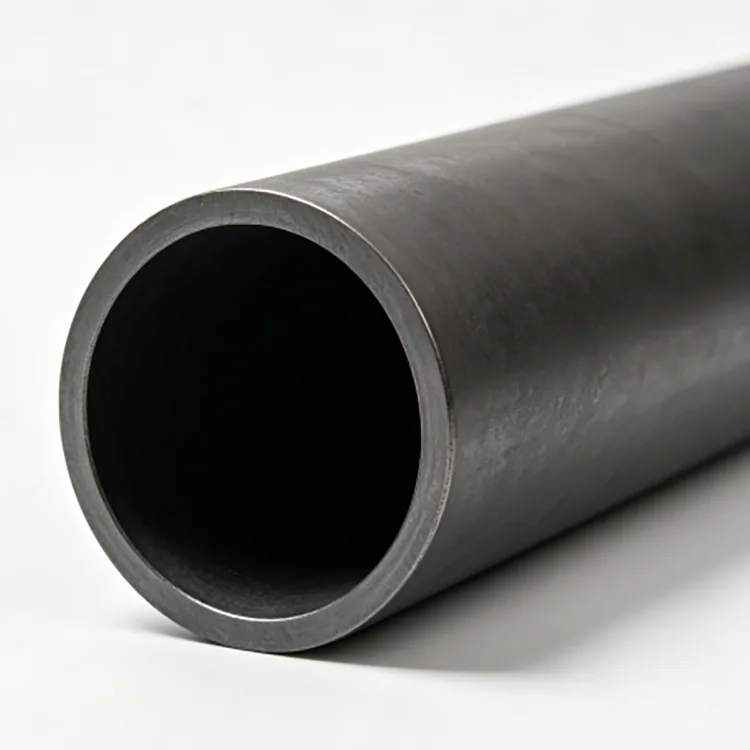
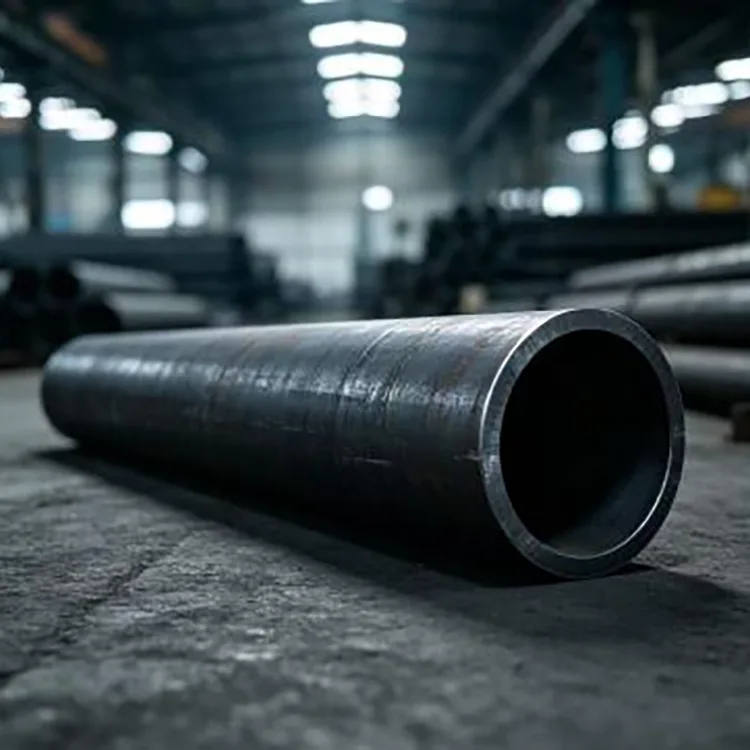
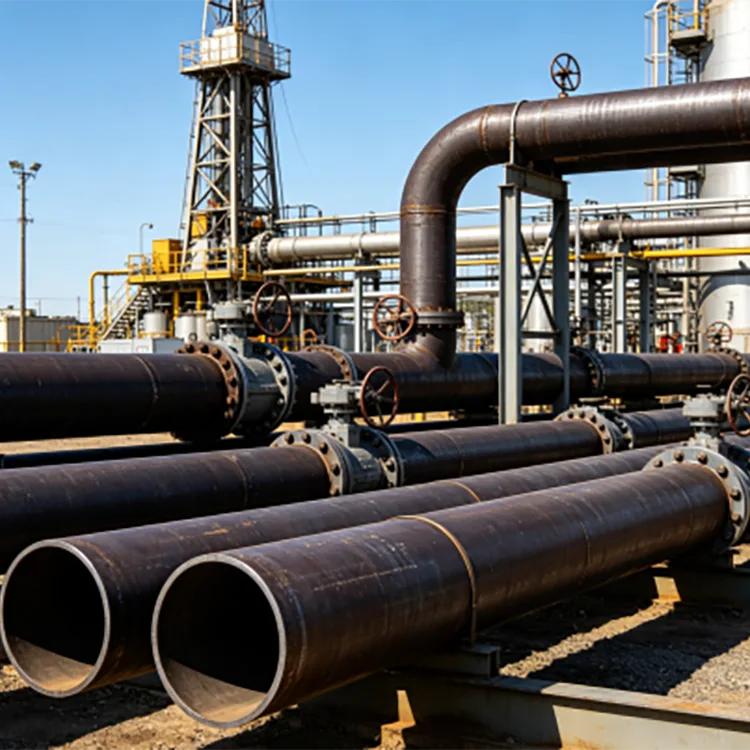
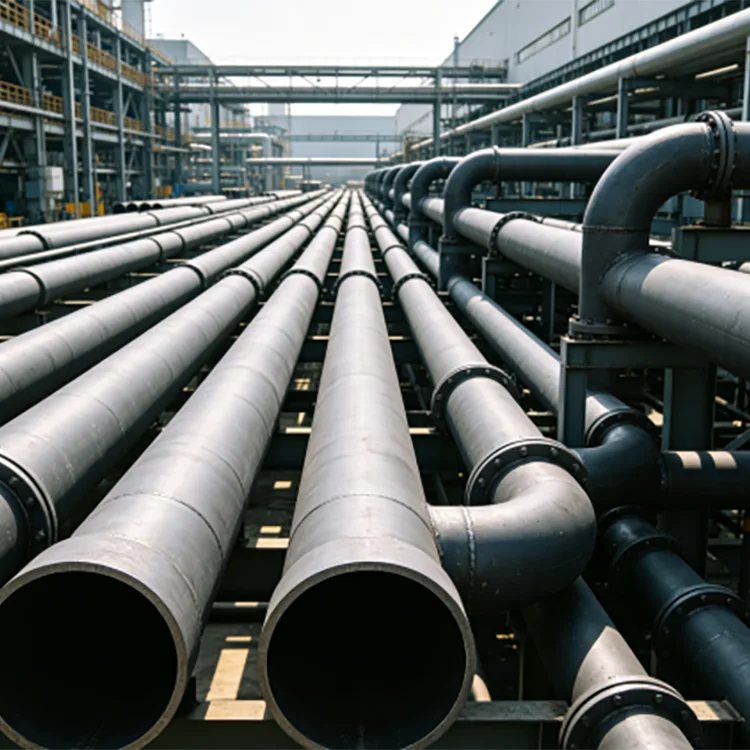
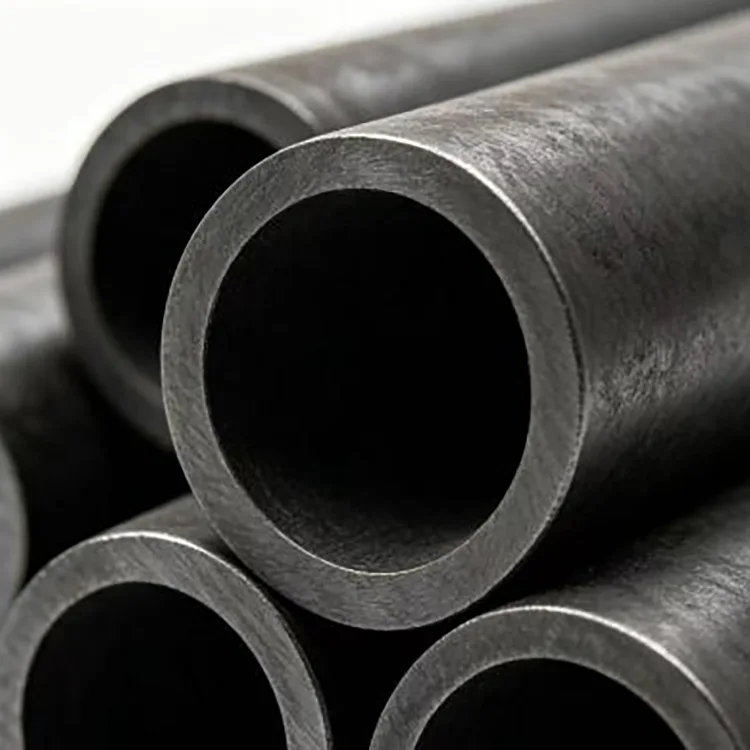
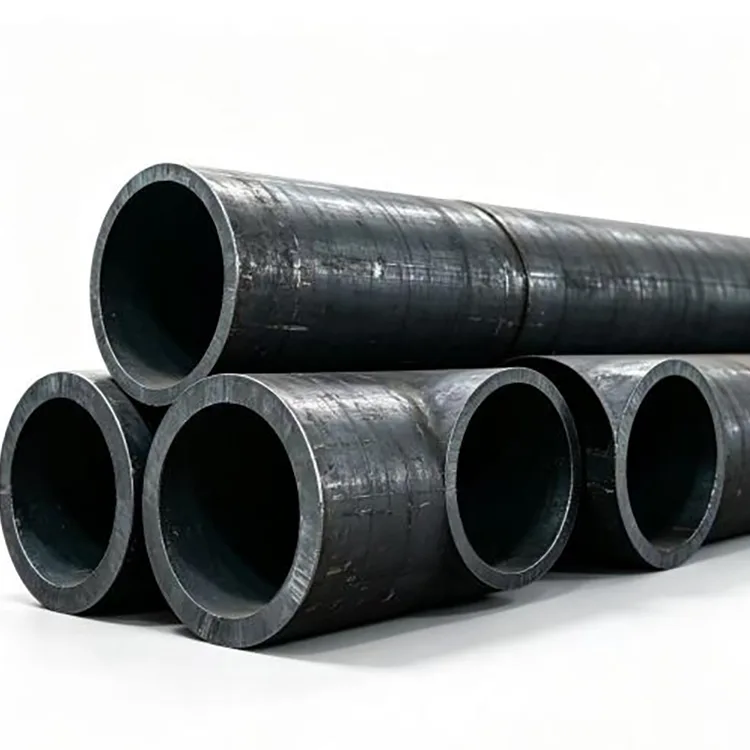
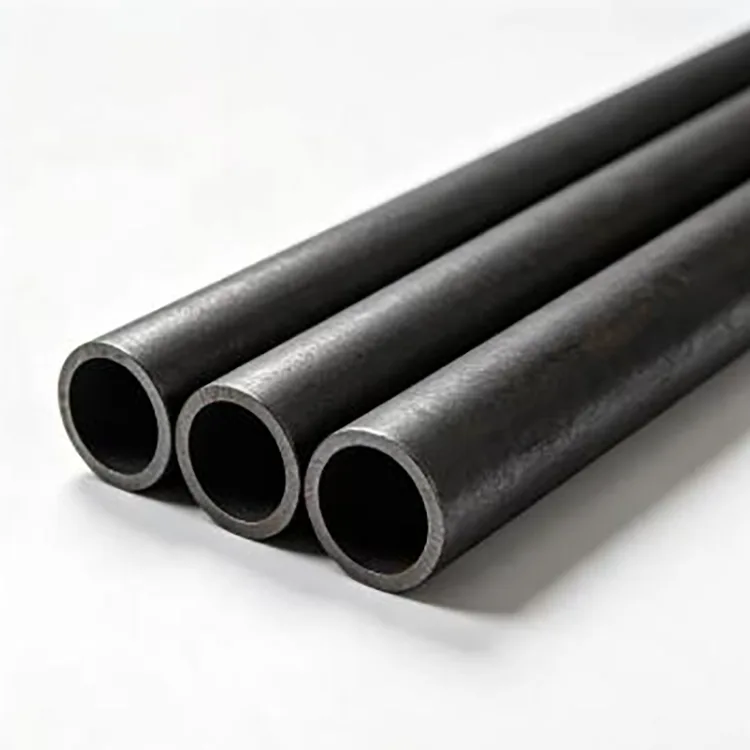
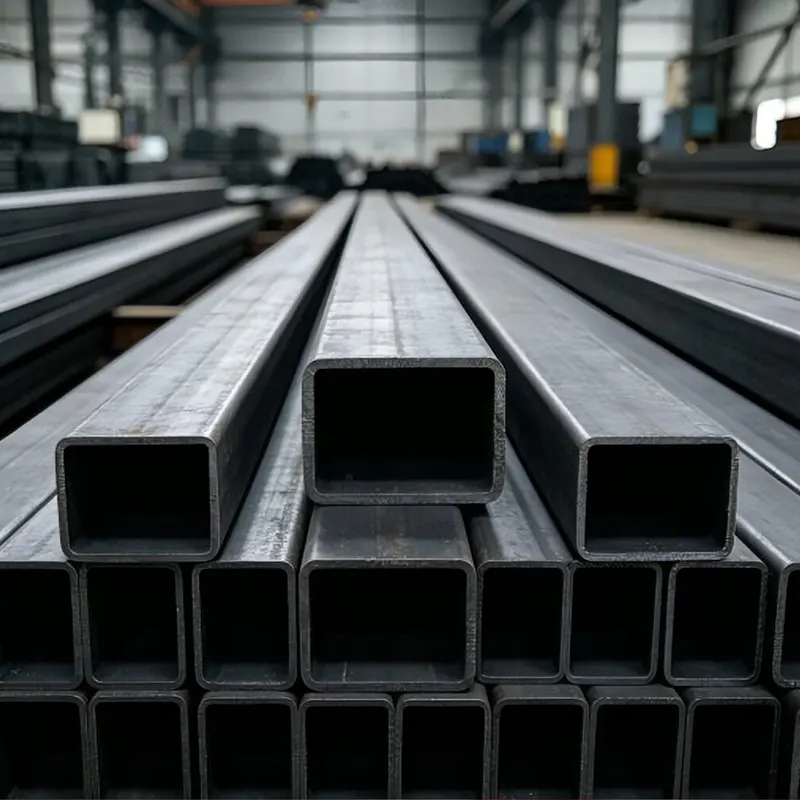
Carbon Steel Seamless Pipe for Pipeline Systems is used for the transportation of water, oil, gas, steam and other industrial media where the pipeline requires a continuous, non-welded pipe body. Available in 20#, Q235B, Q345B, A106 Gr.B and A53 Gr.B, with outside diameters from 21–630 mm and wall thicknesses from 1–50 mm. Standard 6 m and 12 m lengths are available, with custom sizes, pressure classes and surface treatments for project applications.

Carbon Steel Seamless Pipe for Pipeline Systems are manufactured from solid steel billet rather than a steel strip with a longitudinal welded seam. The billet is heated, pierced to form a hollow shell and subsequently rolled or cold drawn to achieve the required diameter and wall thickness.

For pipeline systems, the main reason to use seamless pipe is not simply that it has “higher strength.” Its construction removes the longitudinal weld seam found in welded pipe, which can be an important consideration for certain high-pressure, high-temperature or critical-service applications.

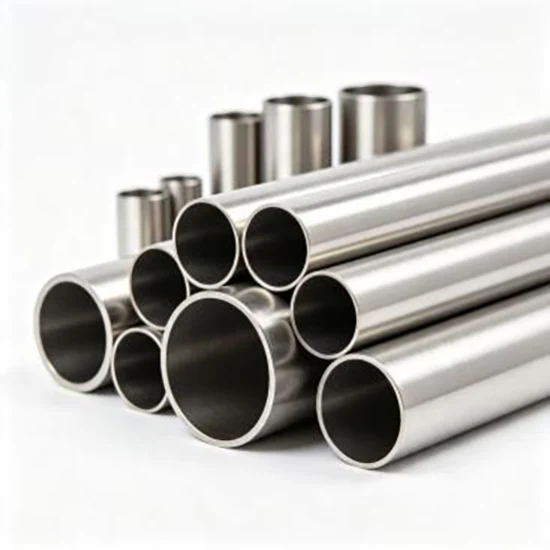
The finished pipe can be supplied in black condition, pickled and passivated, polished, coated with rust-preventive oil or treated with other agreed surface protection. The final specification should be based on the medium, temperature, pressure, connection method and applicable pipeline standard.

Carbon Steel Seamless Pipe for Pipeline SystemsCarbon Steel Seamless Pipe for Pipeline SystemsCarbon Steel Seamless Pipe for Pipeline Systems


Design Range

Item

Specification

Product

Carbon Steel Seamless Pipe for Pipeline Systems

Main materials

20#, Q235B, Q345B, A106 Gr.B, A53 Gr.B

Outside diameter

21–630 mm

Wall thickness

1–50 mm

Standard length

6 m / 12 m

Custom length

Available

Pressure range

0.6–32 MPa as a supplied reference range, subject to pipe size, wall thickness, material and design code

Temperature range

-20°C to 450°C as a supplied product reference; actual allowable service temperature depends on material and applicable standard

Surface

Black, pickled and passivated, polished, rust-preventive oil, galvanized

Processing

Cutting, beveling, threading, drilling and other agreed fabrication


Material

20# carbon steel is commonly used for general fluid transportation and conventional mechanical applications.

Q235B is suitable for general structural and support applications where the design requires this grade.

Q345B can be considered for applications requiring higher strength, subject to the applicable pipe specification.

A106 Gr.B is a common choice for seamless carbon steel pipe used in high-temperature service. ASTM A106/A106M-26 covers seamless carbon steel pipe for high-temperature service and includes requirements for mechanical testing, hydrostatic testing and nondestructive electric testing.

A53 Gr.B belongs to a broader pipe specification that covers both seamless and welded black and hot-dipped galvanized pipe, so the buyer should clearly state that the required product is seamless. ASTM A53/A53M-24 covers NPS 1/8 through NPS 26 and includes hydrostatic and other inspection requirements.


Choose the Standard First

Different standards are intended for different services.

For general liquid transportation in China, GB/T 8163-2018 is the current standard for seamless steel pipes for liquid service.

For high-temperature service, ASTM A106/A106M is specifically intended for seamless carbon steel pipe for high-temperature service.

For petroleum cracking and related petrochemical furnace, heat-exchanger and pressure-piping applications, GB 9948-2013 covers seamless steel tubes for petroleum cracking.

This is why a pipeline inquiry should state the service medium and operating temperature, not only the outside diameter and wall thickness.


Pressure and Temperature

The supplied product range covers 0.6–32 MPa and -20°C to 450°C, but these should not be treated as one universal rating for every pipe.

Allowable pressure depends on outside diameter, wall thickness, steel grade, design temperature, corrosion allowance, joint configuration and the governing design code.

Temperature also affects material performance. A pipe suitable for normal-temperature water service cannot automatically be used for high-temperature steam simply because the wall thickness is the same.

For high-temperature systems, the material standard and design code should therefore be confirmed before purchase.


Why Seamless Pipe?

The absence of a longitudinal weld is useful in applications where the pipe wall must provide a continuous body around the circumference.

For many ordinary low-pressure systems, welded pipe may be more economical.

Seamless pipe becomes more relevant when the project requires a seamless specification because of pressure, temperature, service criticality or the applicable code.

This distinction is important for procurement. “Seamless” should be a requirement in the purchase specification when the engineering design calls for it, rather than an assumption based on pipe appearance.


Pipeline Flow

For fluid transportation, pressure drop is influenced by internal diameter, pipe length, flow rate, fluid viscosity, fittings and internal surface condition.

A larger internal diameter can reduce flow velocity and friction loss, while a smaller diameter can increase pumping demand.

For this reason, pipe sizing should be based on the required flow and allowable pressure drop. Wall thickness should then be checked separately for pressure and mechanical requirements.


Wall Thickness

It provides pressure resistance, allows for corrosion allowance where required, contributes to mechanical rigidity and affects the external load capacity of the pipeline.

The supplied range is 1–50 mm, with SCH pressure series available for suitable project orders.

A thicker wall is not automatically better. It increases material weight, cost and sometimes welding or bending requirements. The correct thickness should come from the design pressure, temperature, material grade and corrosion allowance.


Pipeline Applications

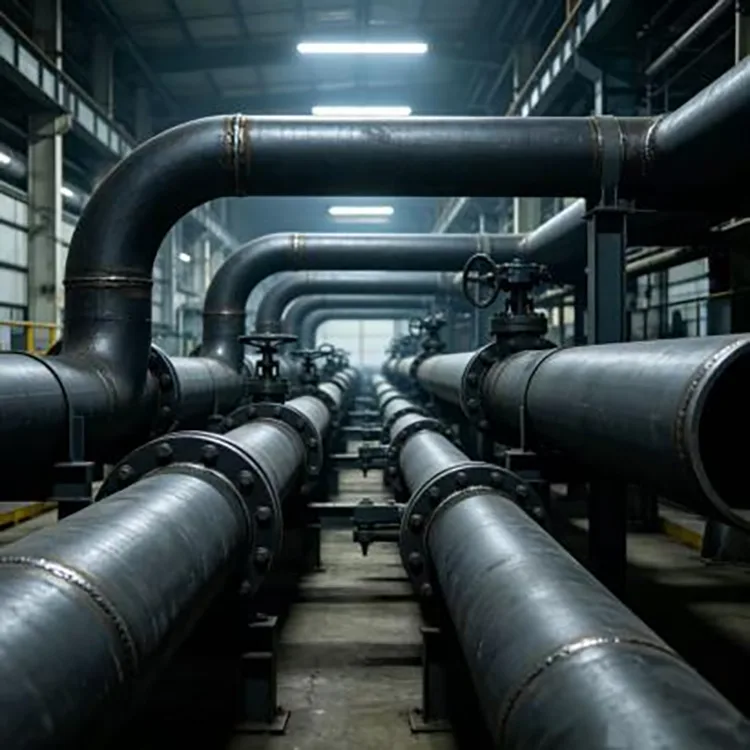
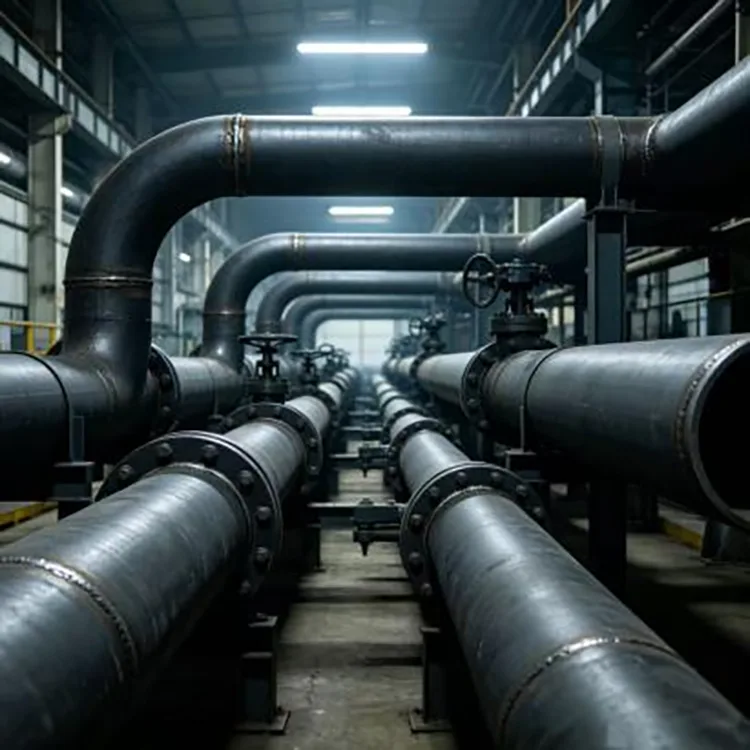
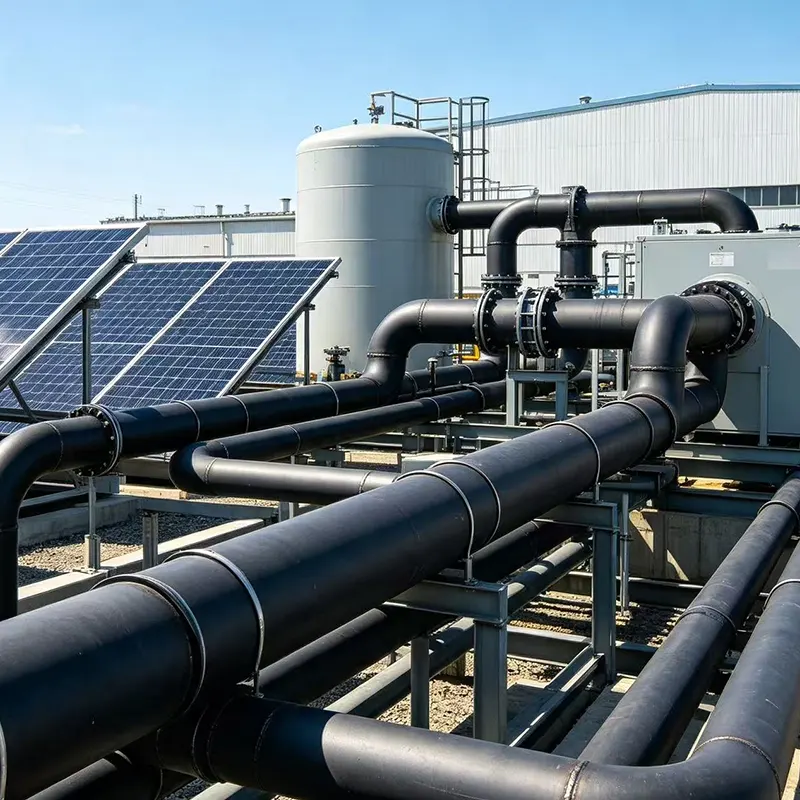
Carbon Steel Seamless Pipe for Pipeline Systems is used across several industrial systems.

In power plants, it can be used for selected steam, water and auxiliary piping systems where the material and temperature rating are suitable.

In chemical plants, it is used for process piping, heat-transfer systems and equipment connections with appropriate material selection.

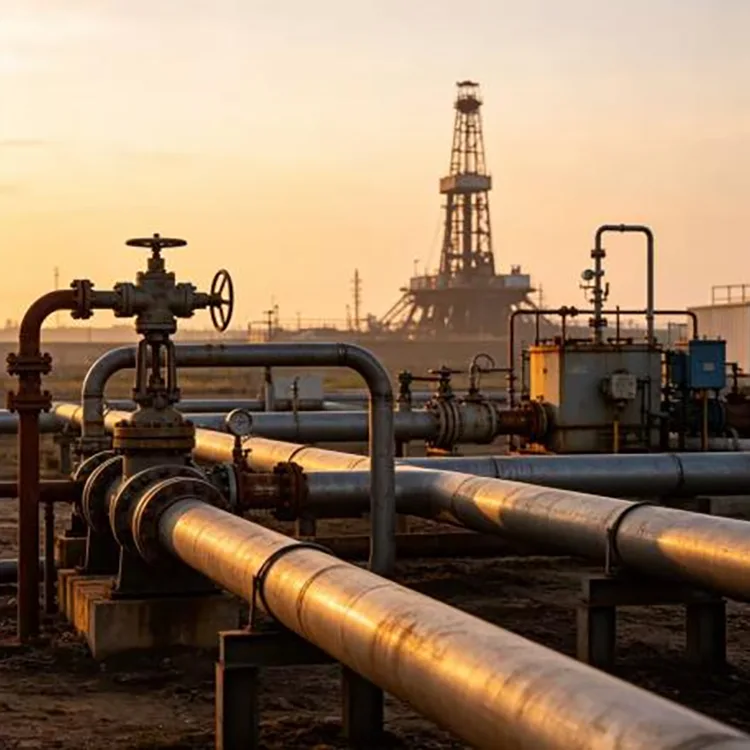
In oil and gas facilities, seamless pipe can be used in selected pressure and process lines where the specified grade and standard permit it.

In mechanical equipment, it can serve as hydraulic piping, equipment piping and pressure-bearing connections.

In industrial utilities, it is used for compressed air, water and other process media according to the applicable service requirements.

Carbon Steel Seamless Pipe for Pipeline SystemsCarbon Steel Seamless Pipe for Pipeline SystemsCarbon Steel Seamless Pipe for Pipeline Systems


High-Temperature Service

For high-temperature pipelines, the pipe should be selected from the temperature requirement backward.

If a line carries high-temperature steam or another hot process medium, the buyer should confirm the material grade, design temperature, pressure, insulation arrangement and expansion allowance.

ASTM A106/A106M-26 specifically covers seamless carbon steel pipe for high-temperature service and requires the pipe to be suitable for operations such as bending, flanging and welding when properly specified.

A general-purpose fluid pipe should not be substituted for a high-temperature grade simply because the nominal size is identical.


Buried Pipelines

Seamless steel pipe can be used in buried pipeline systems, but the black steel surface does not provide long-term underground corrosion protection.

For buried service, external protection may include suitable anti-corrosion coatings, wrapping systems or cathodic-protection measures according to the project design.

The soil itself can be a significant corrosion source. Moisture content, pH, salts, drainage and stray-current conditions all affect the required protection.

If the pipeline carries a corrosive medium internally, internal material compatibility also needs to be considered.


Surface Options

The pipe can be supplied in several surface conditions.

Black: the normal untreated condition for many fabrication and industrial piping applications.

Pickled and passivated: useful when a cleaner surface is required.

Polished: selected for applications where surface finish has a specific role.

Rust-preventive oil: useful for storage and transportation protection.

Hot-dip galvanized: available for suitable applications where external atmospheric corrosion protection is required.

The final surface treatment should be selected according to the medium and service environment rather than applied as a general upgrade.


Ends and Fabrication

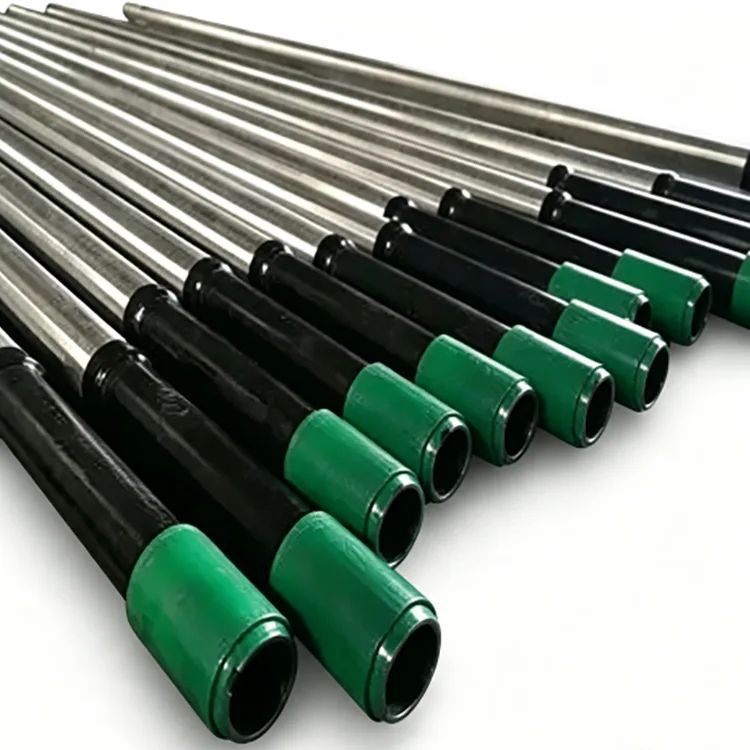
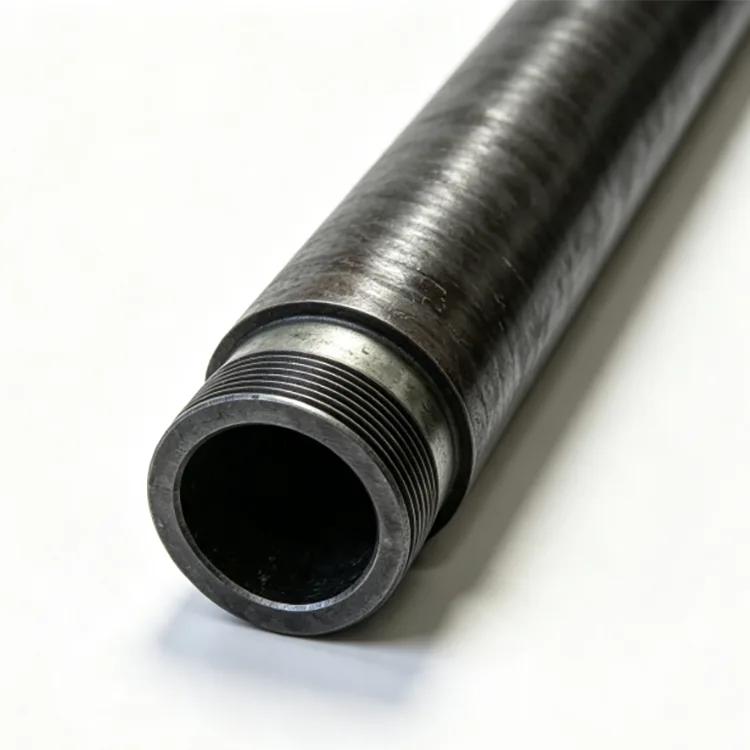
For pipeline installation, the pipe ends can be prepared according to the connection method.

Plain ends are suitable for certain welded connections.

Beveled ends can be prepared for butt welding.

Threaded ends can be arranged for suitable smaller-diameter applications.

Fixed-length cutting can also reduce field fabrication when the pipeline drawing is already finalized.

Where the pipe will be welded into a pressure system, the end preparation should follow the project's welding procedure and joint design.


Inspection

For a pressure pipeline, appearance inspection alone is not enough.

The inspection plan may include material verification, dimensional measurement, visual inspection, hydrostatic testing and appropriate nondestructive examination according to the selected standard.

ASTM A106/A106M-26 includes tensile, bending, flattening, hydrostatic and nondestructive electric testing requirements within its scope.

ASTM A53/A53M-24 also includes tension, bend, flattening, hydrostatic and nondestructive electric testing provisions for pipe covered by that specification.

For a project order, the buyer should define the required tests before production rather than trying to add them after shipment.


Quality Control

The material is checked from incoming steel through finished pipe inspection.

Chemical composition and material identity are verified against the specified grade. Diameter, wall thickness, length and straightness are checked during finished-product inspection.

For critical orders, additional inspection can include hydrostatic testing and nondestructive examination according to the selected standard.

Material certificates should match the actual production batch. If the project requires independent verification, third-party inspection can be arranged before shipment.


Pipe Selection by Application

Application

Typical Starting Direction

General liquid transportation

20# and applicable GB/T 8163 requirements

General industrial piping

20# or specified equivalent

Higher-strength structural/mechanical application

Q345B where permitted

High-temperature service

A106 Gr.B or project-specific high-temperature grade

Petroleum / petrochemical service

Select the applicable petroleum or petrochemical standard

Buried pipeline

Pipe specification + external corrosion protection

High-pressure system

Confirm design pressure, temperature, wall thickness and applicable code

These are procurement directions rather than substitutes for pipeline design.


Manufacturing Route

The seamless pipe production route begins with a solid billet.

Steel billet → reheating → rotary piercing → hot rolling / sizing → heat treatment where required → straightening → cutting → inspection → finishing → packing

For some sizes and specifications, cold drawing or cold rolling can be used after the hot-working stage to achieve tighter dimensions and surface requirements.

The actual manufacturing route depends on the pipe size, grade and ordered standard.


Why Choose Us?

The Tianjin Daqiuzhuang steel supply network supports sourcing, inspection, cutting, pipe processing and logistics for project orders.

The available range covers 21–630 mm outside diameter and 1–50 mm wall thickness, with 6 m and 12 m standard lengths and custom lengths for project requirements.

Materials can be arranged around the intended service, including 20#, Q235B, Q345B, A106 Gr.B and A53 Gr.B where the selected standard permits the grade.

For pipeline projects, the order can include cutting, beveling, surface preparation and other agreed processing before delivery.

Material certificates and inspection records can be supplied according to the purchase requirements, with third-party inspection available for projects that require independent verification.

For export orders, pipe bundling, moisture-conscious protection, container loading and documentation can be coordinated through the Tianjin logistics network.


Procurement Information

A useful inquiry should include the pipeline medium, design pressure, design temperature, pipe standard, steel grade, outside diameter, wall thickness, length and quantity.

For example:

GB/T 8163 / 20# / seamless / 114.3 × 8 mm / 6 m / water pipeline / 100 MT

For high-temperature service:

ASTM A106 Gr.B / seamless / 8 in / SCH40 / 12 m / high-temperature process line

This information allows the supplier to identify the correct product instead of matching the order only by diameter.


FAQ

Q1. Why use seamless pipe instead of welded pipe?

Seamless pipe has no longitudinal weld seam and is specified for many pressure, temperature and critical-service applications. Whether it is necessary depends on the project code and operating conditions.


Q2. What materials are available?

The supplied range includes 20#, Q235B, Q345B, A106 Gr.B and A53 Gr.B, subject to the applicable product standard.


Q3. Can the pipe be used for high-temperature steam?

Yes, when the selected material and standard are suitable for the design temperature and pressure. ASTM A106 is specifically intended for seamless carbon steel pipe for high-temperature service.


Q4. What is the maximum working pressure?

The supplied product reference range reaches 32 MPa, but allowable working pressure must be calculated for the actual diameter, wall thickness, material, temperature and design code.


Q5. What temperature range can the pipe handle?

The supplied reference range is -20°C to 450°C. This is not a universal rating for all grades and sizes; the applicable material standard and design code determine the actual allowable service temperature.


Q6. Can the pipe be used underground?

Yes, but untreated carbon steel should normally receive suitable external corrosion protection for buried service. Soil chemistry and moisture conditions should be considered in the corrosion design.


Q7. Can you provide SCH40 or other pressure wall thicknesses?

Yes. Pressure-series wall thicknesses such as SCH40 can be supplied where compatible with the selected pipe size and standard.


Q8. Can the pipe be cut and beveled?

Yes. Fixed-length cutting and end beveling can be arranged according to pipeline drawings and welding requirements.


Q9. Can Q235B be used instead of A106 Gr.B?

Not as an automatic substitution. The grades belong to different specifications and have different requirements. The pipe should meet the standard specified by the pipeline design.


Q10. What standard is used for ordinary fluid-transport seamless pipe in China?

GB/T 8163-2018 is the current Chinese standard for seamless steel pipes for liquid service.


Q11. Is A53 Gr.B a seamless pipe grade?

A53/A53M covers both seamless and welded pipe. If seamless pipe is required, the purchase order must explicitly specify the seamless product.


Q12. What inspection documents can be supplied?

Material certificates, dimensional inspection records and agreed test reports can be supplied. Hydrostatic testing, nondestructive testing and third-party inspection can be arranged according to the project specification.


Hot Tags: Carbon Steel Seamless Pipe for Pipeline Systems manufacturer, seamless carbon steel pipe for pipeline systems, carbon steel pipe supplier
Send Inquiry
Contact Info
  • Address

    Secondary Arterial Road No. 2-1, Expansion Area of ​​Daqiuzhuang Industrial Zone, Jinghai District, Tianjin, China

Tell RongHeng your required steel product, size, grade, quantity, customization and delivery needs, and our export team can review your inquiry.
X
We use cookies to offer you a better browsing experience, analyze site traffic and personalize content. By using this site, you agree to our use of cookies. Privacy Policy
RejectAccept