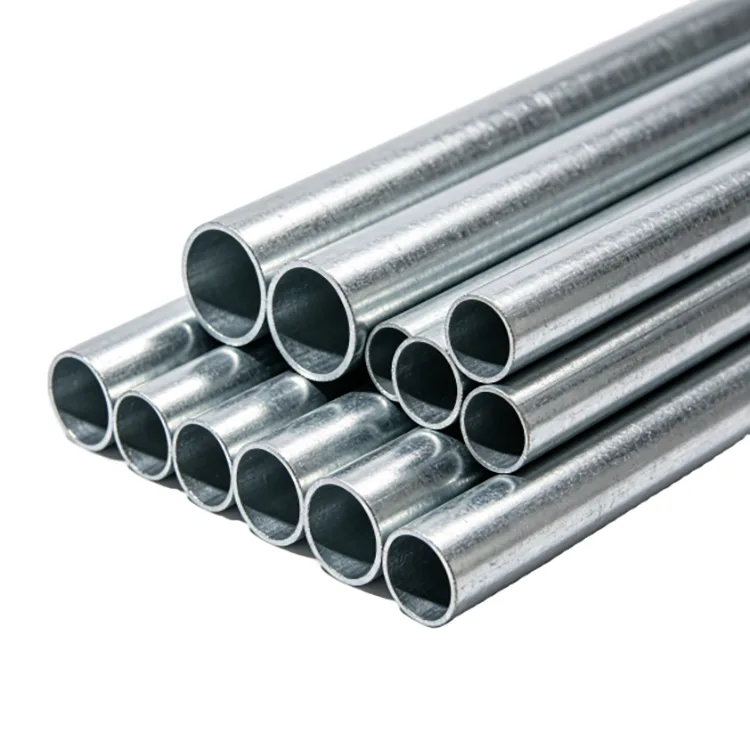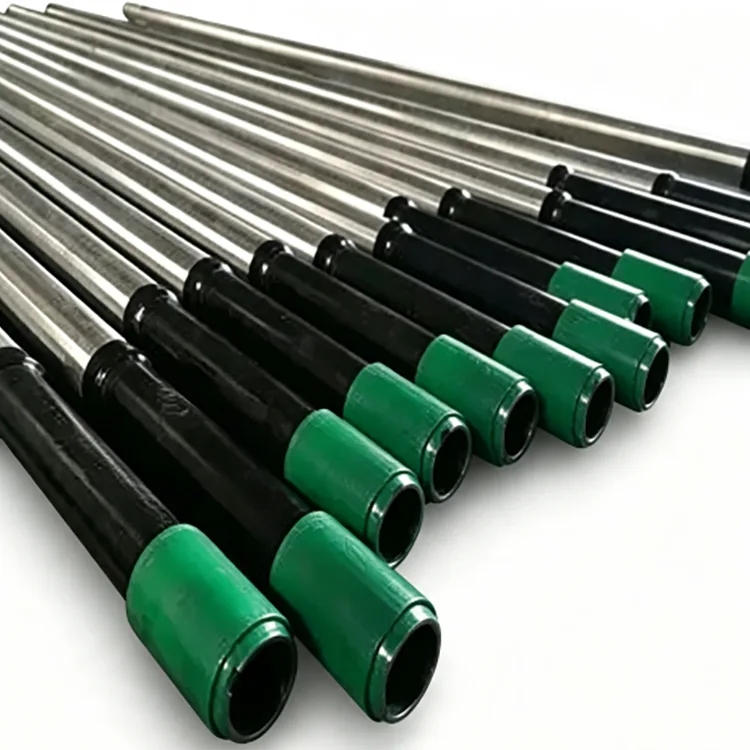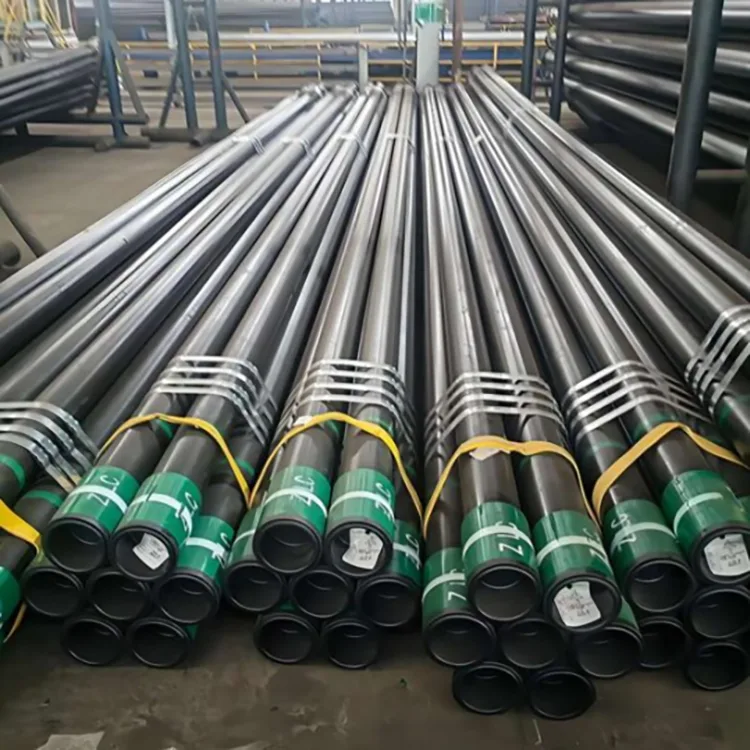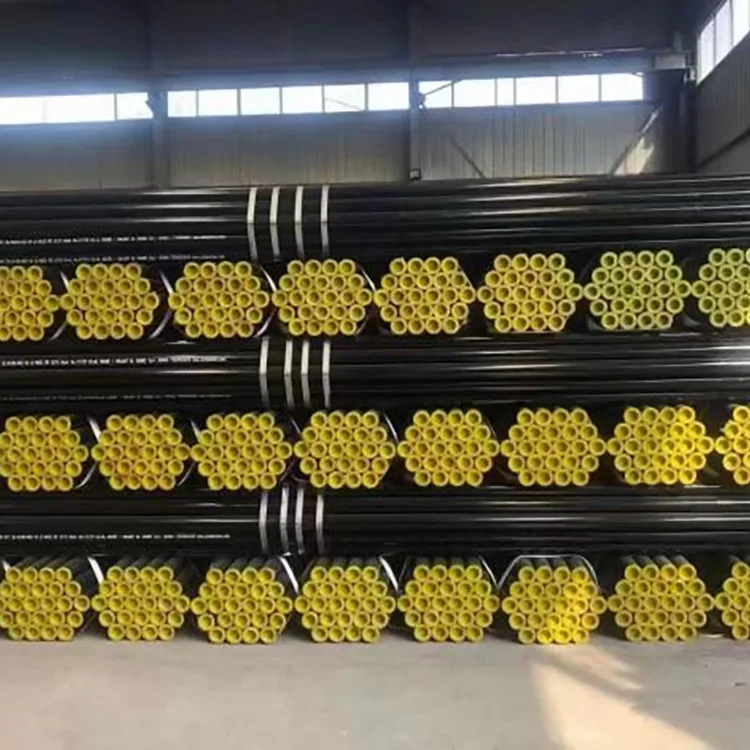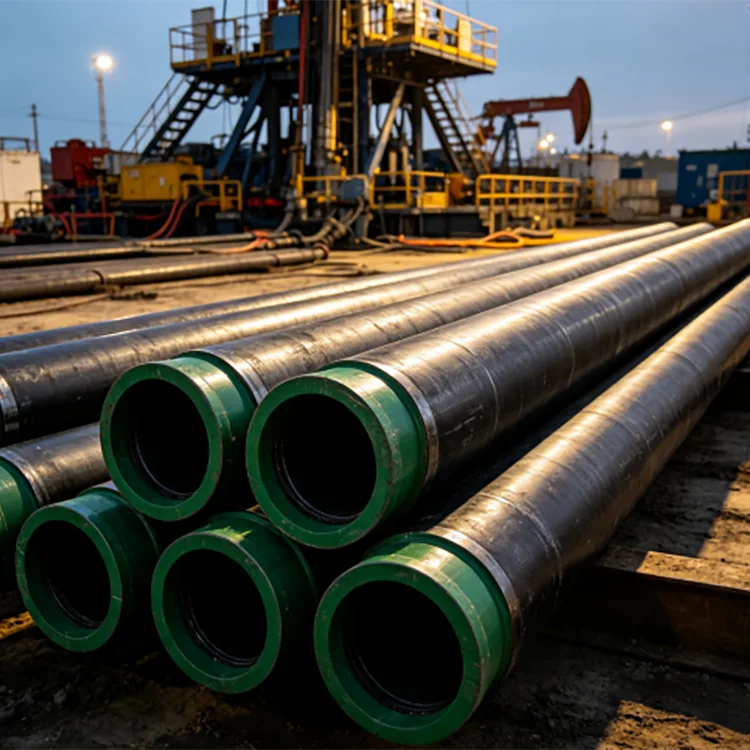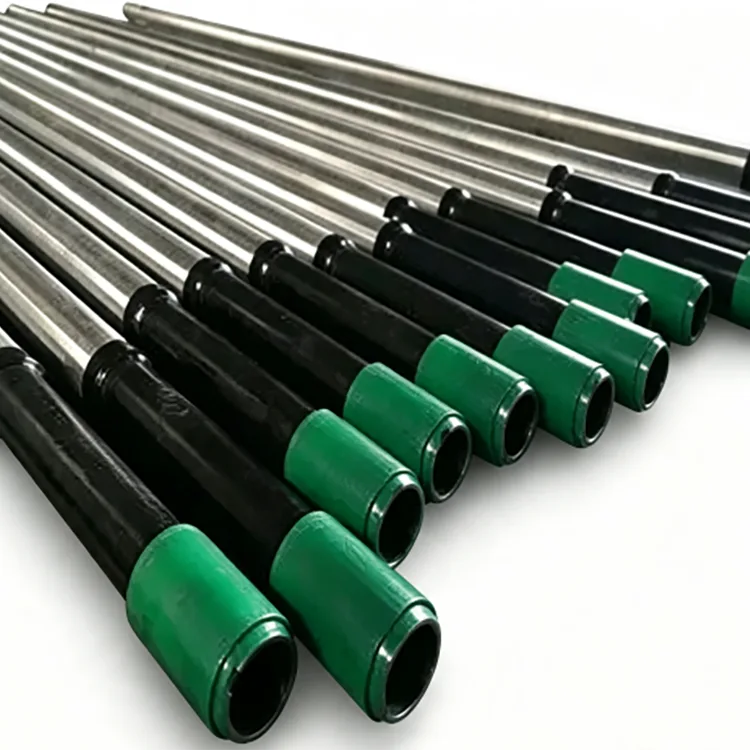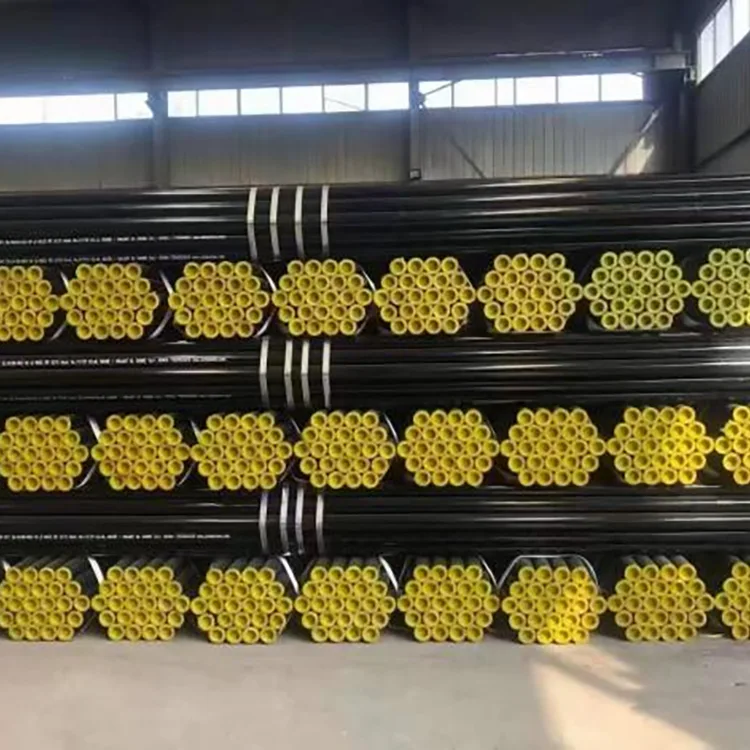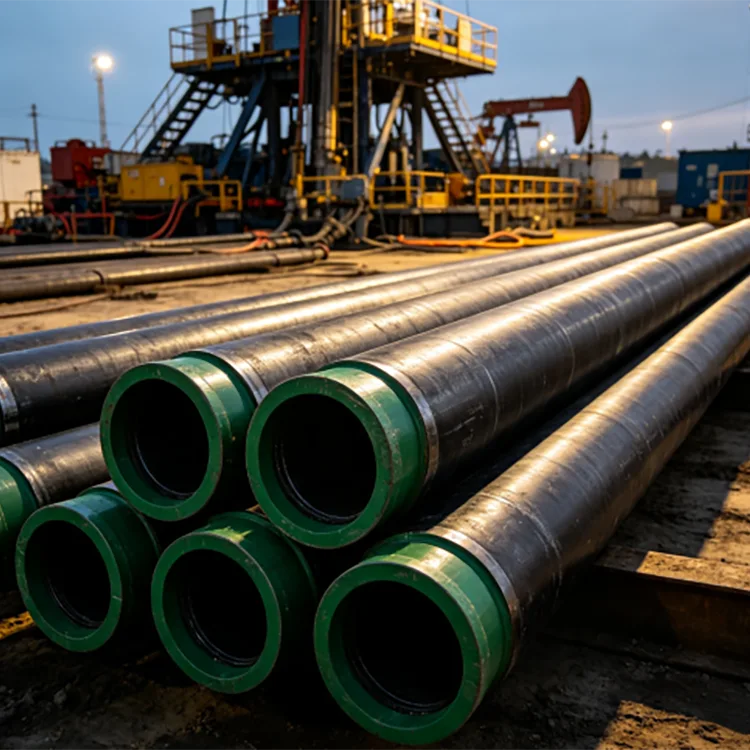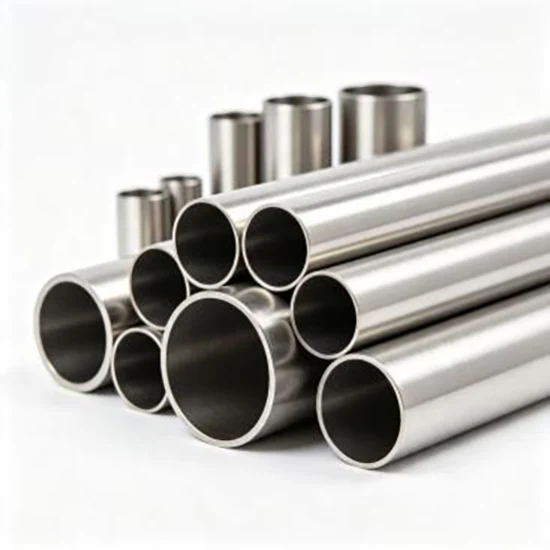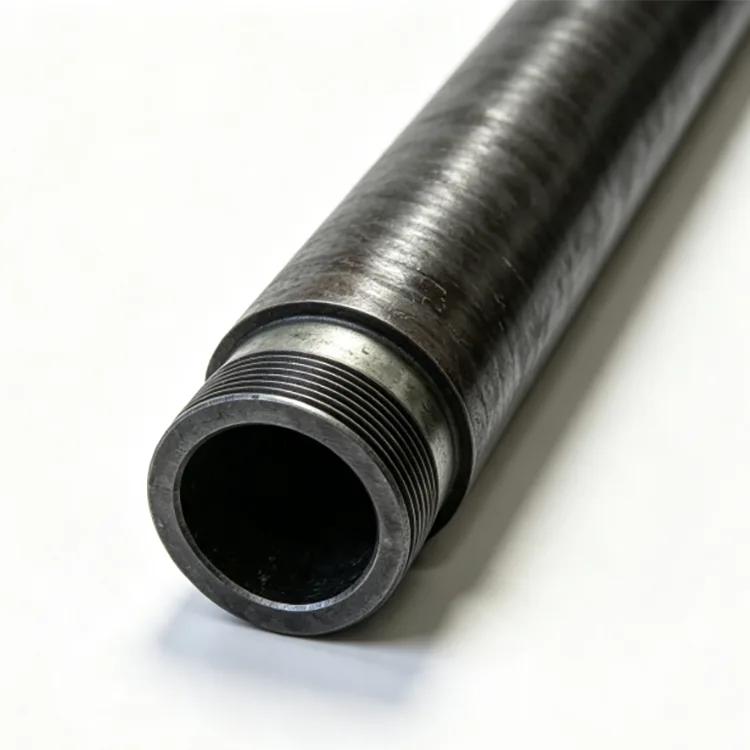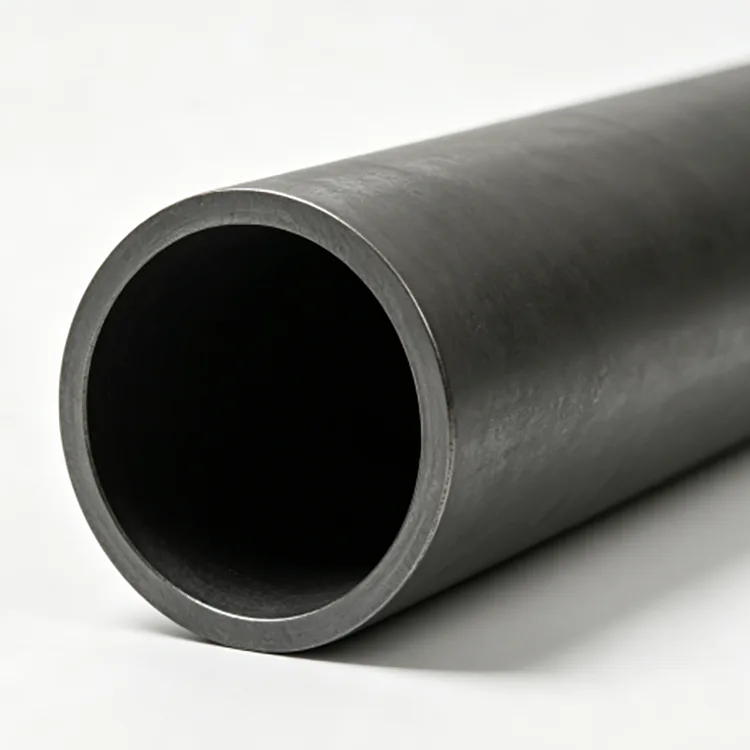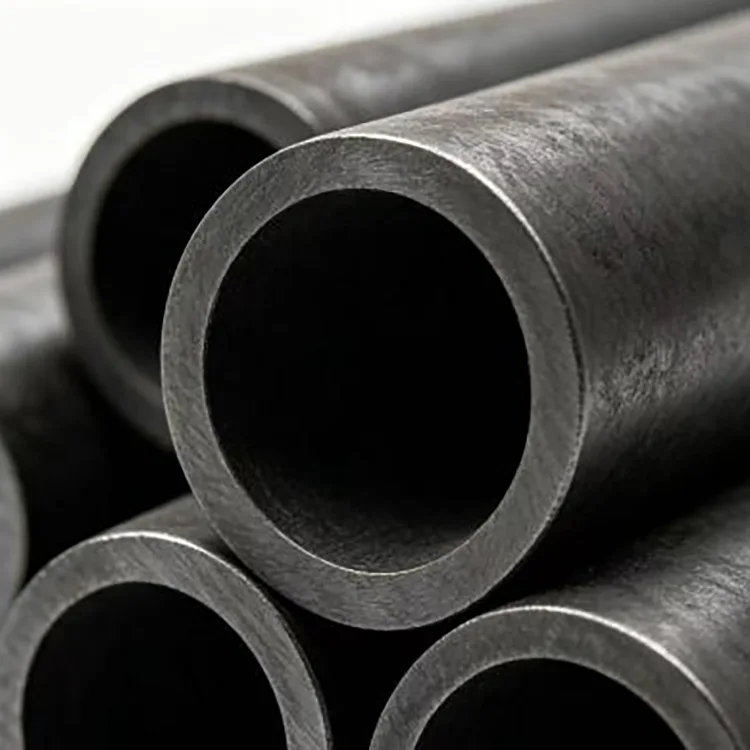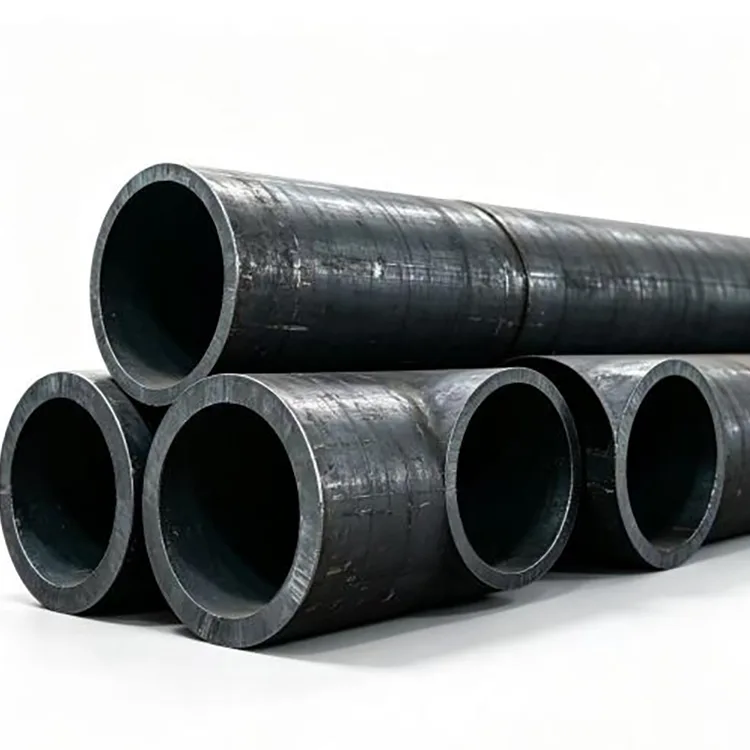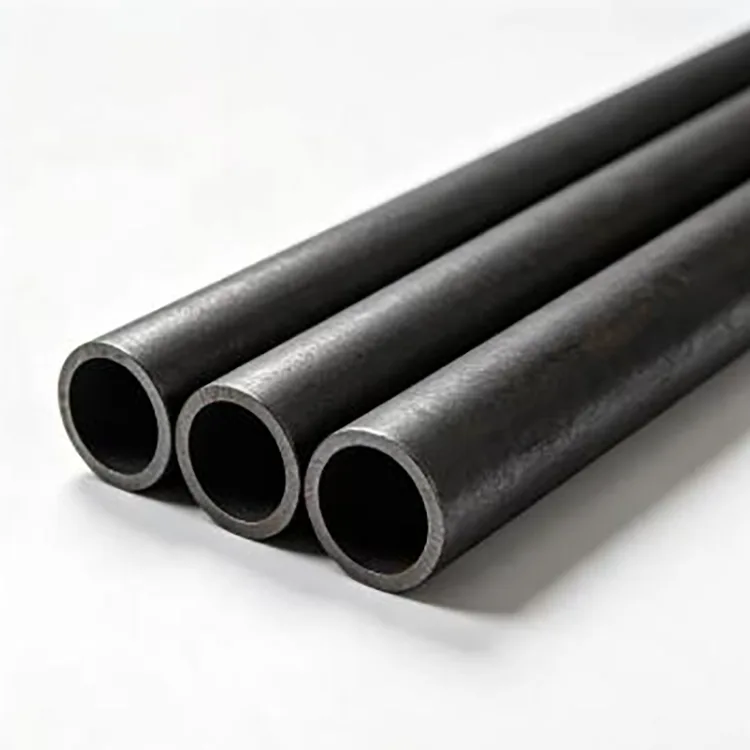
Oilfield seamless casing pipe is used in oil and gas wells to support the wellbore, isolate different formations and provide a controlled path for drilling and production operations. We supply casing in J55, K55, N80, L80, P110 and Q125 grades, with available sizes, thread connections and lengths matched to well design requirements.
Oilfield seamless casing pipe is installed in the drilled well and then cemented in place. Unlike tubing, which is normally placed inside the casing to carry produced fluids, casing remains part of the well structure and must withstand loads from formation pressure, cementing, drilling and production operations.
For oilfield orders, grade, outside diameter, wall thickness, connection, length and inspection requirements should be specified together. Casing performance cannot be judged from steel grade alone.
Standards and Specifications
API 5CT is the main international specification for casing and tubing used in oil and gas wells. The latest API 5CT edition is the 11th edition, with an addendum published in 2025.
For Chinese projects, GB/T 19830-2023 is the current national standard for steel pipes used as casing or tubing for oil and gas wells. It took effect on March 1, 2024 and replaced GB/T 19830-2017.
Item
Typical Supply Range
Standards
API 5CT / GB/T 19830-2023
Common Grades
J55, K55, N80, L80, P110, Q125
Nominal Outside Diameter
114.3–508 mm (4½–20")
Wall Thickness
5.21–16.13 mm and project-specific
Manufacturing
Seamless hot rolled, finished and threaded
Connection
API thread types and specified premium connections
Length
R1 / R2 / R3 according to order requirements
The actual casing size and performance rating should be selected from the well program, casing design and applicable standard rather than from well depth alone.
Steel Grade Selection
J55 and K55 are commonly used for conventional casing applications where the well conditions do not require higher-strength grades. K55 provides a higher specified yield strength level than J55 and may be selected when the design requires it.
N80 is used where higher strength is required for conventional sweet-service wells. N80 should not be treated as automatically suitable for sour-service conditions.
L80 is widely used where controlled hardness and sour-service requirements are specified. The exact L80 grade and qualification requirements should be confirmed from the purchase specification.
P110 provides higher strength for demanding casing designs, including deeper or higher-load wells where the design calls for a higher-strength grade.
Q125 is used for high-strength casing applications. It is not simply a substitute for P110 in every well; collapse, burst, axial load, temperature and connection performance still need to be checked.
Oilfield seamless casing pipe Selection Starts with the Well Design
A practical casing selection sequence is:
Well depth and load → formation pressure → corrosion conditions → casing size → wall thickness → steel grade → connection type → length and inspection requirements.
A deeper well does not automatically require the highest steel grade. The casing string has to be checked for collapse, burst and axial loads under the actual drilling, cementing and production conditions.
Corrosion and Sour-Service Selection
For wells containing H₂S, material selection requires particular attention to sulfide stress cracking resistance and hardness control. A standard high-strength grade should not be upgraded or substituted without checking its suitability for the specified sour-service environment.
For CO₂, chloride and other corrosive conditions, the selection may require corrosion-resistant alloys or other measures in addition to conventional casing grades. The actual temperature, pressure, fluid composition and water chemistry should be included in the technical specification.
Thread Connections
The connection is part of the Oilfield seamless casing pipe system, not just an end-finishing option.
STC is commonly associated with short thread and coupling applications where the well conditions and design allow a conventional connection.
LTC provides a longer threaded engagement and is used in a wider range of conventional casing applications.
BTC uses a buttress thread profile and is widely used where higher connection load capacity is required.
For horizontal wells, high-pressure gas wells, large-displacement wells and other demanding applications, premium connections may be specified for improved sealing and mechanical performance. VAM, FOX and other proprietary connections should only be supplied according to the customer's specified connection design or license requirements.
Length Selection
Casing is commonly supplied in API range lengths:
Range
Length
R1
6.10–7.62 m
R2
8.53–10.36 m
R3
10.36–13.72 m
The exact range and length requirements should follow the applicable API 5CT tables and purchase specification. Long joints may reduce the number of connections in a casing string, but transportation and handling requirements also need to be considered.
Typical Oilfield Applications
Surface and Intermediate Casing
Used to support the upper wellbore, isolate formations and provide a foundation for subsequent drilling sections.
Production Casing
Installed through the production interval and used as part of the final wellbore structure.
Deep and High-Pressure Wells
Higher-strength grades and suitable wall thicknesses can be selected where collapse, burst and axial loads are more demanding.
Horizontal and Shale Wells
Casing selection must consider bending, torque, drag, connection performance and hydraulic-fracturing loads in addition to conventional casing design.
Manufacturing and Inspection
Seamless casing is produced from steel billet through hot rolling or piercing processes, followed by finishing, dimensional inspection and thread machining according to the specified standard.
Inspection may include chemical composition, tensile properties, hardness where applicable, dimensional checks, drift inspection, hydrostatic testing and non-destructive examination as required by the applicable specification and purchase order.
Thread dimensions and gauges are also important because connection performance depends on accurate machining, gauging and coupling fit.
Supply and Processing
We can supply casing according to the required steel grade, outside diameter, wall thickness, thread type and length. Threaded and coupled products can be prepared according to the specified connection.
For export orders, casing can be bundled and packed for container or break-bulk transportation, with thread protectors and end protection used where required.
Project orders can also include inspection documents and third-party inspection arrangements such as SGS, BV or TÜV according to customer requirements.
FAQ
Q1: Is all oilfield casing seamless?
No. API 5CT includes both seamless and electric-welded casing products. When the project specifically requires seamless casing, the purchase specification should clearly state the manufacturing type.
Q2: Which standard should I use for Oilfield seamless casing pipe?
API 5CT is widely used for international oil and gas projects. For Chinese national-standard projects, GB/T 19830-2023 is the current standard covering steel pipes for casing or tubing.
Q3: How do I choose J55, N80, L80, P110 or Q125?
The choice depends on the casing design loads and service environment. J55 and K55 are common for conventional applications; N80 and P110 provide higher strength; L80 is commonly specified where sour-service requirements apply; Q125 is used for higher-strength applications. Final selection should be based on the well design and applicable specification.
Q4: Can N80 or P110 be used in sour wells?
Do not select casing for H₂S service based only on strength. Sour-service suitability depends on the grade, hardness, material condition and environmental requirements. The casing should be specified according to the applicable sour-service requirements.
Q5: What is the difference between casing, tubing and drill pipe?
Casing is installed and cemented to support and isolate the wellbore. Tubing is placed inside the casing to carry produced fluids. Drill pipe is used during drilling and is removed after the drilling operation.
Q6: Can you supply casing with threads and couplings?
Yes. Casing can be supplied with specified API thread types or project-specified premium connections, together with couplings, thread protectors and the required inspection documentation.
Hot Tags: Oilfield Seamless Casing Pipe, oilfield casing pipe supplier, API 5CT casing pipe manufacturer
We use cookies to offer you a better browsing experience, analyze site traffic and personalize content. By using this site, you agree to our use of cookies. Privacy Policy