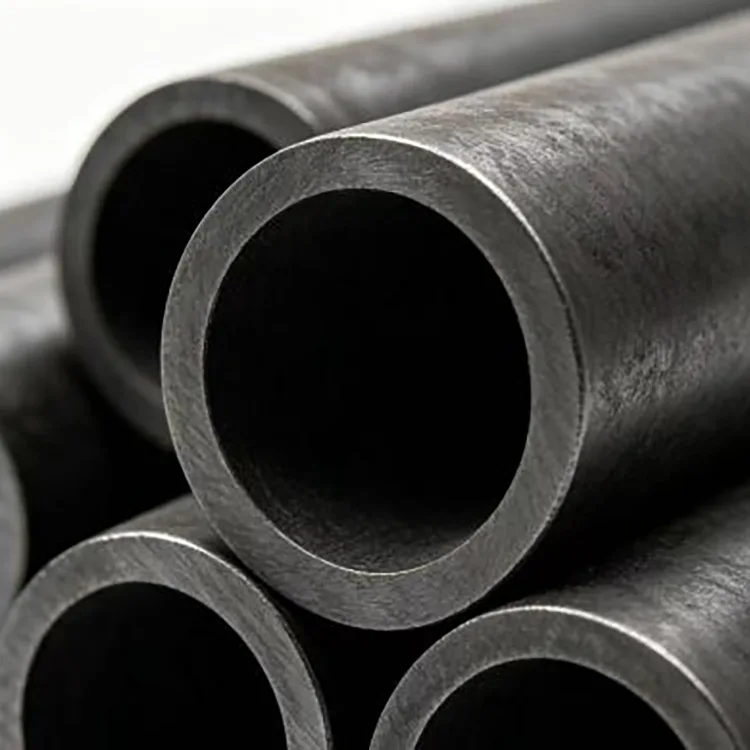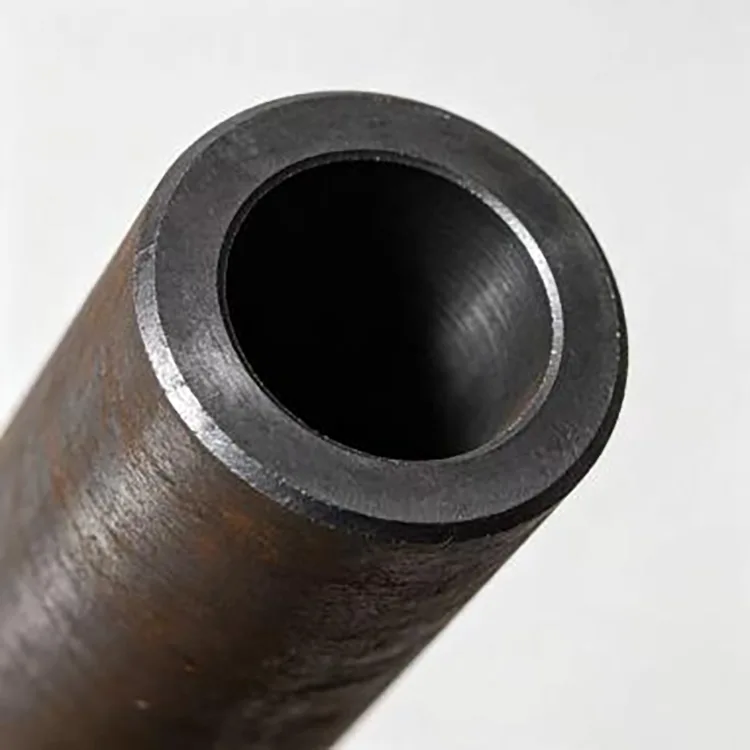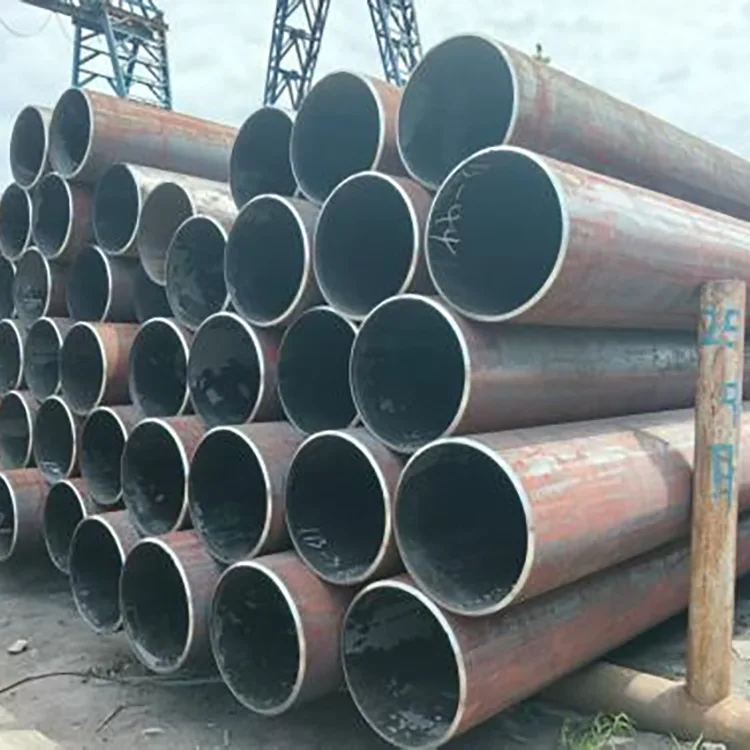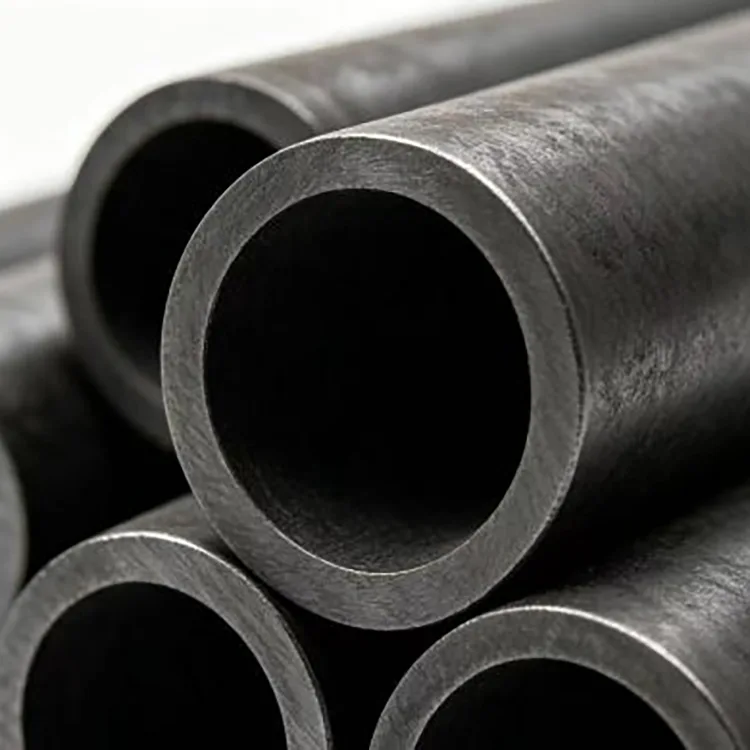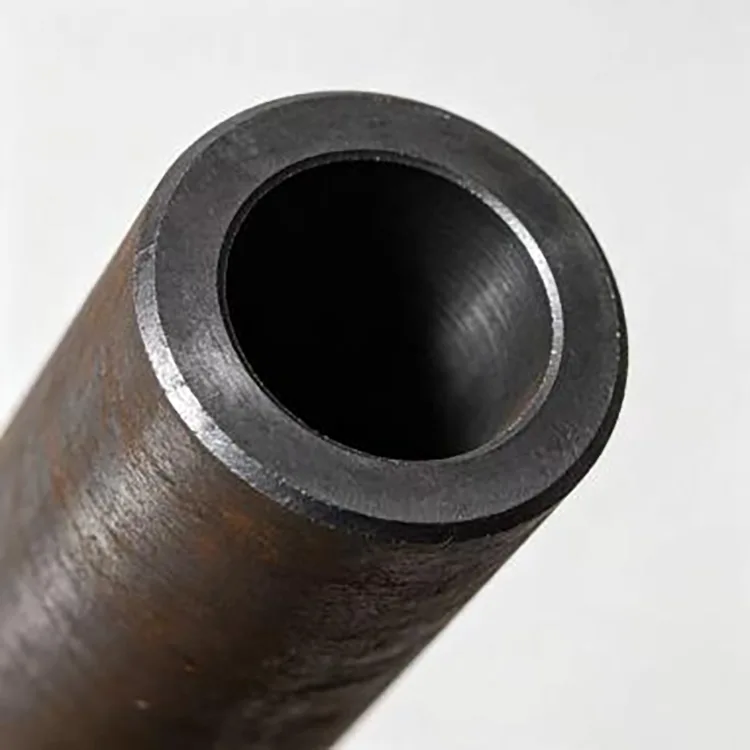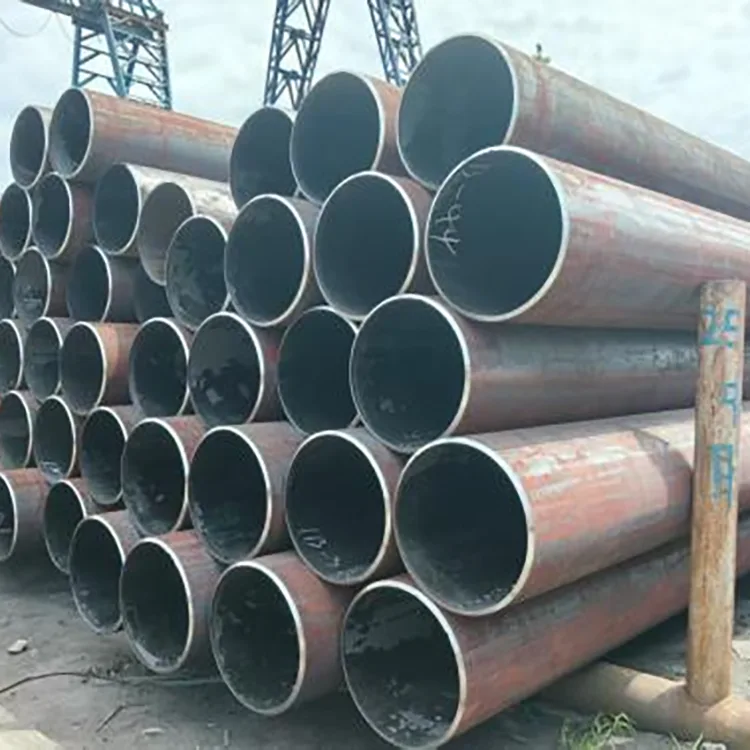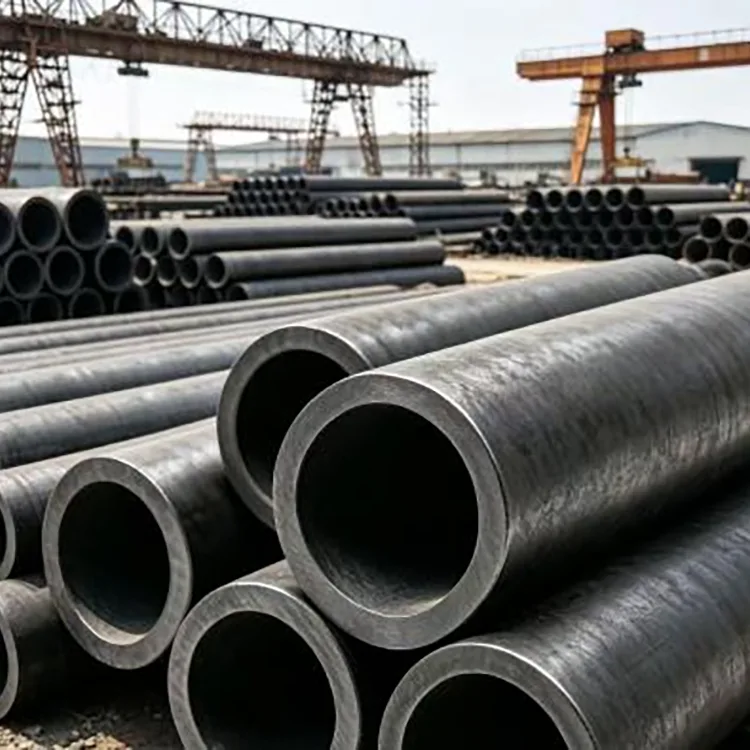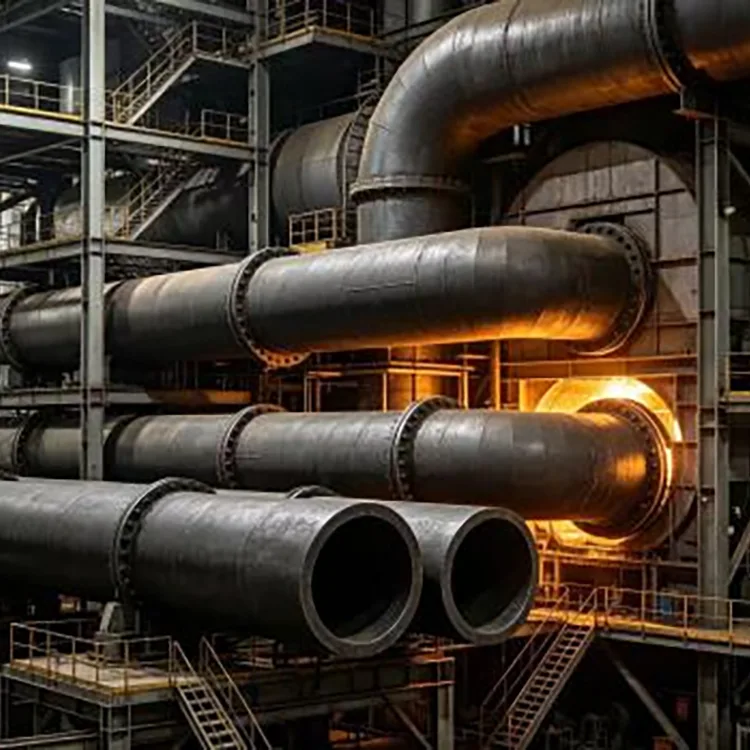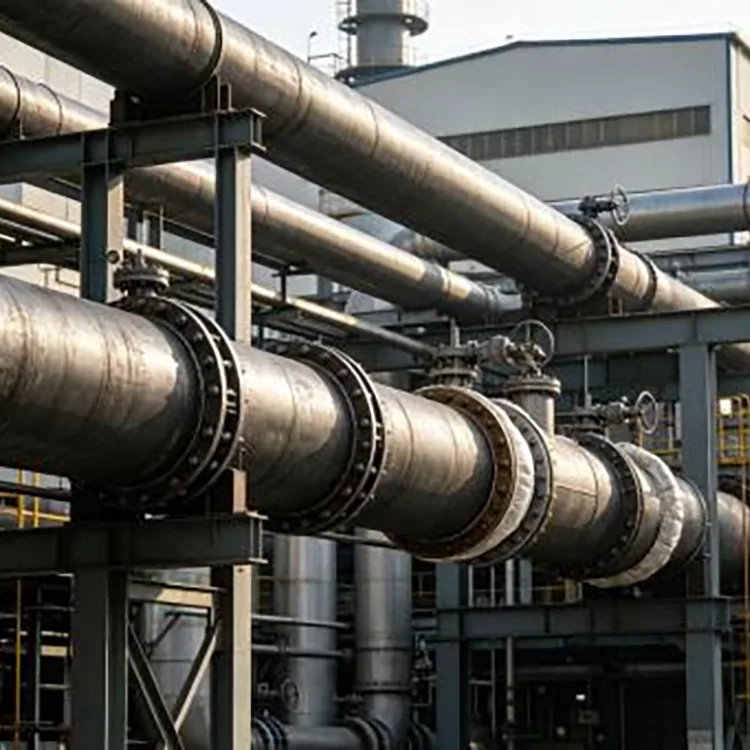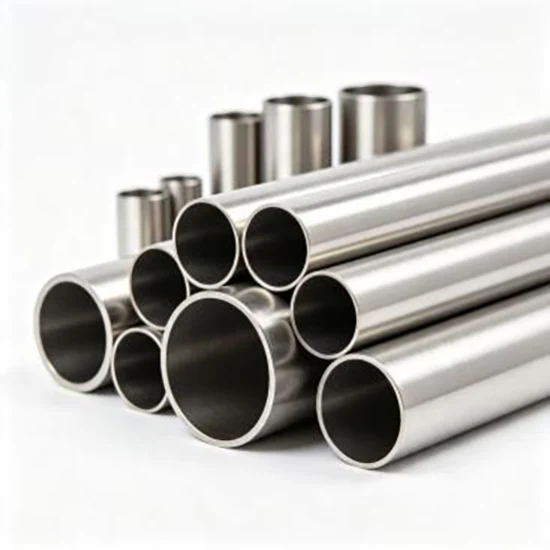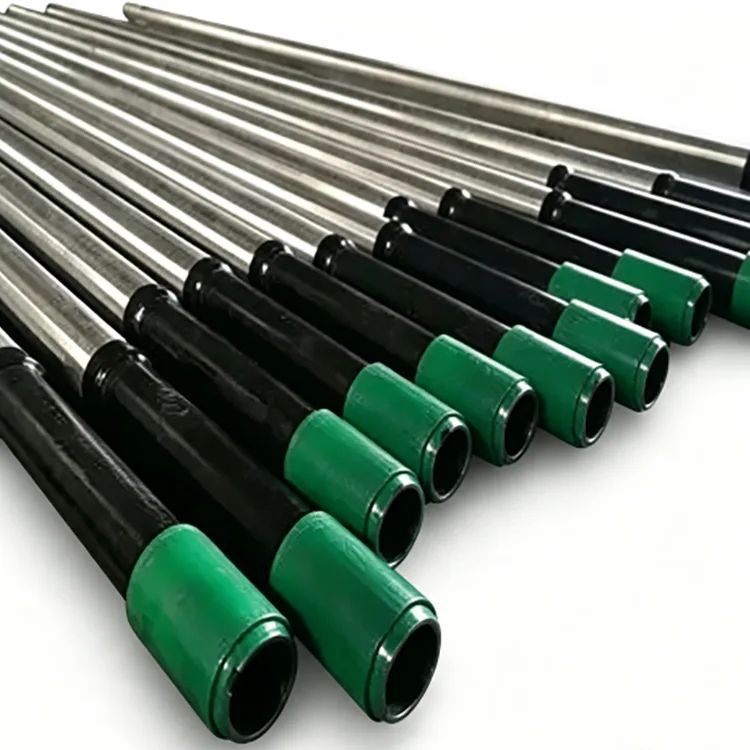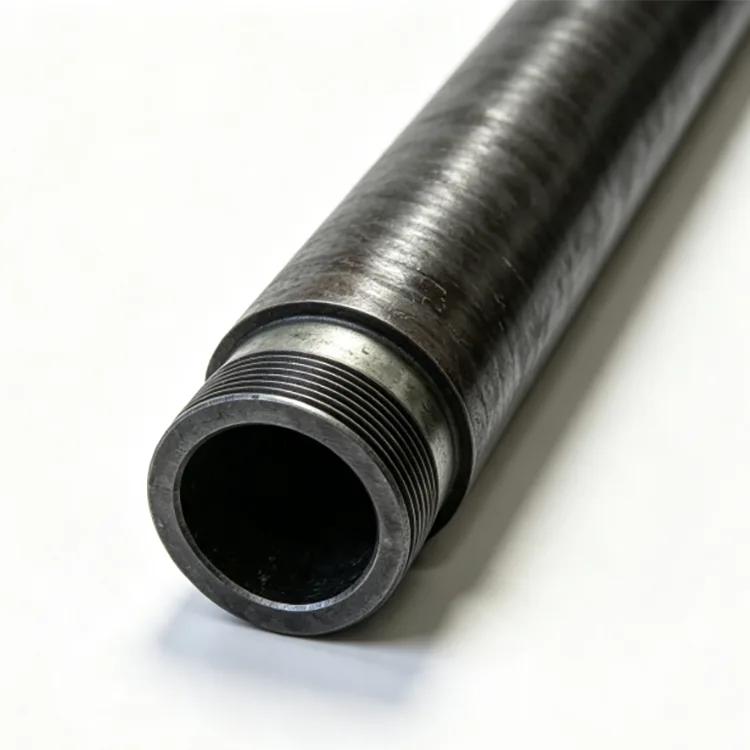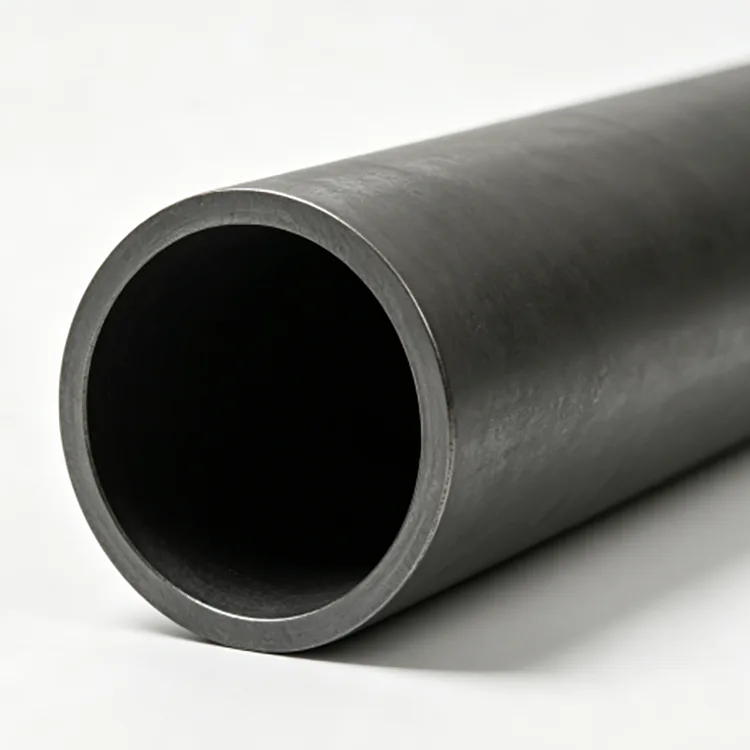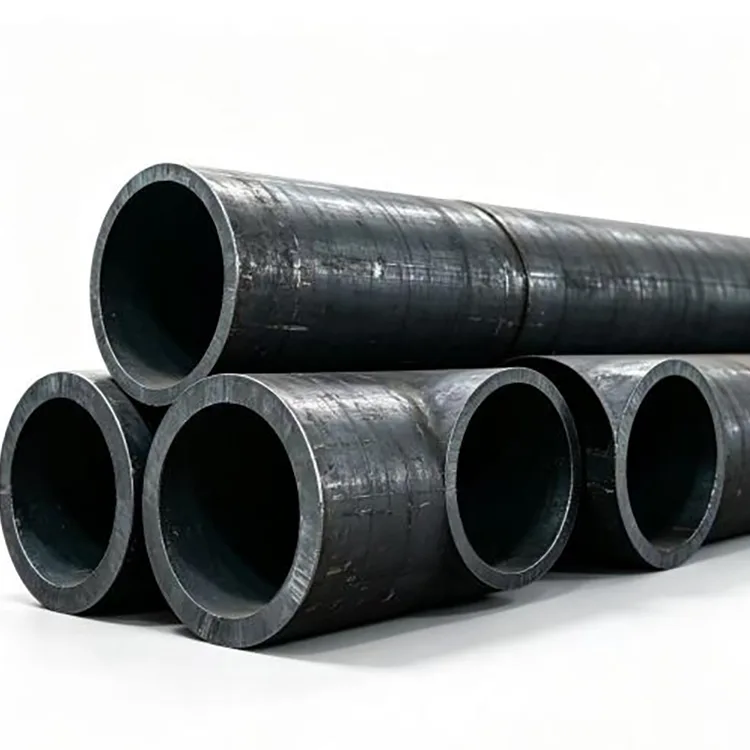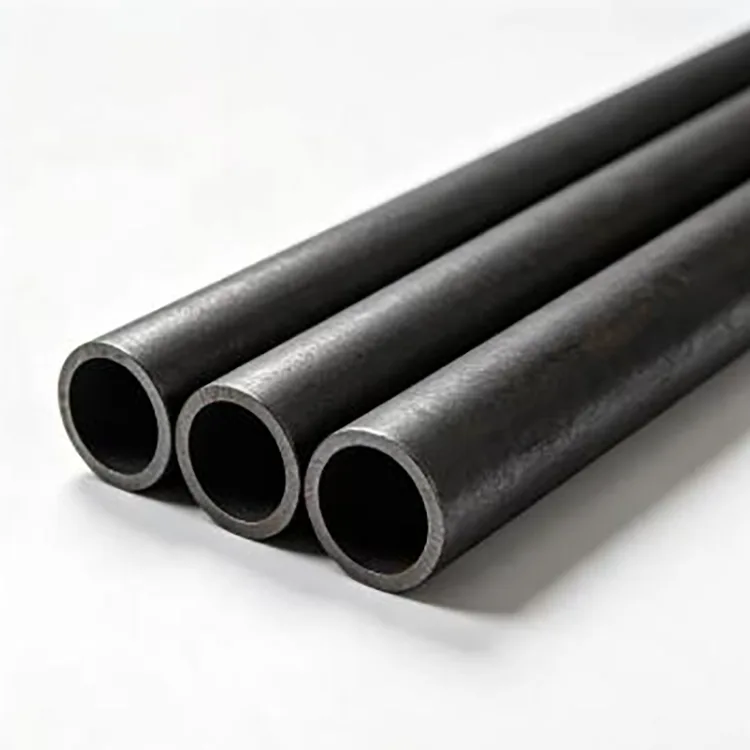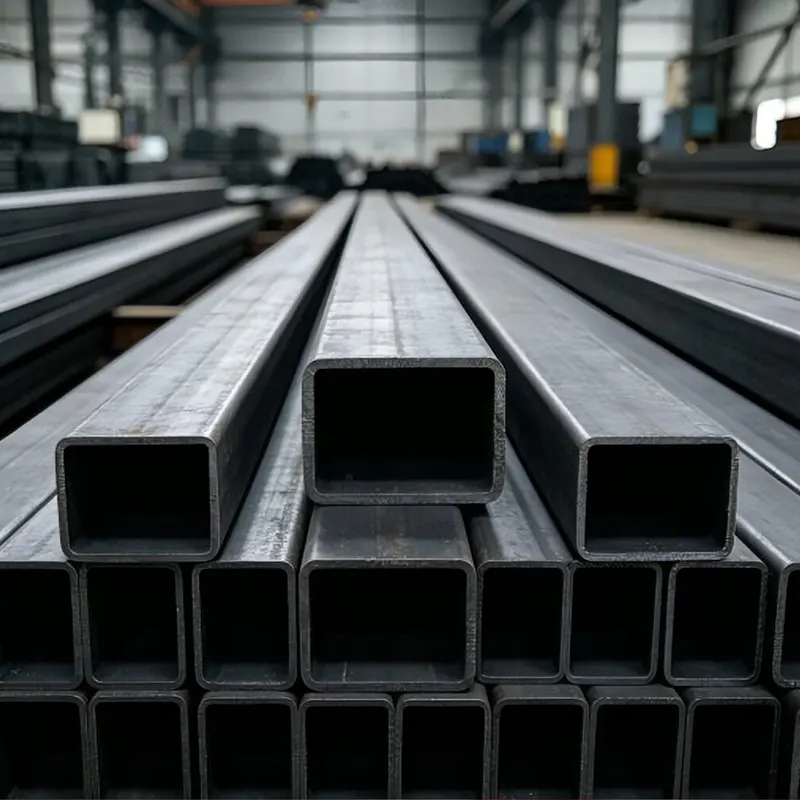
High-temperature piping cannot be selected by pipe size alone. Working temperature, pressure, service medium, operating time and material grade all affect the performance required from the pipe. This High-Temperature Seamless Carbon Steel Pipe is intended for high-temperature and high-pressure applications where ordinary carbon steel piping may not provide sufficient long-term stability.
The pipe is manufactured using seamless steel pipe production technology, giving the pipe a continuous structure without a longitudinal weld seam. Controlled heating, piercing, rolling, sizing, cooling and straightening help maintain a dense and uniform pipe wall. The finished pipe is suitable for high-temperature steam, hot water and process fluids, with processing options available for different installation requirements.


Long-term exposure to heat can cause carbon steel piping to lose dimensional stability or develop deformation when the material and operating conditions are not properly matched. For this reason, the pipe is designed around specific temperature and pressure limits rather than being treated as a general-purpose seamless pipe.
Under continuous service at 425°C, the pipe is designed to maintain stable dimensions and resist plastic deformation and diameter expansion. This is particularly important for pipelines that remain at elevated temperatures for long operating periods.
Industrial piping may experience repeated heating and cooling rather than a constant temperature. The pipe is designed to withstand thermal cycling and reduce the risk of cracking associated with repeated temperature changes.
The rated high-temperature pressure is 10 MPa at a constant temperature of 425°C. For an actual project, pressure capacity should still be checked against pipe size, wall thickness, material grade, design temperature and the applicable engineering code.
The use of controlled carbon steel raw materials and seamless manufacturing helps provide a dense pipe wall with consistent material continuity. This is important for applications where localized defects could become a problem under sustained temperature and pressure.
|
Item |
Specification |
|
Product Name |
High-Temperature Seamless Carbon Steel Pipe |
|
Common Material |
20G, ASTM A106 Gr.B and other specified grades |
|
Maximum Continuous Service Temperature |
425°C |
|
Short-Term Service Temperature |
Up to 450°C |
|
High-Temperature Rated Pressure |
10 MPa at 425°C constant temperature |
|
Applicable Standards |
GB/T 9948, ASTM A106 Gr.B |
|
Applicable Media |
High-temperature steam, high-temperature water, high-temperature process fluids |
|
Claimed Service Life |
8+ years of continuous operation without failure |
|
Processing Options |
Fixed-length cutting, chamfering, internal-wall polishing |
The correct material depends on the actual operating temperature and service conditions. Different grades should not be substituted simply because their nominal pipe dimensions are the same.
For medium- and low-pressure steam, heat-transfer oil and hot-water pipelines, 20G seamless steel pipe according to GB 3087 is the preferred option in the supplied selection scheme.
ASTM A106 Gr.B can be used as an alternative.
GB/T 8163 20# should be considered cautiously and is intended for low-pressure, non-critical branch lines rather than demanding high-temperature service.
For long-term continuous high-temperature steam service, use 20G according to GB 3087 or ASTM A106 Gr.B according to the project design.
For this temperature range, the material documentation should include the required high-temperature mechanical properties and non-destructive testing records where specified by the project.
Ordinary GB/T 8163 20# should not be substituted for a specified high-temperature pipe simply to reduce purchasing cost.
At this temperature range, carbon steel pipe should only be considered for short-term or intermittent service.
A creep assessment is required, and inspection intervals should be shortened where carbon steel is temporarily used. For formal engineering design, chromium-molybdenum alloy steel is preferred.
Carbon steel seamless pipe should not be used for long-term operation above 450°C.
The supplied selection guidance recommends heat-resistant alloy steel such as:
● 15CrMoG — up to 510°C
● 12Cr1MoVG — up to 570°C
The final material selection should follow the actual engineering design, operating conditions and applicable standards.
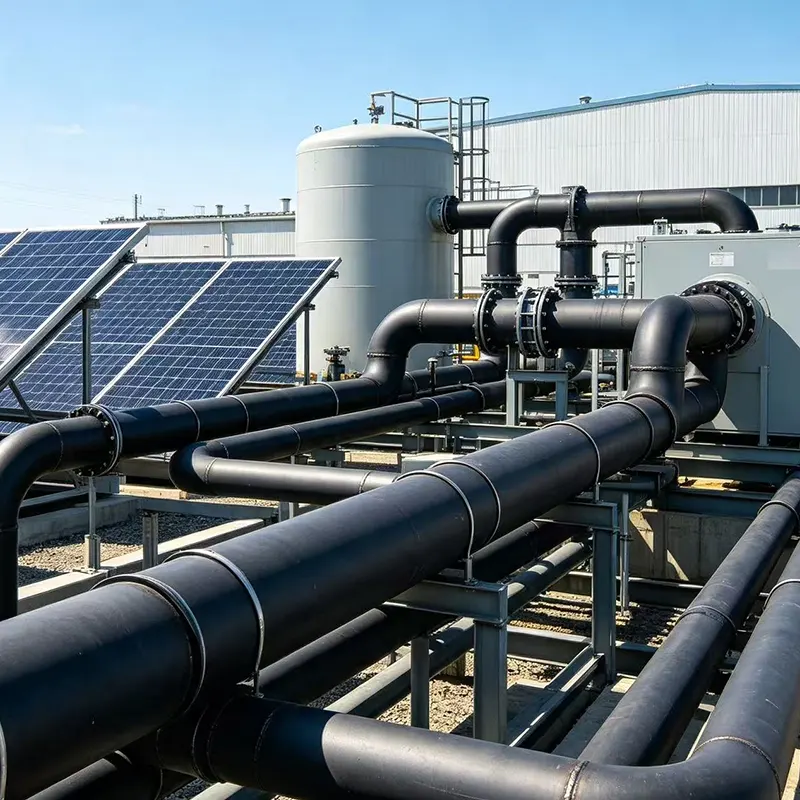
This pipe is mainly used in systems where temperature and pressure are sustained for extended periods.
Typical applications include:
Used for auxiliary piping around power plant boilers and other thermal power equipment where hot water or steam is transported under controlled operating conditions.
Suitable for high-temperature steam transmission in industrial plants, including process steam lines and supporting pipelines.
Used for high-temperature process fluids where the selected carbon steel grade is compatible with the operating temperature, pressure and medium.
Applied in waste heat recovery systems where hot fluids or steam need to be transferred between process equipment.
Used for piping connected to high-temperature heat exchangers and related thermal equipment.
Correct selection also means knowing when a pipe should not be used.
This product is not recommended for:
● Strongly corrosive acid or alkaline media
● Long-term service above 450°C
● Low-temperature/high-pressure conditions requiring dedicated low-temperature pipe grades
For special media or extreme temperatures, the material should be reassessed rather than forcing a carbon steel solution into an unsuitable application.


For high-temperature pipe, manufacturing control is closely related to the final dimensional and mechanical performance. Rongheng's supply system covers seamless steel pipe production and processing, with quality checks carried out from incoming material through finished-product inspection.
The general manufacturing route includes:
Raw Material Inspection → Heating → Piercing → Rolling → Sizing → Cooling → Straightening → Cutting → Surface Inspection → Non-Destructive Testing When Required → Final Inspection → Packing and Shipment
Before production, incoming steel materials are checked against the required grade and purchasing specification. Material documentation, chemical composition and mechanical properties are reviewed according to the order requirements.
For specified grades such as 20G and ASTM A106 Gr.B, the material needs to correspond with the applicable standard and project documentation.
The prepared steel billet is heated to the required processing temperature and pierced to form the initial hollow section. Heating control is important because excessive or insufficient heating can affect subsequent forming and the final pipe structure.
The hollow shell passes through the rolling and sizing stages to obtain the required outside diameter and wall thickness.
Dimensional control at this stage focuses on:
● Outside diameter
● Wall thickness
● Wall uniformity
● Pipe length
● Straightness
After forming, controlled cooling and straightening are used to stabilize the pipe dimensions. Straightness is checked before the pipe proceeds to final processing.
The pipe can be supplied in required lengths. Fixed-length cutting, pipe-end chamfering and internal-wall polishing can be arranged according to the confirmed order specification.
High-temperature piping is often installed in systems where replacing a failed section means shutting down equipment. For this reason, quality control should cover more than appearance and dimensional inspection.
Rongheng's inspection process can include:
The steel grade, material documentation and required chemical and mechanical properties are checked against the purchase specification.
Outside diameter, wall thickness, length and straightness are checked to confirm that the finished pipe meets the agreed requirements.
The pipe surface is checked for visible defects, excessive oxidation and other conditions that could affect subsequent use or processing.
Where required by the order or engineering project, non-destructive testing can be arranged to identify internal discontinuities that cannot be confirmed through visual inspection.
Finished pipes are checked by specification and production batch before packing. Quantity, dimensions, markings and required inspection documents are confirmed before shipment.
For engineering projects, receiving the correct specification in the first shipment is not enough. If the project requires several batches, differences between shipments can create problems during installation and site acceptance.
Rongheng organizes production and inspection according to the confirmed order requirements. For repeat procurement, the original material grade, dimensions, processing requirements and inspection conditions can be used as a reference for subsequent batches.
This approach is particularly useful for projects requiring multiple deliveries of the same pipe specification.
Different installation sites require different pipe lengths and end conditions. Rongheng can arrange further processing based on confirmed drawings or specifications.
Available processing includes:
● Fixed-length cutting
● Pipe-end chamfering
● Internal-wall polishing
● Other agreed processing requirements
For bulk engineering orders, buyers should provide the required pipe grade, size, wall thickness, length, working temperature, working pressure, service medium and inspection requirements before quotation.
This allows the pipe specification to be matched to the actual application instead of quoting only according to diameter and wall thickness.
For high-temperature service, the following information should be confirmed before purchasing:
|
Purchasing Information |
Why It Matters |
|
Material Grade |
Determines the applicable temperature and mechanical requirements |
|
Standard |
Defines material, manufacturing and inspection requirements |
|
Outside Diameter |
Determines pipeline dimensions and connection requirements |
|
Wall Thickness |
Directly affects pressure capacity and installation |
|
Working Temperature |
Critical for material and service-life selection |
|
Working Pressure |
Must be considered together with temperature and wall thickness |
|
Service Medium |
Determines material compatibility |
|
Pipe Length |
Affects installation and cutting requirements |
|
NDT Requirement |
Important for critical engineering applications |
|
Inspection Documents |
Needed for project acceptance and traceability |
Rongheng Intelligent Manufacturing (Tianjin) Import & Export Co., Ltd. operates as the international sales platform of Tianjin Gefu Steel and works with steel manufacturing resources in Daqiuzhuang, Tianjin, a major steel production and distribution area.
The supply range covers seamless steel pipes, welded steel pipes, galvanized pipes, steel profiles and photovoltaic mounting products. This allows the company to handle both standard steel pipe purchasing and project orders involving specified materials, dimensions, processing and inspection requirements.
For bulk orders, production scheduling is confirmed according to the pipe specification, quantity, processing requirements and delivery plan. The aim is to keep the supplied pipe consistent with the approved purchasing specification from production through shipment.
The main difference is not simply whether the pipe is seamless. Long-term high-temperature service requires the material grade, manufacturing standard, mechanical properties, operating temperature and pressure to be considered together. A general-purpose seamless pipe should not automatically be treated as suitable for continuous high-temperature service.
Yes, 20G according to GB 3087 or ASTM A106 Gr.B can be considered for the 350–425°C continuous high-temperature range in the supplied selection scheme. The final selection should also consider design pressure, wall thickness, operating duration and the applicable engineering requirements.
The specified high-temperature rated pressure is 10 MPa at 425°C constant temperature. Actual project design should verify the pressure requirement against pipe dimensions, material grade, design code and operating conditions.
Yes. Fixed-length cutting is available according to the confirmed order. Pipe-end chamfering and internal-wall polishing can also be arranged when required.
Yes. Non-destructive testing and inspection documentation can be arranged according to the order and project requirements. Buyers should specify the required inspection level before production.
The most useful information is material grade, applicable standard, outside diameter, wall thickness, pipe length, working temperature, working pressure, service medium, quantity and inspection requirements. Drawings or project specifications can also be provided when additional processing is required.
No. Long-term operation above 450°C is outside the recommended range for carbon steel pipe in this selection scheme. Heat-resistant alloy steel such as 15CrMoG or 12Cr1MoVG should be evaluated for higher-temperature service.
The piping system needs sufficient allowance for thermal expansion. High-temperature flanges and suitable sealing materials should be selected, and cold pipes should not be forced into alignment during installation. Proper installation helps control thermal stress, deformation and leakage during operation.
The supplied product specification states a claimed service life of 8+ years under continuous operation without failure. Actual service life depends on operating temperature, pressure, medium, corrosion conditions, thermal cycling, installation and maintenance, so project conditions should be evaluated before determining expected service life.
For this type of pipe, purchasing decisions are usually based on more than price per ton. Material grade, temperature rating, wall thickness, inspection requirements, processing and batch consistency all affect whether the pipe can be accepted and installed correctly.
Rongheng combines steel manufacturing resources in Tianjin with international project supply experience, supporting standard specifications as well as fixed-length cutting, chamfering, polishing and other confirmed processing requirements.
For a high-temperature pipeline project, buyers can provide the operating temperature, pressure, medium and required standard first. Rongheng can then match the available pipe specification to the purchasing requirements and confirm the appropriate material, inspection and delivery conditions before production.
Address
Secondary Arterial Road No. 2-1, Expansion Area of Daqiuzhuang Industrial Zone, Jinghai District, Tianjin, China
Tel